Genting: the settlement that never settles
Malaysia's casino dynasty signed a 'global settlement' in 2019 to end nine lawsuits between the founder's branches. In February 2026 the family was back in the KL High Court over a new RM1.6bn estate — and a will signed seventeen days after the one before it.
Read this in: EN · 简体 · 繁體 · ไทย · ID
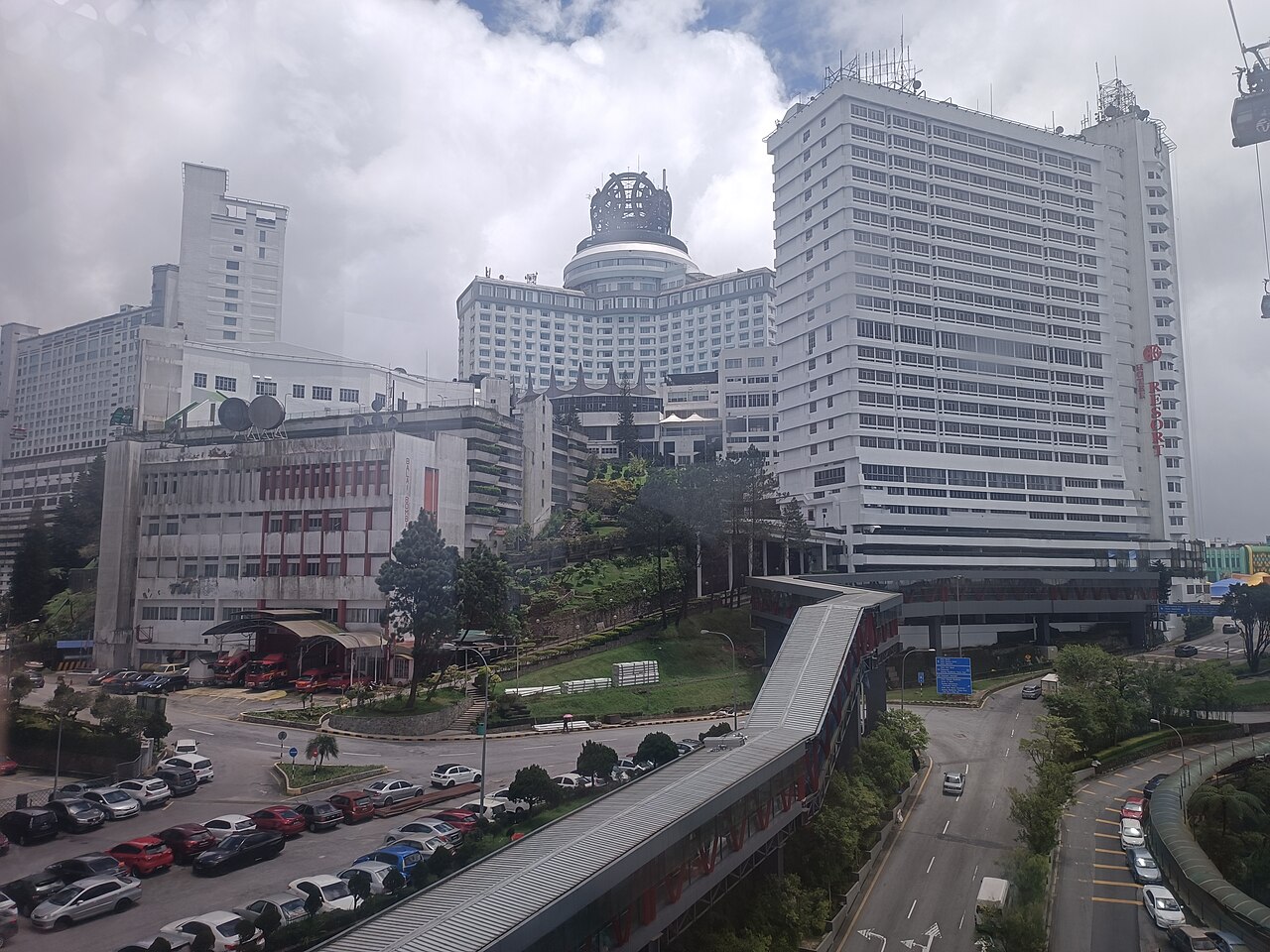
Lim Goh Tong turns an empty mountain into a casino empire, then gives control to his second son
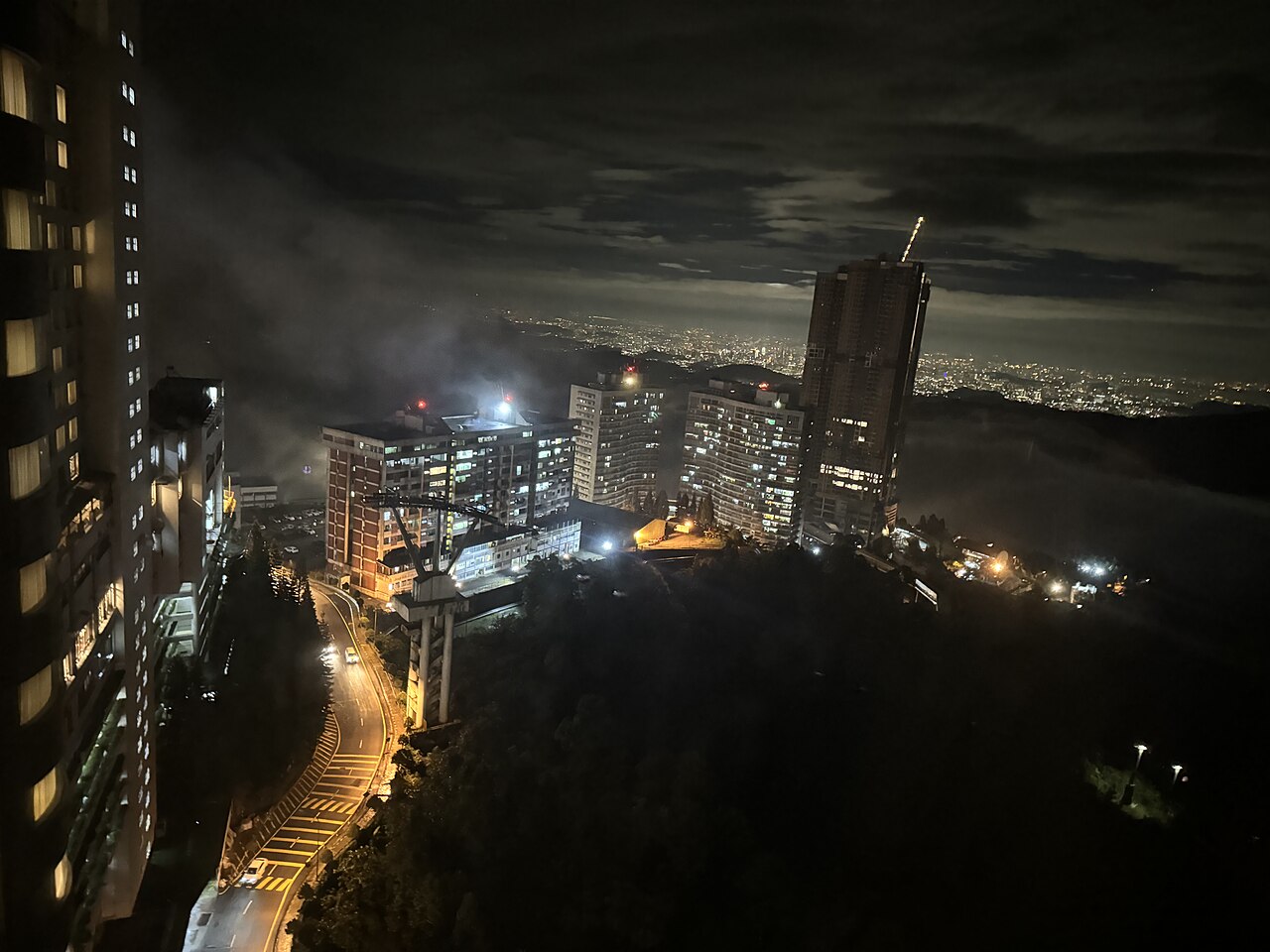
Lim Goh Tong drove a road up an uninhabited mountain and built a casino at the top of it. Genting Highlands became the only licensed casino in Malaysia, then a global gaming group; by the time the founder died in October 2007, at 90, the empire ran from the hill outside Kuala Lumpur to cruise lines and resorts across three continents, held together through the family vehicle Kien Huat Realty. He had thought about succession more carefully than most founders of his generation: control passed to his second son, Lim Kok Thay, and each child's family was provided for through its own trust — a separate vehicle per branch, set up while the founder was alive.
The eldest son goes bankrupt owing RM200 million, his brothers take his trust, and his children find out by suing
The architecture was sophisticated. It was also opaque — to the beneficiaries most of all. The trusts were discretionary; who sat inside them, and on what terms, was knowledge held by the men who administered them. When the eldest son, Lim Tee Keong, went bankrupt in 2003 owing some RM200 million, control of his branch's trust — set up by the founder in 1990 — moved to his younger brothers. Tee Keong died in 2014, still a bankrupt. His three children then discovered where they stood the only way an opaque structure lets anyone discover anything: by suing.

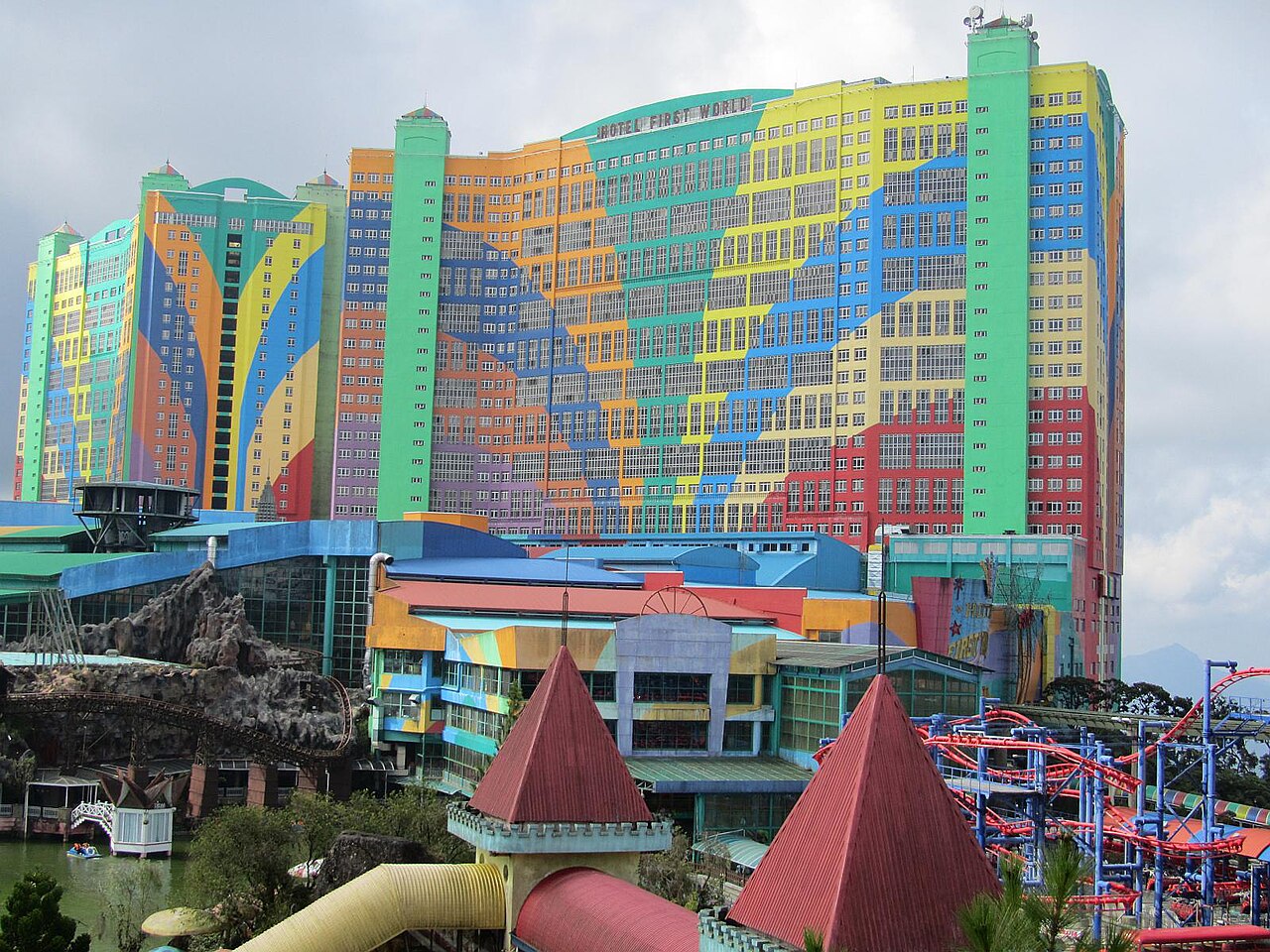

Three grandchildren sue their uncles and an aunt claims RM2.1 billion, and the family denies any trust ever existed
From 2015 they took their uncles Lim Kok Thay and Lim Chee Wah to court over their removal as beneficiaries of their father's trust and over a will they said was not validly their father's. Their aunt, Lim Siew Kim, the founder's youngest daughter, opened her own front in 2016 — claiming shares held on trust for her since the 1970s, worth about RM2.1 billion with everything that had accrued to them. The other side denied any trust existed.
Nine lawsuits end in one confidential settlement in 2019, and the trusts stay just as opaque as before
In July 2019 it all stopped at once. A consent order filed in the Kuala Lumpur High Court recorded a 'full and final' settlement — a global settlement covering nine suits between the branches, terms confidential, without liberty to file afresh. To the outside world the feud was over. But a settlement is a ceasefire between the people who signed it; it does not restructure anything, and it binds nobody who was not at the table. The trusts stayed opaque. The branches stayed unequal. The next estate was already forming.
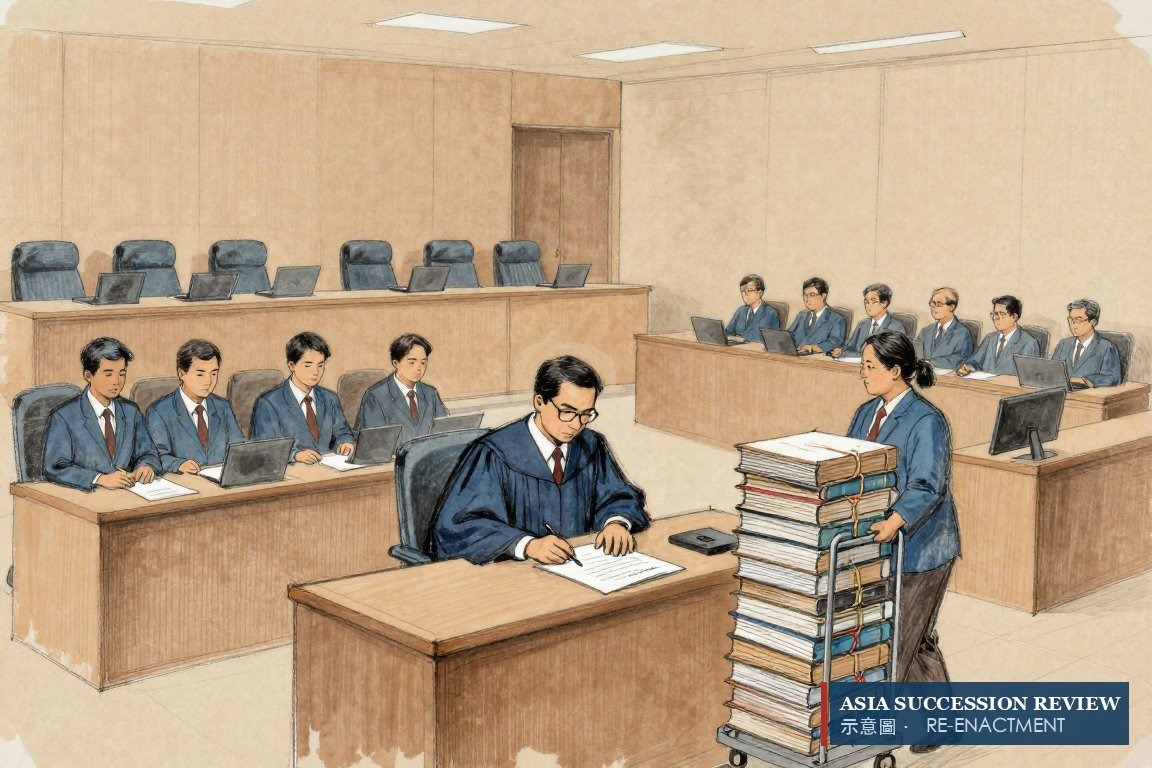
The founder's daughter dies leaving RM1.6 billion and three wills, and two of her daughters receive RM100,000 and RM900,000
Lim Siew Kim died in July 2022, leaving about RM1.6 billion — and three wills, the last signed seventeen days after the one before it, ten weeks before her death, while she was ill with late-stage cancer. Under that final will, two of her daughters received RM900,000 and RM100,000 respectively out of the RM1.6 billion. In February 2026 the KL High Court cleared the family's claims over the estate to proceed, dismissing a preliminary objection by the court-appointed administrators; the trial over the final will's validity opened the same month.

19 years on, the grandchildren are still in court, because the settlement ended the lawsuits and not the structure
Nineteen years after the founder's death, the second generation's estates are producing the third generation's lawsuits. That is the finding of this file: the 2019 settlement ended the litigation, not the structure that generates it.
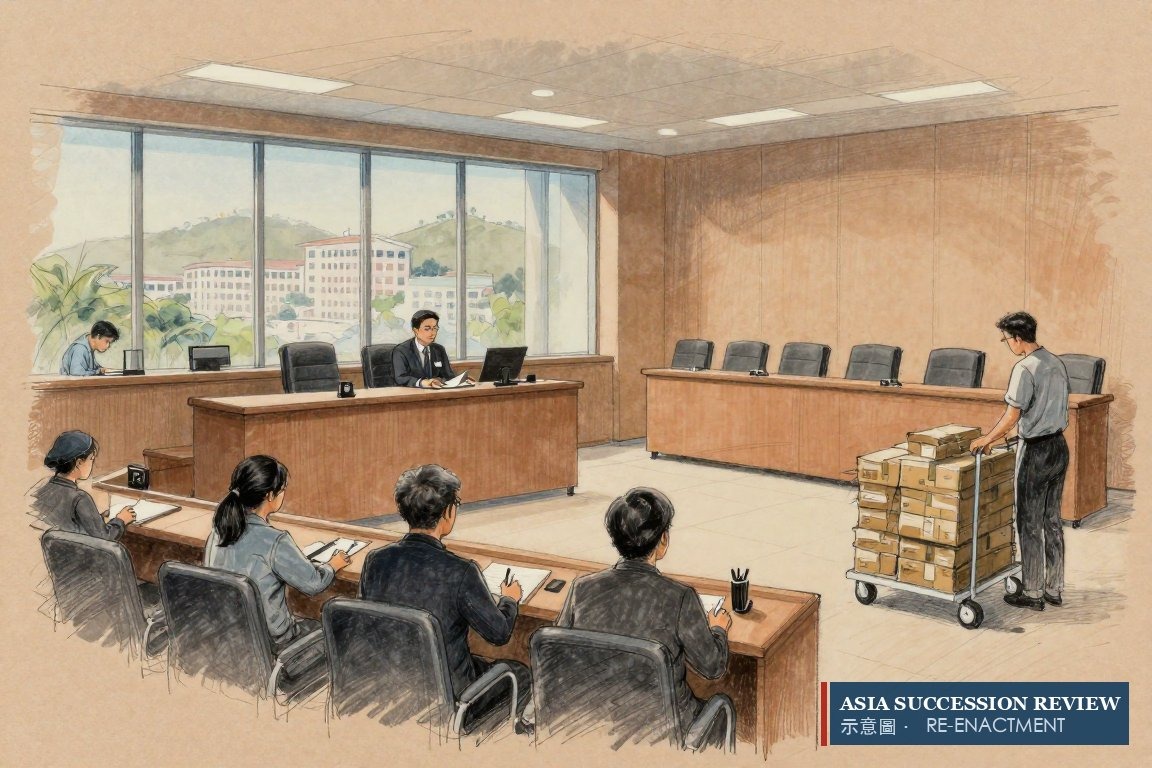
A settlement is an armistice, not a structure. The 2019 consent order ended nine lawsuits and changed nothing about why they happened: trusts whose own beneficiaries could not read them, and branches treated unequally with no mechanism that made the inequality explicit, funded, and agreed. Seven years later the same family was back in the same court — over the next estate down the line.
Write the trust terms where every branch can read them while the founder is alive, fund the unequal roles with insurance money set aside in advance, and send any quarrel to a private referee whose decision binds.
The founder writes a deed every branch can read, so no grandchild has to sue to learn what he owns
First, a deed every branch can read. While the founder lives, each branch's entitlement is stated in the trust deed in terms a non-lawyer can follow — who is a beneficiary, what removes them, what each branch receives and when — and every adult beneficiary holds a copy and receives an annual accounting. Lifetime transfers are papered as deeds of gift, so nobody can later recharacterise them; the overall split is acknowledged by all branches in a deed of family arrangement, signed while the one person who can answer 'why' is alive to answer it.
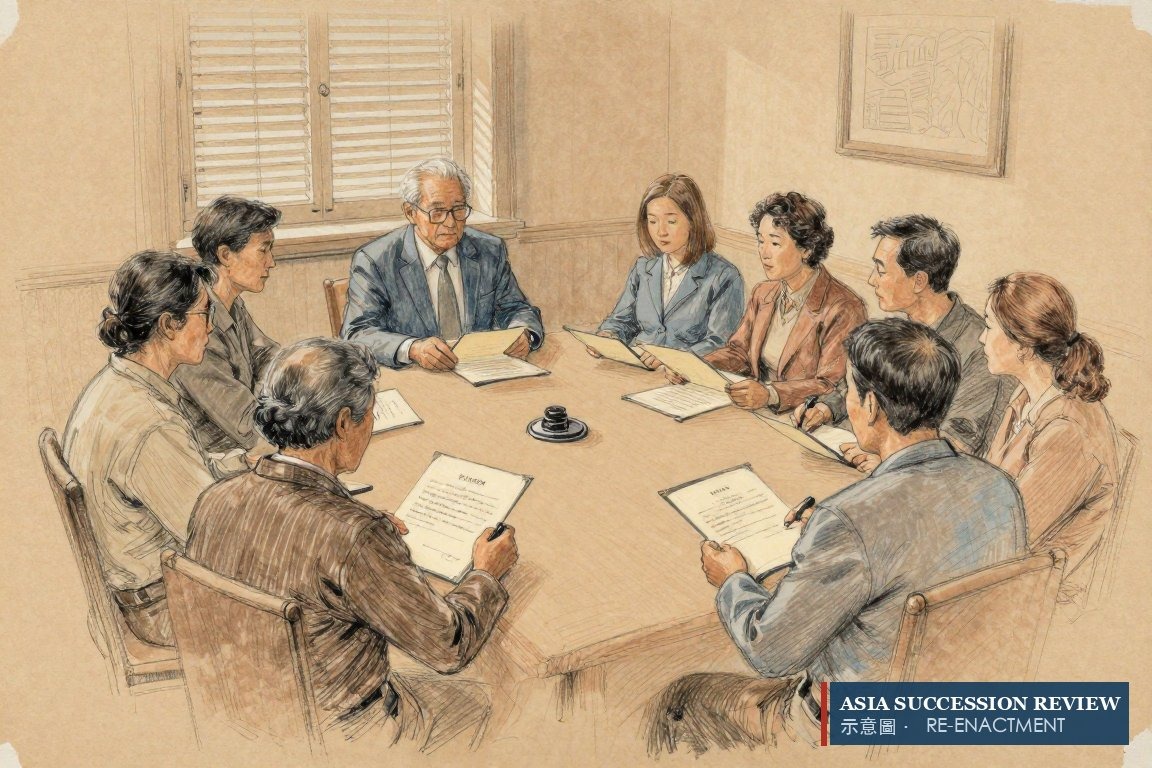
A beneficiary who has read the deed has nothing to sue for, because the secrecy is for outsiders, not family
A beneficiary who has read the deed has nothing to sue to find out. This is the opposite of secrecy toward the family; confidentiality is for outsiders, not for the people the trust exists to serve.
One branch takes control and insurance money pays the other branches equal value on the day it is owed
Second, fund the inequality and pre-agree the referee. Where one branch runs the business and others do not, equal shares are the wrong tool — the operating branch takes control, and the non-operating branches take equivalent value in capital, with life insurance on the founder creating the cash that pays the difference on the day it is owed, so no branch's fairness depends on another branch's generosity.
Every deed sends family fights to a private arbitrator, so the next estate cannot reopen what this generation settled
And the deeds carry one more clause: any dispute among branches or with the trustee goes to private arbitration — seated in Singapore or Kuala Lumpur, confidential, with an award enforceable like a judgment. That is what makes a settlement permanent: not a press release, but a forum whose decisions the next estate cannot reopen.
Each branch — its entitlement in writing from day one — read, not rumored; nobody discovers their position through a writ
The non-operating branches — value equal to the role they did not get, funded by insurance capital that exists before it is needed
The family name — disputes resolved in a private forum that binds — no second decade on the front pages
A counterfactual, not advice: real structures need licensed hands and your family's facts.
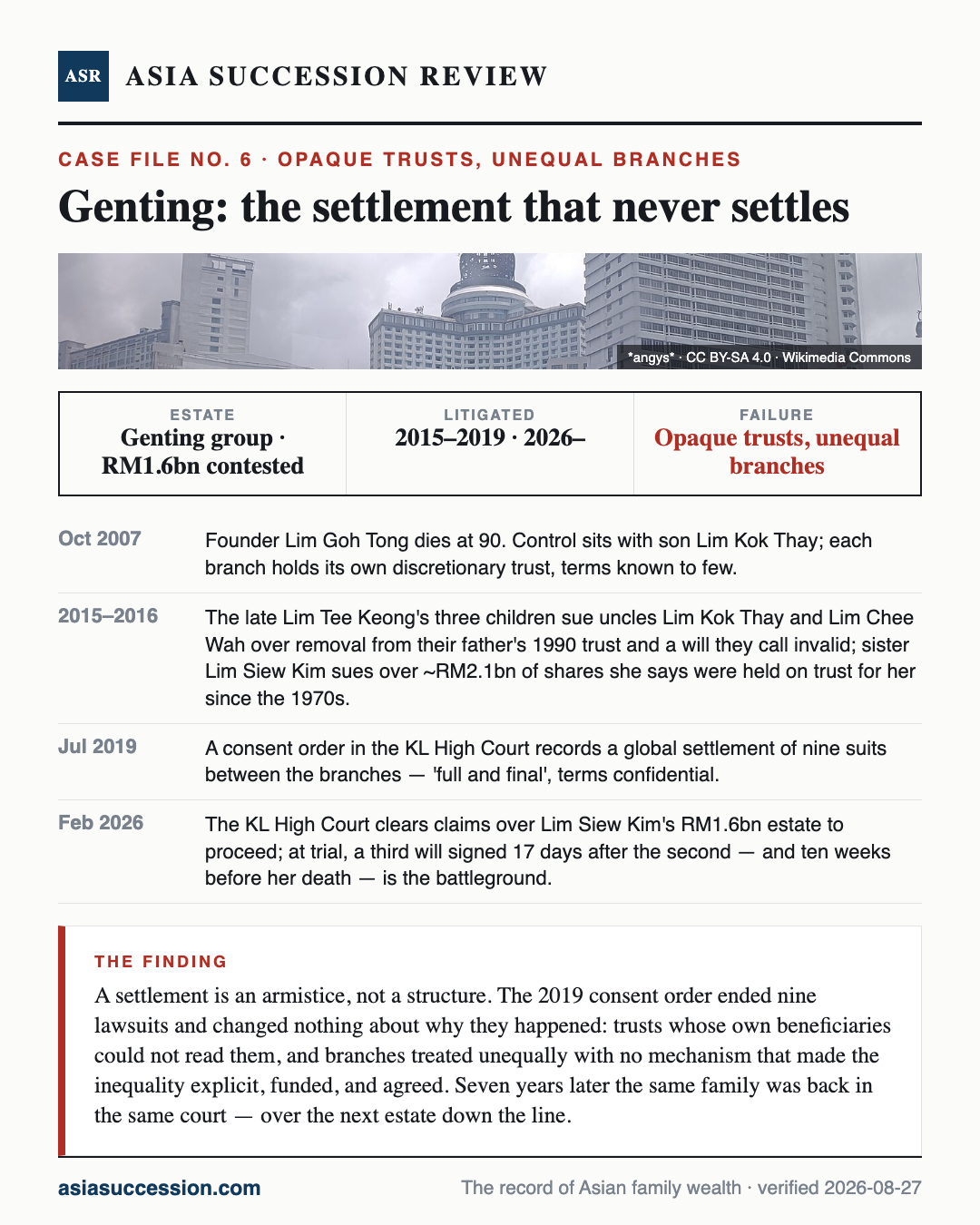
The case in one card — press and hold to save, or forward it as it is.
If your family's trusts are a rumor, not a document
You may be a beneficiary of a trust you have never read — or you may have been removed from one and not know it. Asking to see the deed is not an accusation; it is the question every disputed estate in this archive was built on someone not asking in time. What a beneficiary is entitled to request, what an annual accounting looks like, and what changes when the terms are written down while everyone is alive:
How do I find out if I am a beneficiary of a family trust?
Ask the trustee in writing. A named beneficiary of a fixed trust is generally entitled to see the trust deed and basic accounts; under a discretionary trust your rights are narrower — you can be inside or outside the class at the trustee's discretion, which is how the Genting grandchildren came to learn their position from litigation rather than from a document. If the trustee will not answer, a court can order disclosure, but the better route exists earlier: families that intend the trust to be read hand each adult beneficiary the deed and an annual accounting while the settlor is alive.
Can a settlement of a family dispute be reopened?
The settlement itself binds the people who signed it — a consent order 'in full and final settlement', like the Genting family's 2019 global settlement of nine suits, generally cannot be relitigated by those parties absent fraud or similar grounds. What a settlement cannot do is bind future estates or people who were not at the table: when the next family member dies, that estate is a new case with new parties. The Genting file reopened in 2026 not because 2019 failed legally, but because the structure that produced the disputes was never changed.
Is a will signed shortly before death valid?
It can be — there is no rule against a deathbed will — but it invites exactly the challenge now running in the KL High Court, where a will signed 17 days after the previous one, by a testator with late-stage cancer, is being contested for capacity and suspicious circumstances. A late will must still meet the formalities (in Malaysia, the Wills Act 1959 for non-Muslims) and the testator must have testamentary capacity at signing. The practical protection is contemporaneous evidence: a doctor's capacity assessment the same day, an independent lawyer, and no beneficiary in the room.
What can a family do when one branch inherits much less than the others?
Make the inequality explicit, explained, and funded — silence is what converts unequal into contested. If one branch runs the business, sophisticated families give it control and give the other branches equivalent value in other assets or insurance-funded capital, recorded in documents every branch signs (a deed of family arrangement does this work) while the parent can still explain the reasoning. Note for Malaysian families: for non-Muslims, faraid does not apply — distribution follows the will, or the Distribution Act 1958 if there is none — so the shares are whatever the documents say, which is precisely why the documents must be ones the family has read.
A question of your own that these don't answer — put it to the desk.
- 1The Edge Malaysia — Global settlement ends Genting family feud (Jul 2019)
- 2The Star — Genting dynasty faces inheritance battle (Feb 2026)
- 3The Edge Malaysia — Genting siblings in RM2.06 bil dispute (2016)