Asian family succession disputes: the case files
Last verified 29 September 2026 · 13 files
Asian family succession disputes follow a small number of patterns, and this index holds twelve of them as documented case files, each built from the court record, the exchange filing or the annual report, and rebuilt when the record changes.
The three most recent files are Malaysian and Taiwanese: Tan Chong, where two branches of one family took a holding company through three Malaysian courts from 2001 to 2009 because nobody had written down the exit; 東門鴨莊 (Dongmen Duck House), where a Taipei founder gave the shop and the brand to one son and a guardianship fight followed; and Wang Yung-ching of Formosa Plastics, rebuilt in September 2026 on the Privy Council's 2022 judgment and a US District Court opinion of 26 May 2026.
Every file has the same anatomy: what happened, dated; what it cost the heirs; the single planning failure; and a Singapore counterfactual with its statute sections, grounded and labelled as a model answer rather than advice. The files are public record, told without a pitch. Each ends with the library page to read next if the same decision is still open in your family.
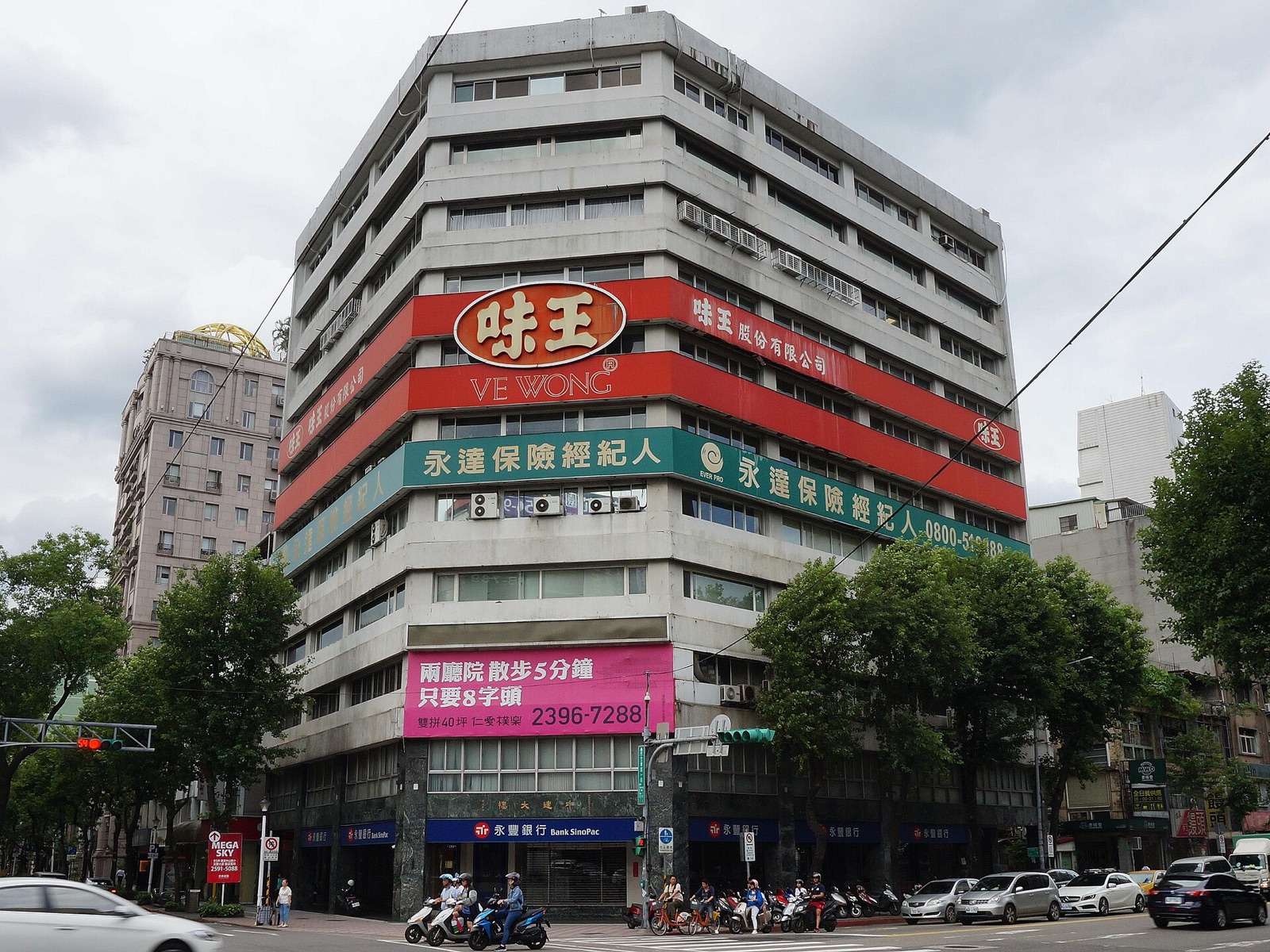 Case File No. 13TW · JP · SG2016–2026 (Taipei District Court, Taiwan High Court, Supreme Court; a suit in Japan by the brothers' account)Undocumented nominee shareholdings, then incapacityVe Wong: put shares in other names, and your heirs must sue for them
Ve Wong's honorary chairman, 頴川建忠, kept the shares of his family's holding companies in other people's names for decades: his chief aide's, a cousin's, his staff's, his sons'. The paper that proved they were his sat with his finance department. Dementia was diagnosed in 2016; he died in August 2023, aged 100. Three years on, his five children are in court in Taipei, and by the brothers' account in Japan, over certificates nobody will produce, and the estate cannot be divided.
Estate: Press estimate about NT$100bn (unverified); shares in dispute valued by the Taipei District Court at NT$1.52bn (in nominees' names) and NT$238m (in two sons' names), on net assets · Published 2026-10-10 · Verified 2026-10-10
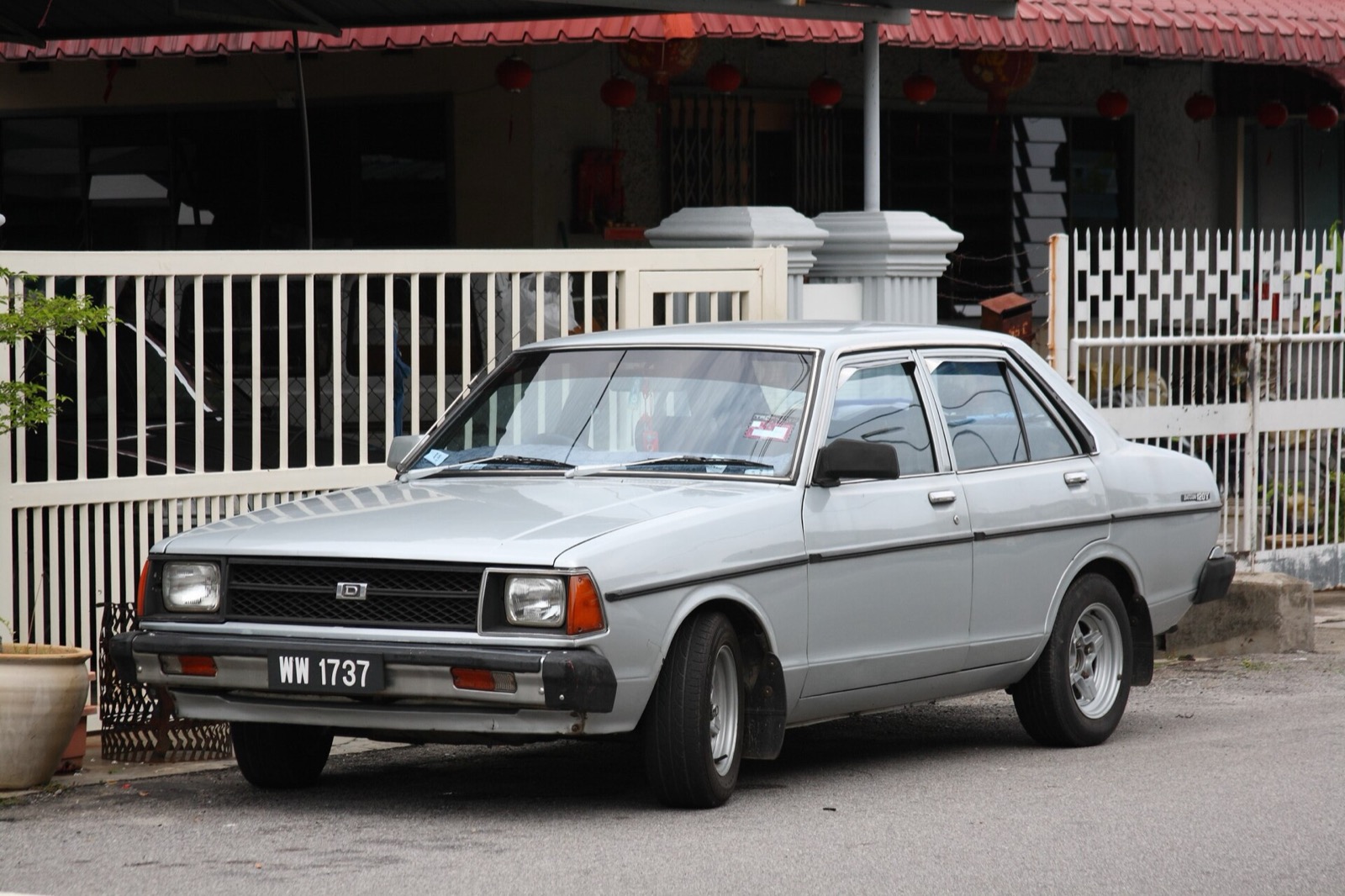 Case File No. 12MY · SG · HK2001–2009 (High Court, Court of Appeal, Federal Court)A two-branch holding company with no exitTan Chong: if nobody writes down the exit, the exit is a lawsuit
Two brothers brought Datsun to Malaysia in 1957 and put the family's listed shares inside one private company. They wrote down who owned it, not how anyone could leave. In May 2001 the elder brother, then 78, asked the High Court to wind that company up. Eight years, a lost board seat and a Federal Court appeal later, the family signed an exit formula out of court and the petition was withdrawn.
Estate: Holding company valued at about RM1.3bn; exiting stakes just under RM350m (The Edge, Jun 2009) · Published 2026-09-26 · Verified 2026-09-26
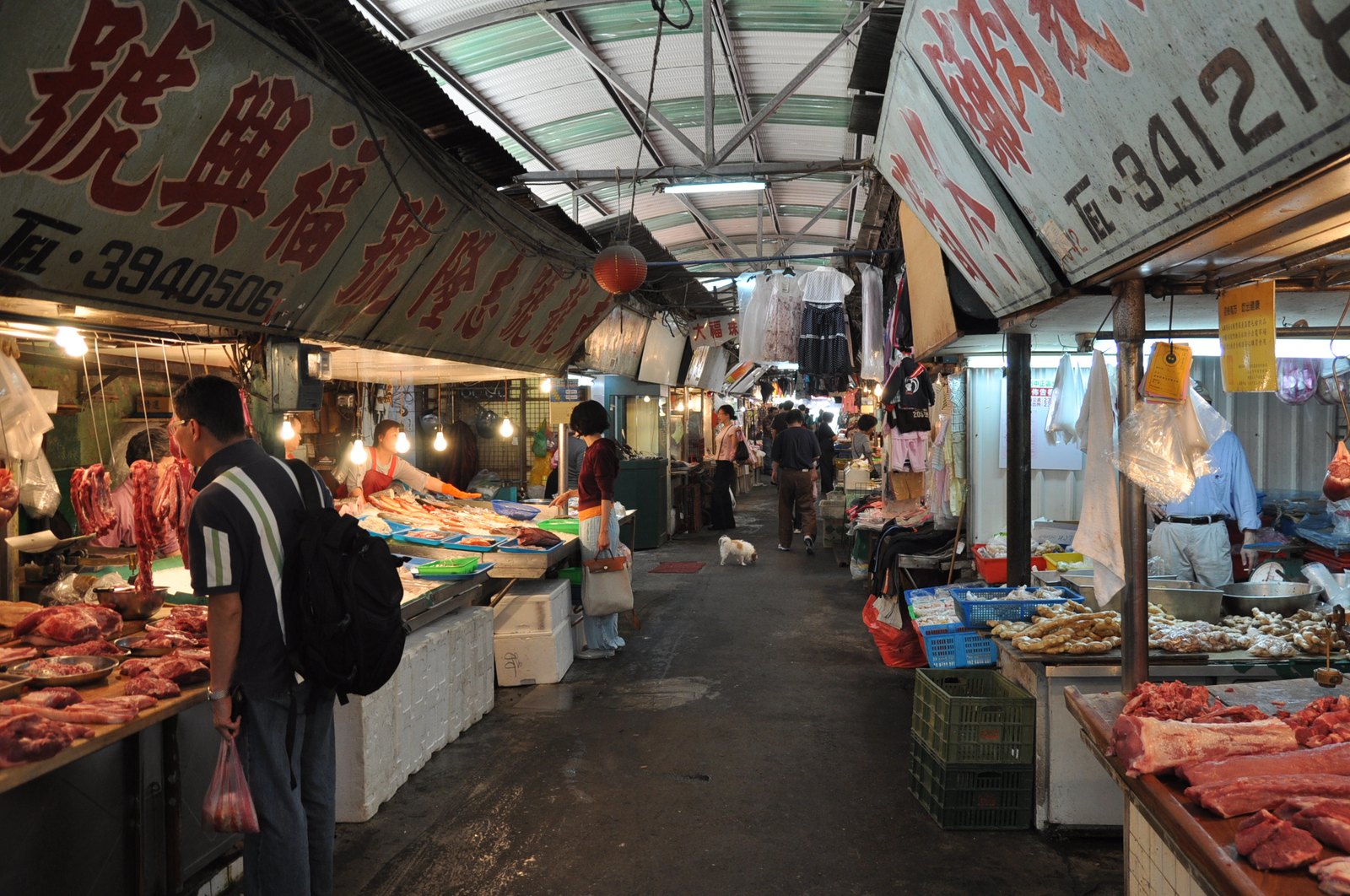 Case File No. 11TW2022–2025 (guardianship, three instances; trademark)Outright gift to one child, the brand in his name, no guardian named東門鴨莊: give the shop to your son, and his in-laws can end up with it
Yao Mei-chen built a Taipei roast-meat house over forty years and put the company and its trademark in her only son's name. He died on a motorcycle in 2021; his wife died within a year; their children inherited the company; the children's other grandmother became their guardian and, with that, the company's voice. By 2025 the founder was barred from her own sign and trading as 1+1 燒臘 down the road.
Estate: A Taipei roast-meat house founded 1979; sales peaked at NT$12m a month under the son; the founder was told it sold for NT$30m (unverified) · Published 2026-09-19 · Verified 2026-09-19
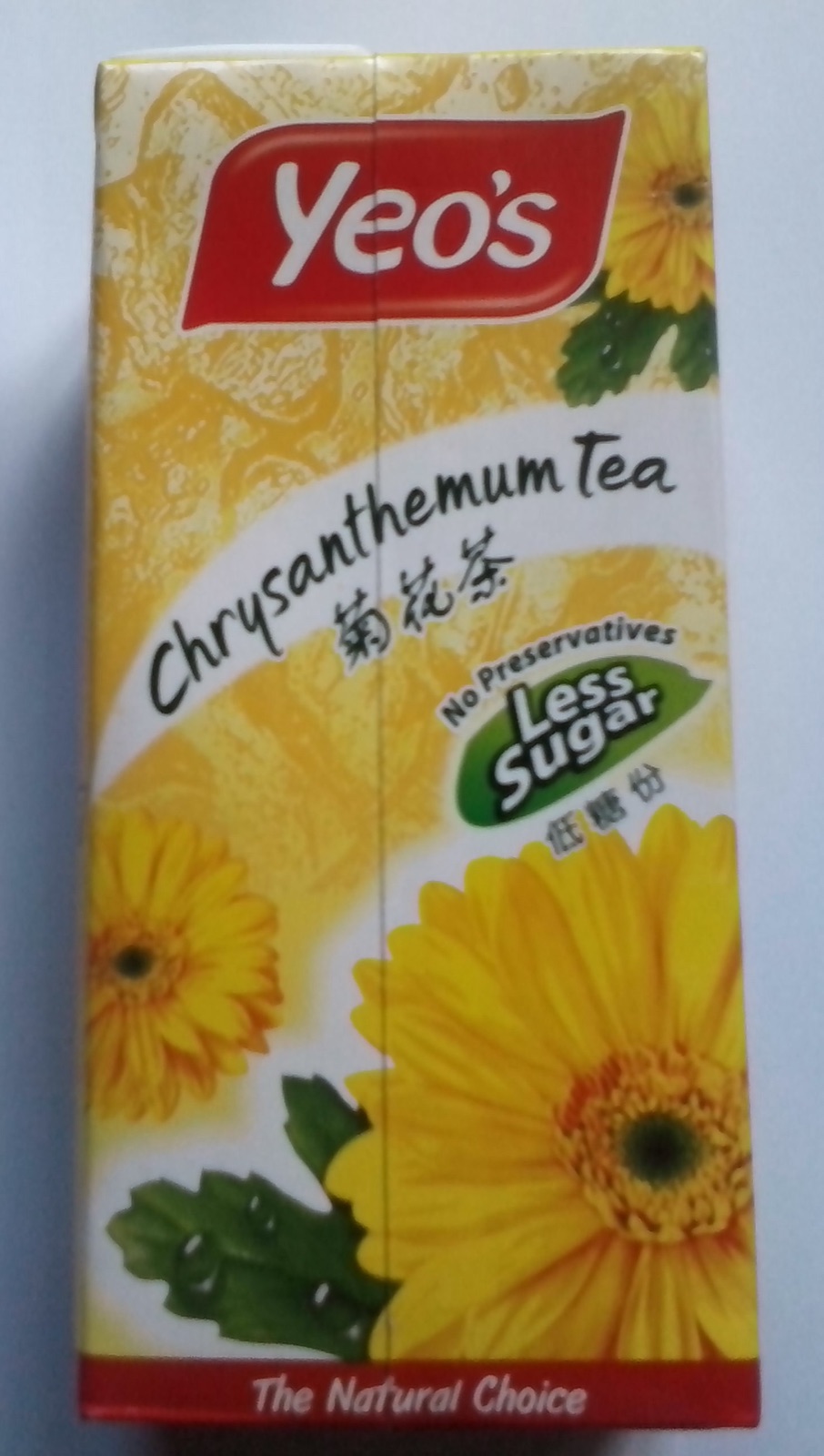 Case File No. 10SG · MY1994 · takeover fought 1995A holding company with no tiebreakerYeo's: the family won the court case and lost the company
In May 1994 the chairman of Yeo Hiap Seng asked the Singapore High Court to wind up the private company that held the Yeo family's 38.5 per cent of the listed group. He won. The order released the family's shares onto the open market, a property developer who had been buying quietly was waiting, and by September 1995 the company that had carried the family name since 1901 belonged to someone else.
Estate: 38.5% of a listed group; control bought at S$5.35 a share (Sep 1995) · Published 2026-09-02 · Verified 2026-09-02
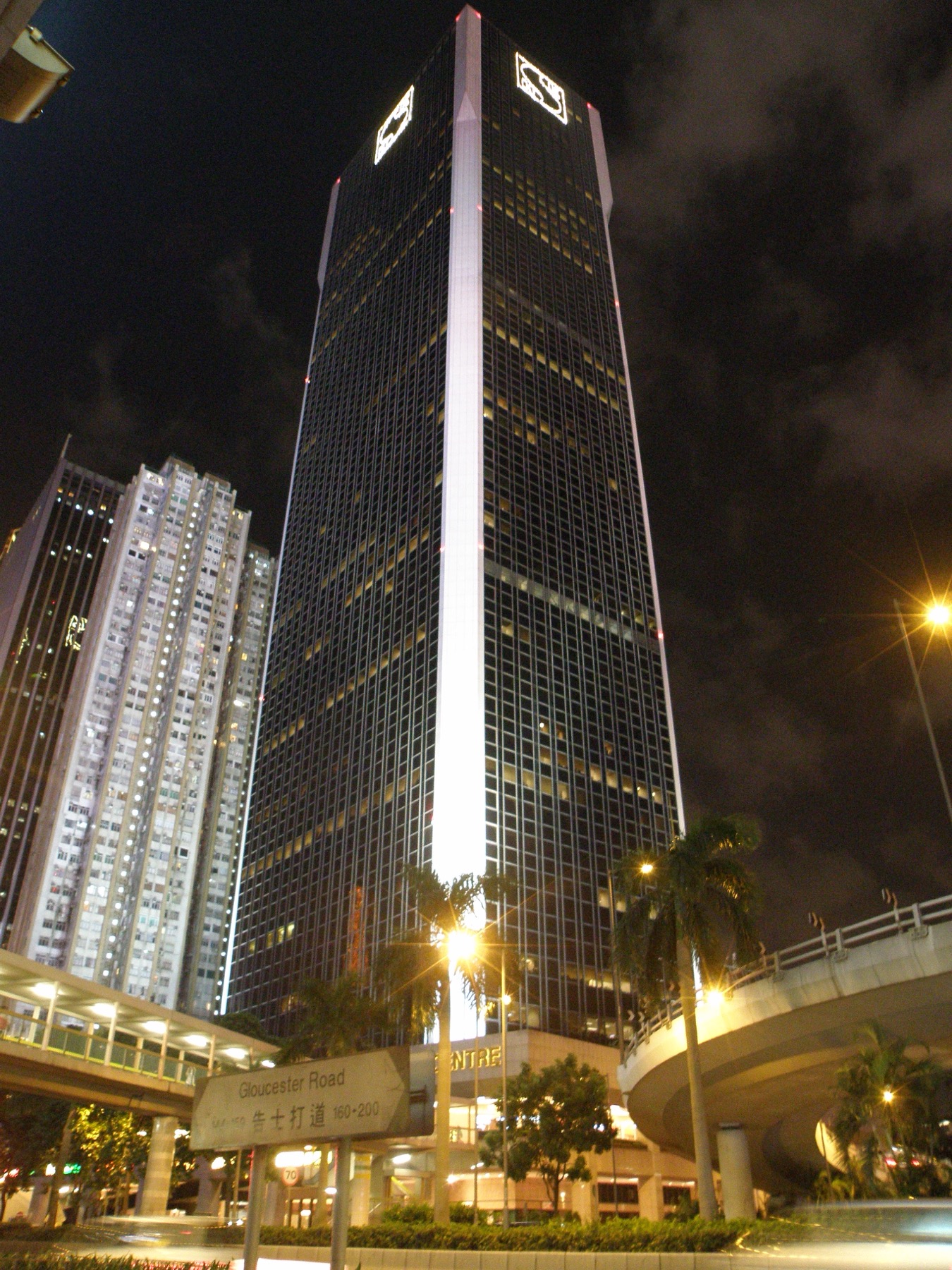 Case File No. 9HK2008 · trusts re-organised 2010 · settled 2014Trust without a charterSun Hung Kai: the trust held the company; it could not hold the brothers
The Kwok family's controlling block in Hong Kong's Sun Hung Kai Properties has sat inside discretionary trusts since before the founder died in 1990. In 2008 the board removed the eldest son as chairman; in September 2010 the trustee wrote him out of the trusts entirely; in January 2014 the family wrote his branch back in. Not one controlling share ever passed through an estate — and not one document ever said who decides whether a brother is fit to run the company.
Estate: SHKP shareholders' equity HK$617.9bn (30 Jun 2025); trusts hold 46.10% of voting shares · Published 2026-09-02 · Verified 2026-09-02
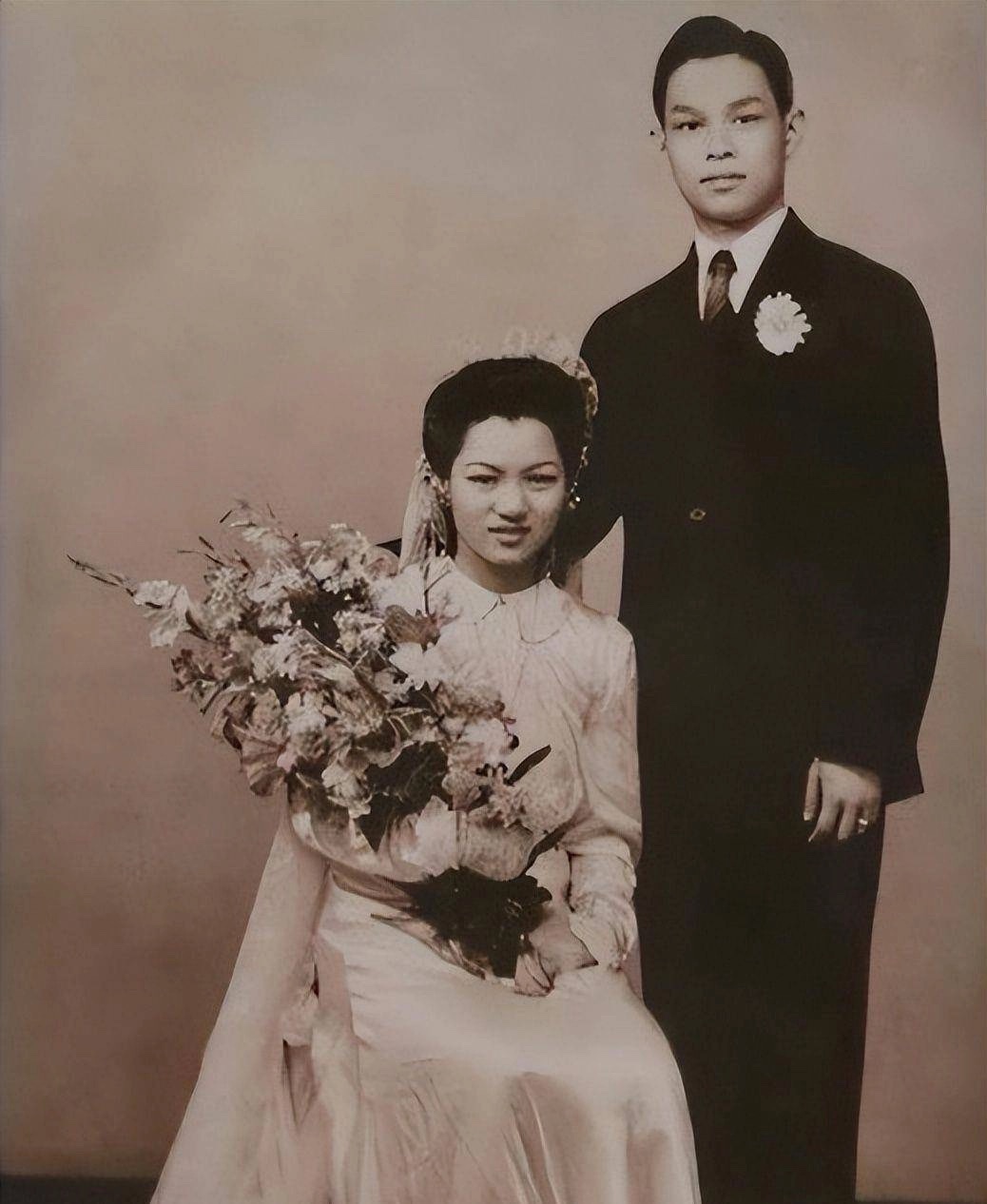 Case File No. 8HK · CN (Nansha) · MO2011–2015 · 2016–2023Family trustee, no accountingHenry Fok: the HK$1 option only two men knew about
Henry Fok Ying-tung 霍英東 did what most founders never get round to — a will, named trustees, a trust designed to run for twenty years. It still took his third son a High Court writ, and fourteen months, to learn what the trust held: a right to buy back half of the Nansha development for HK$1, known to the founder and to one brother. The option had expired four years before the writ was issued.
Estate: HK$11.3bn–HK$29bn, disputed · Published 2026-09-02 · Verified 2026-09-02
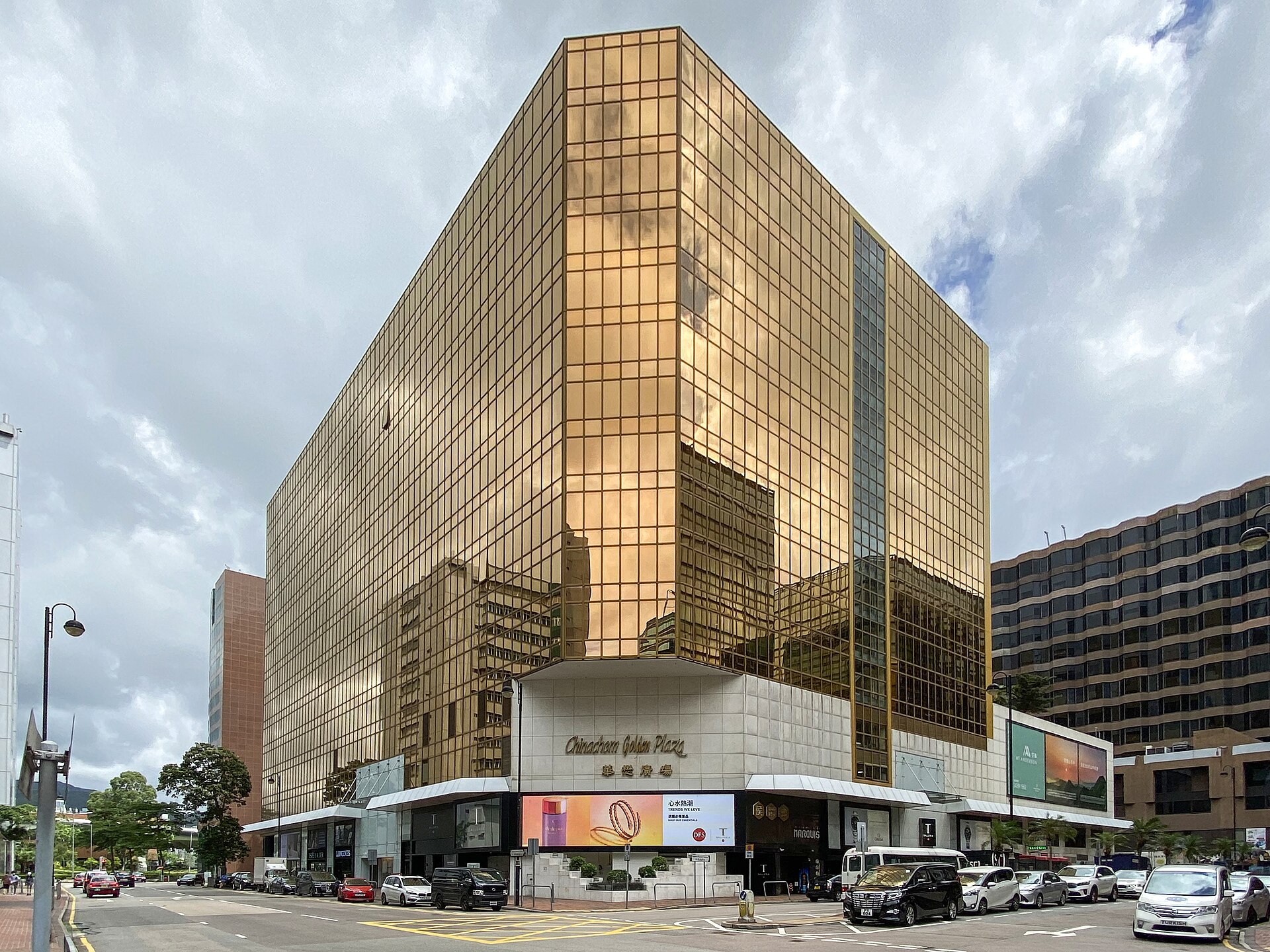 Case File No. 7HK1999–2005 · 2007–2013 · 2012–2026A will as the only instrumentChinachem's Nina Wang: a four-clause will, HK$141 billion, and twenty-seven years in court
Nina Wang 龔如心 spent six years proving her husband's will was genuine, and was arrested along the way. Then she wrote her own — by hand, without a lawyer, four clauses on one page. Nineteen years after her death the estate is still with the administrators a court appointed in 2007, the foundation she built was ruled unfit to be its trustee, and the prize she asked for has never been created.
Estate: HK$83bn (2007 reports) – HK$141bn (net book value, Dec 2020) · Published 2026-09-02 · Verified 2026-09-02
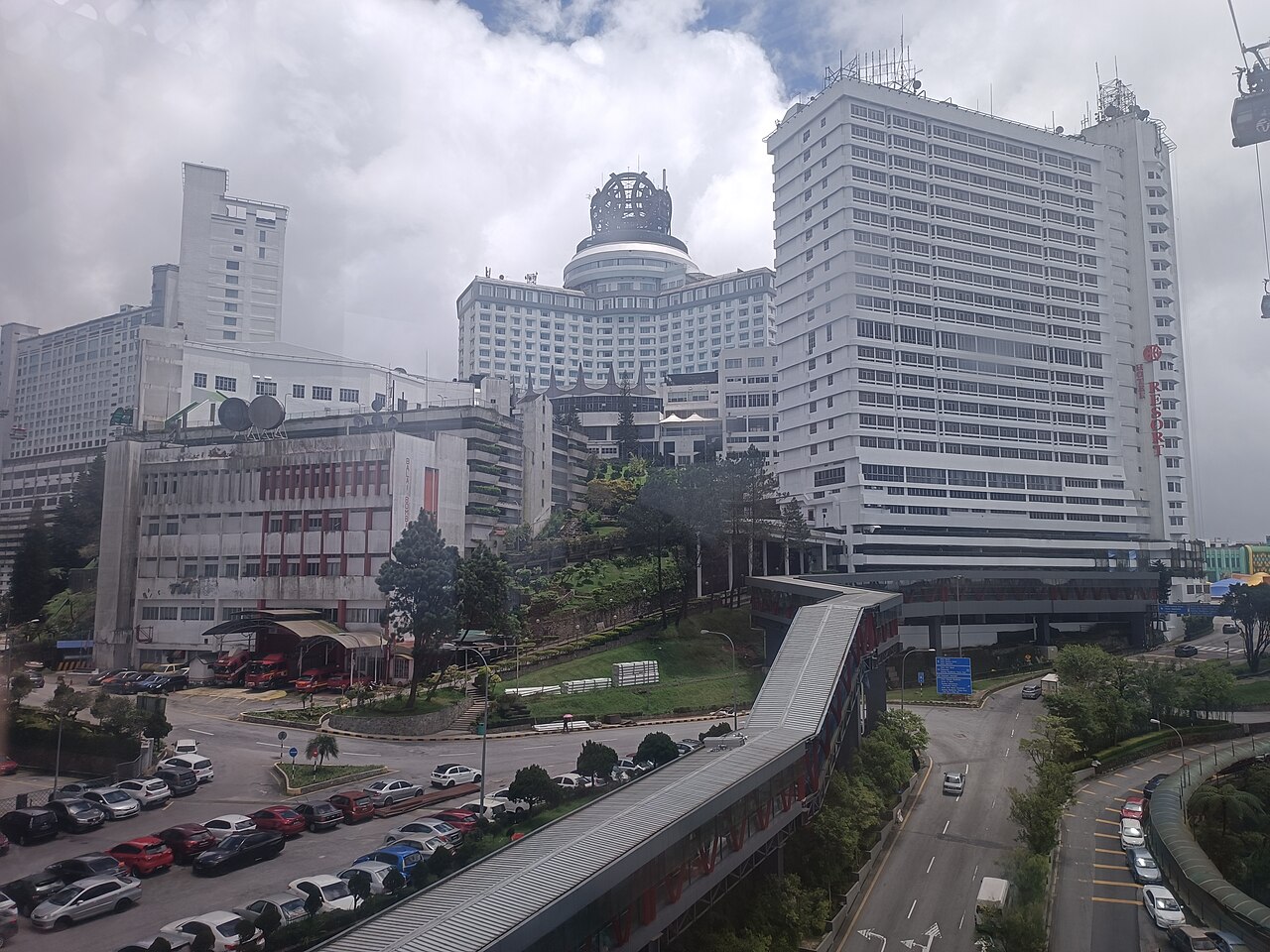 Case File No. 6MY2015–2019 · 2026–Opaque trusts, unequal branchesGenting: the settlement that never settles
Malaysia's casino dynasty signed a 'global settlement' in 2019 to end nine lawsuits between the founder's branches. In February 2026 the family was back in the KL High Court over a new RM1.6bn estate — and a will signed seventeen days after the one before it.
Estate: Genting group · RM1.6bn contested · Published 2026-08-27 · Verified 2026-08-27
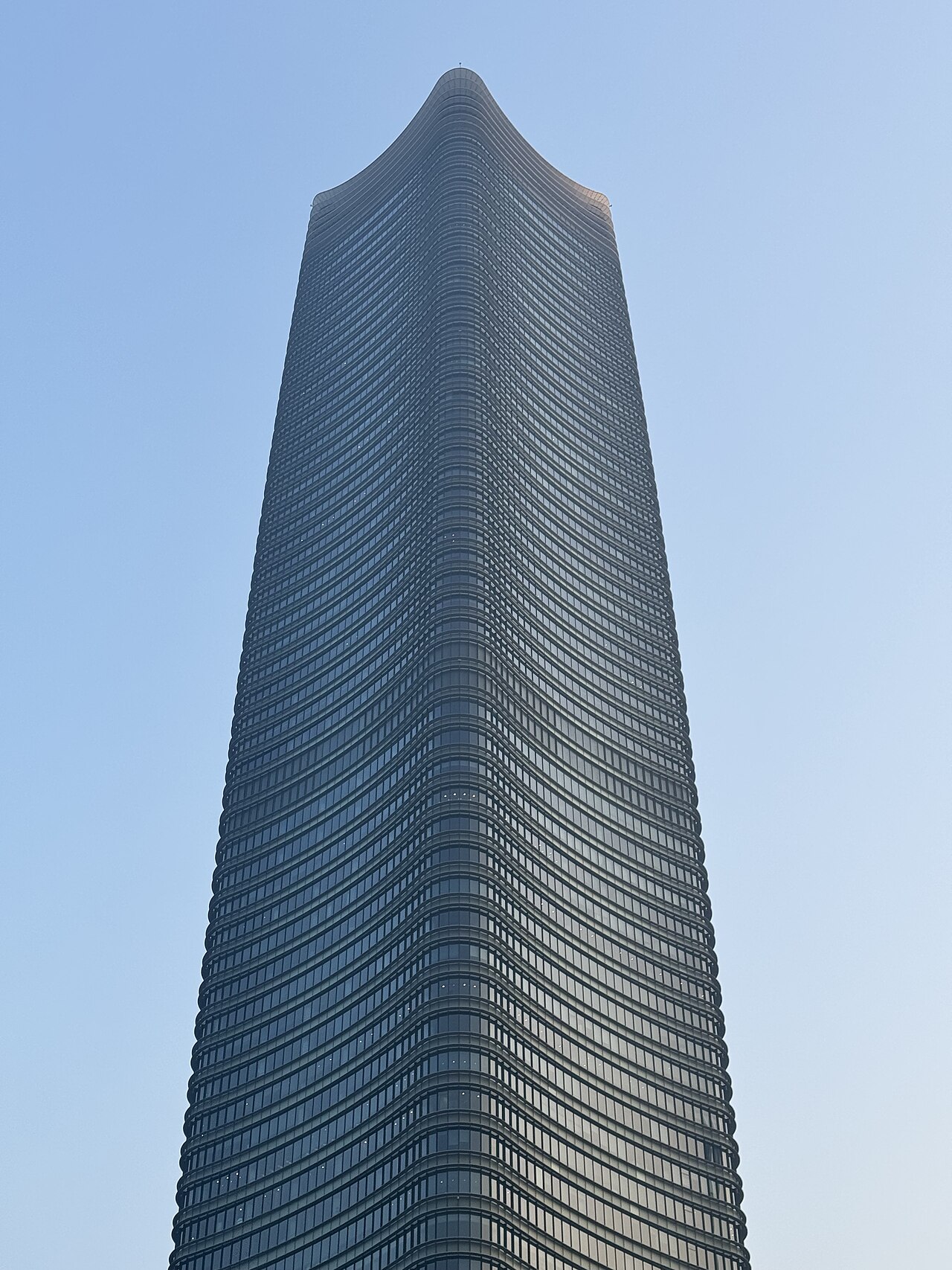 Case File No. 5ID2020–The second familyWidjaja v. Widjaja: the US$45.8bn estate that legally did not exist
A year after Sinar Mas founder Eka Tjipta Widjaja died, a son born outside the recognized marriage sued five half-brothers over assets he valued at Rp659 trillion. The group's answer was total: the founder personally owned no shares. There was, in law, nothing to inherit — and no other room in which that son could be heard.
Estate: ≈US$45.8bn claimed · Published 2026-08-27 · Verified 2026-08-27
 Case File No. 4HK · MO2011 · 2020–2022+No unified architectureStanley Ho: the fight for the empire began nine years before the funeral
Macau's casino king built a fortune reported at HK$50bn across four families and seventeen children — with no single structure above them. In 2011, ailing, he watched his controlling stake move without him and sued his own family to get it back. When he died in 2020, no will was found, and his children could not even agree what the estate was worth.
Estate: HK$1.72bn–HK$50bn, disputed · Published 2026-08-27 · Verified 2026-08-27
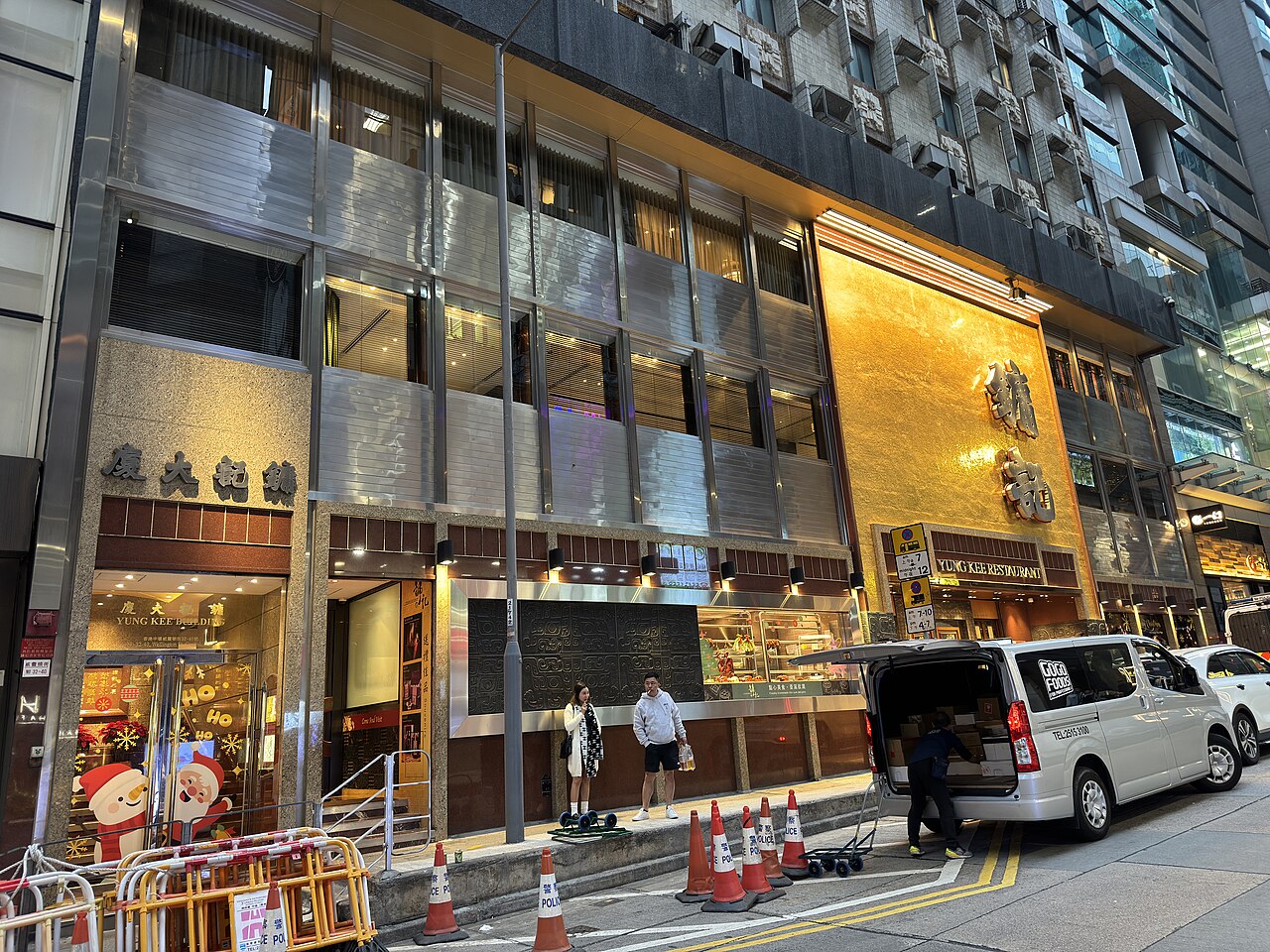 Case File No. 3HK · BVI2010–2015Deadlock, no exitYung Kee: the roast goose empire that ended in a winding-up order
Two brothers inherited Hong Kong's most famous restaurant in near-equal shares. Deadlocked 45/45 inside a BVI holding company, they litigated for five years — until the court ordered the company wound up. One brother died before the end.
Estate: Yung Kee Holdings (BVI) · Published 2026-08-27 · Verified 2026-08-27
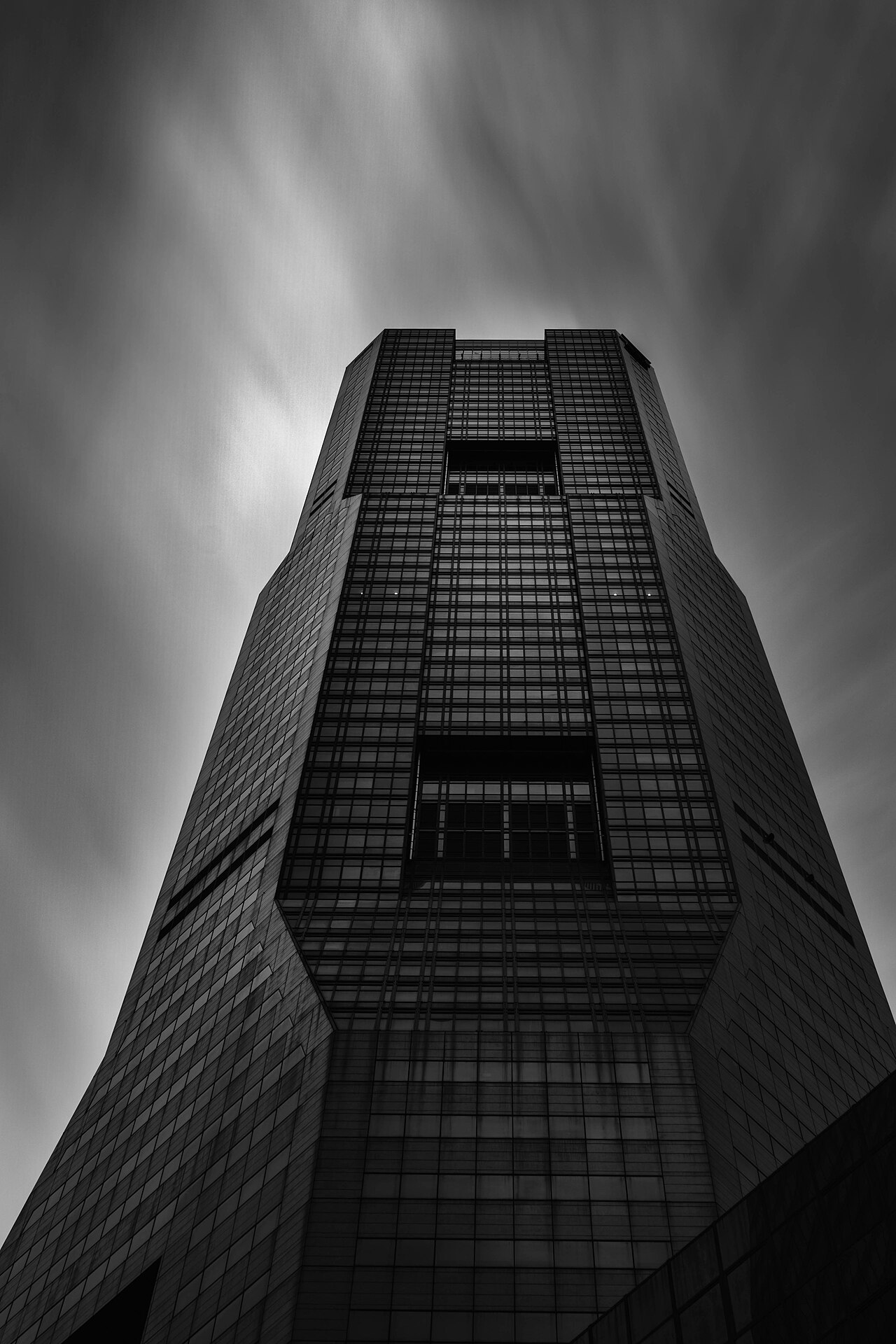 Case File No. 2SGFeb–Mar 2025No succession timetableKwek v. Kwek: the boardroom coup that put father and son in the High Court
Singapore's richest property family spent early 2025 suing itself. The 84-year-old chairman accused his own son, the CEO, of a boardroom coup. A settlement came in weeks — the split did not heal with it.
Estate: CDL, listed · Published 2026-08-27 · Verified 2026-08-27
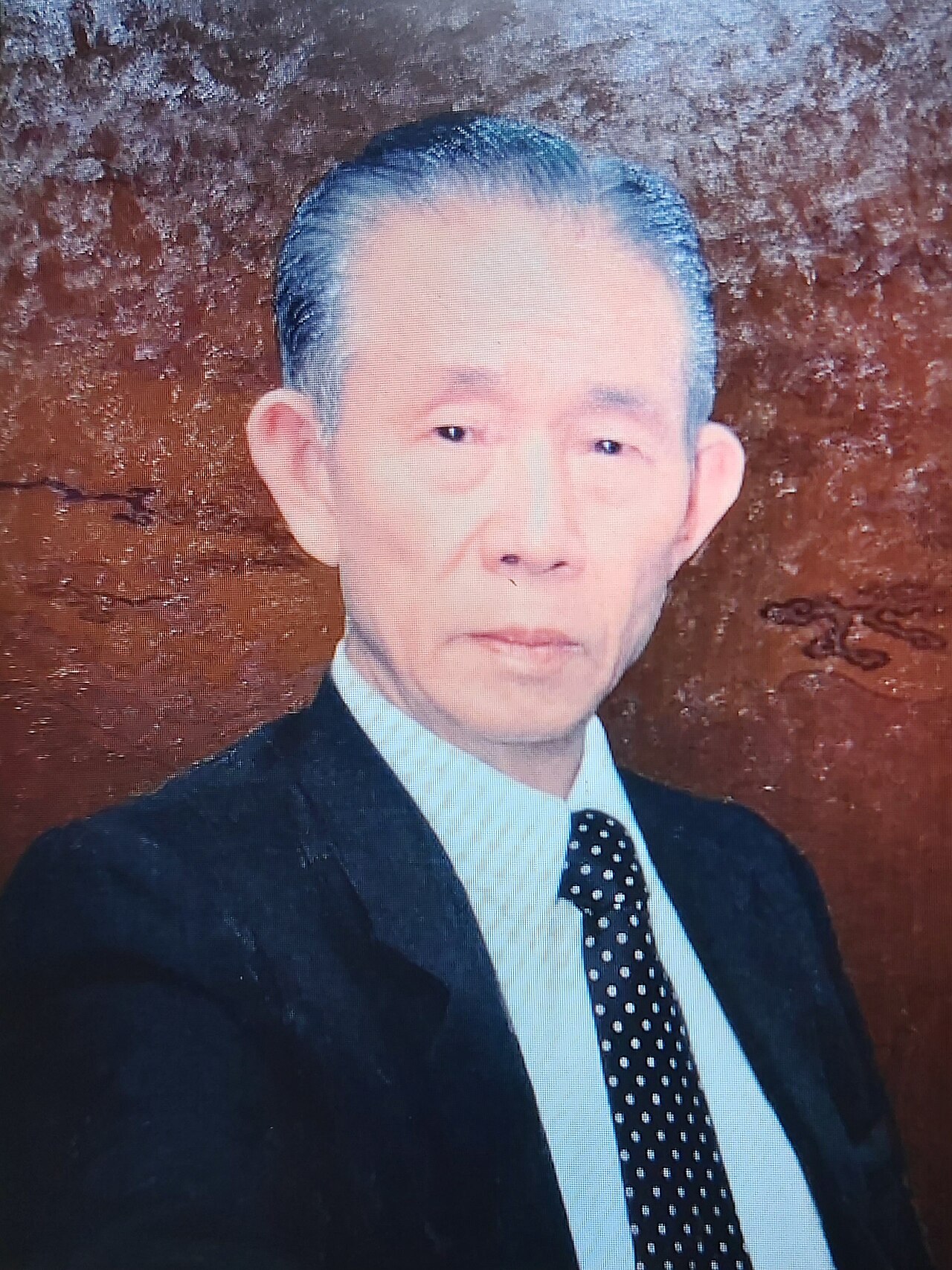 Case File No. 1TW · US · BM · UK (Privy Council)2009–2026, still runningNo will; the trustee could rewrite the beneficiary classFormosa Plastics: the founder who moved the shares offshore, then died without a will
Wang Yung-ching died intestate in 2008. Taiwan assessed the worldwide estate under the old 50 per cent schedule; the Bermuda trusts that held the group shares had already written his children out. The Privy Council undid that in 2022. The fight is still running in 2026.
Estate: NT$52.6bn assessed in Taiwan; offshore trusts US$560m–US$3.5bn · Published 2026-08-27 · Verified 2026-09-12
Questions readers bring to these files
- What are the most common causes of Asian family succession disputes?
- Across these twelve files, four causes recur: no will or an out-of-date one (Wang Yung-ching, Nina Wang); a holding company with no exit or tiebreaker (Yung Kee, Yeo's, Tan Chong); a trust with no charter for the next generation (Sun Hung Kai, Fok, Genting); and a second family or an outright lifetime gift left unreconciled (Sinar Mas, Stanley Ho, Dongmen Duck House). Most files show more than one.
- Which Asian family inheritance disputes went to court, and for how long?
- Nina Wang's estate ran through Hong Kong's courts from 1999 to 2005, 2007 to 2013 and 2012 to 2026. Wang Yung-ching's offshore trusts have been litigated in Bermuda, London and Washington since 2009 and are still running. Tan Chong took eight years, 2001 to 2009, up to Malaysia's Federal Court. Yung Kee took five, 2010 to 2015. The dates are in each file's docket.
- Are these succession case studies based on public records?
- Yes. Every file cites the judgments, exchange disclosures, annual reports or gazette notices it rests on, with the date each was read. Where a fact is a press report or the family's own account it is labelled as such, and where it could not be verified the page says so. Corrections are logged publicly and never made silently.
- How would a Singapore structure have changed these disputes?
- Each file ends with a counterfactual: what a will, a trust with a written charter, a shareholders' agreement or a succession timetable would have changed, and what it would not. It cites the Singapore statute sections it relies on, such as the Trustees Act 1967, the Companies Act 1967 and the Intestate Succession Act 1967, and it is a model answer, not advice.