Stanley Ho: the fight for the empire began nine years before the funeral
Macau's casino king built a fortune reported at HK$50bn across four families and seventeen children — with no single structure above them. In 2011, ailing, he watched his controlling stake move without him and sued his own family to get it back. When he died in 2020, no will was found, and his children could not even agree what the estate was worth.
Read this in: EN · 简体 · 繁體 · ไทย · ID
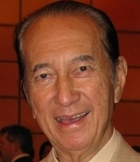
Macau's casino king builds 4 families and 17 children on one throne, and never writes down who gets what
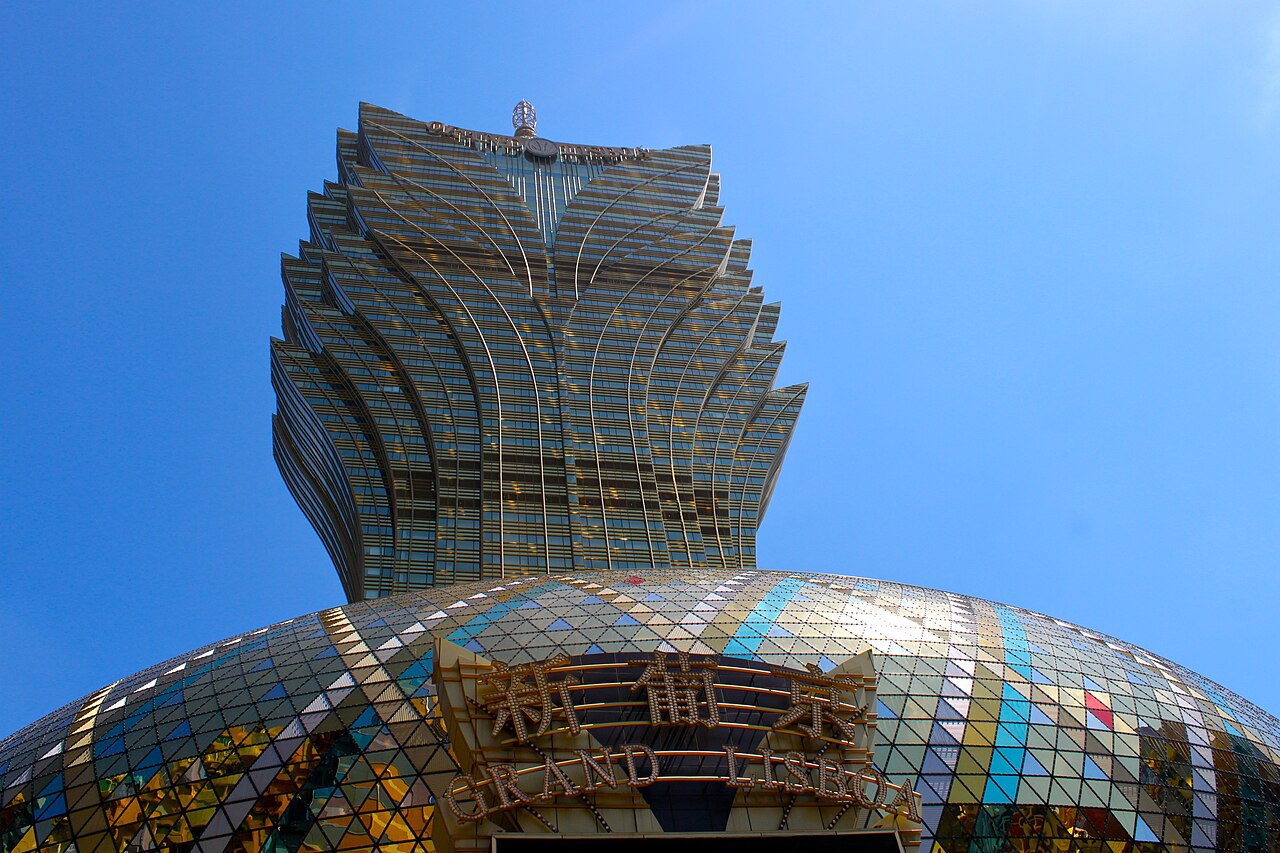
Stanley Ho arrived in Macau in 1941 with, by his own telling, ten patacas in his pocket. By the time the enclave returned to China he held its gambling monopoly, and for two decades more his SJM ran the tables that made Macau bigger than Las Vegas. Hong Kong and Macau called him the King of Gambling — 賭王 — and around the throne he built four families: four women he acknowledged as wives across the decades, and seventeen children. Each branch had its houses, its allowances, its executives inside the group. What no branch had was a written answer to the only question seventeen children eventually ask.
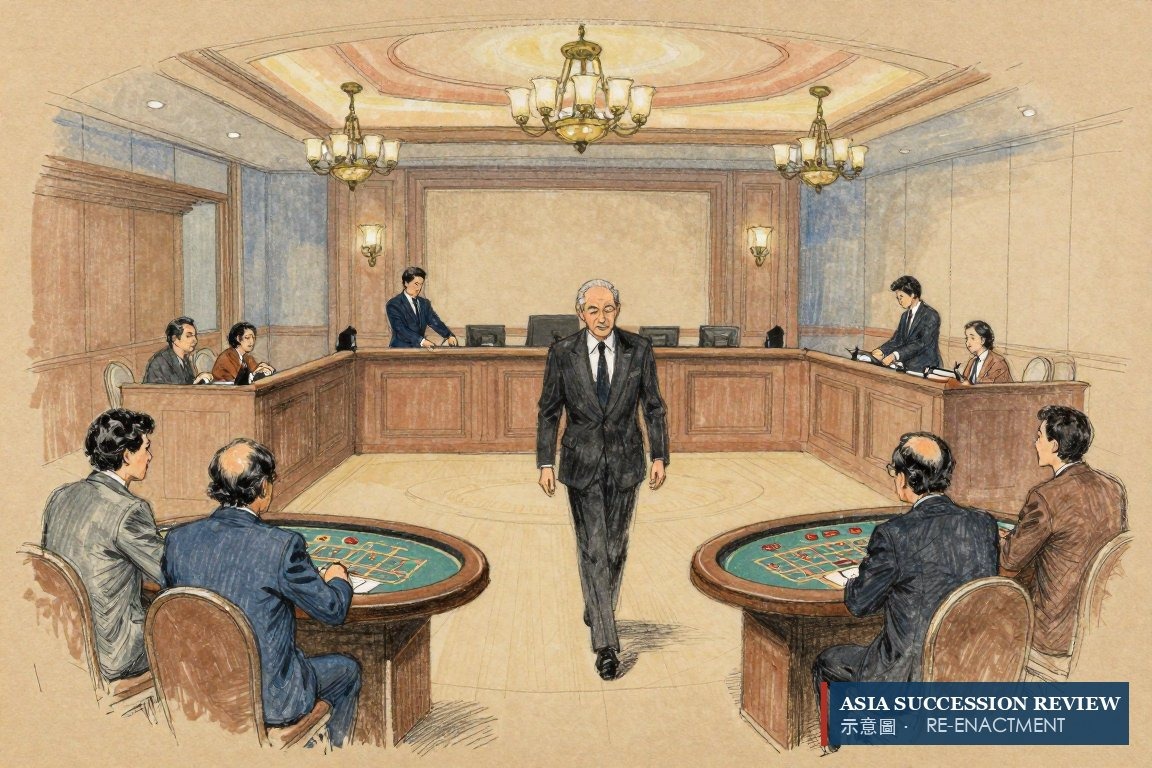
Brain surgery silences the casino king, and his 31% stake moves to one wife and 5 children of another
The answer was supposed to be him. Ho held his controlling interest in the casino empire personally, stacked through holding companies — a stake in STDM, the private company above listed SJM, parked in a vehicle called Lanceford. There was no trust above the branches, no deed ranking them, no document that spoke for him if he could not. After brain surgery in 2009, he could not — not fully. And in December 2010, SJM disclosed to the stock exchange that his Lanceford shares had been transferred: the stake reported at roughly 31% of STDM now sat with his third wife and five children of his second, his own holding diluted to almost nothing.
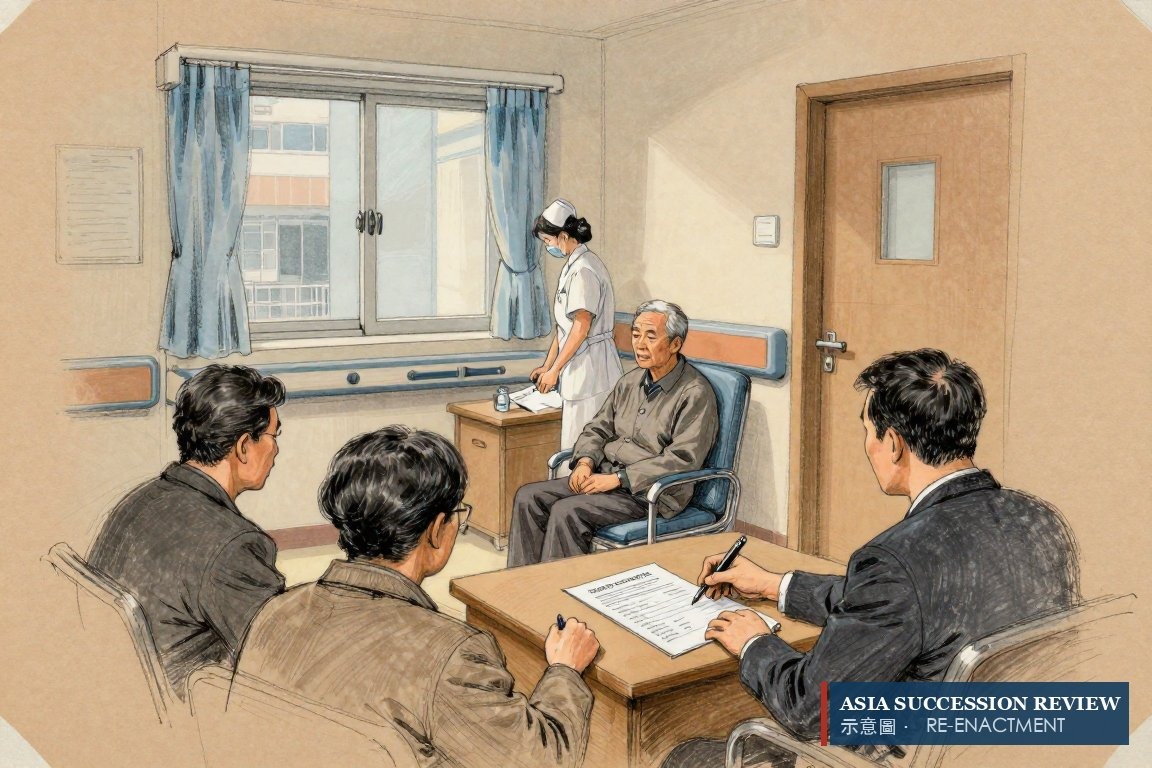

The casino king sues his own family while still alive, and settles within weeks having lost most of the stake
What followed was the rare estate war fought while the estate's owner was still alive. In January 2011 Ho sued his own family in the Hong Kong High Court, saying the shares had been taken without his proper consent; his family said he had gifted them. Videos of the frail patriarch, flanked by different factions on different days, contradicted each other on television. Within weeks he settled — dropping the suit, and ultimately parting with most of the stake, with his fourth wife Angela Leong emerging among the largest holders. Which faction had actually spoken for Stanley Ho in those months is a question the record never resolved. That is the point: no document said who could.
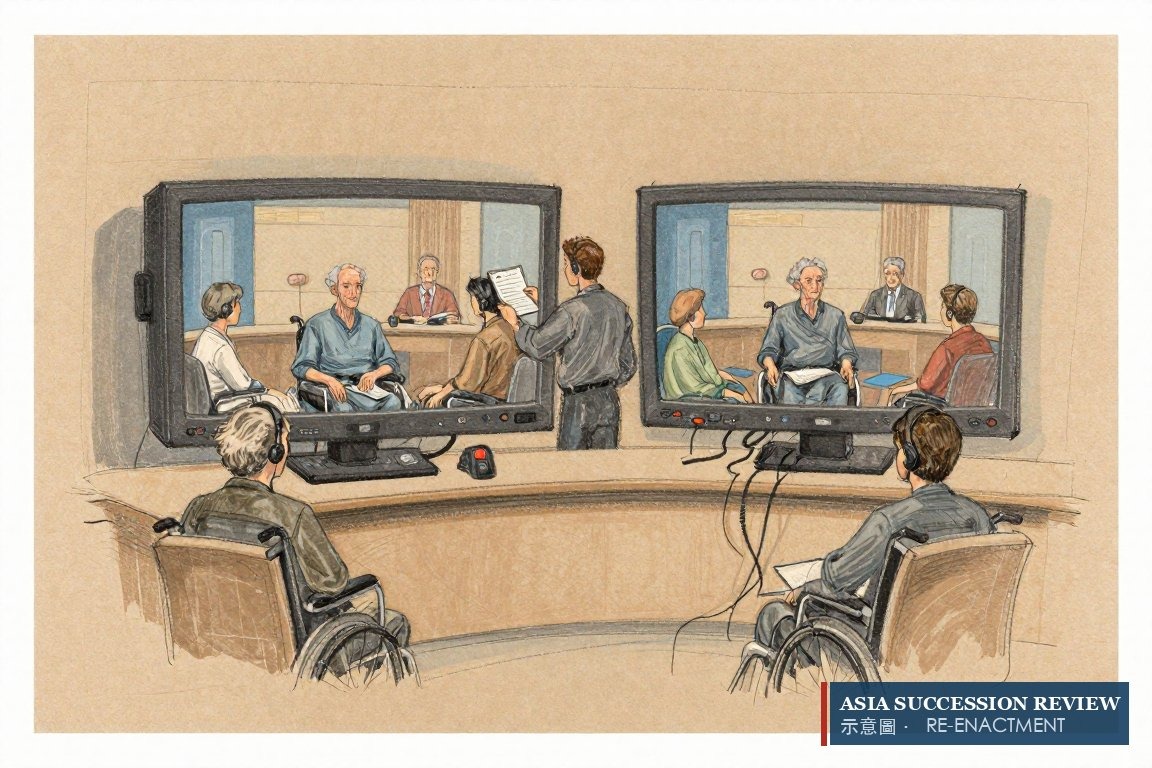
He dies in 2020 with no will, and his children cannot agree whether the estate is HK$1.72bn or HK$50bn
He died in May 2020, at 98. No will was found. Four members of the family lodged caveats at Hong Kong's Probate Registry — formal notices that nothing about the estate may be sealed without their lawyers hearing first — and by late 2021 the branches could not agree even on who should administer the estate, so a court had to be asked to choose. They could not agree what it was worth either: one daughter's filings put the personal estate at a minimum of HK$1.72bn; a half-sister argued HK$11bn; the press remembered the HK$50bn fortune reported at his 2018 retirement. The gap is not carelessness. It is the shape of a fortune scattered across companies and branches with no single architecture — so that even counting it became litigation.

Four branches, one fortune, and no structure above them — so control was contested twice: once in 2011, while the founder was alive but could no longer clearly speak for himself, and again after 2020, when it emerged no document spoke for him at all. An estate that runs on the founder's person fails the day the person does — which is before the funeral, not at it.
Put the whole fortune into one strongbox with one rulebook naming all four families — and sign, while still sharp, the paper that says who acts for you if one day you cannot.
The founder settles the stakes into one Singapore trust while he is sharp, so no faction can move a share
Two moves, made in the same season, years before anyone is frail. First: the founder moves the controlling stakes into a single Singapore trust — one strongbox, one manager, one rulebook. The rulebook names all four branches and states what each receives, in percentages, in his own words, signed while every doctor agrees he is entirely himself. From that day the shares are no longer his personal property to be moved by whoever stands closest to his chair — no transfer out of the strongbox can happen except by the rulebook, whatever his health does later. He keeps control the honest way: by chairing the company that manages the strongbox for as long as he is able, with the deed saying exactly who steps in when he is not.

He names in advance who may act if his capacity fades, so nobody wins by reaching his chair first
Second: the same week, he signs the incapacity paper — in Singapore it is called a Lasting Power of Attorney — naming, himself and in advance, the specific people who may act on his affairs if his capacity fades, and attaches life insurance so that each branch has cash of its own on the day he dies, paid directly, outside any court process. Now replay 2010: the founder ails, and nothing moves — the shares sit in the trust, the named attorneys handle his affairs under a document he chose, and no faction can win by getting to him first, because there is nothing left to win by proximity. At the death there is no estate to value, no administrators to fight over, and no year in which seventeen children discover that even the number is a lawsuit.
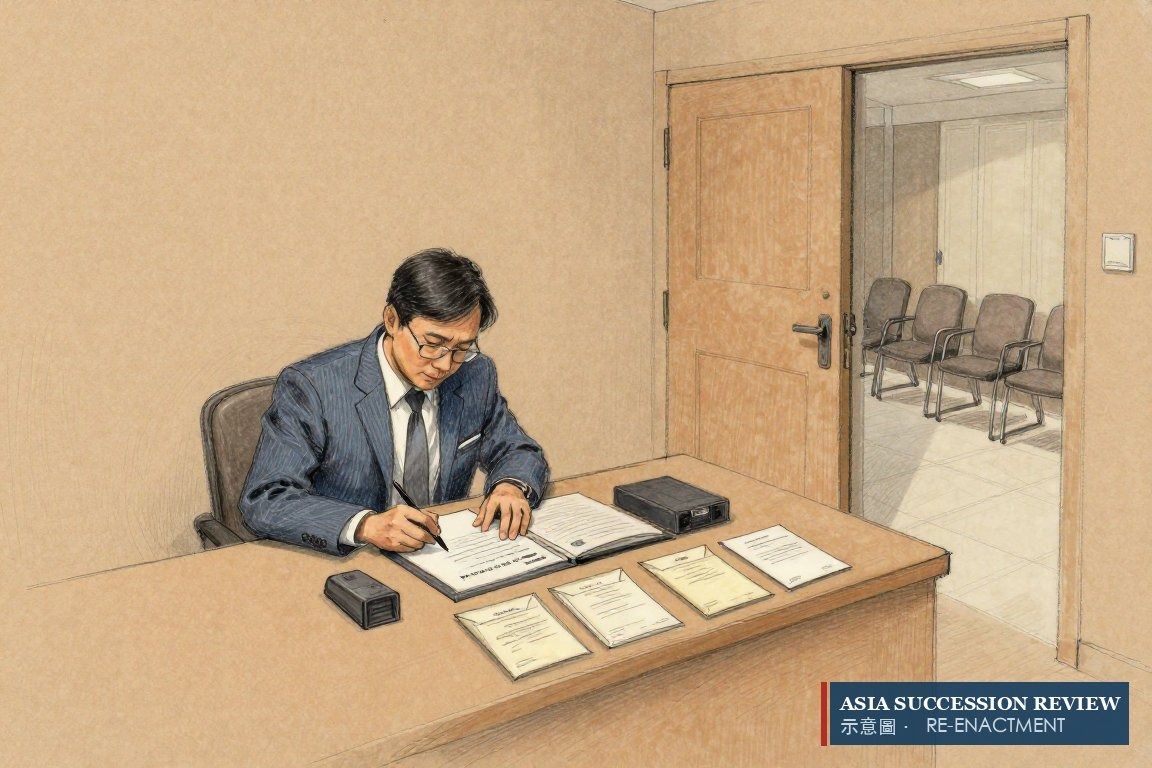
The founder — his own choices, made at full strength, binding through frailty and after it — instead of becoming the prize in a contest he could no longer referee
Each of the four branches — a defined share in writing plus insurance cash on day one — no branch needs to reach the patriarch, or the registry, first
The seventeen children — one number everyone can read, instead of a decade arguing over whether the estate is HK$1.72bn or HK$11bn
A counterfactual, not advice: real structures need licensed hands and your family's facts.
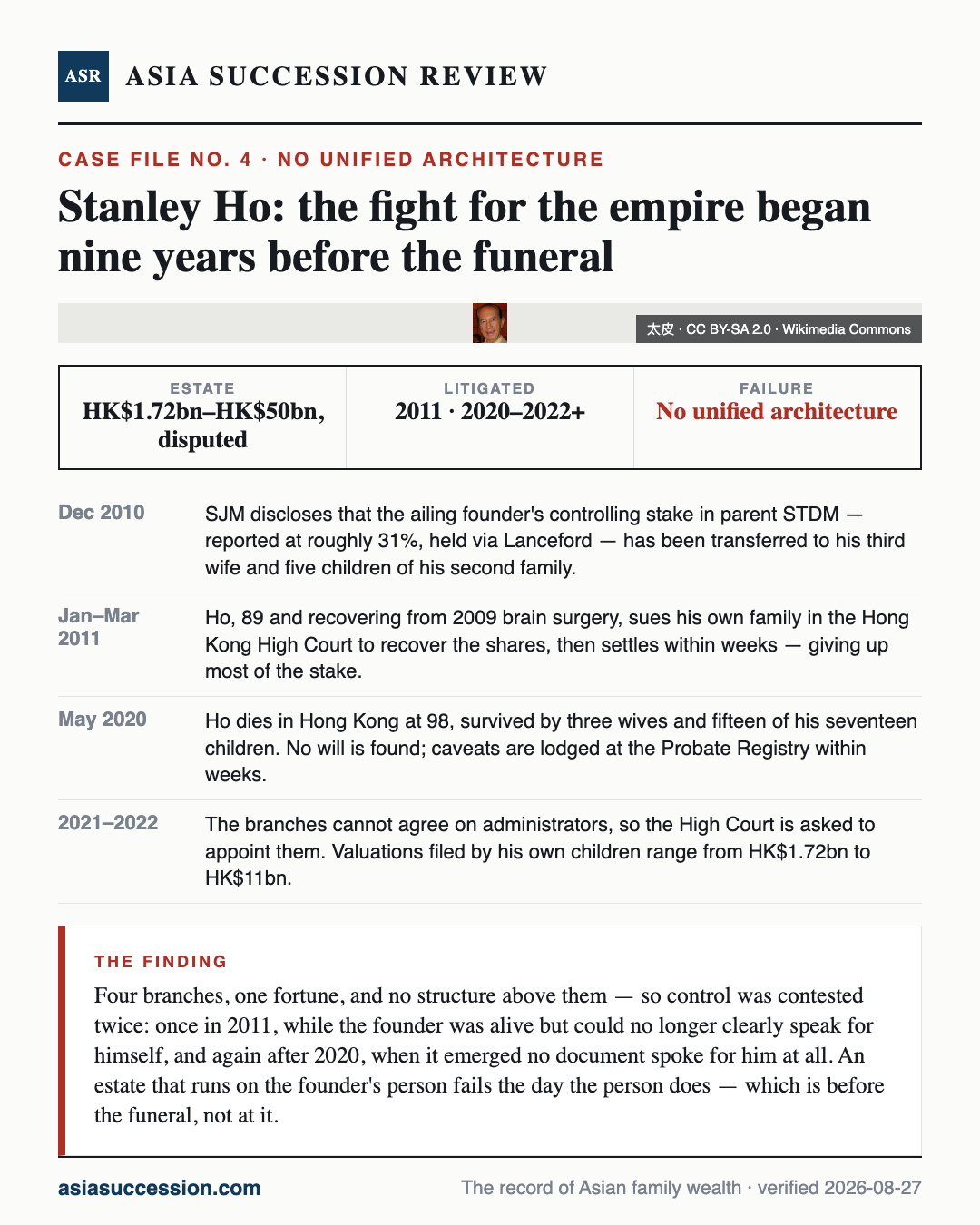
The case in one card — press and hold to save, or forward it as it is.
If your family has more than one branch
Where there are branches, the law does not rank them — it freezes them all equally while they fight, and the branch that reaches the founder, or the registry, first sets the terms for everyone. The questions worth settling while everyone is alive: is there one structure above all the branches or just one patriarch; who is named to act if his capacity fades; and does each branch have liquidity of its own the day the freeze begins. What a single trust, an incapacity mandate, and per-branch insurance would each change about your position:
My father has children with more than one woman — who inherits when he dies without a will?
The intestacy statute of his domicile decides, and it is mechanical: recognized spouses and children take fixed shares regardless of closeness, contribution, or what he said at dinner. In multi-branch families the fight usually starts earlier — over who administers the estate and what it is even worth. Stanley Ho's children filed valuations ranging from HK$1.72bn to HK$11bn for the same estate. The statute ranks nobody's branch; it freezes all of them equally.
Can family members transfer an elderly parent's shares if he is ill or losing capacity?
They can procure a signature — whether it stands is another matter, and contesting it means litigating your own family while the parent is alive, as Stanley Ho did in 2011 over his SJM controlling stake. The protection is built beforehand: assets held in a trust cannot be moved by whoever reaches the chair first, and a lasting power of attorney names in advance who may act. Without those, capacity questions are settled by speed, not by documents.
What happens if someone loses mental capacity and there is no power of attorney?
Nobody automatically takes over — not the spouse, not the children. Someone must apply to court to be appointed, which is slow, public, and in a divided family contested; in the meantime whoever has practical access to the person holds practical power. In Singapore the advance instrument is the Lasting Power of Attorney; every jurisdiction in the region has an equivalent. It is the one document that decides the question before the family can fight about it.
What is a caveat on an estate and why would a family member file one?
A caveat is a notice lodged with the probate registry saying: nothing about this estate gets sealed until my lawyers are heard. It costs little, signals total distrust, and stops the machinery — four were lodged against Stanley Ho's estate within weeks of his death in 2020. Caveats appear where heirs fear a grant will issue behind their backs, which is to say: in families where nothing was ever put in writing while the founder could still write.
A question of your own that these don't answer — put it to the desk.
- 1SCMP — court asked to name administrators of Stanley Ho's estate (Nov 2021)
- 2The Standard — Ho's children at odds over the value of his estate
- 3Forbes — the 2011 share-transfer battle heads to court