Mastodon's $80,000 cheque: a founder dies with his share of the band unsold, his estate refuses to cash the buyout, and his face goes on the next album cover
Brent Hinds co-founded the Atlanta metal band Mastodon in 2000 and was told in March 2025 that he was out. He never signed the separation terms and died five months later. His estate says the three surviving founders then sent a cheque for $80,000 'as an aggregate buyout' with no explanation of the number, and put a face resembling his on an album he did not play on. On 3 September 2026 the estate sued in Fulton County for an accounting. What if it had been Singapore?
Read this in: EN · 简体 · 繁體 · ไทย · ID
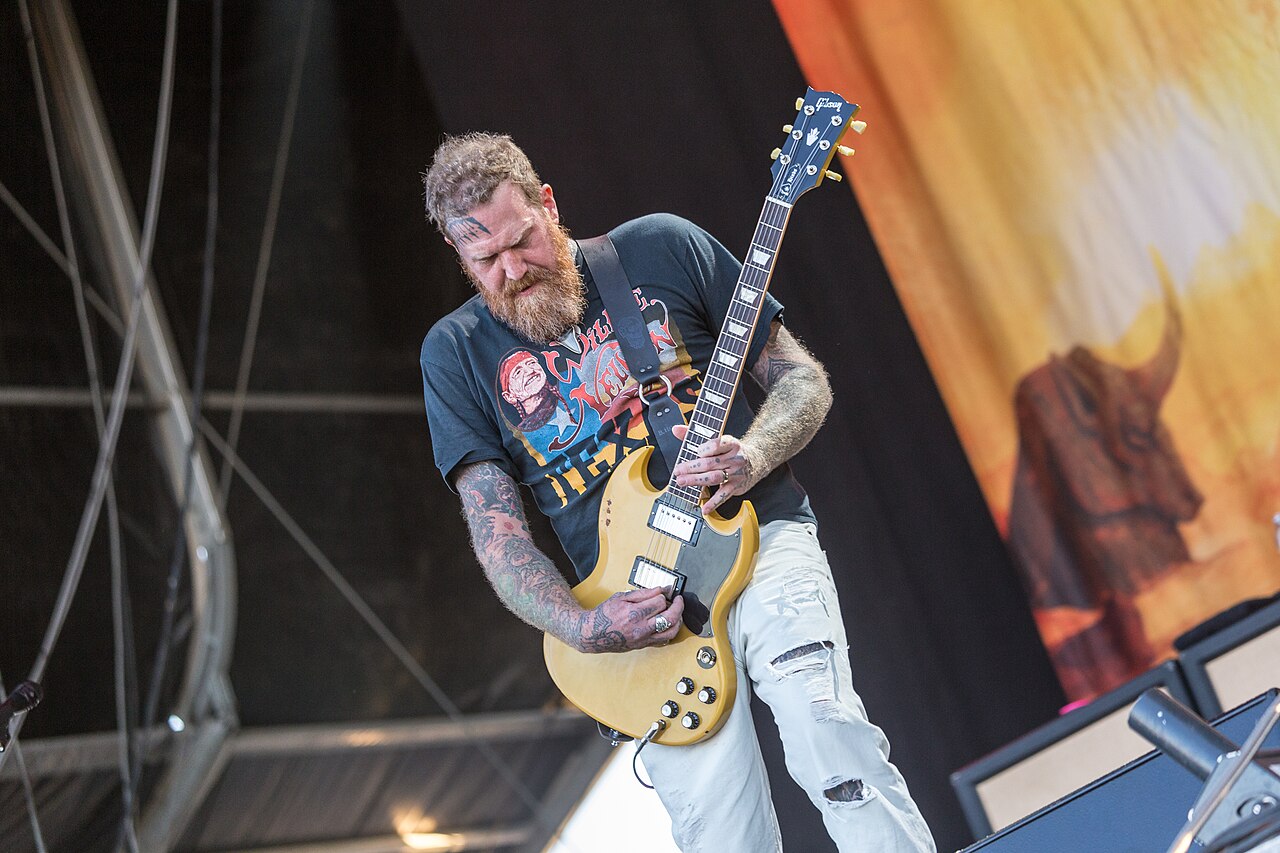
A dead guitarist's estate files suit against his three surviving bandmates in Fulton County, and the fight over a 25-year business goes public
The Atlanta Journal-Constitution reported on 10 September 2026 that the estate of William Brent Hinds, the co-founder and lead guitarist of the metal band Mastodon, had filed a civil complaint in Fulton County, Georgia, on 3 September against the band's three surviving founders, Troy Sanders, Bill Kelliher and Brann Dailor. Rolling Stone, Vice and the trade press carried the filing on 11 September; the band's statement followed the same day.
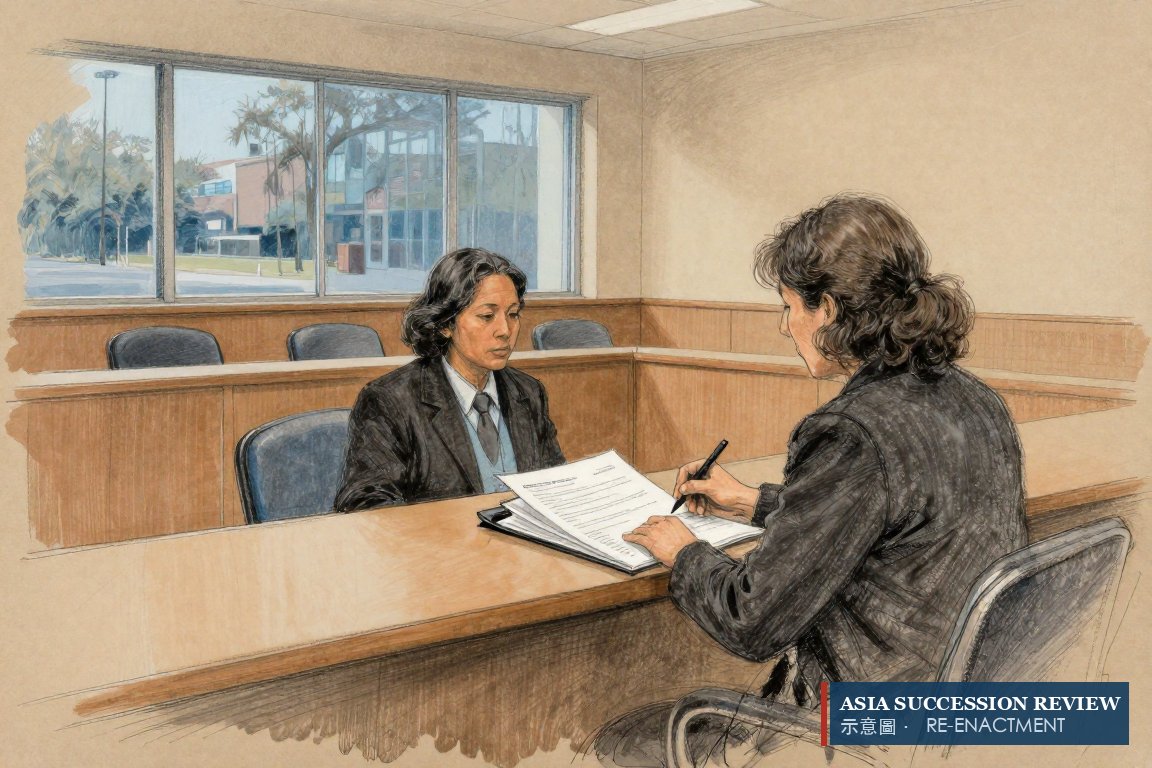
Four men keep one band together for 24 years without a lineup change, and in March 2025 the founder they drop calls them 'horrible humans'
The band is the business. Mastodon formed in Atlanta in 2000 and kept the same four members for 24 years: Sanders on bass, Hinds on lead guitar, Kelliher on rhythm guitar, Dailor on drums. In March 2025 the band announced that it and Hinds had 'mutually decided to part ways' after 25 years. Hinds later wrote on social media that he had been kicked out and called his former bandmates 'horrible humans'.
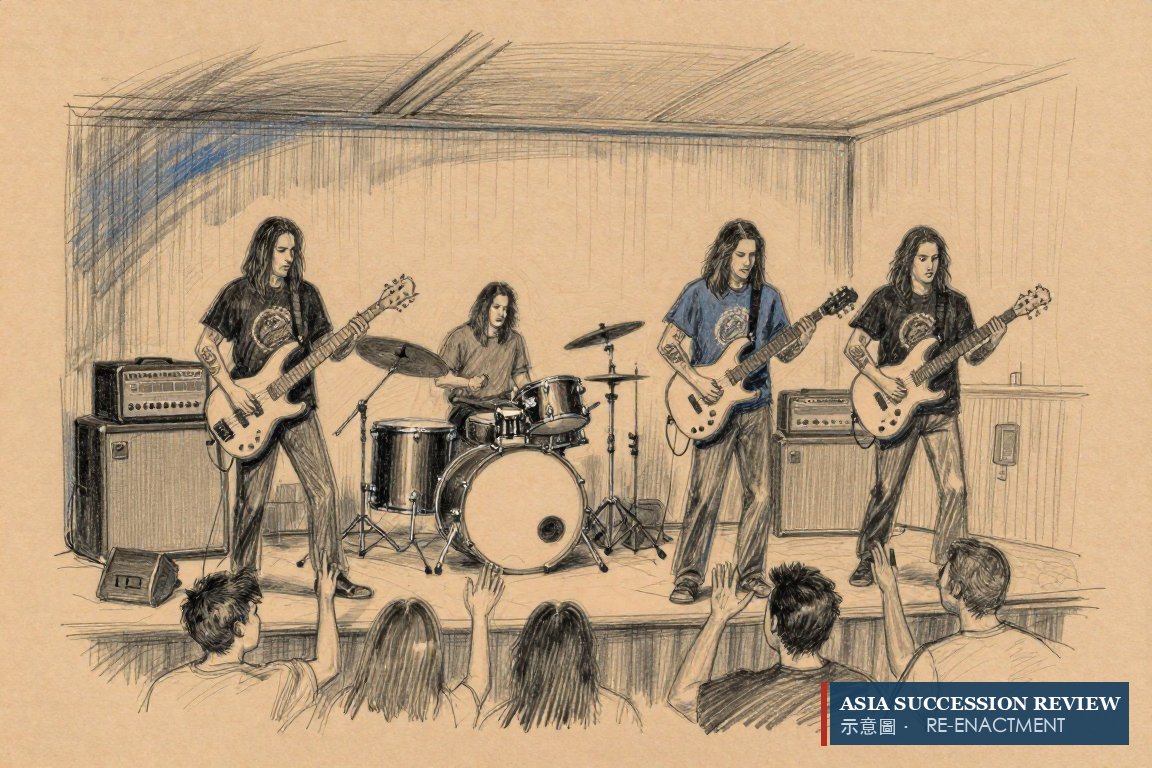
The band tells its co-founder by email that he is out and sends separation terms, and he dies five months later without signing them
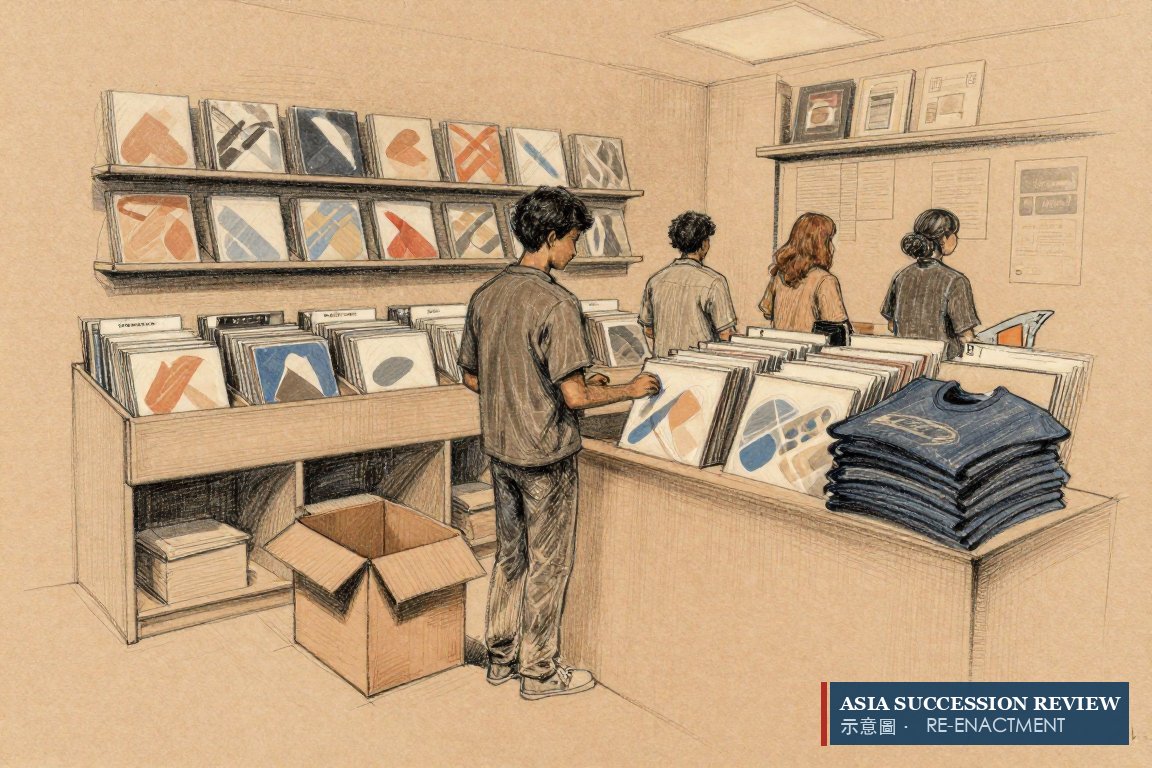
The estate's account of the exit is different from the band's. According to the complaint as reported by the Journal-Constitution and Blabbermouth, Hinds was notified of his removal by email, the band then sent him a document summarising the proposed terms of separation, and he never signed it. Whatever the band and he had agreed about his share of the group and its related companies, including merchandising, was not agreed in writing when he died.

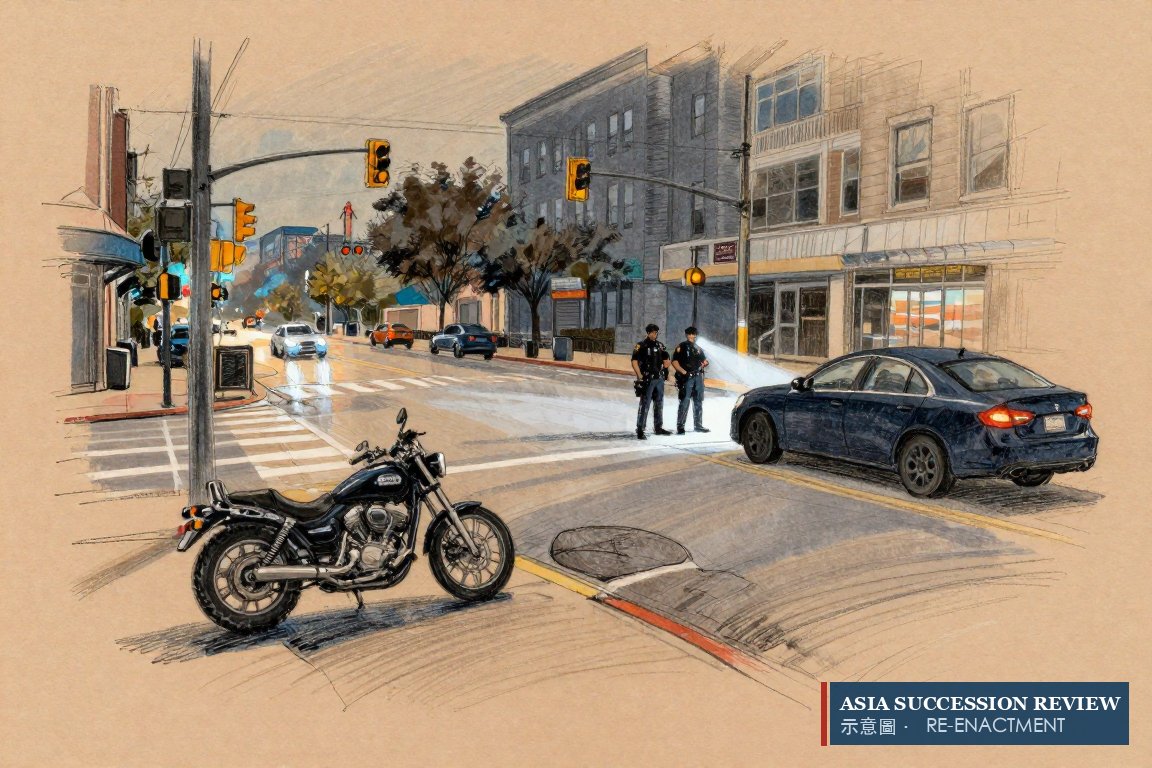
A car turns across the guitarist's motorcycle at an Atlanta intersection, and at 51 he dies with his share of the band unsold
He died on 20 August 2025, killed when a car turned across his motorcycle at an Atlanta intersection. He was 51. A crash report later found he had been travelling at roughly twice the speed limit.
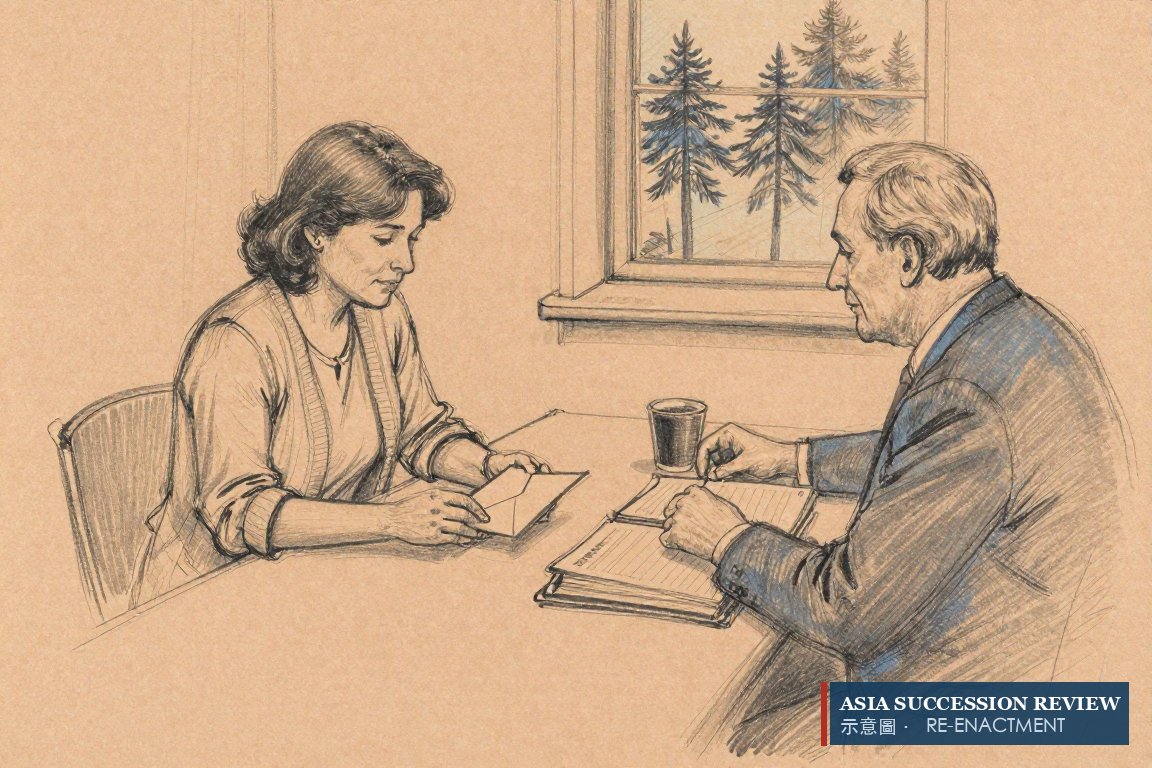
The band mails the estate an $80,000 cheque marked 'aggregate buyout' with no working shown, and the estate refuses to cash it
After his death, the complaint says, the band wrote the estate a cheque for $80,000 'as an aggregate buyout of Hinds' interests' in the Mastodon companies. The band did not explain how it calculated the number. The estate has not cashed the cheque, and says it will not until a full accounting has established what Hinds' share of the business was actually worth at his death.
The band releases its first album without him in August 2026, and the estate says one bearded face among the cover's skulls is his
The second limb is the album. Marrow Deep, the band's ninth studio album and its first without Hinds, was released in August 2026; recording began shortly after his death. The cover, built around the three Fates of Greek myth, shows one bat-faced figure cloaked in skulls and faces. One of the faces, the estate says, is a recognisable bearded likeness of Hinds. The band has said the cover also carries the face of Dailor's mother, who died the same year.
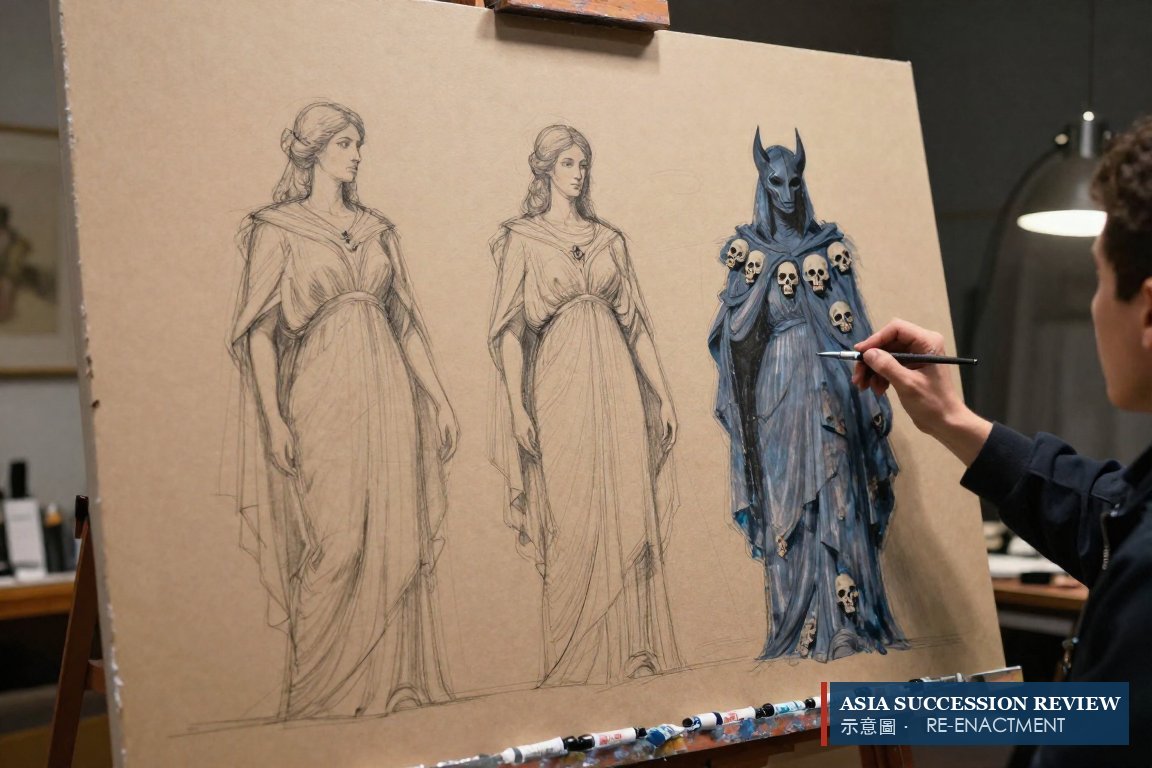
The complaint says the band put his recognisable image on the cover to sell albums, streams and merchandise, for a record he never played on
'Nevertheless,' the complaint reads, 'Defendants selected and placed a recognizable image of Brent on the album cover of Marrow Deep and disseminated that cover to advertise, market, distribute, and sell physical albums, digital downloads and streams, merchandise, and related goods or services.' Hinds contributed nothing musically to the album.
The three survivors tell a 35-minute film why he left, and the estate says they broke a promise to keep his exit private
The third limb is confidence. The estate says the band undertook, when Hinds left, not to disclose the details of his exit. After his death, and while promoting the album, the three members spoke in interviews and in a 35-minute film about his departure and his struggles with substance abuse. The complaint criticises them for disclosing 'details about his private life that they learned in confidence, details he chose to keep private while he was alive'.
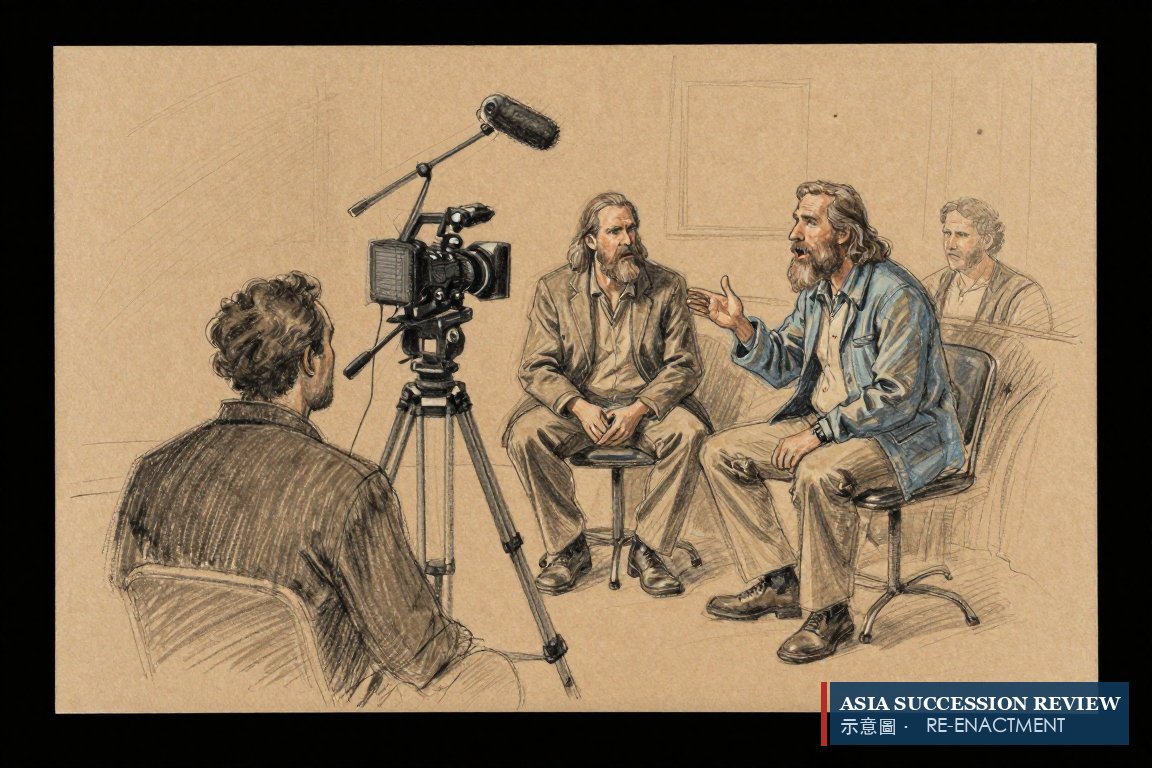
The band answers in one paragraph, calling the suit a 'private business dispute' and 'meritless', and promises never to speak of it again
On Friday 11 September the band answered in one paragraph: 'Sadly, a private business dispute with the estate of our dear departed friend Brent Hinds was made public. We strongly deny allegations of ill intent on our part and intend to vigorously defend what we believe is a meritless lawsuit. We don't intend to speak publicly on this going forward, as we feel this wouldn't honor Brent's memory or the legacy of his musical gifts.'
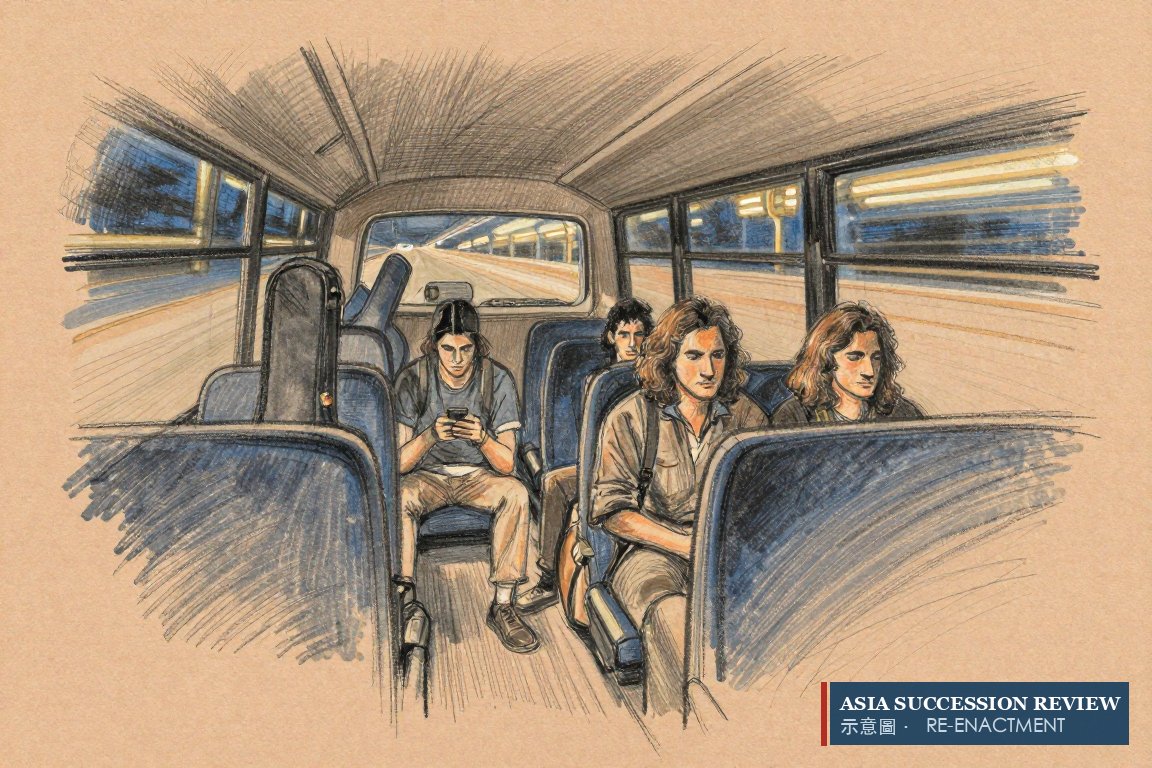
Nobody on the record knows the share, the number or the companies, and the case now turns on the books of a business run on trust for 25 years
What the public record does not yet show is the number the estate thinks is right, the percentage Hinds held, the names of the companies, or who administers his estate. The complaint is not online. The case will turn on the accounts of a 25-year business that four people ran on trust, and on a share that, on the estate's account, was never sold because the paper was never signed.

- 1The Atlanta Journal-Constitution (Asia Simone Burns), 10 Sep 2026 — 'Atlanta heavy metal band Mastodon sued by late guitarist's estate': civil complaint filed 3 Sep 2026 in Fulton County; defendants Sanders, Kelliher and Dailor; never bought out of his share of the band and its related businesses; removal notified by email, separation document never signed; $80,000 cheque 'as an aggregate buyout of Hinds' interests', no explanation of the calculation, uncashed pending a full accounting; the Marrow Deep cover; the confidentiality allegation; the crash report
- 2Rolling Stone (Daniel Kreps), 11 Sep 2026 — 'Brent Hinds' Estate Sues Mastodon Over Late Guitarist's Share of Band': the complaint's wording on the album cover ('selected and placed a recognizable image of Brent'); death August 2025 five months after the March 2025 'mutually decided to part ways' announcement; the band's statement in full; 'details about his private life that they learned in confidence'
- 3Blabbermouth, 11 Sep 2026 — 'Mastodon issues statement on lawsuit filed by Brent Hinds's estate': the statement released Friday 11 Sep; the separation-terms document Hinds never signed; the estate holding the cheque until a full accounting; the album cover's second face (Dailor's mother); the 35-minute film; 25 years, since 2000
- 4Consequence, 11 Sep 2026 — 'Estate of Late Guitarist Brent Hinds Files Lawsuit Against Mastodon': death 20 Aug 2025 in a motorcycle accident; removal by email without signed separation documents; retained 'ownership interest in Mastodon merchandise and other business ventures'
- 5Guitar.com, 14 Sep 2026 — 'We will vigorously defend what we believe is a meritless lawsuit': Mastodon respond to legal action from Brent Hinds' estate (the report that brought the dispute into this week's sweep)
- 6Partnership Act 1890, s33(1) (Singapore Statutes Online, read 15 Sep 2026) — 'Subject to any agreement between the partners, every partnership is dissolved as regards all the partners by the death or bankruptcy of any partner'
- 7Partnership Act 1890, s43 (SSO, read 15 Sep 2026) — the amount due to 'the representatives of a deceased partner in respect of the outgoing or deceased partner's share is a debt accruing at the date of the dissolution or death'
- 8Partnership Act 1890, s42 (SSO, read 15 Sep 2026) — where the surviving partners carry on the business 'without any final settlement of accounts', the estate may elect 'such share of the profits made since the dissolution as the court may find to be attributable to the use of his share of the partnership assets, or to interest at the rate of 5% per annum'; proviso for a purchase option in the partnership contract that is 'duly exercised'
- 9Partnership Act 1890, s28 and s39 (SSO, read 15 Sep 2026) — partners 'are bound to render true accounts and full information of all things affecting the partnership to any partner or his legal representatives'; on dissolution 'any partner or his representatives may … apply to the court to wind up the business and affairs of the firm'
- 10Limited Liability Partnerships Act 2005, s15 (SSO, read 15 Sep 2026) — a partner ceases on death (s15(2)); unless the LLP agreement provides otherwise, the personal representative 'is entitled to receive from the limited liability partnership an amount equal to the former partner's capital contribution … and the former partner's right to share in the accumulated profits', determined at the date of cessation (s15(3)); the representative 'must not interfere in the management' (s15(4))
- 11Companies Act 1967, s216 (SSO, read 15 Sep 2026) — a member may apply to the Court where the company's affairs are conducted 'in a manner oppressive to one or more of the members … or in disregard of his, her or their interests'; the Court may direct or prohibit any act, regulate the company's affairs, or order a purchase of shares
- 12IRAS — Estate Duty: removed for deaths occurring on and after 15 February 2008
Four men run a business for 25 years on a handshake, and the departure they never priced arrives twice, by email and by death
Four men ran a business for 25 years on a handshake. That is not a criticism; it is the normal state of a band, a clinic, a trading house or a family firm in its first generation. The problem is not that they trusted each other. It is that the paper which would have priced a departure was never written, and then the departure happened twice: once by email in March 2025, and once by death in August.
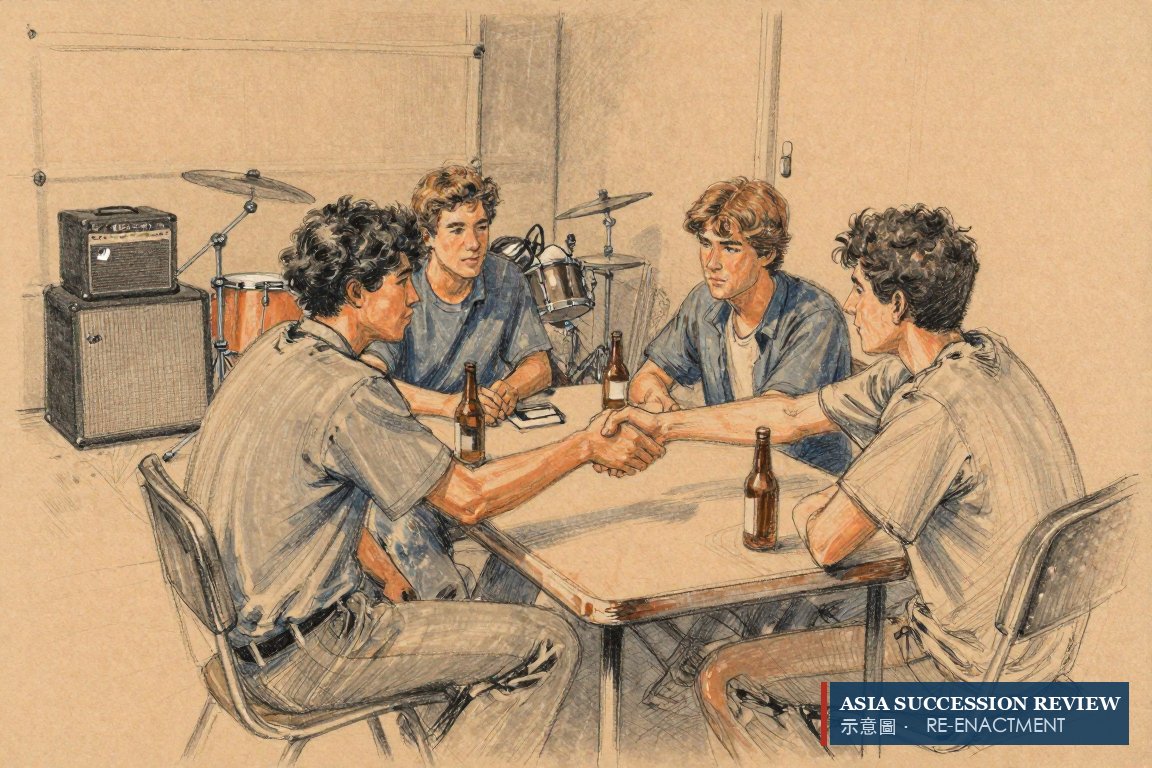
The survivors send a number with no method behind it, and the estate's only safe move is to refuse the cheque and demand the books
Each event needed a number. The exit needed a buyout price, and the band sent terms that Hinds never signed. The death needed a valuation of whatever he still held, and the band sent $80,000 with no method. A cheque without a method is not an offer the other side can check; it is an invitation to litigate the method. The estate's refusal to cash it is the only rational move for a personal representative who does not know what the share is worth and would be accused of giving it away if she found out later.
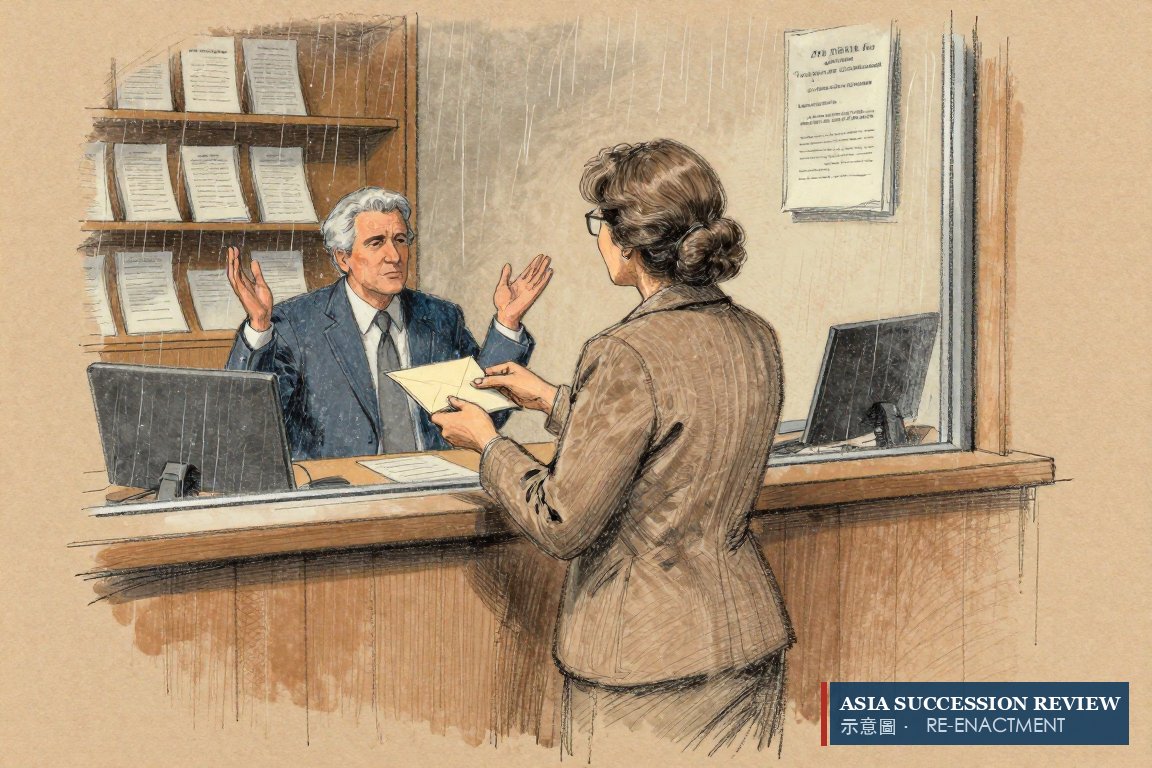
The survivors feel sued by a ghost for money earned after he left, the estate feels a quarter-century priced at a used car, and both are describing one missing page
Underneath sits the question that every family business faces when a partner dies: what does the estate actually own? Not the guitar parts. The share of the entity that owns the recordings, the name, the merchandise and the touring income, and the right to see its books. The survivors, who kept the business running and recorded a new album, feel they are being sued by a ghost for money they earned after he left. The estate feels that a quarter-century's share was priced at a used car. Both are describing the absence of a document.
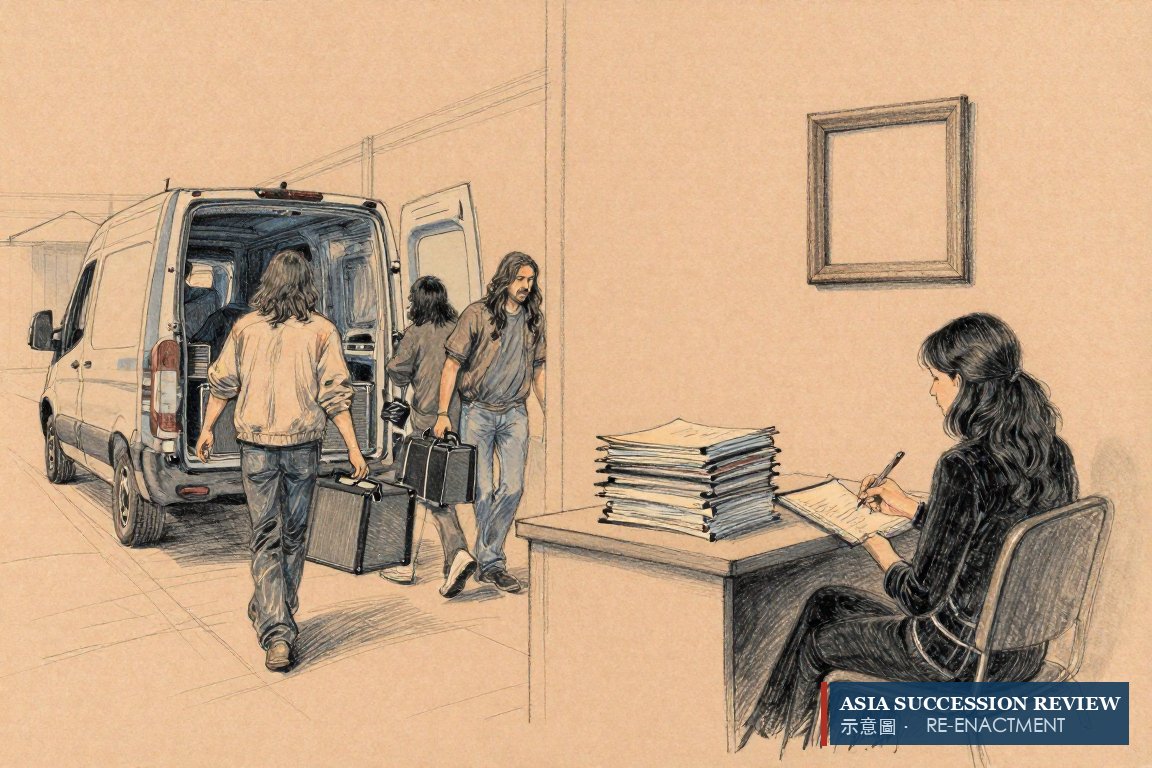
The survivors put him on the cover as a tribute and the estate reads the same cover as a sale, because nobody wrote a rule about the face
The likeness claim is the same absence in a different key. A band's name and imagery are its most valuable asset, and nobody had written down who may use a departed member's face, name or history, or on what terms. So the survivors put him on the cover as a tribute, and the estate reads the same cover as a sale.
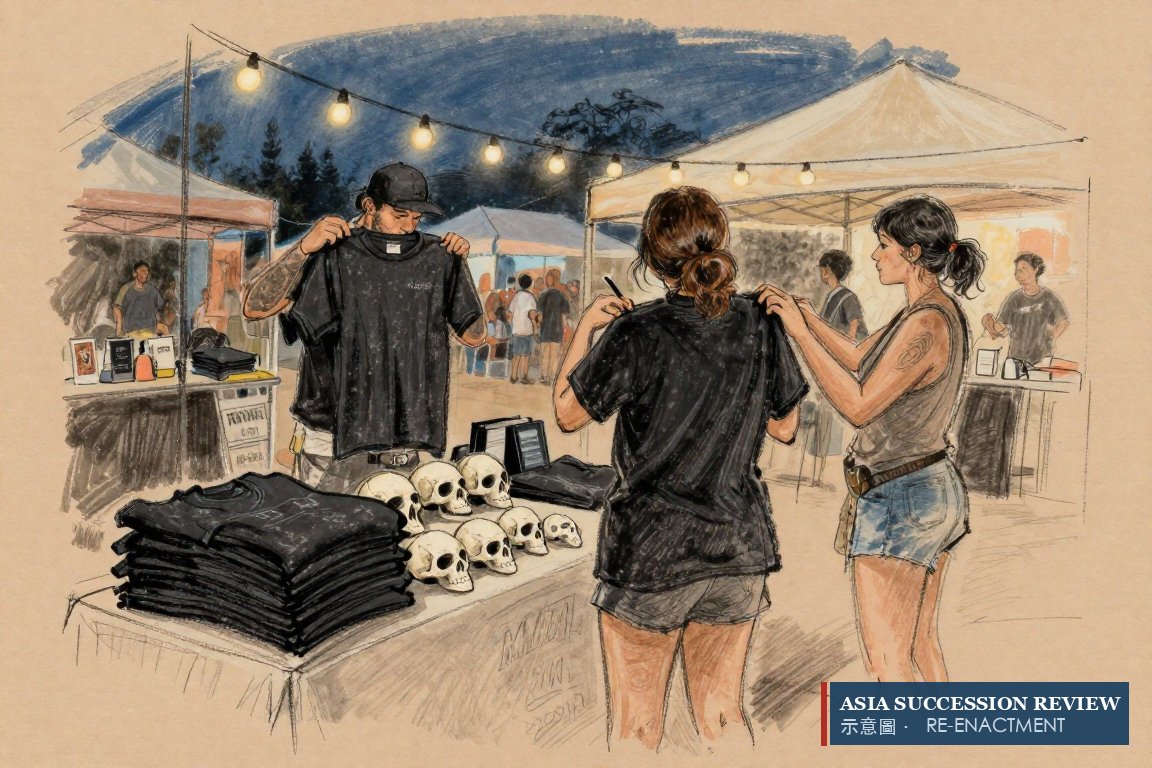
In Singapore the law already has a default for a partner who dies with his share unsold — the share becomes a debt of the firm at the date of death, the estate is owed true accounts, and the survivors pay 5 per cent a year or a share of the profits until they settle — and a written agreement can replace every one of those defaults with a formula, a timetable and a rule about the name.
Four musicians share a name and a catalogue with no paperwork, and Singapore's Partnership Act makes them partners whose firm dissolves on a death
Take the same four people and put the business in Singapore with no paperwork. Four musicians sharing the income of a name and a catalogue are partners under the Partnership Act 1890, which still governs here. Section 33(1) says that, subject to any agreement, every partnership is dissolved by the death of any partner. So the firm the survivors think they are continuing was, in law, dissolved on 20 August 2025, and what they run today is a new firm using the old one's assets.
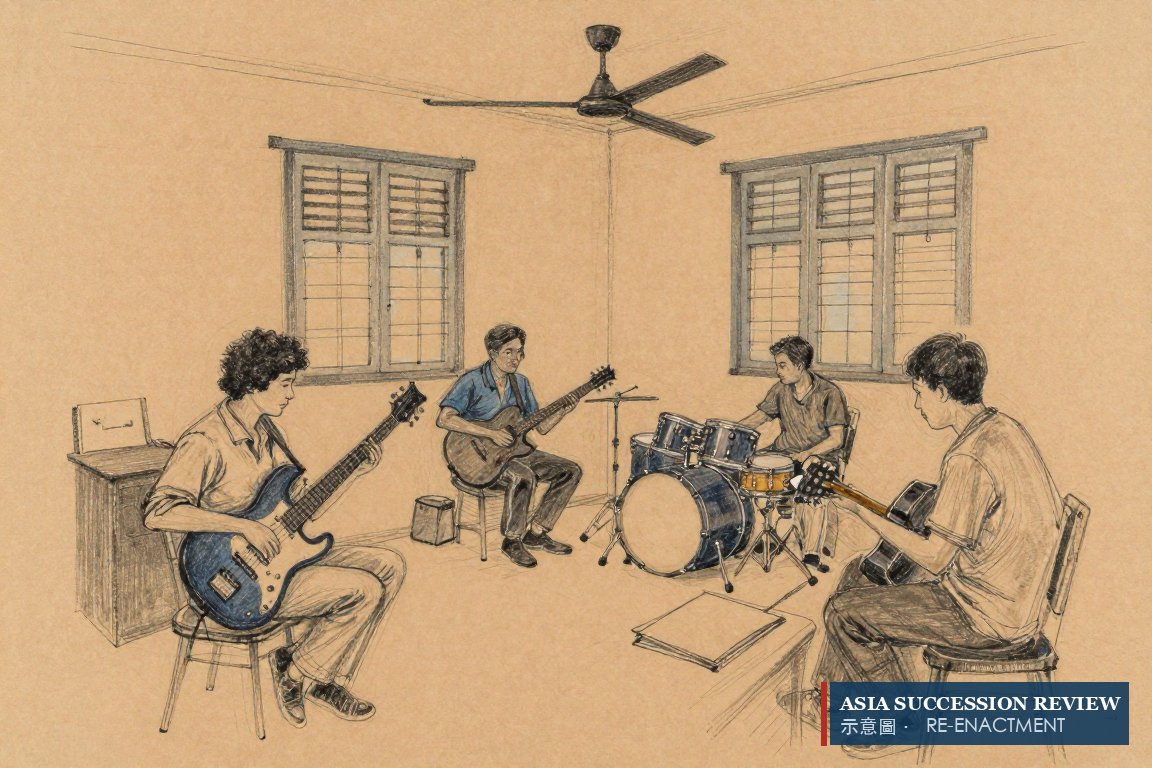
The dead partner's share becomes a debt of the survivors from the day he dies, and the law obliges them to open the books to his estate
That changes what the estate is owed and who owes it. Section 43 makes the amount due to a deceased partner's representatives 'a debt accruing at the date of the dissolution or death'. The estate is not a shareholder waiting for a dividend; it is a creditor of the survivors for the value of the share on that day. And section 28 binds partners to render 'true accounts and full information of all things affecting the partnership' to a partner's legal representatives. The estate's first letter is not a claim. It is a request the statute already obliges the survivors to answer.

Every month the survivors trade on the dead partner's share without settling, the estate earns 5 per cent a year or a slice of the profits
Then the clause that prices delay. Section 42 says that where the surviving partners carry on the business with its assets 'without any final settlement of accounts', the estate may choose either the share of post-death profits the court finds attributable to the use of the deceased's share, or interest at 5 per cent a year on the value of that share. A cheque for $80,000 does not stop that clock. Only a settlement of accounts does, or, under the same section's proviso, a purchase option written into the partnership contract and 'duly exercised' according to its terms.
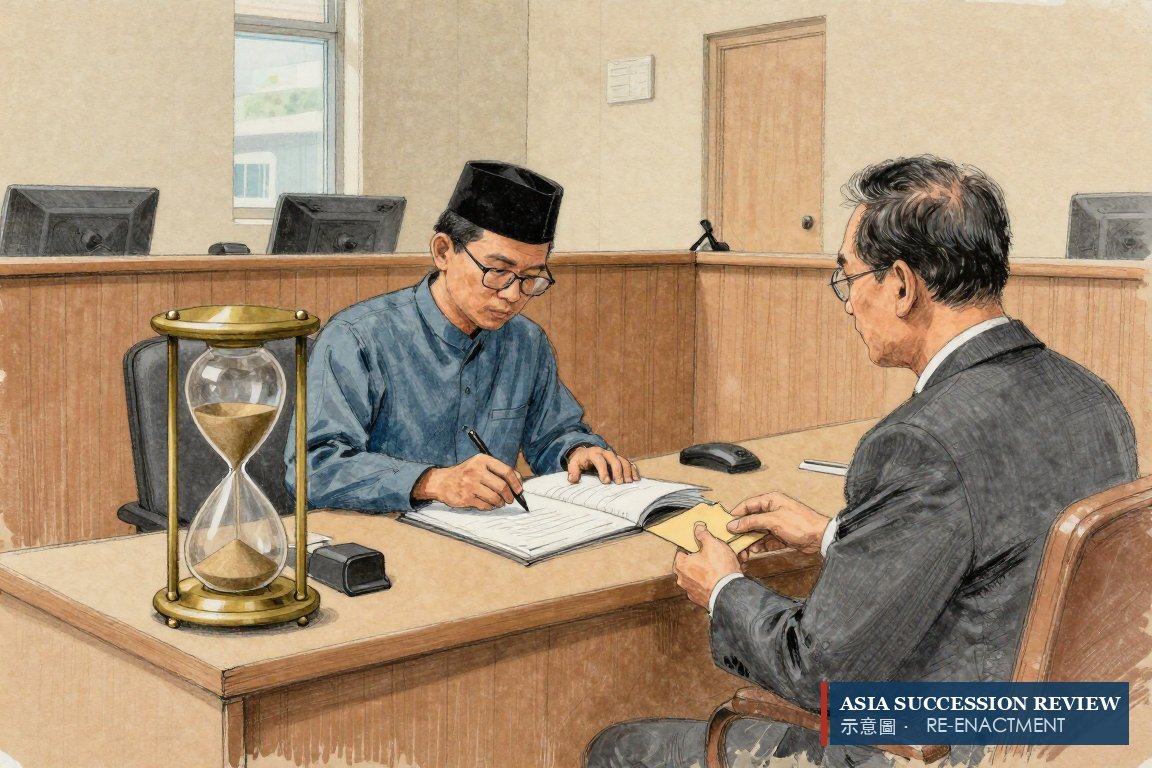
The estate needs no proof of bad faith, only a date and a set of accounts, and the court can wind up the firm to force the valuation
Read those three sections together and the Singapore default answers the Atlanta complaint on its own. The share is a debt at death. The books must be opened to the estate. Every month the survivors trade on the dead partner's share without settling, the estate accrues 5 per cent or a slice of Marrow Deep. And if the survivors will not settle, section 39 lets the representatives apply to court to wind up the firm's affairs, which is the lever that makes a valuation happen. None of this requires the estate to prove bad faith. It requires a date and a set of accounts.
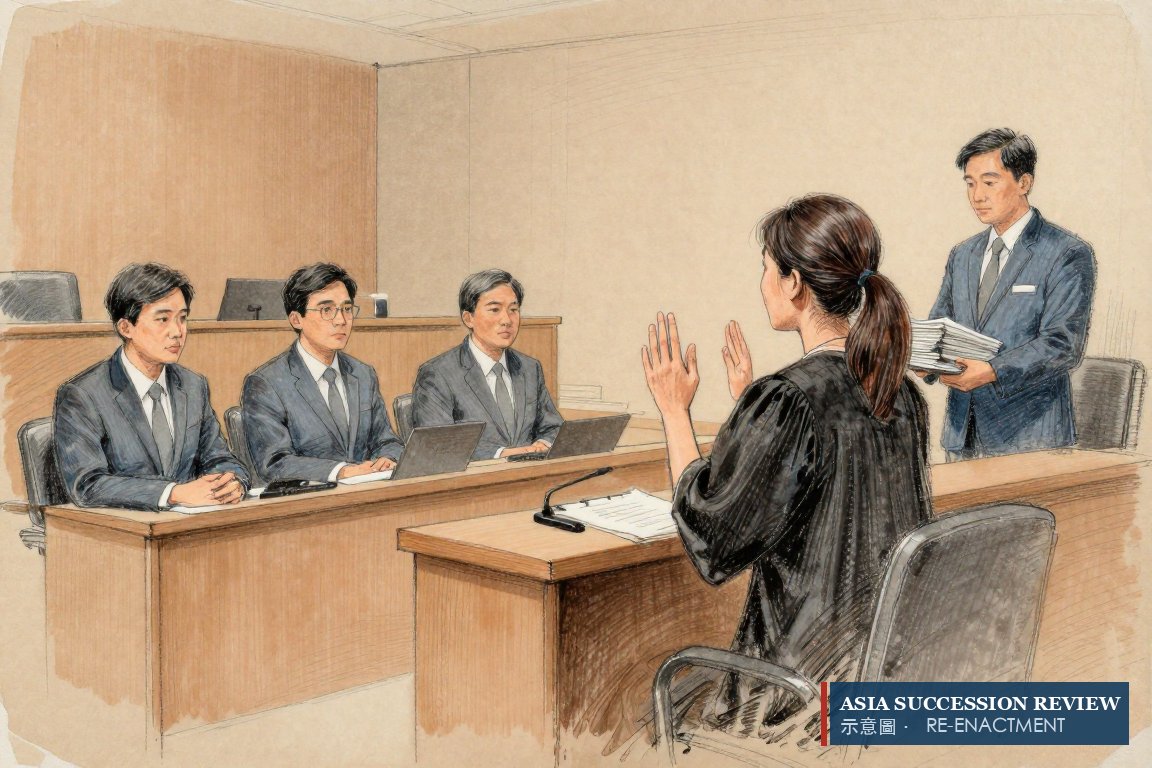
A band that has outgrown a handshake signs one document at formation, naming the entity, each share, the valuation date and a two-to-three-year payout
Now do it properly, because the default is a floor, not a plan. A Singapore band, clinic or family trading firm that has outgrown a handshake writes one document at formation. It names the entity: a limited liability partnership under the Limited Liability Partnerships Act 2005, or a private company. It states each person's share. It fixes the valuation method for a departure by resignation, expulsion or death, with the valuation date set as the date of the event. And it sets the payment timetable, typically instalments over two to three years, so that a death does not bankrupt the survivors.

The LLP statute pays the estate capital plus accumulated profits, and one clause naming an independent valuer within 90 days turns that floor into fair value
The LLP form shows why the paper matters even more than the statute. Under section 15 of the 2005 Act a partner ceases on death, and unless the LLP agreement says otherwise the estate is entitled to his capital contribution plus his share of accumulated profits, determined at the date he ceased, and may not interfere in management. That default protects the survivors' control, which a working band needs. But capital plus accumulated profits is not the value of a going concern with a catalogue. An agreement that says fair value by an independent valuer within 90 days turns the statute's floor into the estate's fair price.

In a company the shares pass to the estate, no cheque can buy them, and section 216 lets a court set the price if the survivors run it against her
The company form gives the estate a different lever. Had the four held shares in a private company, Hinds' shares would pass to his estate, and the survivors could not simply post a cheque; they would need a buy-sell clause in the constitution or shareholders' agreement, or the estate's signature. If they ran the company in disregard of the estate's interests, section 216 of the Companies Act 1967 lets a member ask the court to regulate its affairs or order the purchase of the shares at a price the court sets. That is what the Atlanta estate reaches for by pleading unjust enrichment. In Singapore it has a section number.

Singapore has no statutory right of publicity, so the founding agreement writes the rule on the name, the marks and a departed member's face itself
The face on the cover is the honest limit. Singapore has no statutory right of publicity of the kind the Georgia complaint relies on; an estate here would argue passing off or breach of contract, and would need the paper to say what the band may do with a departed member's name, image and story. So the founding agreement carries a short clause: the name and marks belong to the entity; a departed member's likeness may appear in the historical catalogue and in tributes, not in the marketing of new work, without the estate's written consent; and what was said in confidence stays confidential. Three paragraphs nobody wrote in 2000.
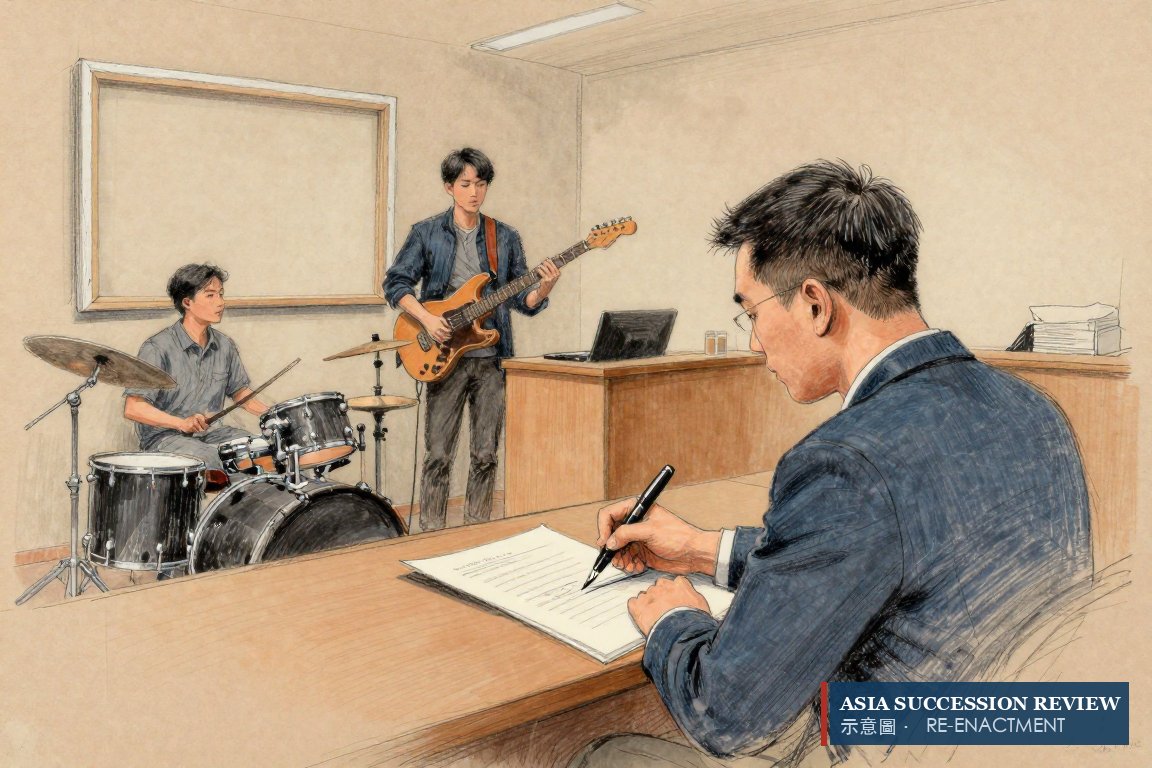
The person outside the room receives a number with its working, a right to the books and an entity whose accounts the regulator already requires
Finally, the handoff. The person on the receiving end of the $80,000 cheque is exactly this newspaper's reader: outside the room, maximum stake, no control, and now asked to sign for a number nobody will explain. The Singapore structure gives her three things on day one. A statute that makes the share a debt and the accounts a right. A document, if the founders wrote one, that states the formula and the timetable so that the number arrives with its method. And an entity, LLP or company, whose books ACRA requires to be kept, so that 'a full accounting' is a filing request rather than a lawsuit.
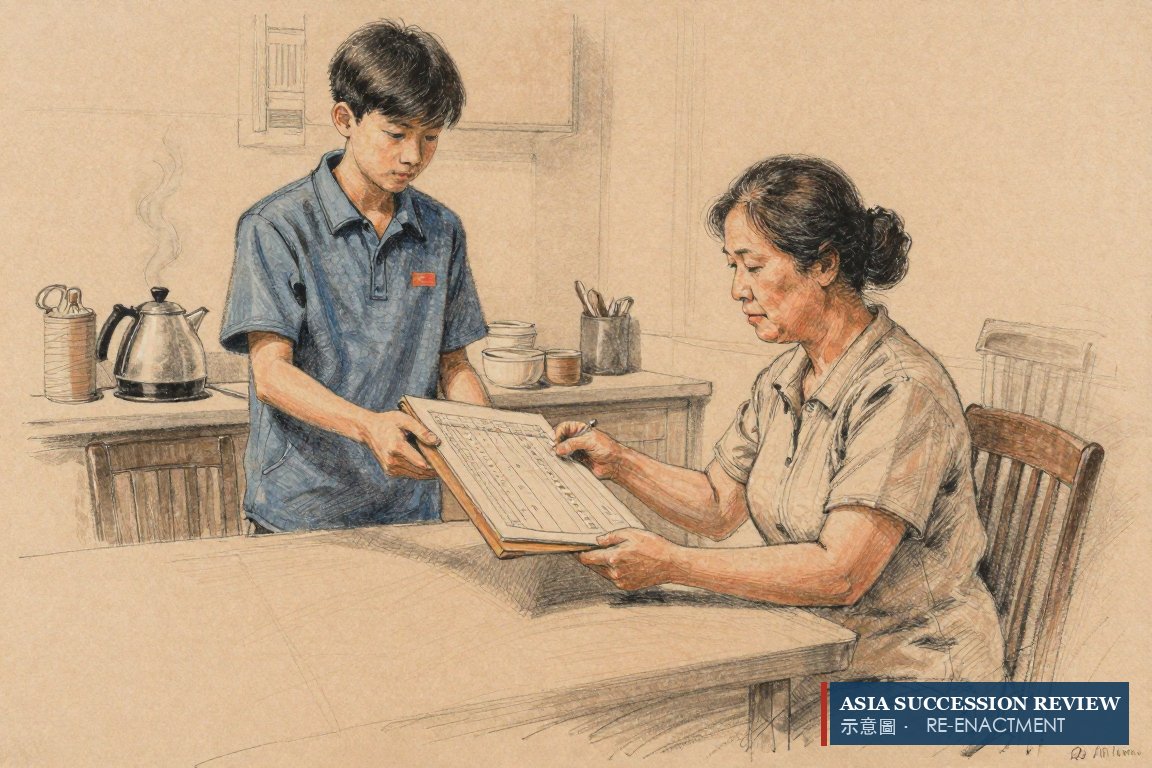
The buyout, the likeness and the confidence are each one clause that costs an afternoon while everyone is alive, and a year in court afterwards
The counterfactual is not that Singapore prevents the fight. A band that had incorporated here in 2000 and never wrote the valuation clause would be in the same courtroom, with better default rules. The point is narrower and more useful for the family firms that read this page: the law already prices a dead partner's share; a cheque without a method is a dispute, not an offer; and every one of the three claims in the Atlanta complaint, the buyout, the likeness and the confidence, is a clause that costs an afternoon while everyone is alive and a year in court afterwards.

The estate of Brent Hinds — an uncashed cheque for $80,000 marked 'aggregate buyout', no explanation of the number, and a complaint filed 3 September 2026 in Fulton County for an accounting of his share of the band and its companies, for the use of his likeness on the Marrow Deep cover, and for disclosure of what he told his bandmates in confidence
Troy Sanders, Bill Kelliher and Brann Dailor — the band, the catalogue, the name, a ninth album released without him in August 2026, and a lawsuit from their co-founder's estate that they call 'a private business dispute' and 'meritless', with a promise not to speak about it again
The Mastodon companies — a share whose owner died on 20 August 2025 without a signed separation or a valuation, and whose price will now be set by a Georgia court instead of a clause
A Singapore partnership in the same position — dissolution on the death of a partner (s33), the deceased's share as a debt from that date (s43), a right to true accounts (s28), and 5 per cent a year or a share of profits until the survivors settle (s42), with the court's winding-up lever (s39) behind it
A Singapore LLP or company that wrote the document — a fixed valuation date, a method, a payment timetable, a rule about the name and the likeness, and a personal representative who receives a number with its working instead of a cheque with none
A counterfactual, not advice. The verified machinery is on the Singapore page; where your family stands is the briefing.
From the case files: The same question in a family firm: my brother runs the business — am I entitled to anything?