An heir who sends you invoices can end up in court. Ask Dolly Parton
Dolly Parton's nephew is a beneficiary of her trust and, until September, ran security for her businesses through his own company. A row over a $251,000 bill became a lawsuit by her estate company and an order to keep 1,000 feet from its people. On 13 October he answered that the order could cut him off from his family and from the trust's own lawyers. What Singapore's harassment law would and would not do, and the two documents that keep a bill away from an inheritance.
Read this in: EN · 简体 · 繁體 · ไทย · ID
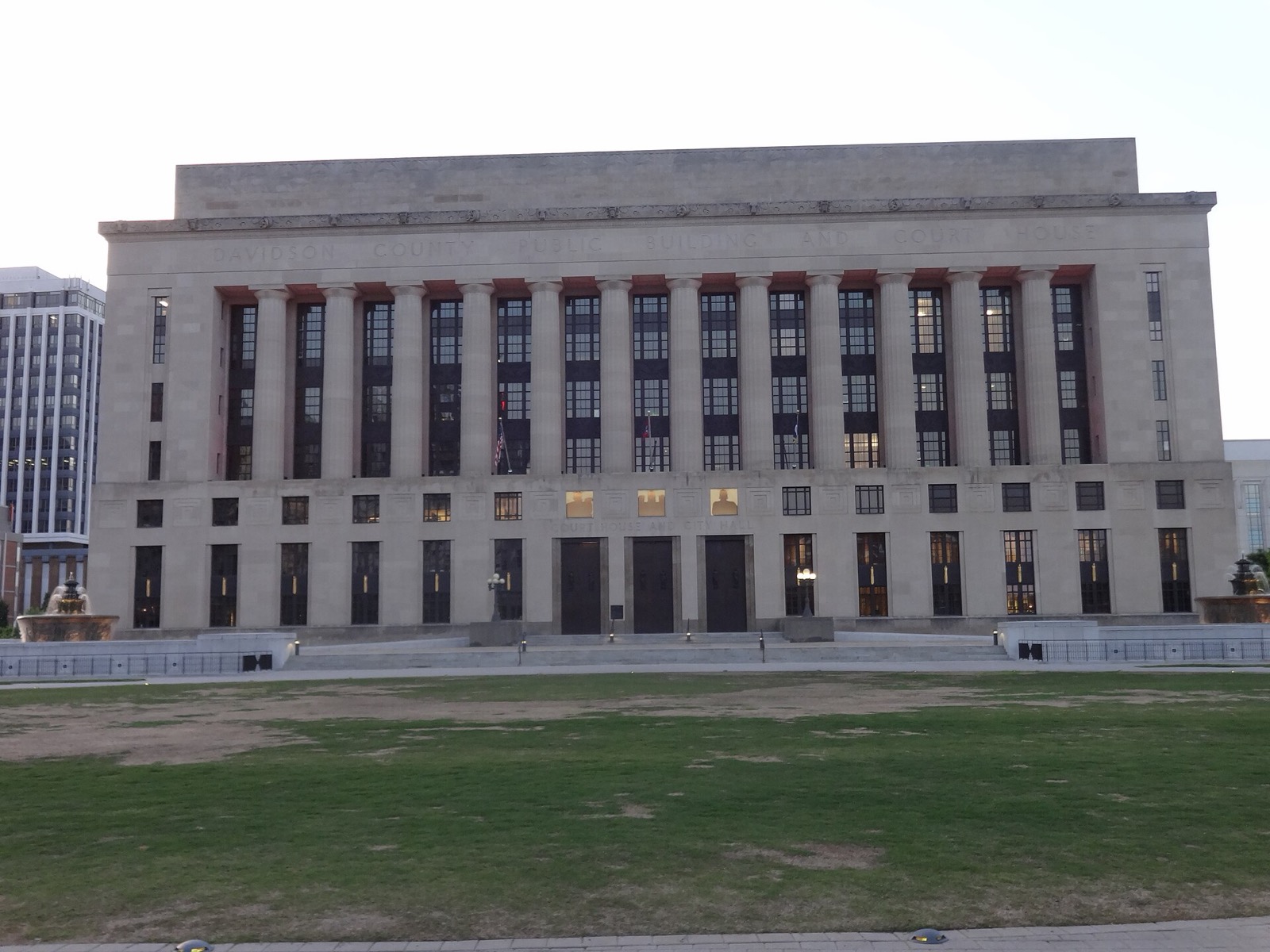
The singer's nephew swears a denial in Nashville, three weeks after her estate's company sued him for threats
On 13 October 2026 Bryan Seaver, Dolly Parton's nephew and for more than twenty years the head of security at her properties, filed a sworn affidavit in Nashville opposing a court order her estate's company had obtained against him. The Associated Press, NBC News and CBS News reported it that day. People reported, from the same filings, that his lawyers say the order could stop him reaching the trustees of her trust and their lawyers while the estate is administered. The two sides argue before Chancellor I'Ashea L. Myles of the Davidson County Chancery Court on 20 October.
Her manager's company sues the nephew on 22 September, six days after the trust ends his security work
The company is She's Alive LLC. Its sole manager is Danny Nozell, Parton's manager for decades, and it was founded to manage and protect her estate. It sued Seaver and his security firm, Squadron Augmented Protection Services, on Tuesday 22 September, six days after the DP Dean Trust had dismissed him and his companies from every property, the subject of our commentary No. 20. The complaint alleges an "obscene, deliberate and escalating campaign of threats" that began shortly before Parton died on 25 August, including a threat to "destroy the entire brand" unless he was paid what he believed he was owed.
A Nashville chancellor orders the nephew 1,000 feet from the company's people, and extends it to 20 October
On 23 September the chancellor granted a temporary restraining order. As reported, it keeps Seaver and his firm off She's Alive property, bars them from contacting or coming within 1,000 feet of the company's employees, attorneys and anyone who "has or may have" a business relationship with it, and forbids interference with those relationships. The judge cited Seaver's "claimed access to weapons, experience with violence, and intention to retaliate". The estate has asked for the order to become a temporary injunction. On 6 October, after Seaver asked for time to find a lawyer, it was extended to 20 October; Dominic J. Leonardo and James L. Collier now act for him.
The nephew says his angry messages chased a $251,000 bill, and the bill has since been paid
Seaver's affidavit denies every threat. He calls the messages a "private conversation between two friends who were both frustrated, grieving and discussing strategy," and concedes they were "overly crude and profane". He says his demand of 1 September was about roughly $251,000 owed to his firm for completed work by Herschend Family Entertainment, which operates Dollywood and the Songteller Hotel. The money has since been paid, and his firm has been replaced as the company's security provider. The barbed wire a process server found at his door, he says, was his teenage son's idea, to keep unwanted visitors away, not to avoid the summons.
He argues the 1,000-foot order reaches his mother, his sister and the trust's own lawyers
His other point is about family. His mother, Cassie Parton, manages the singer's East Tennessee properties; his sister Rebecca directs the Dolly Parton Archive and the Life of Many Colors Museum; by his account his sisters, aunts and cousins also work for the estate or are connected to it. An order covering anyone who may have a business relationship with She's Alive, he argues, covers them, and the trustees' lawyers too. As reported, his lawyers ask that any injunction preserve his rights as a trust beneficiary. Parton's sister Freida wrote in September: "We all love Bryan, just as we love each other."
The estate's lawyers stay silent, and nothing filed says the nephew's share of the trust has changed
None of the allegations has been tried. Lawyers for She's Alive and for Nozell did not answer the AP's requests for comment, and the estate's written reply was due on 16 October. What is public is the filings as the press has described them: we have not read the complaint, the order or the affidavit, the deed of the DP Dean Trust is private, and nothing filed so far says the nephew's share of the trust has changed. The termination notice of 16 September said it remained intact.
- 1The Associated Press (Andrew Dalton), 13 Oct 2026, as republished by WSMV: the affidavit filed Tuesday 13 Oct; denial of threats; more than $250,000 owed by Herschend Family Entertainment, which operates Dollywood and the Songteller Hotel; the order's terms; Chancellor I'Ashea L. Myles; hearing 20 Oct; no reply from She's Alive's or Nozell's lawyers
- 2NBC News (Doha Madani), 13 Oct 2026: the affidavit; 'private conversations between two friends'; about $251,000 owed to SAPS, since paid; SAPS replaced as security provider; the order reaches anyone who 'has or may have' a business relationship with She's Alive; family members employed by or connected to the estate; the barbed wire his son requested
- 3CBS News / AP, 13 Oct 2026: complaint alleging 'terroristic threats, harassment, and intimidation'; the order's terms; 'overly crude and profane'; hearing before Chancellor Myles on 20 Oct
- 4People, 13 Oct 2026: 'Dolly Parton's Nephew Claims Estate's Lawsuit Interferes with His Access to Her Trust: Docs' (the page could not be opened from Singapore; its content is cited as carried by the item below)
- 5Wealth of Geeks (Marija Mrakovic) via Yahoo, 14 Oct 2026: his lawyers argue the restrictions could block contact with trustees and their lawyers during estate administration and ask that any injunction preserve his rights as a trust beneficiary; Cassie Parton manages the East Tennessee properties; Rebecca Seaver directs the Dolly Parton Archive and the Life of Many Colors Museum; Freida Parton's September post
- 6Newsweek (Megan Cartwright), 7 Oct 2026: Nozell as sole manager of She's Alive LLC; SAPS co-defendant; the order's terms; an order of 6 Oct extending it from 8 Oct to 20 Oct; Seaver's response due 13 Oct and the estate's reply 16 Oct; Dominic J. Leonardo and James L. Collier for Seaver; court filings say his removal did not affect his status as a beneficiary
- 7WSMV, 5 and 6 Oct 2026: Davidson County Chancery Court; She's Alive, led by Nozell, founded to manage and protect Parton's estate; the motion to delay; the barbed-wire and caution-tape filing; the extension granted on Tuesday 6 Oct and the new date of 20 Oct
- 8The Star (Tribune News Service), 25 Sep 2026: the 'obscene, deliberate and escalating campaign of threats' and the threat to 'destroy the entire brand' as alleged; the order of protection; Seaver's denial
- 9Nashville Trial Courts directory: Chancery Court, Parts I–IV, Metro Courthouse, 1 Public Square, Nashville
- 10Protection from Harassment Act 2014 s12 (protection order: victim applies; balance of probabilities; just and equitable; s12(2B)(a) victim or related person; s12(2B)(c) counselling or mediation; s12(4) exceptions or conditions; s12(7) variation), current version as at 15 Oct 2026, read on Singapore Statutes Online 15 Oct 2026
- 11Protection from Harassment Act 2014 s13 (expedited protection order: prima facie evidence; without notice; ends when the application is determined; 28 days to apply to vary; no appeal), read on SSO 15 Oct 2026
- 12Protection from Harassment Act 2014 s2 ('related person'; 'entity') and s5 (threatening words or communications; fine up to $5,000 or 12 months; defence of reasonable conduct), read on SSO 15 Oct 2026
- 13Trustees Act 1967 s41C(3) (trustees may not authorise a beneficiary to exercise any function as their agent), current version as at 15 Oct 2026, read on SSO 15 Oct 2026
One man is family, beneficiary and paid supplier, so a single unpaid bill hits all three at once
The nephew held three positions at once. He was family, he was a beneficiary of the trust that controls the singer's businesses, and he owned a company those businesses paid. Each relationship had its own rules, and none had its own referee. When a bill went unpaid, the complaint went where his complaints had always gone: to the manager, by message, in the language of family. On the estate's reading that was a threat to the brand. On his, it was a grieving friend's frustration. Either way, the bill and the inheritance were now in the same conversation.
An order built for a contractor lands on a beneficiary, and a judge must now decide how far it reaches
That is how a commercial dispute reached a trust. The order that protects the company's people is written around business relationships, and in a family business the family is the business relationship: his mother runs properties, his sister runs the archive, the trustees have lawyers. A remedy shaped for a contractor lands on a beneficiary. The money has been paid. The order remains, and on 20 October a judge decides how far a supplier's dispute can follow him into his family and towards his inheritance.
A founder who staffs her empire with relatives leaves them no route to the trust but the person they fight
Nothing here says who is right. The complaint has not been tested and the nephew denies all of it. The structural point does not depend on the answer. A founder who staffs her empire with relatives creates people who can be wronged in two capacities at once, and who, when one relationship breaks, have no route to the other except through the person they are fighting.
Singapore would let the people threatened ask for a protection order too, judged on the evidence, but its Act lets the court write exceptions into the order, such as letters to the trustee through counsel, and send the family to mediation in the same order; the better protection comes earlier, in a supplier's contract with its own referee and a trust deed that keeps a beneficiary's line to the trustee open whatever the companies are fighting about.
Singapore cannot reach a Tennessee trust or a Nashville order, so the question is what its own law would do
Start with what Singapore could not change. The trust is governed by Tennessee law, the companies are Tennessee companies, the order is a Tennessee court's, and the hearing on 20 October will run under Tennessee procedure, which we have not read and do not describe. No Singapore instrument reaches a chancellor in Nashville. The question for a Singapore family is narrower: if a relative who also supplies the family's companies were accused of threatening the people who run them, what would the law here do, and what should the founder have written down first?
Singapore makes threatening messages an offence, with a fine of up to $5,000 or 12 months in jail
The law here is the Protection from Harassment Act 2014, current version as at 15 October 2026 and read on Singapore Statutes Online that day. Section 5(1) forbids threatening, abusive or insulting words or communications meant to make a person believe unlawful violence will be used, or likely to have that effect. Section 5(2) makes it an offence punishable by a fine of up to $5,000 or 12 months' imprisonment, and section 5(3)(b) gives a defence where the conduct was reasonable. Beside the offence sits a civil remedy: under section 12, the victim of an alleged contravention may apply to a court for a protection order.
A Singapore court grants a protection order only on evidence, and a rushed one lasts only until the full hearing
The test is evidence, not reputation. Section 12(2) lets the court make an order against any individual or entity if it is just and equitable and the court is satisfied, on the balance of probabilities, that the respondent contravened the Act against the victim and is likely to do so again. In a hurry, section 13 allows an expedited order on prima facie evidence of an imminent contravention with a substantial adverse effect, even without notice. It lasts until the full application is decided; the respondent has 28 days to ask for it to be varied without first needing the court's permission; and there is no appeal.
Singapore's order shields the people threatened and those close to them, not everyone who trades with a company
Who the order protects is where the Singapore text is most specific. Section 12(2B)(a) lets the order prohibit the respondent from doing anything specified in relation to the victim "or any related person of the victim", and section 2 defines a related person as someone about whose safety or wellbeing the victim would reasonably be expected to be seriously concerned. The Act is built around the people threatened and those close to them. Its words do not extend to everyone who has or may have a business relationship with a company. How wide a Singapore court would draw such an order is for its judges, on the facts.
The court can carve letters to the trustee out of the order, and send the whole family to mediation
Two further provisions answer the nephew's complaint directly. Section 12(4) says a protection order "may be made subject to such exceptions or conditions as may be specified in the order", and section 12(7) lets the court vary, suspend or cancel it on application. An order forbidding contact with a company's staff can, in terms, except letters to a trustee sent through counsel, or a family funeral. And section 12(2B)(c) lets the same order refer the respondent, the victim or a related person to counselling or mediation. In a family, that last power may matter more than the first.
Singapore bars trustees from hiring a beneficiary, but the bar stops at the trustee's desk, not the companies
The planning lesson starts with a rule we set out in No. 20. Section 41C(3) of the Trustees Act 1967, read again on Singapore Statutes Online on 15 October 2026, says trustees "may not" authorise a beneficiary to exercise any function as their agent. A Singapore trustee could not have hired the nephew. But his firm worked for She's Alive and for a hotel Herschend operates, and the disputed bill was owed by Herschend. The statute stops the conflict at the trustee's desk. It does not stop it one level down, in the companies the trust owns or the partners it works with.
A written supplier contract with a named mediator turns a $251,000 row into a claim with an address
So the first document is the contract. A relative whose company supplies the family's companies needs what any supplier has: a written scope, a price, a payment date, and a clause saying where a fee dispute goes, to a named mediator first and then to arbitration or a court. A $251,000 invoice then becomes a claim with an address. It does not have to be argued by message with the manager, in the language of family, by a man who is also waiting to learn what his aunt's trust holds for him.
A deed that says how beneficiaries write to the trustee keeps that line open through any company fight
The second document is the deed. A beneficiary's rights run against the trustee, and in Singapore they rest on the court's supervision of trusts. A deed can make the line explicit: a named address for written questions to the trustee, a period within which they are answered, and a clause saying that no dispute between a beneficiary and any company the trust owns suspends that line or the beneficiary's interest. Paired with a protector who is not the manager, it means a relative fighting the business still has a room in which to speak to the trust.
A reader asks three questions at the family table now, instead of learning the answers in a courtroom
For the reader whose relatives work for the family's companies, the questions can be asked at the table. Who in the family is also paid by the business, and is there a written contract with a payment date? If a bill is disputed, who hears it, and is that person someone other than the manager? If a relative and a company fell out tomorrow, how would that relative still write to the trustee? Wanting the answers is stewardship, not suspicion. The nephew is learning his in a Nashville courtroom on 20 October.
Bryan Seaver, the nephew — a temporary restraining order since 23 September keeping him 1,000 feet from She's Alive's staff, attorneys and business partners, extended to 20 October; the roughly $251,000 his firm was owed, paid; his share of the trust untouched, as the filings say; a hearing on 20 October
She's Alive LLC and Danny Nozell — the order, a pending request to turn it into a temporary injunction, and a new security provider; the allegations still to be proved
Seaver's mother, sister and relatives who work for the estate — possibly inside the order's reach, as he argues; the court decides on 20 October
The DP Dean Trust — a beneficiary in litigation with the company that manages the estate, and trustees whose lawyers he says the order puts out of reach
The same family in Singapore — a protection order only on evidence, around the people threatened and those close to them, with room under section 12(4) to except letters to the trustee and under section 12(2B)(c) to send the family to mediation; and section 41C(3) keeping beneficiaries out of the trustee's own hiring
The reader whose relatives work for the family business — three questions: who is paid and under what written contract; who hears a disputed bill other than the manager; how a relative in a dispute still writes to the trustee
A counterfactual, not advice. The verified machinery is on the Singapore page; where your family stands is the briefing.

From the case files: No. 20: the trust that dismissed the nephew, and why being an heir is not a job