Dolly Parton's trust fired her nephew. Being an heir is not a job
Three weeks after the singer died, the trustees of the DP Dean Trust, her longtime manager and a Nashville bank, dismissed her nephew, head of security for more than twenty years, from every property, and told him in the same letter that his share of the trust is untouched. He says her final directive was to protect her family. What if the trust had been written in Singapore?
Read this in: EN · 简体 · 繁體 · ไทย · ID

A nephew who guarded the singer's houses for twenty years reads a letter at the gate on 16 September 2026 and finds new guards already inside
On 21 September 2026 TMZ reported that Bryan Seaver, Dolly Parton's nephew and the head of security for her properties for more than twenty years, had received a termination notice on the Wednesday before, 16 September, dismissing him and his security companies from every property with immediate effect. Replacement guards were already in place at her main Nashville home, her museum, her downtown residence and a warehouse. The notice, as TMZ described it, states that the DP Dean Trust controls Parton's properties and professional business interests, and that Seaver's personal interest in the trust remains intact.
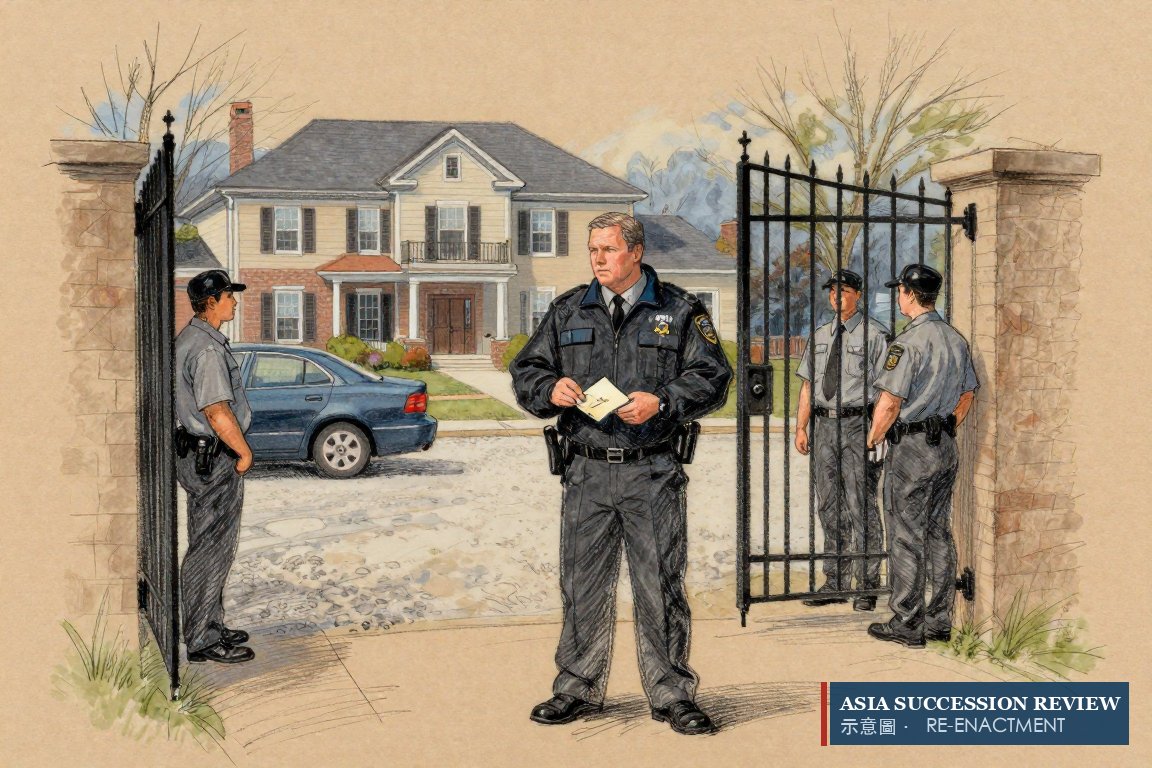
Four outlets repeat the story within a day, and the manager, the bank and the estate answer none of the calls
E! News, Consequence, the Daily Beast and Us Weekly carried the same account within a day. By 22 September none of the people on the other side of the letter had spoken: E! News wrote that it had reached out to Seaver, to the manager Danny Nozell, and to representatives for Parton and for Pinnacle Bank, and had not heard back. The trust deed is private, no filing is public, and the letter itself is known only through the outlet that obtained it.

The nephew his aunt chose years earlier announces her death by video on 25 August 2026, three weeks before the trust removes him
Seaver is the son of Cassie Parton, one of the singer's eleven siblings. He took over the security post from his father, Larry Seaver, and held it for over two decades. He was also, by his own account, the family member Parton had chosen years earlier to announce her death when it came. He did so by video on 25 August 2026, the day she died in Nashville at eighty, days after a hospitalisation and, Consequence reported, a brief battle with cancer.

The nephew's team names the manager and the bank, calls the dismissal bad faith, and vows to carry out her final directive
His team's statement to TMZ named the manager and the bank. They were, it said, 'dismayed by the unexpected and, so far, unexplained actions'. Then: 'We remain unshakably resolved to fulfill her final directive to protect her family, and we refuse to be intimidated by those whose actions we believe are being taken in bad faith and with the intent to profit from the life of someone who willingly gave so much.'

The widow files her husband's 2012 will in May 2025, and the estate is still open when she dies fifteen months later
What the public record shows of the structure is thin but consistent. Her husband Carl Dean died on 3 March 2025 at eighty-two. Papers Parton filed in May 2025, obtained by TMZ on the day of her death, show that his 2012 will put her in charge of his estate, that the couple had no children, that he had five nieces and nephews and she fourteen, and that his personal effects went to her, or failing her to the nieces and nephews. That estate was still open when she died.

The singer moves her sixty-acre compound between two trusts for nothing on 21 April 2026, four months before her death
On 21 April 2026 the couple's sixty-acre Brentwood compound, appraised at $10,700,400 in Williamson County records, moved from the DP Dean Spousal Trust to the DP Dean Trust for no consideration, a transfer between trusts rather than a sale.

Half a theme park with 3.8 million visitors a year and a catalogue of three thousand songs make up the estate nobody outside can price
The estate is large and mostly private. People, on 28 August, put it at $450 million on Forbes' estimate; the only itemisation is Forbes' older 2021 figure of about $350 million, roughly $150 million of it the song catalogue and $165 million her half of Dollywood. The park in Pigeon Forge is owned equally by Herschend Family Entertainment and Dolly Parton Productions, operated by Herschend, and draws about 3.8 million visitors a year.

The charity she founded in 1995 has mailed 300 million books and sits outside every claim in this fight
She wrote some three thousand songs and kept most of her publishing. Her Imagination Library, founded in 1995, has mailed more than 300 million books and sits in a separate charitable structure that nothing in this dispute touches.

Three Nashville lawyers predict the plan stays sealed, and the singer's own 2020 words explain why she hired one
Three Nashville estate lawyers told People they expected the plan to stay sealed. 'A will is a public court document. A trust is a private one,' one said. 'The public gets the envelope, not the letter.' Parton had said as much herself. In 2020 she told Billboard she had hired an estate lawyer because 'I would not want to leave that mess to somebody else', and added: 'You don't want to leave that mess to your family for people to have to fight over. You need to take care of that yourself, even if it's a pain.'

Tennessee law orders the trustees to send every beneficiary the trust's terms within sixty days, and nobody knows if the letters went
Tennessee's trust code gives a beneficiary a line to the letter even when the public has only the envelope. Section 35-15-813 of the Tennessee Code, in the text carried by FindLaw as current to January 2024, requires a trustee to keep current distributees 'reasonably informed about the administration of the trust and of the material facts necessary for them to protect their interests', to answer a qualified beneficiary's request for information within a reasonable time, and, within sixty days of accepting and funding an irrevocable trust, to send the beneficiaries the trust instrument or an abstract of its terms.

Whether the sixty-day letter ever went out stays unknown, and the family learns the trust's first decision from a website instead
Whether that notice has gone out, and what it said, is not public.

- 1TMZ, 21 Sep 2026 — 'Dolly Parton's Nephew Fired From Security Role Amid Estate War': the termination notice obtained by TMZ (dated to the Wednesday before publication, 16 Sep 2026; TMZ's own text gives 17 Sep); dismissal of Seaver and his companies from every property; replacement guards at the Nashville home, museum, downtown residence and warehouse; the DP Dean Trust controls the properties and professional business interests; his personal interest in the trust remains intact; the Seaver team's statement naming Danny Nozell and Pinnacle Bank
- 2E! News, 21 Sep 2026 — Seaver announced the 25 Aug death for the family; son of Parton's younger sister; the notice removed his access but did not affect his personal interest in the family trust; E! reached out to Seaver, Nozell and representatives for Parton and Pinnacle Bank without reply; his tribute to Parton and to his father Larry Seaver
- 3Consequence, 21 Sep 2026 — dismissed 'last Wednesday'; more than twenty years in the role, inherited from his father; the 25 Aug video announcement 'a task he said he had been assigned many years before'; death in Nashville after a brief battle with cancer
- 4The Daily Beast, 21 Sep 2026 — termination dated 16 Sep 2026, effective immediately; mother Cassie Parton; the DP Dean Trust 'controls Parton's properties and professional business interests'; removal from security duties does not affect his personal interest in the trust
- 5TMZ, 25 Aug 2026 — 'Dolly Parton Was Dealing With Late Husband Carl's Estate When She Died': court papers filed by Parton in May 2025; Carl Dean's 2012 will; no children; five nieces and nephews on his side, fourteen on hers; personal effects to Parton, failing her to the nieces and nephews; the case not finalised at her death
- 6Entertainment Now — 'Dolly Parton Moved $10.7M Estate Into Trust Before Death': the sixty-acre Brentwood compound moved from the DP Dean Spousal Trust to the DP Dean Trust on 21 Apr 2026 for $0, a transfer between trusts confirmed by a clerk; Williamson County appraisal $10,700,400; Carl Dean died 3 Mar 2025 aged 82 (the page is geo-blocked from Singapore; read through its indexed text, not in full)
- 7People, 28 Aug 2026 (via Yahoo) — 'Who Will Inherit Dolly Parton's $450M Estate? Top Nashville Attorneys Explain Why We May Never Know': Forbes' $450 million estimate; William Blackstone, Jennifer Sheppard and Jim Higgins on trusts avoiding probate and staying private; 'The public gets the envelope, not the letter'; two to three years for a complex estate
- 8Latin Times, Aug 2026 — Forbes' 2021 itemisation (about $350 million: catalogue about $150 million, half of Dollywood about $165 million); the 1986 Herschend partnership; about 3,000 songs with publishing largely retained; surviving siblings; the Imagination Library as a separate 501(c)(3)
- 9WealthManagement.com — 'A Heart as Big as Her Hair: Dolly Parton's Charitable Legacy': the Imagination Library founded 1995, over 300 million books distributed; the Billboard 2020 quotation in full ('I would not want to leave that mess to somebody else ... You need to take care of that yourself, even if it's a pain ... and it is'); Forbes' catalogue figure of about $120 million
- 10Wikipedia — Dollywood: jointly owned by Herschend and Dolly Parton Productions, 50 per cent each, operated by Herschend; partnership 1985, park renamed 3 May 1986; about 3.8 million visitors a year; the Dollywood Foundation established 1988
- 11Wikipedia — Dolly Parton: born 19 Jan 1946, Pittman Center, Tennessee; one of twelve children; married Carl Dean 1966; died 25 Aug 2026 in Nashville aged 80
- 12Tennessee Code § 35-15-813 (Tennessee Uniform Trust Code, duty to inform and report), text as carried by FindLaw, current as of 2 Jan 2024: (a) keep current distributees reasonably informed and respond to a qualified beneficiary's request within a reasonable time; (b) within sixty days of accepting and funding an irrevocable trust, notify beneficiaries with the trust instrument or an abstract; (c) notice on termination of an income interest; (f) confidentiality undertakings
- 13Trustees Act 1967 s41B (trustees may authorise any person to exercise their delegable functions as agent; distribution decisions, trustee appointments and the power to delegate itself excluded) and s41C(3) ('The trustees may not, under section 41B, authorise a beneficiary to exercise any function as their agent (even if the beneficiary is also a trustee)') — Singapore Statutes Online, read 22 Sep 2026
- 14Trustees Act 1967 s41E (terms of agency: no term permitting a conflict of interest, a substitute or a limit on the agent's liability 'unless it is reasonably necessary') and s41M (continuing duty to review agents and to exercise a power of intervention, which includes 'a power to revoke the authorisation or appointment of the agent') — Singapore Statutes Online, read 22 Sep 2026
- 15Trustees Act 1967 s3A (statutory duty of care: the care and skill reasonable in the circumstances, with a higher measure for a trustee acting in the course of a business or profession) and s37 (appointment of new trustees by the person nominated in the instrument; s37(2) where a trustee has been removed under a power in the instrument) — Singapore Statutes Online, read 22 Sep 2026
One man is both heir and contractor, and the trustees end the contract while the inheritance stays exactly as it was
One man, two capacities. Bryan Seaver is a beneficiary of the DP Dean Trust and, until 16 September, a contractor to it. The letter separated the two with care: the contract ends, the interest 'remains intact'. Trustees are not wrong to be able to do that. A trustee who could not change the locksmith, the guard or the accountant of the property it holds would not be holding it. The knot is that for twenty years the singer ran her life so that the family was the staff, and a trust does not inherit relationships. It inherits assets, and the duties that come with them.
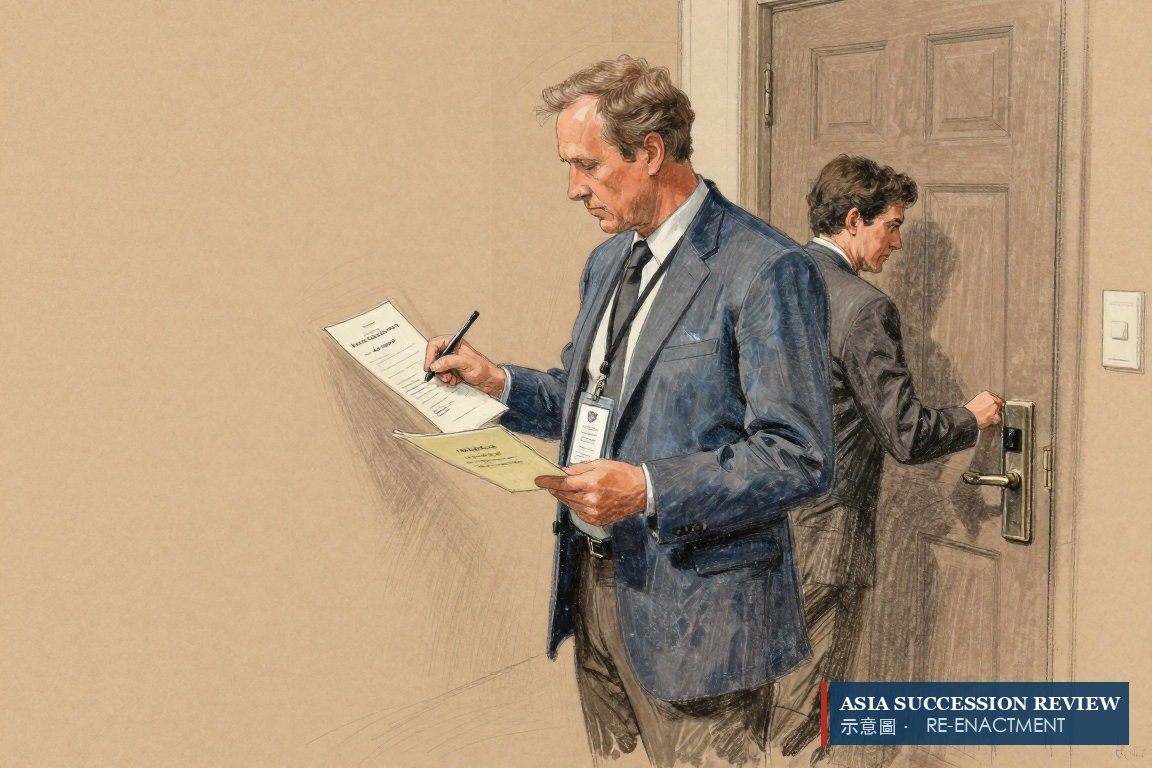
A directive spoken across a kitchen table binds no trustee, and no document yet public shows it was ever written
The second knot is the word 'directive'. Seaver says her final directive was to protect her family. If that sentence is in the deed, the trustees are bound by it and a court can hold them to it. If it is in a letter of wishes, they must read it, weigh it, and may depart from it. If it was said across a kitchen table, it is a memory, and a memory binds nobody. Nothing public says which of the three it is. The trustees have not said, and the wording of the nephew's statement suggests he does not know either.

A childless founder leaves nineteen nieces and nephews, a manager, a bank and a foundation, and no one whose job is to watch the trustees
The third is the counterweight that a childless founder's trust does not have. There is no widow with a life interest to consult, no child on a board, no branch with a seat. There are nineteen nieces and nephews across two families, a manager who ran the business for decades, a bank, and a foundation. Who watches the trustees? In Tennessee the statute answers: the beneficiaries, who must be told within sixty days what they hold, and the court. In practice it is whoever has the standing, the money and the stomach to ask.
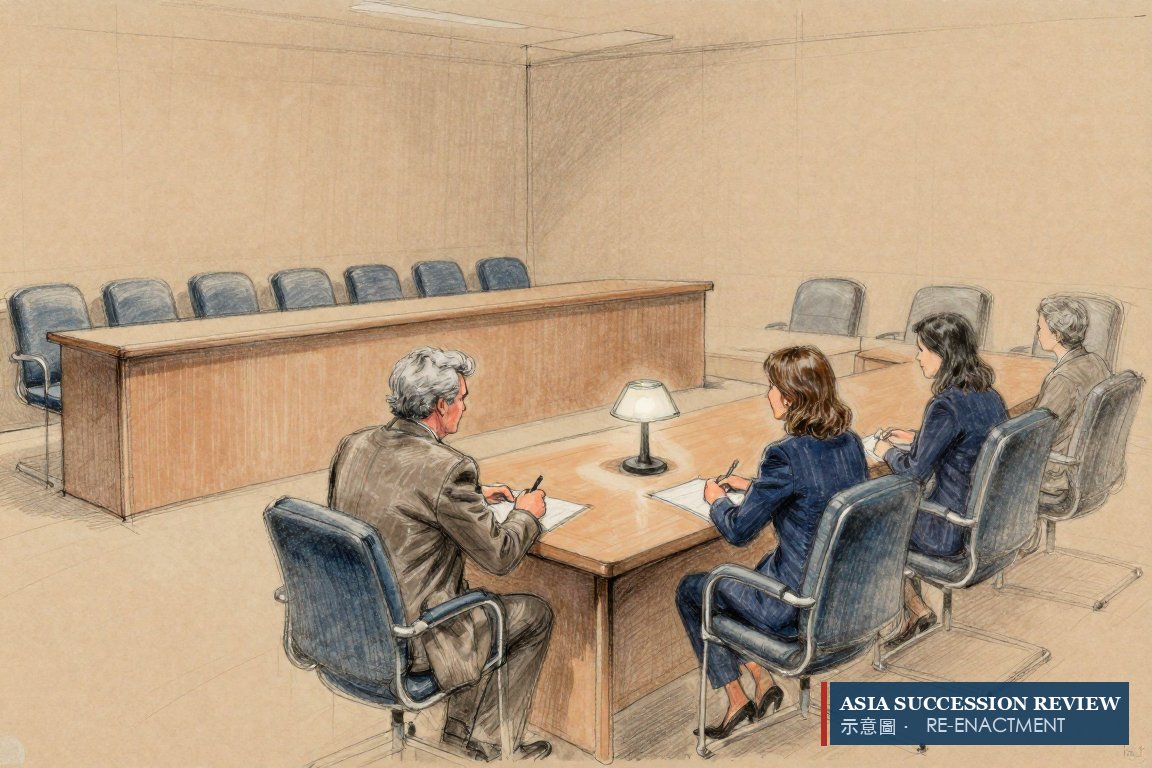
The singer bought privacy for her plan, and the price is a family reading the trust's first decision on a celebrity website
The fourth is the price of privacy. She wanted no mess and no public file, and bought both: the public will get the envelope, not the letter. The cost is that the trust's first public act, three weeks after the funeral, is a dismissal read without its reasons, by a family that announced her death and now learns the estate's decisions from a celebrity website. The plan may be perfect. Nobody outside the room can tell.

Singapore would let the trustees end the nephew's contract too, and in truth would have required it, because its Trustees Act forbids a trustee from making a beneficiary its agent at all unless the deed says otherwise; so the only way the singer's 'final directive' survives her is to be written into the deed, with a protector the family names to hold the trustees to it.
Singapore's Trustees Act lets trustees hire any agent they like, and then adds one line most families have never read
Start with the rule most families do not know exists. Section 41B(1) of the Trustees Act 1967, read on Singapore Statutes Online on 22 September 2026, lets trustees 'authorise any person to exercise all or any of their delegable functions as their agent'.

A Singapore trustee under a silent deed does not choose to end the nephew's contract; the law obliges it
Section 41C(3) then draws a line through the family: 'The trustees may not, under section 41B, authorise a beneficiary to exercise any function as their agent (even if the beneficiary is also a trustee).' Guarding the trust's houses, museum and warehouse under contract is an agency in that sense. A Singapore trustee under a deed silent about the nephew would not have been choosing to end his engagement. It would have been obliged to.

The same Act turns the power to dismiss into a duty, so the trustee who keeps a contractor for sentiment is the one in breach
That is the against-interest fact in this story, and it cuts the family's way as often as not. The same Act makes the power to dismiss a duty rather than a mood. Section 41M(1) requires trustees, while an agent acts, 'to keep under review the arrangements' and, where circumstances make it appropriate, to consider and if necessary exercise a 'power of intervention', which section 41M(4) defines to include 'a power to revoke the authorisation or appointment of the agent'.
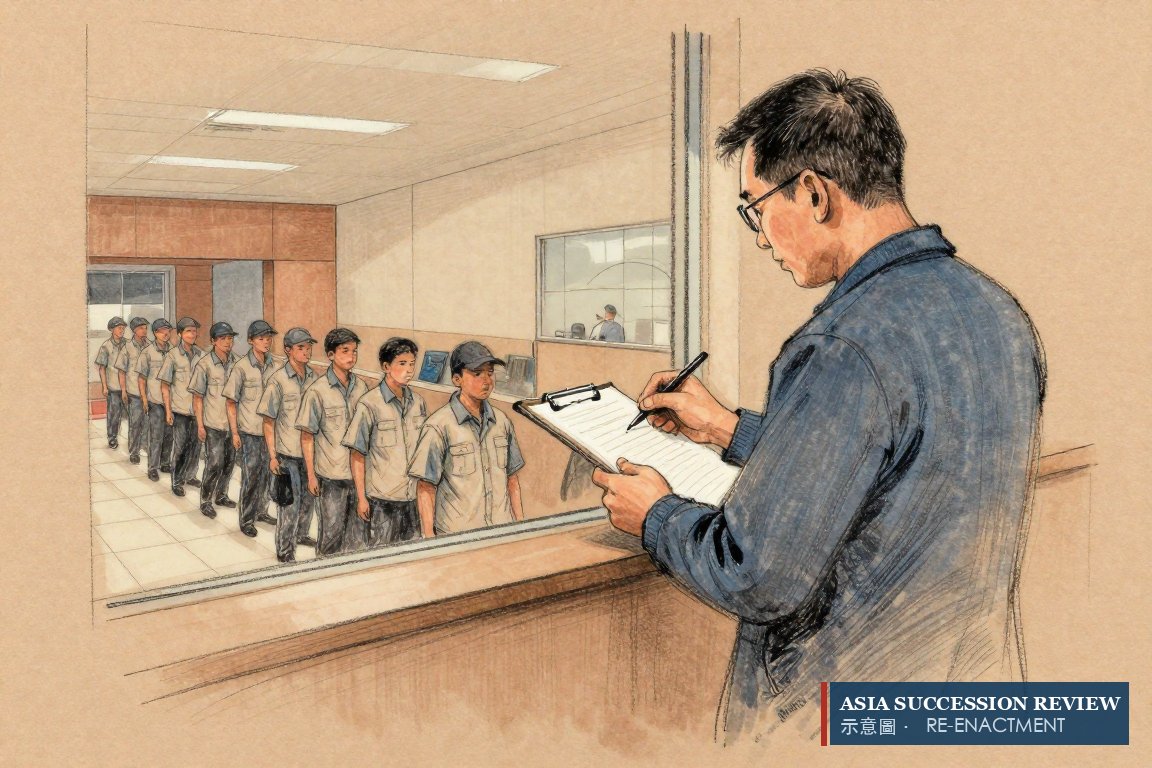
The 16 September letter is what a compliant trustee's letter looks like, in Nashville and in Singapore alike
A trustee that kept a contractor out of sentiment, or because the deceased liked him, would be the one in breach. The letter of 16 September is what a compliant trustee's letter looks like.
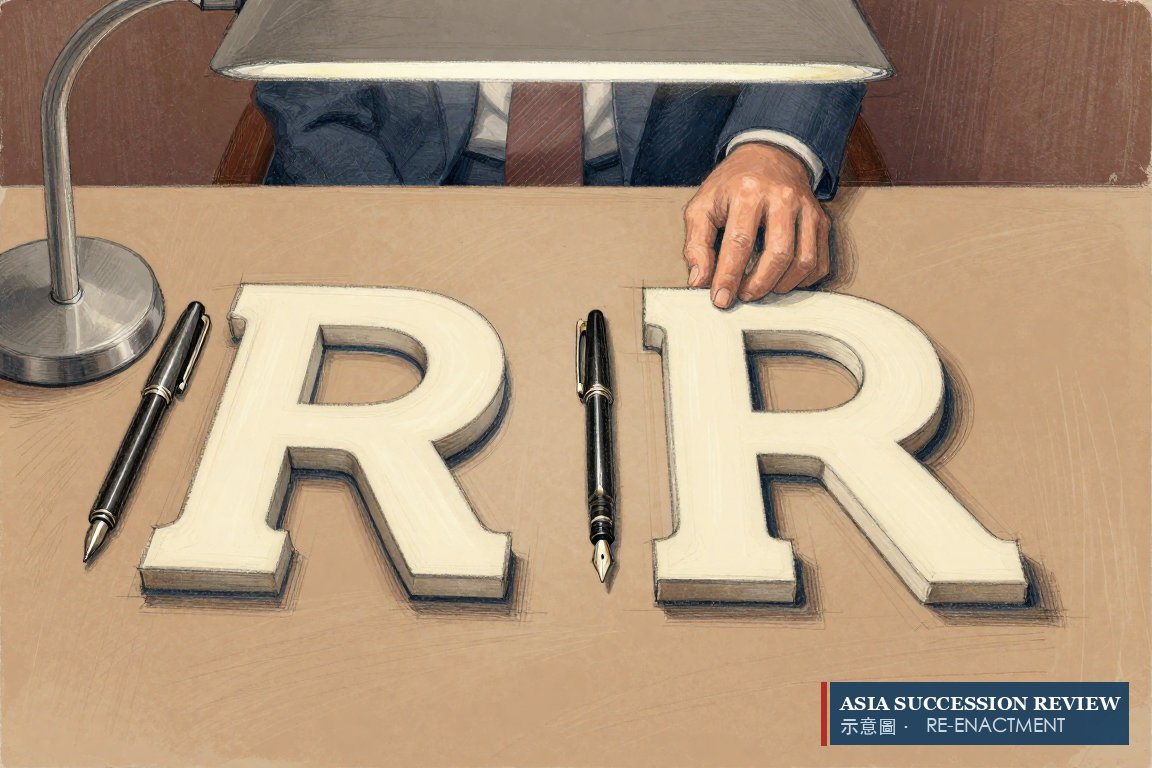
A founder who wants the family to keep the gate must write the conflict into the deed, name it and permit it
So the question for a founder who wants the family to keep the gate is not whether the trustees may remove them. It is whether the deed has displaced the default. The Act assumes it can: section 41B(2)(d) refers to powers 'conferred by any other written law or the trust instrument which permit the trustees to delegate', and section 41E lets trustees set terms of agency but forbids, under section 41E(3)(c), 'a term permitting the agent to act in circumstances capable of giving rise to a conflict of interest' unless 'reasonably necessary'.

A nephew who guards the assets is the conflict by definition, and only the deed can say on what terms it ends
A nephew-beneficiary guarding the assets is that conflict by definition. The deed has to name it, permit it, and say on what terms it may be ended.
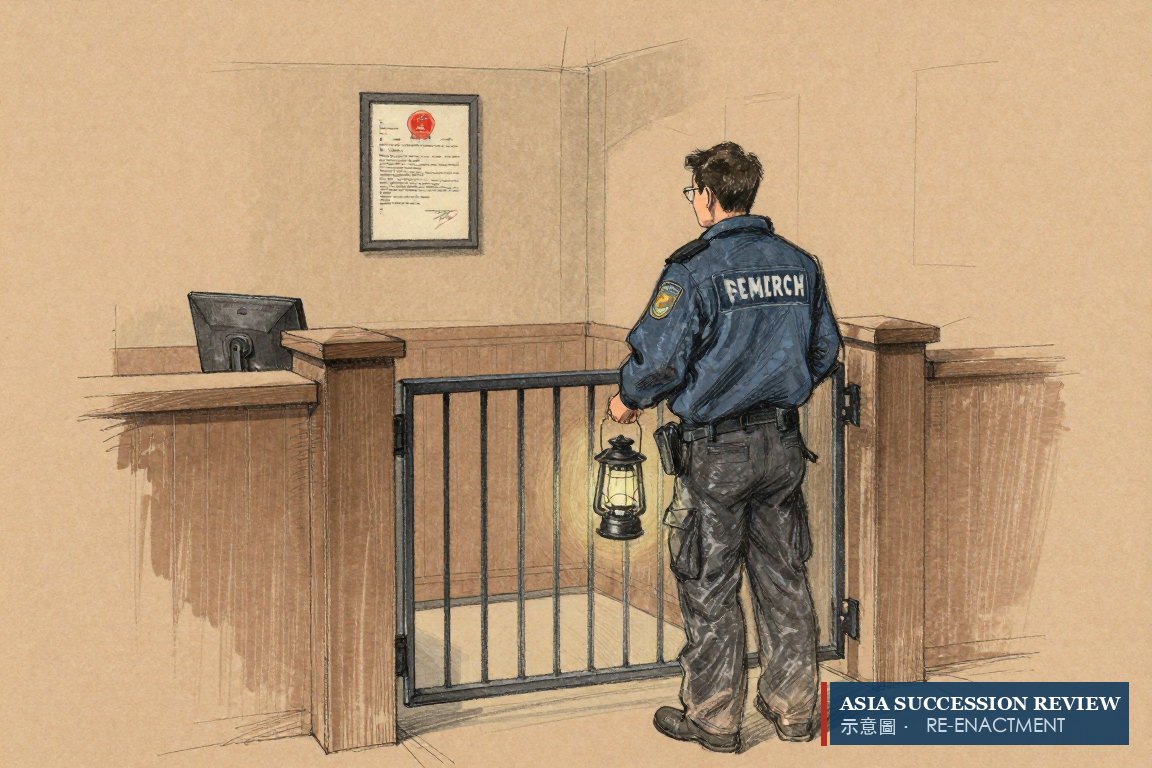
The drafter offers the founder three places to put her directive, and only the deed makes it something a court will enforce
Written that way, the 'final directive' becomes a clause. A Singapore drafter given the singer's words would have asked her to choose between three instruments and told her what each is worth. In the deed: binding, enforceable by any beneficiary, a breach actionable against the trustee personally. In a letter of wishes: a document the trustees must consider and may depart from, whose weight rises with its specificity and falls with time. In conversation: nothing. Most founders, asked that question, put the money in the deed and the feelings in the letter. The families who read our case files know which of the two the trustees end up quoting.
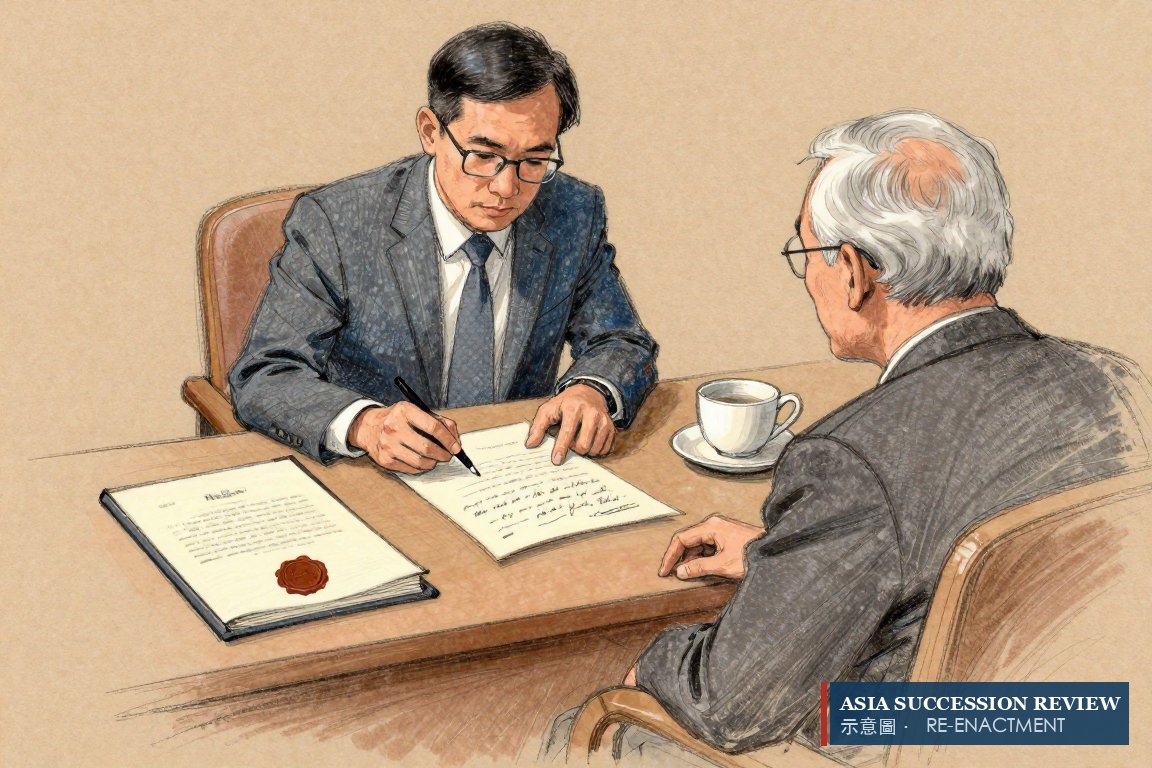
Singapore puts a licensed trust company in the trustee's chair and gives the manager a paid adviser's seat a protector can take away
The second thing the drafter separates is the two roles now held by the same two names. In Nashville the manager who ran the business and the bank that holds the assets are, on the reporting, the trust's decision-makers together. Singapore would put a licensed trust company in the trustee's chair under the Trust Companies Act 2005 and give the manager a different seat: adviser to the trustee on the catalogue, paid on a schedule the deed states, removable by a protector.

A manager who is also trustee decides his own fees and his own successor, the conflict one Singapore clause exists to stop
A manager who is also a trustee decides his own fees and his own successor. Section 41E(3)(c) exists for that person; section 3A holds a professional trustee to the skill 'reasonably expected' of its trade.
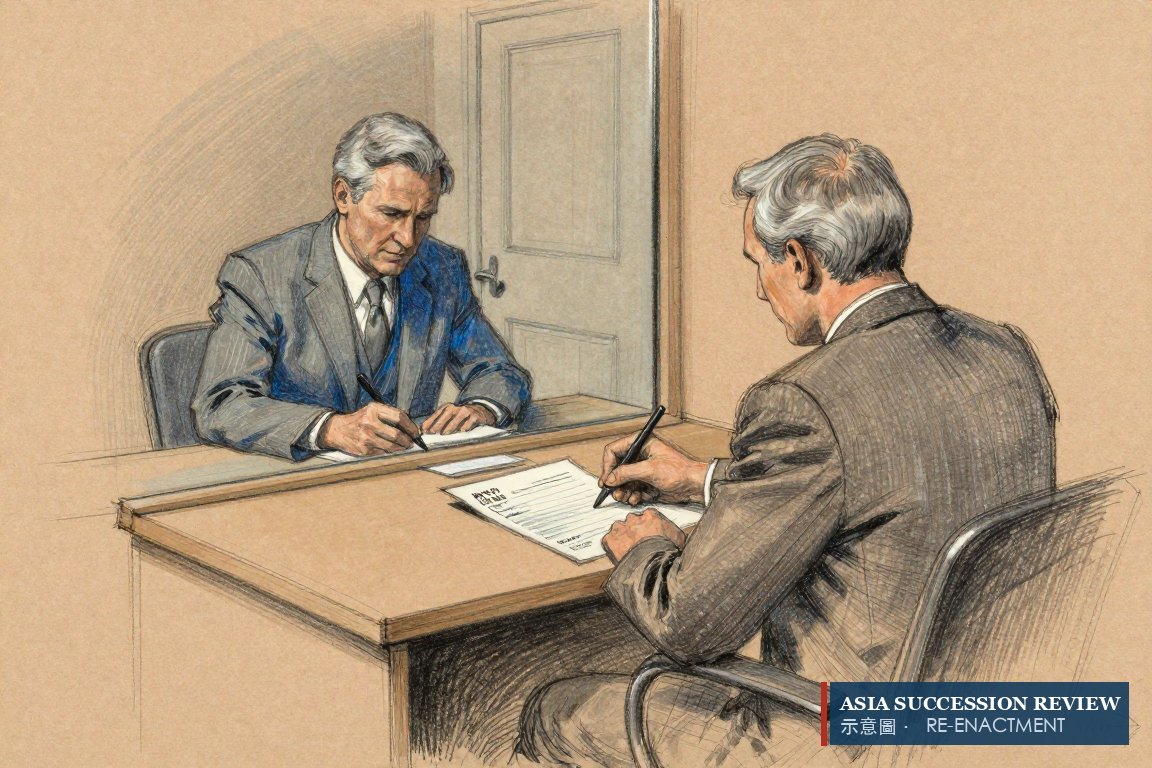
Two of the nineteen cousins and one outsider hold the power to remove and appoint the trustee, and sign nothing else
The protector is the counterweight a childless estate otherwise lacks. Section 37(1)(g) gives the power to appoint new trustees to 'the person or persons nominated for the purpose of appointing new trustees by the instrument', and section 37(2) contemplates a trustee 'removed under a power contained in the instrument'. A deed may vest both powers in a protector, and a protector may be a committee: two of the nineteen nieces and nephews chosen by the family, and one outsider.

A protector holds no money and signs no cheques, and the trustees who know their tenure can end explain their letters
The protector holds no money and signs no cheques. What it holds is the trustees' tenure, and the knowledge that the family can end it is what keeps a letter like 16 September's from arriving unexplained.

Singapore's statute gives a beneficiary no sixty-day notice, so the right to see the deed rests on the court, case by case
Information is the part Singapore's statute does not supply, and the deed must. The Trustees Act 1967 has no section 35-15-813: no sixty-day notice, no statutory abstract of terms, no timetable for answering a beneficiary. A beneficiary's right to see the deed and the accounts here rests on the court's supervision of trusts, case by case.
The Singapore deed writes accounts to every adult heir by a fixed date each year, the clause that cost the Fok sons fourteen months
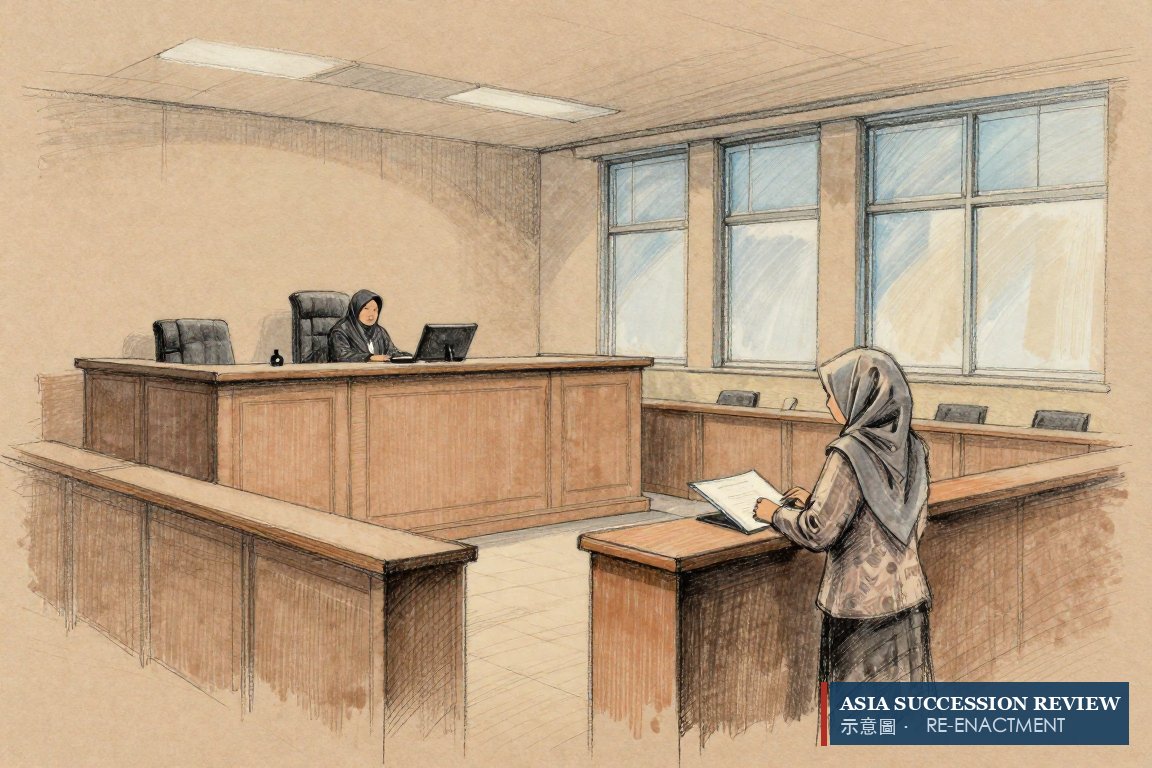
So the Singapore deed writes the reporting in: accounts to every adult beneficiary by a named date each year, the letter of wishes disclosed to the protector, and a stated period within which a written question is answered. The Fok family spent fourteen months and a High Court writ learning what their father's trust held. That clause costs a paragraph.
Nineteen nieces and nephews keep whatever the deed gives them, and no trustee may trim a share for conduct unless the deed says so
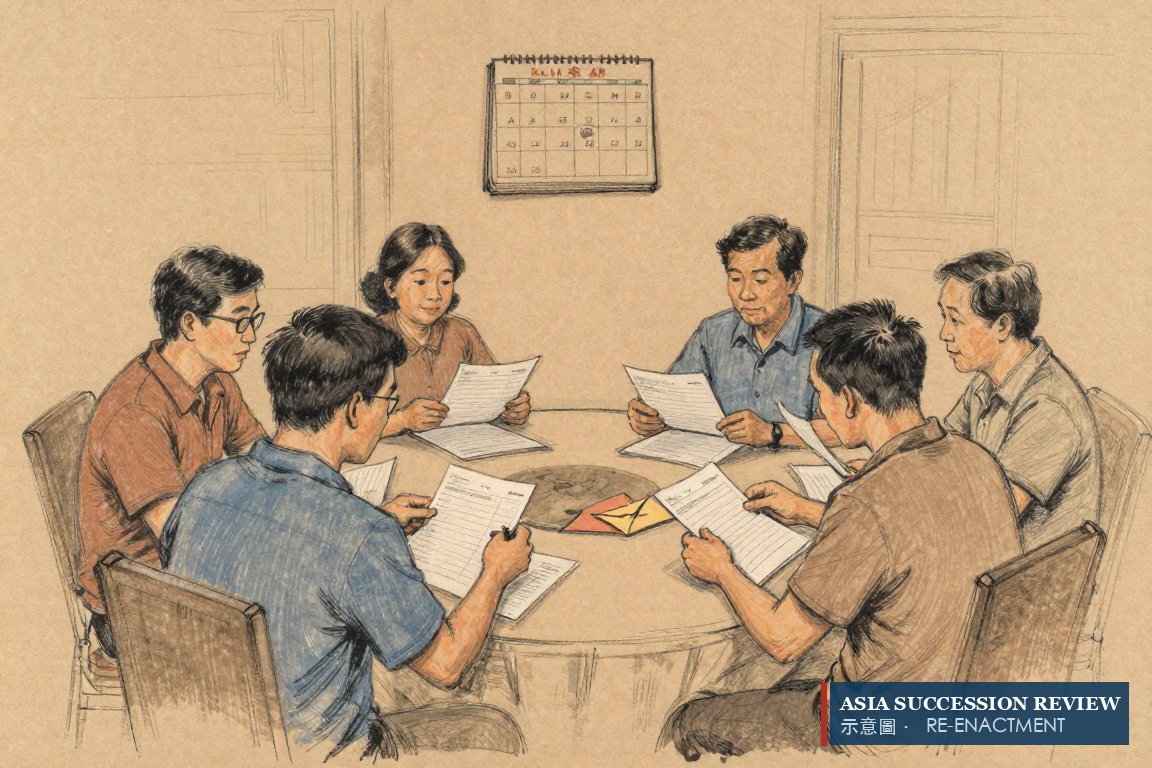
The nineteen are the last thing to fix. A deed can name them, class them, or leave them to a discretion; what it cannot do in Singapore is treat a share as a wage. A beneficiary's interest is what the deed says it is, and no trustee may cut it for conduct unless the deed contains that power and names who exercises it. The letter to Seaver acknowledges exactly this, which is why 'remains intact' is in it. The nephew's grievance is not that his share was touched. It is that his role was, and the role was never his in any document he has cited.
Tennessee law governs the trust, the letter is known only through TMZ, and no Singapore rule reaches a trustee in Nashville
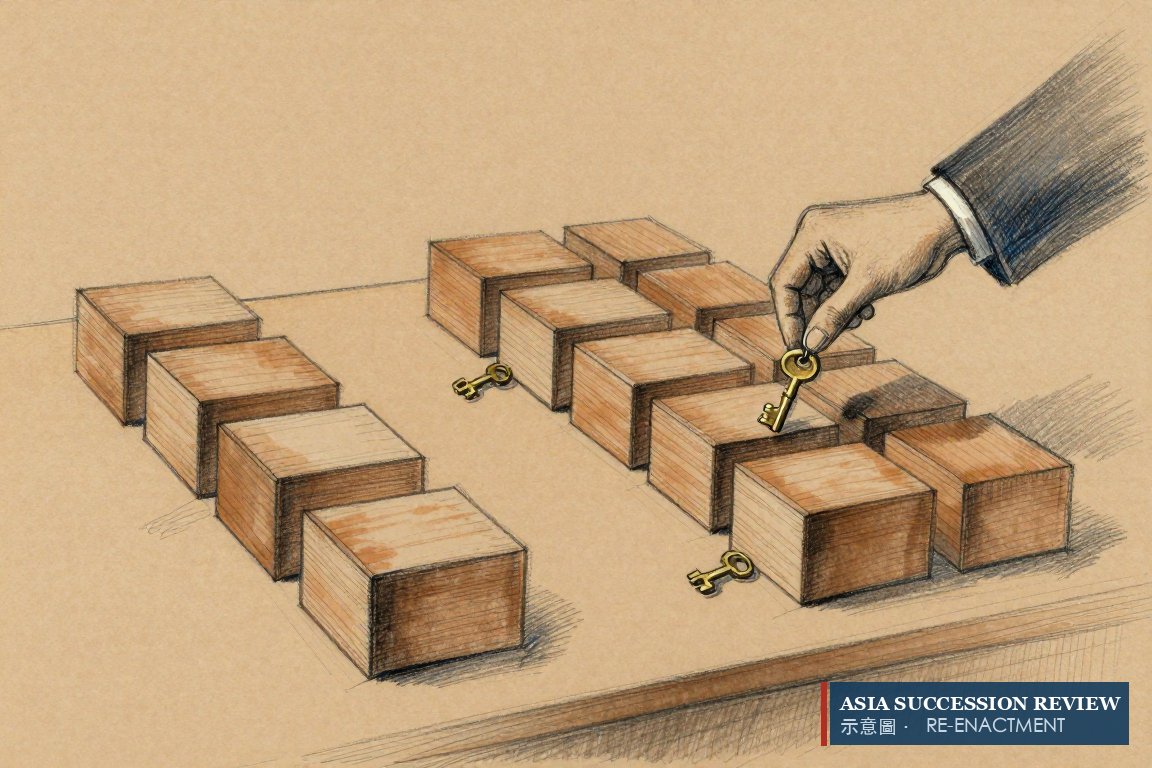
Now the honest limits, which are most of the story. Tennessee law governs the DP Dean Trust, and section 41C(3) is a Singapore rule; we have not read a Tennessee equivalent and do not claim one. The letter is known only as TMZ described it, and TMZ's own text dates it 17 September while every other account, and the calendar, put the Wednesday on the 16th. Neither trustee has spoken. There is no filing, no deed, no letter of wishes in public, and no Singapore instrument reaches a trustee in Nashville. Dollywood, the catalogue and the Imagination Library run on Monday as they did on Friday.

Asian family firms staff the gate, the factory and the payroll with relatives, each an agent the moment the business enters a trust
What travels is the diagnosis, because Asian family businesses are staffed by relatives more often than Tennessee estates are. A nephew who runs security, a son-in-law who runs the factory, a daughter who signs the payroll: each is, once the business sits in a trust, an agent of trustees who owe the whole class a duty and, in Singapore, may not by default appoint a beneficiary at all.

The founder who writes the roles, their terms and their exits into the deed keeps them; the one who leaves a directive leaves a memory
A founder who wants those roles to survive him writes them into the deed, with their terms and their exits, and names the protector who can hold the trustees to them. A founder who leaves it to a directive leaves it to the trustees' reading of a memory.
A daughter asks at dinner who may work for the trust and who can remove the trustee, and the asking is stewardship, not grievance
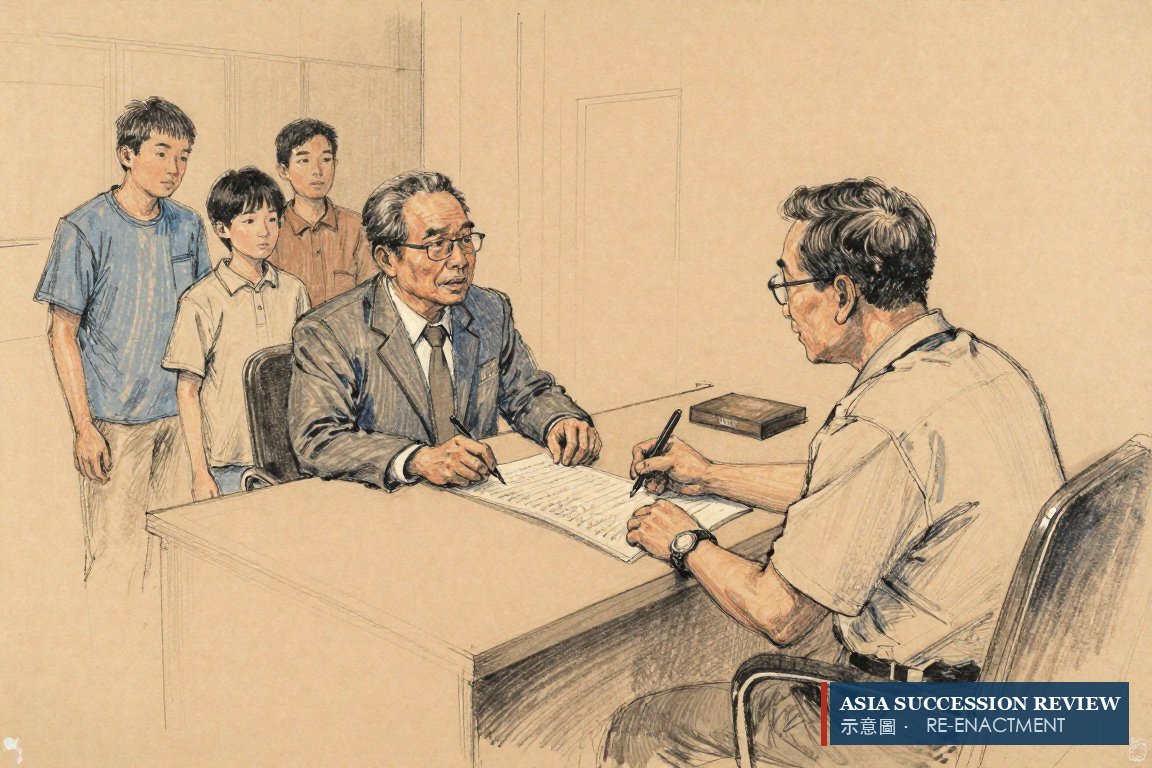
For the person outside the room, the questions can be asked in front of everyone. Which of us work for the family's companies, and does the trust deed say we may? Who can remove the trustee, and is it anyone with our surname? Do the beneficiaries receive accounts, by what date, and who answers a written question? Is the letter of wishes something the protector has read? Wanting to know is stewardship, not grievance. The nephew found out what his aunt's trust said about his job from a letter that arrived after her funeral. The point of asking now is not to be him.

Bryan Seaver, the nephew — his security contract ended on 16 September with immediate effect and his 'personal interest in the trust' confirmed intact; under a Singapore deed, the same outcome by statute unless the deed had named his role, and a protector's seat or a reporting clause to learn why
Danny Nozell and Pinnacle Bank, the trust's principals as reported — control of the properties and professional business interests, a duty under Tennessee's section 35-15-813 to inform the beneficiaries, and, so far, no public explanation; under a Singapore deed, a licensed trust company in the trustee's chair, the manager as a paid adviser, and a protector who can remove either
The nineteen nieces and nephews on both sides — whatever the private deed gives them, disclosable to them within sixty days under Tennessee law; under a Singapore deed, named shares or a defined class, accounts by a stated date, and no power in any trustee to reduce a share for conduct unless the deed says so
The singer's 'final directive to protect her family' — binding if it is in the deed, persuasive if it is in a letter of wishes, and nothing if it was spoken; the deed and the letter are both private, so which it is remains unknown
Dollywood, the catalogue and the Imagination Library — no change: the park is half-owned and wholly operated by Herschend, the songs earn as before, and the more than 300 million books it has mailed sit in a charity the dispute does not touch
The reader whose relatives work for the family business — four questions: does the trust deed permit a beneficiary to hold the role; who can remove the trustee; do the beneficiaries get accounts and by when; has the protector read the letter of wishes
A counterfactual, not advice. The verified machinery is on the Singapore page; where your family stands is the briefing.

From the case files: Henry Fok: a will, named trustees, and fourteen months in court for a son to learn what the trust held