Henry Fok: the HK$1 option only two men knew about
Henry Fok Ying-tung 霍英東 did what most founders never get round to — a will, named trustees, a trust designed to run for twenty years. It still took his third son a High Court writ, and fourteen months, to learn what the trust held: a right to buy back half of the Nansha development for HK$1, known to the founder and to one brother. The option had expired four years before the writ was issued.
Read this in: EN · 简体 · 繁體 · ไทย · ID
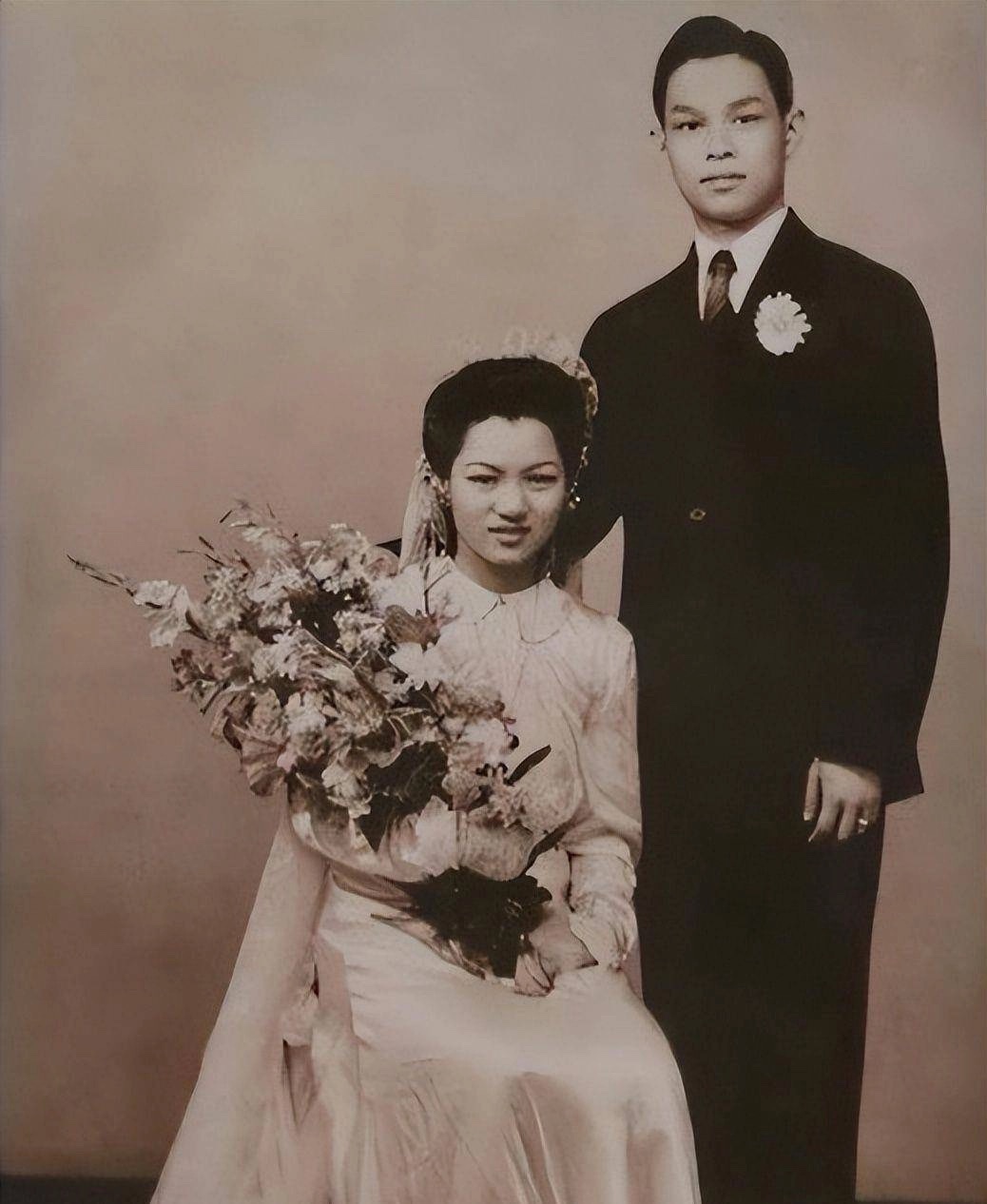
Henry Fok signs his last will in 1978 and nobody needs to read it for another 28 years
Henry Fok Ying-tung 霍英東 signed his last will on 20 May 1978, twenty-eight years before anyone needed to read it. The Court of First Instance would later describe him without irony as a legendary figure — an extremely successful businessman, a prominent politician and a generous philanthropist — and his charitable foundation, the court recorded, was funded by the enormous income he drew from his investments in casinos in Macau. The will did what most Asian founders never get round to.
The will makes two of 13 children trustees for the others and locks the fortune away until 2026
It appointed executors and trustees: his sister Fok Mo Kan, her husband, and two of his sons, Ian Fok Chun-wan 霍震寰 and Benjamin Fok Chun-yue 霍震宇. It left each of his wives and each of his children a fixed legacy, and directed monthly payments to all of them out of the residue. Then it held that residue on trust for twenty years from the date of his death, the trustees to pay income or capital to whichever beneficiaries they in their absolute discretion thought fit. He died of cancer on 28 October 2006, aged 83, survived by three families and thirteen children. Probate was granted on 10 May 2007. The twenty-year clock he had started runs to 28 October 2026.

The youngest son sues in 2011 to remove his 80-year-old aunt and the brother who runs the group
On 19 December 2011 the youngest son of the first family sued. Benjamin brought the action in both capacities he held — co-executor and beneficiary — to remove the other two executors: his aunt, then in her eighties, who the court noted had played no part in the administration beyond obtaining the grant, and his brother Ian, who ran the group.
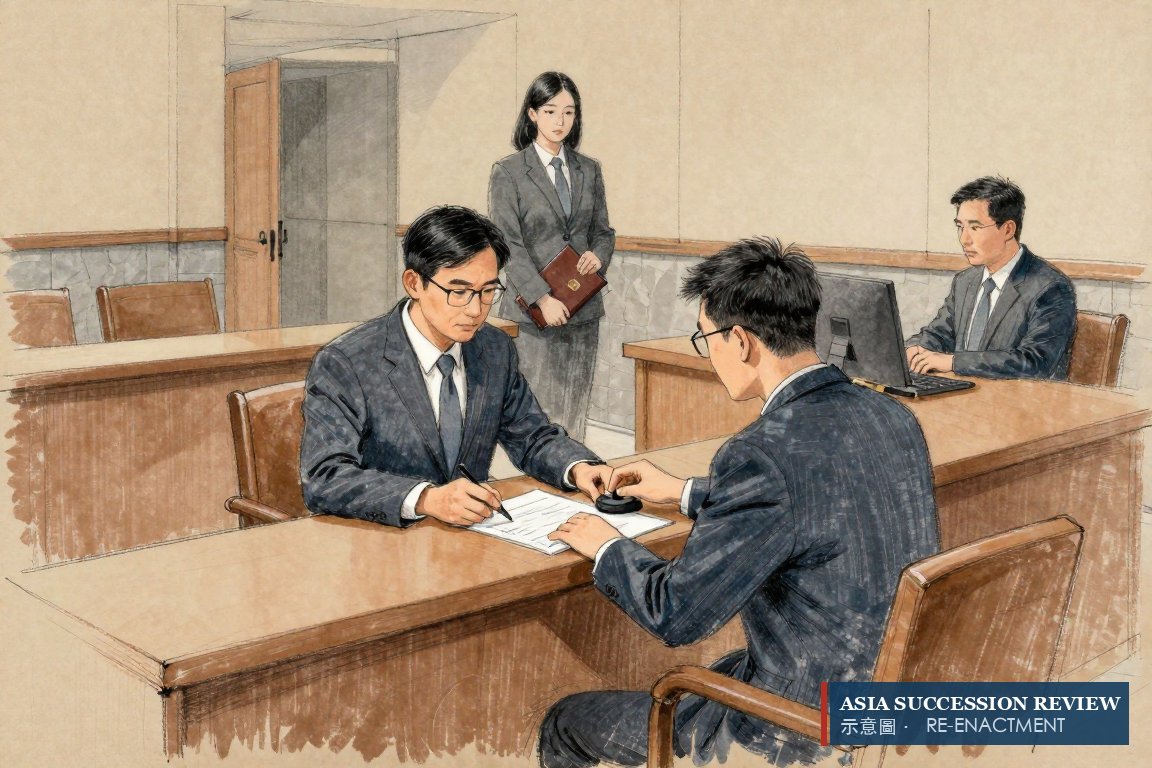
He demands back 350 shares and three offshore accounts, and no judge ever hears his move to replace them
What he wanted back the pleadings called the Disputed Assets: 350 ordinary shares of HK$1,000 each in Henry Fok Estates Limited registered in the name of a company called Waterborne, the entire shareholding in three offshore companies, and the money in three offshore accounts held jointly with his father. In March 2012 he applied for summary judgment to replace both executors with a retired Vice-President of the Court of Appeal. That application was never heard.
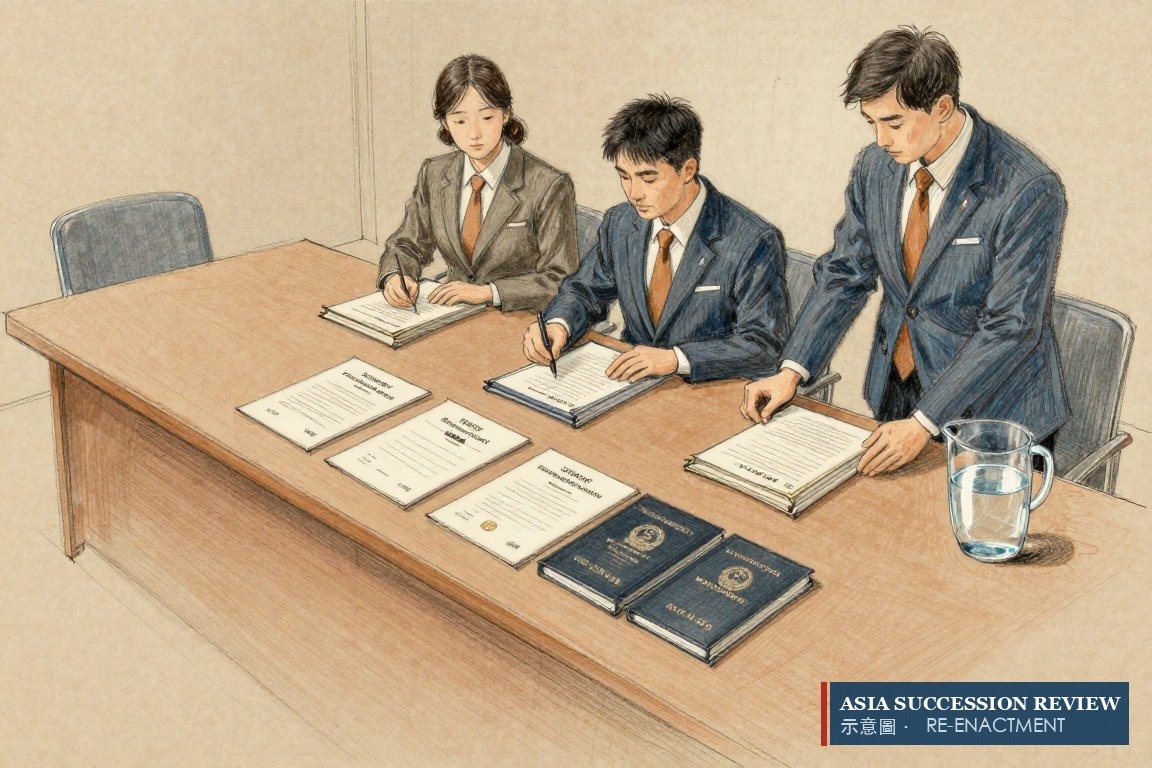
Two of Hong Kong's most powerful figures broker a truce and 31 parties sign it in August 2012
On 3 August 2012 thirty-one parties — the family and its companies — signed a global settlement, negotiated, the judgment records, at the initiation and with the assistance of two influential and trusted senior public figures. The SCMP identified them as former chief executive Tung Chee-hwa 董建華 and former secretary for justice Elsie Leung 梁愛詩.
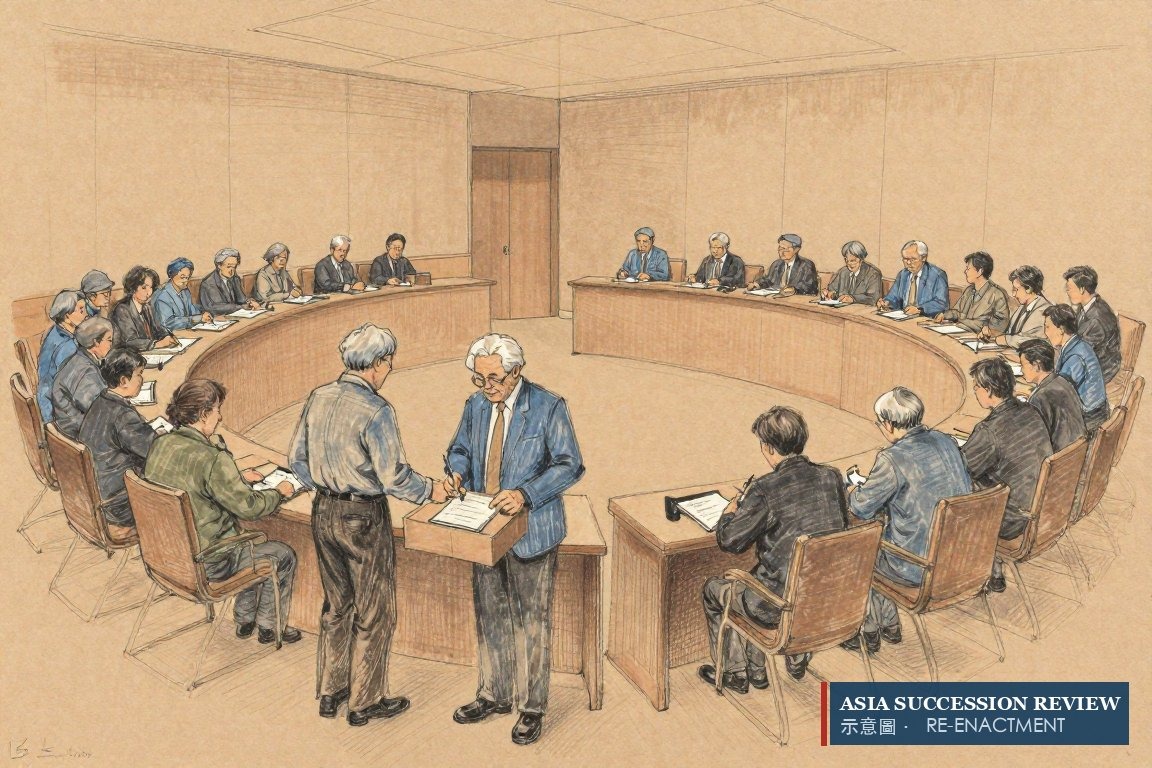
A company sells one share for HK$1 in 1997 and keeps the right to buy it back until 2007
Inside that settlement was a clause about something almost nobody knew existed. On 11 June 1997 Yau Wing Company Limited, a subsidiary of Henry Fok Estates, had transferred its single share in Panyu Development Company Limited to the Fok Ying Tung Foundation for the par value of HK$1 — and the foundation had signed a letter giving Yau Wing the right to buy that share back, at par, at any time before 30 June 2007.
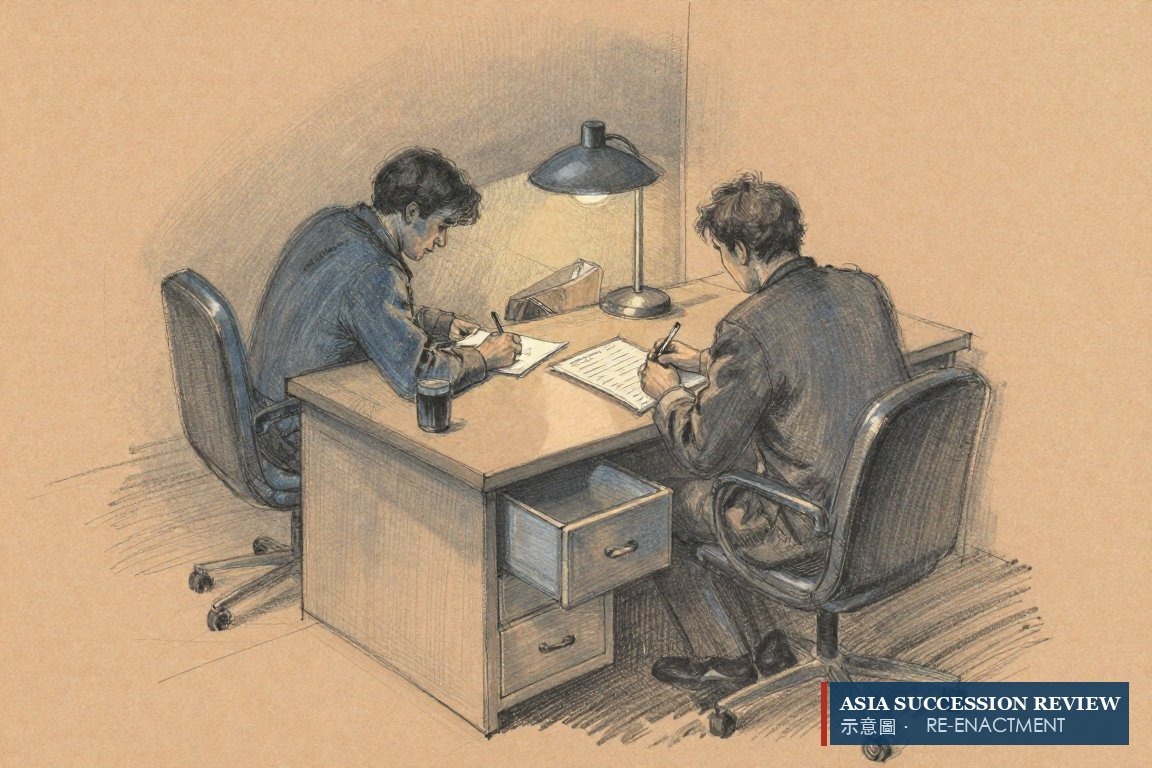
That one share controls a 30 billion yuan project, and only Ian knows the buy-back right has quietly expired
The one share was half of Panyu Development, which in turn held 51% of the joint venture built to develop Nansha 南沙, the Guangzhou district that was the founder's life's ambition; the SCMP reported the project's value at about 30 billion yuan. Ian signed the option letter as a director of the foundation, on his father's instruction. The judgment disposes of the rest in two sentences. Of 1997: “Nobody else other than Mr Fok and Ian was aware of the Yau Wing Option or the Option Letter at the time.” Of the expiry: “Only Ian knew about the lapse of the Yau Wing Option at the time.” Benjamin first saw the letter itself on 23 January 2013, produced in solicitors' correspondence — five months after he had signed the settlement built around it.
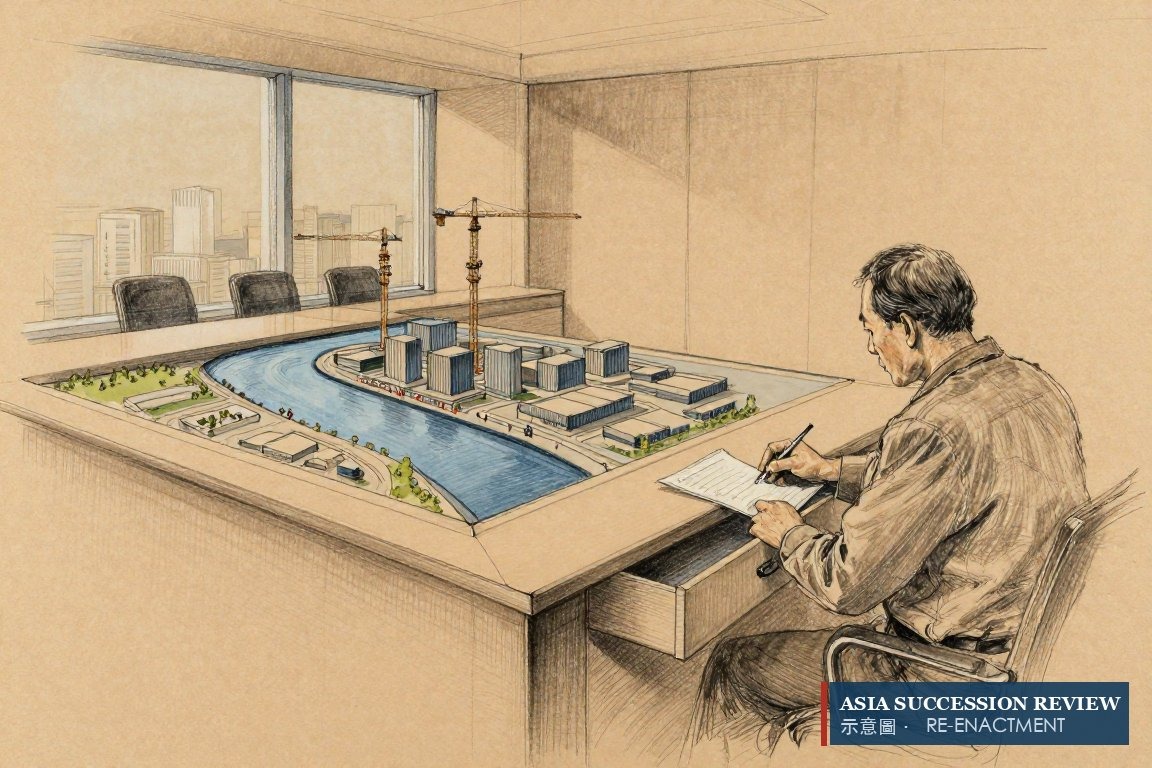
Seven more years go to one letter, and in 2016 three siblings file fresh actions over it
What followed was another seven years of litigation about a document. On 3 January 2014 Poon J held that the settlement clause covered an existing option and no more; KPMG, appointed under the same agreement to investigate, had found the Yau Wing option expired and lapsed. The Court of Appeal set that decision aside on 12 February 2015 and sent the family off to begin again, and in 2016 Benjamin, his sister Patricia Fok Lai-ping 霍麗萍 and his sister Nora Fok Lai-lor 霍麗娜 filed three fresh actions. The trial was listed for sixty days.
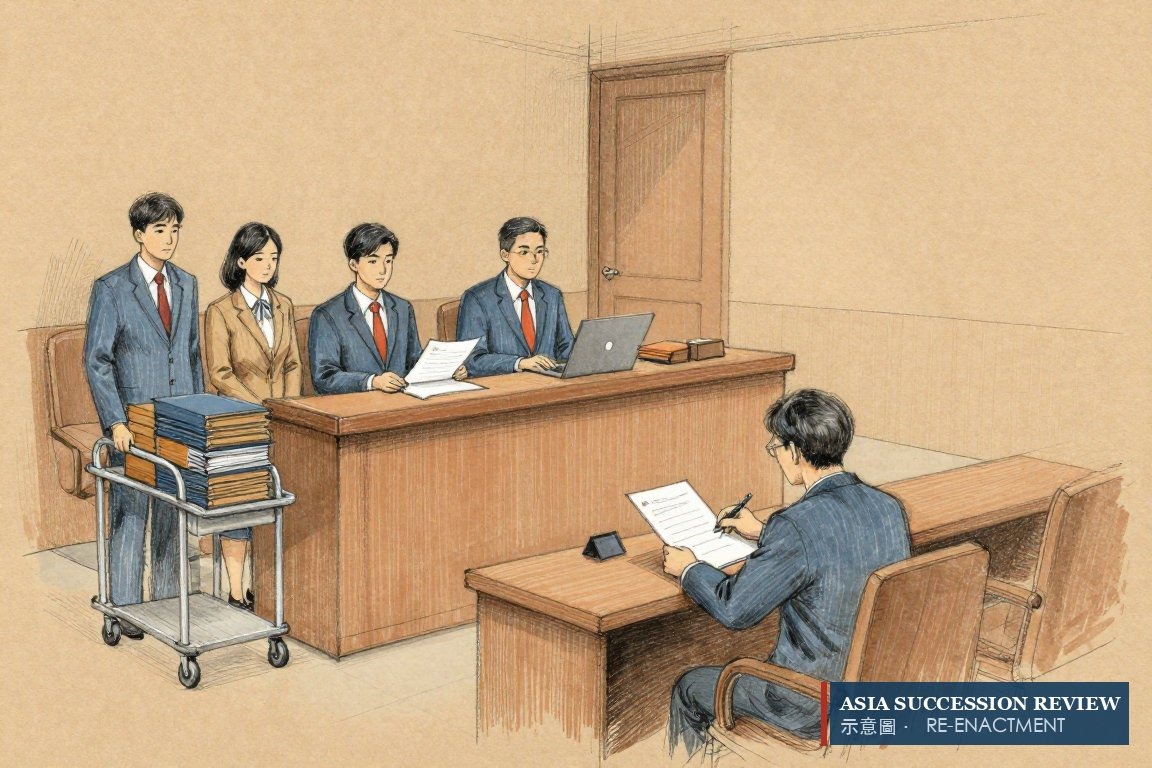
The 60-day trial opens in January 2022 and the family settles again on day 13, terms never disclosed
It opened on 11 January 2022 and on its thirteenth day, 7 February 2022, the parties settled again, on terms never disclosed to the court. The estate then in issue was reported by the SCMP at HK$11.3 billion — the figure the court heard Ian had given at a 2012 meeting with Tung Chee-hwa; when the first settlement was signed the press had put the fortune at HK$29 billion.
Every side's legal bill comes out of the estate, because a clause they all signed in 2012 says so
The bill for all of it fell where the family had agreed in 2012 it would fall: clause 49 made every party's costs of the administration and of the proceedings payable out of the estate, taxed on a full indemnity basis, and on 11 November 2022 the court gave effect to it.
The founder parks HK$3.5 billion under a friend's name, then splits it among 23 people three days before dying
Some of the fortune was never in the estate to argue about. The Court of Appeal recorded in June 2023 that by early 2006 the founder had put about HK$3,520 million into Fok Ying Tung Ming Yuan Development Company Limited, entered in the company's books as shareholders' loans from his close friend Ho Ming-sze 何銘思, and that on 25 October 2006 the balance was capitalised into 3,105,000 fully paid shares issued to twenty-three people, 135,000 each. He died three days later.
The company pays HK$1.17 billion back to those shareholders, and only the daughter who calls it Nansha money votes no
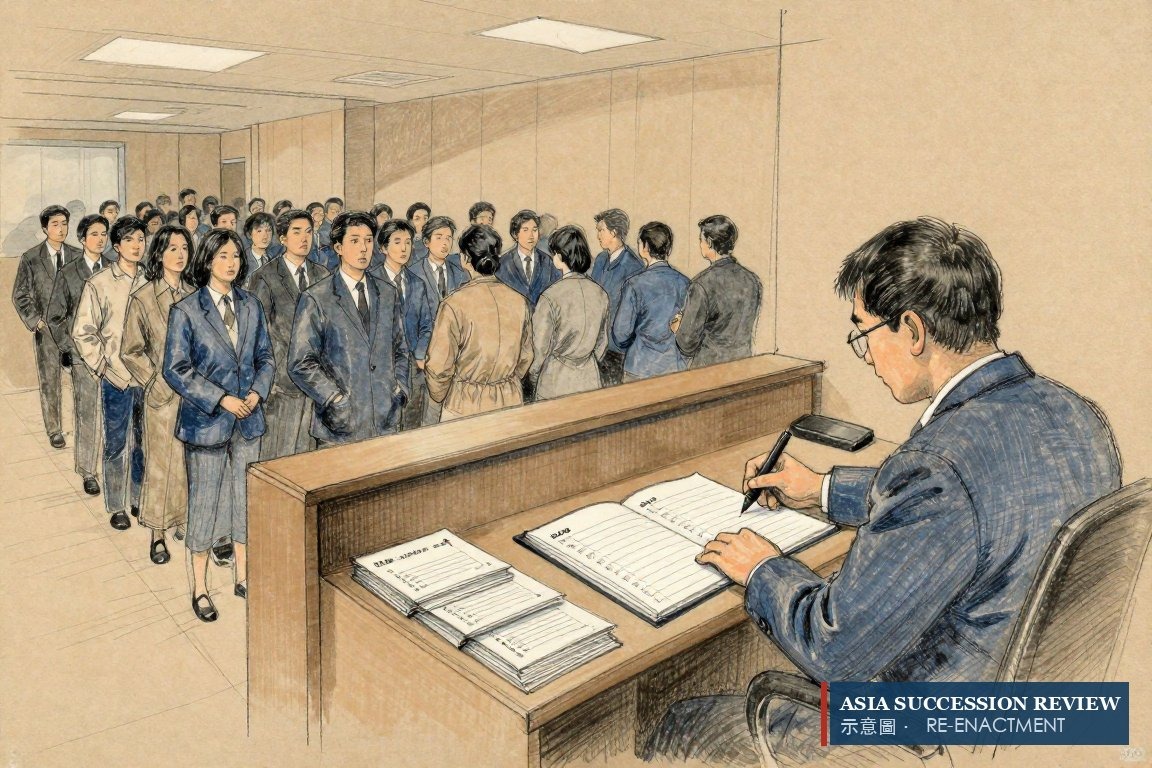
In 2017 that company resolved to reduce its capital from HK$3.105 billion to HK$1.071 billion and repay HK$1.173 billion to those shareholders; Nora, who said in evidence that the money had been given for Nansha and not for distribution after her father's death, was the only shareholder to vote against, with nineteen in favour and two abstaining. Her application to cancel the resolution failed and her appeal was dismissed on 30 June 2023.
A half-brother sues 11 years after the final settlement, still chasing HK$25 million and HK$5 million of jewellery
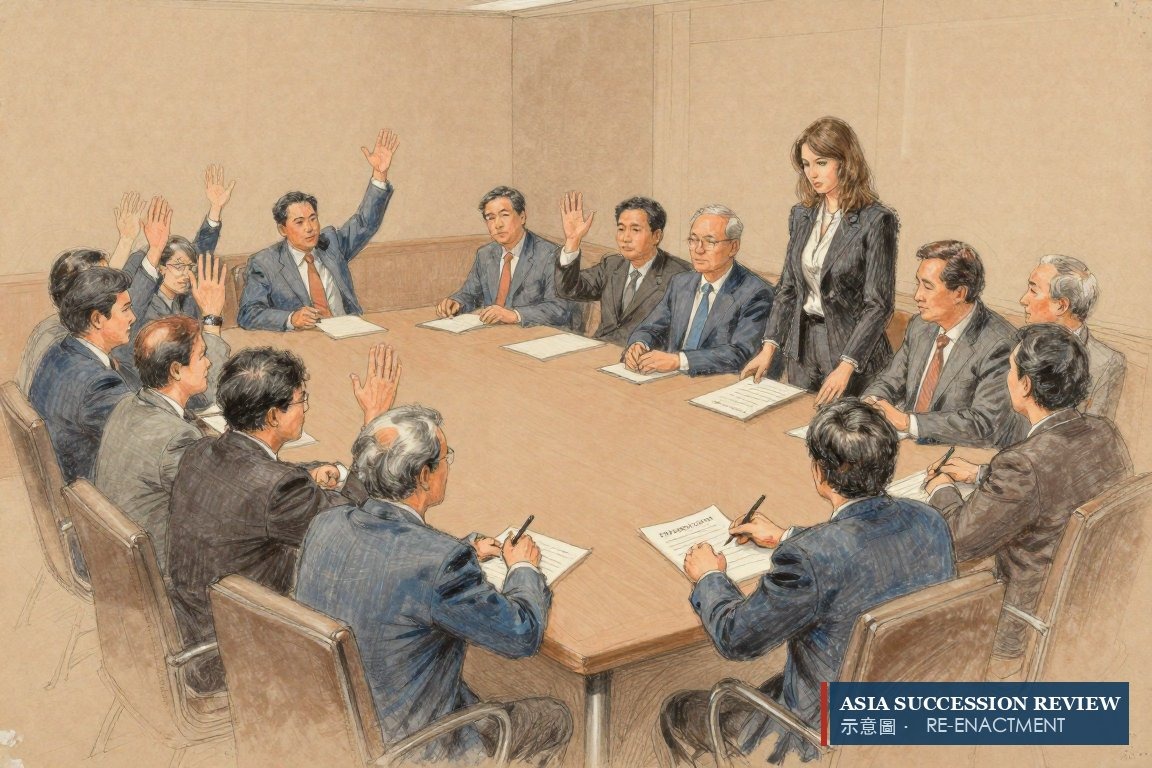
Five weeks after that, a half-brother from the second family, Thomas Fok Man-fong, issued a writ against Ian and Benjamin as executors: HK$25 million of the estate, and jewellery worth not less than HK$5 million, still undistributed eleven years after the settlement that was meant to be global and final.
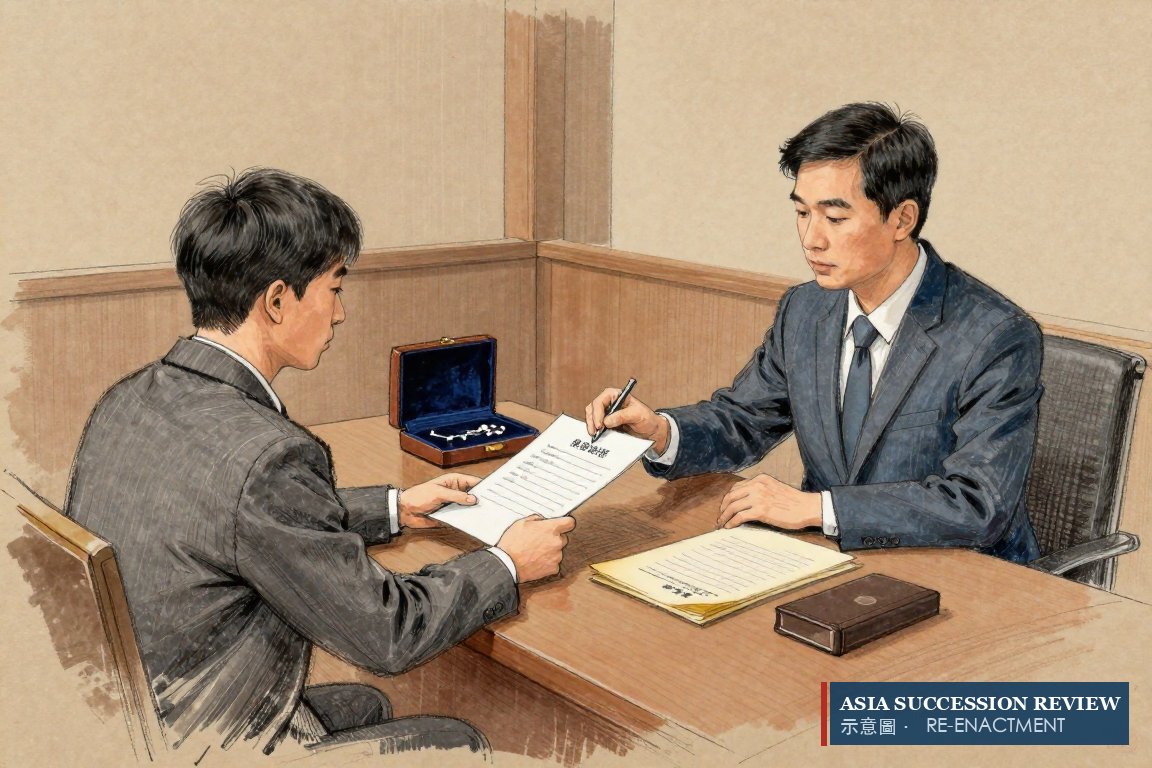
Henry Fok did the thing this archive usually finds missing: he made a will, named trustees, and built a trust meant to run for twenty years. The failure was in who held it and what they owed everybody else. Two of thirteen children were executors and trustees over their eleven siblings and three mothers; there was no independent fiduciary, no schedule of what the estate and its companies owned, and no obligation on anyone to account to a beneficiary who asked. So the only instrument a beneficiary had for finding out what his father had left was a writ — and by the time the writ produced the 1997 option letter, in January 2013, the right it described had been dead for five and a half years. A structure whose contents live in one trustee's memory is not a succession plan; it is a dispute with a commencement date.
Put the holdings into a trust run by a licensed outsider, list every share, option and loan in a schedule attached to the deed, and make the annual account a duty the trustee owes every adult beneficiary — not a favour he grants.
The founder settles the shares into a Singapore trust while well, so no child holds another child's money
The first move is made during the founder's lifetime, and it is about who holds the pen. Instead of a will that turns two of thirteen children into the trustees for the other eleven, the founder settles the group holdings — the operating shares, the offshore companies, the loan accounts, and any option or buy-back right attached to them — into one Singapore trust while he is entirely himself.
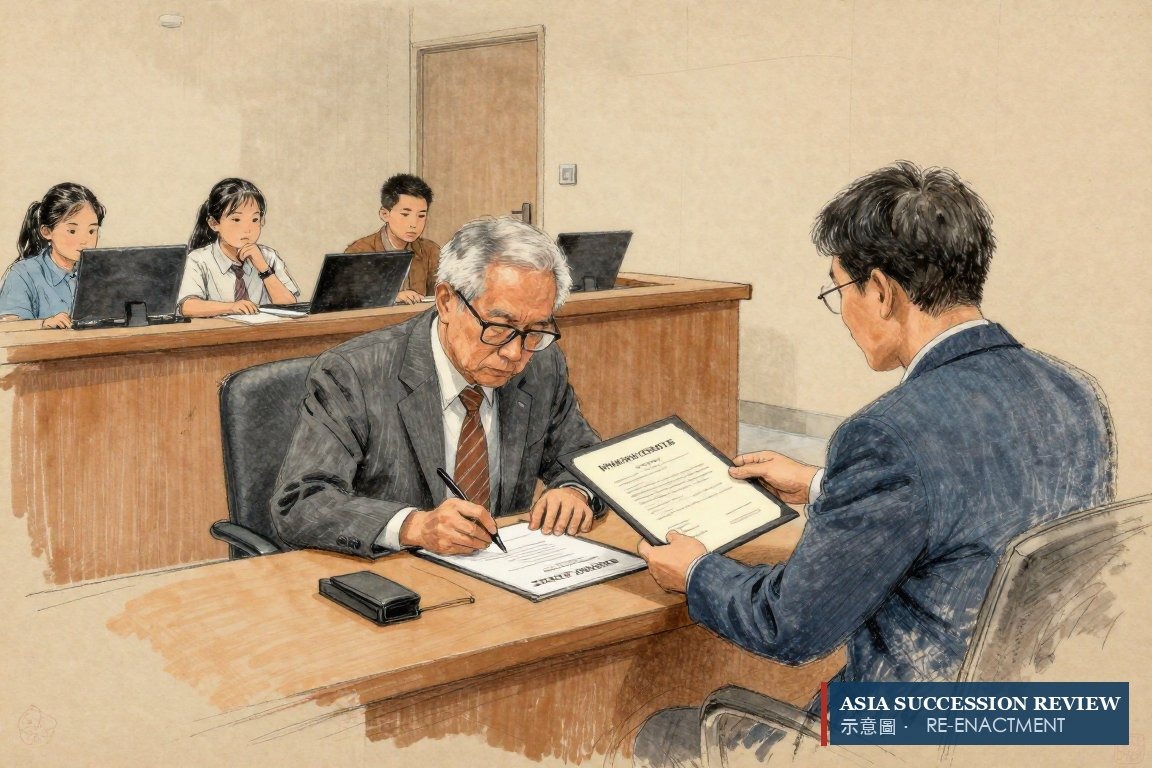
A licensed trustee holds it and every branch's share is a fixed number, so nothing waits for a court
The trustee is a licensed Singapore trust company regulated under the Trust Companies Act 2005; where the family wants the decisions kept closer, it is a private trust company whose board must at all times include an independent director who is not a beneficiary and takes no distribution. Percentages replace discretion: each branch's share is a number in the deed, not a twenty-year power exercised by a sibling. Because the assets are settled rather than bequeathed, nothing waits on probate, and nothing about them has to be discovered afterwards.
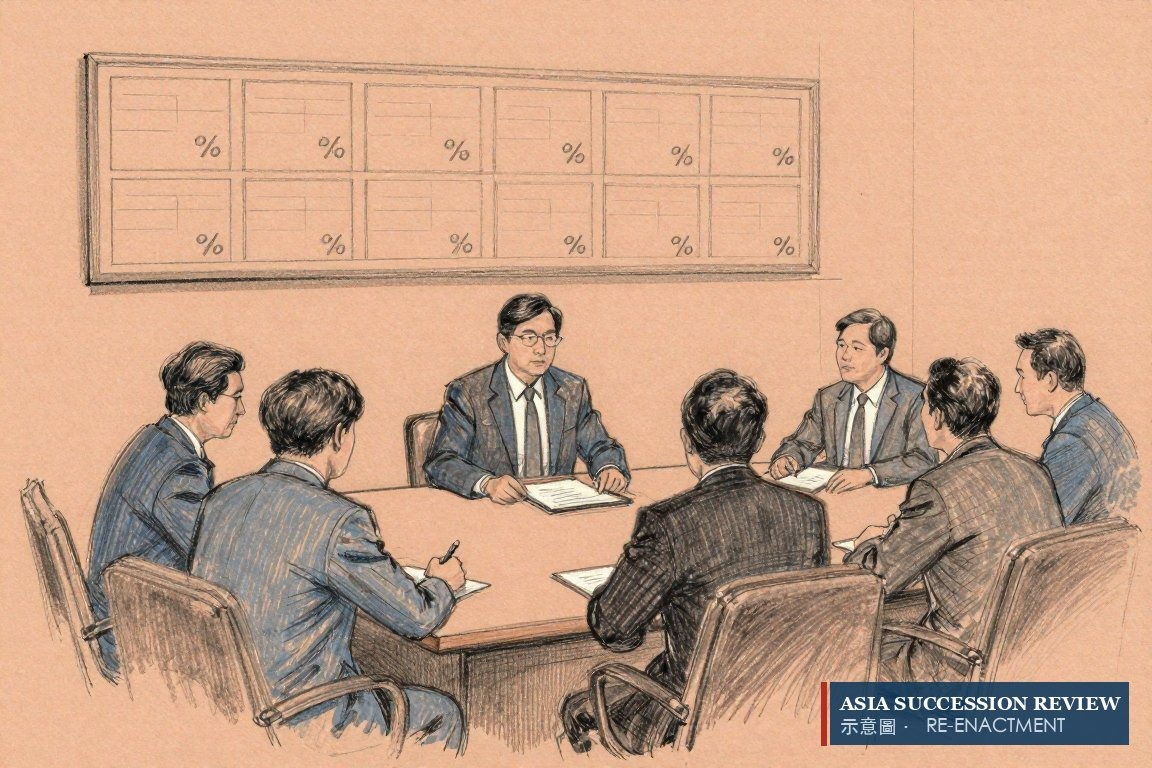
The trustee must report every option before it lapses, so no brother can let 30 billion yuan expire in silence
The second move is the one that would have removed this case altogether. The deed carries a schedule listing every company, account, loan, option and expiry date the trust holds, and it obliges the trustee to refresh that schedule each year, to deliver audited accounts to every adult beneficiary within a fixed number of months of the year end, to answer a beneficiary's written question in writing, and — the specific cure for a letter like the 1997 one — to diary every option and report to the beneficiaries before it can lapse rather than after.
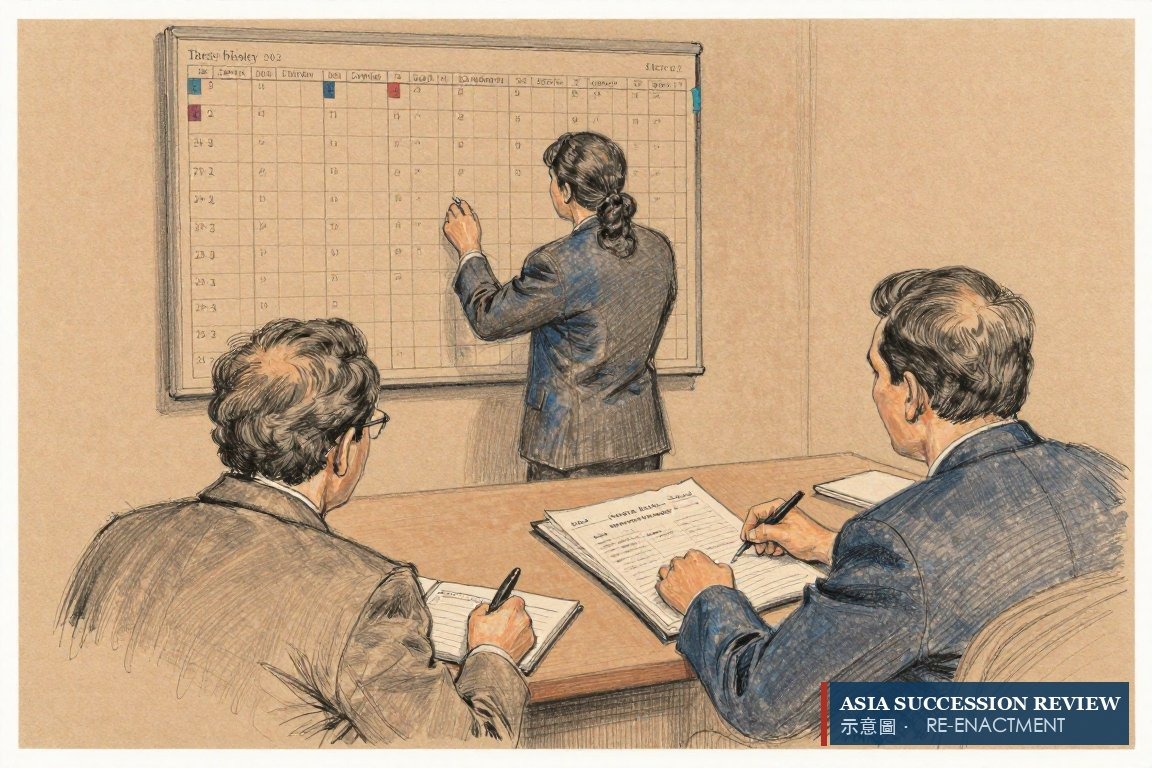
Disputes go to a private arbitrator, but no deed can force a family to use an option it knows about
Disputes between branches, or between a beneficiary and the trustee, go to confidential arbitration seated in Singapore instead of an open court list. Be honest about the limits. Singapore law gives a discretionary beneficiary no automatic right to the file; disclosure is ultimately the court's discretion, which is precisely why the entitlement has to be written into the deed rather than assumed. A charitable company in Hong Kong and land-use rights in Guangdong stay governed by Hong Kong and PRC law wherever the trustee sits. And no structure can make a family exercise an option — it can only guarantee that everyone knows the option exists while the date is still live.
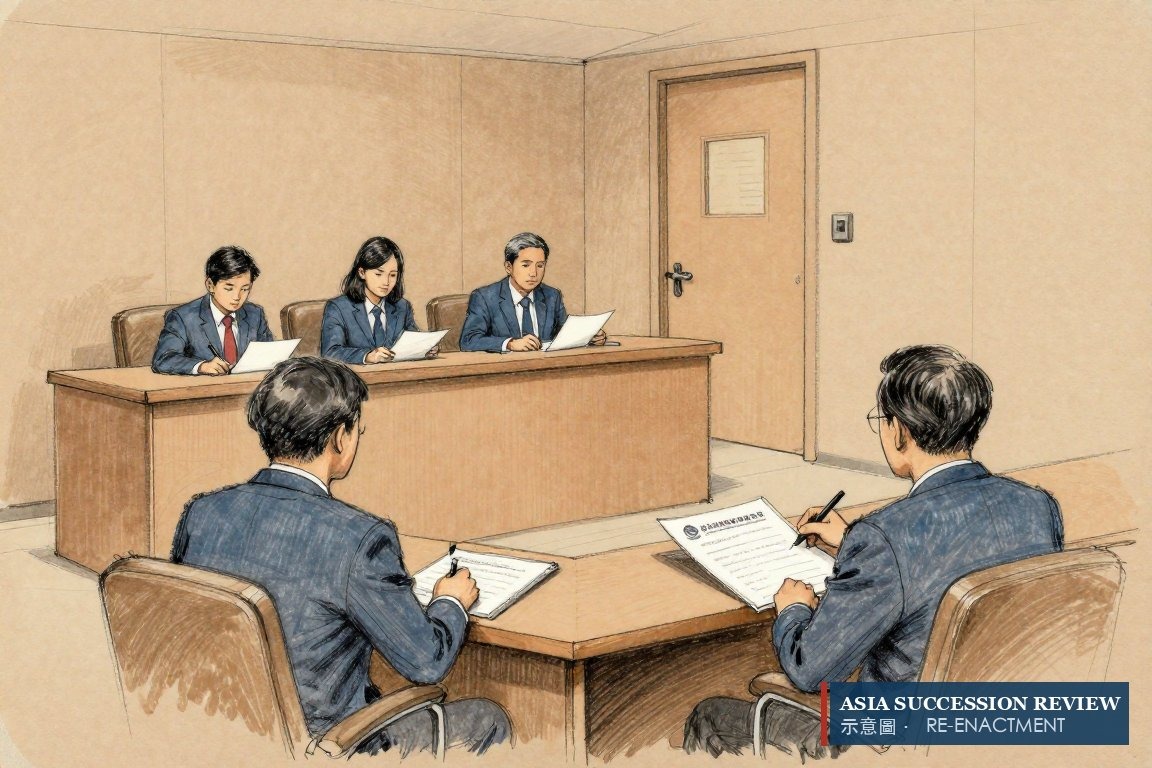
Every adult beneficiary — audited accounts and a written schedule of what the structure holds, every year, as a term of the deed — the information that in this case took a writ and fourteen months
The son who would have been trustee — the job without the conflict: an independent licensed trustee signs, so no sibling has to be both the man who decides and the man who benefits
The three branches — a percentage each, written down and readable, instead of a twenty-year absolute discretion exercised by two of thirteen children
A counterfactual, not advice: real structures need licensed hands and your family's facts.
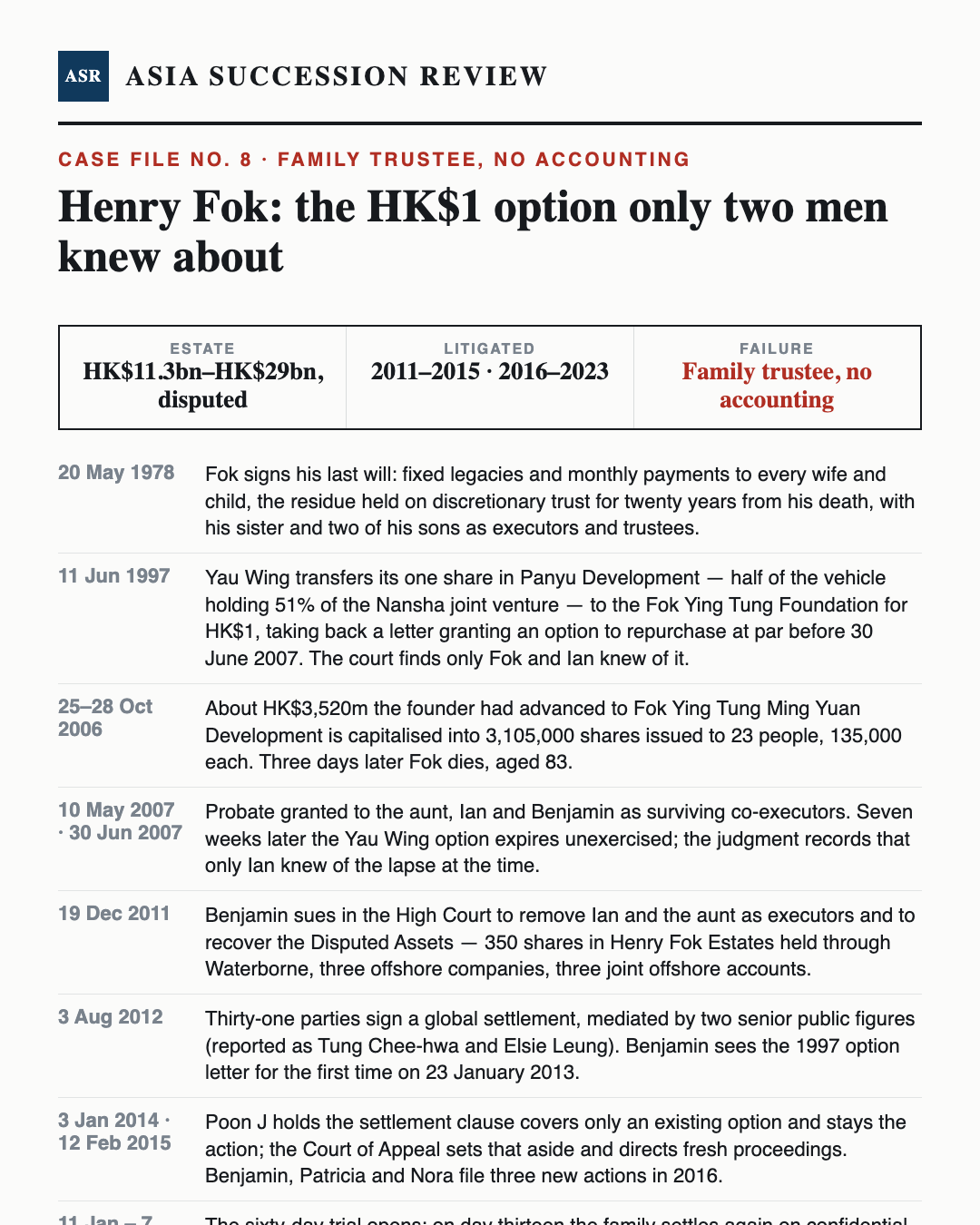
The case in one card — press and hold to save, or forward it as it is.
If the trustee of your family's structure is also your brother
Asking what a trust holds is not an accusation. It is the question every file in this archive turns out to have been built on somebody not asking in time. Three things are worth settling while the founder can still answer them: whether there is a written schedule of what the structure actually owns — companies, accounts, loans, options and their expiry dates; whether anyone independent of the family signs on it; and whether any adult beneficiary has a written right to an annual account. What changes when those three are terms of a deed rather than matters of trust:
Can my brother be both the trustee of our family trust and a beneficiary of it?
In most common-law jurisdictions, Hong Kong and Singapore included, yes — and it is very common. The problem is not legality but position: one person sits on both sides of every decision, and the law's remedy for that conflict is litigation after the fact rather than prevention before it. Henry Fok's 1978 will made two of his thirteen children executors and trustees over their eleven siblings and three mothers; proceedings ran from December 2011 to 2023. The structural fix is not to ban a family trustee but to add one who is not family — a licensed trust company, or a private trust company whose board must include an independent director who takes no benefit.
How do I find out what my family's trust or my father's estate actually owns?
Ask the trustee or executor in writing and keep the letter — the request itself is the first document in any later application. A named beneficiary of a fixed trust can generally expect the deed and basic accounts; under a discretionary trust you have no automatic entitlement, and a court can order disclosure but is not obliged to. In the Fok estate the document that mattered most, a 1997 letter granting an option over half the Nansha interest for HK$1, surfaced only in solicitors' correspondence on 23 January 2013 — after fourteen months of litigation, and five months after the family signed a settlement drafted around it. Deeds written to be read make an annual account and a written answer obligations, which is the only version of this that does not require a writ.
Can I sue to remove my brother as executor of my father's will?
You can apply to court, usually on grounds such as conflict of interest, failure to account, or conduct that makes the administration unworkable. Benjamin Fok did exactly that on 19 December 2011, seeking to remove his brother Ian and their aunt and, in March 2012, applying for summary judgment to install a retired Vice-President of the Court of Appeal in their place. The application was never heard: the family settled on 3 August 2012 and the executors stayed. That is the usual shape of these cases — removal is a high bar, the process is public, and the alternative on offer is a compromise negotiated under pressure. The cheaper remedy is an accounting obligation written down before anyone dies.
Does a family settlement agreement end an inheritance dispute for good?
Only for what it actually covers, and only if everybody understood what they were signing. The Fok family's settlement of 3 August 2012 had thirty-one parties and was meant to be global. Within eight months one signatory was applying to restore the very application it had compromised, because the clause dealing with an option over the Nansha interest turned out to concern a right that had expired on 30 June 2007. Litigation over that single clause then ran through a stay, an appeal, three fresh actions in 2016 and a sixty-day trial listing, ending in a second confidential settlement on 7 February 2022. A settlement is an armistice; what prevents the next war is a structure that leaves nothing to be discovered.
What happens if a family company's option or buy-back right is allowed to expire?
It is gone, and regret does not revive it. Poon J held on 3 January 2014 that the clause in the Fok settlement covered an existing option and no more, and that KPMG's finding that the Yau Wing option had lapsed on 30 June 2007 meant the clause was never engaged. Where a right of that kind sits inside a family structure, the protection is administrative rather than legal: a schedule listing every option and its expiry date, a diarised reminder, and a duty on the fiduciary to report to the beneficiaries before the date rather than explain afterwards.
What happens when the trust in my father's will reaches the end of its term?
The trustees' discretion ends and the property must be dealt with on whatever terms the will provides for that day — which is why the last year of a fixed-term trust is often the year the hard questions finally arrive. Henry Fok's 1978 will held his residuary estate on trust for twenty years from the date of his death, and he died on 28 October 2006. Families in that position do better to agree the wind-up a year or two ahead — valuations, who takes what in specie, and a forum for disagreement — than to reach the date with nothing settled and thirteen readings of the same clause.
Who pays the legal costs when heirs fight over an estate?
Very often the estate itself, which means all the beneficiaries — including the ones who wanted no part of the fight. Clause 49 of the Fok family's 2012 settlement made every party's costs of the administration and of the proceedings payable out of the estate, taxed on a full indemnity basis, and on 11 November 2022 the court gave effect to it. Separately, the courts ordered the first family's warring siblings to pay the costs of the second and third families on an indemnity basis, on the view that those branches had been caught innocently in the cross-fire and should not be out of pocket.
My father gave money to a friend or to his foundation instead of to us — is it still part of his estate?
Generally not. A completed lifetime transfer leaves the estate, and what a founder does in his last year is often more consequential than what his will says. The Court of Appeal recorded that about HK$3,520 million of Henry Fok's money sat in one company's books as shareholders' loans from a close friend, and that on 25 October 2006 — three days before he died — the balance was capitalised into 3,105,000 shares issued to twenty-three people in equal parts. When that company voted in 2017 to return HK$1.173 billion of capital to its shareholders, the daughter who argued the money had been given for the Nansha development and not for distribution was the only shareholder to vote against; her challenge failed and her appeal was dismissed on 30 June 2023.
A question of your own that these don't answer — put it to the desk.
- 1Fok Chun Yue Benjamin v Fok Chun Wan Ian, HCA 2155/2011 — Poon J's decision of 3 Jan 2014 (the will, the three families, the 1997 Yau Wing option letter)
- 2Court of Appeal, CACV 13, 16 & 17/2014, 12 Feb 2015 — the stay set aside and fresh actions directed
- 3Fok Lai Lor Nora v Fok Chun Wan Ian [2022] HKCFI 2050 (6 Jul 2022) — the sixty-day trial, the settlement on day thirteen, and the 2012 settlement's history
- 4Fok Chun Yue Benjamin v Fok Chun Wan Ian [2022] HKCFI 3434 (11 Nov 2022) — clause 49 and costs paid out of the estate on an indemnity basis
- 5Fok Lai Lor Nora v Fok Ying Tung Ming Yuan Development Co Ltd [2023] HKCA 795 (30 Jun 2023) — the HK$3,520m capitalised into shares for 23 people on 25 Oct 2006, and the 2017 capital reduction
- 6The Standard, 7 Aug 2023 — writ over HK$25m and jewellery still undistributed under the 2012 settlement