Tata belongs to a charity. Now the charity is the succession fight
Two years after Ratan Tata died, the charitable trusts that own two-thirds of Tata Sons voted against the board that re-appointed the group's chairman, called the resolution a legal nullity, and asked the company to find someone else. The annual meeting could not be held for want of a quorum; the regulator wants the holding company listed; the 18 per cent minority wants out. What if the owner had been written in Singapore?
Read this in: EN · 简体 · 繁體 · ไทย · ID
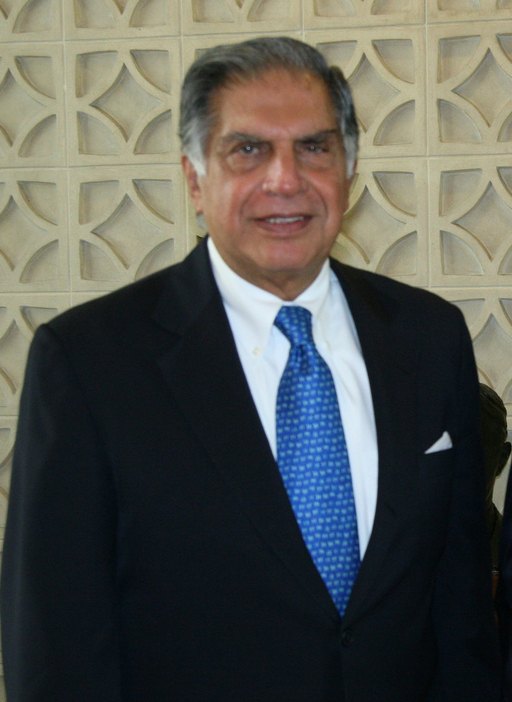
The Tata Sons board votes four to one on 17 September 2026 to give its chairman five more years
On 17 September 2026 the board of Tata Sons Private Limited, the holding company of India's largest business group, resolved by a majority vote to re-appoint N. Chandrasekaran as executive chairman for five years from the end of his current term on 20 February 2027. The company's statement, reported by The Wire the same day, records that its nomination committee met on 3 September and asked him to reconsider an earlier decision to step down, and that he agreed on the day of the meeting.
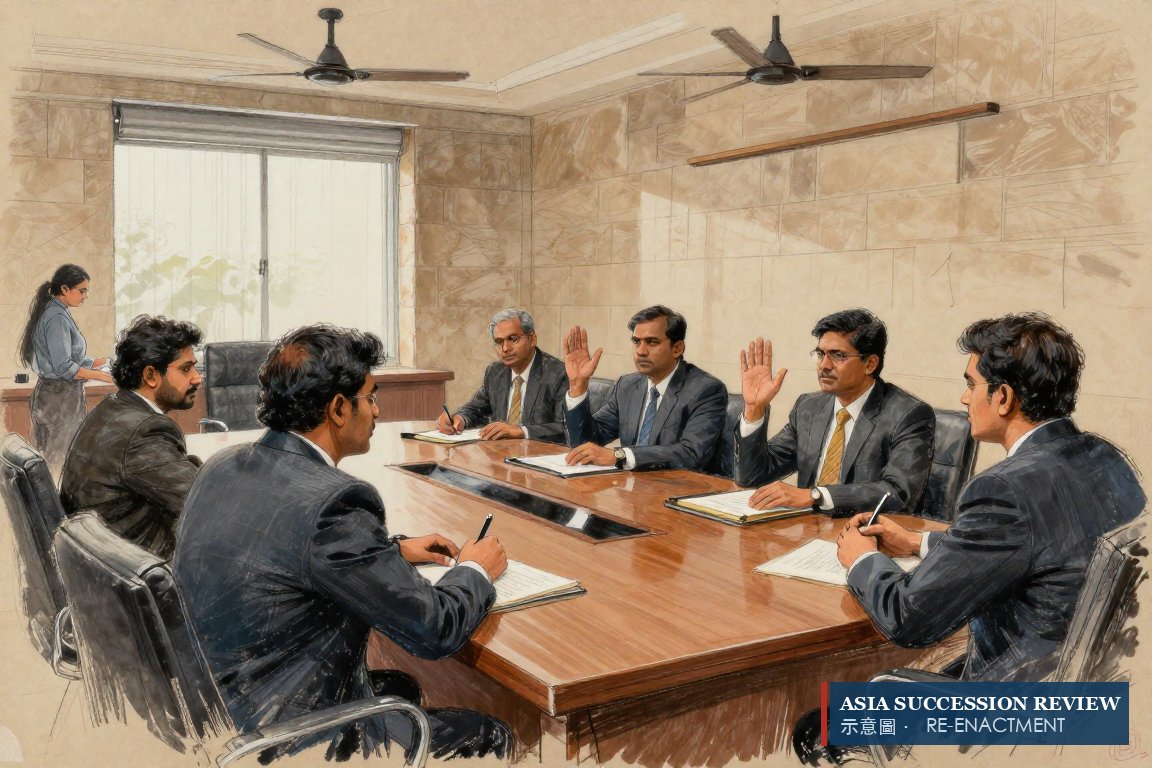
The 66 per cent owner answers within hours and calls the board's re-appointment a legal nullity under the Articles
Within hours Tata Trusts, which hold about 66 per cent of the company, published their answer. 'The resolution seeking to reappoint Mr. N. Chandrasekaran in the Board meeting today, with four Directors voting in favour, and Mr Noel Tata against, was a legal nullity in view of the provisions of the Articles of Association of Tata Sons,' the Trusts said.
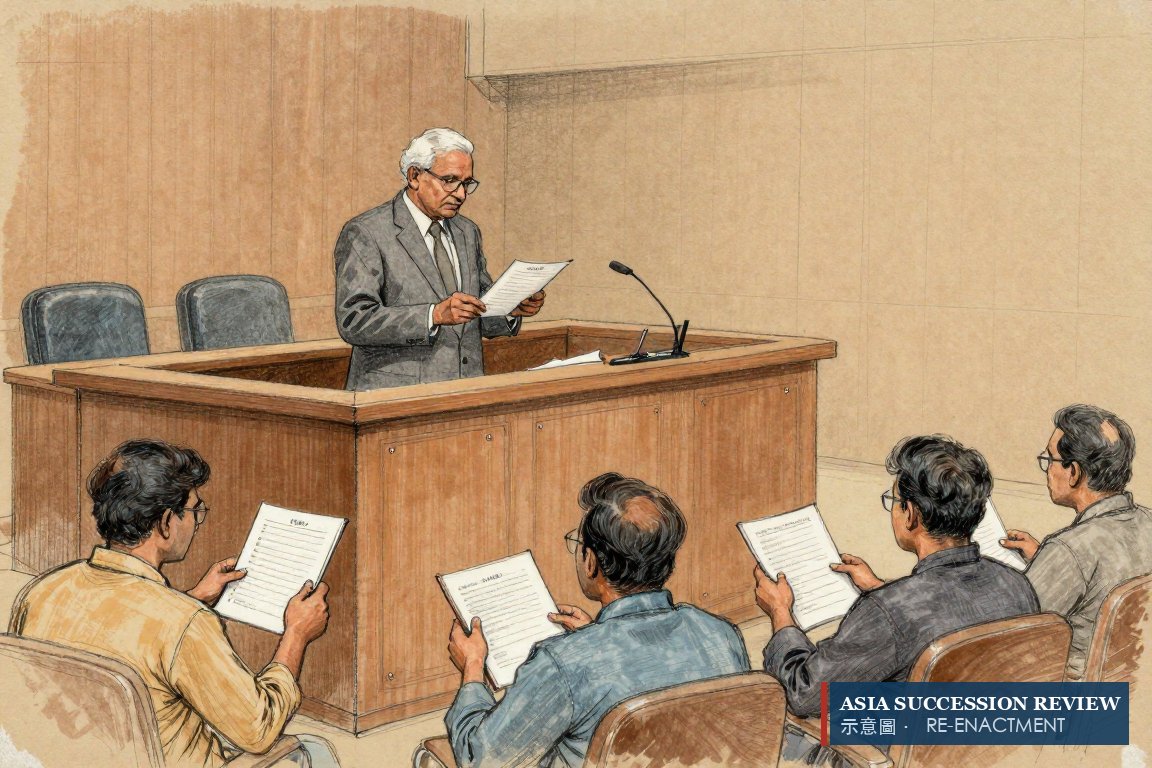
The Trusts read the Articles to need both their nominee directors, so one no vote sinks the chairman
Their reading of the Articles is that the appointment of a chairman needs a majority of the Trusts' nominee directors to vote for it, that the rule applies to a re-appointment as much as to a first appointment, and that the board cannot lawfully pass such a resolution unless both nominee directors are present and both vote in favour.
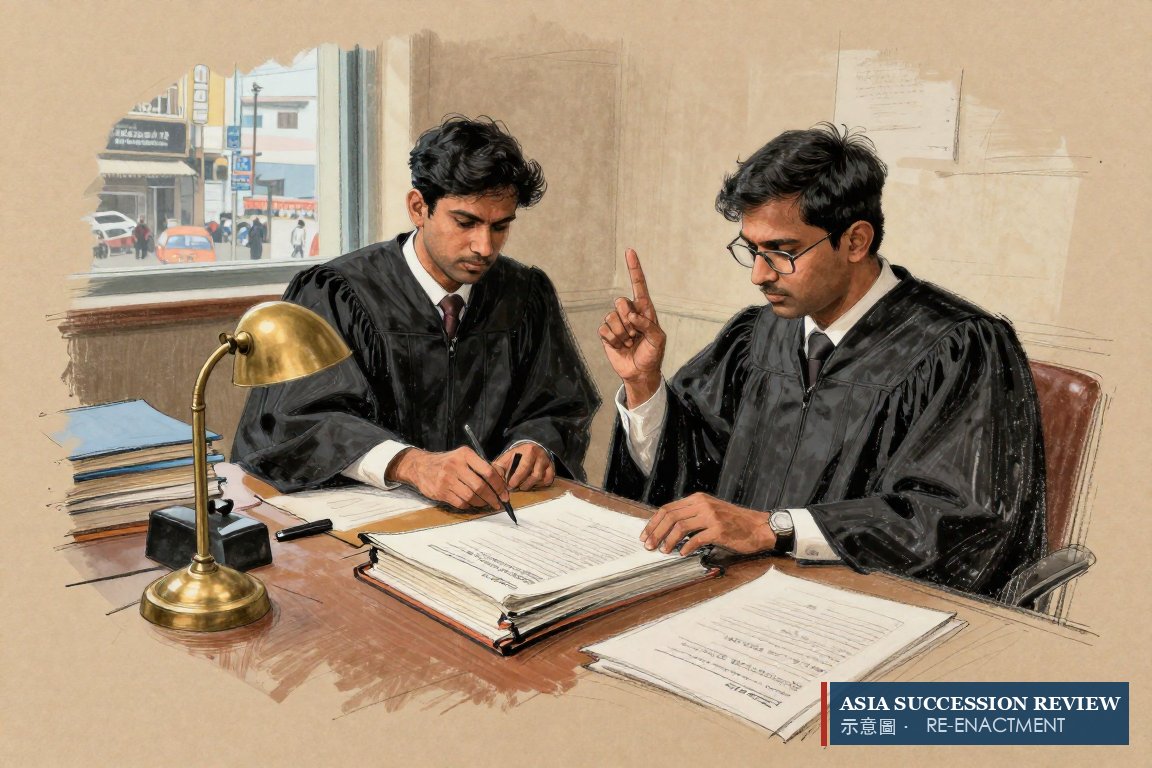
Noel Tata tables a former Chief Justice's opinion and the 12 August letter, and the board takes no note
The Trusts also say Noel Tata, their chairman and Ratan Tata's half-brother, tabled a legal opinion from Justice D. Y. Chandrachud, the former Chief Justice of India, supporting that reading, and that the board 'did not take note' of it. His own statement to the board, released the same day, gives the sequence. On 12 August 2026 the chairman wrote that he would not offer himself for a further term. The Trusts accepted the next day and asked the company to constitute a selection committee under the Articles. 'The page has turned,' Mr Tata told the board. 'It is now time to move on.'
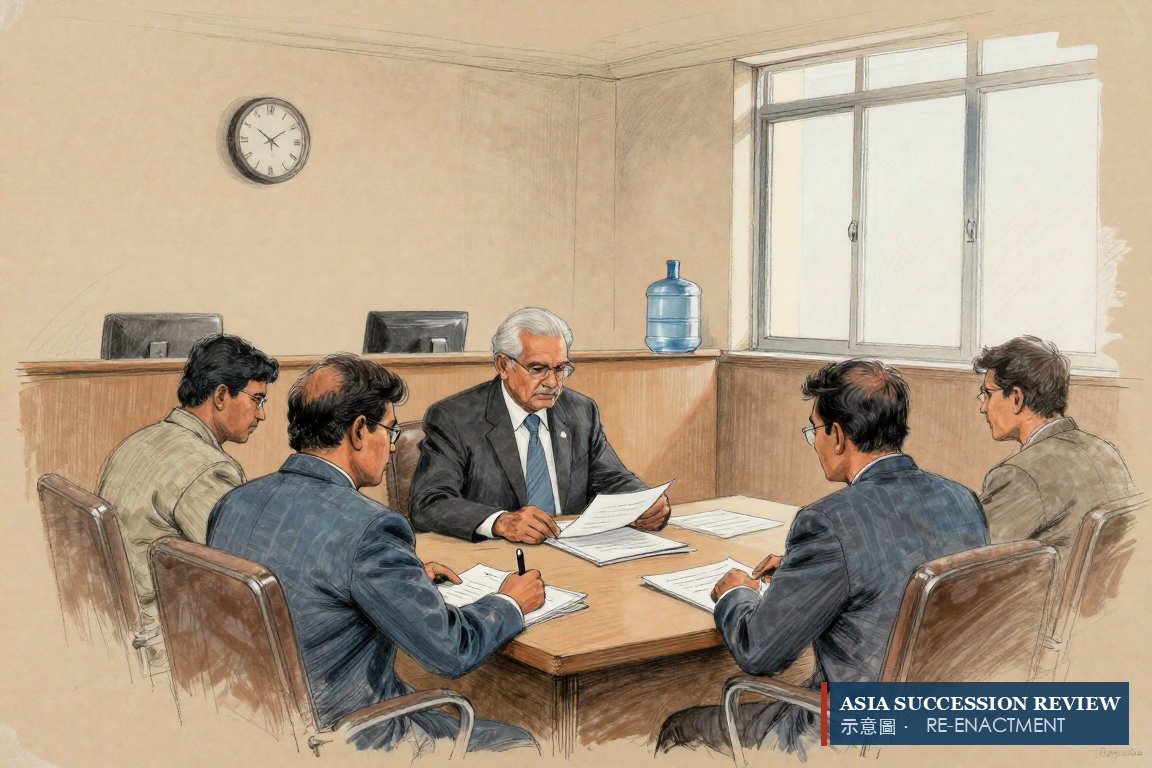
The chairman's own seat as director hangs on a shareholders' meeting that could not sit for want of a quorum
The same statement records something the market had not fully priced. The chairmanship, he said, 'is an office held by a director of this Company', and the chairman's position as a director 'is presently uncertain, the general meeting at which that question falls to be determined not having been able to proceed for want of quorum'.
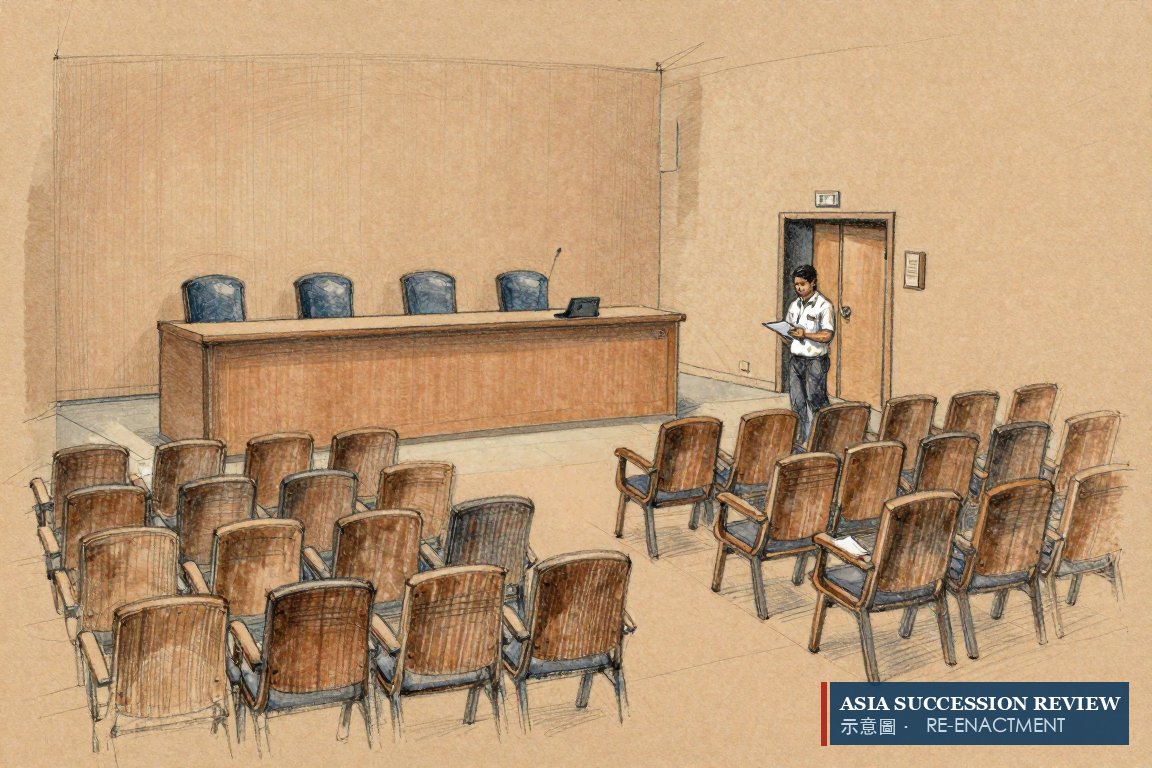
One trust cannot name a representative, and the 18 August 2026 AGM is adjourned for the first time ever
Forbes India reported on the meeting: the annual general meeting called for 18 August 2026 was adjourned, for the first time in the company's history, because the Sir Ratan Tata Trust could not nominate a representative to attend jointly with the Sir Dorabji Tata Trust, an order of the Maharashtra Charity Commissioner having stopped that trust from holding board meetings.
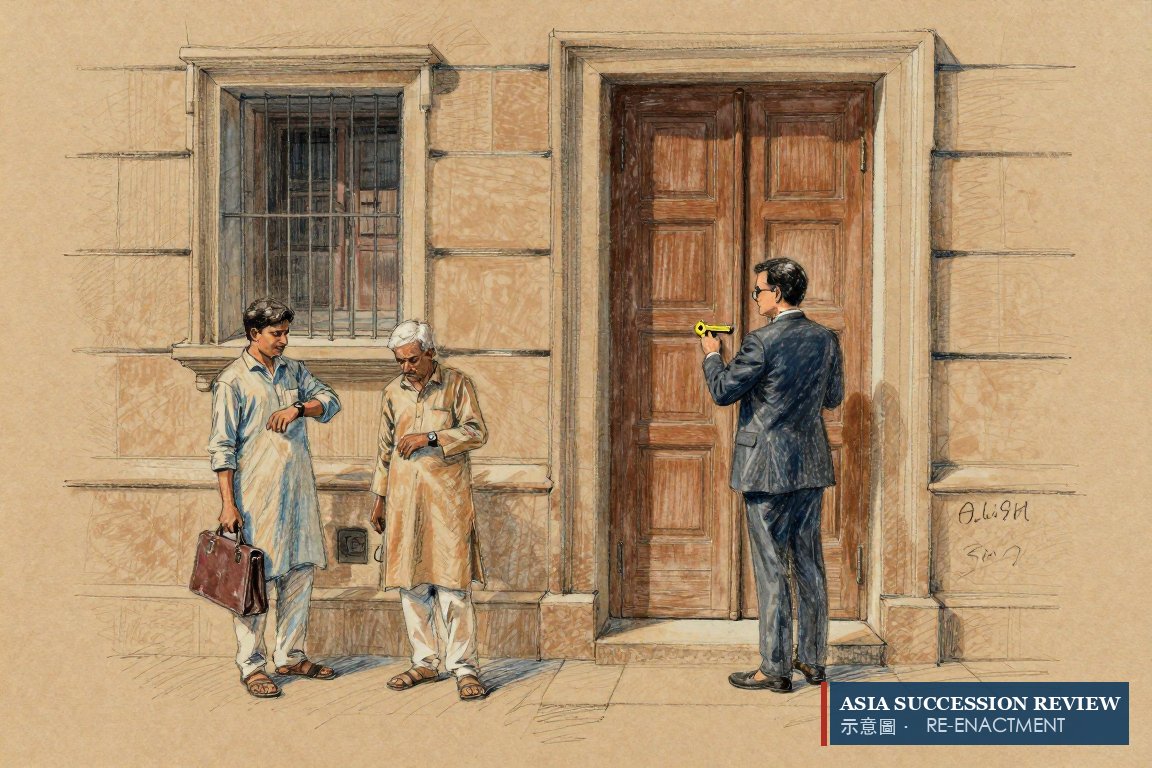
Three trustees complain about each other, and on 2 September 2026 the Commissioner closes one and faults its author
The Charity Commissioner is where the Trusts' own disputes now sit. The Economic Times reported on 18 September that Venu Srinivasan, a trustee, had complained in May 2026 about the number of permanent trustees on the Sir Ratan Tata Trust, and that Mehli Mistry, whose trusteeship was not renewed in 2025, has asked for an inquiry into the Trusts' governance. On 2 September the Commissioner closed a third complaint, by trustee Vijay Singh, over an 833-share transfer from a Tata trust to Naval Tata in 1989; the Trusts published the order, which called Mr Singh's conduct 'unbecoming of a Trustee'.
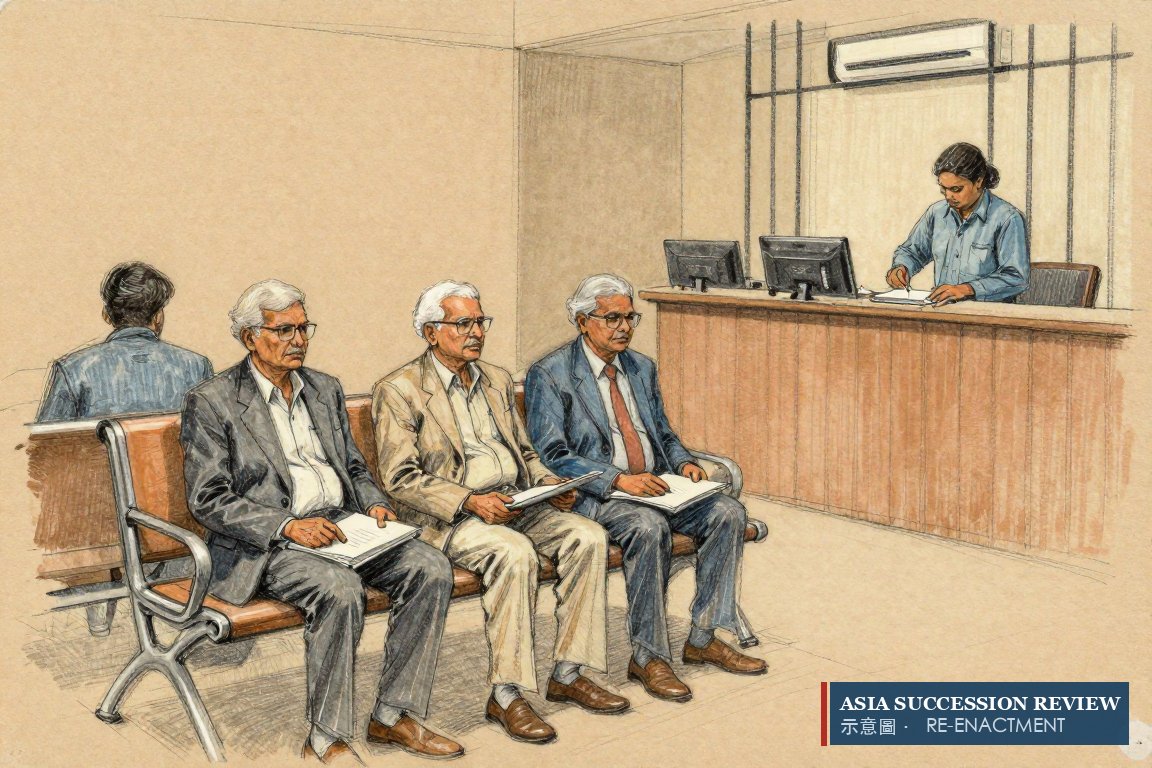
The central bank refuses Tata Sons' 2024 request to leave the regime, and the 2022 listing clock keeps running
The second dispute is the regulator's. The Reserve Bank of India named Tata Sons an upper-layer non-banking financial company on 30 September 2022, a category its 2021 framework requires to list; the Trusts told CNBC the central bank had, the week before the board meeting, rejected the company's 2024 application to surrender that registration.
The Trusts refuse a listing they say would destroy the Tata model, and the board agrees only to study options
On 17 September the Trusts said they 'have not agreed to listing', recalled a unanimous board decision of March 2024, 'under the guidance of the late Mr. Ratan Tata', that the company should stay unlisted, and said a listing 'will destroy its character and strike at the heart of this principle'. The board agreed only that all options would be assessed and a further meeting convened.
The 18 per cent minority asks for Rs 25,000 crore over eighteen months, tabled in the middle of the fight
The third dispute is the minority's. At the same meeting Mr Tata tabled a proposal from the Shapoorji Pallonji group, which holds about 18 per cent through two investment companies, to sell enough Tata Sons shares, at a minimum valuation under Rule 11UA of India's income-tax rules, to yield Rs 25,000 crore, in two tranches over eighteen months, by a selective capital reduction through the National Company Law Tribunal. He suggested internal cash flows, sales of listed shares, an investor in the newer businesses or the listing of some subsidiaries as the sources of the money.
Ratan Tata dies at 86, and within two years the group buys an airline and loses a third of its profit
The founder is two years dead. Ratan Tata died on 9 October 2024 at 86; Noel Tata was appointed chairman of Tata Trusts on 11 October, according to All India Radio. Under Mr Chandrasekaran the group bought Air India in 2022 and committed to a US$11 billion semiconductor plant; CNBC reported that Tata Sons' consolidated net profit for the year to March fell 35 per cent to Rs 266 billion as losses at Air India, Tata Digital and Tata Electronics accumulated. A professor quoted by CNBC put the diagnosis in one line: 'Tata needs to split operational leadership from shareholder-trust politics.'
- 1Tata Trusts, 17 Sep 2026 — 'The Tata Trusts maintain that the Resolution to re-appoint Mr N. Chandrasekaran as Chairman, Tata Sons, is illegal' (four in favour, Noel Tata against; the Articles reading; the Chandrachud opinion)
- 2Statement made by Mr. Noel N. Tata in the Tata Sons Board Meeting held on 17 September 2026 (PDF annexed to the release: 12 Aug letter, acceptance, the quorum point, 'the page has turned')
- 3Tata Trusts, 17 Sep 2026 — 'The Tata Trusts ask Tata Sons to explore options other than Listing' (RBI communication of 11 Sep 2026; March 2024 and July 2025 resolutions to stay unlisted)
- 4Tata Trusts, 17 Sep 2026 — 'Tata Trusts Chairman tables proposal for providing liquidity to the SP Group' (Rs 25,000 crore, Rule 11UA, two tranches over 18 months, NCLT capital reduction)
- 5Tata Trusts, 3 Sep 2026 — Charity Commissioner's order of 2 Sep 2026 closing Vijay Singh's complaint on the 1989 transfer of 833 Tata Sons shares
- 6The Wire, 17 Sep 2026 — Tata Sons' statement: NRC meeting of 3 Sep, majority vote, term to 2032; RBI upper-layer classification 2022
- 7CNBC, 18 Sep 2026 — 66 / 18 / 13 per cent shareholding (Jefferies, Aug 2026); RBI's rejection of the CIC surrender; FY net profit down 35 per cent to Rs 266bn; Air India, the US$11bn plant
- 8Forbes India — the AGM of 18 Aug 2026 adjourned for want of quorum, the first time in Tata Sons' history; the Sir Ratan Tata Trust unable to nominate a representative
- 9The Economic Times, 18 Sep 2026 (syndicated copy) — the complaints before Charity Commissioner Amogh Kaloti: Venu Srinivasan (May 2026), Mehli Mistry, Vijay Singh
- 10Outlook Business, 26 May 2026 — timeline: Ratan Tata's death, the trustee split over Vijay Singh, Mehli Mistry's exit in 2025, the deferred re-appointment
- 11All India Radio, 11 Oct 2024 — Noel Tata appointed chairperson of Tata Trusts two days after Ratan Tata's death at 86
- 12Reserve Bank of India, 30 Sep 2022 — list of NBFCs in the Upper Layer under Scale Based Regulation: Tata Sons Private Limited (CIC) at No. 4
- 13Trustees Act 1967 s37 (power of appointing new trustees: the person nominated by the instrument, else the continuing trustees) and s42 (court's power to appoint) — Singapore Statutes Online
- 14Charities Act 1994 s23 (Commissioner's powers after inquiry: removal or suspension of trustees for misconduct or mismanagement, with the Attorney-General's consent) — Singapore Statutes Online
- 15Companies Act 1967 s157A (business managed by the directors, except powers the Act or the constitution reserves to the general meeting) — Singapore Statutes Online
- 16Companies Act 1967 s179 (quorum of two members personally present unless the constitution provides otherwise; a corporate member's representative) — Singapore Statutes Online
- 17Companies Act 1967 s216 (remedy for oppression or disregard of a member's interests; the court may order a purchase of the member's shares) — Singapore Statutes Online
The founder's sons give their shares to charity a century ago, and the owner they create must still decide
The Tata Trusts were built so that the group would never be anybody's estate. The founder's sons gave their shares to charity a century ago, and since then the majority owner of Tata Sons has been an institution that cannot die, cannot divorce and cannot be inherited. It is the most complete answer to the problem this newspaper writes about every day, and this week it shows the problem's other face. An owner that cannot die still has to decide, and the people who decide for it are trustees who appoint each other, sit for life, and were given no rule for the day they disagree.
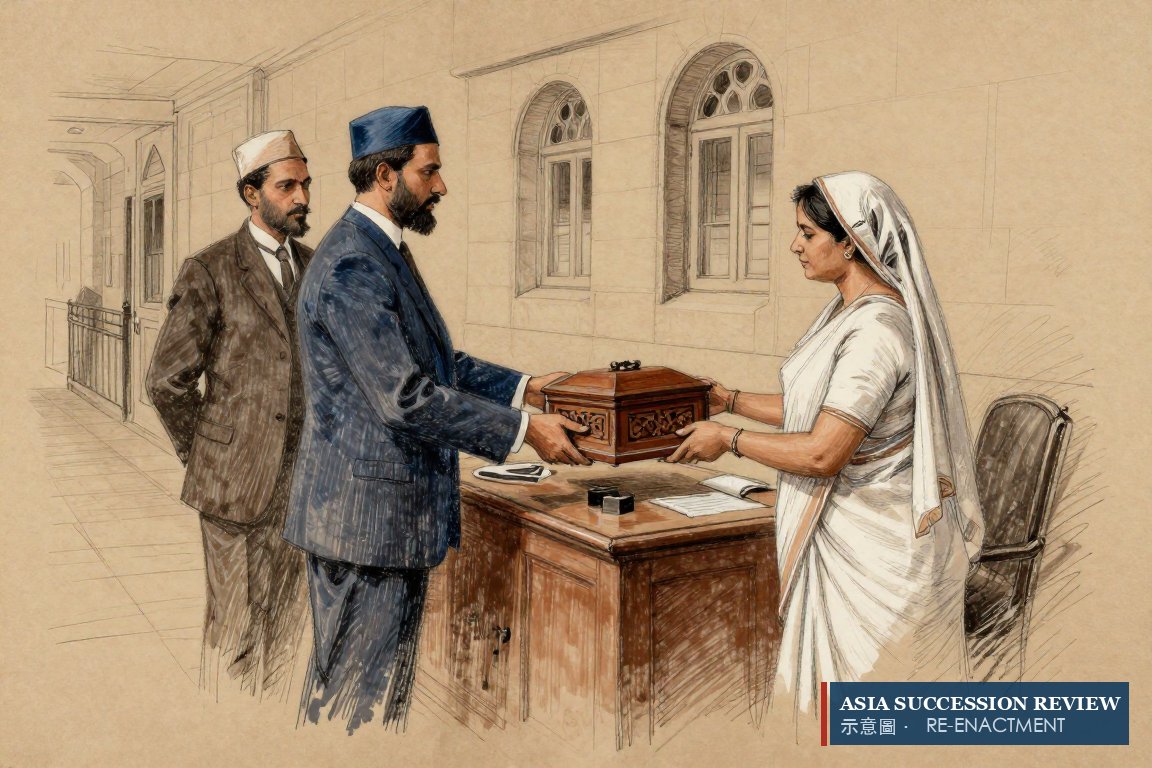
The trustees remove one of their own, complain to a state commissioner, and are ordered to stop meeting
That is the first knot. Since Ratan Tata died the trustees have removed one of their number, complained about each other to a state Charity Commissioner, and been ordered by him to stop holding meetings. A Charity Commissioner is not a referee for a policy disagreement; his jurisdiction is misconduct. When trustees who cannot agree take the only route the law gives them, they hand the owner's paralysis to an official whose job is not to decide their question.
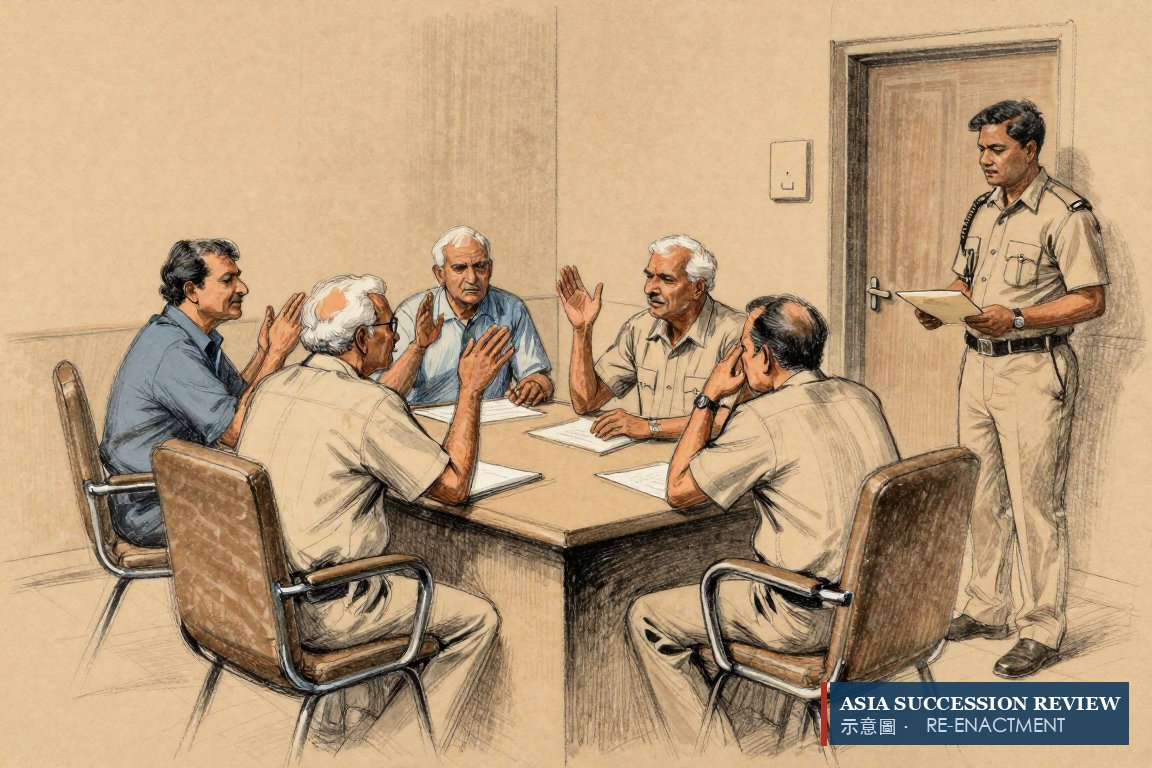
Nobody wrote whether re-appointing counts as appointing, so six directors read one clause two ways and split four to one
The second knot is the line between the owner and the board. The Articles give the Trusts' nominee directors a veto on the chairman. Nobody wrote down whether re-appointing a sitting chairman is an appointment, so the same six directors read the same clause two ways and voted four to one. The third knot is a quorum that the owner's paralysis can freeze: one trust could not name a representative, so the company could not hold its annual meeting, so the chairman's own seat became uncertain, so the board's vote on his chairmanship rests, in Noel Tata's words, on a foundation not yet laid.
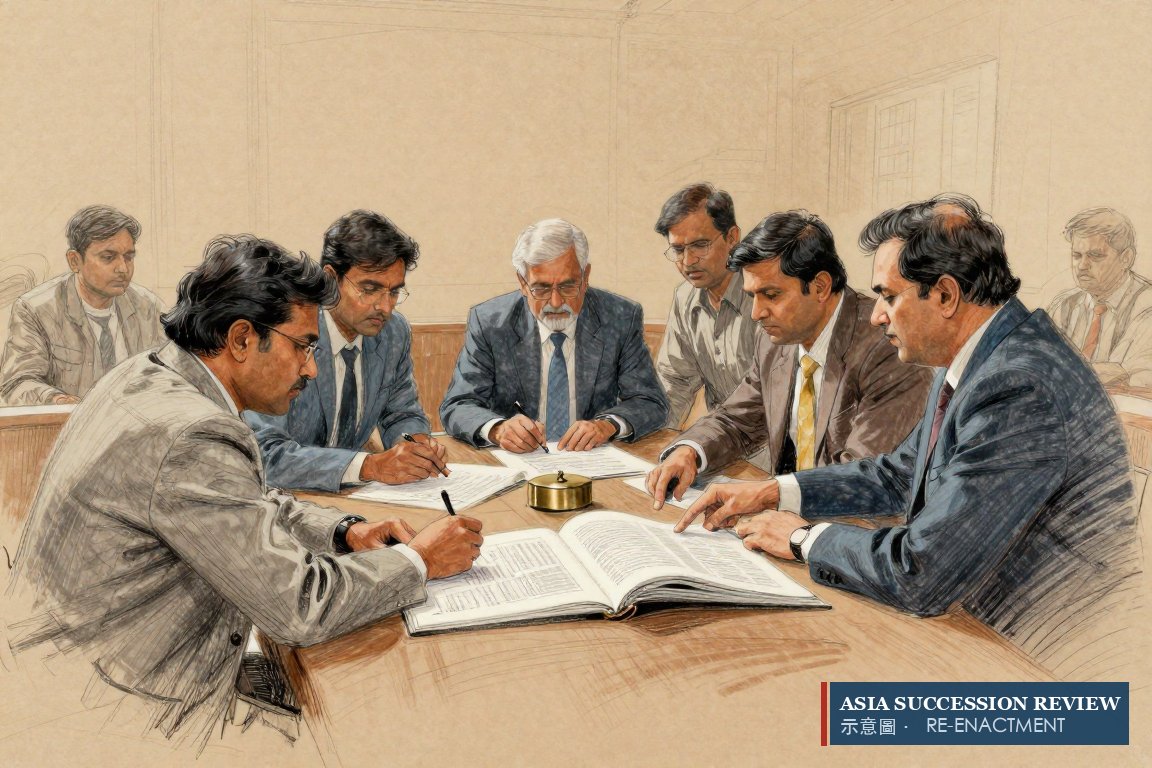
The 18 per cent minority holds for decades with no written price, and its exit arrives twenty years late
The fourth knot is the minority. The Shapoorji Pallonji group has held its stake for decades without a written price or a written door; the exit tabled on 17 September is a buy-sell clause arriving twenty years late, in the middle of the fight, priced by a tax rule.
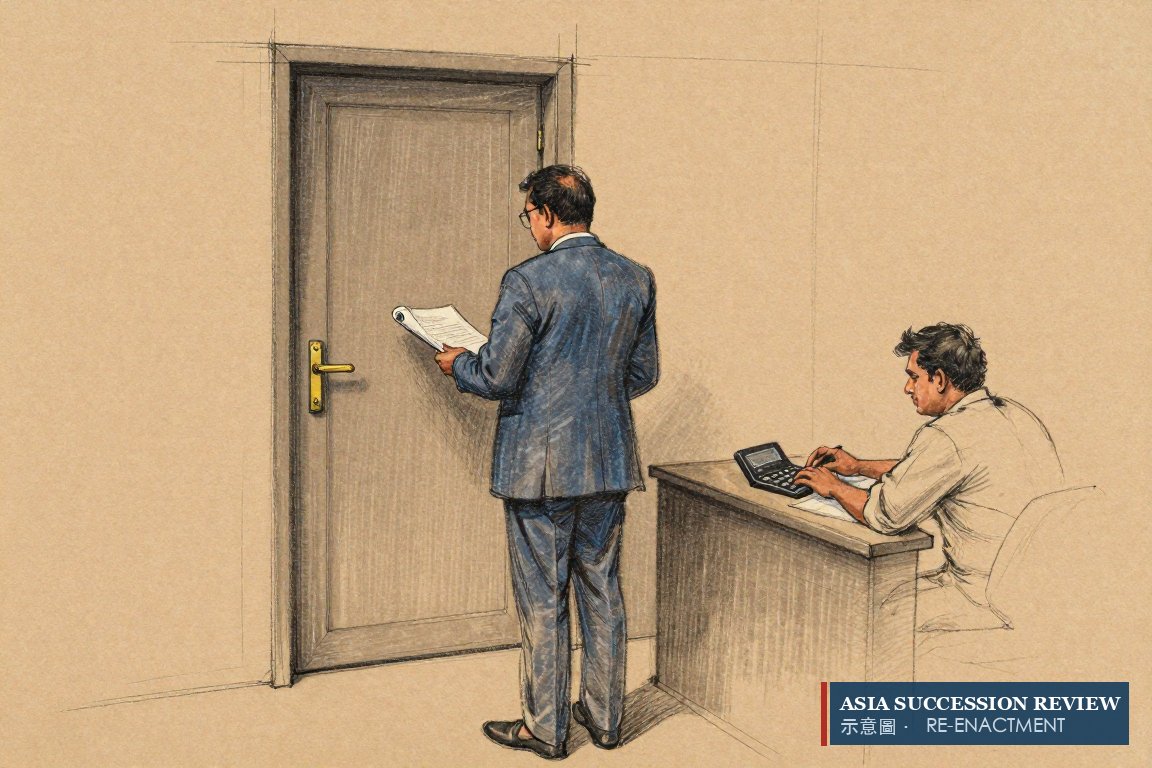
The central bank's 2022 classification starts a clock toward listing, the one outcome the owner says would destroy the model
Through all of it the regulator's clock runs: the central bank classified the company in 2022, listing follows from the classification, and a listing is the one outcome the owner says would destroy what it exists to protect. None of these is a question about Mr Chandrasekaran. Each is a question the founding documents were expected to answer and did not.
Singapore would let the same charity own the same group and would let the same fight happen — what changes the ending is a deed that says who appoints the trustees and how they decide, a constitution that defines the owner's veto and its own quorum before anyone needs them, and a minority exit priced while everyone was still speaking.
Singapore lets a charity own a group and its trustees fall out, and leaves the appointment rule to the deed
Start where Singapore gives no comfort. A charity or a family foundation can own a holding company here as it does in Mumbai, and nothing in the law stops its trustees from falling out. Section 37 of the Trustees Act 1967, read on Singapore Statutes Online on 19 September 2026, gives the power to appoint a new trustee to 'the person or persons nominated for the purpose' by the trust instrument and, where there is none, to the surviving or continuing trustees. Section 42 lets the court appoint when it is 'inexpedient, difficult or impracticable' to do so without it. The default is self-perpetuation; the deed decides everything else.
A Singapore drafter writes the owner's own succession: fixed seats, staggered terms, a named appointor and a tiebreaker
So the first thing a Singapore drafter writes is the owner's own succession. A fixed number of trustees. Terms, staggered, with an age or a date at which each seat falls vacant. A named appointor, whether a protector, a nominations committee or an independent institution, so that no trustee owes his seat to the colleague he is about to vote against. Grounds for removal, and a majority for it. And the rule the Tata deeds do not appear to contain: what happens when the trustees split, whether by a casting vote, an independent referee or arbitration under the International Arbitration Act 1994.
The Charities Act lets the Commissioner remove a trustee only for misconduct, so the deed needs its own tiebreaker
The Charities Act 1994 shows why the deed cannot leave that to the regulator. Section 23 lets the Commissioner of Charities remove or suspend a trustee only after an inquiry, only for misconduct or mismanagement, and only with the Attorney-General's consent. A Commissioner is a policeman, not a chairman. A deed that relies on him to break a tie has no tiebreaker, which is the position the Sir Ratan Tata Trust found itself in when it could not name a representative for its own company's meeting.
Singapore's Companies Act lets a constitution give the owner's nominees a veto on the chairman, exactly as Tata's Articles do
The second document is the company's constitution, and here Singapore's Companies Act 1967 is deliberately open. Section 157A gives the management of the company to the directors except for the powers 'this Act or the constitution' reserves to the general meeting; a constitution may therefore give a majority owner's nominee directors a veto on the chairman, exactly as Tata Sons' Articles do.
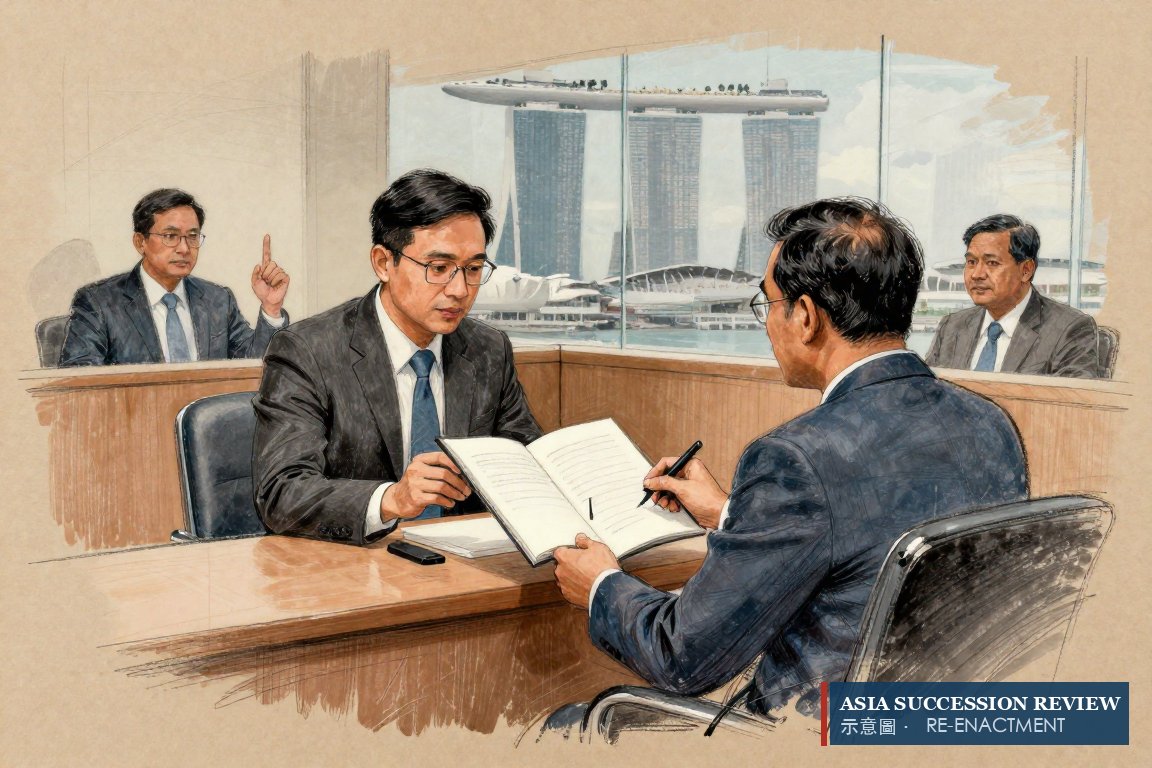
The drafter adds what the Articles lack: a dated end to the term and a committee twelve months before it
What the drafter adds is the definition the Articles lack: that 'appointment' includes re-appointment, or does not; that the chairman's term ends on a stated date; that a selection committee is constituted twelve months before it; and that a chairman's letter declining a further term starts the committee rather than a reversal.
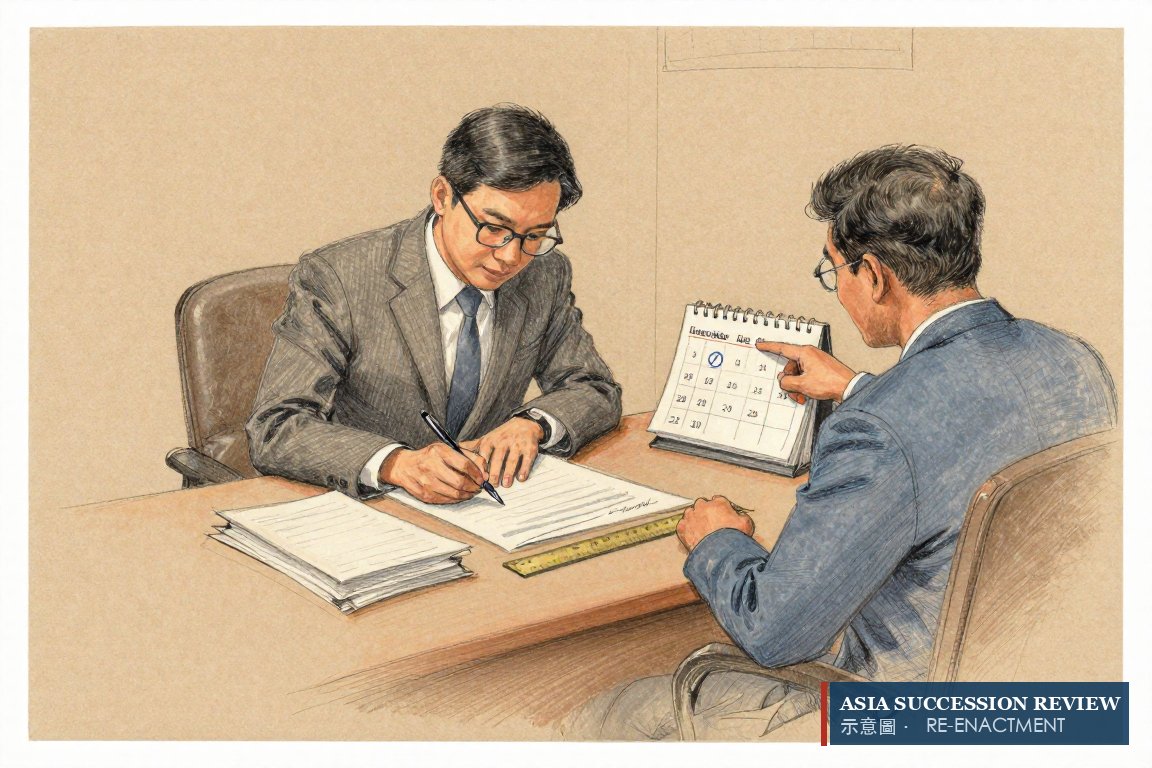
Two members make a quorum unless the constitution says otherwise, so the drafter writes the owner's fallback
Then the quorum. Section 179(1)(a) makes two members personally present a quorum 'so far as the constitution does not make other provision', and section 179(3) lets a corporate member appoint a representative by resolution of its directors. A constitution may require the majority owner's representative for a quorum; a good one adds what happens if that owner cannot act, whether an adjourned meeting with a reduced quorum, a standing representative named in advance, or an obligation on the owner to keep one in office.
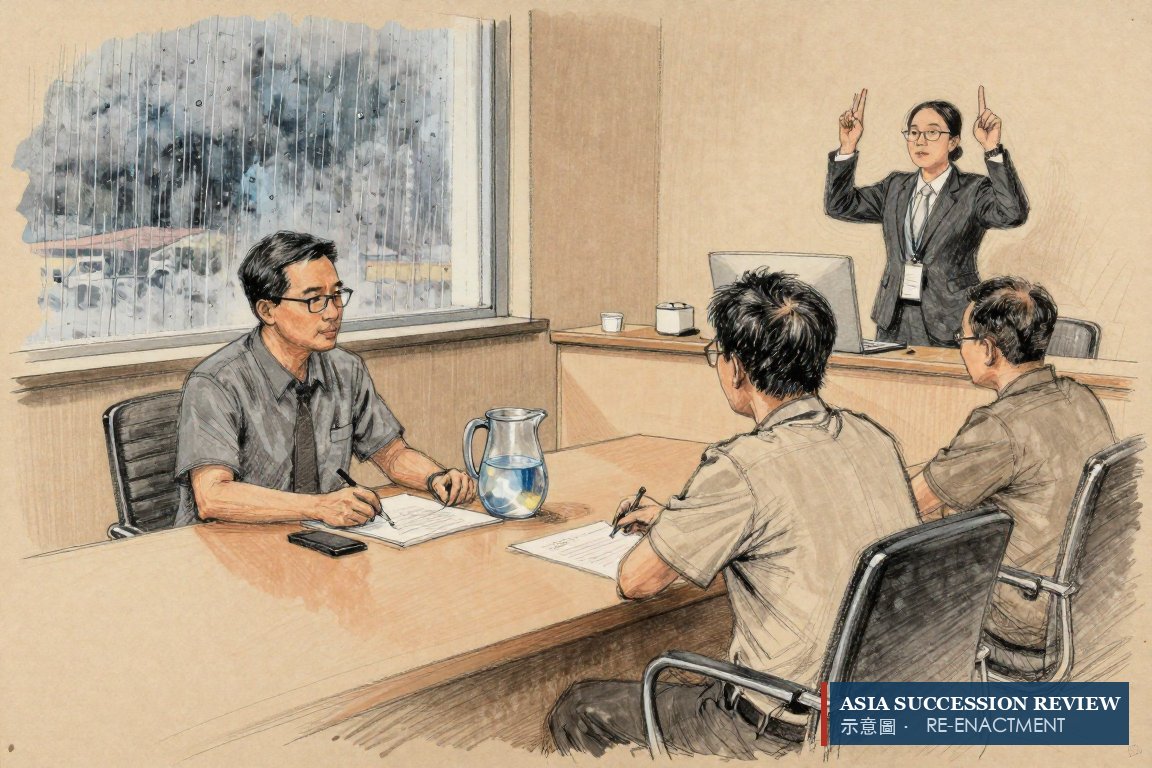
One unwritten sentence lets the owner's paralysis become the company's, and it would have cost a line of drafting
The rule that an owner's inability to hold a trustee meeting must never become the company's inability to hold a shareholders' meeting is a sentence, and it was not written.
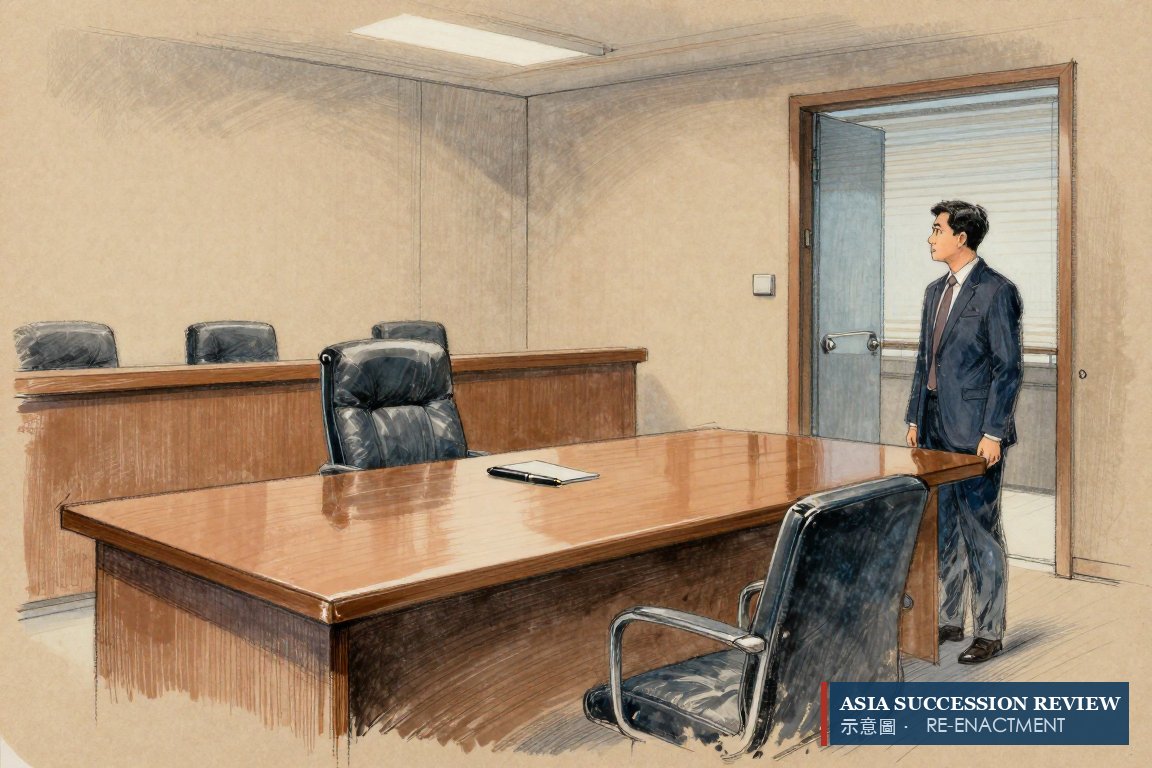
An 18 per cent holder with no written exit reaches for section 216, a public and slow buy-out
The third document prices the minority's door. An 18 per cent holder with no written exit reaches, in Singapore, for section 216: a member may apply to the court where the company's affairs are conducted 'in disregard of his interests as a member', and the court may order that his shares be bought by the other members or the company itself. That remedy is public, slow and blunt.
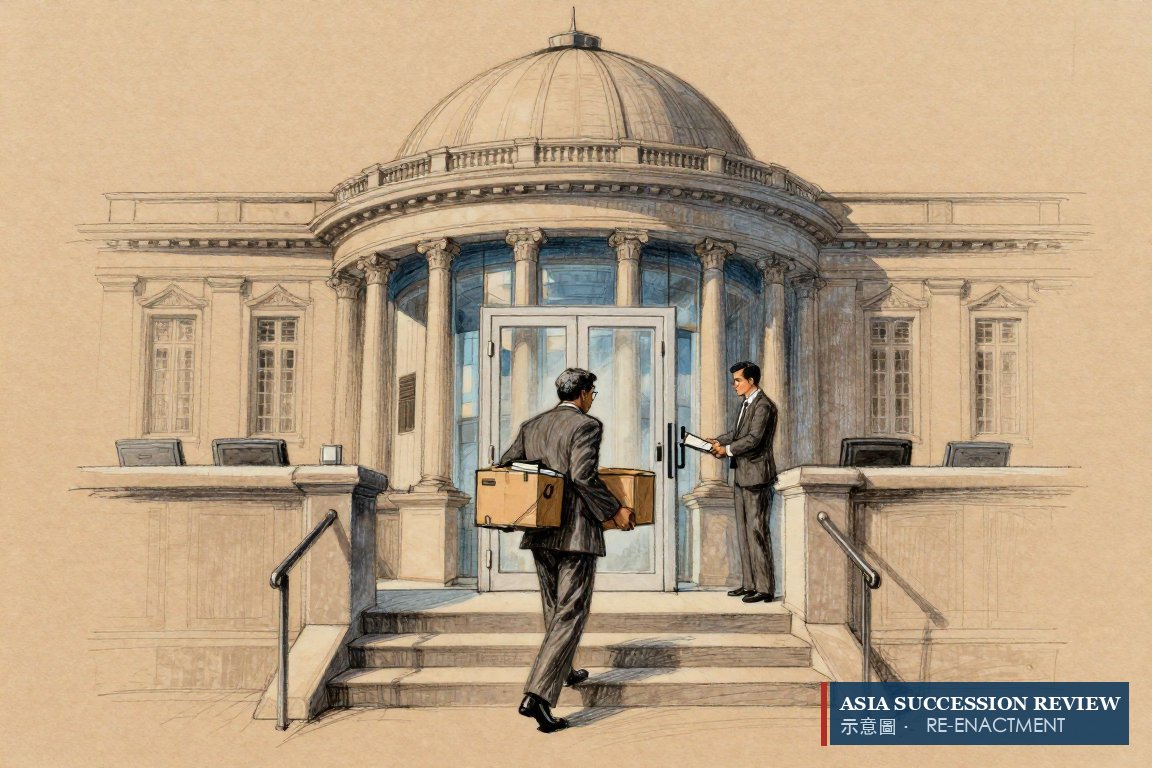
A shareholders' agreement signed while the families still spoke fixes the formula and the funding years before anyone needs them
A shareholders' agreement signed when the two families were still speaking would have set the valuation formula, the tranches and the funding source years before anyone needed them. The proposal tabled on 17 September, at a tax-rule valuation, in two tranches over eighteen months, is that clause, drafted during the argument instead of before it.
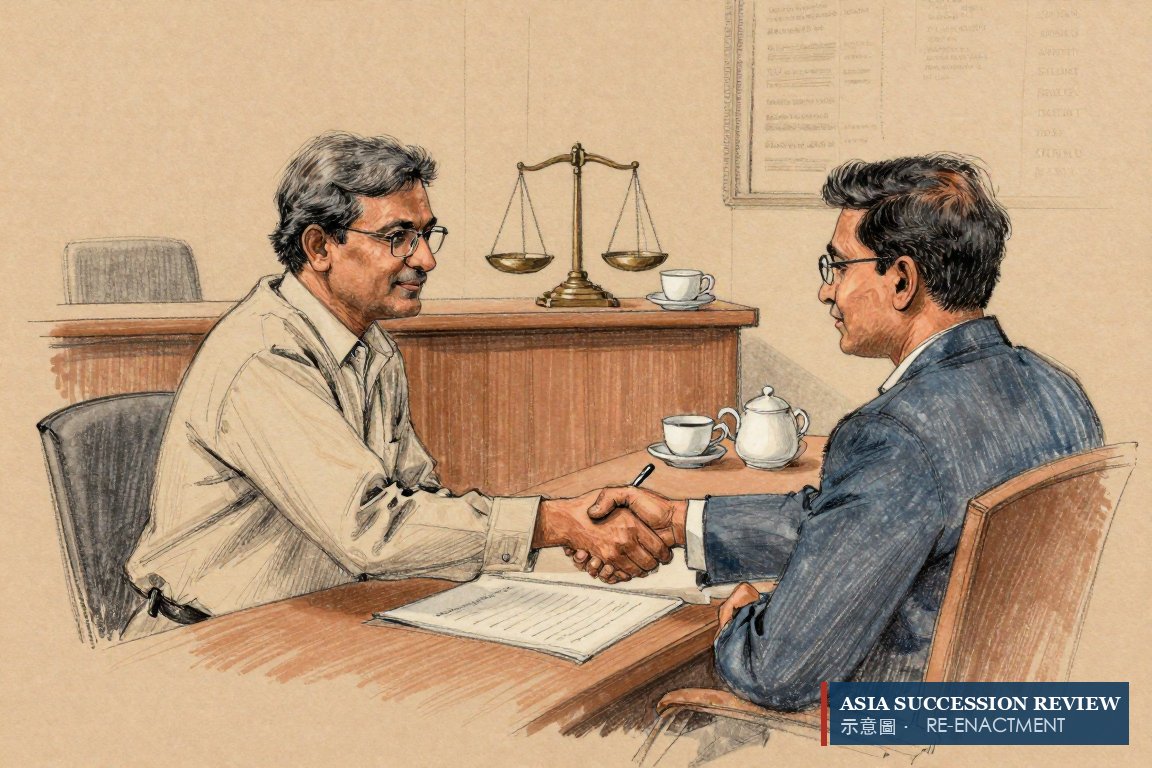
India's Articles, its Companies Act and its Charity Commissioner decide the 17 September vote, and Singapore has nothing to say
Now the honest limits, which are large. Tata Sons is an Indian company governed by its Articles, India's Companies Act 2013 and, for the Trusts, the Maharashtra Public Trusts Act 1950; the Charity Commissioner in Mumbai and the tribunals in India will decide whether the 17 September vote stands, and no Singapore instrument has anything to say to Bombay House. The regulator's clock is India's too. Singapore has no rule forcing a private holding company to list, but that is not a solution to Tata's question, only an absence of it.
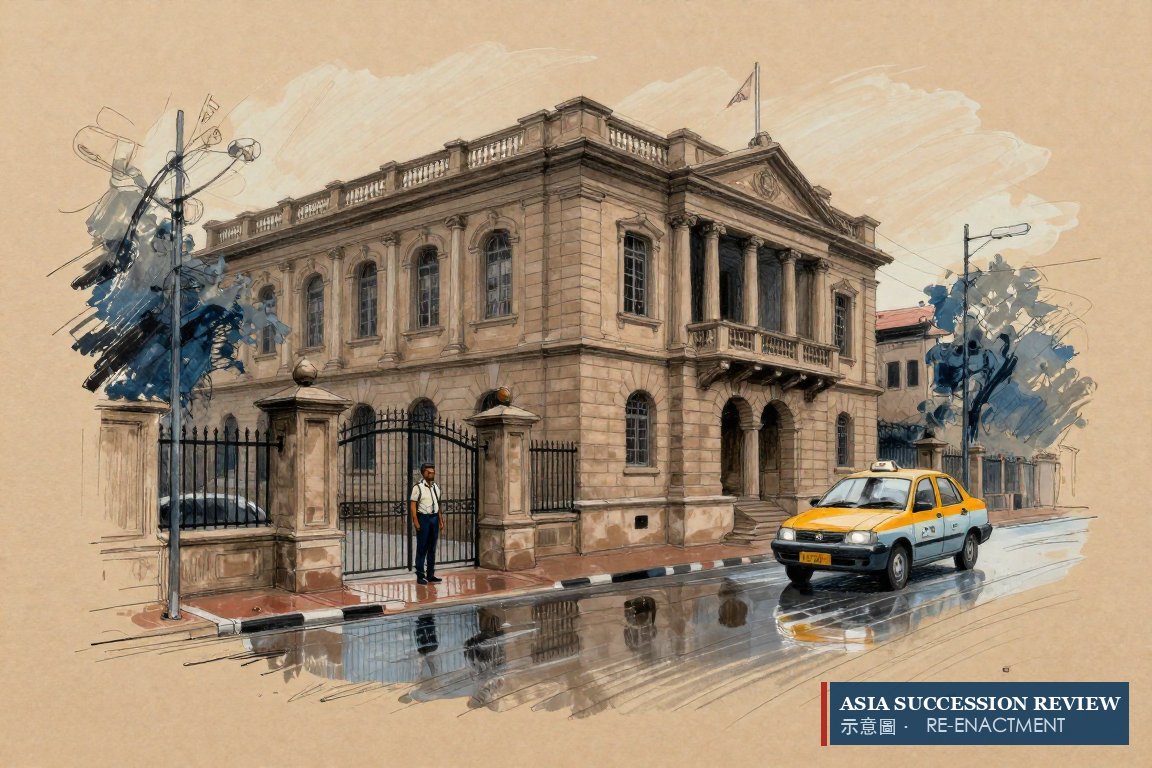
Noel Tata says two questions must not become each other's argument, and dated protocols keep them apart
What travels is the diagnosis. Noel Tata told the board that the regulator's question and the leadership question 'do not answer one another' and asked that 'neither be permitted to become the argument for the other'. That is a drafting principle, and the cure for it is dated protocols: a chairman's term with a known end, a committee with a known start, a trustee's seat with a known expiry, an exit with a known price. A structure that has those runs its transitions on the calendar. A structure that does not runs them on the news.
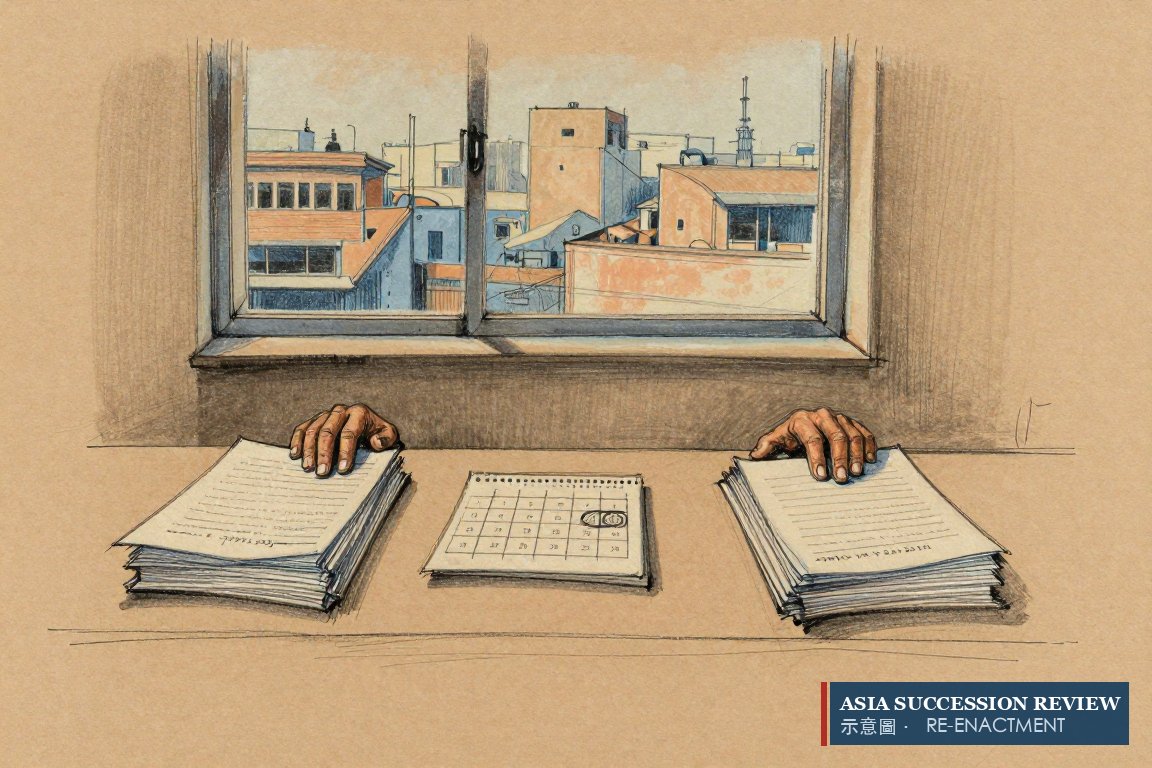
An Asian founder puts the group under a foundation, and the foundation still needs a succession plan of its own
For the family this newspaper writes for, the map is direct. Many Asian founders now intend the same thing the Tatas did: to put the operating group under a foundation so that it will never be divided by inheritance. That works for the inheritance and does nothing for the succession, because a foundation is an owner, and an owner needs a plan for itself.
The founder answers Mumbai's four questions while he can: who appoints, how they decide, where the veto ends, who buys
The questions to ask while the founder can still answer them are the four Mumbai is litigating: who appoints the trustees when one goes; how they decide when they split; where the owner's veto over the board begins and ends, in words; and how a minority leaves, at what price, from what money.
The heir outside the room asks four questions, and a family that answers them has the plan Tata Sons lacks
And for the person outside the room, the list is short. Is there a written rule for replacing a trustee, or do the survivors choose? Is the chairman's term dated, and who starts the search? Can one shareholder's absence stop the annual meeting? Is there a price for a branch that wants out? A family that can answer all four has a succession plan. A family that cannot has, as Tata Sons has this week, a set of documents that were never asked the question until the day they had to answer it.
Tata Trusts, the 66 per cent owner — a veto on the chairman they say the board ignored, a regulator's order stopping one trust's meetings, and a listing they say would destroy the model; under a Singapore deed, a written rule for appointing and replacing trustees and a tiebreaker that is not a Charity Commissioner
N. Chandrasekaran, the chairman — a five-year re-appointment by four votes to one that the majority owner calls a nullity, and a seat as director still to be confirmed by a meeting that could not sit; under a dated protocol, a term ending on 20 February 2027 with a selection committee constituted a year before
Noel Tata, the dissenting nominee director — a statement in the minutes, a former Chief Justice's opinion the board did not take note of, and the argument that the cart is before the horse; under a constitution that defines appointment and quorum, no argument to have
The Shapoorji Pallonji group, 18 per cent — a proposal for Rs 25,000 crore over eighteen months tabled in the middle of the dispute; under a shareholders' agreement, a formula, a timetable and a funding source signed years earlier — or, failing that, a section 216 application
The hospitals, universities and programmes the Trusts fund — an owner whose dividends depend on a group that lost a third of its profit in a year and whose trustees are before a state commissioner; under a deed with staggered terms and an appointor, the same purposes with a quieter owner
The reader with a foundation of his own — the four questions: who replaces a trustee, how a split is broken, where the owner's veto ends, and what the minority's door costs
A counterfactual, not advice. The verified machinery is on the Singapore page; where your family stands is the briefing.
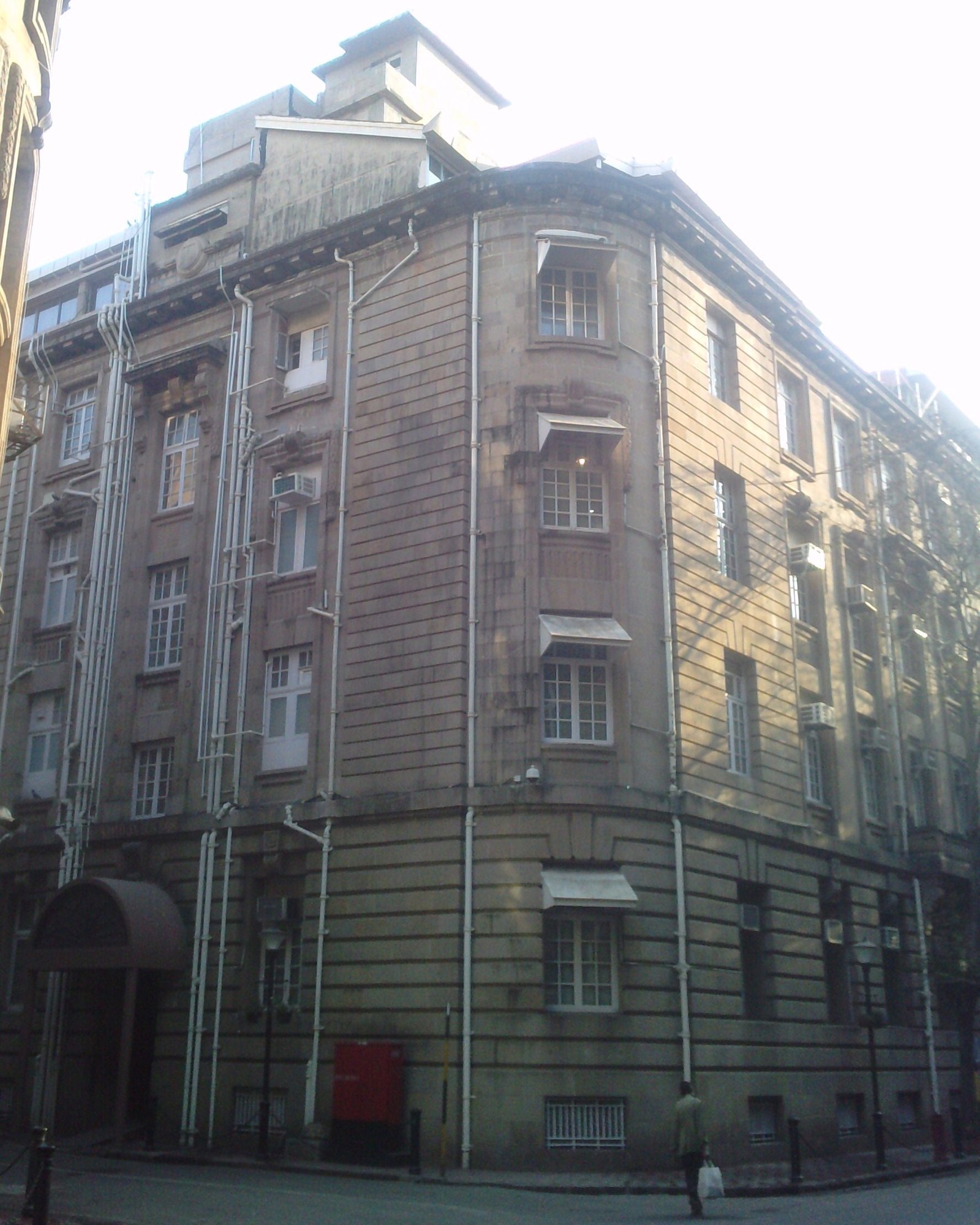
From the case files: When the heir is a charity: Nina Wang's Chinachem, and the twenty years it took to decide who held it