Chinachem's Nina Wang: a four-clause will, HK$141 billion, and twenty-seven years in court
Nina Wang 龔如心 spent six years proving her husband's will was genuine, and was arrested along the way. Then she wrote her own — by hand, without a lawyer, four clauses on one page. Nineteen years after her death the estate is still with the administrators a court appointed in 2007, the foundation she built was ruled unfit to be its trustee, and the prize she asked for has never been created.
Read this in: EN · 简体 · 繁體 · ไทย · ID
Kidnappers take Teddy Wang twice, and the second time his wife pays and never sees him again
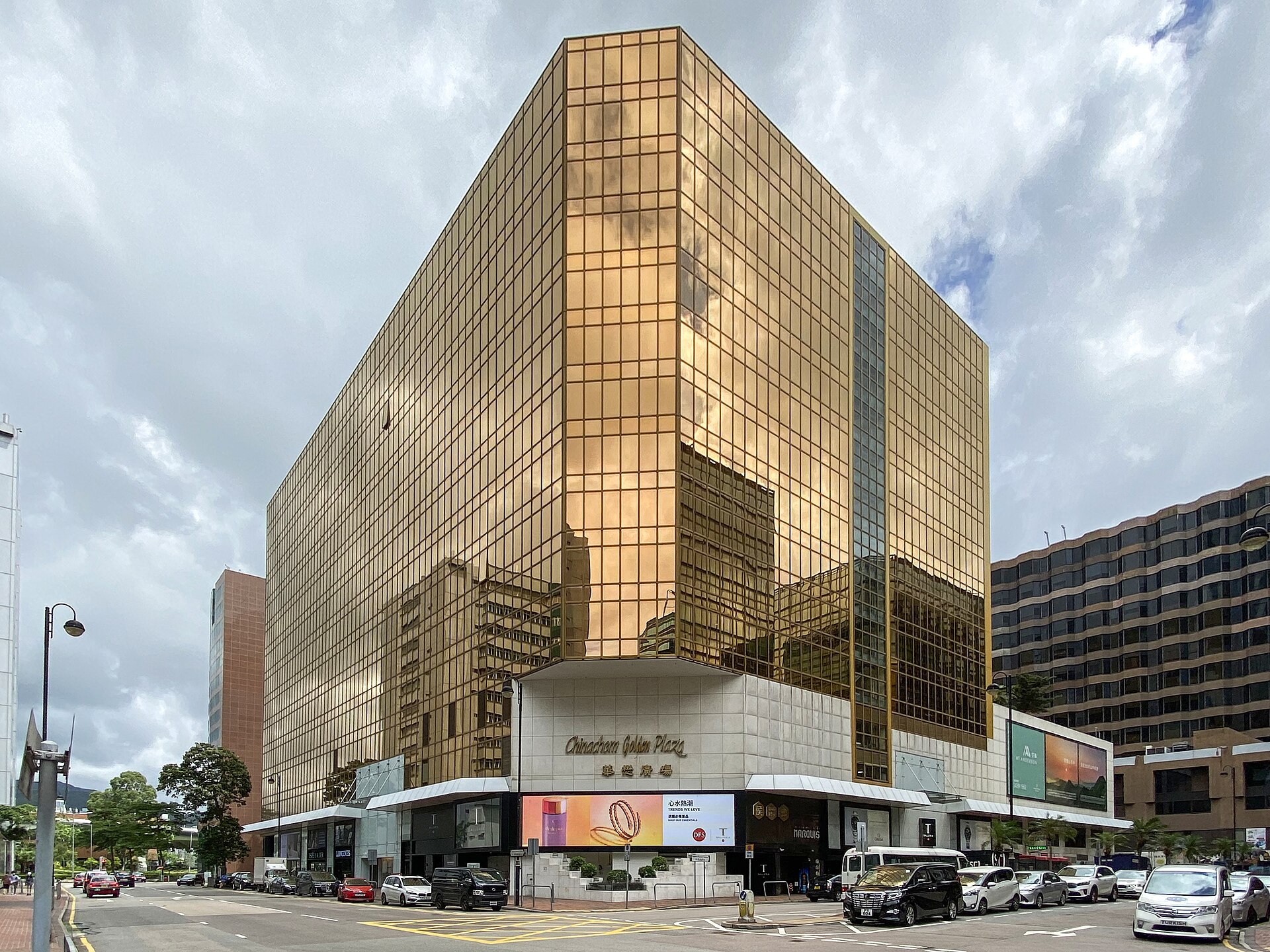
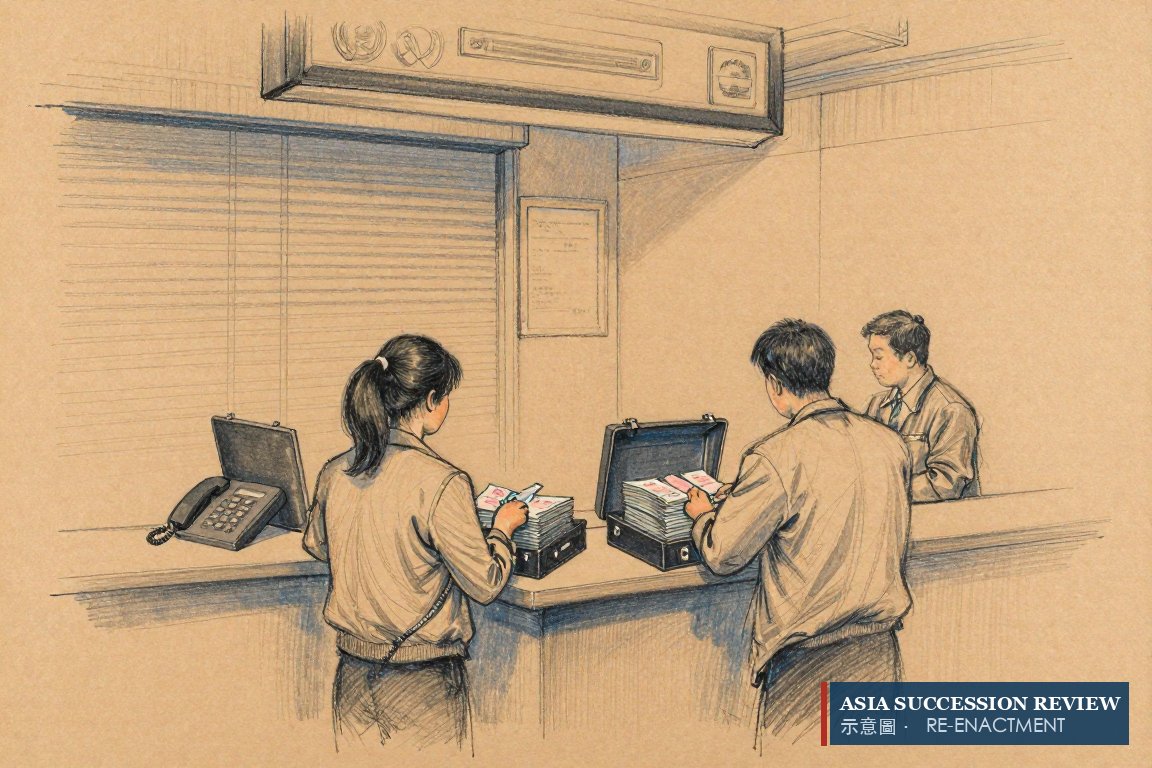
Teddy Wang 王德輝 was kidnapped twice. The first time, in 1983, his wife Nina Kung 龔如心 was taken with him and released to raise the money; she paid a ransom of HK$75 million and got him back. The second time, on 10 April 1990, the kidnappers demanded US$60 million, took about half of it, and then stopped making contact. He was never seen again. Nina ran the Chinachem 華懋 property group alone for the next seventeen years and made it one of Hong Kong's largest developers.
The father-in-law sues for a 1968 will giving him everything, and the widow answers with a handwritten 1990 sheet
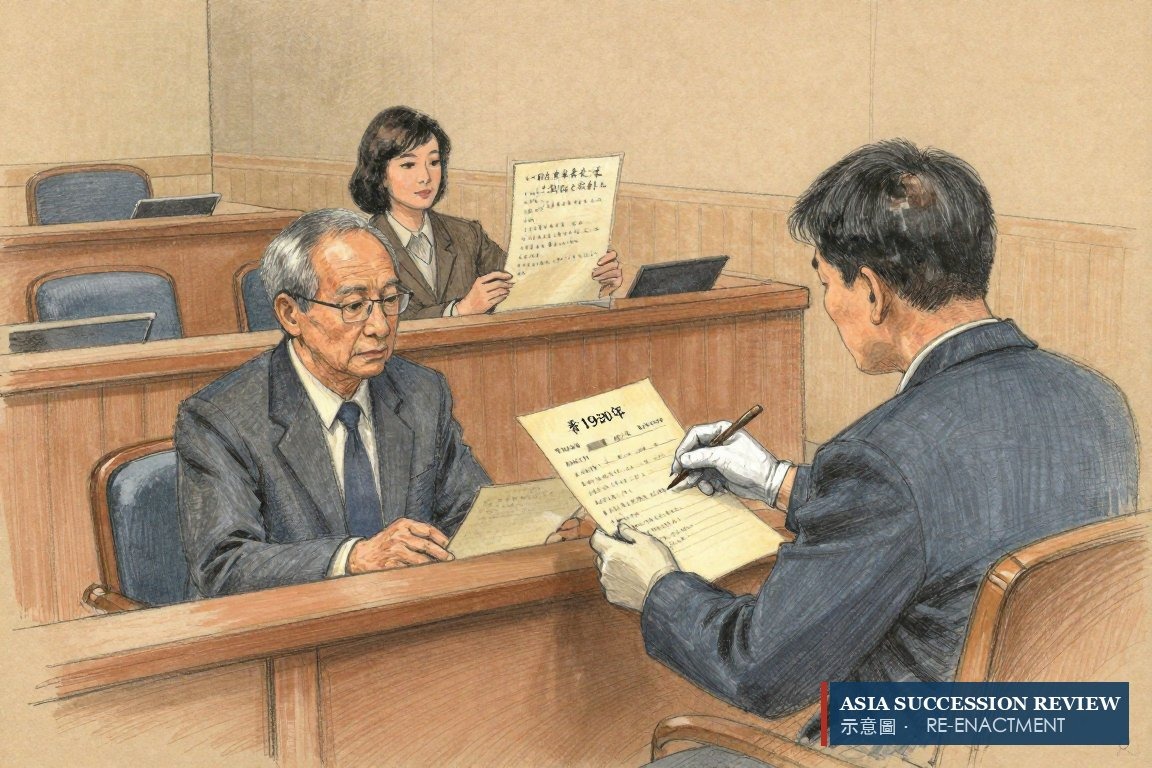
On 22 September 1999 the High Court finally granted his father, Wang Din Shin 王廷歆, leave to swear to his son's death, and two days later the father sued for probate of a will dated 15 March 1968 that left him the entire estate. Nina produced a different sheet of paper: a Chinese-language will dated 12 March 1990 — signed, she said, on the day Teddy discharged himself from hospital after a riding accident, four weeks before he disappeared.

A 172-day trial calls her will a forgery, and three weeks later the police arrest her
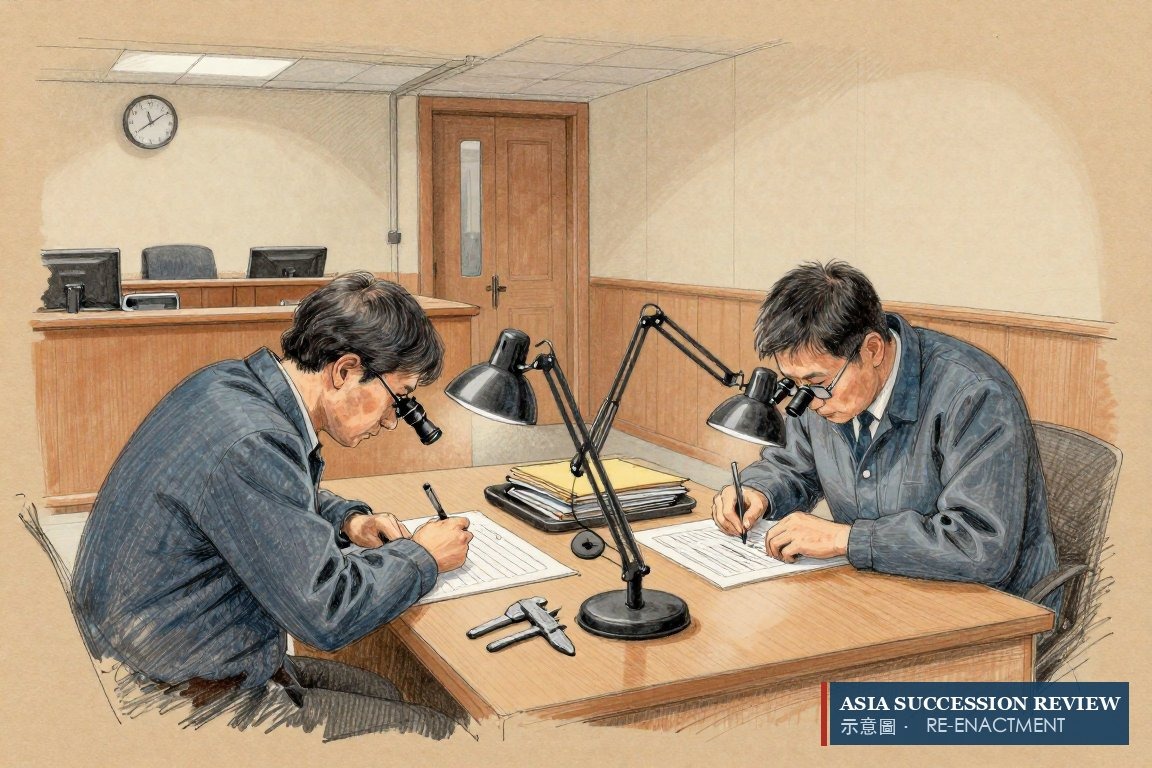
Deciding whose signature was on that sheet took 172 days of trial over fourteen months. On 21 November 2002 Yam J held the 1990 will a forgery, granted probate of the 1968 will and ordered Nina to pay 85 per cent of the costs on an indemnity basis. Three weeks later, on 12 December 2002, she was arrested by the Commercial Crime Bureau after some twenty hours of questioning and released on HK$5 million bail. The Court of Appeal dismissed her appeal by a majority on 28 June 2004.
Hong Kong's top court clears her in 2005, after Asia's richest woman spends three years as a criminal suspect
On 16 September 2005 the Court of Final Appeal allowed it, set aside the orders below, and admitted the 1990 will to probate — holding that the trial judge had reversed the burden of proof and weighed the evidence against her from the start. Six years, one document, and the woman the court described as reputed to be the richest in Asia had spent three of those years as a criminal suspect.
While waiting for that judgment she writes her own will in Chinese, four clauses, no lawyer in the room
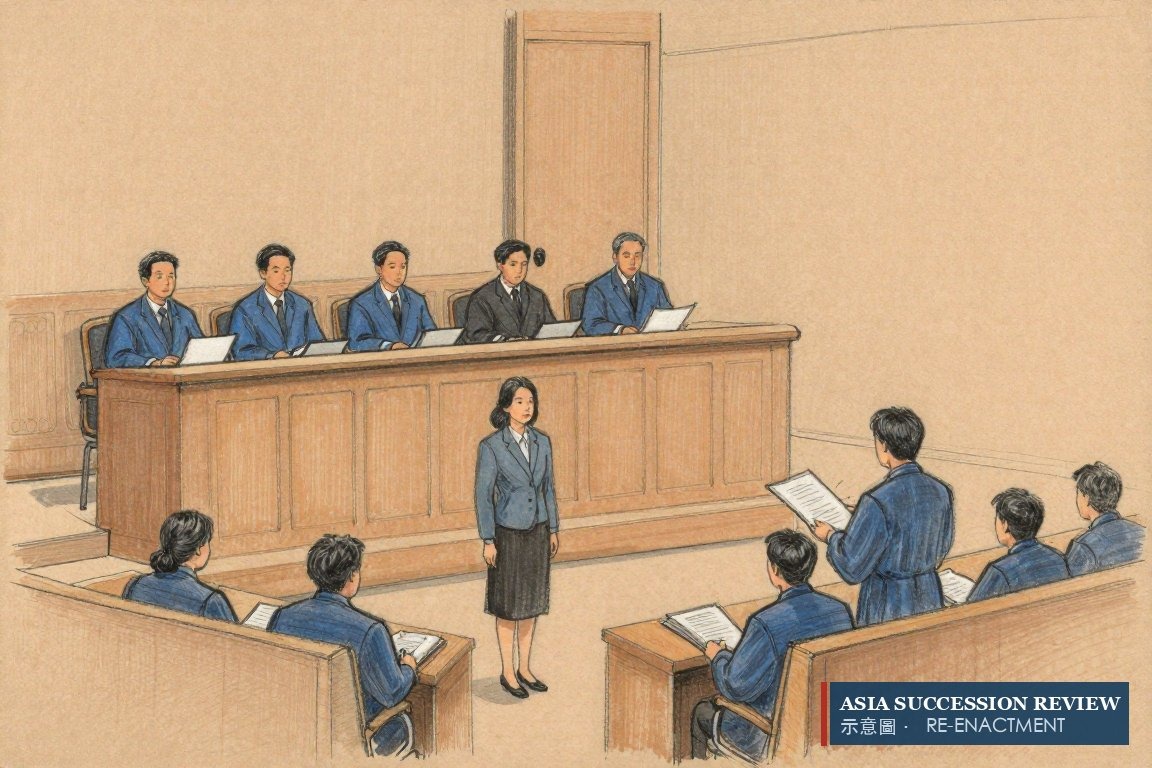
She had, by then, already written her own will. On 28 July 2002 — four months before Yam J's judgment — Nina wrote it in Chinese, without a lawyer, helped by her sister. It ran to four numbered clauses. Clause 1 left everything to the Chinachem Charitable Foundation 華懋慈善基金, the company she and Teddy had incorporated in 1988.
She asks the UN chief and China's premier to supervise her charity and fund a Chinese Nobel prize
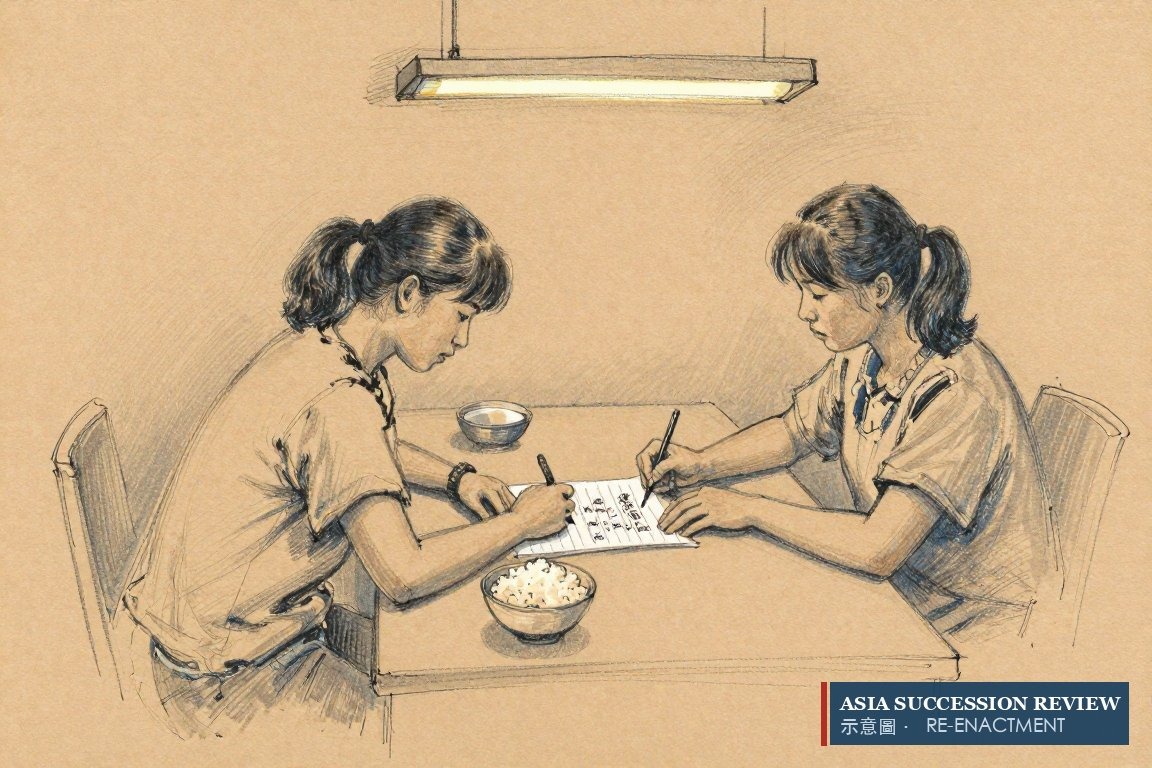
Clause 2 asked that the Foundation be placed under a managing organisation formed jointly by the Secretary-General of the United Nations, the Premier of the PRC Government and the Chief Executive of Hong Kong, and that it establish a fund and a Chinese prize of worldwide significance similar to that of the Nobel Prize. Clauses 3 and 4 dealt with running the group and with providing for Teddy's parents, his siblings and their children, and the staff of the Chinachem Group. She died on 3 April 2007. Two days earlier she had appointed her brother and two sisters as governors of the Foundation.
A fung shui master produces a 2006 will making himself sole heir, and a judge calls it a forgery
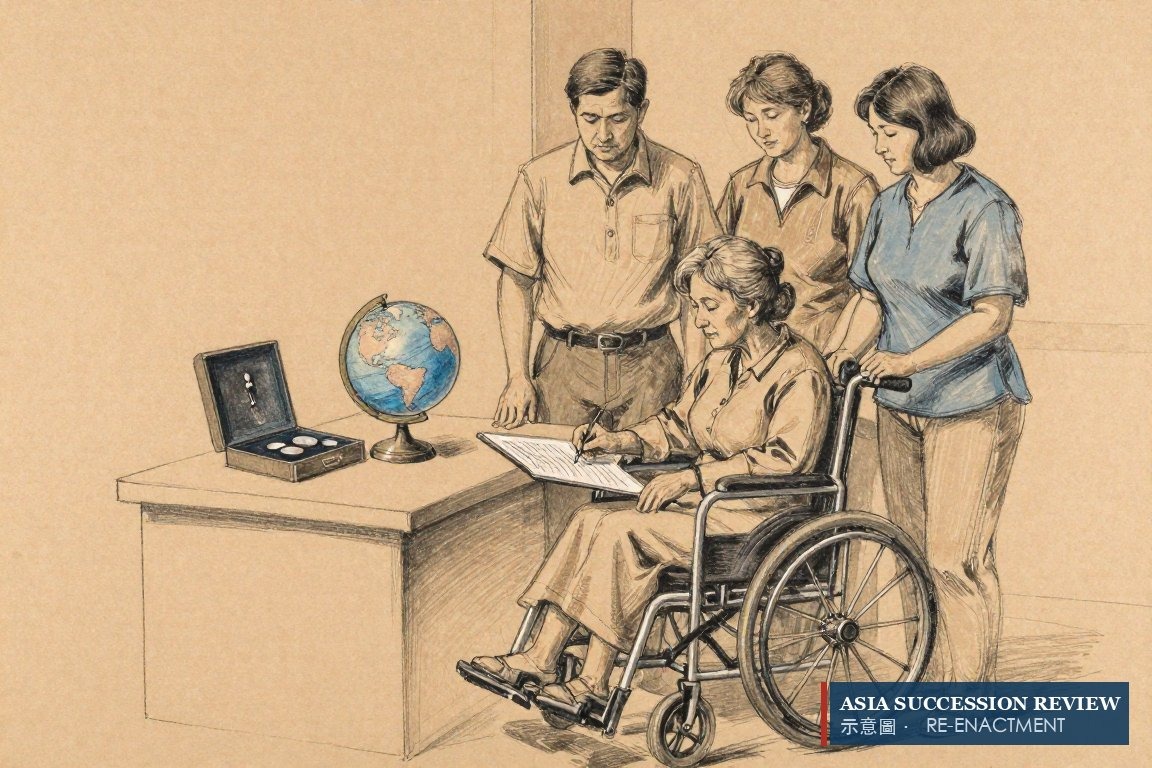
Within months a fung shui practitioner, Chan Chun Chuen 陳振聰, produced a will dated 16 October 2006 naming himself sole beneficiary of everything. The Foundation sued in HCAP 8/2007, and after a 40-day trial Lam J held on 2 February 2010 that the 2006 document was a forgery and pronounced for the 2002 will. The Court of Appeal dismissed Chan's appeal on 14 February 2011; the Court of Final Appeal refused him leave on 24 October 2011.
A jury sends him to prison for 12 years, and the foundation bankrupts him over HK$28 million of costs
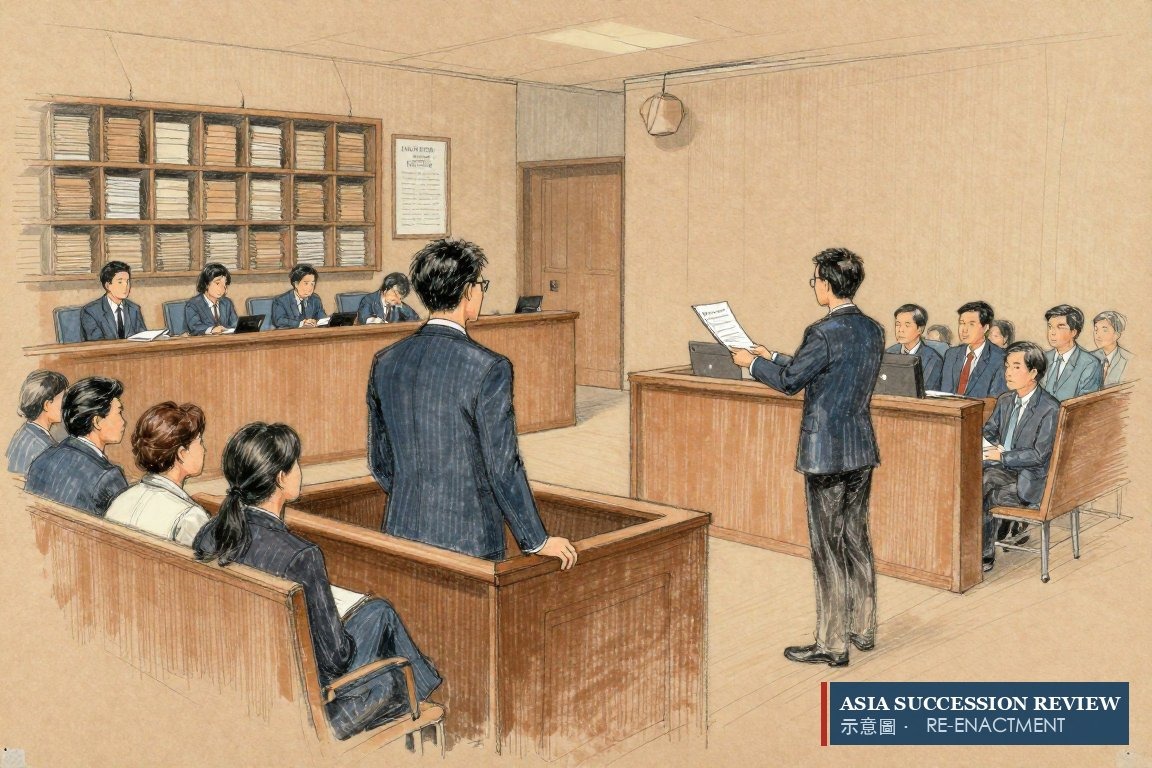
A jury convicted him of forgery and of using a false instrument on 4 July 2013 and he was sentenced to 12 years; the Court of Appeal refused leave to appeal on 30 October 2015. On 13 August 2021 the Foundation obtained a bankruptcy order against him over HK$28,391,452.45 of unpaid taxed costs.
The courts read her four clauses and rule the foundation only holds the fortune, owning none of it
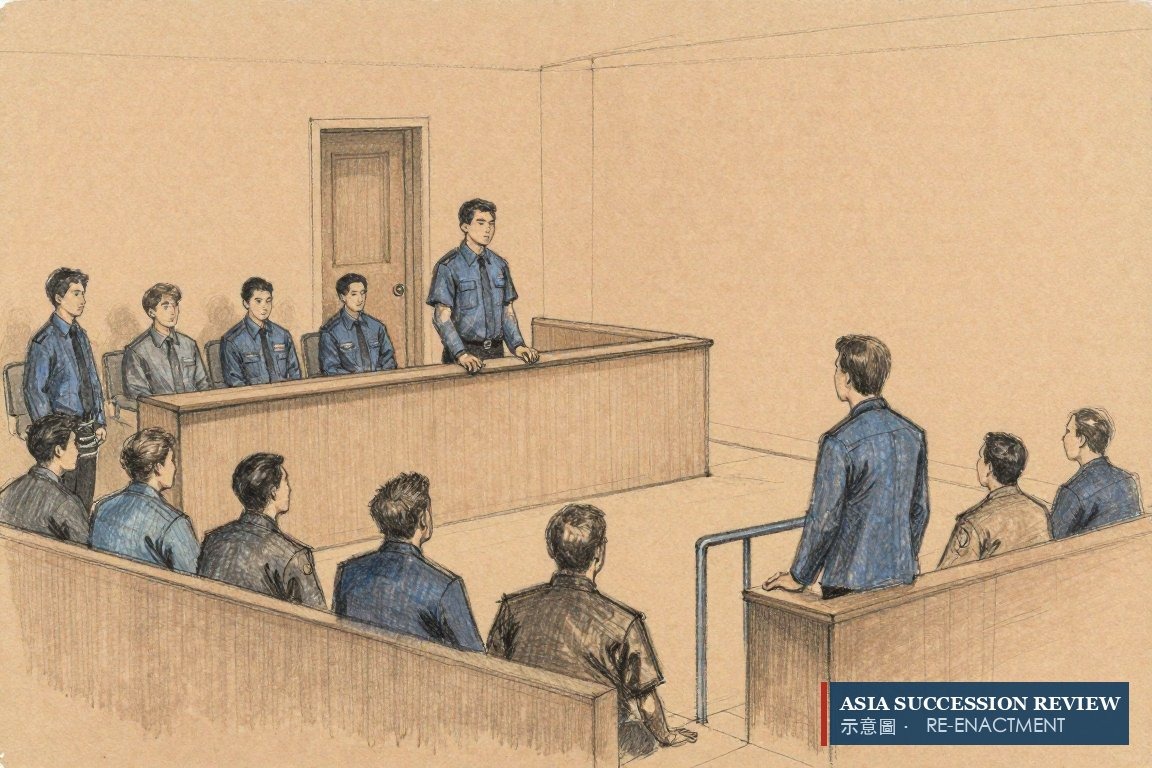
That was the second war. The third was over what the four clauses meant. In May 2012 the Secretary for Justice, as protector of charities, asked the court to construe them. Poon J held on 22 February 2013 that the Foundation took as trustee and not as owner; the Court of Appeal agreed on 11 April 2014; and on 18 May 2015 the Court of Final Appeal dismissed the Foundation's appeal — the Foundation would hold the entire estate as trustee, receive no part of it as an absolute gift, and the court would settle a scheme of administration. Settling that scheme took another nine years.
A judge finds the foundation insolvent and pledging HK$10 billion from an estate it does not own
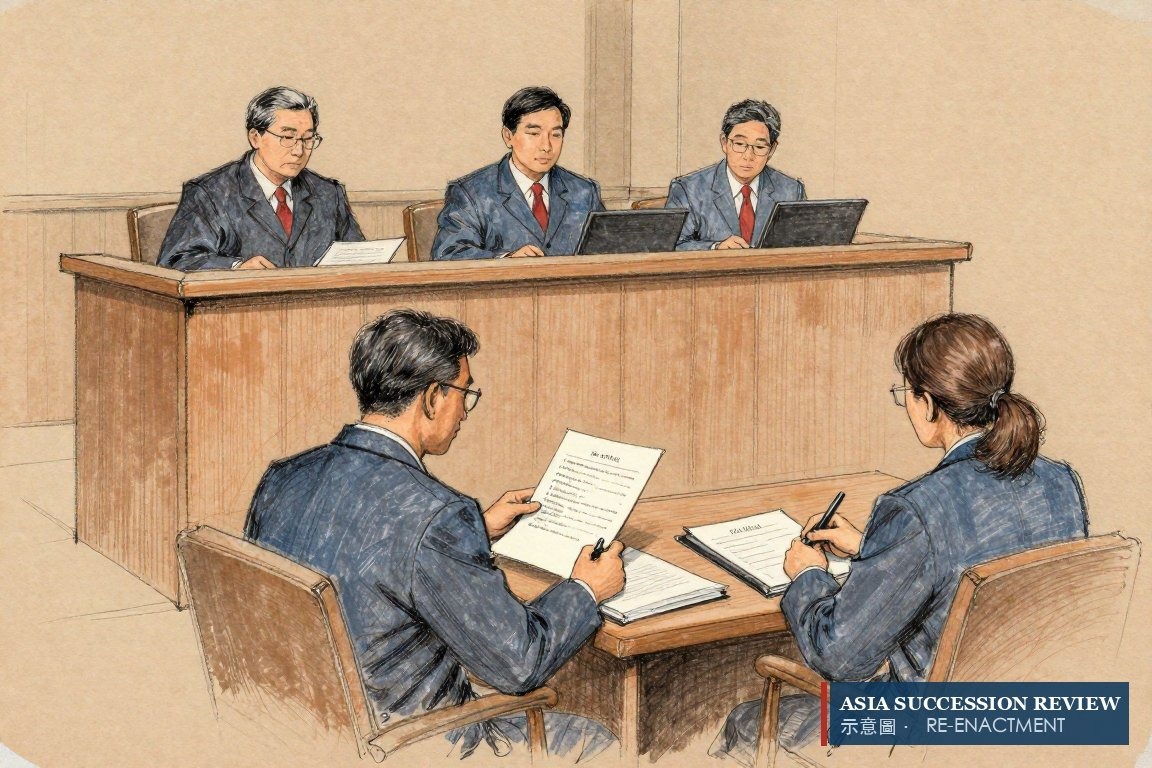
On 21 October 2022 Barma JA held that the Foundation was not irreplaceable, imposed a solvency condition and a fit-and-proper condition on its appointment, and recorded why: the Foundation had been balance-sheet insolvent in the 2018 and 2019 financial years, with net deficiencies of just over HK$46 million and over HK$50 million; transactions since Nina's death had exposed the Chinachem Group to some HK$1.6 billion of losses and potential losses; and the Foundation had announced a HK$10 billion pandemic donation out of an estate it had no standing to give away. He also held that the two supervisors Nina had named — the UN Secretary-General and the Premier — are not subject to Hong Kong's jurisdiction and could not be invited to serve.
The court builds a new company to hold her fortune, and none of the supervisors she named can serve
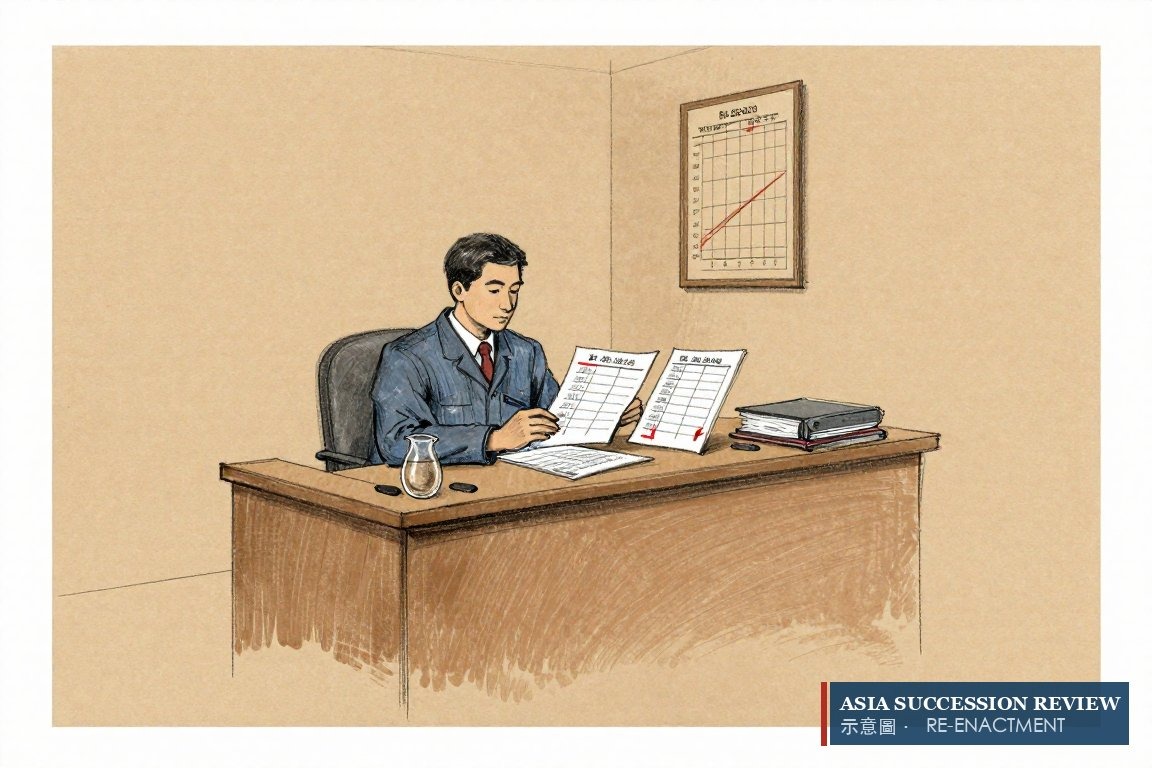
The court approved a scheme on 16 May 2024 and, on 21 November 2024, appointed a purpose-built company, Nina Wang Charity Management Limited, as trustee; a three-member supervisory managing organisation was named, and on 28 March 2025 the trustee's board — five independent individuals and two serving government ministers — was announced. The foundation she and Teddy built is not the trustee of her fortune, and the supervisors are not the ones she chose.
Court-appointed administrators still hold HK$141 billion 19 years on, and the prize she wanted does not exist
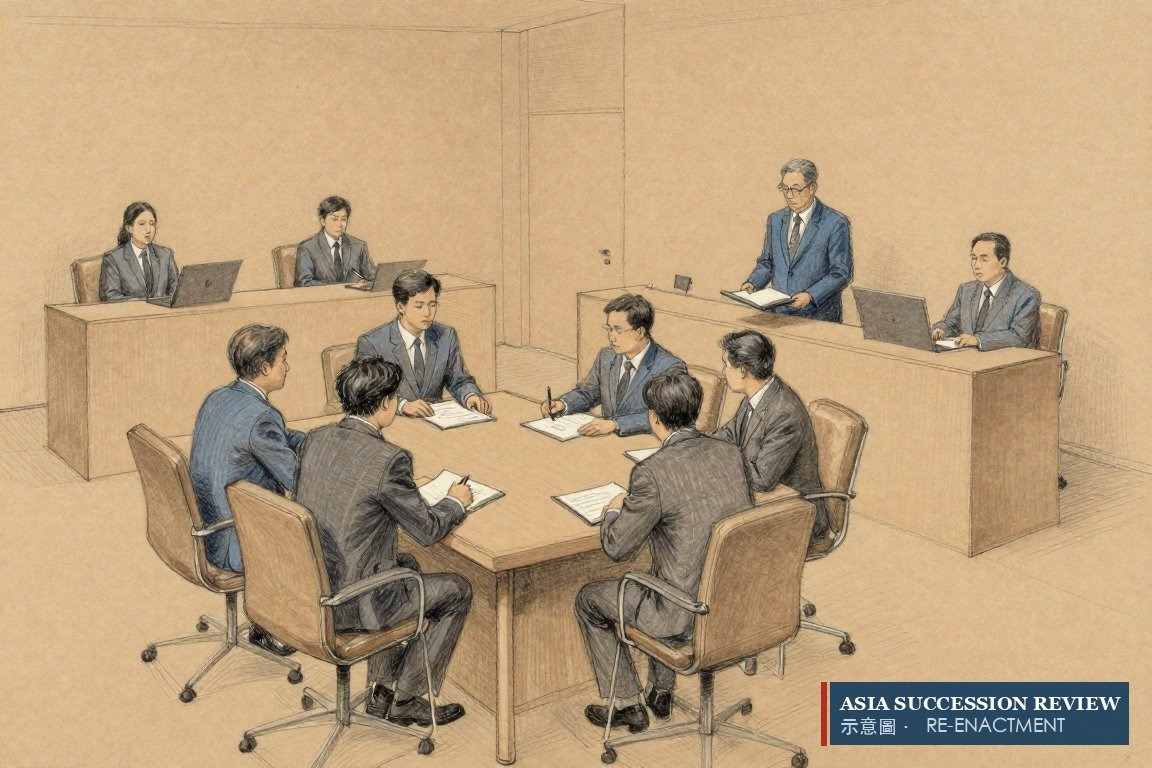
The estate itself has been under court-appointed interim administrators since 10 December 2007, and was still with them when the High Court gave judgment in February 2026. The group shareholding in the estate was valued at some HK$141 billion on a net book value basis as at December 2020 — by the court's own comparison, more than twenty-five years of Hong Kong Jockey Club charitable giving. Over the five years from 2018 to 2022, the Chinachem Group's donations for charitable purposes totalled about HK$55.51 million. The prize has not been created.
In 2026 the foundation sues for its old legal bills and the court throws the claim out with costs
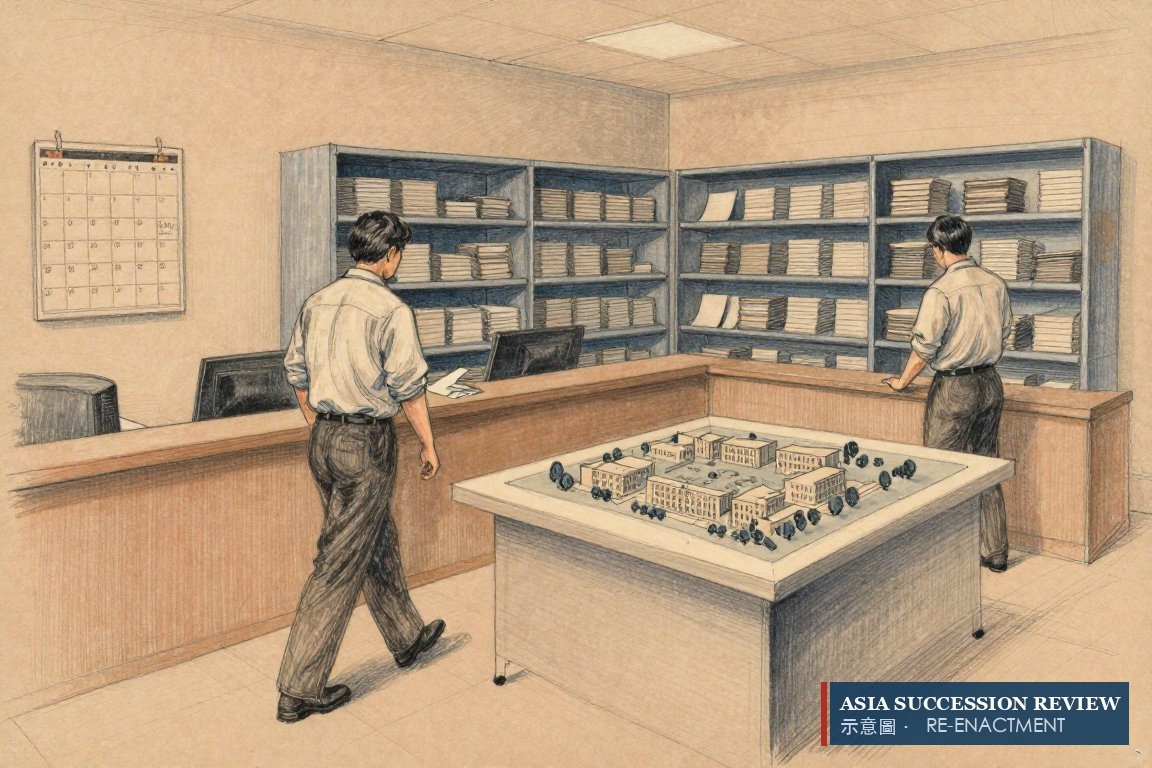
In February 2026 the Foundation was still in court, claiming its old legal costs from the estate, and lost again — the application was dismissed as an abuse of process with indemnity costs against it.
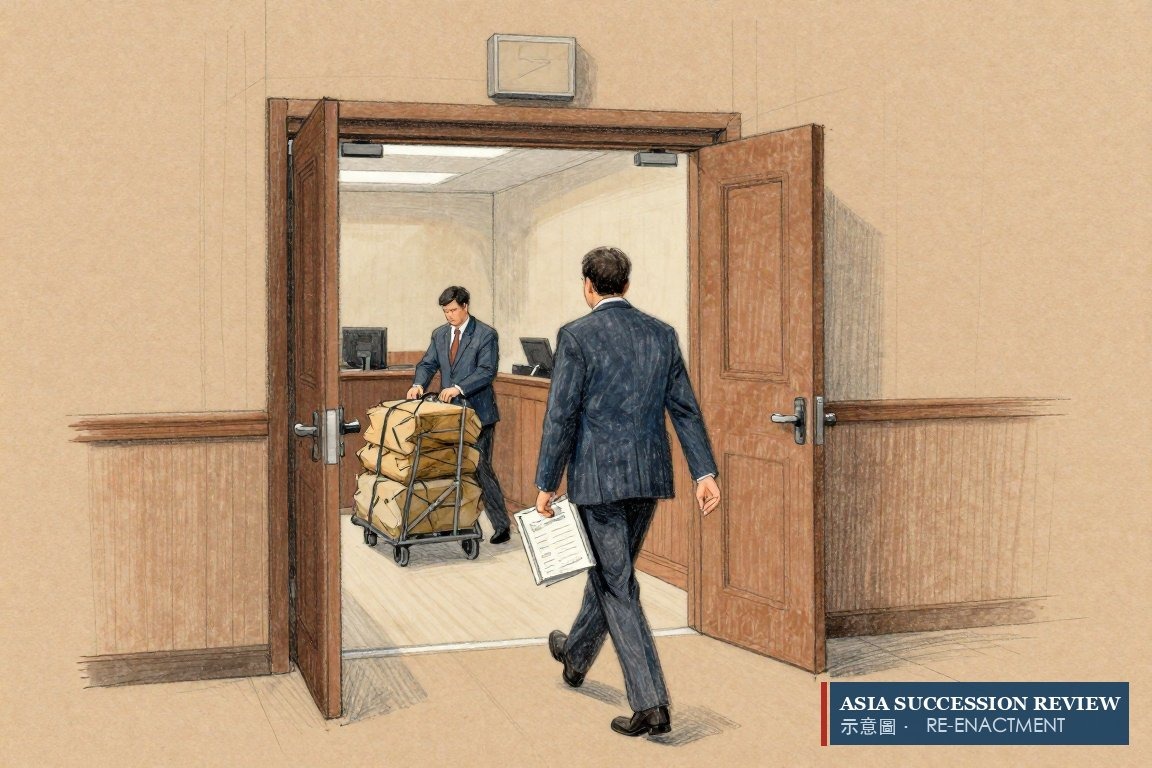
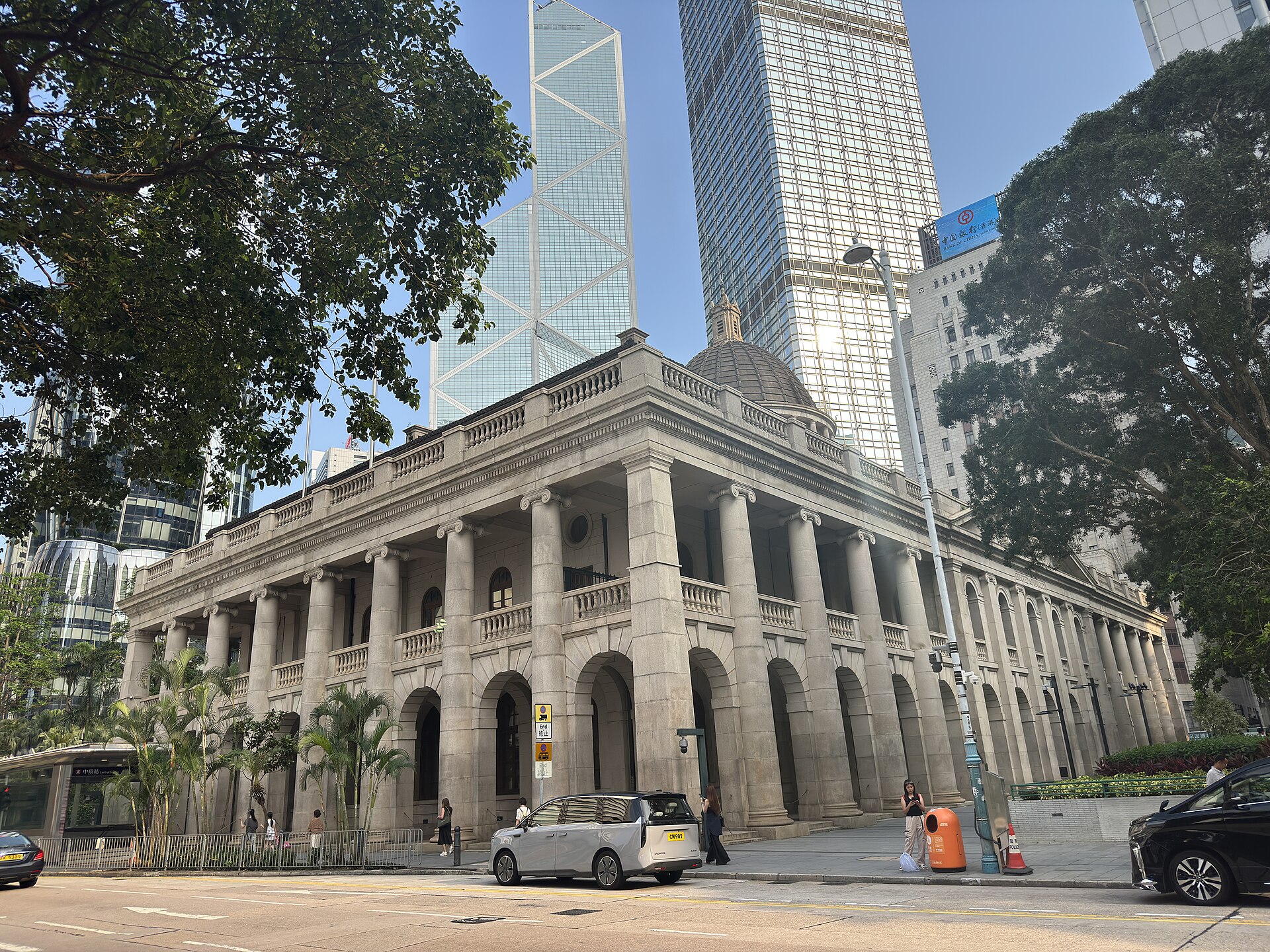
Nina Wang's whole plan was one document, and one document is a target. It can be attacked as a forgery, displaced by a sheet of paper dated later, or — if it survives both — construed differently by three courts and then supplemented by a court-made scheme nine years after that. Because nothing was settled while she was alive, every question she left had to be answered posthumously by litigation: whose signature, which will, what the words meant, who was fit to hold the money. The result is measurable. Nineteen years after her death the estate is still with administrators the court appointed in 2007, the supervisors she named could not be summoned, the foundation she built was found unfit to be trustee, and out of an estate carrying a HK$141 billion valuation the group gave about HK$55.51 million to charitable purposes across five years.
Move the fortune into a trust while you are alive, and write the charity as a deed with a named trustee and a named supervisor — so that when you die there is no single piece of paper left worth forging.
The founder moves the group into a Singapore trust while well, so no paper produced later can reach it
One move, made in good health, changes the shape of everything after. The founder settles the operating group into a Singapore trust during her lifetime, with a licensed professional trustee. From that day the shares are not hers to leave and not anyone's to claim: they are trust property. They do not form part of the estate, they do not wait for a grant of probate, and no document produced after her death can reach them.
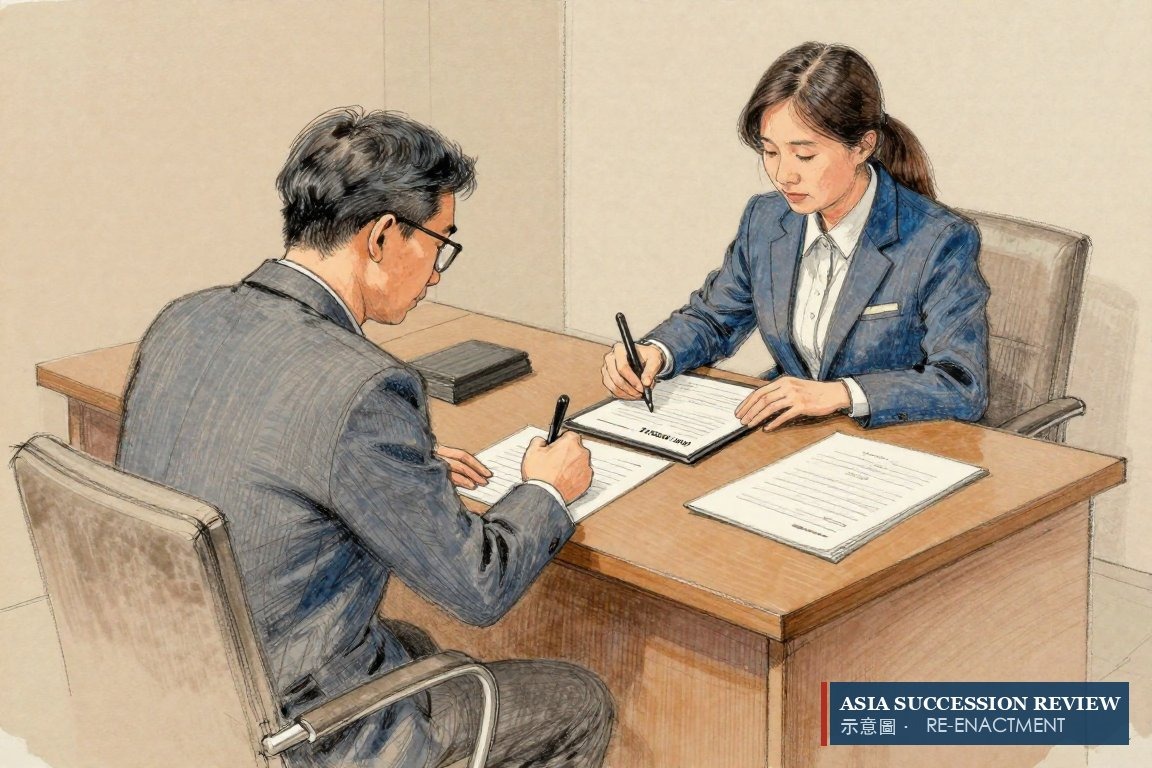
She writes the charity as a deed and names supervisors a judge can actually appoint, not offices in New York
The charity is written the same season, as a deed rather than as a wish — the purposes named, the prize defined by its name, its endowment and the committee that will choose its winners, and the supervisory board identified by office and by person, people a court can actually appoint rather than offices in New York and Beijing that no judge can summon. In Singapore that trust registers under the Charities Act 1994 and is answerable to the Commissioner of Charities from its first day, with the High Court's supervisory jurisdiction in the background from the start. The founder does not need a court to invent a governance structure for her seventeen years after she is gone, because she wrote one and watched it run.
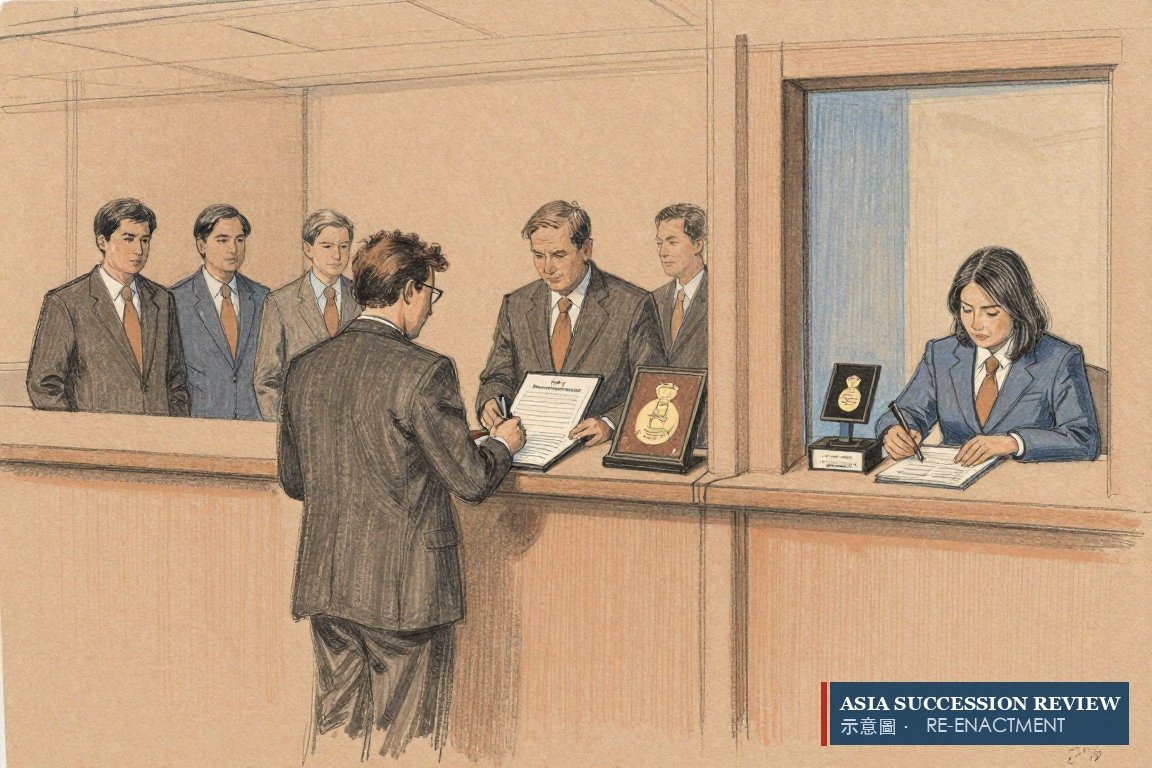
A solicitor drafts the will, two witnesses watch her sign, and a doctor records her capacity the same day
There is still a will, for whatever is left outside the trust, and it is executed so that authenticity is never the battlefield: drafted and attested by a solicitor, signed at the foot in front of two witnesses present at the same time as the Wills Act 1838 requires, with a same-day note from a doctor on capacity, the original lodged in the solicitor's safe custody against a dated receipt, and a signed letter of wishes filed with it explaining the why. Be honest about the limit.
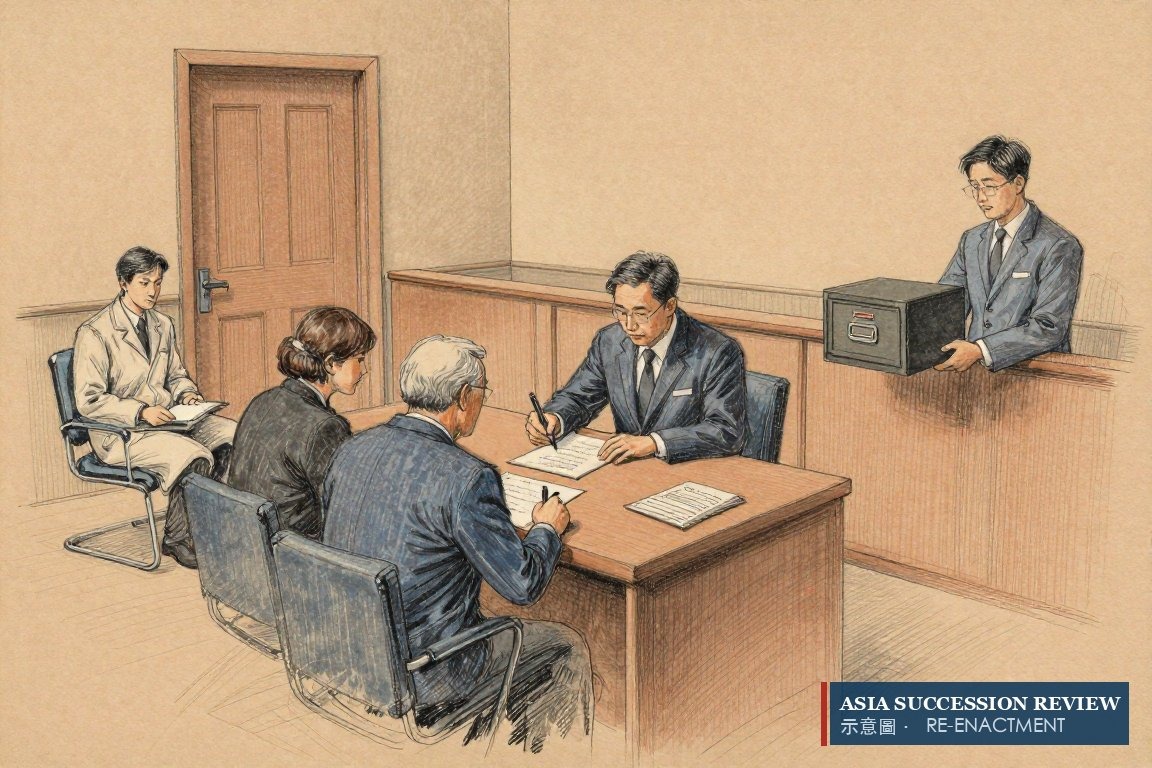
A stranger can still produce a will, but he inherits an empty estate and loses in weeks, not years
None of this stops a stranger from producing a piece of paper — someone can always produce a later document, and the Chan forgery would still have been propounded. What the structure changes is what the forgery can reach, because a forged will can only ever claim an estate and by then there is barely an estate to claim; and how long the claim survives, because a professionally drafted and attested will with a contemporaneous capacity file and a dated custody record is not a forty-day trial. It is a short one.
The founder — the charity running, the prize funded and the trustee working while she is alive to correct them — instead of four clauses that three courts spent thirteen years construing
The charitable purposes — money moving from year one under a registered trust answerable to the Commissioner of Charities — not an estate held by court-appointed administrators since 2007
The family and staff she named — defined entitlements paid by a trustee under a deed — not discretionary hopes attached to a will whose meaning had to be litigated to the Court of Final Appeal
A counterfactual, not advice: real structures need licensed hands and your family's facts.
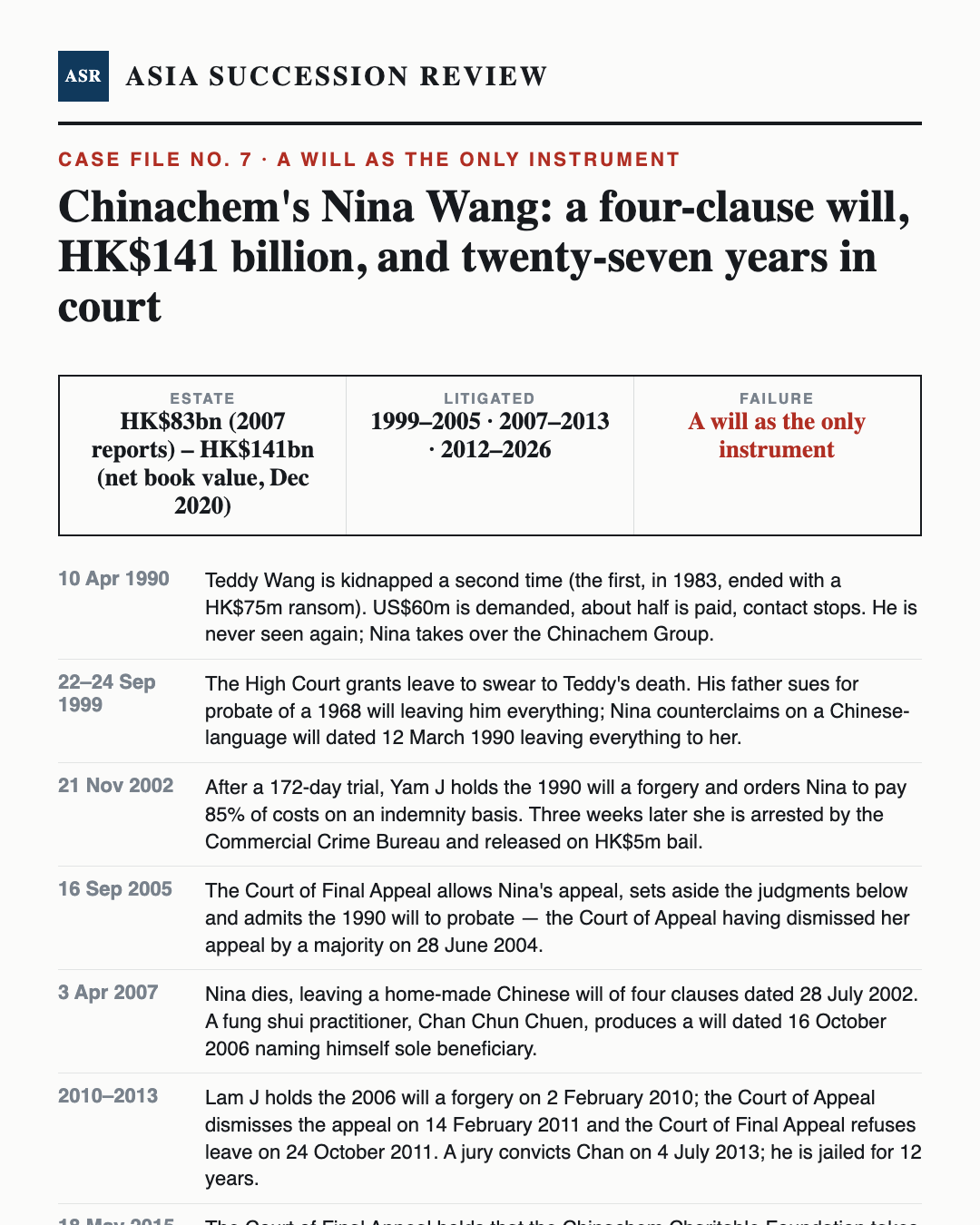
The case in one card — press and hold to save, or forward it as it is.
If your family's whole plan is one document
There is a question worth asking at the next quiet moment: apart from the will, what else exists? If the answer is nothing, then everything — who runs the business, who is provided for, what the family money is finally for — rides on a single sheet of paper that will be read for the first time on the worst day of your lives, by people whose interests have started to differ. A will can be attacked as a forgery, beaten by a document dated later, or simply read in a way nobody in the family intended. What changes when assets are settled during a lifetime, what a professional trustee actually does, and what a properly executed will and a letter of wishes are worth on the day someone contests:
What happens if someone produces a later will after my parent dies?
The later document, if valid, revokes the earlier one — so the fight becomes a fight about whether it is genuine, and it is fought in open court over the whole estate. Chan Chun Chuen produced a will dated 16 October 2006 against Nina Wang's will of 28 July 2002; it took a 40-day trial before Lam J, a judgment on 2 February 2010, a Court of Appeal ruling on 14 February 2011 and a refusal of leave by the Court of Final Appeal on 24 October 2011 to dispose of it, and a separate criminal trial to convict him in 2013. The person propounding a will bears the burden of proving it. That is why assets settled into a trust during a lifetime matter: they are no longer part of the estate, so no later-dated will can reach them.
Is a handwritten will made without a lawyer valid?
It can be. Nina Wang's 2002 will was home-made, written in Chinese with her sister's help, and the courts upheld it as valid. Validity is not the problem — meaning is. Her four clauses required proceedings begun in May 2012, a Court of First Instance judgment of 22 February 2013, a Court of Appeal ruling of 11 April 2014 and a Court of Final Appeal judgment of 18 May 2015 to decide whether her foundation took the money as owner or as trustee, and then a further nine years of hearings to settle who should hold it. In Singapore, section 6 of the Wills Act 1838 requires the will to be signed at the foot by the testator, before two witnesses present at the same time, who then sign in the testator's presence. Meeting that bar makes a will valid; a professional drafting it is what makes it clear.
How long can a contested estate actually take to settle?
Longer than families imagine, and the delay is measured in years of frozen assets rather than months of paperwork. Nina Wang died on 3 April 2007; her estate has been managed by court-appointed interim administrators since 10 December 2007 and was still in their hands when the High Court gave judgment in February 2026. Her husband's estate took from 1999 to the Court of Final Appeal's judgment of 16 September 2005. Across the five years 2018 to 2022 — while the estate carried a HK$141 billion valuation on a net book value basis at December 2020 — the group's donations for charitable purposes came to about HK$55.51 million. A frozen estate is not a preserved one; it is an estate that cannot do what it was left to do.
How do courts decide whether a will is a forgery?
Slowly, expensively, and on the civil balance of probabilities applied with the cogency that an allegation of fraud demands. Both Wang cases turned on handwriting experts giving confident, opposed opinions about a signature. The trial over Teddy Wang's 1990 will ran 172 days over fourteen months; Yam J found it forged on 21 November 2002 and the Court of Appeal agreed by a majority on 28 June 2004, but the Court of Final Appeal reversed both on 16 September 2005, holding that the judge had effectively required Nina Wang to dispel every suspicious circumstance — a burden the Court said was more stringent than the criminal standard. Three courts, three different answers, on one signature. That is the risk any plan carries when its only instrument is a signed page.
Does leaving everything to a family foundation avoid a fight over the estate?
No — it can create a different one. Nina Wang left her whole estate to the Chinachem Charitable Foundation, the company she and her husband incorporated in 1988. The Court of Final Appeal held on 18 May 2015 that the Foundation took the estate as trustee and no part of it as an absolute gift, so a court-settled scheme was required. On 21 October 2022 the Court held that the Foundation was not irreplaceable, imposed solvency and fit-and-proper conditions, and recorded that it had been balance-sheet insolvent in 2018 and 2019 and had announced a HK$10 billion pandemic donation from an estate it had no standing to give away. On 21 November 2024 a new company, Nina Wang Charity Management Limited, was appointed trustee instead. A foundation named in a will is a beneficiary; a properly constituted charitable trust, with named trustees and a named supervisor, is a structure.
How do I make a will that is hard to challenge?
Make authenticity boring and capacity documented. Have a solicitor draft it and attest the execution; sign at the foot before two independent witnesses present at the same time, as section 6 of the Wills Act 1838 requires, and never use a beneficiary or a beneficiary's spouse as a witness. Obtain a same-day note from a doctor on testamentary capacity if age or illness could ever be raised. Lodge the original in the drafting firm's safe custody against a dated receipt so that provenance is a record rather than a memory. File a signed letter of wishes explaining the reasoning. And do not let the will be the only instrument: whatever matters most should already sit in a trust settled during your lifetime, where the fight over the will cannot reach it.
A question of your own that these don't answer — put it to the desk.
- 1Nina Kung v Wang Din Shin [2005] HKCFA 54 (16 Sep 2005) — the 1990 will admitted to probate on final appeal
- 2Chinachem Charitable Foundation Ltd v Secretary for Justice [2015] HKCFA 35 (18 May 2015) — the Foundation holds the estate as trustee
- 3Secretary for Justice v Wong Tak Wai [2022] HKCFI 3255 (21 Oct 2022) — estate valued at HK$141bn; solvency and fit-and-proper conditions
- 4Department of Justice, LegCo Panel paper on the administration of the Estate of the late Mrs Nina Wang (20 Jul 2015) — full text of the 2002 will
- 5Statement by the Department of Justice on Mrs Nina Wang's estate (28 Mar 2025) — trustee and board of governors appointed
- 6Chinachem Charitable Foundation Ltd v Secretary for Justice [2026] HKCFI 1129 (23 Feb 2026) — costs claim against the estate dismissed as an abuse of process