Yeo's: the family won the court case and lost the company
In May 1994 the chairman of Yeo Hiap Seng asked the Singapore High Court to wind up the private company that held the Yeo family's 38.5 per cent of the listed group. He won. The order released the family's shares onto the open market, a property developer who had been buying quietly was waiting, and by September 1995 the company that had carried the family name since 1901 belonged to someone else.
Read this in: EN · 简体 · 繁體 · ไทย · ID
A soya sauce shop opens in Fujian in 1901 and a nephew's soy milk turns it into a Singapore brand
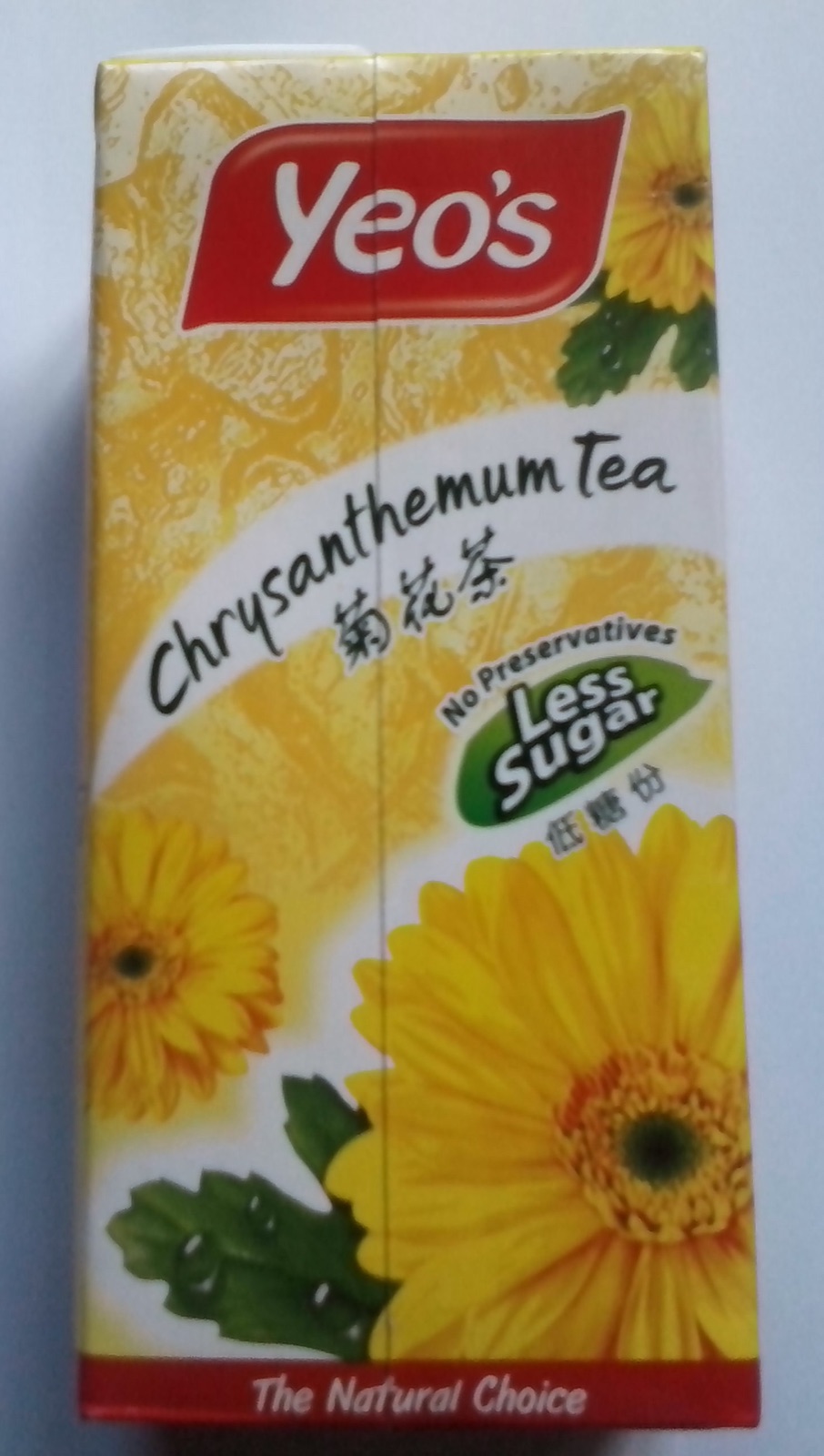
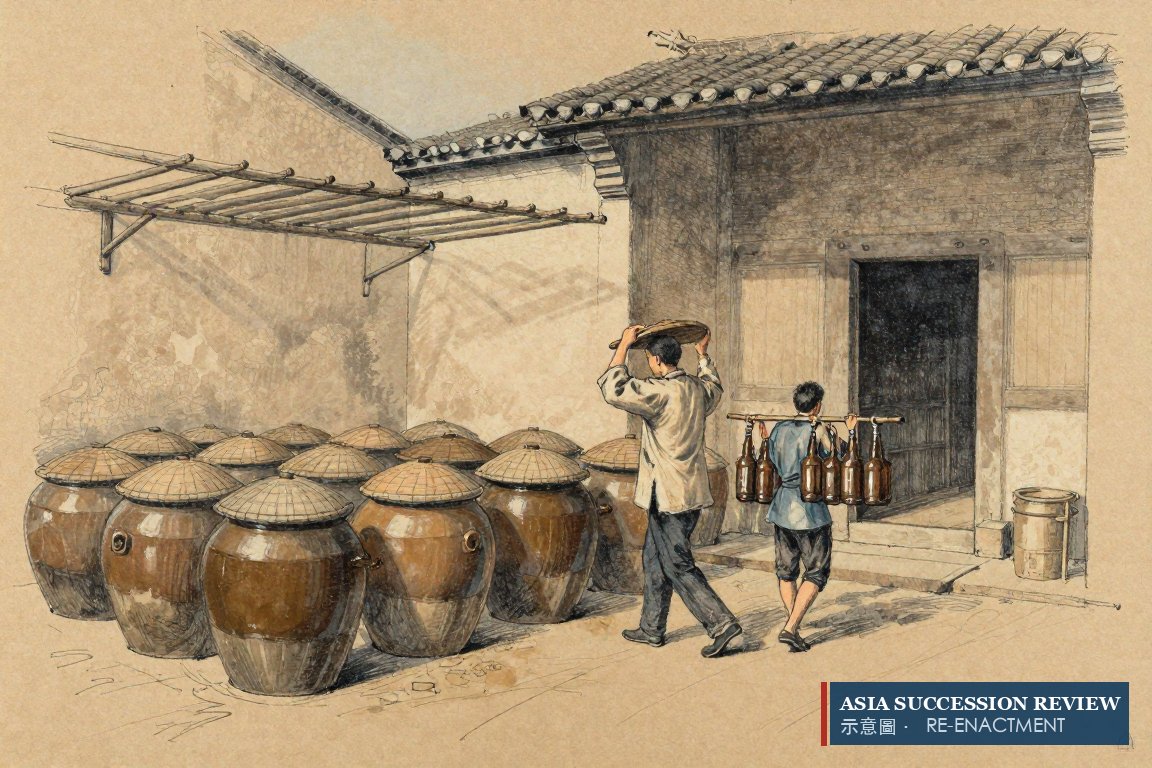
Yeo Keng Lian 楊景連 set up a shop making and selling soya sauce in Zhangzhou, Fujian, in 1901 — the date the company still gives on its own heritage page. His eldest son, Yeo Thian In 楊天恩, took the business out of a war and into Singapore, opening the Yeo Hiap Seng Sauce Factory at the junction of Outram Road and Havelock Road on 18 September 1938. In 1947 the family bought eight acres at Bukit Timah for a bigger factory. Tinned curry followed in 1953, and in 1954 Beanvit, a vitamin-fortified soy milk developed by a nephew, Chen Chee De.
Seven relatives sign the 1956 agreement dividing who owns what, and write no rule for the day they disagree
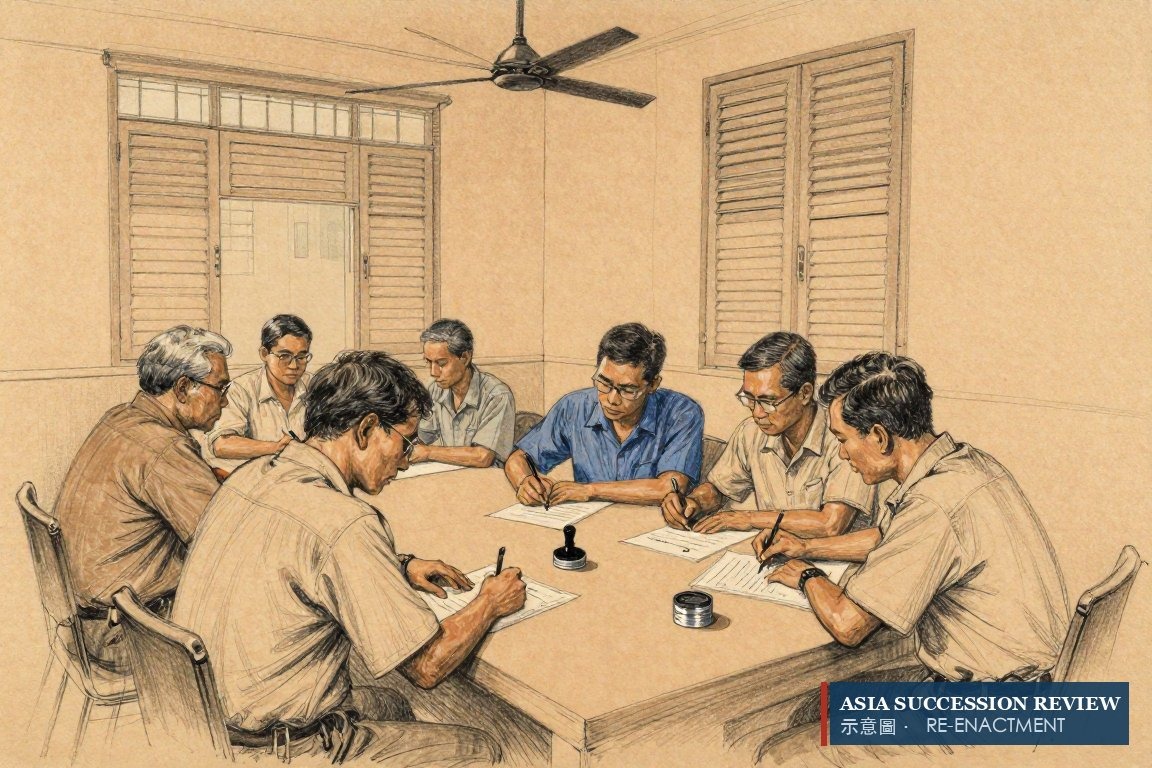
In 1955 the business was incorporated as a private company — the registration number the group still carries, 195500138Z — and on 1 August 1956 an agreement was signed dividing its ownership among Yeo Thian In, four of his brothers, and two grandsons of the founder. That agreement is where this case begins. It settled who owned what. It did not settle what to do when the owners disagreed.
.jpg)
The company lists in 1969 and the family parks its shares in a private vehicle holding 49 per cent
The company grew into the thing every Singaporean household kept in the fridge. In 1967 it became the first food manufacturer in the region to put soft drinks in Tetra Brik cartons; it took Canada Dry in 1971 and Pepsi in 1974; its Malaysian subsidiary listed in Kuala Lumpur in 1975; by the 1980s it was the second-largest drinks manufacturer in Singapore and Malaysia after F&N. It had gone public in Singapore in March 1969 — and to keep the family in control of a listed company, the family put its shares into a private vehicle, Yeo Hiap Seng Holdings, which held 49 per cent of the listed group.
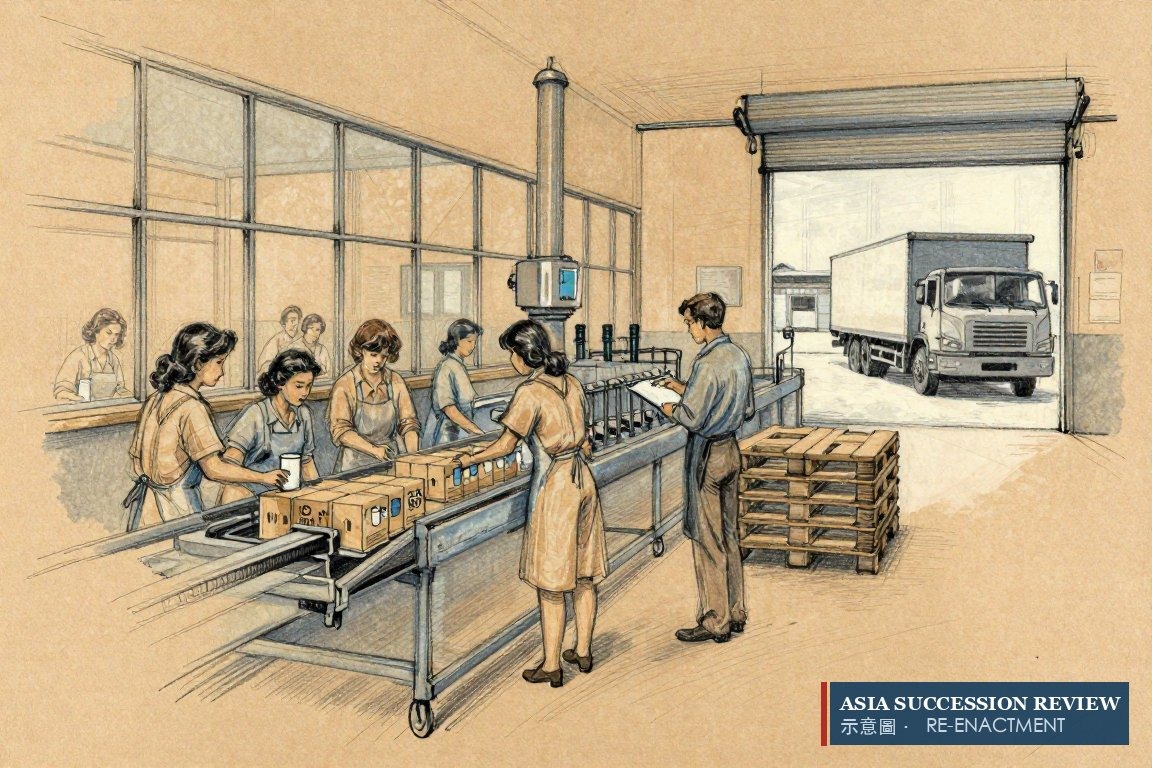
Every family vote now passes through one private company whose only rule is that the branches keep agreeing
One company above the company. The branches held that private company between them. Everything the family owned, and every vote it cast, now passed through a structure whose only decision rule was that the branches continued to agree.
An American venture loses S$45 million, and the family turns on the chairman who backed it
They stopped. Yeo Thian In died in 1985, having handed the chairmanship to his son Alan Yeo Chee Yeow 楊至耀. In 1989 YHS bought the American food company Chun King together with Temasek Holdings, a US$52 million venture that lost money and was eventually written off at S$45 million — the Business Times reported the write-off on its front page on 29 August 1994. Through the early 1990s family shareholders fell out with Alan over his management, the group's direction and the Chun King losses.
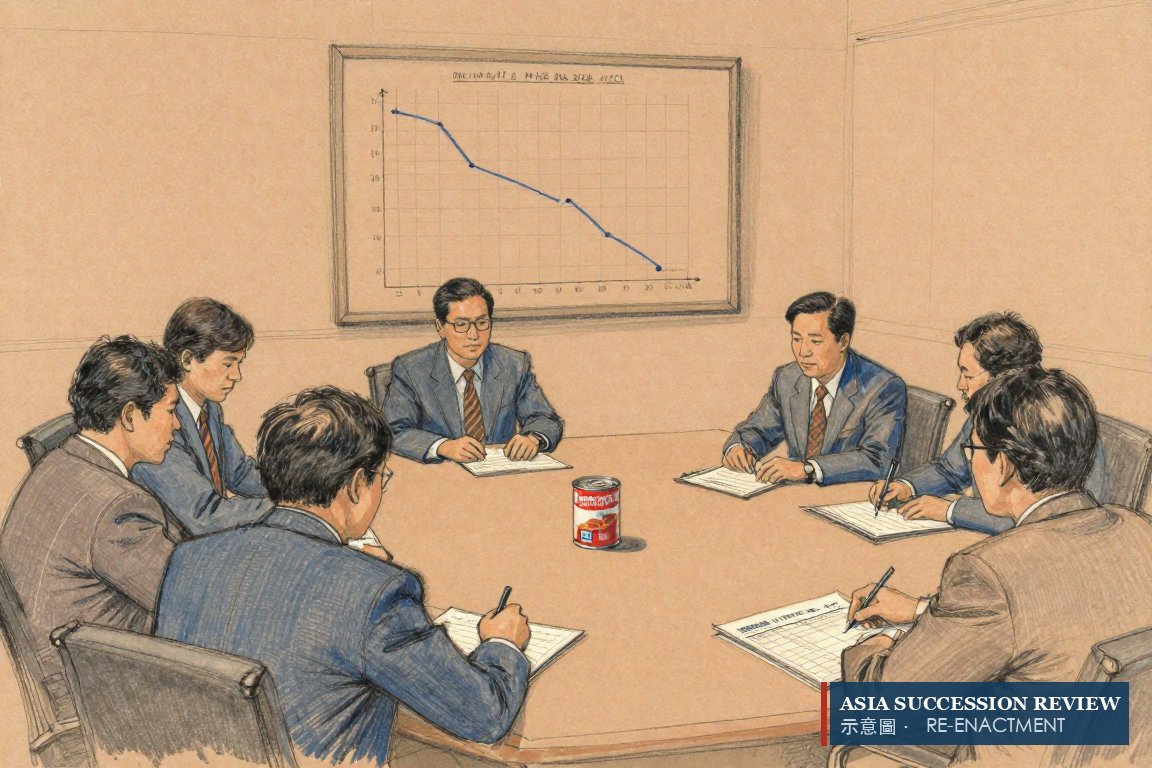
Developers circle the rezoned Bukit Timah land, Wing Tai bids for 40 per cent, and the family blocks it
By late 1991, decisions inside the family were being taken by majority vote, which is what a family falls back on when it has nothing better; in June 1993 Alan's nephew Charles joined the shareholders trying to remove him as chairman. Meanwhile the group's 4.4 hectares at Bukit Timah had been rezoned for housing, and Singapore's developers, out of land after the 1980s, could see it. In April 1994 Wing Tai moved for up to 40 per cent of YHS. Alan backed the bid. The family blocked it.
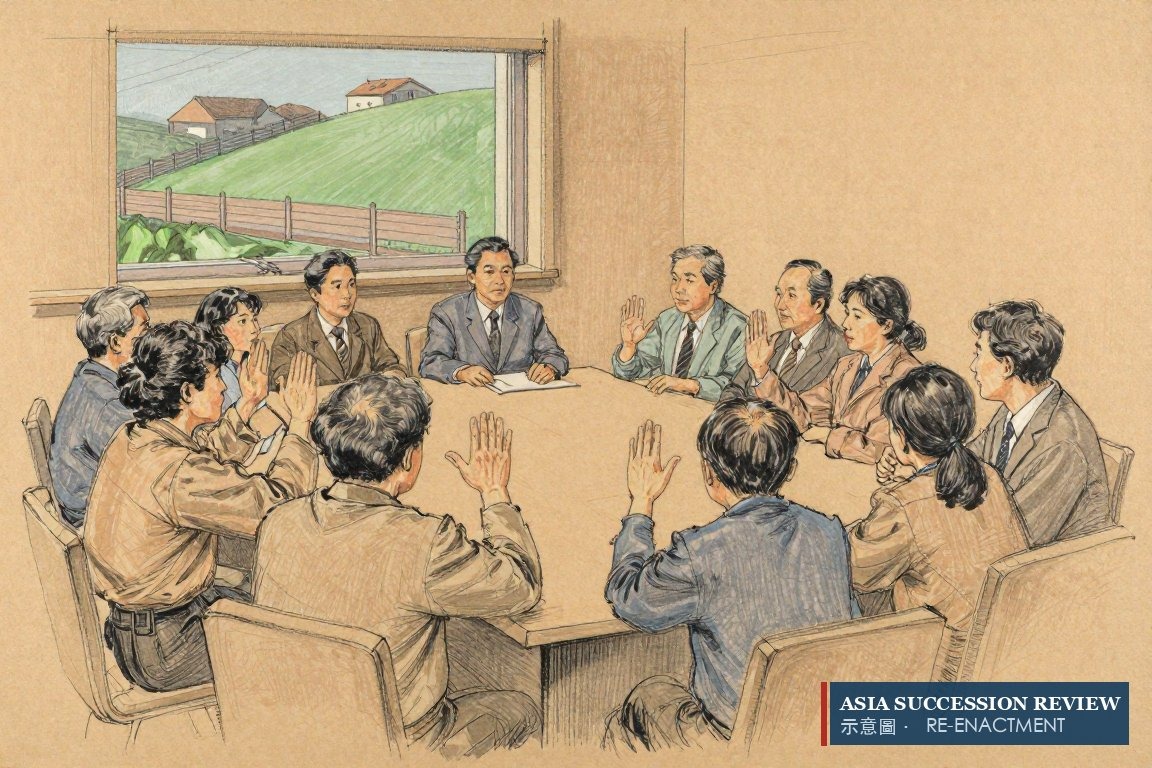
Alan Yeo petitions in May 1994 to dissolve the family holding company, and in July the court grants it
On 6 May 1994 the Business Times carried his answer on page one: he would dissolve the holding company rather than sell out. On 18 May he filed the petition — 'Alan Yeo petitions court to dissolve YHS Holdings', Business Times, 18 May 1994. He won. 'Alan Yeo wins court battle to wind up YHS Holdings' ran on the front page on 2 July 1994. It is worth being precise about what that victory was. A court asked to resolve a family holding company does not referee the family; it has one instrument, and the instrument is liquidation.
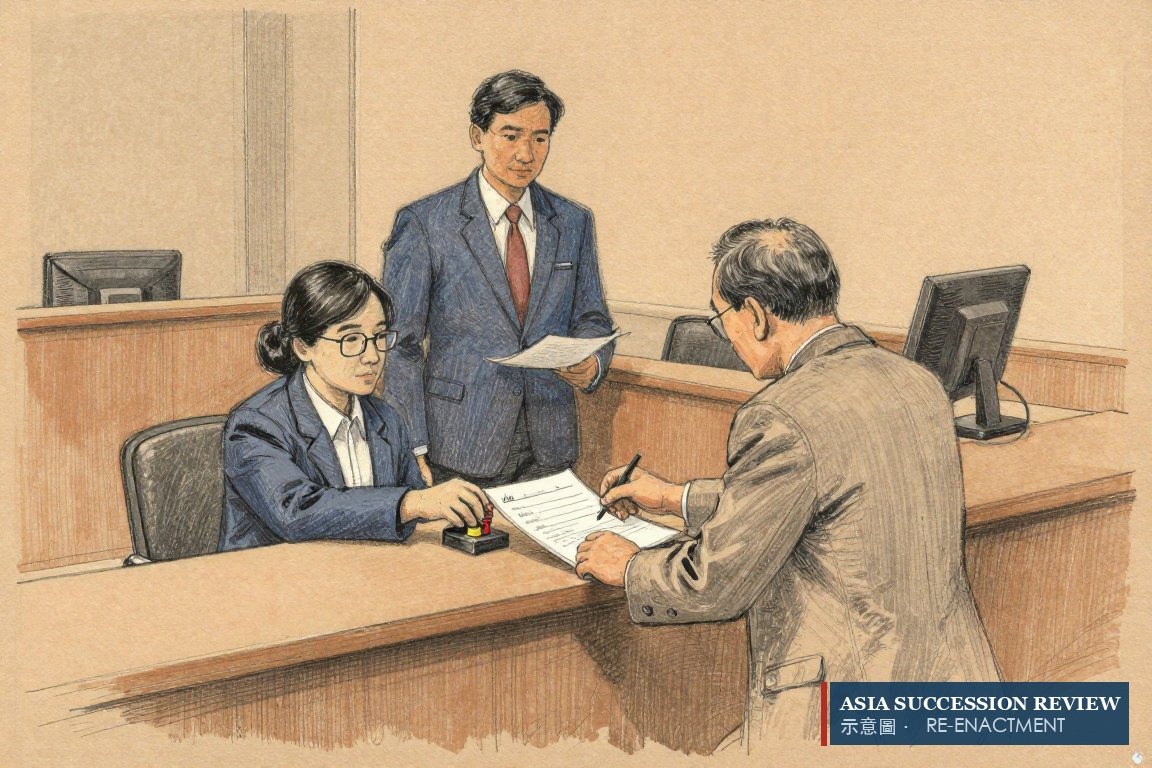
The block that voted as one since 1956 breaks into loose parcels, and an outsider already holds 21 per cent
Winding up YHS Holdings did not decide who was right about Wing Tai, or about Chun King, or about the chairmanship. It dissolved the only thing that had been holding the family's votes together, and turned a 38.5 per cent block that had voted as one since 1956 into loose parcels of a listed stock. By that July, Ng Teng Fong 黃廷方 — who had been buying YHS on the open market through Orchard Parade Holdings while the family fought — stood as the largest single shareholder with 21 per cent.
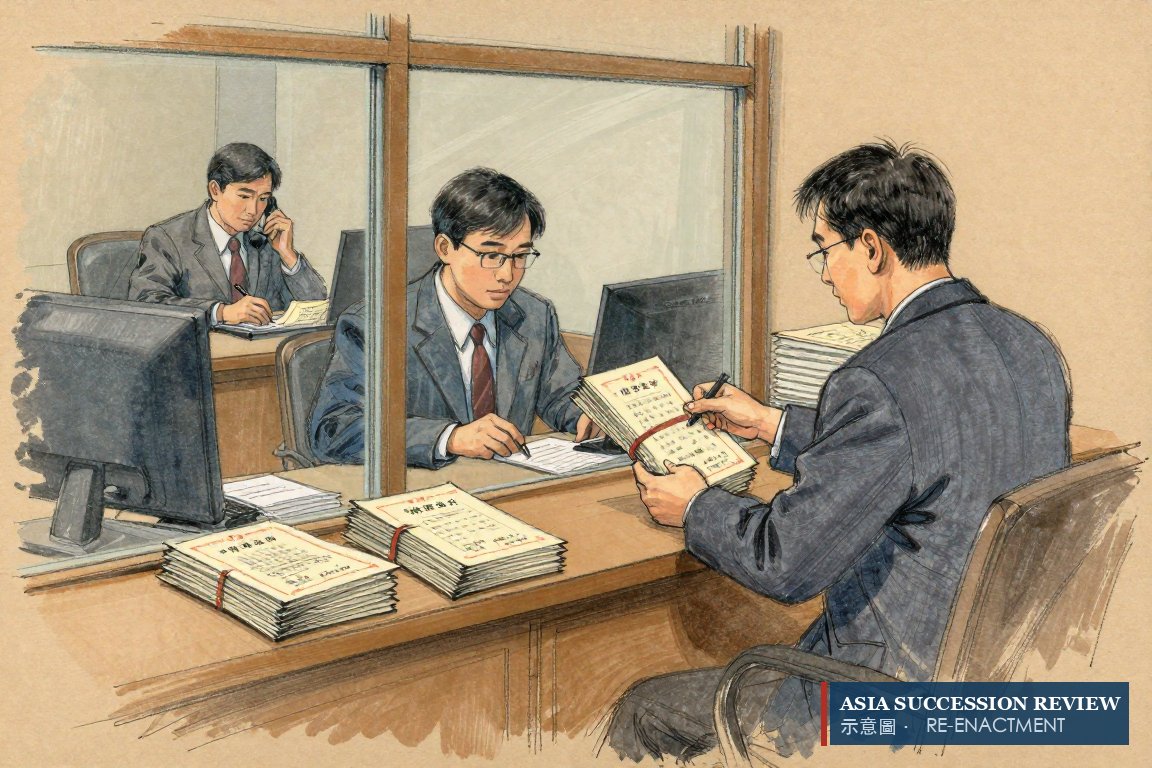
Alan sells his own shares to a rival bidder, and by September 1995 Ng owns three-quarters of the company
The rest was arithmetic. Ng moved to a formal takeover in March 1995; the Malaysian banker Quek Leng Chan 郭令燦 came in against him, buying Alan Yeo's own shares, and Charles Yeo joined the Quek consortium on 31 July 1995. On 13 September 1995 the Business Times reported that Ng had won and Quek had accepted his offer: S$5.35 a share, and roughly three-quarters of Yeo Hiap Seng. Alan Yeo left. The last Yeo in senior management, Yeo Chee Yan at the Malaysian arm, retired in 1999.
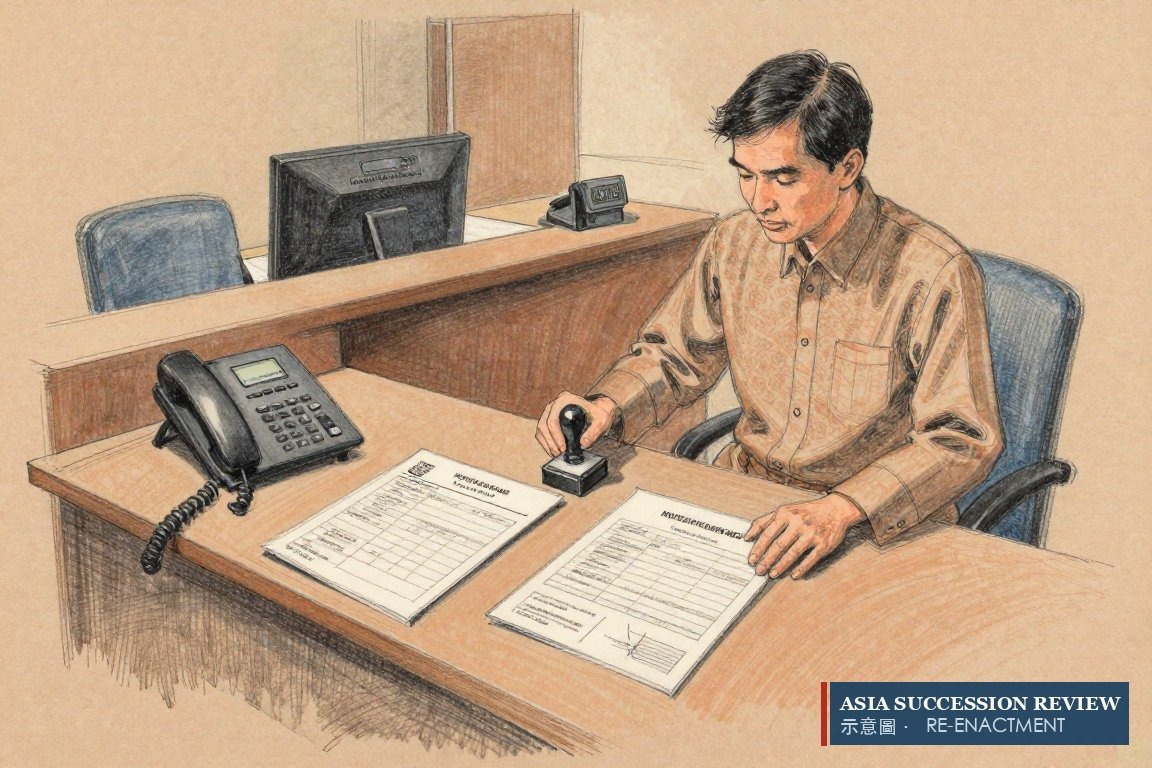
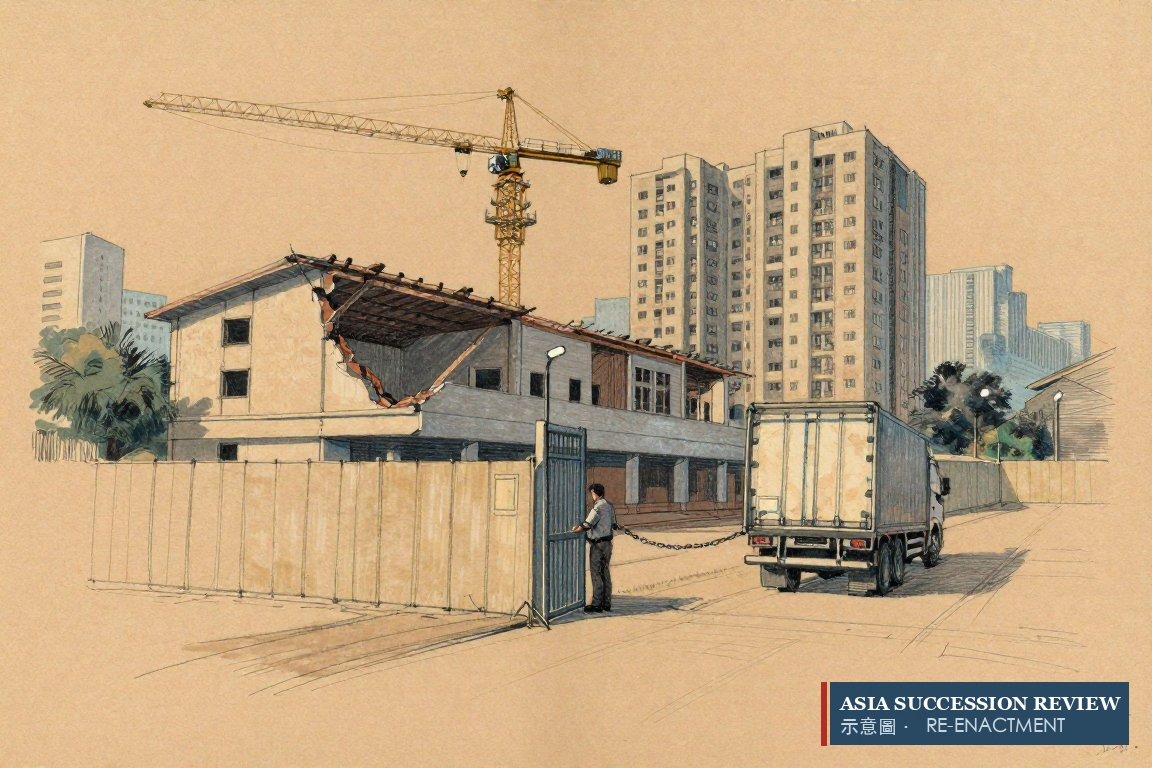
The Bukit Timah factory becomes three condominiums, and no Yeo sits among the 20 largest shareholders today
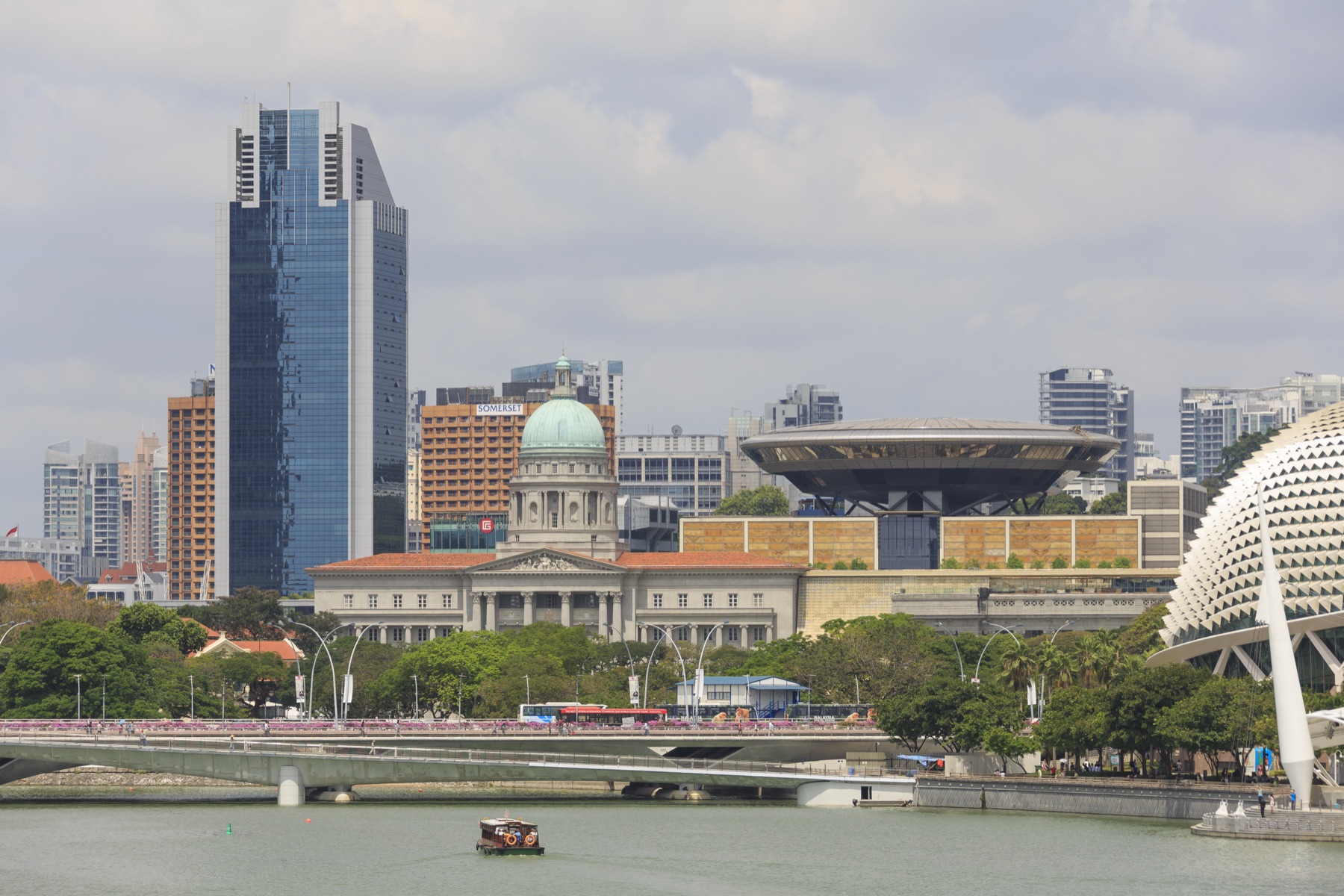
The Bukit Timah factory was vacated in 1998 and production moved to Senoko; the land became The Sterling, GardenVista and Jardin. The company itself is still there, still listed, still called Yeo Hiap Seng: at 3 March 2026 Far East Organization Pte Ltd held 53.84 per cent, Far East Spring Pte Ltd 10.99 per cent, and about 20.92 per cent sat in public hands. No Yeo appears among the twenty largest shareholders. The name survived the family that owned it.
The family's control lived inside an ordinary private holding company whose shares had been divided among branches by an agreement signed in 1956. That agreement recorded who owned what; it contained no mechanism for what happens when the owners split — no pre-emption over the family's own block, no independent chairman with a casting vote on a defined list of reserved matters, no priced exit for a branch that wanted out, no funding for such an exit, no arbitration clause, and no trust holding the block above the branches at all. Once the branches deadlocked, the only instrument left that could actually decide anything was a court, and the only remedy a court could give was to wind the company up. Winding up is not a settlement; it is a sale. The order broke a 38.5 per cent voting bloc into parcels of listed stock at the precise moment a developer was accumulating them. The Yeos did not lose Yeo's because they lost in court. They lost it because going to court was the only exit their documents had ever provided.
This is the home market, so the counterfactual is not a different country — it is a different instrument: hold the family's block in a trust, and write a priced, pre-funded exit into the shareholders' agreement so the branch that wants out is bought, not liquidated.
The family settles its stake into a trust, so the block still votes as one line on the register
Nothing here turns on moving anywhere. The Yeos were already Singaporean, already listed on the exchange they had listed on in 1969, already advised by Singapore lawyers. What they did not have was the paper. The first document changes where the block sits. Instead of a private company whose shares are the personal property of a dozen relatives, the family's stake is settled into a trust — typically with a small holding company underneath it whose shares the trustee holds, so the group still votes as one line on the register.
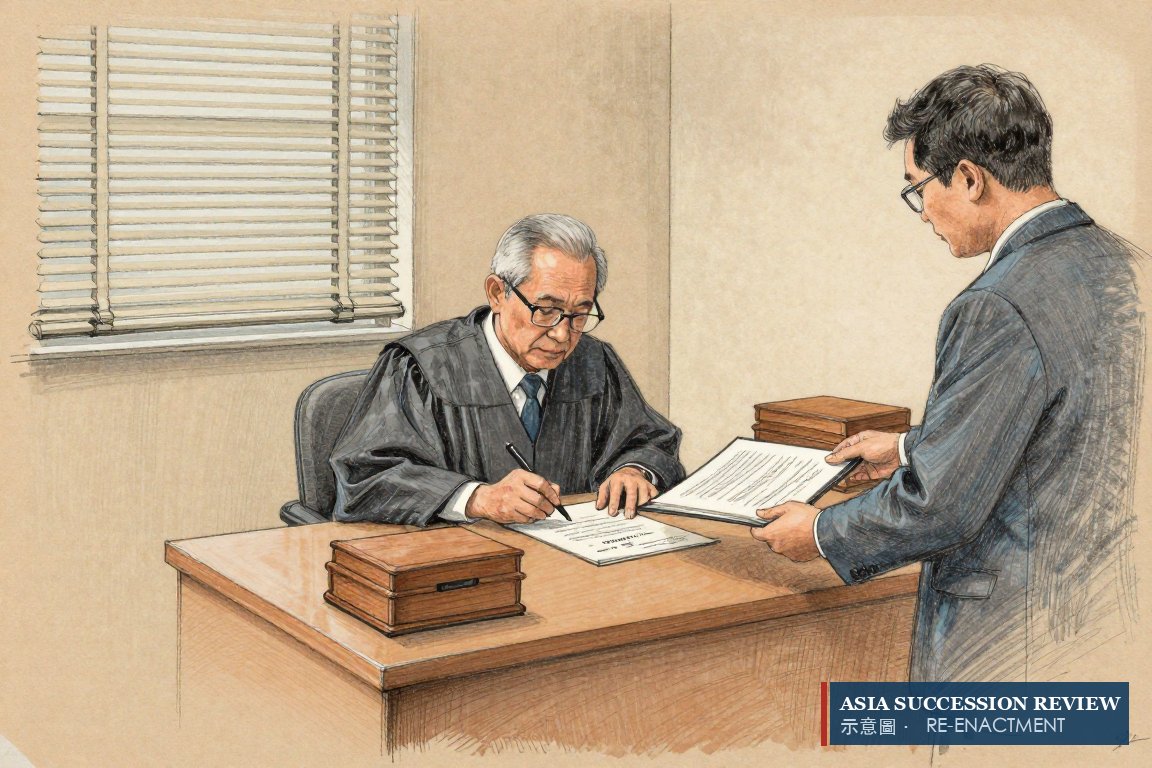
Branches hold interests instead of shares, so an angry relative has no company left for a court to wind up
The branches then own beneficial interests, not shares in a company; a beneficial interest is not something a disaffected branch can take to court and ask to have wound up. The deed states how the trustee votes, who may instruct it, and what happens when instructions conflict. That is the whole point: the tiebreaker exists before anyone needs it, and it is a person named in a document rather than a judge with one remedy.
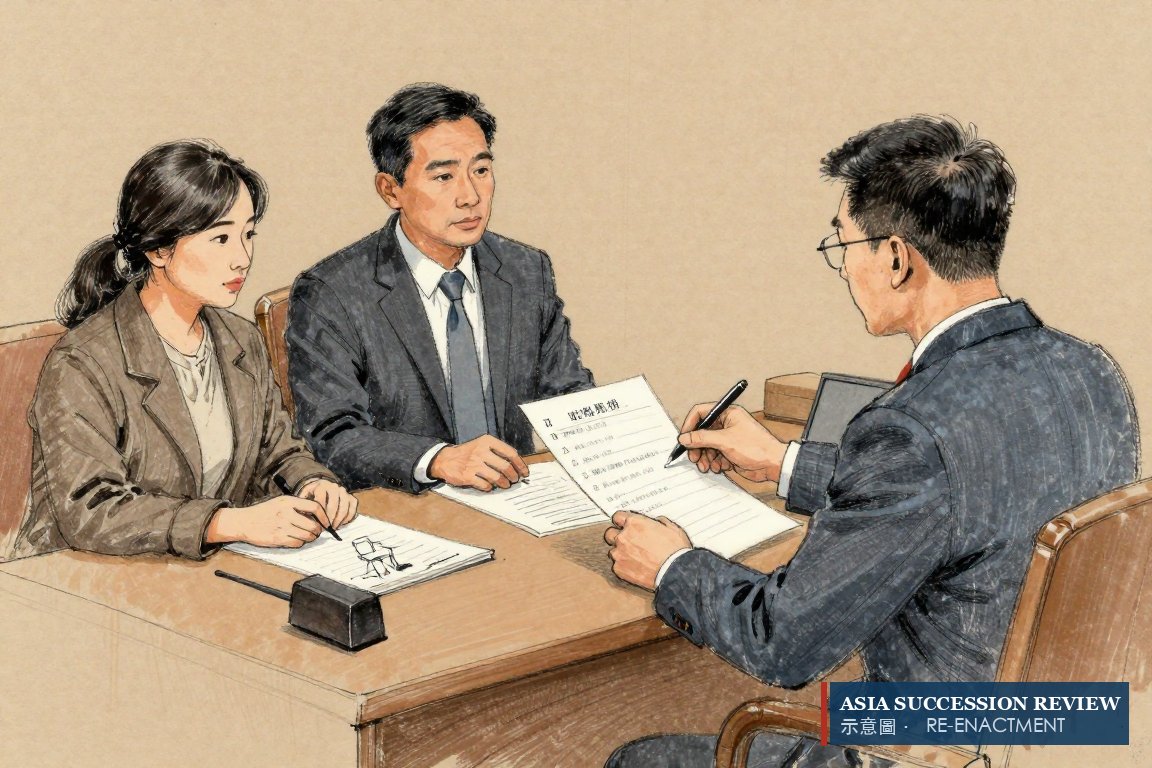
A deadlock ladder with a date on every rung ends in a priced exit, not in a judge's only remedy
The second document is the shareholders' agreement, and the part that matters is the deadlock ladder — with dates on every rung. A fixed period for the principals to talk. Then mediation. Then an independent chairman with a casting vote on a defined list of reserved matters: a sale of the company, a change of chairman, a disposal of the land. And if it is still deadlocked, a priced exit — a put and call, or a shotgun, at a formula agreed in advance (audited net asset value, or a multiple set by a named independent valuer) and completed inside a stated number of days.
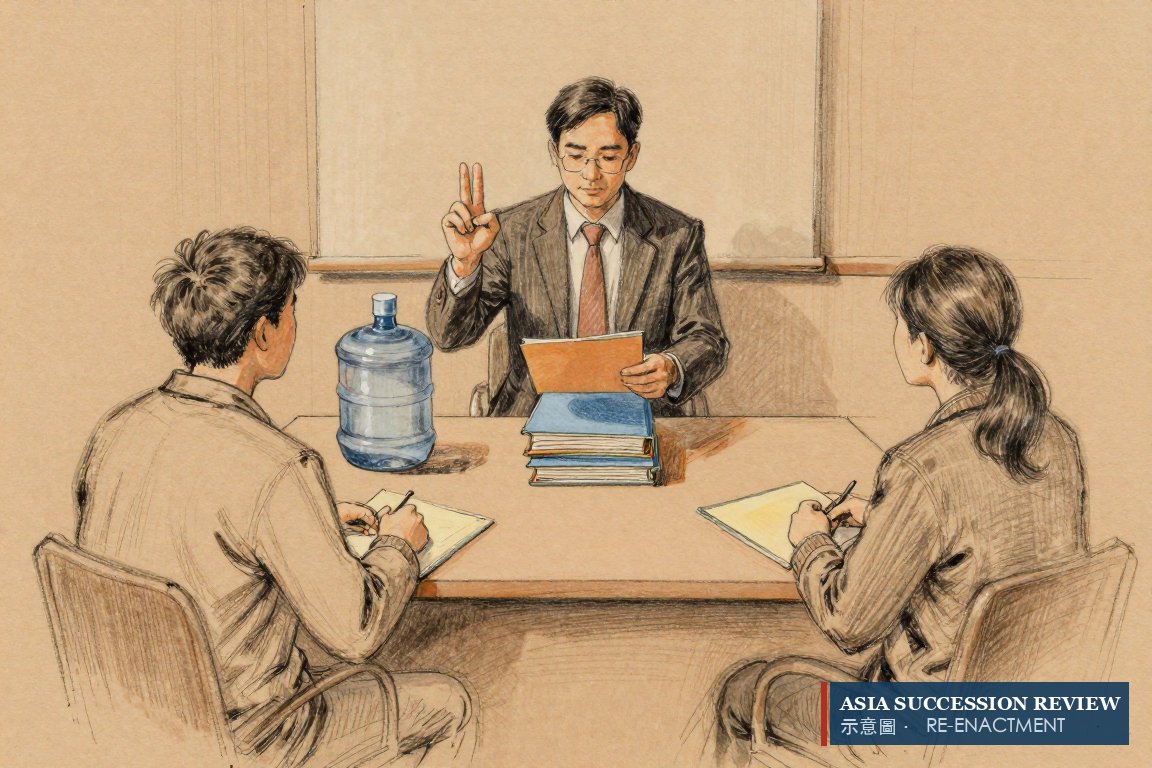
Insurance funds the buy-out in advance, so a man like Alan Yeo can leave without filing a petition
Crucially, the exit is pre-funded: insurance on the principals plus a committed facility, so that the buy-out is a transaction someone can actually complete rather than a right nobody can pay for. Alan Yeo's real problem in May 1994 was not that he was outvoted. It was that he had no way to leave and no way to buy the others out. The petition was the only exit his paperwork offered him.
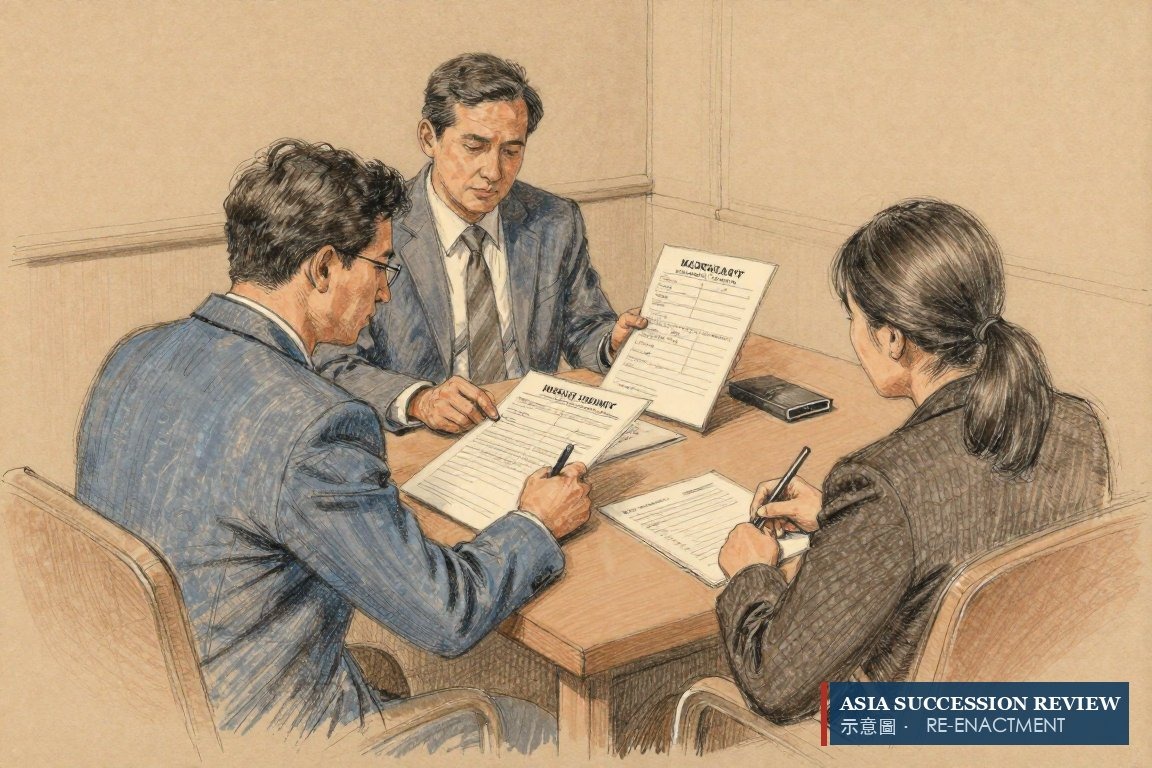
Any relative can still walk into court and file, because no document can sign away the right to petition
The honest limit: none of this closes the courthouse. A shareholder's right to petition cannot be contracted away. Singapore's just-and-equitable winding-up jurisdiction — then in the Companies Act, today section 125(1)(i) of the Insolvency, Restructuring and Dissolution Act 2018 — is always available, and any relative can file. What the documents change is the outcome.
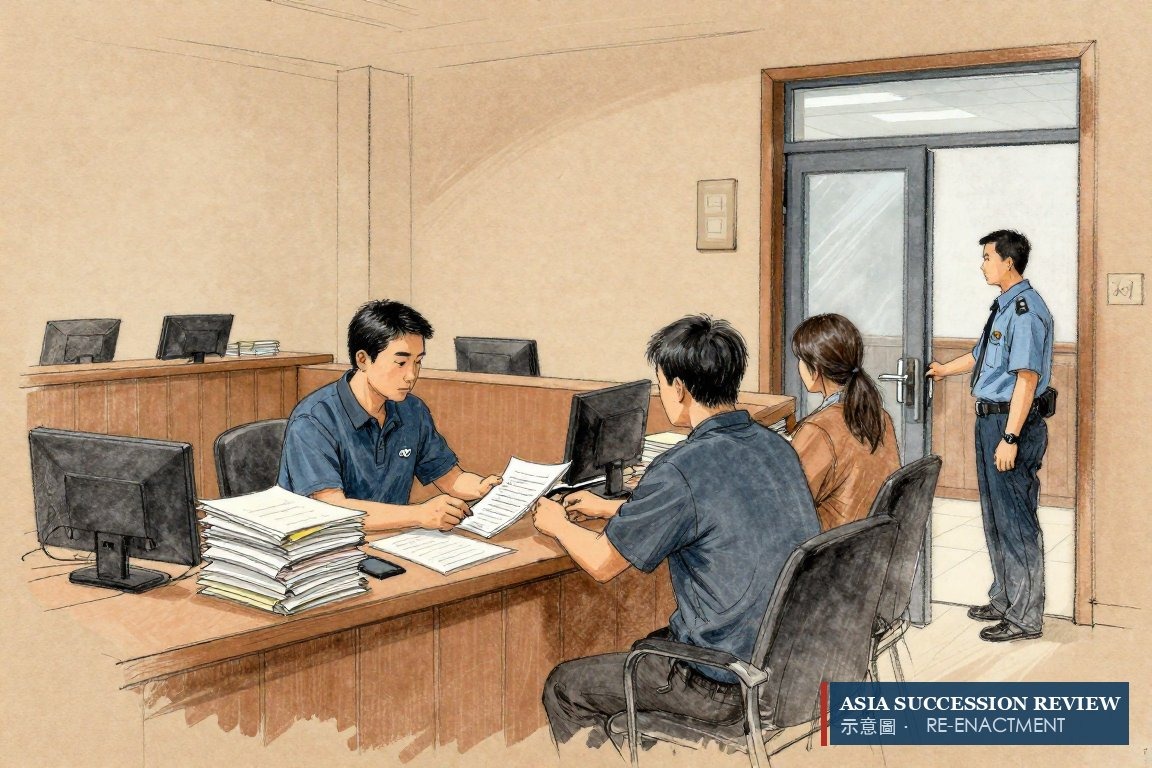
Singapore's judges say a workable exit kills the unfairness, so the petition gets filed and then gets nowhere
The Court of Appeal has held that where a viable mechanism for exit exists, that will in the usual case negate the unfairness on which a just-and-equitable winding up depends; the point was restated on 2 March 2026 in Gan Yuan Hong v Siow Chee Wee. So the deed does not stop the petition being filed. It stops it working — which, on the Monday morning when a branch walks into a lawyer's office, is the same thing. And it is worth saying what a trust does not do either: it will not make an unequal family equal, and beneficiaries can and do litigate trustees. It moves the argument from a forum whose only answer is liquidation to one whose answers include being paid.
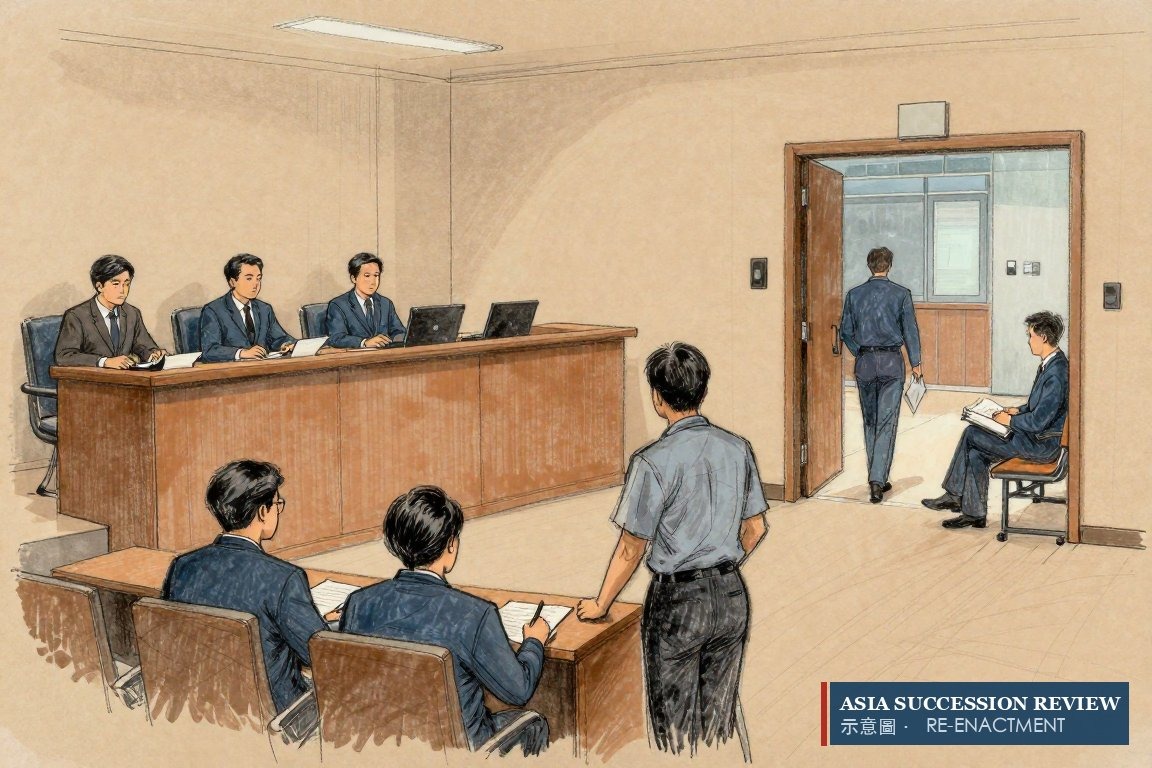
The branch that wants out — cash at a formula price on a stated date — instead of a court-ordered liquidation that sold their shares into an open market where a buyer was already accumulating
The branch running the business — control intact and the 38.5% block still voting as one line — instead of a victory in court that dissolved the only thing holding the family's votes together
The third generation — a stake in the company their grandfather built — instead of a brand that still carries the family name on a register where no Yeo appears in the top twenty
A counterfactual, not advice: real structures need licensed hands and your family's facts.
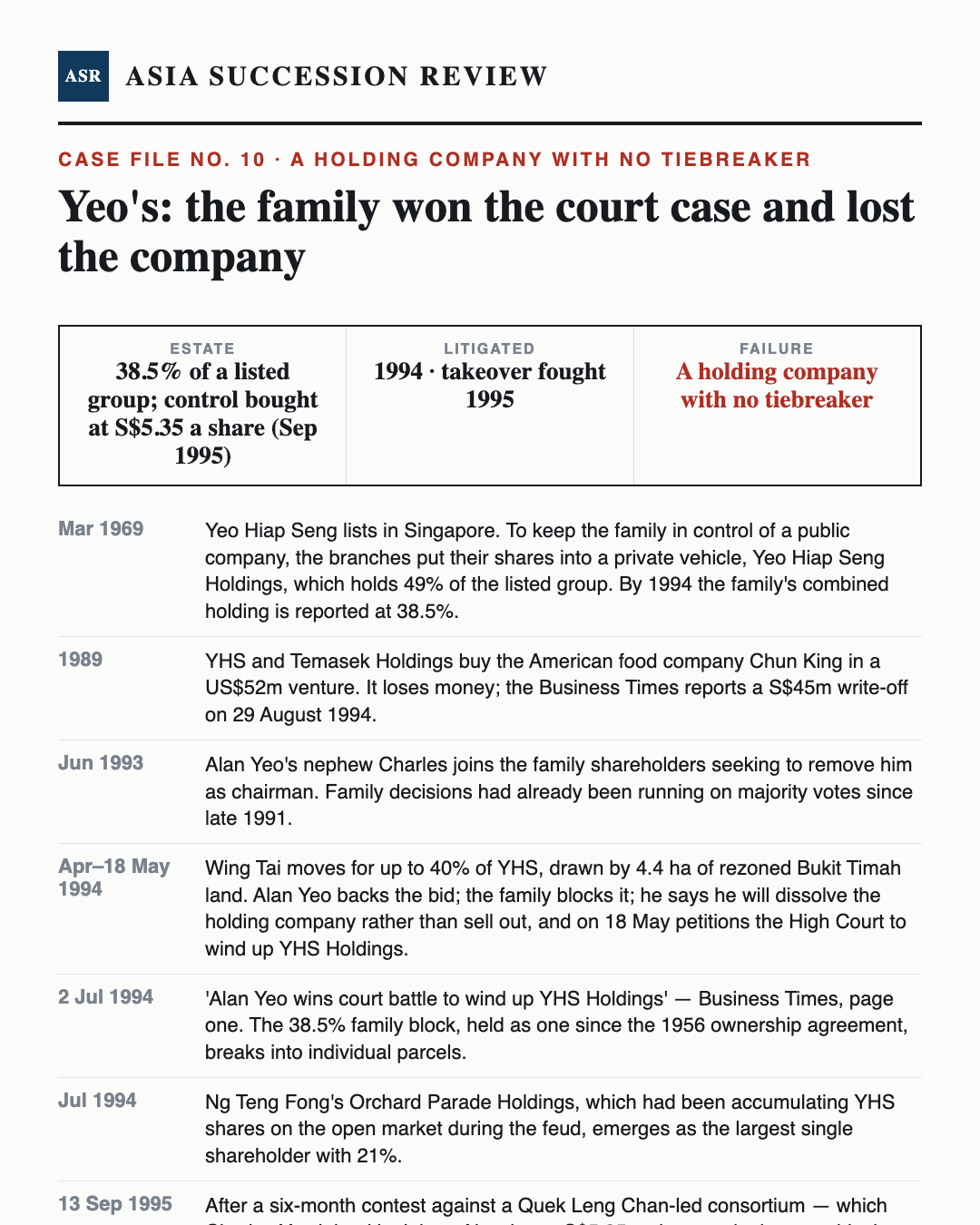
The case in one card — press and hold to save, or forward it as it is.
If your family's control sits inside one private holding company
Most Asian family blocks are held the way the Yeos held theirs: one private company, shares divided among branches by an agreement signed a generation ago, control resting on everyone continuing to agree. That agreement almost always records who owns what. The questions worth settling while everyone is alive are the other ones — what happens when two branches vote differently on a sale, who breaks the tie, what a branch that wants out is paid and on whose formula, who actually has the money to pay it, and whether the block sits somewhere a single petition can dissolve. What a trust above the block, a written deadlock ladder, and a pre-funded buy-out would each change about your position:
Can one family member force the family holding company to be wound up?
Yes, in Singapore and across most of the common-law region. A shareholder can apply to wind the company up on the just-and-equitable ground — today section 125(1)(i) of the Insolvency, Restructuring and Dissolution Act 2018, which was in the Companies Act when Alan Yeo used it against Yeo Hiap Seng Holdings in 1994. The application does not have to prove insolvency or fraud; loss of the mutual trust on which a quasi-partnership was founded, exclusion from management, or genuine deadlock can be enough. The right cannot be contracted away in a shareholders' agreement. What a shareholders' agreement can do is make the application fail, by giving the aggrieved shareholder a real way out.
Why did the Yeo family lose Yeo Hiap Seng?
Because the vehicle holding their shares was dissolved by their own chairman's petition. The family's 38.5 per cent of the listed company sat inside a private company, Yeo Hiap Seng Holdings, and when the branches split over Alan Yeo's management, the Chun King losses and a 1994 Wing Tai takeover bid, he petitioned the High Court to wind that private company up rather than be forced to sell out. He won — the Business Times reported it on page one on 2 July 1994 — and the block dissolved into individual parcels of listed stock. Ng Teng Fong's Orchard Parade Holdings had been buying on the open market throughout; by July 1994 it was the largest single shareholder with 21 per cent, and by 13 September 1995 Ng held roughly three-quarters at S$5.35 a share.
What happens to a family's shares when the holding company is liquidated?
The liquidator realises the company's assets for the benefit of its members. If the asset is a block of listed shares, that means the block is sold or distributed out — either way it stops being a block. The votes that used to move together stop moving together, pre-emption rights that applied inside the family company no longer apply to what each relative receives, and every parcel is individually sellable to whoever is buying. This is why a winding-up order is a poor tool for settling a family disagreement: it does not decide who was right, it converts the thing being argued over into cash and scatters it.
What is a just and equitable winding up in Singapore?
It is the court's power to order a solvent company wound up because it would be unfair for it to continue on its present basis — section 125(1)(i) of the Insolvency, Restructuring and Dissolution Act 2018. The Court of Appeal has set out non-exhaustive categories: the company's main object cannot be achieved, it is really an incorporated partnership whose members can no longer work together, minority members have been treated unfairly, or a shareholder has been excluded from management contrary to an understanding that he would participate. The critical qualifier for families is the second limb: in Gan Yuan Hong v Siow Chee Wee [2026] SGCA 8, decided on 2 March 2026, the court restated that unfairness generally requires both a real ground of complaint and no available means of exit. A working buy-out clause is therefore not just commercial hygiene; it is the answer to the petition.
What is a deadlock clause in a family shareholders' agreement, and what should it contain?
A deadlock clause is the written ladder a family climbs when a decision cannot be made, and it works only if every rung carries a date. In practice: a fixed period for the named principals to negotiate; then mediation; then an independent chairman with a casting vote limited to a defined list of reserved matters — sale of the business, appointment of the chairman, disposal of a major asset; and finally a priced exit (a put and call, or a shotgun offer) at a formula fixed in advance, completed within a stated number of days. The formula matters more than the mechanism: a right to be bought out at 'fair value to be agreed' is a second dispute, not a solution.
Does putting family shares in a trust stop a winding-up petition?
It removes the target. If the block is settled into a trust, the branches hold beneficial interests rather than shares in a family company, and there is no family holding company for a relative to petition against — which is precisely what was available to the Yeos in 1994. But be honest about the limits: the operating or listed company itself can still be the subject of proceedings, a beneficiary can sue the trustee, and a trust does not make an unequal family equal. What it does is change the forum and the range of outcomes, from a jurisdiction whose only remedy is liquidation to a deed whose remedies include being paid, being told the rules, and being bought out.
How do you value a family member's stake so the buy-out does not become the next fight?
By fixing the method before anyone needs it and naming who applies it. The workable versions are an audited net asset value at the last financial year end with defined adjustments, or an earnings multiple set by a valuer named in the agreement (or appointed by a named institution if that firm is conflicted), with a stated deadline and a stated discount or premium for minority parcels — decided in advance, when nobody knows which side of the trade they will be on. Then fund it: insurance on the principals, or a committed facility, so the buyer can complete. A valuation formula with no money behind it produces the same outcome as no formula at all.
Who owns Yeo Hiap Seng now?
The Ng family's Far East Organization. According to Yeo Hiap Seng Limited's Annual Report 2025, as at 3 March 2026 Far East Organization Pte Ltd held 337,669,403 shares or 53.84 per cent, Far East Spring Pte Ltd held 10.99 per cent, and about 20.92 per cent sat in public hands; the report names Far East Organization Pte Ltd as the company's immediate and ultimate holding company. The register also records deemed interests held through the Estate of Ng Teng Fong, who died in 2010 — 67.25 per cent. No Yeo appears among the twenty largest shareholders.
A question of your own that these don't answer — put it to the desk.
- 1Singapore Infopedia (National Library Board) — Yeo Hiap Seng: the dated Straits Times and Business Times record of the 1994 petition, the winding-up order and the 1995 takeover
- 2Yeo Hiap Seng Limited, Annual Report 2025 — shareholding statistics as at 3 March 2026 (Far East Organization 53.84%, Far East Spring 10.99%, public float 20.92%)
- 3Gan Yuan Hong v Siow Chee Wee and another [2026] SGCA 8 (Court of Appeal, 2 March 2026) — the just-and-equitable jurisdiction and the exit-mechanism principle
- 4Insolvency, Restructuring and Dissolution Act 2018, s125 — circumstances in which a company may be wound up by the Court (Singapore Statutes Online)
- 5Yeo's — History & Heritage: the company's own account of its founding by Yeo Keng Lian in Zhangzhou in 1901