Equal shares for eight children left Ray-Ban with no one in charge
The Ray-Ban founder split his empire into eight equal parts. This week it cost him a son. What if the Del Vecchios had planned it from Singapore?
Read this in: EN · 简体 · 繁體 · ไทย · ID
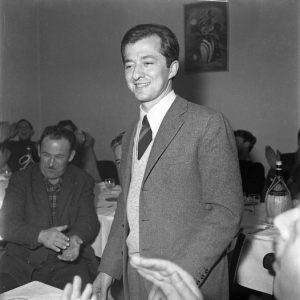
A son quits EssilorLuxottica because 8 equal shares mean nobody can decide anything
Bloomberg reported on 25 August 2026 that Leonardo Maria Del Vecchio, a son of the late Luxottica founder, resigned from senior roles at EssilorLuxottica in protest over how the group is run — four years after his father died leaving Delfin, the family holding company controlling the €40bn+ empire, divided into eight equal parts among his heirs. El País (23 August) calls it a 'Succession, Italian style.'

The founder gives 8 heirs identical shares, so every branch can block the €40bn empire
Eight equal parts is the fairest split a founder can write — and the least governable. Nobody controls Delfin; everybody can block it. It is the Yung Kee problem at three hundred times the scale: equal shares divide the money and the steering wheel in the same stroke, and four years later the fight over direction has cost the empire one of its own family executives. Fairness of value and clarity of control were never the same decision — the founder's will treated them as one.
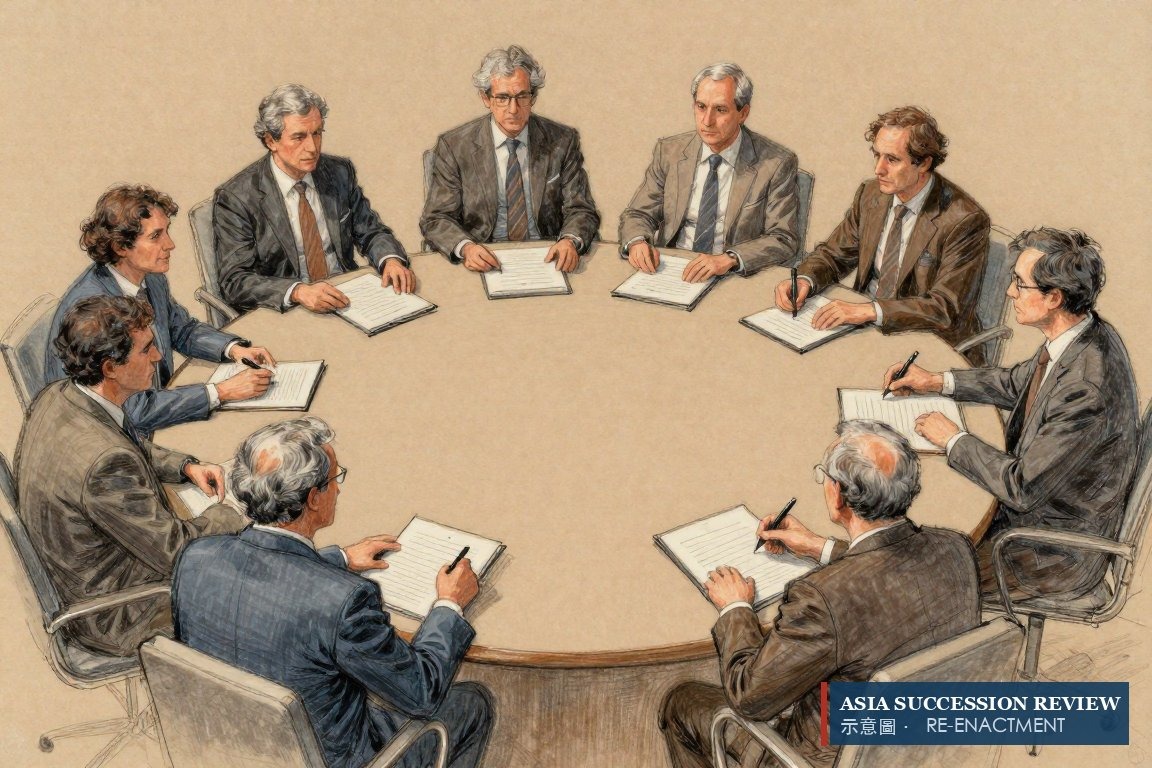
Equal love does not require equal control — a trust can split the money into eight identical parts and still leave one hand on the wheel.
In Singapore the same deed splits the money 8 ways but names 1 child on the wheel
Run it as a Singapore structure. The founder, in his lifetime, settles the holding company into a family trust: the deed gives each of the eight branches an identical economic share — the equality he clearly wanted — while control is written separately: a private trust company with a named succession of leadership, a small board with an independent tiebreaker, and the founder's letter of wishes explaining, in his own words, who steers and why. Money divided by eight; wheel held by one, with the other seven watching from defined seats.
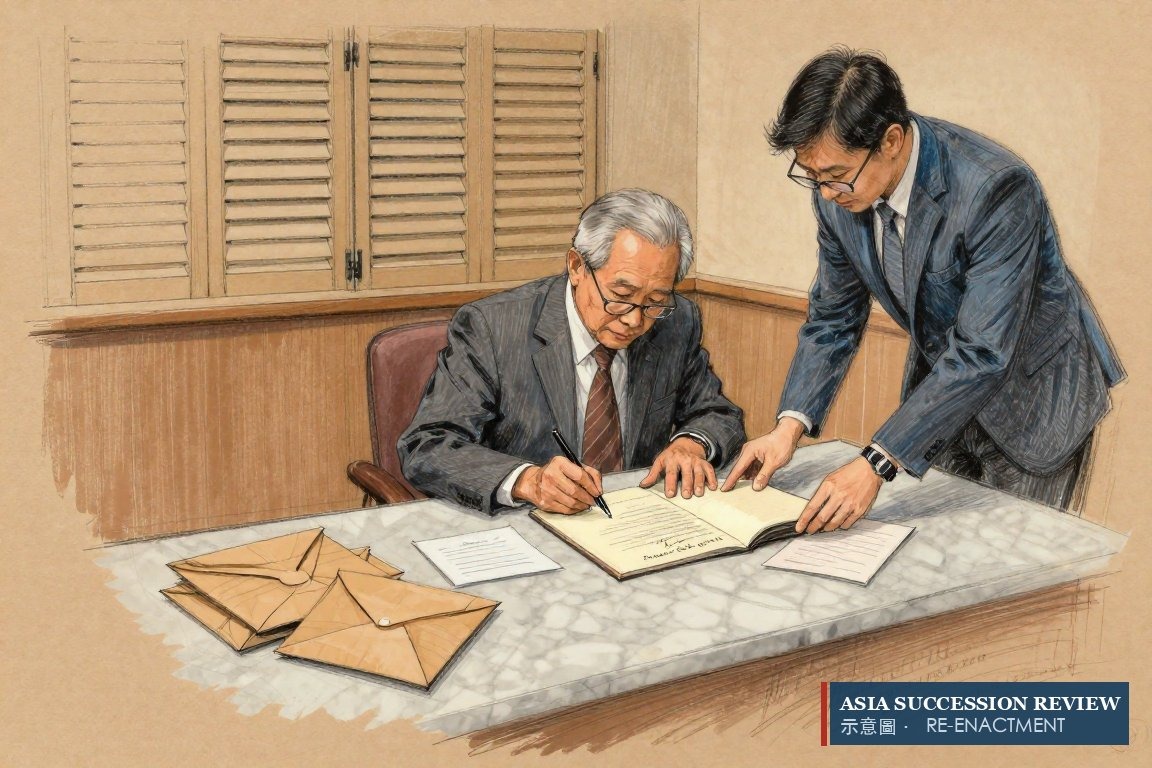
The deed sends disagreement to private arbitration and prices an heir's exit, so nobody resigns in the press
When a branch disagrees — with eight, one always will — the deed names the referee: private arbitration in Singapore, not resignations announced through the business press. And an heir who wants out doesn't have to storm out; the deed's exit mechanism values the stake by formula and pays it, the way a structure resolves what a family cannot.
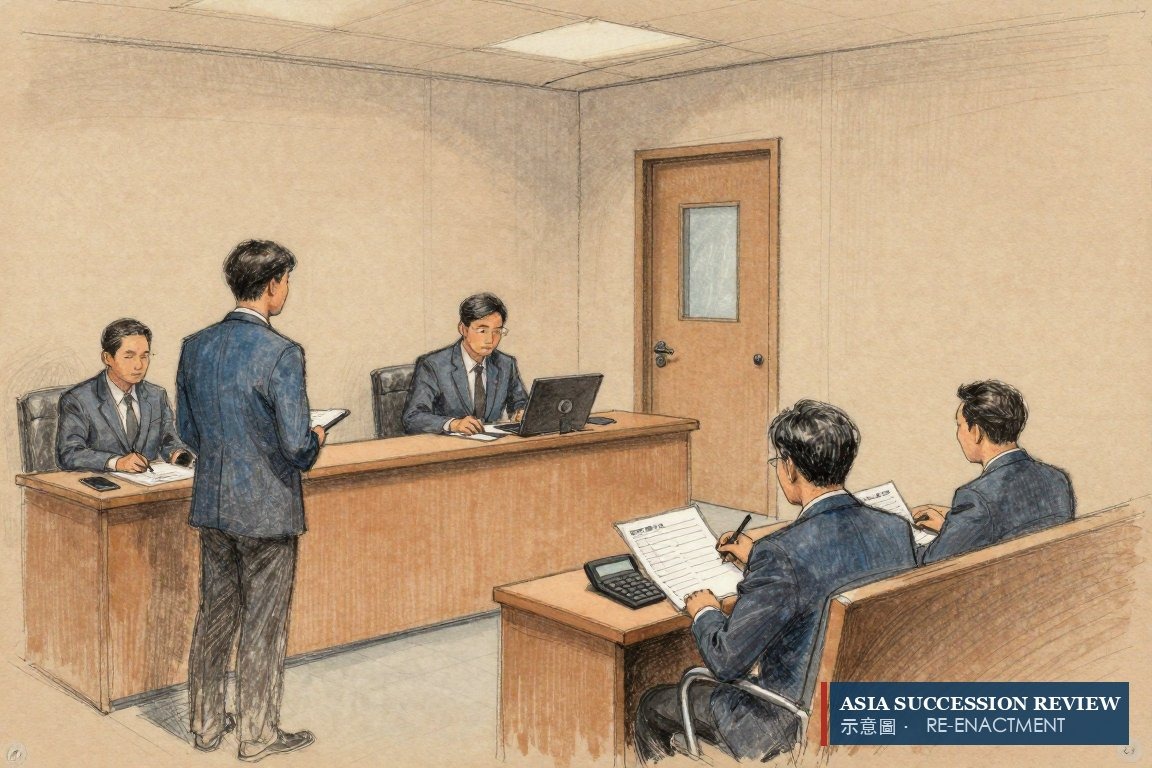
Italian law guarantees each child a share, so an Asian founder can settle in life where Del Vecchio could not
One honest footnote: Italian forced-heirship law (the legittima) makes lifetime settlements genuinely harder for an Italian founder — carving guaranteed shares that fight exactly this kind of planning. Singapore's Trustees Act s90 shields its trusts from foreign forced-heirship claims, but an Italian court is not obliged to agree about Italian assets. The sharper point is for our readers: most Asian founders are free to settle during life in a way the Del Vecchios were not. The knot Europe's law ties around its founders is, for an Asian family, simply a choice — one this newspaper watches families decline to make, case after case.
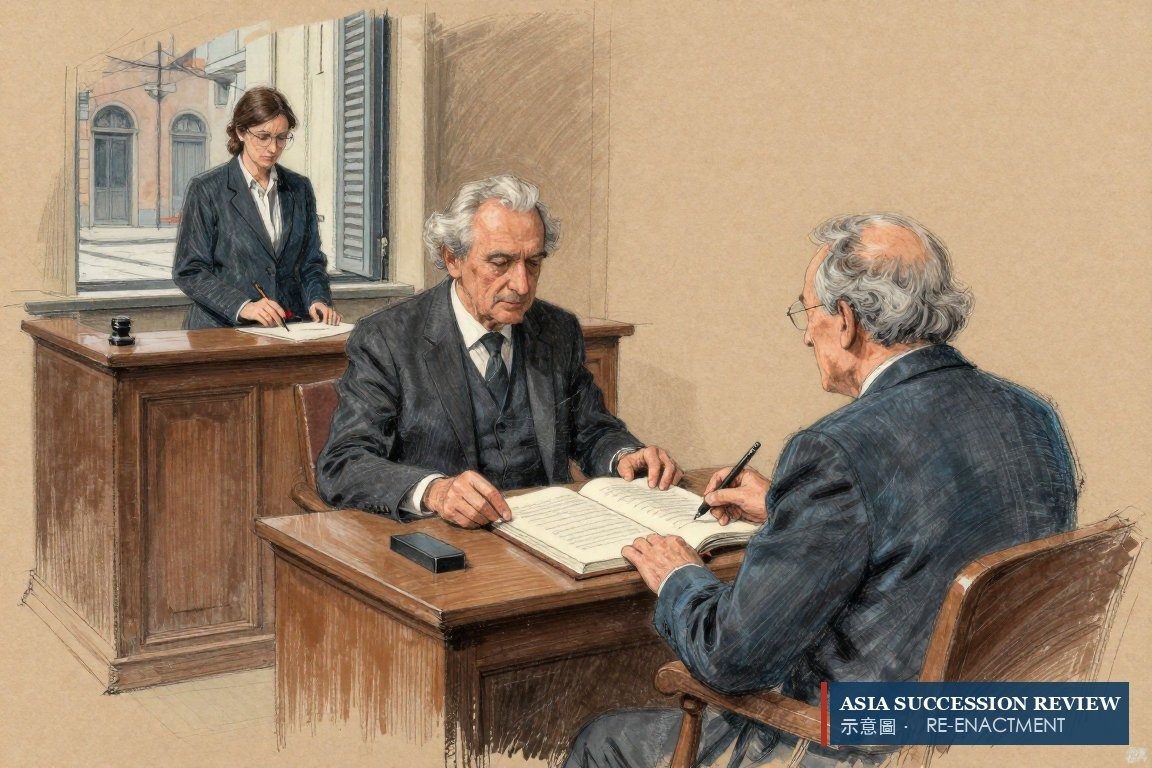
Each of the eight heirs — an identical share of the value — the founder's fairness, preserved to the euro
The empire — one voice at the wheel and a board that cannot deadlock
The heir who disagrees — a referee and a priced exit — instead of a resignation letter
A counterfactual, not advice. The verified machinery is on the Singapore page; where your family stands is the briefing.

From the case files: The same knot at restaurant scale: Yung Kee, wound up by court order