Yung Kee: the roast goose empire that ended in a winding-up order
Two brothers inherited Hong Kong's most famous restaurant in near-equal shares. Deadlocked 45/45 inside a BVI holding company, they litigated for five years — until the court ordered the company wound up. One brother died before the end.
Read this in: EN · 简体 · 繁體 · ไทย · ID
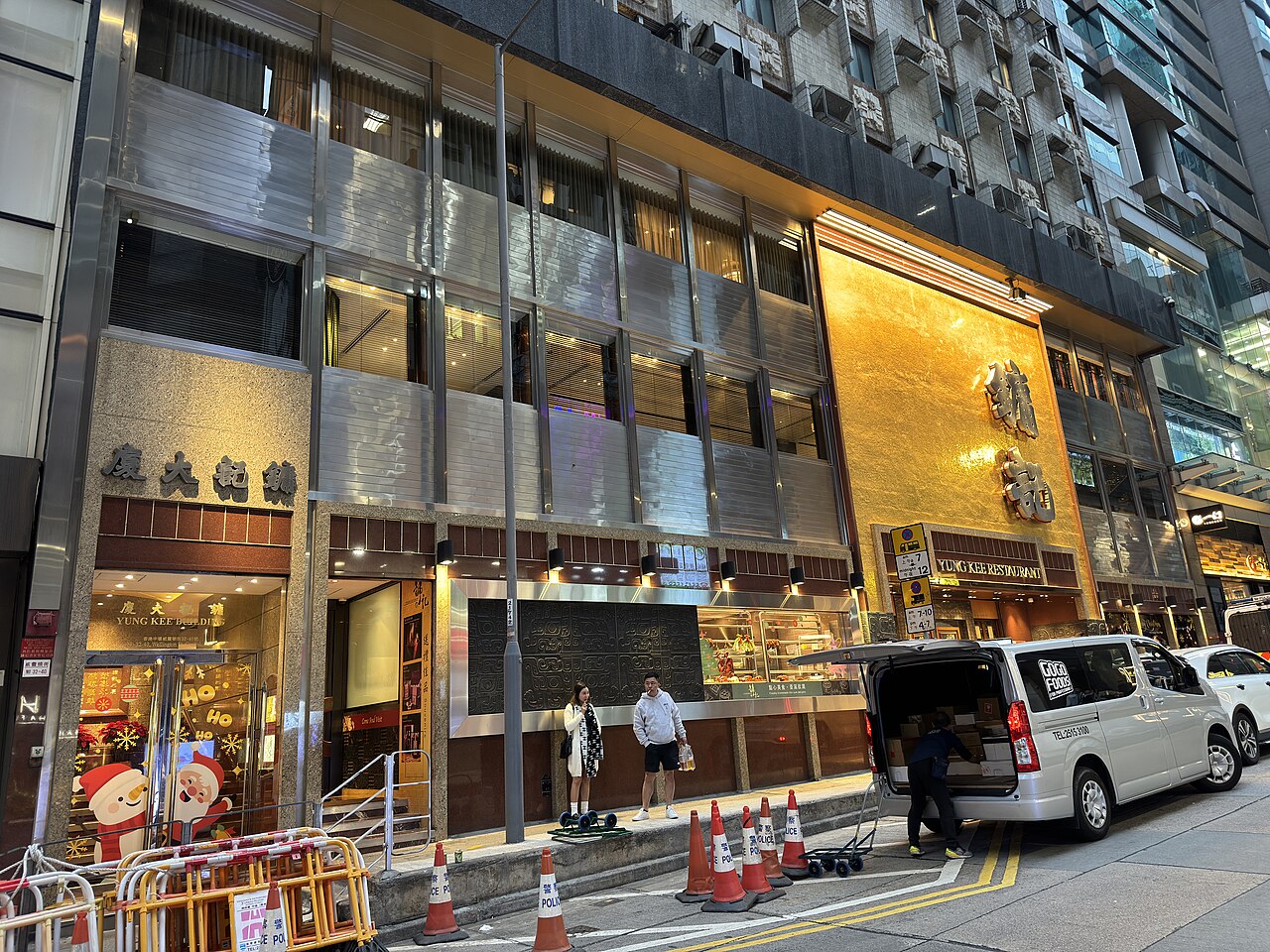
A roast-goose stall buys its own building in Central, and the founder leaves his sons shares too equal to decide
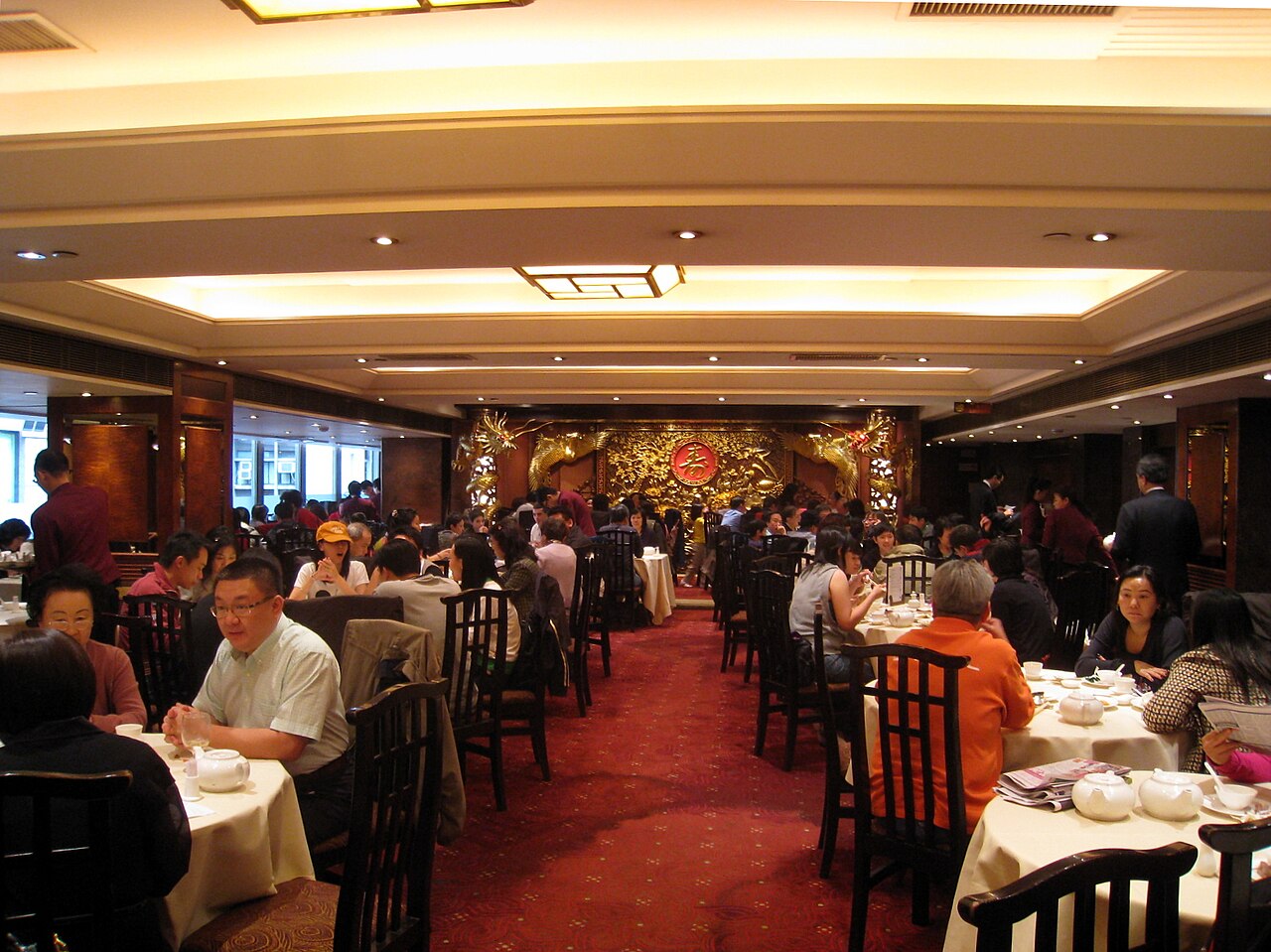
Kam Shui-fai started with a roast-goose stall and built the most famous restaurant in Hong Kong. Yung Kee fed bankers, film stars, and governors from its own building in Central — a property empire disguised as a restaurant, held through a BVI company the founder set up to keep things tidy. When he died, the shares passed to his sons in nearly equal parts: enough for each to block the other, not enough for either to decide.
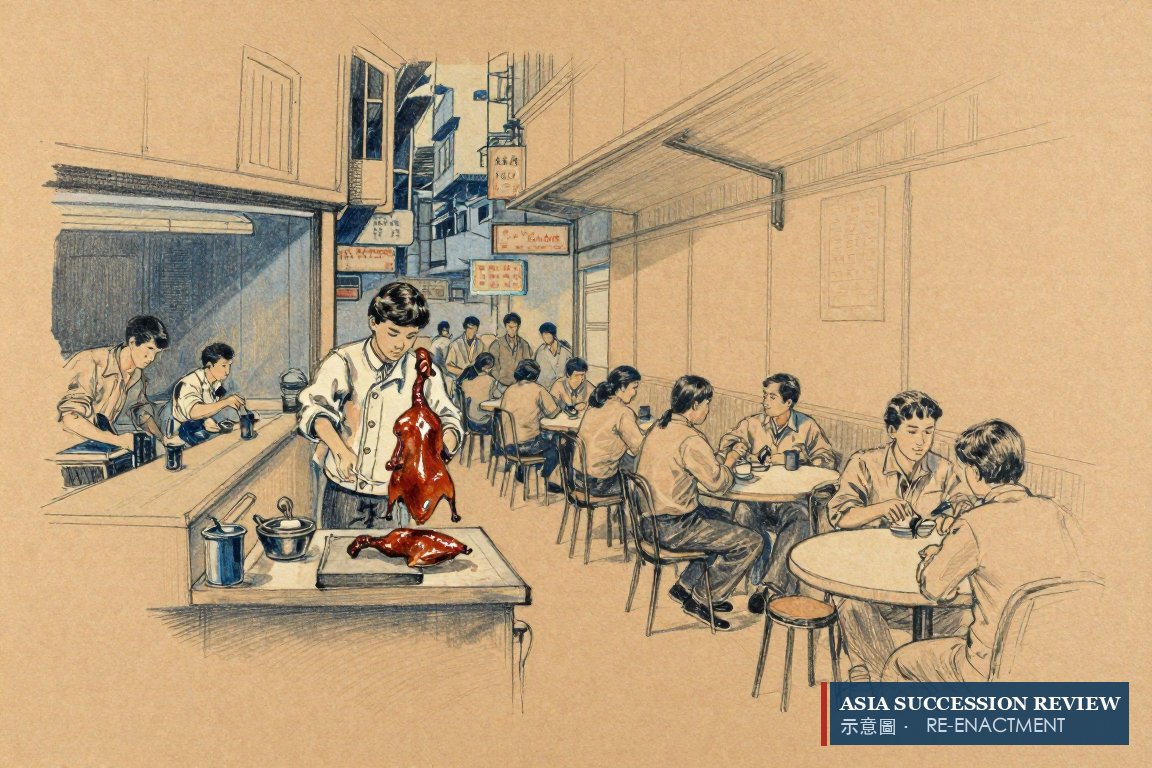
The elder brother who runs the dining room demands a buy-out, and the younger in the kitchen refuses
For a while, near-equality looked like fairness. Then the brothers disagreed — about management, about direction, about who the restaurant belonged to in the way that matters. Kinsen, the elder, front of house his whole life, petitioned the courts: buy me out, or wind the company up. Ronald, the younger, in the kitchen his whole life, would not buy and would not fold.
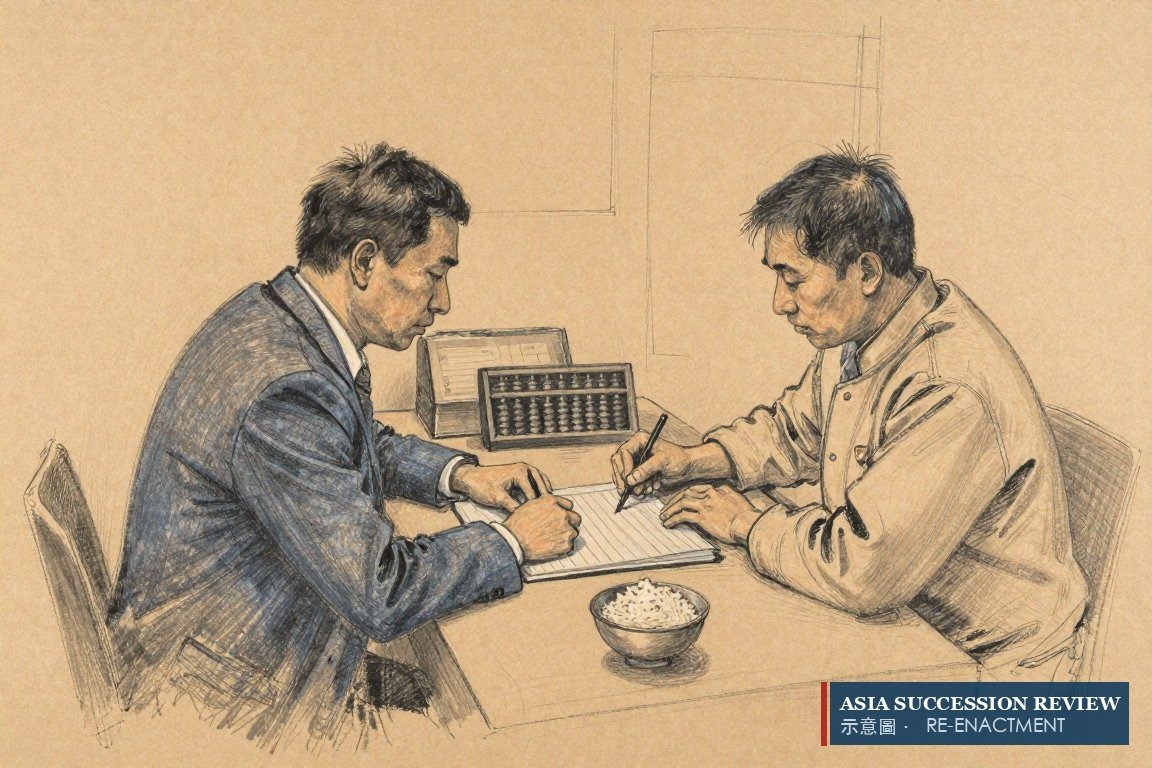
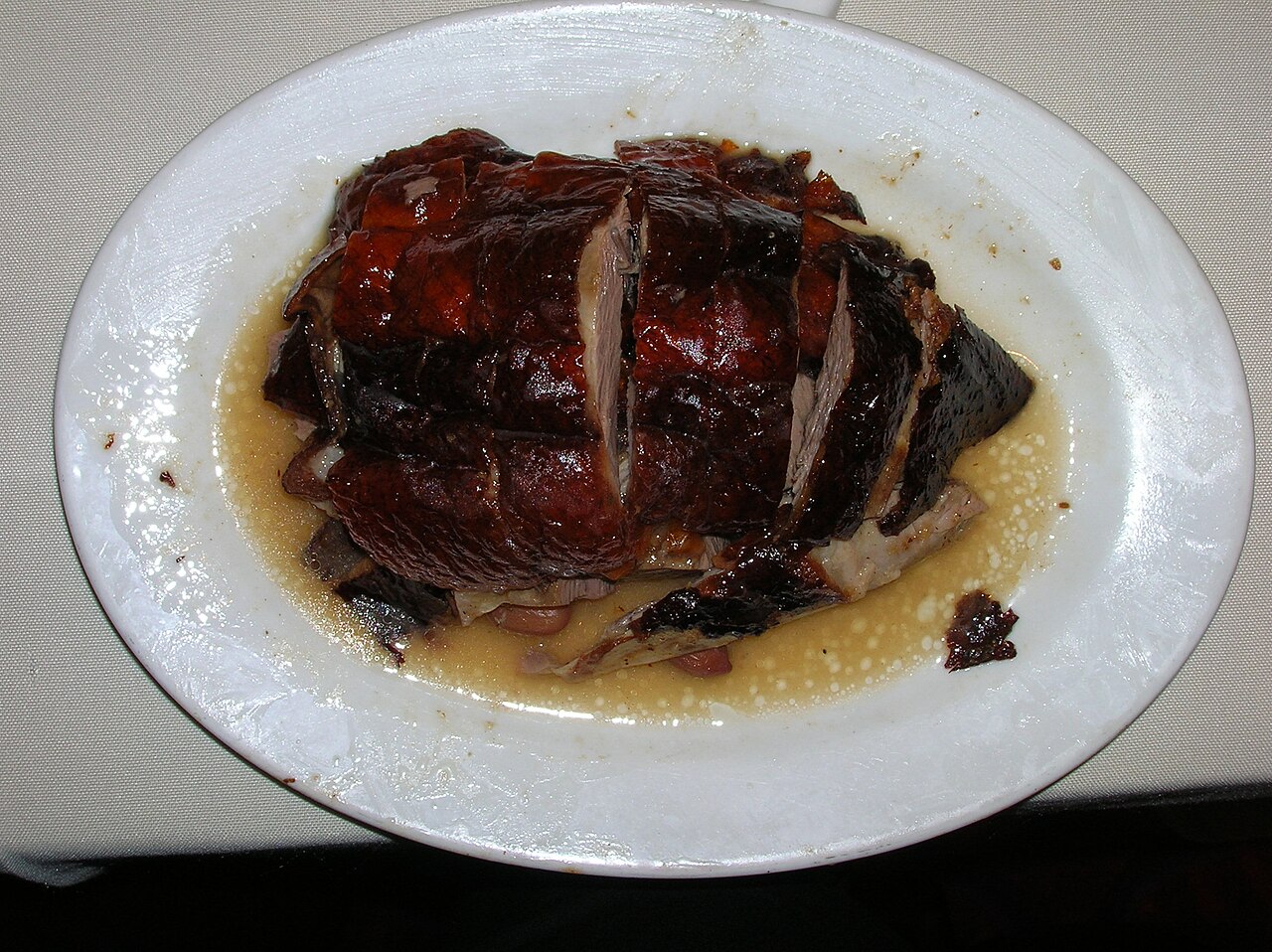

Kinsen dies in 2012 with the fight unresolved, and in 2015 the court orders the holding company wound up
The case crawled up Hong Kong's courts for five years, tangled in a jurisdictional knot — the family's restaurant stood in Central, but the company that owned it lived in the British Virgin Islands. Kinsen died in 2012 with the dispute unresolved; his estate fought on. In 2015 the Court of Final Appeal delivered the only tiebreaker the structure allowed: absent a buy-out, the holding company would be wound up — the corporate equivalent of cutting the goose in half.
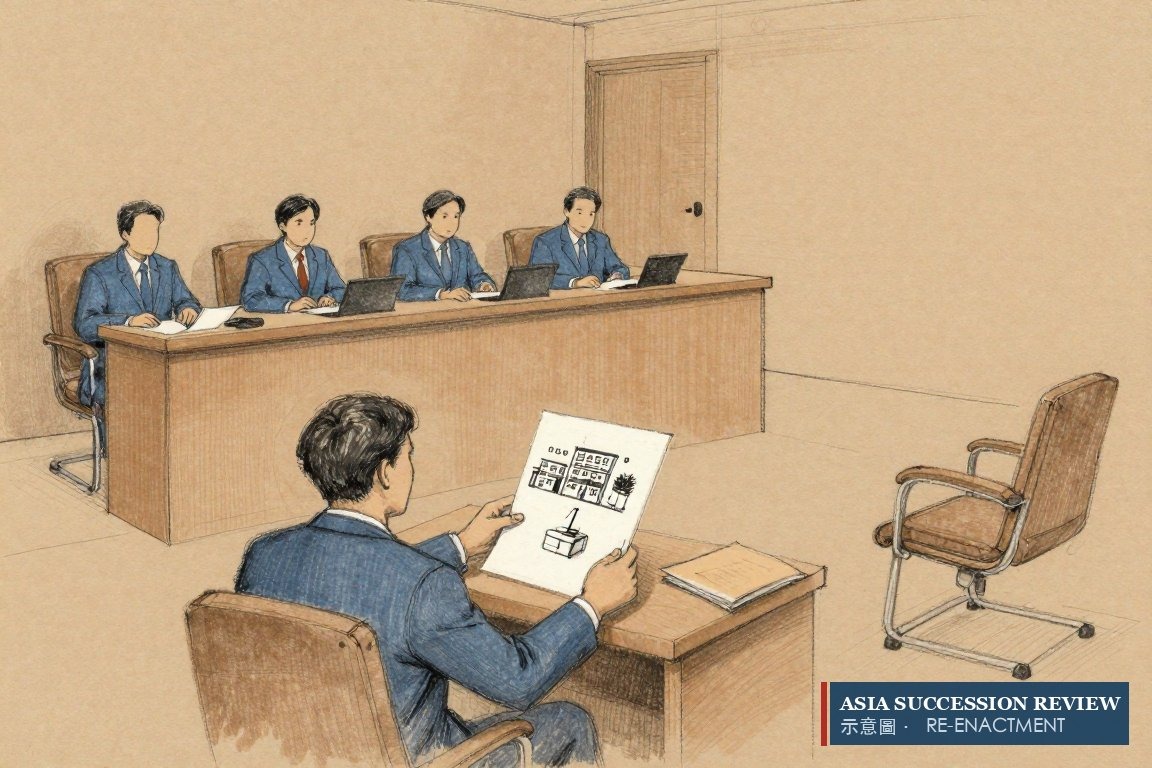
Equal shares with no exit clause turn two brothers into duellists, and the only referee left can only dissolve
Equal shares feel like love on the day they are gifted. Without an exit mechanism — a buy-sell agreement, a valuation formula, a deadlock clause — they are a duel with no referee, and the only judge left is one whose sole remedy is dissolution.
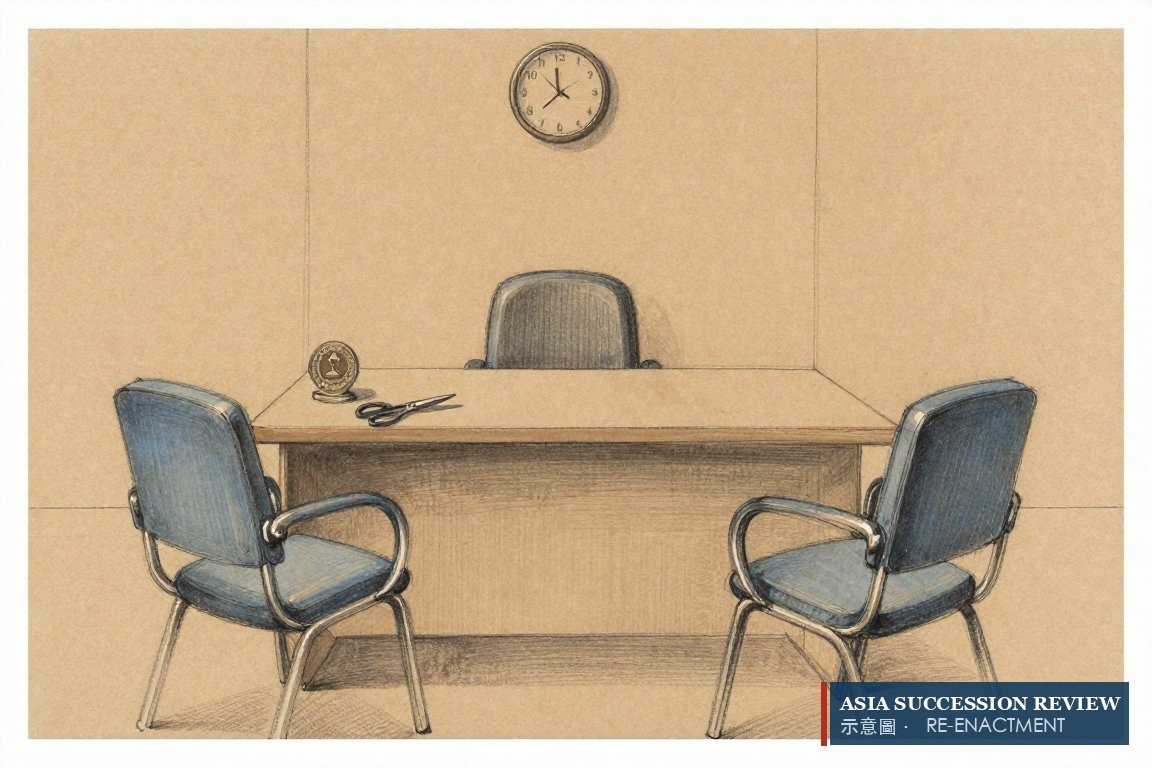
Equal shares feel fair on the day they are gifted and become a weapon the day the parents are gone. A 50/50 (or 45/45) split with no buy-sell mechanism has no tiebreaker except a judge — and a judge's tiebreaker is dissolution.
Agree the exit terms while the brothers still get along — a fixed price formula, and insurance money standing ready to pay it.
The brothers fix the buy-out price by formula today, so no brother can hold the other hostage tomorrow
Two moves. First, a buy-sell agreement, signed while nobody is angry: if we ever deadlock, one side buys the other out at a price set by a formula we agree now — say, a multiple of average profits, valued by an accountant both sides name today. The argument about price never happens later, because it was settled before there was anything to argue about.

Life cover on each brother funds the buy-out in weeks, so one family takes cash and the kitchen keeps cooking
Second, the money is pre-arranged: each brother's life is insured for roughly the value of his half. The day one brother dies — or simply wants out — the insurer's payout funds the buy-out within weeks. Kinsen's family walks away with full value in cash; Ronald keeps the kitchen; nobody spends five years in court pricing a goose. Put a Singapore family trust above the shares and the deadlock disappears entirely — the trustee is the tiebreaker a 45/45 split never had.
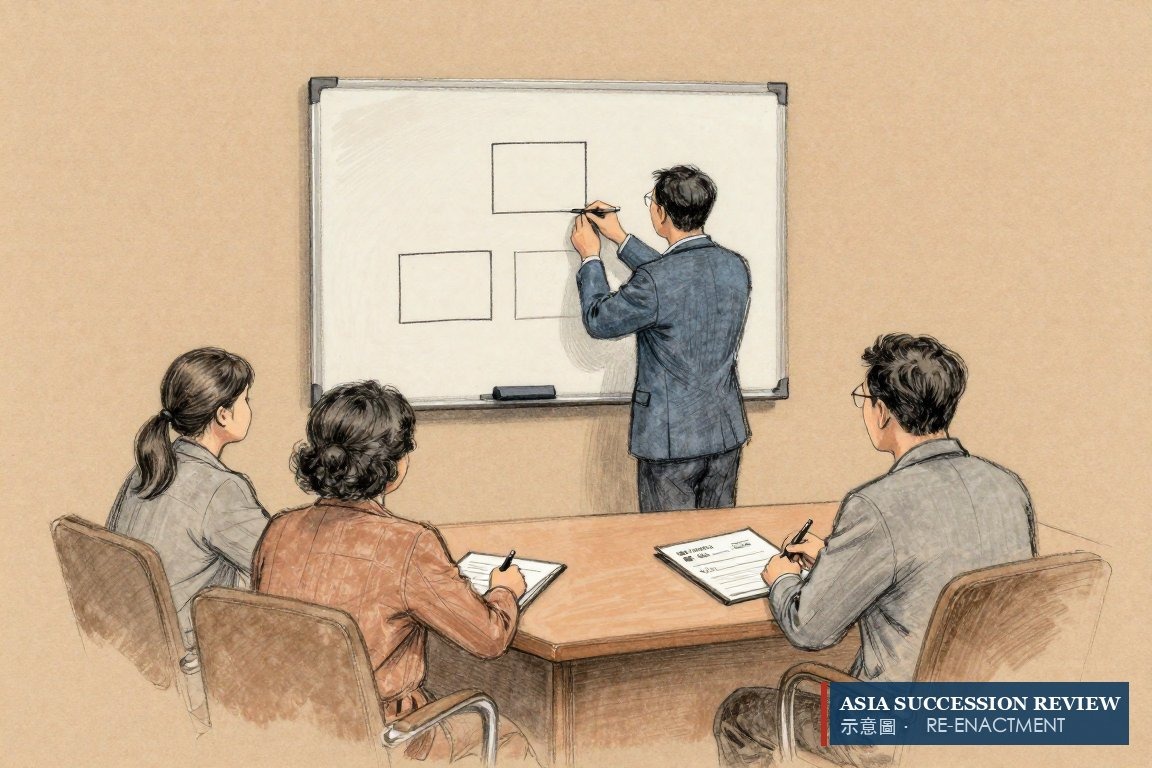
The brother who stays — the restaurant, whole, and the authority to run it
The brother who leaves — fair value in cash, funded by insurance — not dissolution scraps after five years of counsel
The founder's legacy — the family name stays over the door
A counterfactual, not advice: real structures need licensed hands and your family's facts.
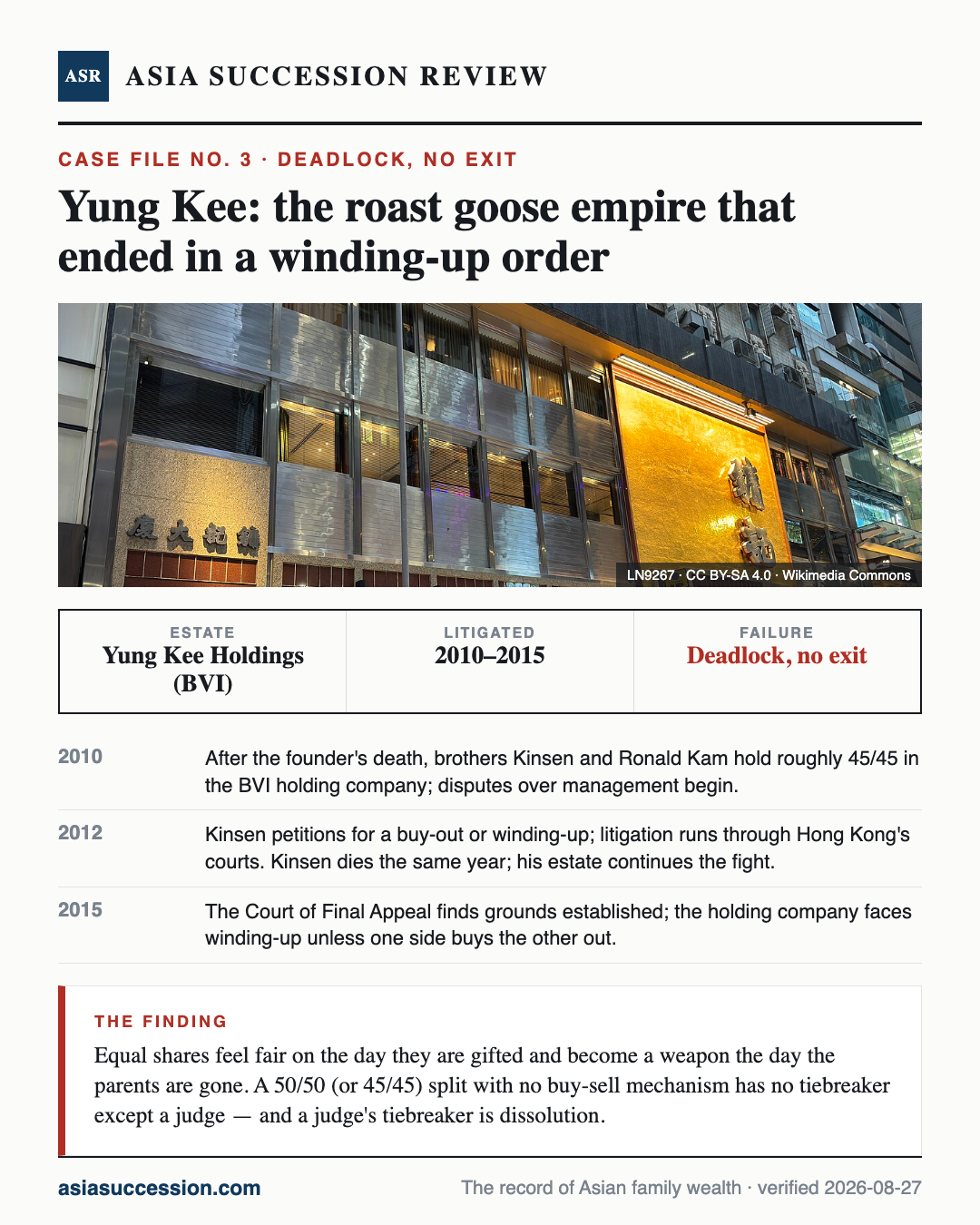
The case in one card — press and hold to save, or forward it as it is.
If you and a sibling hold near-equal shares
The time to price an exit mechanism is while nobody wants to use it. If your family company has no buy-sell agreement, no valuation formula, and no deadlock clause, your inheritance is one dispute away from a court-ordered sale. What a shareholders' agreement, a family holding structure, or a trust would each change:
My sibling and I own 50/50 of the family company and cannot agree — what happens to the business?
Usually nothing good, unless a mechanism exists — the predictor is not conflict, it is the absence of an exit. Hong Kong's Yung Kee restaurant ended in a court-ordered winding-up over exactly this. Families that disagree with a buy-sell agreement have an argument; families that disagree without one have a case. The time to price an exit is while nobody wants to use it.
What is a buy-sell agreement, and does it work inside an offshore holding company?
A contract between shareholders fixing who may buy whom out, at what valuation formula, on which triggers (death, deadlock, exit). It works in BVI and similar structures — Yung Kee's problem was the mechanism's absence, not its impossibility. The offshore seat mainly decided which courts spent five years on it.
How do I ask my parents to set up a buy-sell agreement without looking greedy?
Raise the mechanism, not the split. 'If we ever disagree, what is the tiebreaker?' is a stewardship question — it protects every sibling equally, which is precisely why it is safe to ask. Equal value need not mean identical shares: one child can hold the operating stake while others are balanced with different assets or insurance.
How can one sibling exit a family business if the other refuses to buy them out?
In rough order of cost: mediated valuation and a staged buy-out (sometimes funded by the company or insurance); consolidating ownership through a family trust; and, last, a just-and-equitable winding-up petition — the Yung Kee route, which took five years, outlived one brother, and priced the goose at dissolution value.
A question of your own that these don't answer — put it to the desk.