Losing faith won't remove an estate's administrator. Ask Genting
On 13 November 2026 the Kuala Lumpur High Court refused to remove the two outsiders running the RM1.6 billion estate of Genting heiress Lim Siew Kim. Her son had accused them of paying lawyers without leave. The judge found no misconduct and said one beneficiary's lost confidence is not enough. He will appeal, and the fight over the will resumes in January. What if it had been Singapore?
Read this in: EN · 简体 · 繁體 · ไทย · ID
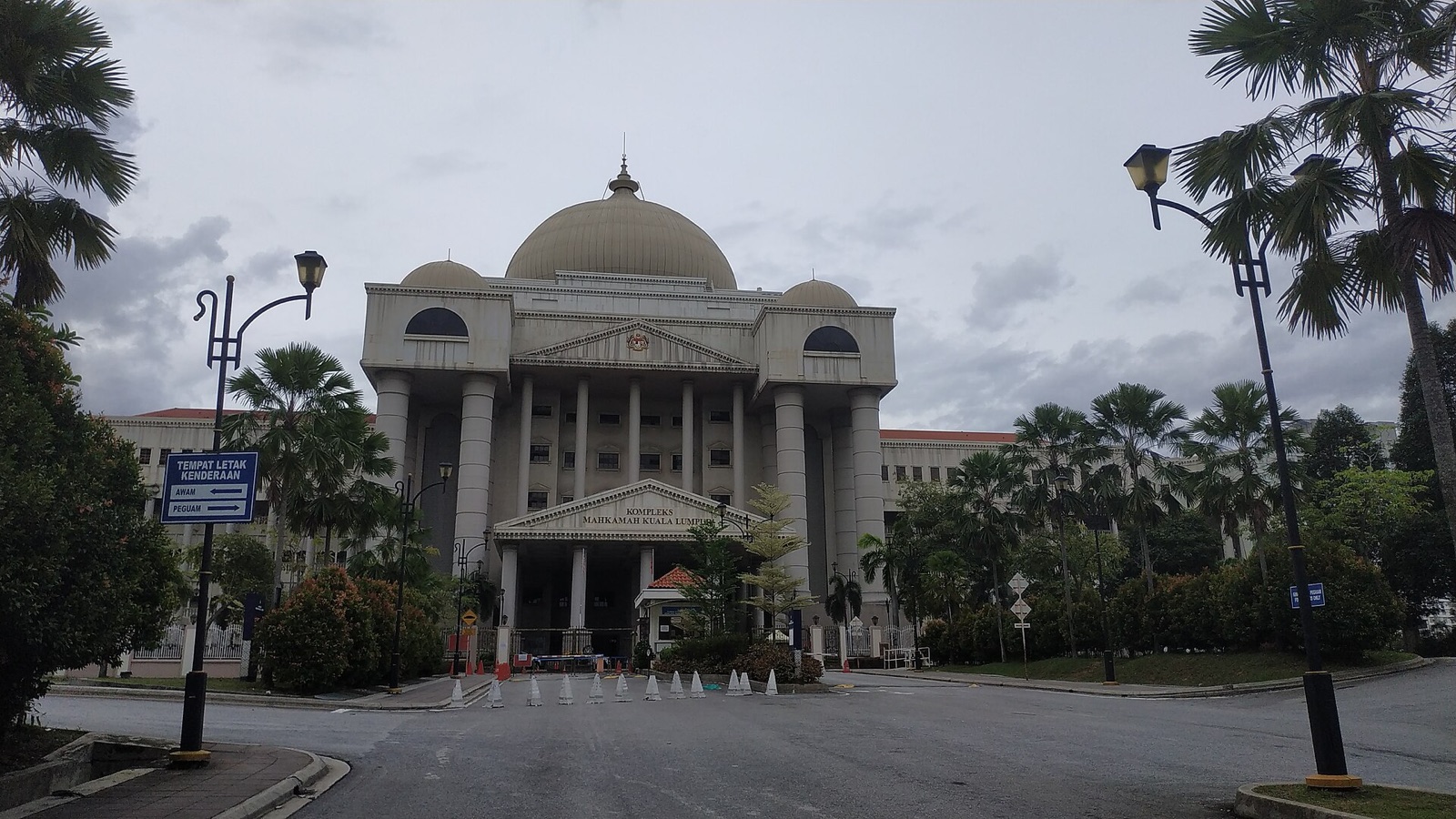
A Genting heiress's son asks a Kuala Lumpur court to fire her RM1.6 billion estate's administrators, and loses
On Friday 13 November 2026 High Court judge Datuk Mahazan Mat Taib, in Kuala Lumpur, dismissed an application by Marcus Chan Jau Chwen to remove the two administrators of his late mother's estate. His mother was Lim Siew Kim, the third child of Genting founder Tan Sri Lim Goh Tong. She died of cancer in July 2022, aged 73, with an estate put at RM1.6 billion. Under her disputed will of 28 April 2022 he takes 30% of the residue.
Two outsiders the court put in charge in 2023 get their powers back after ten months of being barred from acting
The administrators are Datuk S. Satharuban, a practising lawyer, and Khoo Siew Kiat of Deloitte Malaysia. The court appointed them on 27 November 2023 to hold the estate while her daughters' challenge to the will is decided. Since an ad interim injunction of 23 January 2026 they had been barred from acting. The judge discharged it, so they resume, and ordered Marcus to pay them RM30,000 in costs.
The son calls RM1.7 million paid to the executors' lawyers misconduct, and the judge finds no misappropriation shown
Marcus had alleged unauthorised legal payments, improper dealings with estate assets, interference in companies linked to his mother and conflicts of interest. About RM1.7 million of estate money had gone to the lawyers acting for the will's executors. The judge held that this did not necessarily serve the executors alone and was not shown to be misappropriation. Hiring lawyers for the administrators was not misconduct. A delay in paying for Siew Kim's tomb was not dereliction of duty.
The judge rules that one heir's lost confidence cannot undo the court's choice, so distrust alone removes no one
On the main point she was blunt. 'The court must be careful not to allow the objective of appointing independent administrators to be defeated merely because one beneficiary has lost confidence in them,' she said. Lost confidence can count when established facts show misconduct, a disabling conflict or an inability to administer. 'Subjective dissatisfaction, personal disagreement, or repeated opposition to administrative decisions is not by itself sufficient.'
The administrators keep their posts but must still hand every cost and fee to the court for checking
She added that the ruling is not 'blanket approval' of every payment: the administrators must still account, comply with the order and submit their costs and remuneration for examination. They need not seek the court's approval before every payment. A potential conflict involving Khoo had been disclosed and dealt with by an earlier order. The ruling does not decide whether the will is valid. Marcus has said he will appeal, and the trial of the will resumes in January 2027, The Edge reports.
- 1The Edge Malaysia, 13 Nov 2026: Siew Kim's son fails in bid to remove court-appointed administrators overseeing RM1.6 bil estate (Mahazan Mat Taib J; loss of confidence and 'subjective dissatisfaction' passages; about RM1.7m to Cecil Abraham & Partners and Arvinder Gill; tomb payments; RM30,000; appeal indicated; trial resumes January)
- 2New Straits Times, 13 Nov 2026: Genting heiress' son fails to remove estate administrators (RM30,000 costs; interim injunction discharged; allegations listed; Khoo's disclosed conflict; appointment order operative without a separate grant; will's validity not decided)
- 3New Straits Times, 24 Feb 2026: Estate of Genting founder's daughter: RM1.6bil hearing begins (wills of 2 Nov 2021, 11 Apr 2022 and 28 Apr 2022; Dikim Foundation over 70% of the residue; son 30%; daughters RM900,000 and RM100,000)
- 4Probate and Administration Act 1934 ss20, 32, 66 and 67 (administration pending a probate action; revocation 'for any sufficient cause'; commission of up to 5% guided by the court's view of the administrators' conduct; reasonable testamentary expenses), read on Singapore Statutes Online as at 14 Nov 2026
- 5Mustaq Ahmad v Providentia Wealth Management Ltd [2023] SGHCF 53 (Mavis Chionh J, 30 Nov 2023): the Mustafa estate; the son's grant revoked in HCF/JUD 3/2021 and a professional administrator appointed 14 Jan 2022; his bid for an interim distribution of 1,986,170 MMSCPL shares dismissed
- 6Ayaz Ahmed v Mustaq Ahmad [2026] SGHC 221 (22 Oct 2026): the Mustafa estate's 25.4% of MMSCPL; the Appellate Division's dismissal of the son's appeal in the oppression suits ([2024] 1 SLR 1016)
- 7Trustees Act 1967 s37 (new trustees appointed by the person the trust instrument nominates; s37(2): a trustee removed under a power in the instrument is replaced as if dead), read on Singapore Statutes Online as at 14 Nov 2026
A family that could not agree gets outsiders, and saying it distrusts them is not enough to send them away
Once a court puts outsiders in charge of an estate, the family cannot take them out by saying it no longer trusts them. That is the point of them. They were appointed because the family could not agree, so a beneficiary who loses faith in them is not new information. To remove them, he must prove something: misconduct, a conflict that disables them, an inability to do the job.
The son who tried to oust them loses his ten-month freeze, owes them RM30,000 and plans an appeal
The cost runs one way. The administrators' lawyers are paid from the estate, and about RM1.7 million paid to the executors' lawyers was, the judge held, not shown to be misappropriation. The son who tried to remove them won a ten-month pause on their acting, has now lost it, owes them RM30,000 in costs, and plans an appeal.
Four and a half years after the heiress died, her will's trial resumes only in January 2027, and the estate pays strangers to wait
Meanwhile the question that put the outsiders there is still open. Siew Kim died in July 2022. The trial of her last will resumes in January 2027, four and a half years later. Every month it runs, the estate pays strangers to hold it, and the family's only real lever over them is the accounts.
Singapore would keep the same outsiders in place on the same evidence; removal there also needs proven cause, so what a Singapore plan changes is how much of the fortune is in the estate at all, and who may replace its holder without a court.
Contest a will in Singapore and the court also picks an outsider who may hold the estate but not hand it out
Start with the court's administrator. Section 20 of the Probate and Administration Act 1934, read on Singapore Statutes Online as at 14 November 2026, lets the court grant administration, pending any probate action, to 'such person as the court may appoint'. That person may not distribute the estate and is under 'such control by, and direction of, the court as the court thinks fit'. A contested Singapore estate goes to an outsider of the court's choosing, as it did in Kuala Lumpur.
Mustafa Centre's founding family takes the estate from the eldest son only after a full trial proves his breaches
Removal works the same way too. Section 32 says any grant may be revoked or amended 'for any sufficient cause'. The Act does not say what counts. Singapore's best-known recent example is the estate of Mustafa s/o Majid Khan, whose family company is behind Mustafa Centre. His eldest son held the grant from 2004. Other heirs sued him in 2017 as administrator, and after a full trial the court revoked his grant in 2021 and ordered a professional administrator.
An administrator who distributes nothing for 17 years is replaced, and it still takes five years from writ to new holder
Note what it took. The son had made no distribution in 17 years, Mavis Chionh J recorded in Mustaq Ahmad v Providentia Wealth Management [2023] SGHCF 53. The parties could not agree on a replacement, so the court chose Providentia Wealth Management on 14 January 2022, and its letters of administration issued on 26 December 2022. That is five years from writ to new holder, and it rested on findings, not on loss of trust. Our reading is that distrust alone would not be sufficient cause in Singapore either.
The son demands 1,986,170 shares handed out, and the court backs the professional's decision to wait
The same judgment shows the professional's discretion holding. In 2023 the son asked the court to make the new administrator hand out 1,986,170 shares the estate held in the company. The court refused on 30 November 2023: the administrator had good reasons to wait, including an order that the estate keep its 25.4% until a court-ordered buyout. A beneficiary's disagreement with a professional's decision is, in Singapore as in Malaysia, not misconduct.
In Singapore the family's real lever is the administrator's pay, which a registrar can cut when the conduct falls short
Where Singapore gives the family a real lever is money, not removal. Section 66 lets the court allow an administrator a commission of up to 5% of the assets collected, 'guided by' its approval or otherwise of their conduct. Section 67 allows only reasonable testamentary expenses. Both can be exercised by the registrar when the accounts are taken. That is the route the Kuala Lumpur judge also left open: the administrators must still submit their costs and remuneration for examination.
A parent who settles a trust while clearly capable keeps those assets from any administrator, and names who may replace the trustee
The planning lesson is about what never reaches section 20. Assets settled into a trust while a parent's capacity is beyond question are not in the estate, so no administrator takes them. The deed can also say who may replace the trustee. Section 37 of the Trustees Act 1967 lets the person the trust instrument nominates appoint new trustees, and a trustee removed under a power in the instrument is replaced as if he had died. A protector can do in a letter what a beneficiary must otherwise prove in court.
A trust signed in a parent's final weeks faces the same capacity challenge as a will, so timing decides everything
Now the limits. Malaysian law governs this estate, and we have not read the judgment, only The Edge and the New Straits Times reports of 13 November. Marcus has said he will appeal. The daughters' claims against the April 2022 will are untested and denied, and nothing here suggests an answer. A trust is no cure for a contested will: one signed in the same last weeks would face the same capacity challenge, and a protector's power is only as good as the person holding it.
An heir who asks four plain questions now spares the family the courtroom where Siew Kim's heirs are answering them
For the reader whose family may one day face a contested estate, four questions. If a parent's will were challenged tomorrow, what would sit outside the estate? Who would hold the rest, and could anyone in the family replace that person without proving fault in court? Who would read the accounts, and how often? And are the reasons for any unequal share written down by the parent? Siew Kim's heirs are answering all four in a courtroom, four years on.
Marcus Chan Jau Chwen, the son — a dismissed application, RM30,000 in costs to pay, and an appeal he says he will bring; 30% of the residue if the April 2022 will stands
Datuk S. Satharuban and Khoo Siew Kiat, the court's administrators — back in charge from 13 November 2026, the injunction discharged; still bound to account and to submit their costs and remuneration for examination
Chan T'shiao Li and Kimberly Chan T'shiao Miin, two daughters — RM900,000 and RM100,000 under the disputed will, and a challenge to it whose trial resumes in January 2027
The Dikim Foundation — more than 70% of the residue if the will stands; nothing yet
The executors' lawyers — about RM1.7 million from estate funds, which the judge held was not shown to be misappropriation
The same family in Singapore — the same court-chosen administrator under section 20, removable only for sufficient cause under section 32, as the Mustafa heirs found; a lever on pay under section 66; and, for anything in a trust, a replacement power the deed can give
The reader's family — four questions: what sits outside the estate, who could replace its holder without a court, who reads the accounts, and are the reasons written down
A counterfactual, not advice. The verified machinery is on the Singapore page; where your family stands is the briefing.
From the case files: Genting: the settlement that never settles