LVMH: equal shares won't pick a boss, so the Arnaults wrote a rulebook
Bernard Arnault, 77, is folding the companies that control LVMH into one listed partnership that outside shareholders cannot take the wheel of. Above it sits a family company his five children own in equal fifths, locked for 30 years. What would Singapore allow, and what would it refuse?
Read this in: EN · 简体 · 繁體 · ไทย · ID
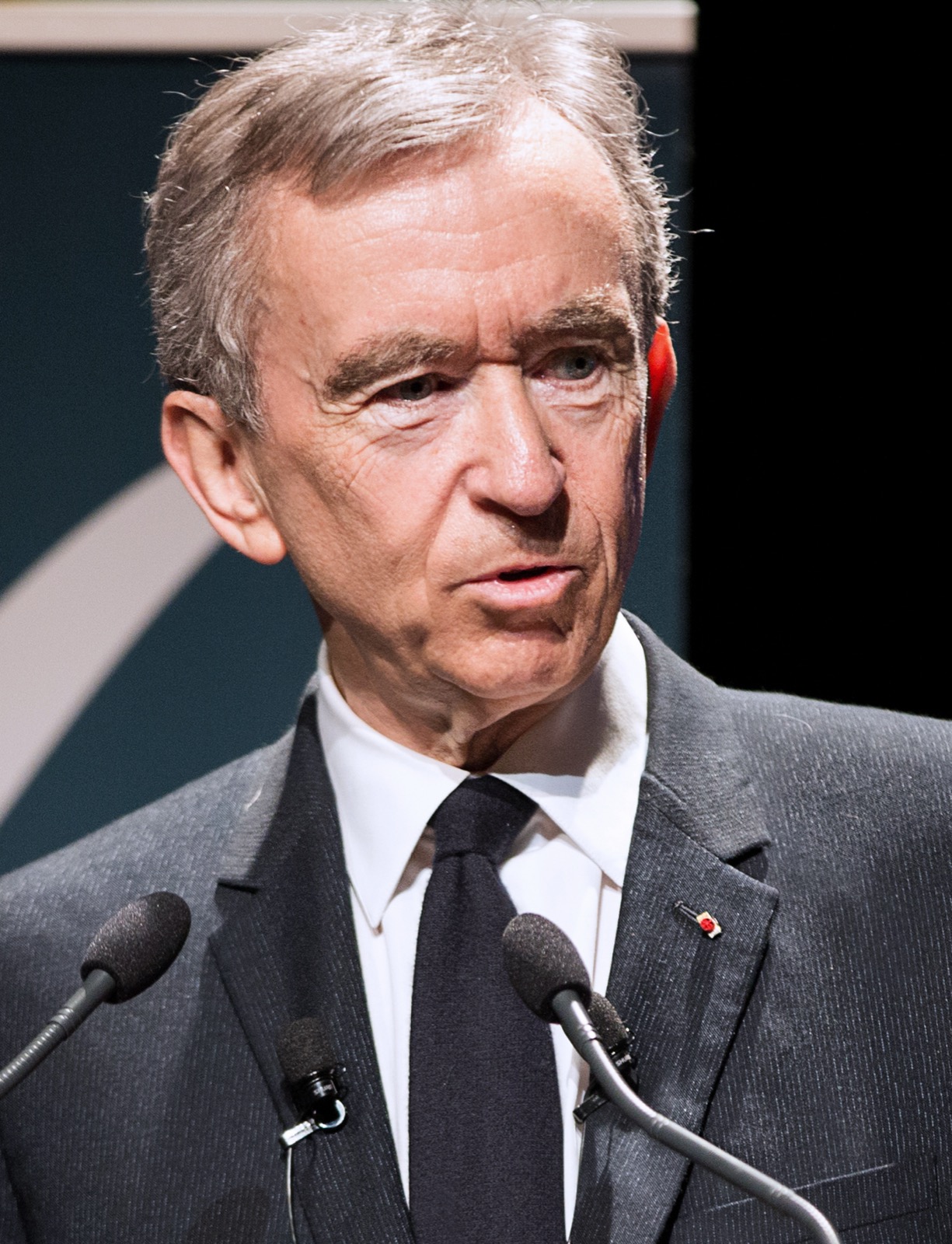
A luxury founder folds his family's holding companies into one listed partnership on 23 September 2026 and keeps the wheel
On 23 September 2026 the board of Christian Dior, the listed company through which Bernard Arnault's family controls LVMH, announced a plan it had been told of that day. Financière Agache would merge into Agache, the family holding company. Agache would then merge into Christian Dior, which would become a partnership limited by shares, a société en commandite par actions, and take the name Agache. Its general partners would be Agache Commandité and Arnault himself, who would stay managing partner. General meetings would vote in December 2026, subject to waivers from the French market regulator, the AMF.
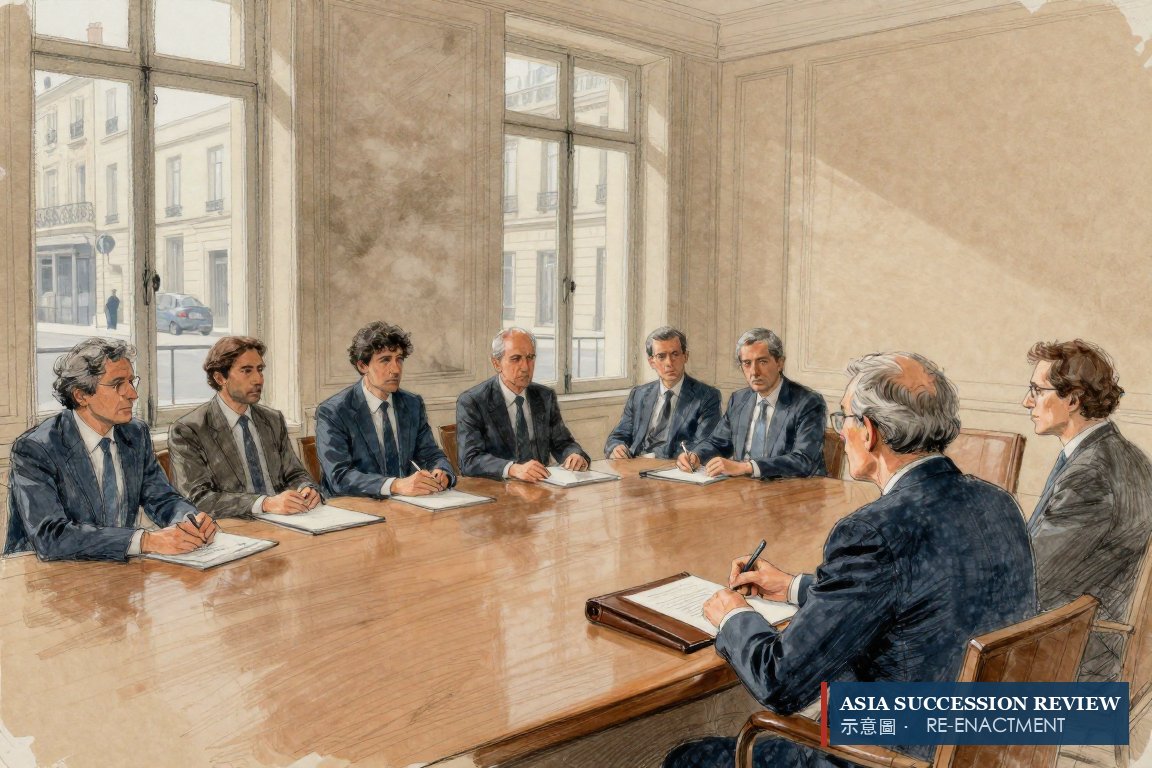
Four stacked companies hold the family's LVMH stake today; after the mergers one listed company holds 49.76 per cent
Today Agache owns all of Financière Agache, which holds 96.00 per cent of Christian Dior's capital and 97.10 per cent of its votes, plus 6.77 per cent of LVMH's capital and 8.49 per cent of its votes. After the mergers one listed company would hold 49.76 per cent of LVMH's capital and 65.55 per cent of its votes, nearly all of the family group's 50.33 per cent and 66.27 per cent. The release says the partnership form is kept to ensure 'the continuity of its control over LVMH'.
The family offers outside holders about €1.63 billion for 2.44 per cent, and lets anyone who prefers stay
Changing the company's form obliges the family to offer to buy the Christian Dior shares it does not hold: 2.44 per cent of the capital, worth about €1.63 billion at the close on 22 September. The price would be 95 per cent of Christian Dior's net asset value, looked through to LVMH's one-month average share price. On the day of the release that illustrated at €469.05 a share, 27.3 per cent above the previous close. There would be no squeeze-out, so holders may sell or stay. The offer would open in the first quarter of 2027. Christian Dior's shares rose about 17 per cent the next day.
Five children take an equal fifth of the family partner in 2022, and none may sell it for 30 years
The partnership form is not new. In July 2022 the family converted Agache into one. Its general partner, Agache Commandité, registered in Paris on 22 November 2022, is owned equally by Arnault's five children, Delphine, Antoine, Alexandre, Frédéric and Jean. WWD reported on 21 July 2022 that, according to the AMF filing, its shares could not be sold or transferred for 30 years unless a five-member committee, initially the five siblings, decided unanimously. After that only descendants of Bernard Arnault may hold them, with a right of first refusal. Delphine Arnault was its first president; Antoine replaced her on 16 November 2024, according to the Paris register.
A 77-year-old chairman stays on until 85, and still names no successor among five children
Arnault is 77. In 2025 LVMH shareholders raised the age limit so that he may remain chairman and chief executive until 85. All five children work in the group and four sit on LVMH's board. In July 2026 he answered a six-part Le Monde investigation into rivalry among them by saying his children 'call each other on Sundays'. The release names no successor. The general partners' financial rights stay capped at €3 million a year.
- 1Christian Dior SE, press release of 23 Sep 2026 (English translation, PDF): the mergers, the conversion, the holdings, the tender offer and the illustrative price
- 2Christian Dior SE, communiqué du 23 septembre 2026 (French, the authentic text)
- 3FashionNetwork, 24 Sep 2026: Christian Dior shares up about 17%; Arnault 77; all five children in the group; the age limit
- 4WWD via Yahoo, 21 Jul 2022: Agache converted to an SCA; Agache Commandité held equally by the five children; 30-year transfer bar unless unanimous; descendants only; right of first refusal
- 5Fortune, 28 Jul 2026: decisions in Agache Commandité need three of the five siblings, per corporate filings; the Le Monde investigation; the age limit of 85; four children on LVMH's board
- 6Agache Commandité SAS, RCS Paris 921 583 266: registered 22 Nov 2022; president Delphine Arnault, then Antoine Arnault from 16 Nov 2024 (BODACC, 4 Mar 2025), via Pappers
- 7Companies Act 1967 s26A (entrenching provisions), Singapore Statutes Online
- 8Companies Act 1967 s64A (shares with different voting rights; s64A(6) private companies), Singapore Statutes Online
- 9Companies Act 1967 s152 (removal of directors of a public company), Singapore Statutes Online
- 10Companies Act 1967 s216 (oppression; s216(2)(d) purchase of shares), Singapore Statutes Online
- 11SGX Mainboard Rule 210(10): dual class share structures, SGX Rulebook
A father leaves one company to three children equally, and nobody writes who decides or who may sell
A founder who leaves a company to several children leaves two questions that equal shares do not answer. Who decides while they all own it? And who may leave, to whom, at what price? Most families answer neither. The answer then comes from whichever child first sells to an outsider, or joins outside shareholders to outvote the others.
The partnership keeps outside shareholders from replacing the manager, and binds five siblings to each other for 30 years
The Arnault design answers both, and it rewards slow reading. Upwards, it walls off outsiders. In a partnership limited by shares the managing partner answers to the general partners, and the shareholders who own the capital cannot replace him. Downwards, it binds the five. Each owns a fifth of the general partner, none may sell for 30 years without the others' unanimous consent, and only descendants may ever hold it.
Three of five siblings can decide, but selling the family's seat needs all five, and one no is enough
Reports disagree on how the five decide, and both can be right. WWD's 2022 account of the AMF filing says transfers need a unanimous committee. Fortune, citing corporate filings in July 2026, says that absent other instructions, decisions need three of the five. One is a rule about leaving, the other a rule about running. Read together, one sibling can stop the family selling its seat, but no single sibling can stop the family deciding.
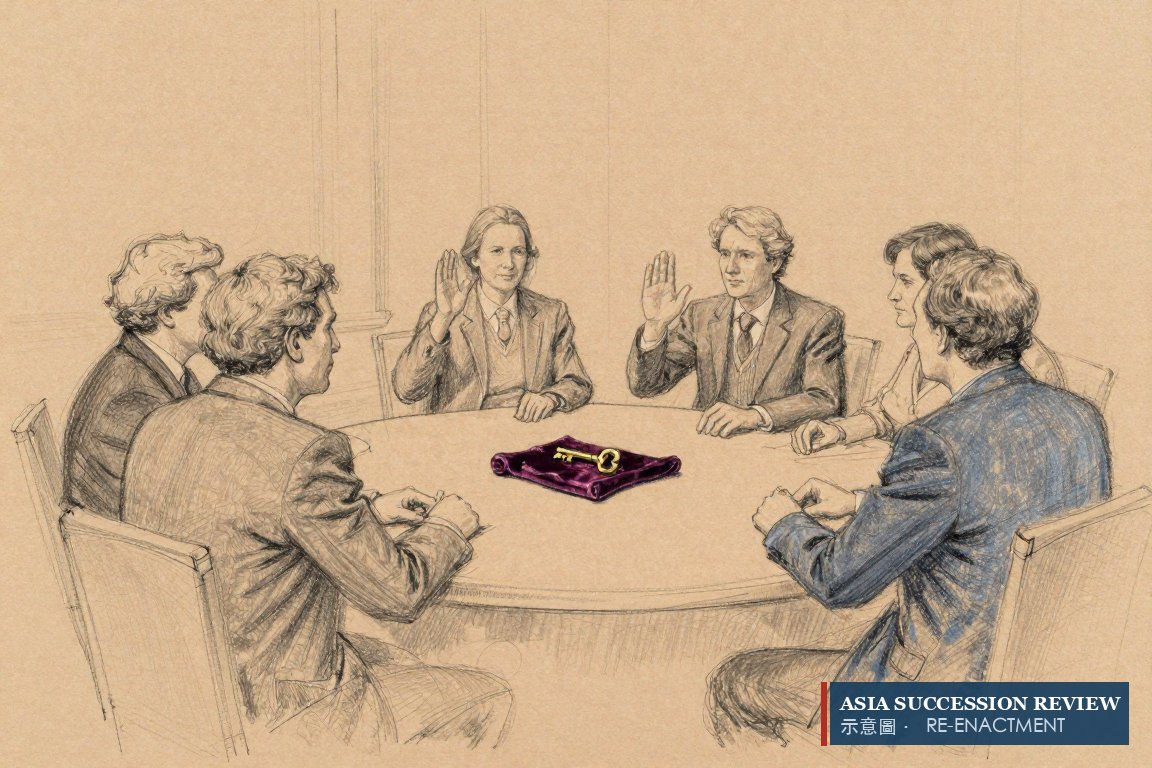
Five heirs get a procedure for choosing the next manager, not a successor, and their money stays locked 30 years
What the structure does not answer is the question the press keeps asking: who follows the father as managing partner. It moves that decision into a room of five with a voting rule, instead of leaving it to a will, a court or the market. That is not a successor. It is a procedure for choosing one. Its price is that for 30 years no child can take the money and walk.
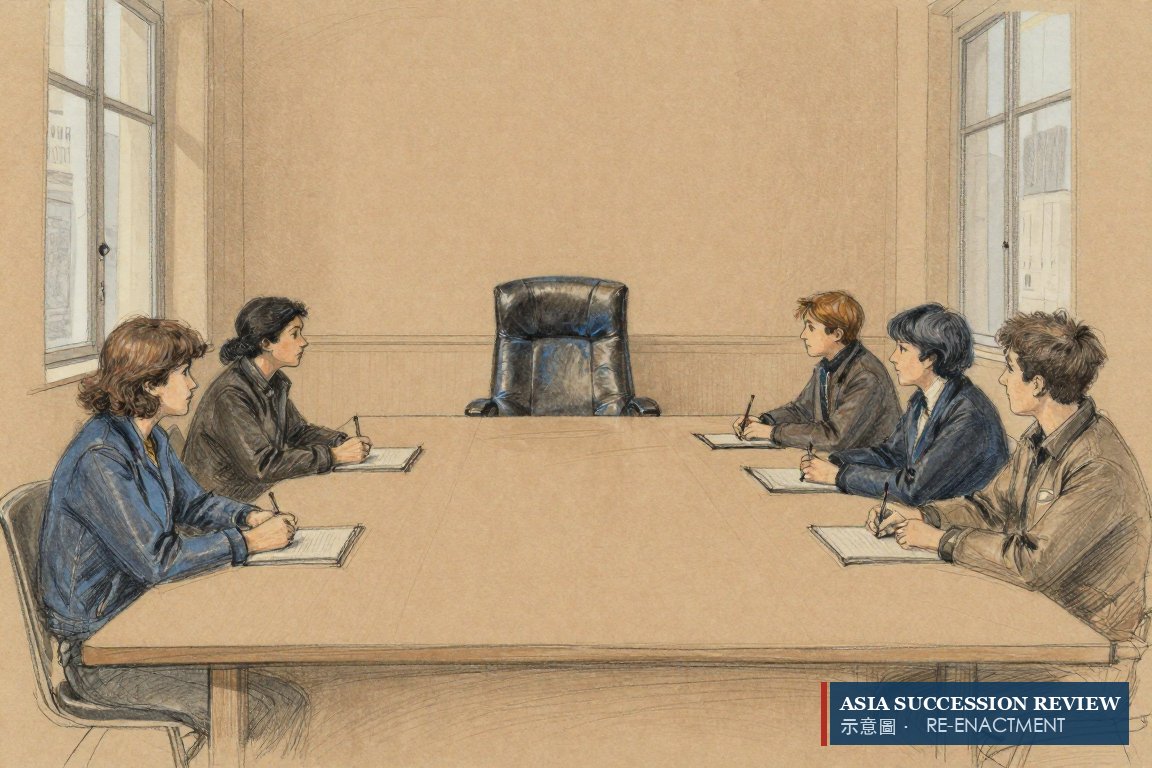
The family pays €1.63 billion to remove a middle layer, so one managing partner sits directly over LVMH
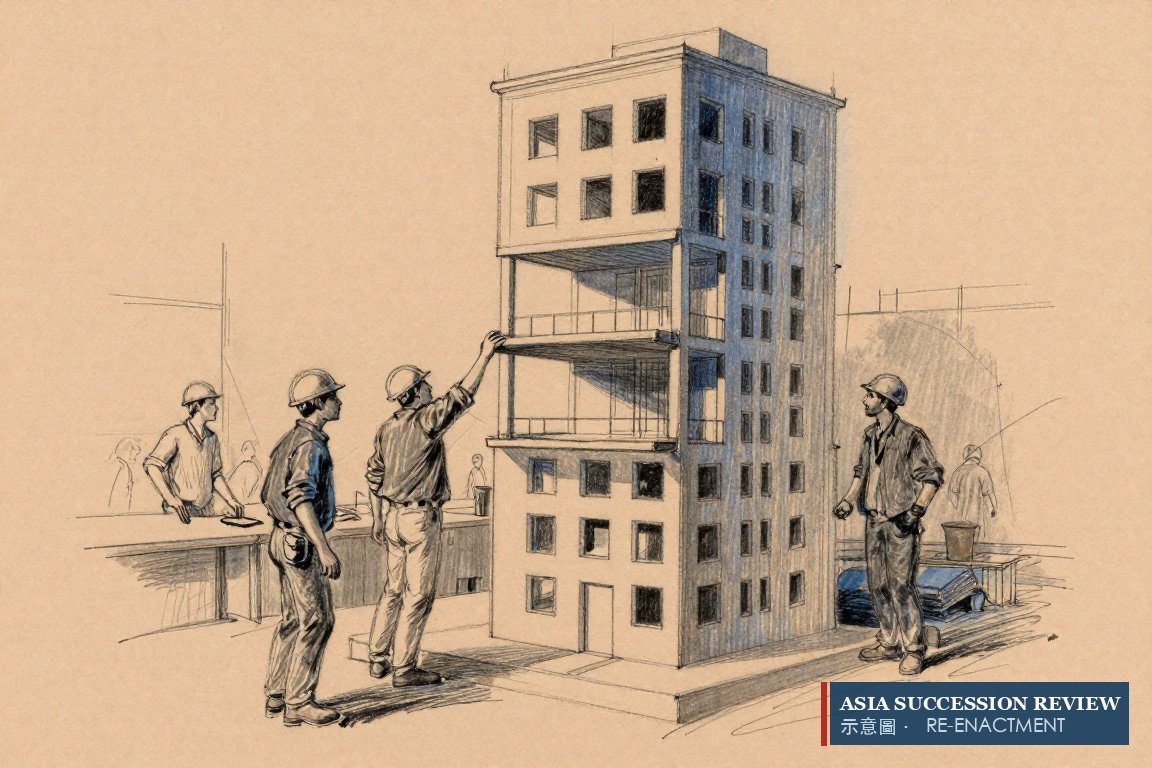
The €1.63 billion offer pays the outside shareholders of the middle layer to leave, or lets them stay on the family's terms. It removes a floor from the building, so that one company, one vote and one managing partner sit directly over LVMH.
Singapore would let the Arnaults build the family half of this almost exactly: a private company owned in equal fifths, clauses only all five can change, a voting rule for decisions and a lock on sales. The listed half it would refuse: a Singapore public company's shareholders can always remove a director, and SGX's weighted votes lapse when the founder stops being one.
A Singapore founder keeps a voting class for life and gives five children equal economic shares in one private company
Start with the half Singapore copies easily, the family room. Agache Commandité is a private company owned in equal fifths, and a Singapore private company can be the same. Section 64A(6) of the Companies Act 1967, read on Singapore Statutes Online on 26 September 2026, leaves a private company free, subject to its constitution, to issue classes of shares with special, limited or no voting rights. A founder could keep a voting class for life and give the children equal economic shares.
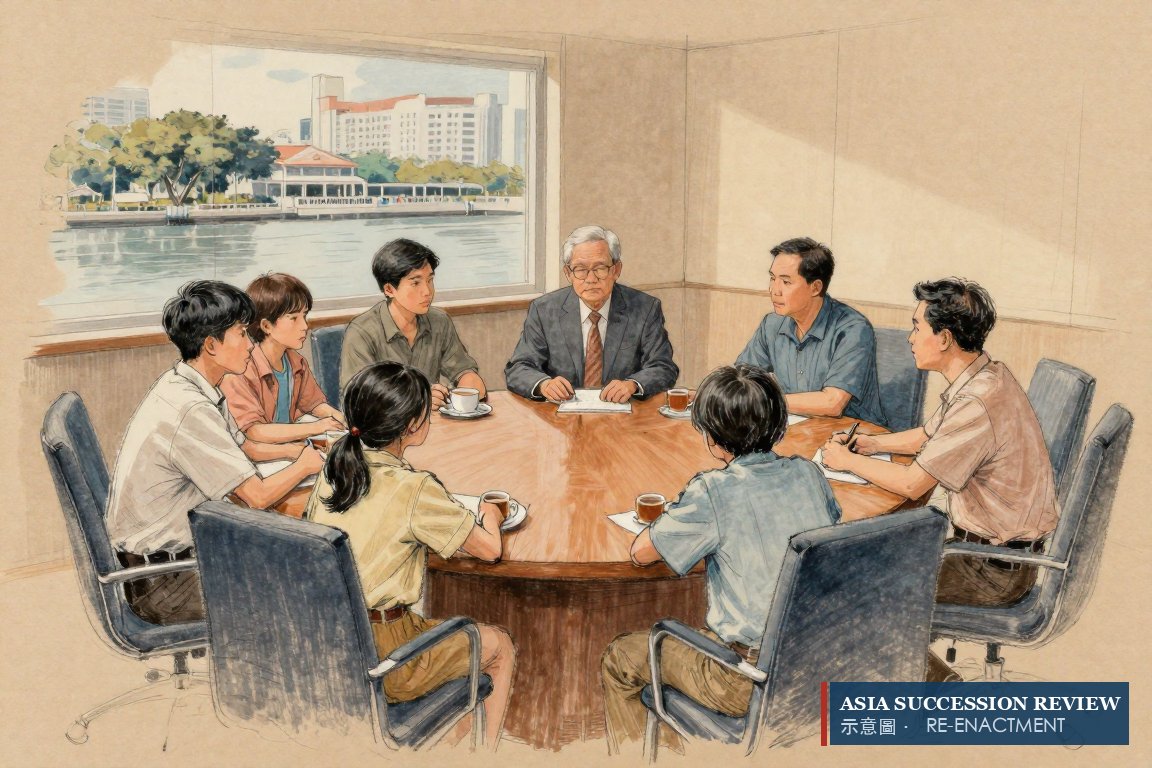
Five siblings entrench a three-of-five rule that only all five can ever change, and lock their shares by agreement
The voting rule and the lock go into two documents. The constitution can say that the holding company's decisions need three of five shareholders. Section 26A lets such clauses be entrenched: an entrenching provision can be written in when the company is formed, or added later only if all members agree, and it can be removed or altered only if all members agree (s26A(1)–(2)). A shareholders' agreement can carry the 30-year bar on transfers, the right of first refusal and the rule that shares pass only to descendants.
A locked-in sibling in Singapore can ask the court to order the others to buy her shares
Singapore adds a door the Arnault papers, as reported, do not describe. If one sibling is locked in and the others run the company against that sibling's interests, section 216 lets any member apply to the court on the ground of oppression or disregard of their interests. Under section 216(2)(d) the court may order the other members, or the company, to buy that member's shares. A lock that all five signed is not oppression in itself. The way it is used can be.
Shareholders of a Singapore-listed company can remove any director by simple majority, whatever the family's agreement says
Now the listed half, where Singapore says no. An SCA's managing partner can be replaced only through the general partners. A Singapore public company cannot give its manager that shield. Section 152(1) lets a public company remove a director by ordinary resolution 'despite anything in its constitution or in any agreement between it and the director'. A Singapore-listed Christian Dior could not stop its outside shareholders voting on who runs it.

A Singapore founder may list with up to 10 votes a share, but only while he sits on the board
The nearest Singapore tool is weighted voting. Section 64A lets a public company issue shares with special voting rights if its constitution provides for them and members approve by special resolution (s64A(1)–(3)). SGX Mainboard Rule 210(10), read on the SGX Rulebook on 26 September 2026, limits it. The structure is chosen at listing, each multiple-voting share carries at most 10 votes, and the holders must sit on the board as responsible directors.
The founder retires and his ten votes a share turn into one, unless the other shareholders agree to keep them
The decisive difference is the sunset. Under Rule 210(10)(f) a multiple-voting share turns into an ordinary share when it is transferred outside the permitted holders, or when the responsible director stops serving, 'whether through death, incapacity, retirement, resignation or otherwise', unless shareholders approve otherwise in a vote in which the holder does not take part. The French design fixes the family's control for 30 years; the Singapore exchange puts the question back to the other shareholders at each succession.
With 50.33 per cent of the capital the family wins every Singapore vote, but only while it stays above half
For the Arnaults the listed rule would bite less than it sounds. With one vote per share, the family's 50.33 per cent of LVMH's capital is still a majority, and a majority carries every ordinary resolution, including the removal of directors. What the partnership really protects is the family's grip if its stake ever falls below half, and the five siblings from one another. The Singapore version of that protection lives in the private company above the listed one.
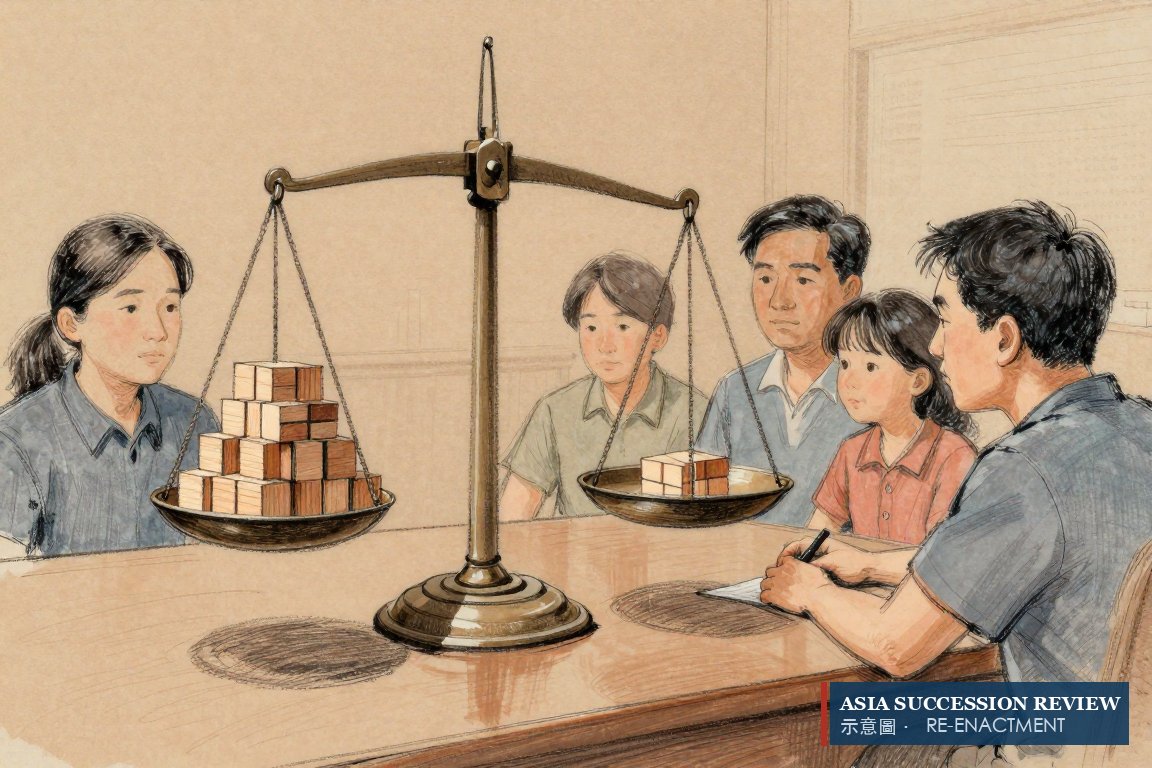
Five siblings run a Singapore trust company by three votes, and no death, divorce or debt can move the shares
A trust is the other Singapore answer. The five fifths could be settled on a Singapore-law trust with a private trust company as trustee, whose board is the five children, with three votes to decide and one independent director. The shares would then sit in the trust, so a child's death, divorce or debts would not move them, and the deed would say who appoints the next directors. Singapore removed estate duty for deaths on and after 15 February 2008, so here the lock would be a choice about governance, not about tax.

French law decides every step, and the partnership's rulebook stays sealed until a month before December's vote
Now the honest limits. French law governs every step, and no Singapore rule will be applied to it. The plan is a proposal: it needs AMF waivers, general meetings in December and AMF clearance of the offer. The governance rules of the new Agache SCA, including how the managing partner is replaced, will be published in an information document one month before the meeting. Until then the three-of-five rule is known through Fortune's reading of filings and the transfer bar through WWD's reading of the 2022 AMF filing. We have not read the texts, and the release names no successor.

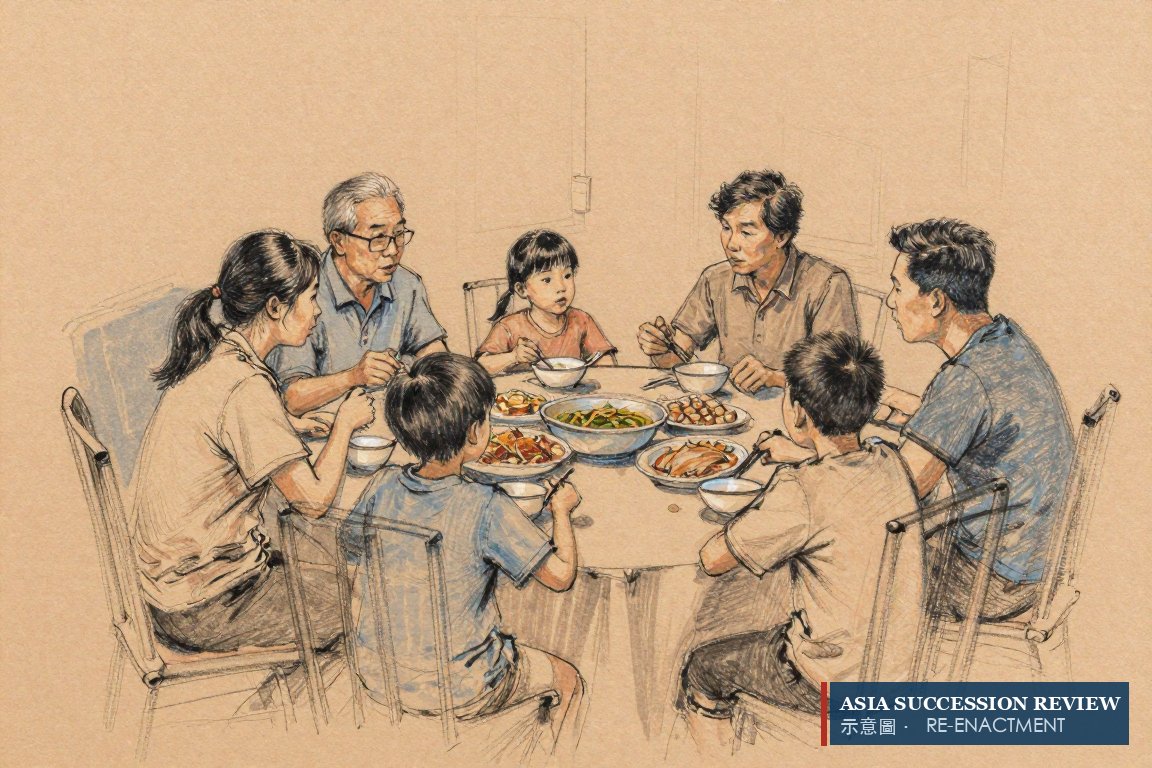
An heir asks four questions at the family dinner table, and everyone hears who decides and who may sell
For the reader outside the room, the Arnault plan is a list of questions any family with a company can ask at the table, in front of everyone. If the shares are equal, how many of us does it take to decide? Can one of us sell, to whom, and at what price? What happens to a share when one of us dies or divorces? And who chooses the next person in charge, by what vote, and where is that written down?
Bernard Arnault, 77 — general partner and managing partner of the merged Agache SCA, answerable to the general partners rather than the shareholders; in Singapore, a listed-company director removable by ordinary resolution (s152), or a responsible director whose weighted votes lapse when he stops serving (SGX Rule 210(10)(f)); in a private company, a voting class for life (s64A(6))
Delphine, Antoine, Alexandre, Frédéric and Jean Arnault — a fifth each of Agache Commandité, the general partner; no sale for 30 years without unanimous consent and three of five to decide, as reported; in Singapore the same in an entrenched constitution (s26A) and a shareholders' agreement, plus a court door if the lock is used against one of them (s216)
Christian Dior's outside shareholders — 2.44 per cent of the capital, about €1.63 billion at the 22 September close: cash at 95 per cent of look-through net asset value (illustratively €469.05, 27.3 per cent above that close) in the first quarter of 2027, or a seat in Agache SCA with no squeeze-out
LVMH's other shareholders — one controlling holder with 49.76 per cent of the capital and 65.55 per cent of the votes, run by a managing partner they cannot remove; in Singapore, a vote on directors at every general meeting
The general partners — financial rights capped at €3 million a year: control, not an extra slice of the profits
The reader whose family owns one company — four questions: how many of us to decide, whether and to whom one of us may sell, what happens to a share on a death or divorce, and who chooses the next person in charge
A counterfactual, not advice. The verified machinery is on the Singapore page; where your family stands is the briefing.
From the case files: When siblings own the family company equally and cannot agree: what Singapore law lets a trapped shareholder do