Tan Chong: if nobody writes down the exit, the exit is a lawsuit
Two brothers brought Datsun to Malaysia in 1957 and put the family's listed shares inside one private company. They wrote down who owned it, not how anyone could leave. In May 2001 the elder brother, then 78, asked the High Court to wind that company up. Eight years, a lost board seat and a Federal Court appeal later, the family signed an exit formula out of court and the petition was withdrawn.
Read this in: EN · 简体 · 繁體 · ไทย · ID
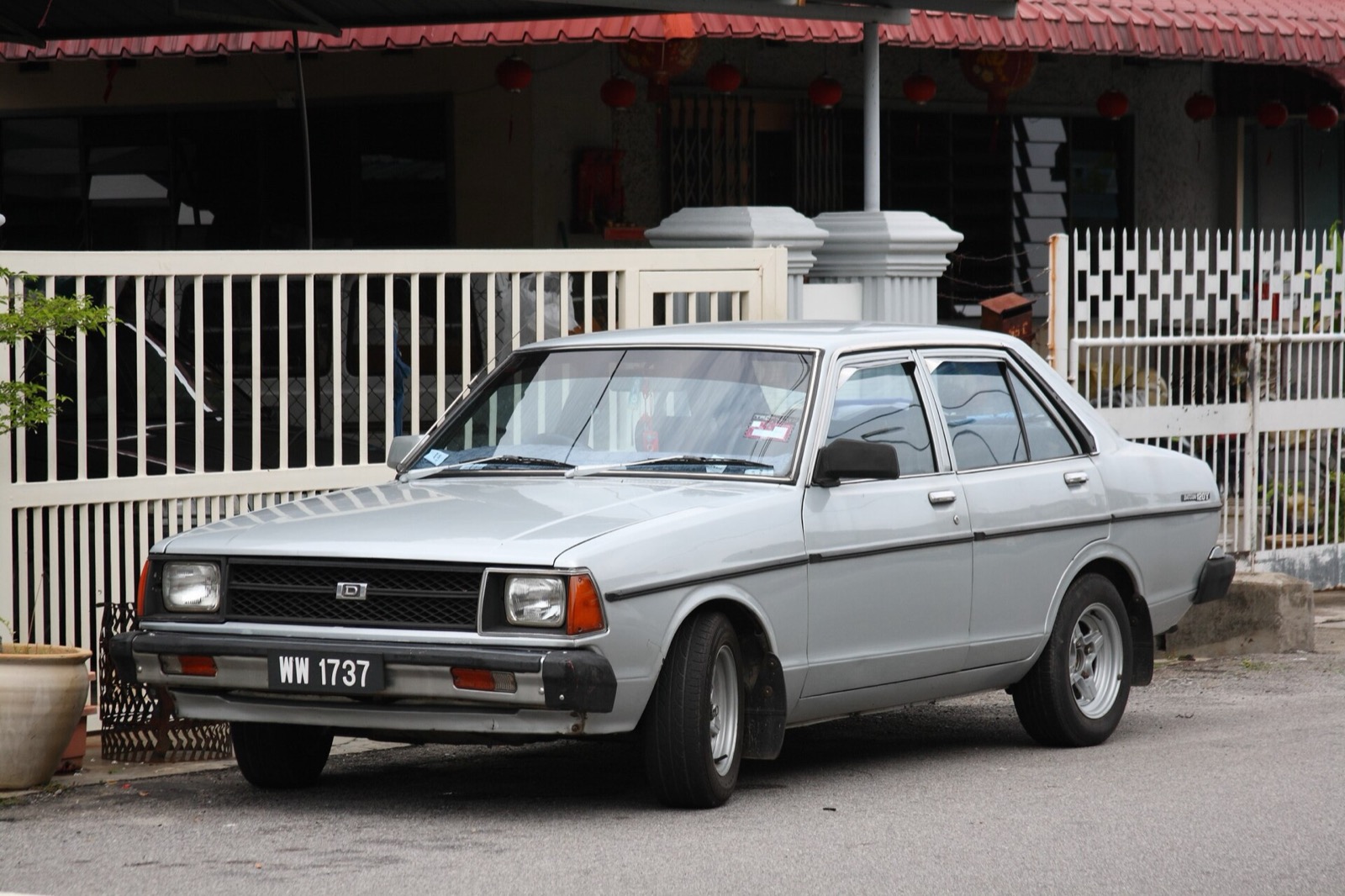
Two brothers win the Datsun franchise for Malaya in 1957 and put the family's listed shares inside one private company
In 1957 a partnership of two brothers, Tan Chong & Co, was appointed sole distributor of Datsun in Malaysia, the first Japanese car sold in the country. Tan Chong Motor Holdings still opens its annual report with that line. The brothers were Tan Kim Hor and his younger brother Tan Yuet Foh. The listed holding company was incorporated in 1972 and floated in Kuala Lumpur in 1974; the Datsun badge became Nissan in 1984. Above the listed company, from the early 1970s, sat a private one, Tan Chong Consolidated Sdn Bhd, known as TCC. Every vote the family cast in its listed companies passed through it.

A younger brother dies in 1985, and his seven sons hold 55 per cent against their uncle's 45
Yuet Foh died in 1985. His side, seven sons led by the eldest, Tan Heng Chew, and his third wife, held 55.42 per cent of TCC. Kim Hor, his seven sons and two of his wives held 44.58 per cent. Kim Hor chaired the group. Heng Chew, on the flagship's board since 19 October 1985, became executive deputy chairman on 1 January 1999. The group was being de-merged into separate listed companies, and the branches stopped agreeing. The early complaints, as the High Court later listed them, were Nissan and Subaru ventures in China, office space in Hong Kong and salary rises, decided without consulting the co-founder.
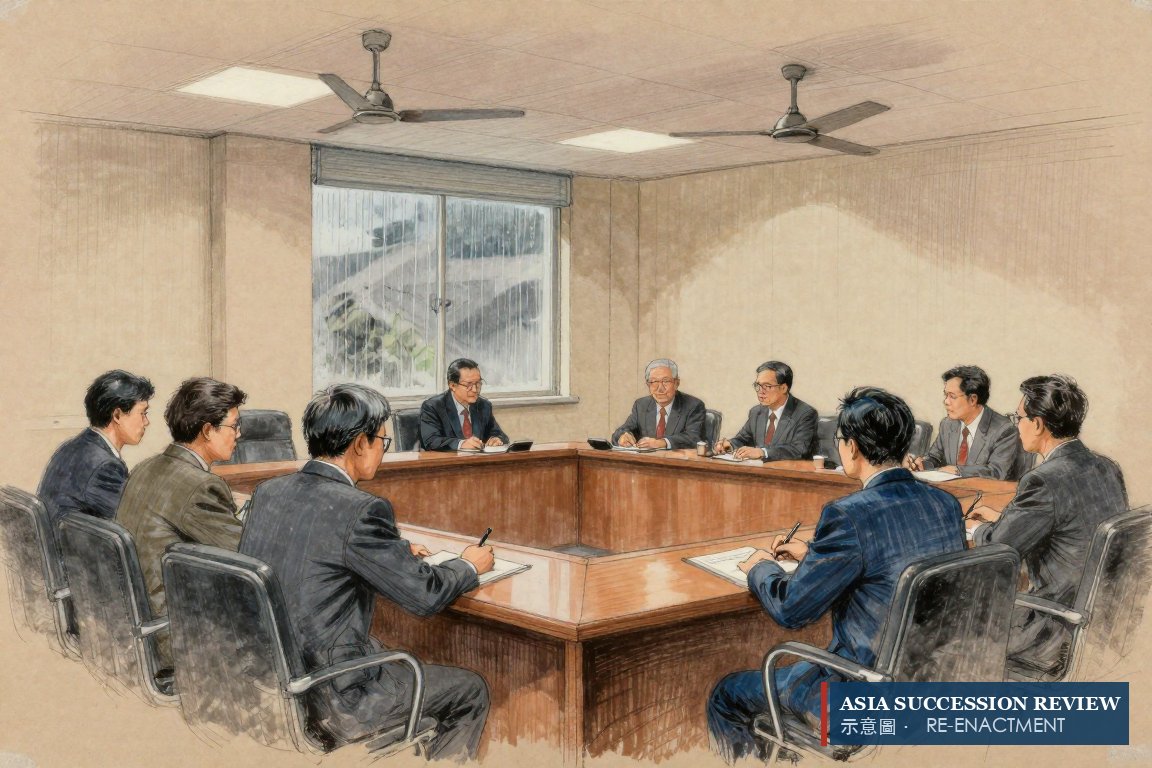
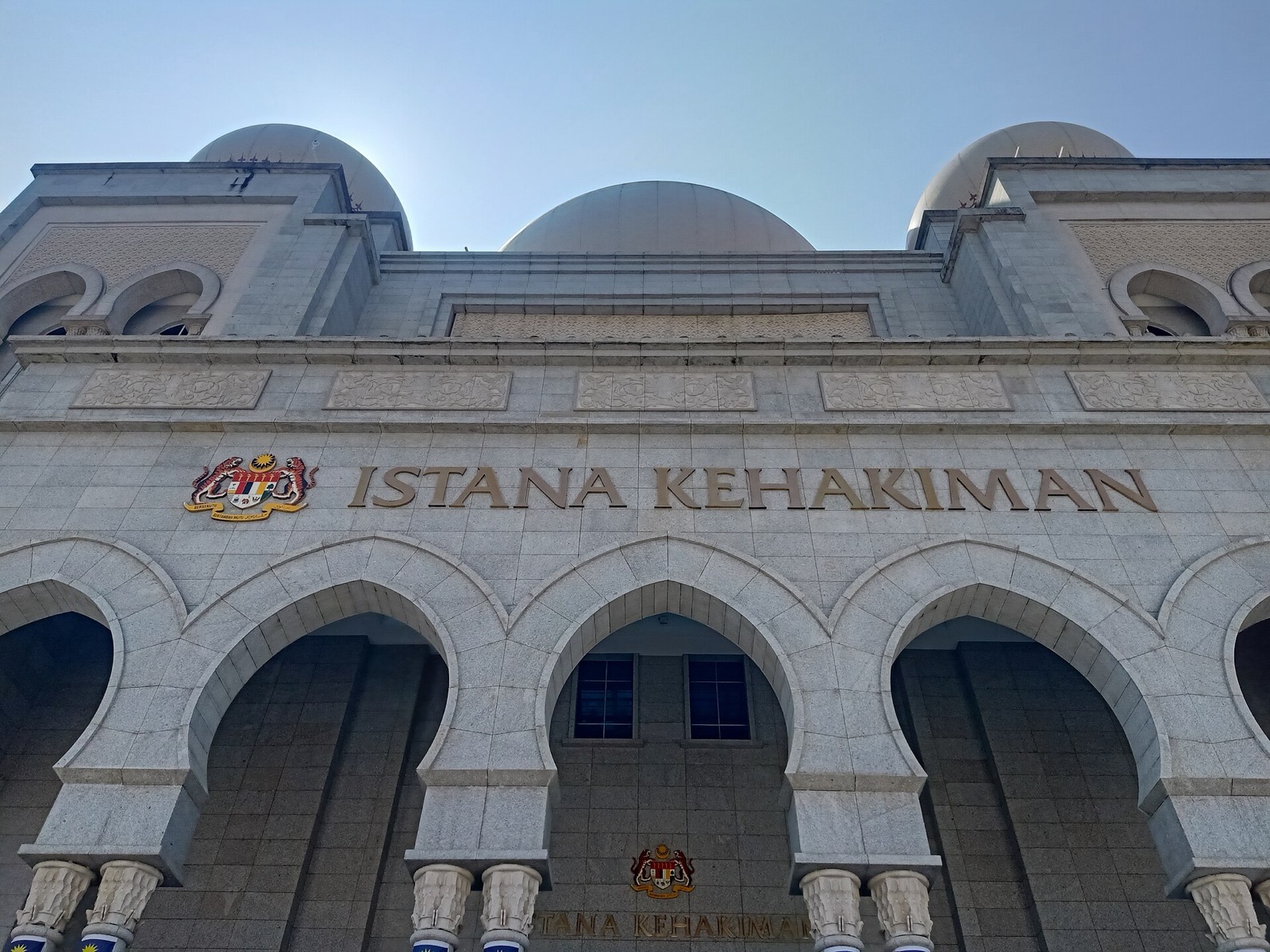

A 78-year-old co-founder asks the High Court in May 2001 to wind up the family's holding company
On 21 May 2001 Kim Hor, then 78, and nine members of his family petitioned the High Court to wind up TCC on the just-and-equitable ground, so that its assets could be distributed in specie. 'The mutual trust and confidence which existed between the petitioners and the respondents have irretrievably broken down,' the petition said, 'and negotiation to get back their own respective shares failed.' Eight of Yuet Foh's family were named respondents. They moved to strike the petition out, and on 9 October 2001 the High Court did, with findings about Kim Hor's motives that the appellate courts said should never have been made at that stage.
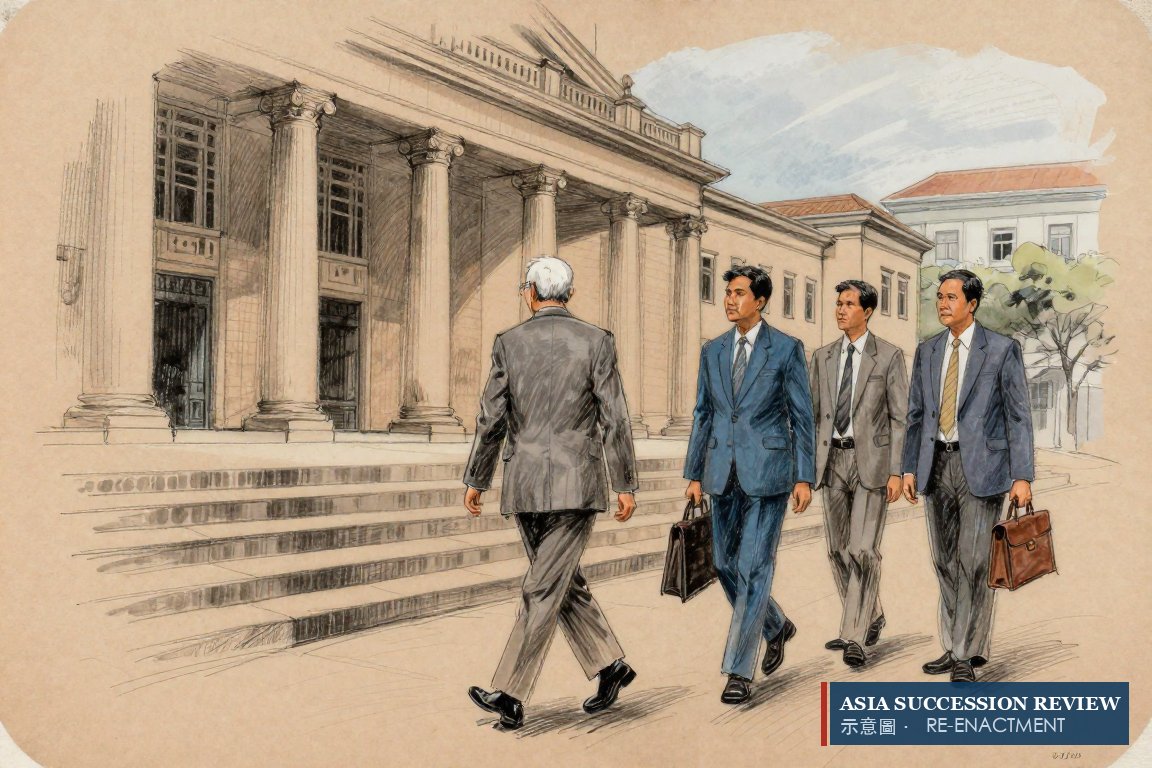
The co-founder wins 53.7 per cent of the vote in May 2002, needs 75, and loses his board seat
The same 55 to 45 decided the boardroom. At Tan Chong Motor's annual meeting on 29 May 2002, Kim Hor, over 70, needed 75 per cent to be re-appointed. He won the show of hands and 53.7 per cent of the poll. TCC, which voted about 45 per cent of the company, was not behind him, and the co-founder left the board of the company he had started. APM Automotive's shareholders gave him 61 per cent, also short. On 20 May 2003 his third son, Boon Pun, was removed from the board of Warisan TC. His fourth son, Hoe Pin, who had run the Nissan franchise, left the group.
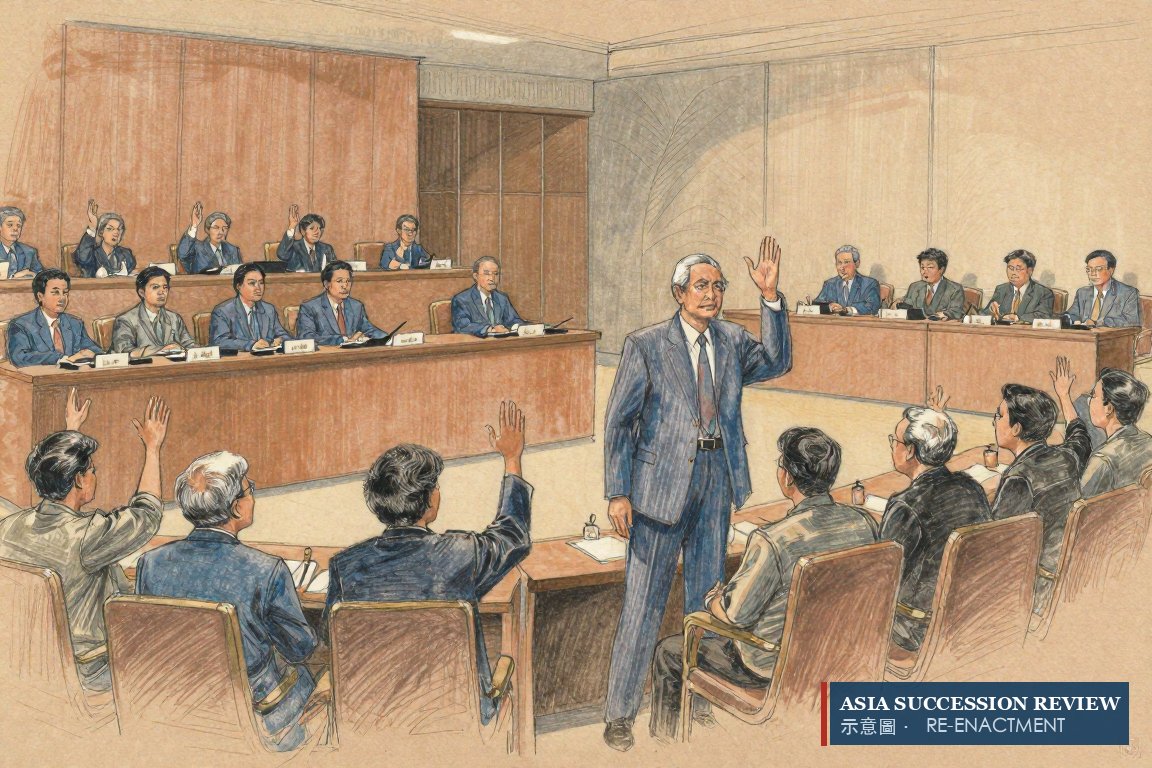
Two branches fight through three courts for eight years, and only in May 2009 may the petition be heard
The litigation outlived the boardroom. The Court of Appeal reversed the strike-out and sent the petition to another judge, a decision reported at [2003] 1 MLJ 492. A separate suit by Kim Hor over his non-reappointment as a director reached the Federal Court, which ruled on 4 January 2006 that the trial judge should step aside. In August 2005 his branch bought 28.74 per cent of Greatpac Holdings for RM12.9 million and renamed it Wawasan TKH. In mid-May 2009 the High Court ruled that the petition could be heard. Weeks later, on 23 June 2009, the three Malaysian listed companies announced that TCC and its shareholders had settled.
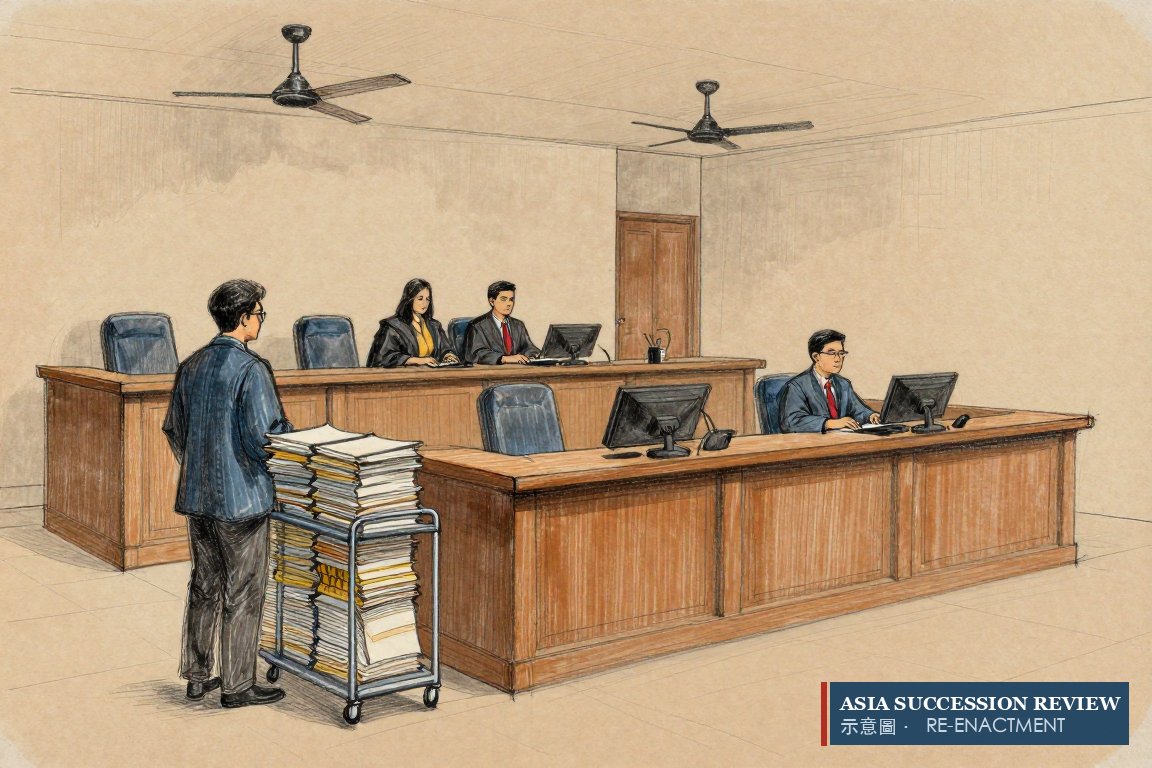
Eight relatives leave the holding company in 2009 for listed shares paid over five years; the other branch keeps control
Kim Hor and seven relatives based in Malaysia left TCC. Their shares were cancelled by a selective capital reduction; in exchange TCC released to them, in equal instalments over five years, 12.59 per cent of Tan Chong Motor, 11.81 per cent of APM, 11.78 per cent of Warisan TC and a portion of Tan Chong International, worth just under RM350 million by The Edge's June 2009 reckoning. TCC kept at least 33 per cent of each and first refusal over anything the leavers sold. Kim Hor died on 21 March 2016. At 31 March 2026 TCC held 40.49 per cent of Tan Chong Motor. Its president, Heng Chew, is 79.
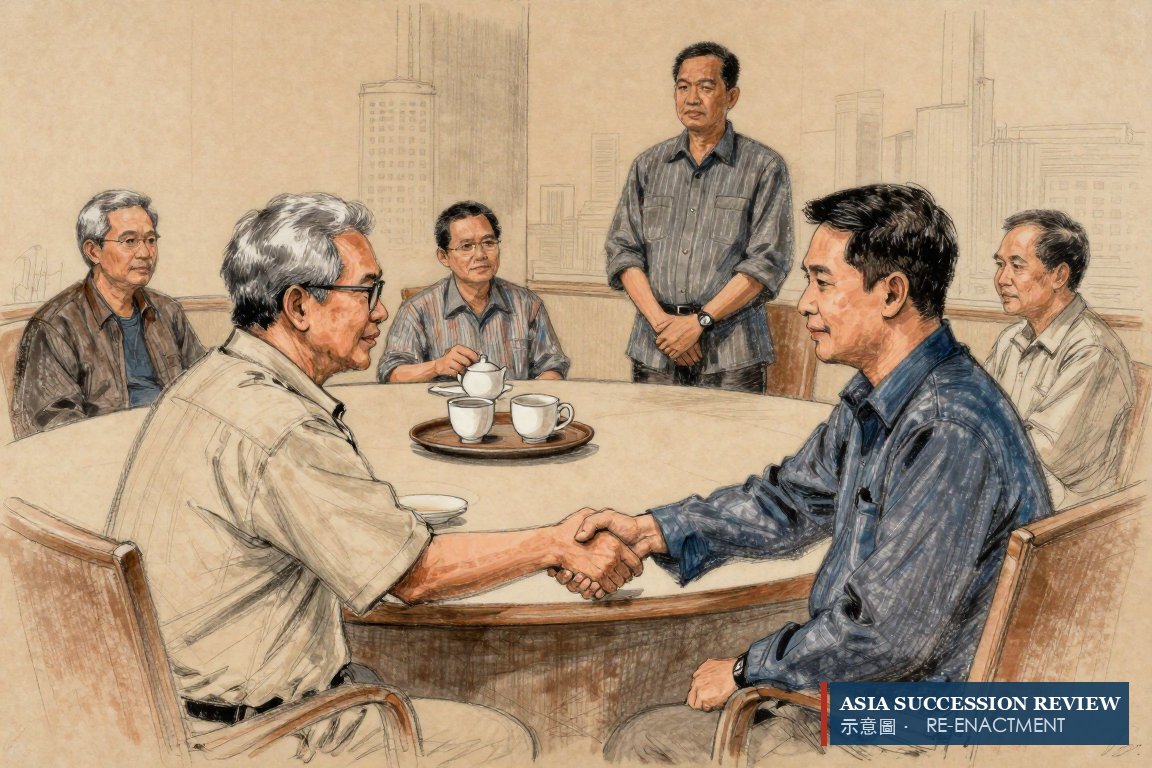
Two brothers put their listed shares into one private company and recorded who owned it, 55 and 45 after 1985, but not how either side could leave. When the smaller branch wanted out, it had one lever: ask a court to dissolve it. The larger branch fought that as a threat to its control of four listed companies, and 45 per cent inside a block voting as one bought no board seat. Eight years later the family agreed a formula: listed shares for holding-company shares, paid over five years, the holding company keeping a third and first refusal. That was an exit clause. It could have been signed in 1985.
Sign the 2009 settlement in 1985: a holding-company constitution with an entrenched exit, so a branch that wants out swaps its shares for its slice of the listed stock on a stated formula and the petition is never the only door.
Half the family already lives in Singapore, so the holding company could have been written there before anyone quarrelled
Start with what a Singapore page cannot change. TCC is a Malaysian company; Malaysian law governs its constitution, its shareholders' remedies and its winding up, and nothing written in Singapore reaches back into it. But half this family already lived in Singapore: Kim Hor's two eldest sons were based there, and Tan Chong International runs the Nissan franchise there. So the counterfactual is a family holding company incorporated in Singapore, and the question is which documents, read on Singapore Statutes Online on 26 September 2026, would have made 2001 unnecessary.
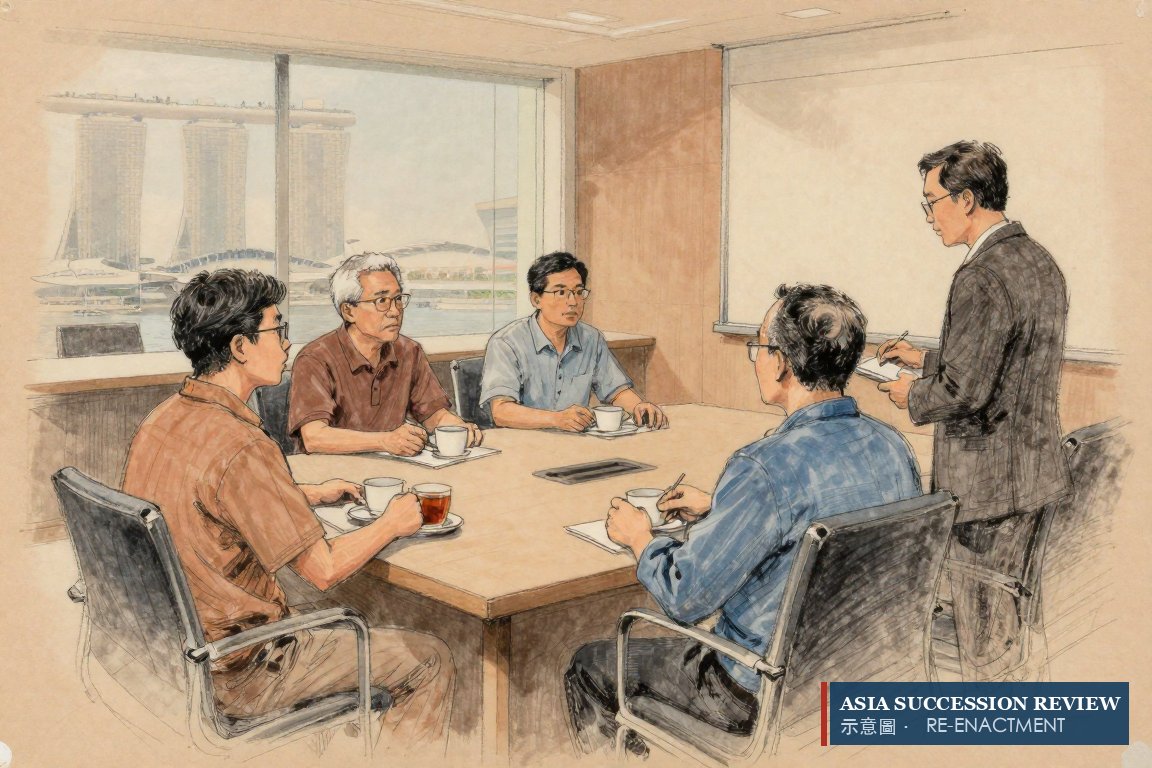
Two branches sign an exit formula in advance, and only all shareholders together can ever take it away
The first is an exit clause in the holding company's constitution. A branch that wants to leave may require the company to cancel its shares and hand over, in exchange, its proportion of each listed stake, in stated instalments, with the company keeping a floor and first refusal. Those are the 2009 terms, written in advance. Singapore lets a private company reduce its capital in any way by special resolution backed by the directors' solvency statement (Companies Act 1967, s78B). And under s26A the clause can be entrenched, so it can be removed or altered only if all members agree, which stops the larger branch voting it away later.
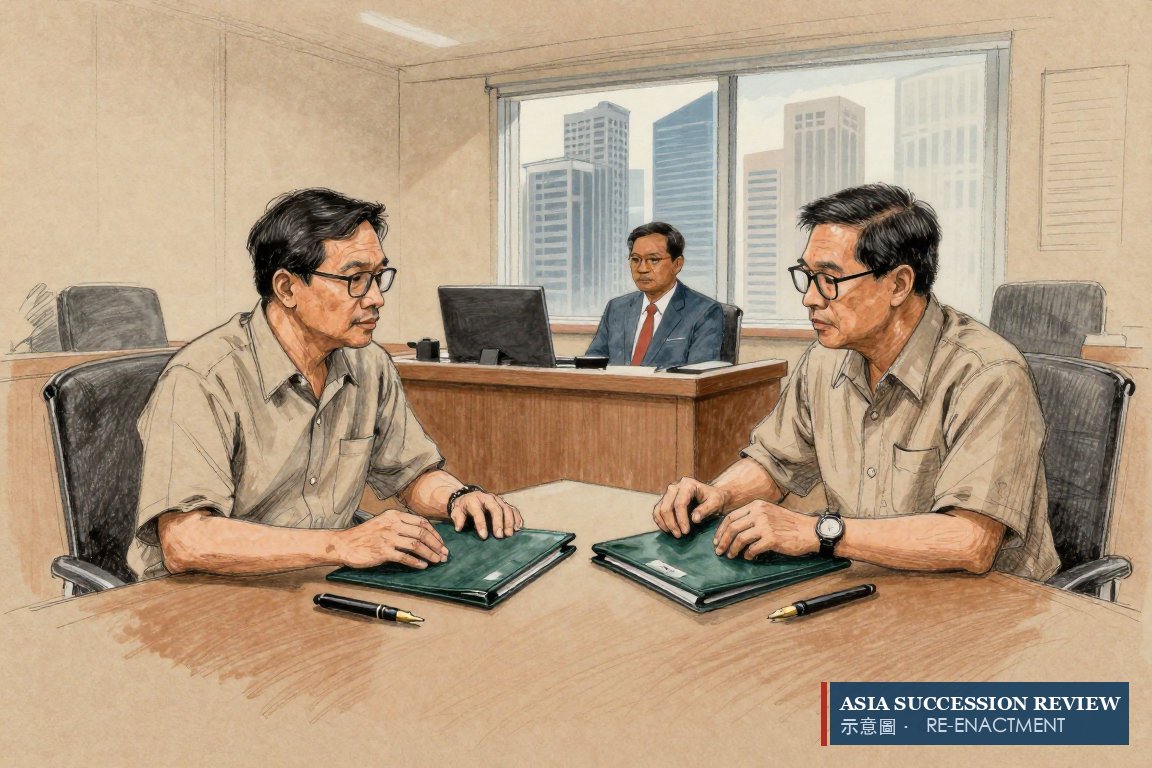
A written voting rule keeps a seat for each branch, so the co-founder keeps his board place in 2002
The second is a written rule for how the holding company votes its listed shares on directors, including a seat for each branch while it holds a stated minimum. In 2002 the co-founder lost his seat because the block he part-owned did not vote for him. Where a branch wants cash rather than stock, the money is arranged before it is needed. None of this closes the courthouse. A member can still apply under s216, and the court can order a buy-out (s216(2)(d)) or a winding up (s216(2)(f)); the just-and-equitable ground sits in s125(1)(i) of the Insolvency, Restructuring and Dissolution Act 2018.
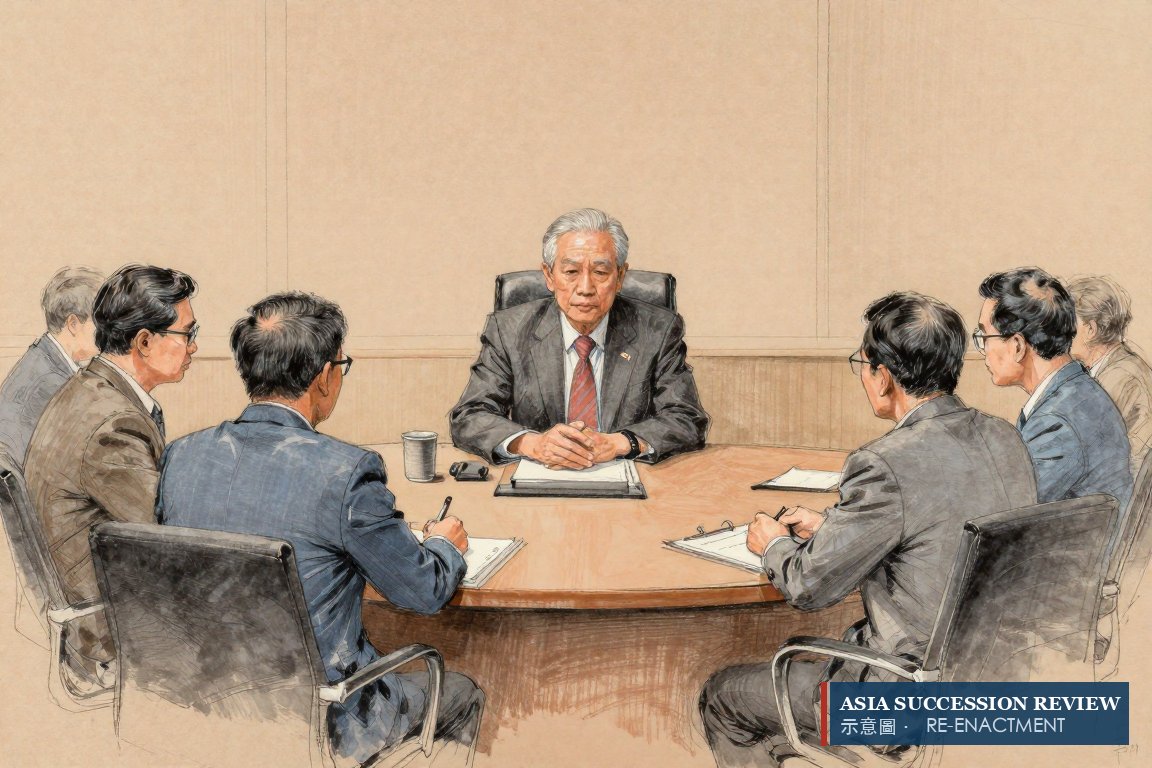
A branch with a written exit leaves at a stated price, and Singapore's top court says winding-up is rarely needed
What the clause changes is the outcome. The Court of Appeal restated on 2 March 2026, in Gan Yuan Hong v Siow Chee Wee [2026] SGCA 8, that a viable exit will usually negate the unfairness a just-and-equitable winding up needs, and flagged the minority that can sell in theory but finds no market: a 45 per cent stake in a private family company is exactly that. The honest limits: an exit returns a branch its value, not control, and The Edge noted in 2009 that the leavers would not be in the driving seat. A price fixed in 1985 might also have looked different in 2001.
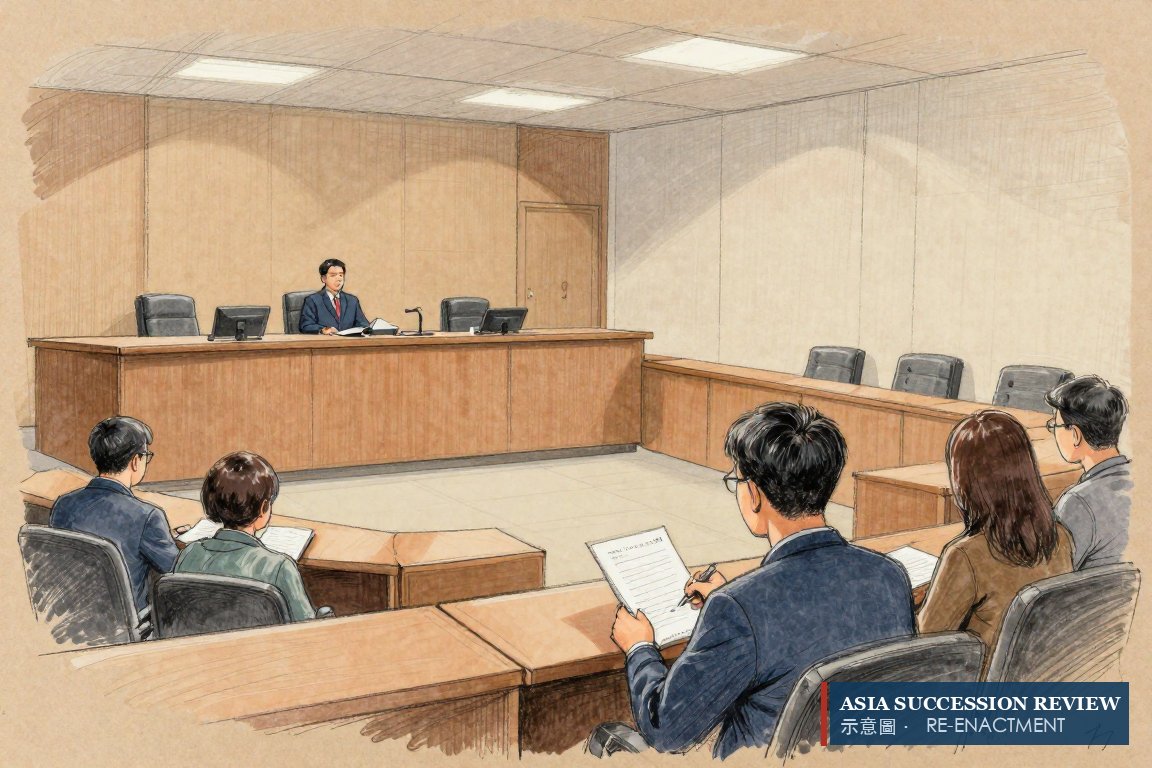
The branch that wanted out — its proportion of the listed stock on a formula it signed while both founders were alive, instead of eight years of petitions, a lost board seat and a settlement reached only after the petition had been struck out, revived and finally listed for hearing
The branch that runs the group — control kept, with a floor and first refusal written in, instead of a winding-up petition over the company that votes four listed stakes, open for eight years
The listed companies' public shareholders — no family block hanging over the share price, and no question over the Nissan franchise while the family argued
The third generation — a door that exists before anyone needs it, so staying in the family company is a choice rather than the absence of one
A counterfactual, not advice: real structures need licensed hands and your family's facts.
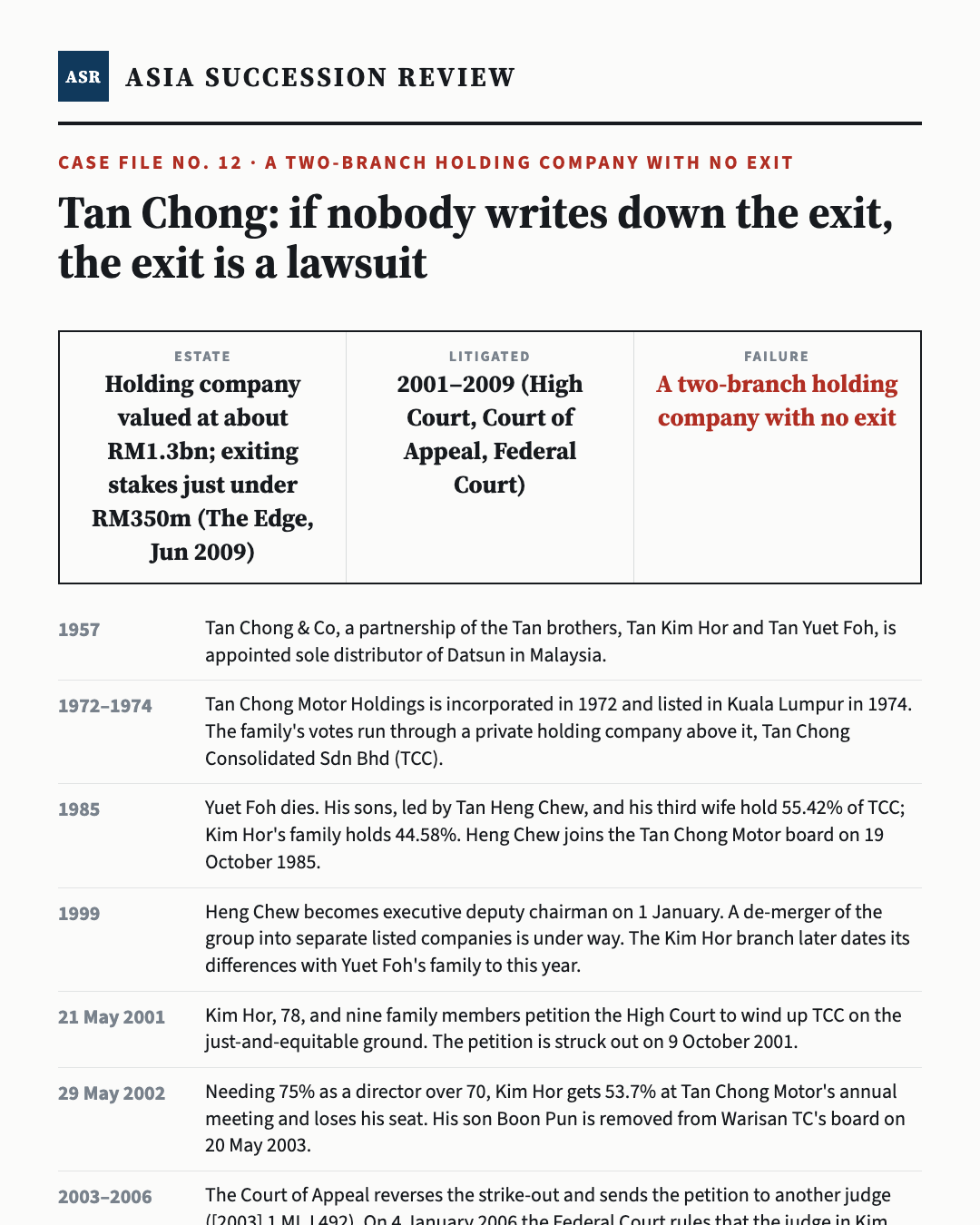
The case in one card — press and hold to save, or forward it as it is.
If your family's shares sit inside one private company owned by two branches
Many Asian family groups are held the way the Tans held theirs: one private company above the listed ones, shares split between branches, control resting on the branches continuing to agree. The founding generation usually records who owns what. The questions worth settling while everyone is alive are the others: can a branch leave, on what formula, paid in cash or in shares, over how long; who decides how the block votes on directors; and can the larger branch change those rules alone. Asking is stewardship. The answers decide whether a disagreement becomes a negotiation or a petition.
Tan Chong family dispute: what happened between Tan Kim Hor and Tan Heng Chew?
Co-founder Tan Kim Hor's branch held 44.58 per cent of Tan Chong Consolidated Sdn Bhd (TCC), the private company holding the family's listed stakes; his late brother Tan Yuet Foh's branch, led by Tan Heng Chew, held 55.42 per cent. On 21 May 2001 Kim Hor petitioned to wind TCC up. The petition was struck out, reinstated on appeal and allowed to be heard in May 2009, then withdrawn under a settlement announced on 23 June 2009.
Why did Tan Kim Hor lose his seat on the Tan Chong Motor board?
Because he was over 70, his re-appointment at the 29 May 2002 annual meeting needed 75 per cent of the votes, and he received 53.7 per cent. He won the show of hands, but TCC, which voted about 45 per cent of Tan Chong Motor and was controlled by his nephews' branch, did not vote for him. APM Automotive's shareholders gave him 61 per cent, also short.
How was the Tan Chong family feud settled in 2009?
By an exit rather than a winding up. Kim Hor and seven relatives based in Malaysia had their TCC shares cancelled by a selective capital reduction and received listed shares in equal instalments over five years: 12.59 per cent of Tan Chong Motor, 11.81 per cent of APM, 11.78 per cent of Warisan TC and a portion of Tan Chong International. TCC kept at least 33 per cent of each and a right of first refusal. The petition was withdrawn.
Who owns Tan Chong Motor now?
The Tan family, through TCC. Tan Chong Motor's Annual Report 2025 records that at 31 March 2026 TCC held 263,828,240 shares, 40.49 per cent. Tan Heng Chew held 5.30 per cent directly and was deemed interested in 44.64 per cent, largely through TCC; his brother Tan Eng Soon was deemed interested in 40.49 per cent. Nissan Motor held 5.73 per cent. How TCC came to hold more than the 33.92 per cent the 2009 settlement projected is not stated in the report.
Can a minority shareholder force a family holding company to be wound up in Singapore?
A member can apply. The court may wind up a company where it is just and equitable (Insolvency, Restructuring and Dissolution Act 2018, s125(1)(i)), or, on an oppression application under the Companies Act 1967, s216, order a buy-out or a winding up. But the Court of Appeal restated on 2 March 2026 that a viable exit will usually negate the unfairness a just-and-equitable winding up requires. A written exit is the answer to the petition.
What should an exit clause in a family holding company say?
Who may leave and when; what they receive, whether cash or a proportion of the underlying shares; the formula and who applies it; the instalments and dates; what the company keeps, such as a floor and first refusal; and how the swap is done, in Singapore by capital reduction under s78B of the Companies Act 1967. Entrench it under s26A so only all members can change it.
Does a Singapore structure change a dispute over a Malaysian holding company?
Not after the fact. A Malaysian company's constitution, its shareholders' remedies and its winding up are governed by Malaysian law, and a Singapore trust or agreement cannot rewrite them. The Singapore point is prospective: a family whose members already live and work in both countries can choose where its holding company sits, and write the exit into that company's constitution before anyone needs it.
A question of your own that these don't answer — put it to the desk.
- 1Dato' Tan Heng Chew v Tan Kim Hor & another appeal, Federal Court, 4 January 2006 (Malaysian Bar): the TCC winding-up petition on the just-and-equitable ground, the strike-out, the Court of Appeal's reversal at [2003] 1 MLJ 492, the de-merger
- 2The Edge Malaysia, Issue 761, 29 June 2009: 'When uncle and nephews cross swords' (petition of 21 May 2001, 44.58% / 55.42%, strike-out 9 October 2001, AGM of 29 May 2002)
- 3The Edge Malaysia, Issue 761, 29 June 2009: 'Tan Chong's intriguing settlement' (mid-May 2009 ruling, TCC valuation, exiting stakes under RM350m, the unconfirmed 20% block)
- 4The Edge Financial Daily, 1 July 2009: 'Kim Hor, most on his side of family to exit TCC' (the exiting shareholders, five equal instalments, selective capital reduction)
- 5The Edge Financial Daily, 24 June 2009: 'Tan family members end decade-long dispute' (Bursa announcements of 23 June 2009)
- 6The Edge, 24 June 2009: 'Tan Chong falls on profit-taking as family feud ends' (53.7% against the 75% needed at the May 2002 AGM; APM 61%)
- 7Tan Chong Motor Holdings Berhad, Annual Report 2025: the story of Tan Chong (1957 partnership of the Tan brothers) and analysis of shareholdings as at 31 March 2026
- 8Tan Chong International Limited, Annual Report 2025 (HKEX, 23 April 2026): substantial interests at 31 December 2025 and the shareholders of TCC
- 9The Edge Financial Daily, 23 March 2016: 'Tan Chong co-founder lived by adage health is wealth' (death of Tan Kim Hor on 21 March 2016)
- 10Companies Act 1967, s216: personal remedies in cases of oppression or injustice (Singapore Statutes Online)
- 11Companies Act 1967, s26A: power to entrench provisions of the constitution (Singapore Statutes Online)
- 12Companies Act 1967, s78B: reduction of share capital by a private company (Singapore Statutes Online)
- 13Insolvency, Restructuring and Dissolution Act 2018, s125: circumstances in which a company may be wound up by the Court (Singapore Statutes Online)
- 14Gan Yuan Hong v Siow Chee Wee [2026] SGCA 8 (Court of Appeal, 2 March 2026): a viable exit usually negates the unfairness a just-and-equitable winding up requires