Ve Wong: put shares in other names, and your heirs must sue for them
Ve Wong's honorary chairman, 頴川建忠, kept the shares of his family's holding companies in other people's names for decades: his chief aide's, a cousin's, his staff's, his sons'. The paper that proved they were his sat with his finance department. Dementia was diagnosed in 2016; he died in August 2023, aged 100. Three years on, his five children are in court in Taipei, and by the brothers' account in Japan, over certificates nobody will produce, and the estate cannot be divided.
Read this in: EN · 简体 · 繁體 · ไทย · ID
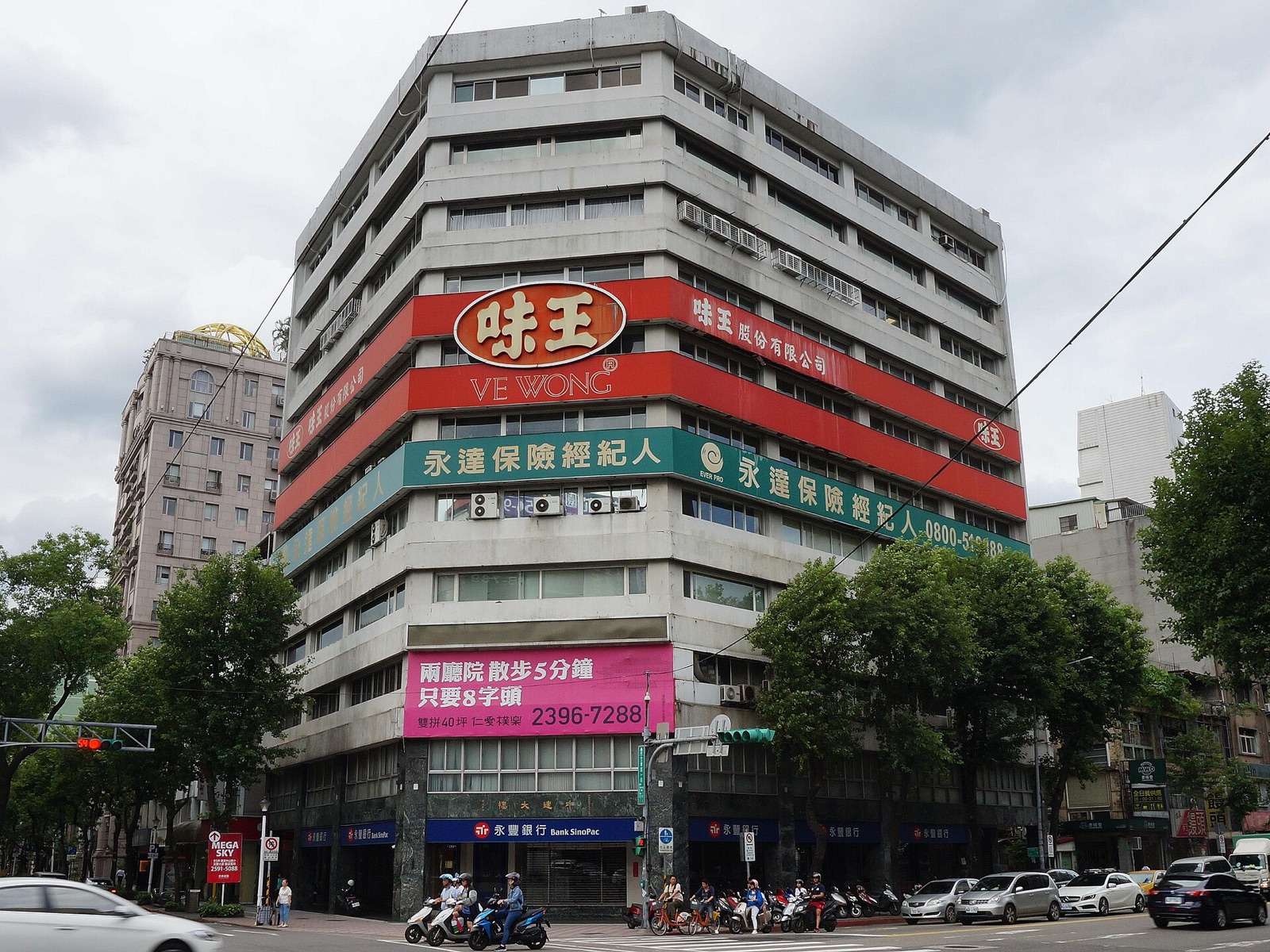
A fruit king dies in 1993, and his body waits four years for burial while his children fight
Ve Wong 味王, maker of Taiwan's best-known MSG and 王子麵 instant noodles, was incorporated on 4 July 1959 as China Fermentation Industry and listed in Taipei in 1964, its disclosure filings show. Among its founders, by press accounts, was 陳查某 (1897–1993), the banana exporter Taiwan called the fruit king. When he died in 1993 his children fought over the estate, and his body waited four years for burial. In June 2003 a Taipei court had to appoint a temporary manager for one of his companies, 萬裕建設, which still had no chairman to replace him. The last of about NT$1.07bn in estate tax was collected in February 2012.
The eldest son builds a fruit group holding 7.8 per cent of Ve Wong, and an aide runs it
His eldest son, 陳建忠, later 頴川建忠 and a Japanese national, built the 大洋僑果 fruit-import group, about a dozen private companies. Three of them sit on Ve Wong's board: at the June 2024 election 大洋僑果, 僑果企業 and 全青 held 18.6 million of its 240 million shares, 7.8 per cent. By press accounts the group also holds key stakes in the parent of 民視, Formosa Television. He returned to chair Ve Wong in 2003, during a debt crisis, and stepped back from management around 2014 for health reasons. His long-time aide, 陳清福, represents 大洋僑果 and chairs Ve Wong today.
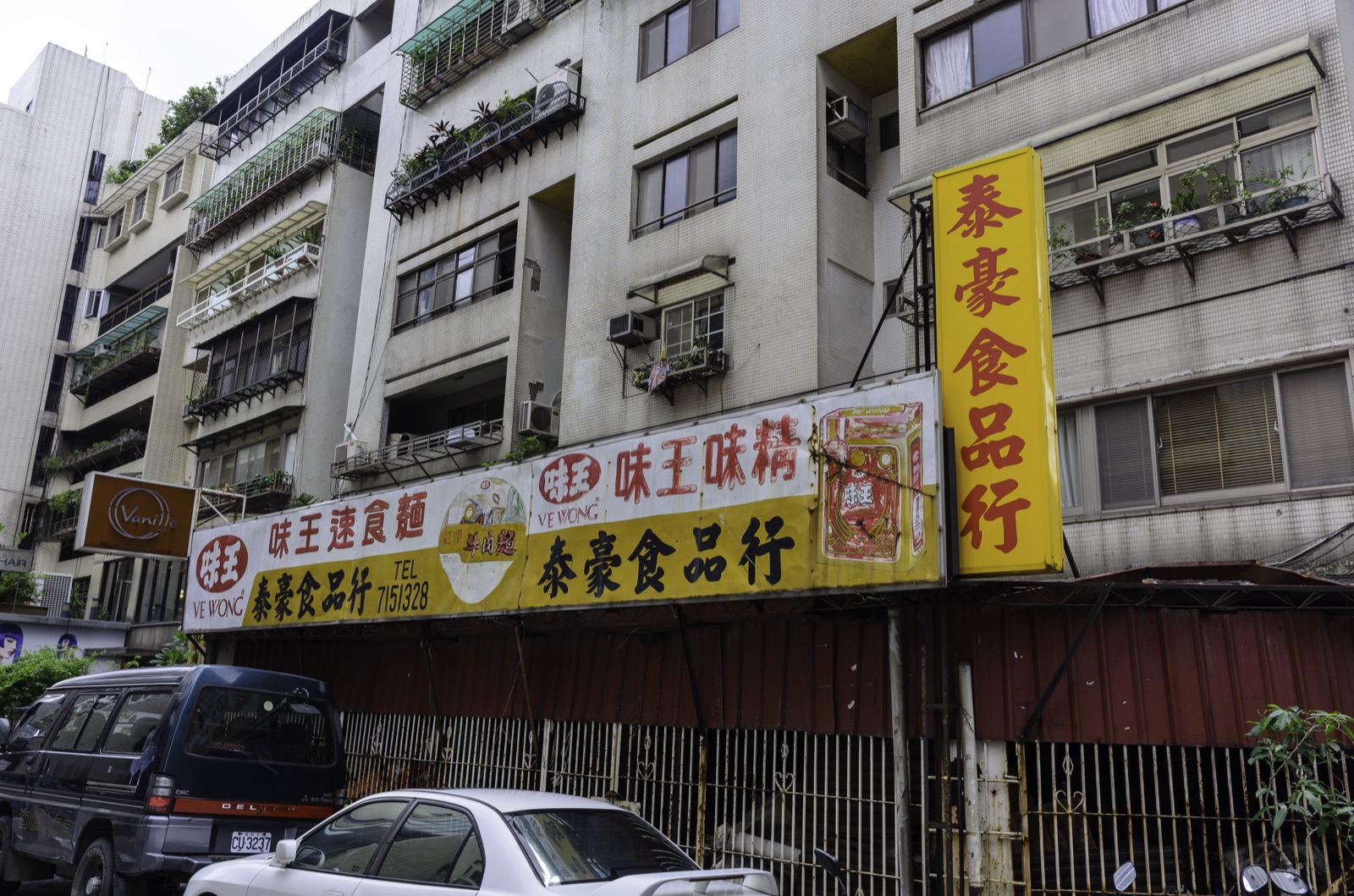

The chairman parks shares in an aide's and a cousin's names, and the only proof sits with his staff
He did not hold the group in his own name. To spread the shareholding, the 2022 judgment records, he registered shares over decades to other people: 陳清福, staff, his cousin 陳月鳳, and his wife, sons and daughters. The nominees signed undertakings and transfer forms; the certificates, the parties say, were kept by the group's finance department, in an office safe or a bank deposit box. No document in the rulings read says what was to happen if he lost capacity or died. Taiwan calls the arrangement 借名登記; the courts treat it like a mandate, which Civil Code art 550 ends on the death of either party.
Doctors diagnose dementia in 2016, and a Taipei court hands his affairs to a city bureau in 2018
Capacity went first. National Taiwan University Hospital diagnosed dementia in September 2016. That autumn and winter, the court later found, he told management meetings that every share was his, that the nominee arrangements were ending, and that his second son, 頴川欽和, would handle the return. The second son says his elder and younger brothers, 頴川浩和 and 頴川萬和, took certificates in 2016; the brothers say their father gave them shares on 14 May 2017. In February 2018 the court placed him under assisted guardianship and, the children unable to agree who should assist him, appointed Taipei's Social Affairs Bureau.
A Taipei court orders the aide to return 4,478,747 shares in 2022, a year before the owner dies at 100
The first lawsuit was fought over his voice. When he sued 陳清福 in 2020 for return of the shares, the bureau refused consent, saying it could not tell what he wanted, and the claim was dismissed in June 2020 until a family court gave permission that December. In November 2021 the psychologist appointed to assist him told the court that he no longer recognised people. On 11 March 2022 the Taipei District Court ordered 陳清福 to endorse 4,478,747 shares in 11 group companies back to him; by his children's account he did not appeal. 頴川建忠 died on 24 August 2023, aged 100, with his five children as heirs.
Three heirs sue for NT$1.52bn in shares in 2024, and the nominees tell the court the certificates are gone
Then the certificates went missing. In March 2024 the second son and both daughters sued the remaining nominees, for shares the court later valued at NT$1.52bn. The two brothers refused to join; in February 2025 the High Court held they had good reason, since they claim part of the shares as the 2017 gift and have sued in Japan. In April 2025 the nominees told the court the certificates were not in their hands. Ten group companies ignored requests to say where they were and were fined NT$20,000 each; on 30 January 2026 the High Court quashed the fines. No court has yet ruled who owns the shares.
For decades the shares of a family group sat in other people's names, backed by undertakings and pre-signed transfer forms held by the group's own staff. That paper proved the shares were his, and it could also move them. Once dementia arrived in 2016 the family produced two accounts, a nominee arrangement being ended and a gift to two sons, and no document answered both. Courts had to reconstruct the father's wishes from meeting minutes, while the agency assisting him said it could not know them. Three years after his death nobody will say where the certificates are, and an estate the press puts at NT$100bn cannot be divided.
Write the nominee arrangement down while he can still sign: a trust that holds the shares, a nominee register naming him, a lasting power of attorney and a will, so that dementia and death change who decides, not who owns.
A Singapore trust set up before 2016 holds the group, yet Taiwanese companies stay under Taipei's law
Start with what Singapore cannot change. The companies are Taiwanese, and Taiwan's Company Act governs their share registers and transfers. Taiwan applies the deceased's national law to inheritance (涉外民事法律適用法 art 58), so his estate follows Japanese law, which reserves half of an estate's value for heirs such as children (Civil Code of Japan art 1042). Taiwan taxes property in Taiwan whoever owns it (遺產及贈與稅法 art 1). The counterfactual is therefore a structure built while he could still sign, before September 2016, with a Singapore holding company and trust above the Taiwanese companies. Its documents were read on Singapore Statutes Online on 10 October 2026.
Each nominee signs a trust declaration under Singapore's s386ALB, and the trustee, not an aide, keeps the certificates
First, every nominee holding becomes a written trust. The holder signs that the shares are held for the trust, and the trustee, not an aide or a son, keeps the certificates. A nominee shareholder of a Singapore company must tell the company that it is a nominee, and for whom, within 30 days (Companies Act 1967 s386ALB), and the company keeps a register of its registrable controllers (s386AF). In Taipei the proof of ownership was undertakings and pre-signed transfer forms held by staff: paper that showed the shares were his and could also move them. In April 2025 the nominees said they did not have the certificates.
A father signs a lasting power of attorney while capable, and no city bureau guesses his wishes in 2018
Second, a lasting power of attorney signed while he was capable. The Mental Capacity Act 2008 requires the donor to be at least 21 and to have capacity when executing it (s11), and it names who decides on his property and affairs when he cannot. The trust deed gives the same answer for the shares: the settlor may reserve investment powers without invalidating the trust (Trustees Act 1967 s90(5)), and the deed names who directs them after him. In Taipei a court appointed a public agency in 2018 that said it could not read his wishes. Taiwan has offered its own version, 意定監護 (Civil Code art 1113-2), since June 2019.
A will and a deed of gift signed before 2016 name one executor, and five heirs no longer need unanimity
Third, a will naming one executor (Wills Act 1838 s6: in writing, signed at the end, before two witnesses present together), and, for any gift to his sons, a deed signed while capable. The rulings read show neither. The honest limits: these documents would not prove whether the 2016 meetings or the 2017 handover reflected his wishes; they remove the need to ask. A trust for his children would have been a taxable gift in Taiwan (遺產及贈與稅法 arts 3 and 5-1), Japanese reserved-share claims could still be pressed, and Trustees Act s90 shields the trust from foreign succession rules in Singapore, not in Taipei or Japan.
The five children — one written answer to what their father owned and what he gave, made while he could give it, instead of a decade of suits in Taipei and Japan over certificates nobody produces
The nominees and their families — a defined role under a trust deed, instead of being sued over shares they say they no longer hold, with a cousin's heirs inheriting the litigation
Ve Wong's public shareholders — board seats voted by holding companies whose own ownership is settled, instead of a 7.8 per cent block whose owners are in court
頴川建忠 himself — his wishes recorded while he could state them, instead of reconstructed from meeting minutes after the agency assisting him told a court they could not be known
A counterfactual, not advice: real structures need licensed hands and your family's facts.
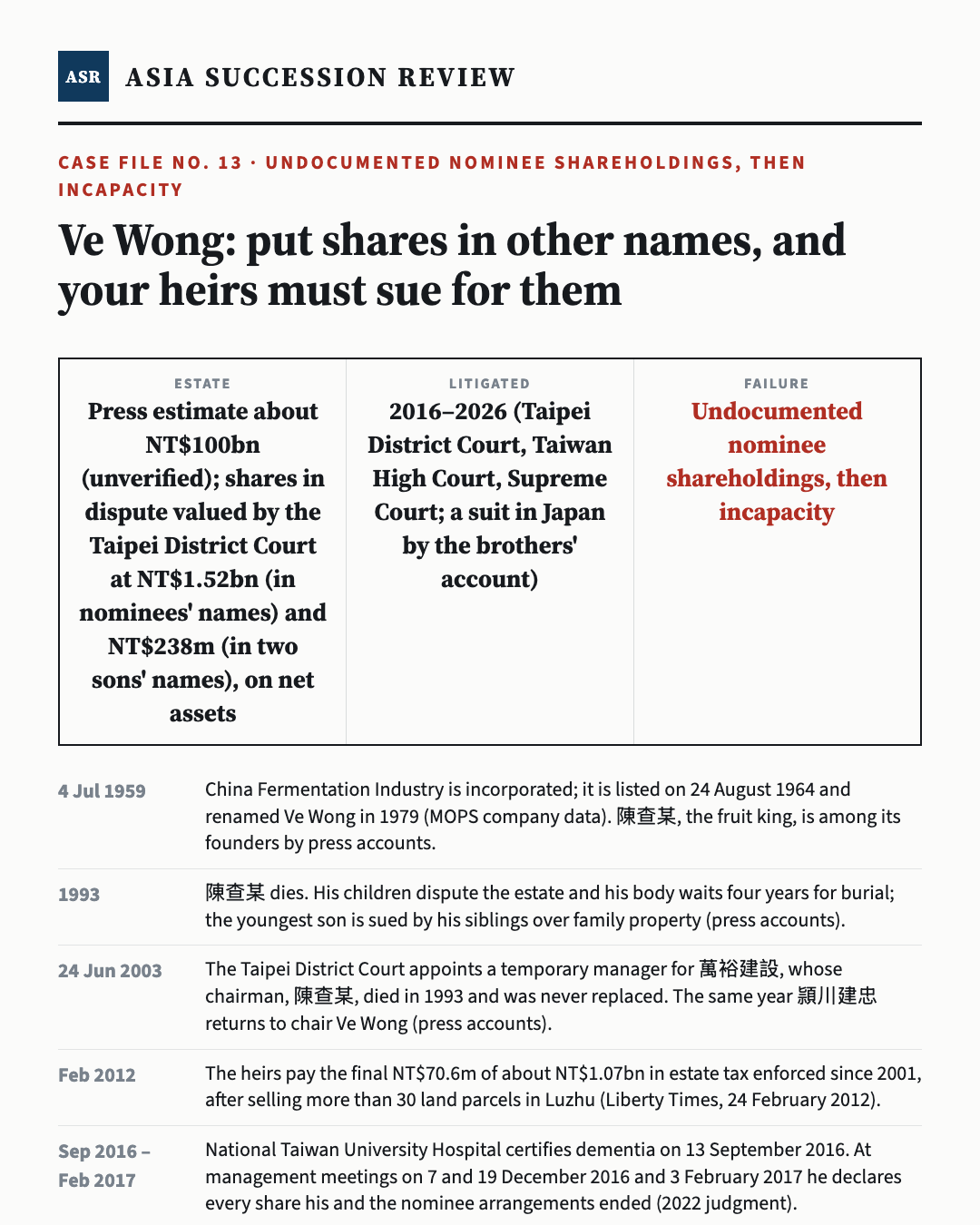
The case in one card — press and hold to save, or forward it as it is.
If your family's shares sit in the names of people who do not own them
Many Taiwanese and overseas Chinese family groups still hold companies the way this one did: shares registered to a trusted manager, a cousin, a son, the real owner's claim resting on undertakings in a drawer. The questions worth settling while everyone is alive are short. Is there a signed document for every block, and who keeps the certificates? If the owner could not sign tomorrow, who decides, and is that written down? After him, does one named person carry the family's claims, or must every heir agree? Asking is stewardship. The answers decide whether the next decade is spent running the group or proving who owns it.
What is the Ve Wong (味王) family dispute about?
Who owns the shares that 頴川建忠, Ve Wong's honorary chairman, held for decades in other people's names (借名登記). His second son and both daughters say they belong to his estate; his eldest and third sons say he gave them part on 14 May 2017. He died on 24 August 2023, aged 100. Suits are pending in Taipei and, by the brothers' account, in Japan.
What did the Taipei District Court decide in 2022?
On 11 March 2022 (110年度重訴更一字第1號) it held that 頴川建忠 had ended the nominee arrangement with his aide 陳清福, and ordered 陳清福 under Civil Code art 179 to endorse 4,478,747 shares in 11 group companies back to him, among them 2,450,000 in 程威 and 1,300,000 in 金元實業. The press rounds this to 447萬股. His children later told a court it was not appealed.
Why can't 頴川建忠's estate be divided?
Because the courts have not yet decided what is in it. Shares registered to other nominees are the subject of a suit filed in March 2024 and valued at NT$1.52bn; the two brothers claim part of them as a 2017 gift; and in April 2025 the nominees told the court the certificates were not in their hands. Until ownership is settled there is no agreed list of assets to divide.
Does Taiwanese or Japanese law decide who inherits from 頴川建忠?
Japanese law. Taiwan applies the deceased's national law at death to inheritance (涉外民事法律適用法 art 58), and the Taiwan High Court did so on 14 February 2025 because he was a Japanese national. The nominee arrangements themselves are governed by Taiwanese law, the court held, because the companies, the nominees and the transfers are all in Taiwan.
What happens to 借名登記 shares in Taiwan when the real owner dies?
Courts treat the arrangement like a mandate, which Civil Code art 550 ends at death unless agreed otherwise. The claim to recover the shares passes to the heirs, who hold the estate jointly until division (art 1151) and must act together or with consent (art 828(3)). Property confirmed as the deceased's by a final judgment after death must be reported for estate tax within six months (遺產及贈與稅法 art 23).
Who controls Ve Wong now?
陳清福, re-elected chairman on 26 June 2024 (MOPS filing). Three group companies whose own shareholdings are in dispute hold board seats: 大洋僑果, represented by 陳清福; 僑果企業, by the eldest son; and 全青, by the third son. At that election they held 18.6 million of Ve Wong's 240 million shares, 7.8 per cent.
Would a Singapore trust have prevented the Ve Wong dispute?
Not by itself, and not after the fact. Taiwanese companies stay under Taiwanese law, and Japanese law would still govern his estate. What a trust settled before 2016 changes is the evidence: a deed naming trustee and beneficiaries, certificates held by the trustee, a nominee register and a lasting power of attorney, instead of undertakings held by staff and courts reconstructing his wishes.
A question of your own that these don't answer — put it to the desk.
- 1Taipei District Court, 110年度重訴更一字第1號 civil judgment, 11 March 2022: 頴川建忠 v 陳清福, return of 4,478,747 nominee-registered shares in 11 companies; findings on the 2016–17 declarations and his assisted guardianship
- 2Taipei District Court, 105年度輔宣字第53號 ruling, 5 February 2018: 頴川建忠 (Japanese national) placed under assisted guardianship; Taipei City Social Affairs Bureau appointed
- 3Taipei District Court, 107年度家聲抗字第28號 ruling, 26 December 2018: appeal dismissed; NTUH dementia certificate of 13 September 2016; the family's disagreement over who should assist him
- 4Taipei District Court, 109年度重訴字第354號 ruling, 9 June 2020: claim dismissed after the Social Affairs Bureau refused consent, unable to ascertain his wishes
- 5Taipei District Court, 111年度聲字第427號 ruling, 5 September 2022: the 2022 judgment not appealed (applicants' account); the bureau replaced by an accountant, a psychologist and a lawyer
- 6Supreme Court, 112年度台抗字第116號 ruling, 15 February 2023: psychological assessment of 16 March 2021 rating his dementia severe
- 7Taipei District Court, 113年度重訴字第507號 ruling, 28 November 2024: heirs' suit against the remaining nominees; death on 24 August 2023; the brothers' refusal to join
- 8Taipei District Court, 113年度重訴字第507號 ruling, 13 May 2025: claim filed 29 March 2024, valued at NT$1,523,116,508 on 2023 net assets
- 9Taipei District Court, 113年度重訴字第507號 ruling, 3 November 2025: ten companies fined NT$20,000 each; the nominees' statement of 24 April 2025 that the certificates are not in their hands
- 10Taiwan High Court, 114年度抗字第69號 ruling, 14 February 2025: Japanese law governs the inheritance (涉外民事法律適用法 art 58); the brothers' refusal to join justified by their Japanese suit
- 11Taiwan High Court, 114年度抗字第882號 ruling, 7 August 2025: the brothers' claim that the shares were given to them on 14 May 2017, valued at NT$786,373,108
- 12Taiwan High Court, 114年度抗字第1749號 ruling, 30 January 2026: the November 2025 fines quashed
- 13Taipei District Court, 114年度重訴字第282號 ruling, 26 November 2025: jurisdiction over the heirs' suit against the two brothers despite their suit in the Kobe District Court
- 14Taiwan High Court, 115年度抗字第102號 ruling, 7 July 2026: the brothers' appeal on jurisdiction dismissed
- 15Taipei District Court, 115年度重訴字第317號 ruling, 9 September 2026: 大洋僑果's NT$95.9m claim against 陳月鳳's heirs dismissed for an unpaid court fee
- 16Taipei District Court, 112年度審訴字第329號 criminal judgment, 1 October 2024: 陳清福 sentenced to two years, suspended for four, under the Business Entity Accounting Act and Tax Collection Act
- 17Taipei District Court, 92年度司字第4號 ruling, 24 June 2003: temporary manager for 萬裕建設, whose chairman 陳查某 died in 1993
- 18Market Observation Post System (MOPS): Ve Wong (1203) company data — incorporated 4 July 1959, listed 24 August 1964, 240,000,000 shares, chairman 陳清福
- 19MOPS: Ve Wong board election of 26 June 2024, with the shareholdings of 大洋僑果, 僑果企業 and 全青
- 20MOPS: Ve Wong chairman re-elected, 26 June 2024
- 21MOPS: death of director 陳月鳳 (representing 僑果實業) on 31 May 2024, announced 3 June 2024
- 22Civil Code (Taiwan), art 550: mandate extinguished by the death of either party (Laws & Regulations Database)
- 23Civil Code (Taiwan), art 1151: co-heirs hold the estate jointly until division
- 24Civil Code (Taiwan), art 1113-2: voluntary guardianship (意定監護), added 19 June 2019
- 25Act Governing the Choice of Law in Civil Matters Involving Foreign Elements (涉外民事法律適用法), art 58: succession governed by the deceased's national law
- 26Estate and Gift Tax Act (遺產及贈與稅法), art 23: filing within six months, and for property confirmed by a final judgment after death
- 27Civil Code of Japan, art 1042: reserved share (e-Gov law API)
- 28Companies Act 1967, s386ALB: nominee shareholders must disclose their nominator (Singapore Statutes Online)
- 29Companies Act 1967, s386AF: register of registrable controllers (Singapore Statutes Online)
- 30Mental Capacity Act 2008, s11: lasting powers of attorney (Singapore Statutes Online)
- 31Trustees Act 1967, s90: capacity to create a trust; foreign inheritance rules; reserved powers (Singapore Statutes Online)
- 32Wills Act 1838, s6: formalities of a will (Singapore Statutes Online)
- 33Liberty Times, 24 February 2012: 死後19年 陳查某遺產爭議落幕 (NT$1.07bn enforced; final NT$70.6m paid)
- 34數位時代 Business Next, 3 December 2025: 味王家族一圖看懂 (the 2003 return, the 2014 handover, the family's companies)
- 35鏡週刊 Mirror Media, 23 November 2025: 味王家族千億股票消失 (the ten holding companies; the 民視 link)
- 36Wikipedia (zh): 陳查某 (1897–1993), with the 1993–2012 estate dispute