Formosa Plastics: the founder who moved the shares offshore, then died without a will
Wang Yung-ching died intestate in 2008. Taiwan assessed the worldwide estate under the old 50 per cent schedule; the Bermuda trusts that held the group shares had already written his children out. The Privy Council undid that in 2022. The fight is still running in 2026.
Read this in: EN · 简体 · 繁體 · ไทย · ID
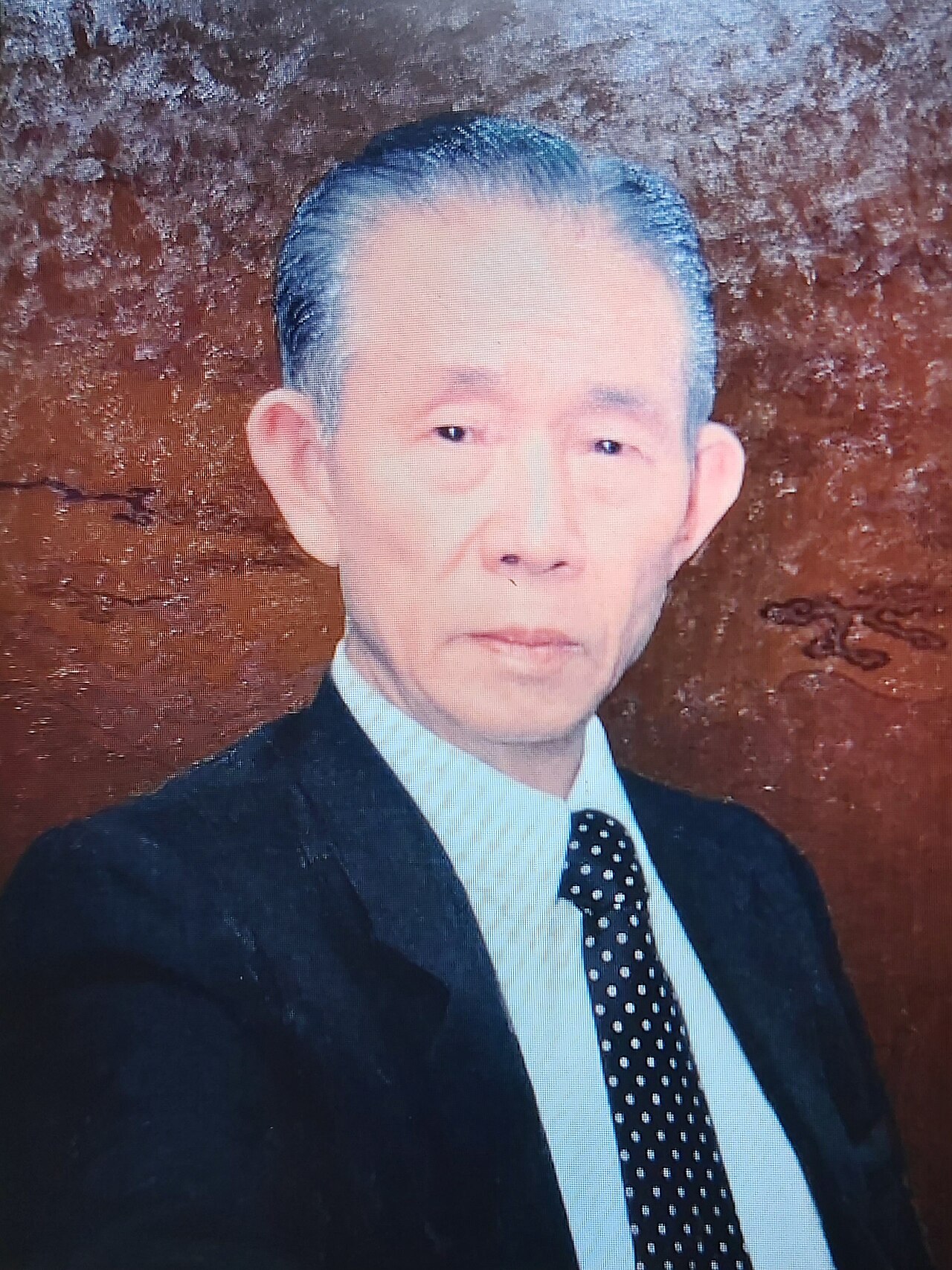
The god of management dies in New Jersey on 15 October 2008 aged 91, and leaves Taiwan's largest private estate without a single instruction
Formosa Plastics, 台塑, was the largest industrial group in Taiwan when its founder died at his New Jersey home on 15 October 2008, aged 91. The Presidential Office recorded the death the next day. Wang Yung-ching had built the group from a rice shop with his younger brother Wang Yung-tsai, and Taiwan called him 經營之神, the god of management, for costing plants to the decimal place. He left no will. Nine children by three wives were publicly acknowledged. The most exact industrialist of his generation left the largest private estate in the island's history with no instructions inside it.
Taiwan assesses NT$52.6bn under the old 50 percent schedule and bills NT$11.9bn, because the flat 10 percent rate arrives 3 months too late
The tax bill arrived before the family did. Article 1 of the Estate and Gift Tax Act charges estate tax on the whole estate, within and outside the territory, of a national habitually residing in the Republic of China — read on law.moj.gov.tw on 12 September 2026. Because the death fell on 15 October 2008, the old progressive schedule governed: bands rising to 50 per cent. The flat 10 per cent rate was promulgated by the President on 21 January 2009 and took effect on 23 January 2009, three months too late. 風傳媒 reported on 28 November 2014 an assessed estate of NT$52.6bn and estate tax of NT$11.9bn.
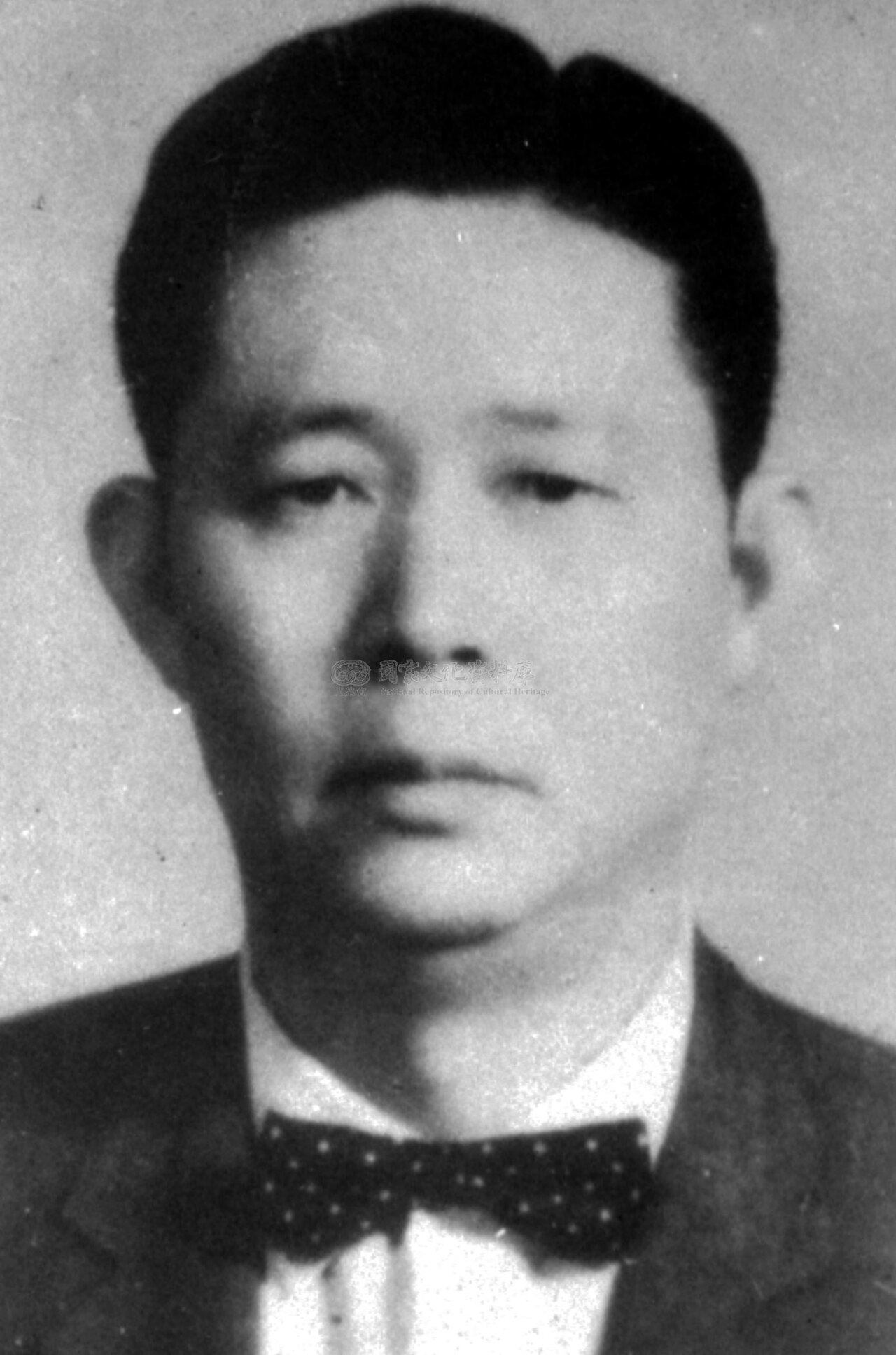

The brothers declare 2 Bermuda trusts on 10 May 2001, one for the children and one for nobody, and the second grows past US$3.5 billion
The shares had left years earlier. On 10 May 2001 two Bermuda trusts were declared on the brothers' instructions: the Global Resource Trust No 1, whose discretionary objects were the children and remoter issue of the founders, and the Wang Family Trust, which despite the name was a purpose trust benefiting nobody. The judgment of the Judicial Committee of the Privy Council of 8 December 2022 records that the GRT's holding company was worth about US$90m in 2001 and about US$560m by the Bermuda appeal, and the Wang Family Trust about US$567m in 2001 and over US$3.5bn by then. Further trusts followed in 2002 and 2005.
5 directors sign one page in September 2005 that writes every child out of the trust, and never ask a court
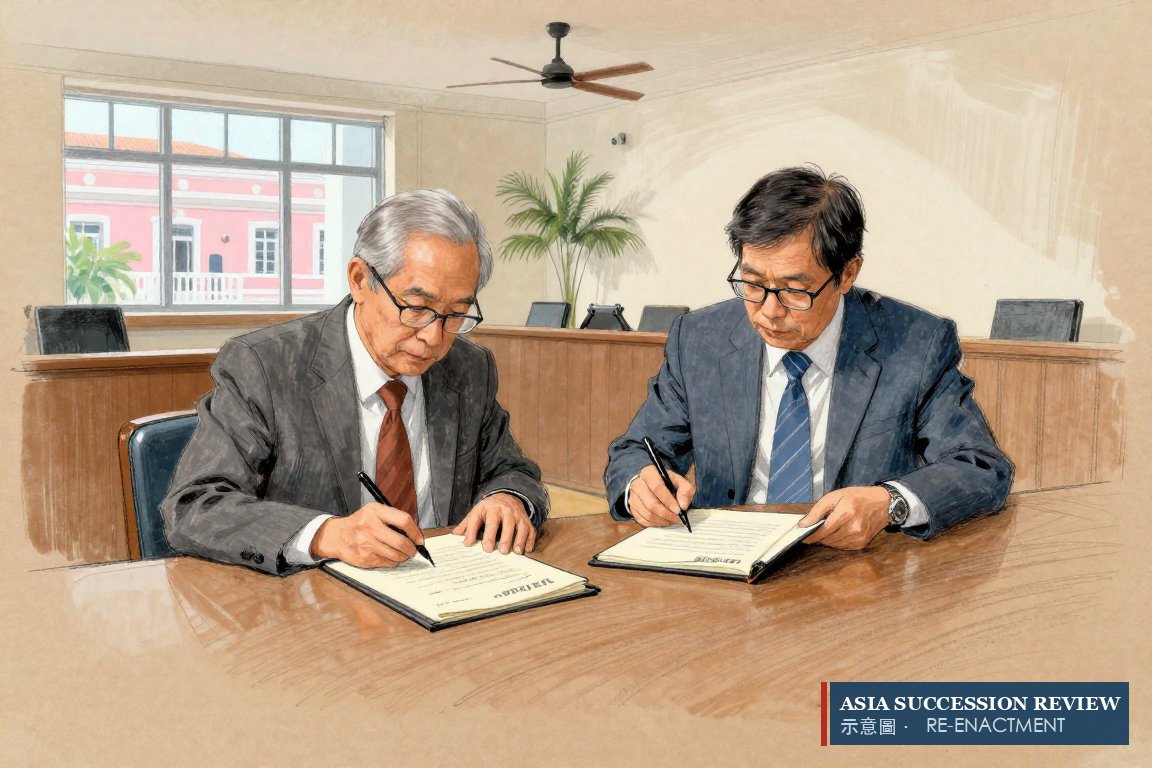
In September 2005, three years before the founder died, the directors of the GRT trustee added the Wang Family Trust as an object, excluded every other object — the founders' children and their issue — and appointed the whole fund away. Five directors signed: Susan Wang 王瑞華 and Sandy Wang 王瑞瑜, daughters of Wang Yung-ching; William Wong 王文淵 and Wilfred Wang 王文潮, sons of Wang Yung-tsai; and Wen-Hsiung Hung 洪文雄, a long-serving group executive who died in 2015. No application was made to the court for approval. The eldest son, Wang Wen-yang, went looking in 2009 through a New Jersey filing, and from 2010 through the courts of Washington DC; the family litigation has since produced decisions in three legal systems.
The Privy Council rules on 8 December 2022 that the trustee misused its power, and 17 years of exclusion are declared void
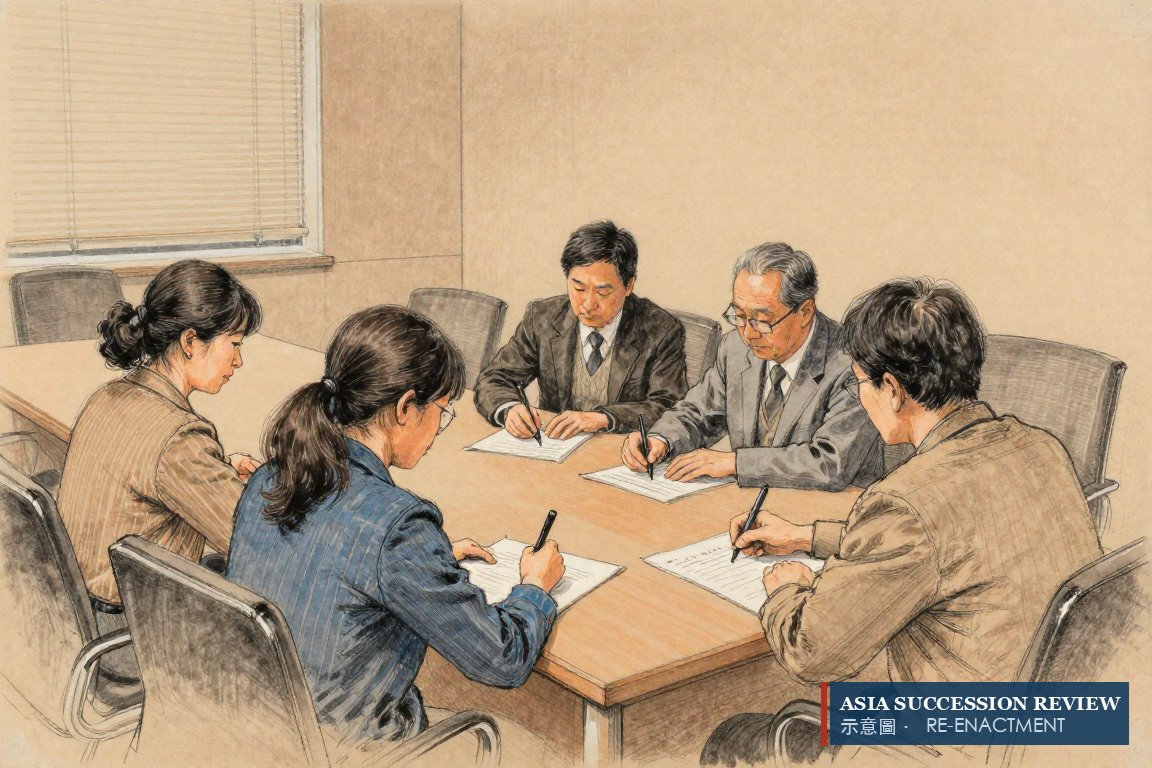
On 8 December 2022 the Privy Council allowed the appeal. Lord Richards, with Lord Hodge, Lord Sales, Lord Burrows and Lady Rose, held that the power to add and exclude objects is a fiduciary power that may be used only for the purpose for which it was given, that the September 2005 decision was taken for an improper purpose, and that the parties agreed the consequence was that the decision was void. The trust deed said the children were the class. The trustee could not convert a family trust into a purpose trust and call it an exercise of the power to add.
The heirs divide the NT$52.8bn Taiwan estate on 29 July 2021 after 13 years, and the offshore trusts stay undivided in 2026
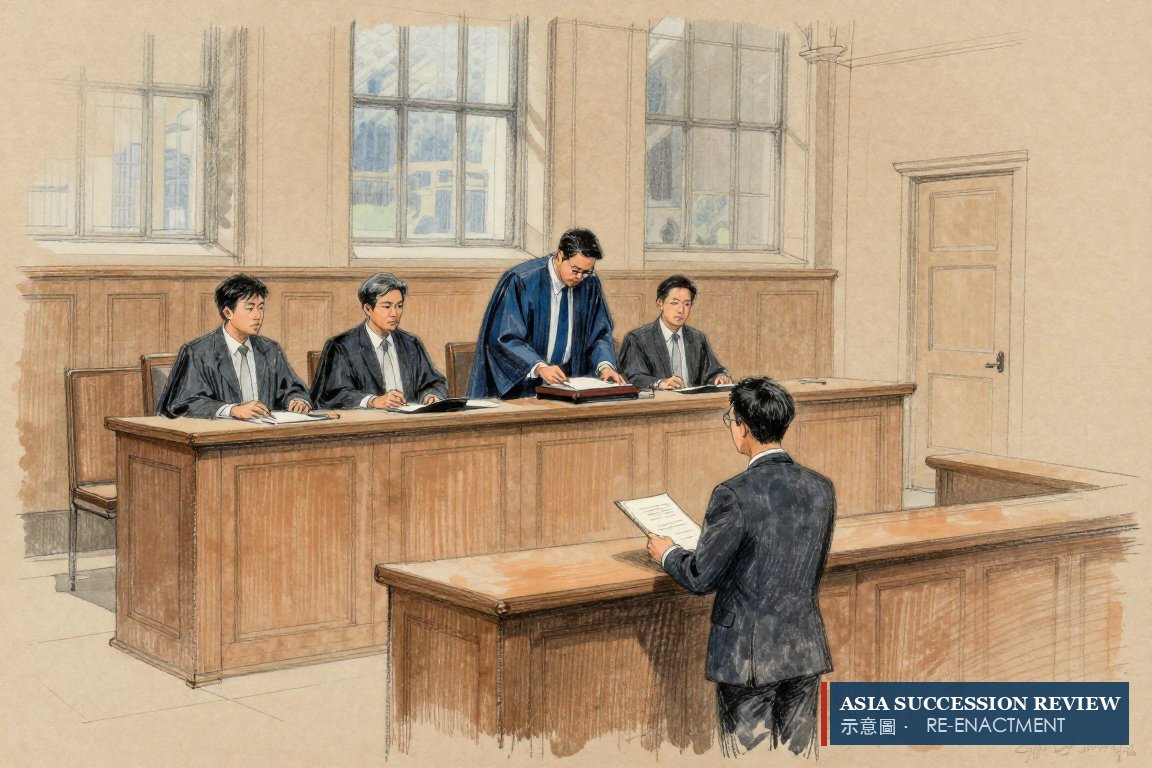
Taiwan, meanwhile, settled the part it could. After thirteen years the domestic estate — about NT$52.8bn — was divided by agreement signed on 29 July 2021. In 2011 the Taipei District Court found three further children, the Lo siblings, to be the founder's; press reported a settlement in 2016. His legal wife Wang Kuo Yueh-lan died on 1 July 2012 leaving a will giving everything to Wang Wen-yang, and her sister claimed a compulsory portion against it. As at 12 September 2026 no final distribution of the offshore trusts is on the public record.
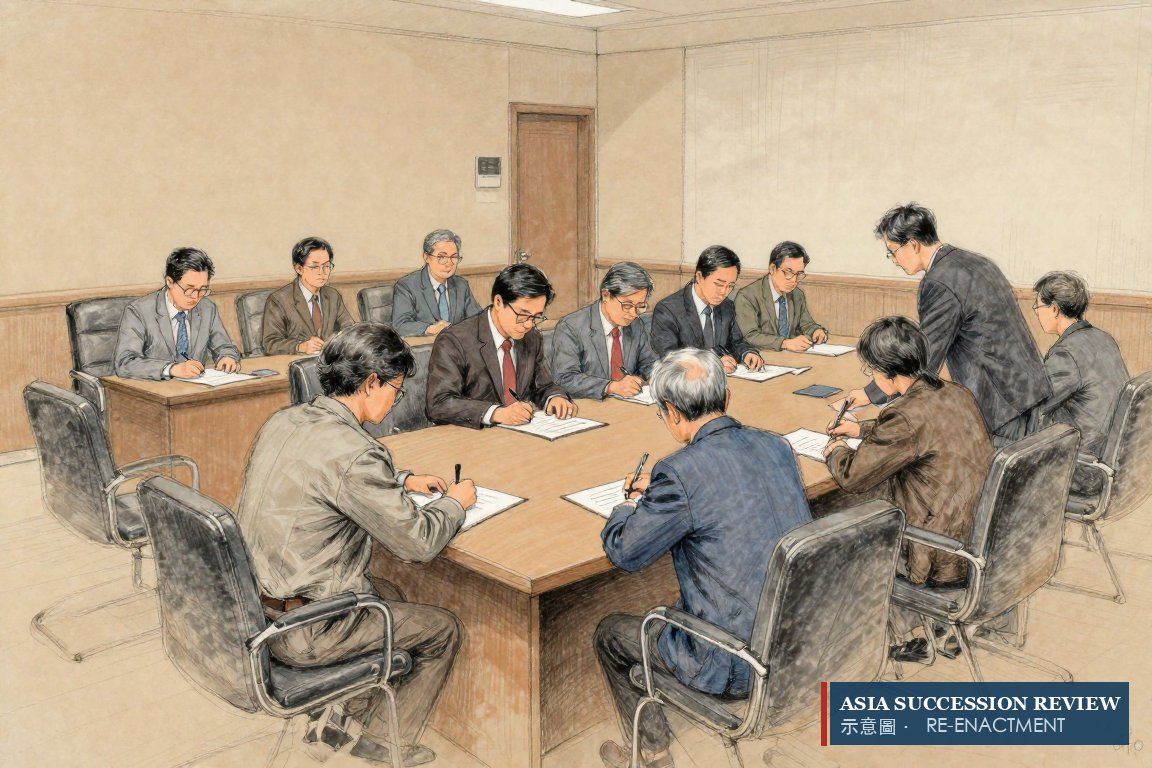
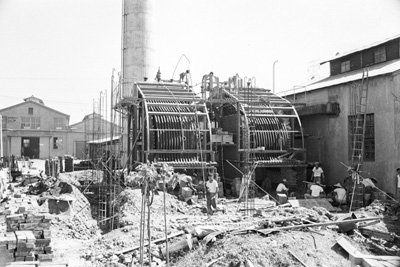
The structures were not empty; they were adverse. A trust deed that lets the trustee add and exclude beneficiaries at large is not a succession plan — it is a standing option over the family, and in September 2005 it was exercised against every child at once. The Privy Council took seventeen years and four courts to restore what one page of drafting could have fixed in an afternoon.
Settle the shares into a trust while you are alive, and write a deed that names the branches and cannot be rewritten against them.
A founder settles the controlling stakes into a Singapore trust while alive and capable, and keeps daily control until he dies
The move, in plain terms. While the founder is alive and unquestionably capable, the controlling stakes are transferred to a Singapore-law trust with Singapore-resident trustees. The assets stop being his personal property years before the succession opens, so there is no estate to freeze, no grant to wait for and no intestacy statute choosing between branches. He can chair the company that controls the trustee, so daily control of the business does not change while he lives. The Singapore frame is old and tested: a perpetuity period of up to 100 years, no public register of trusts, no estate duty on deaths on or after 15 February 2008.
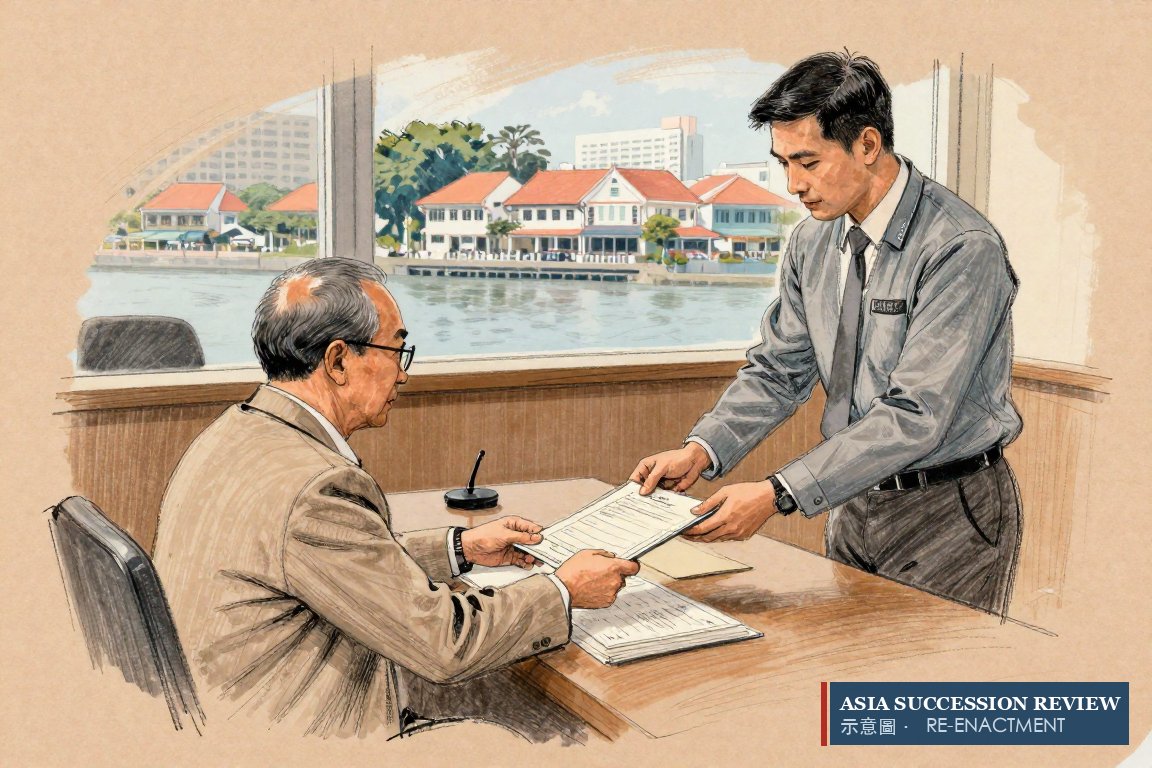
The deed names each branch and fixes the class, so no trustee can write the family out with one page in an afternoon
The deed is the whole case. Name each branch and what it receives; state that the class of beneficiaries is fixed; and if a power to add or exclude is included, restrict it in the instrument to what it is for — bringing in a later-born grandchild, not exporting the family to a purpose trust. Appoint an independent licensed trustee rather than a board of interested children, give a protector consent rights over class changes, and record the reasons in a letter of wishes. That is the Privy Council's lesson stated as drafting: a fiduciary power is read against the purpose of the trust, so write the purpose down.
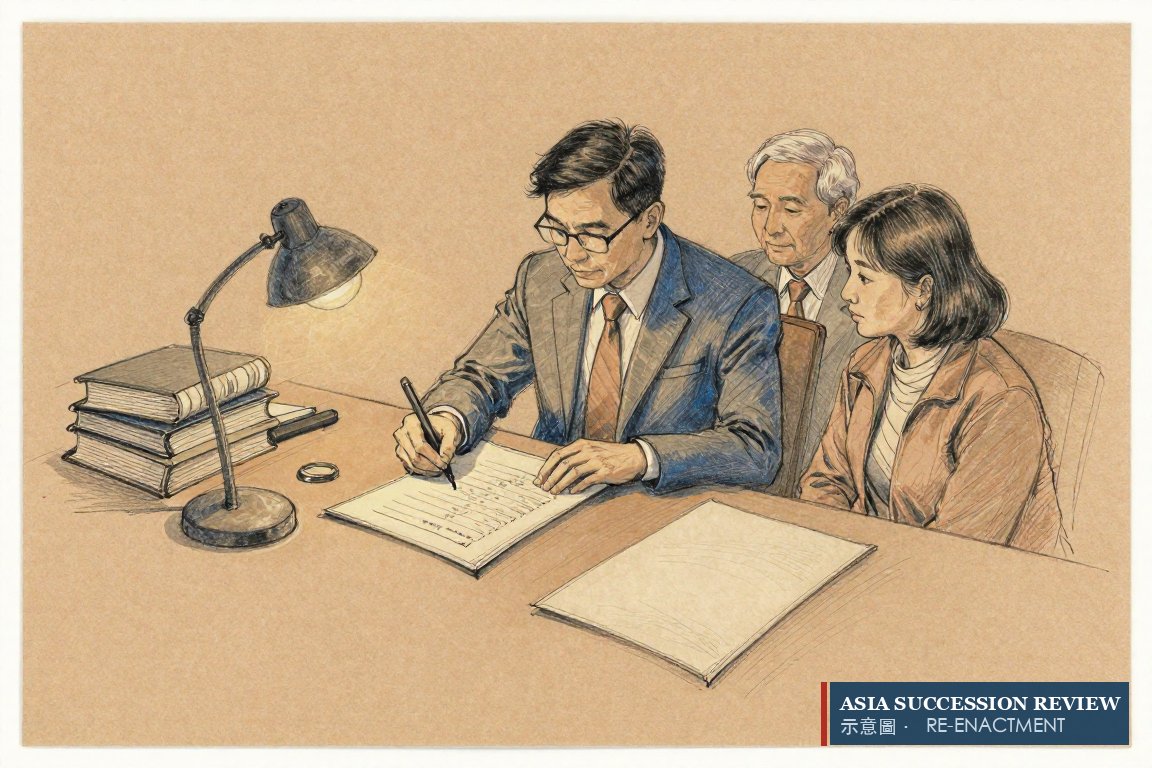
The compulsory portion reserves half of each heir's share against a will, but Article 1225 reaches a bequest and not a transfer made while alive
What 特留分 does, and does not do. Wang Yung-ching died intestate, so Civil Code article 1223 never bit — the estate passed by 應繼分 under articles 1138 and 1144, spouse and children sharing per capita. Had he written a will favouring one branch, article 1223 would have reserved each spouse and lineal descendant one half of their 應繼分, and article 1225 would let a short-changed heir abate the 遺贈 by the shortfall, apportioned among recipients by value. Article 1225 by its terms reaches a testamentary gift, not a transfer completed while he was alive — which is why the date of the settlement matters more than its flag.
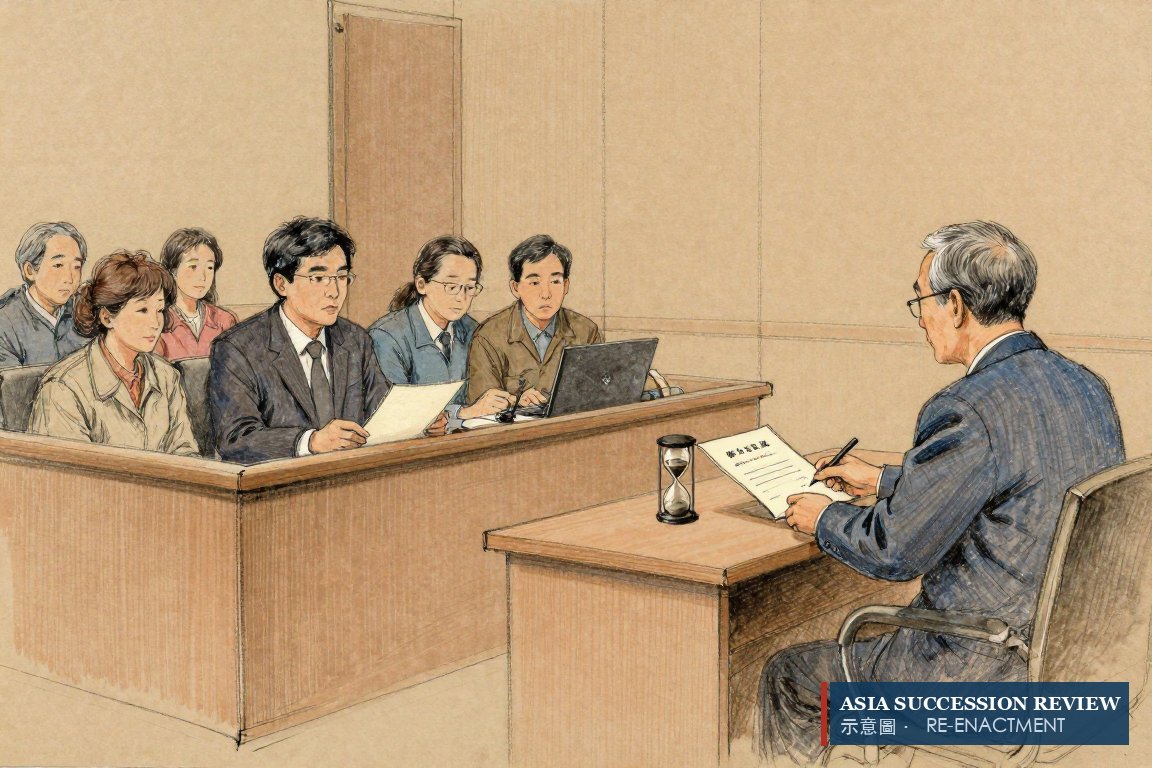
Taiwan taxes the worldwide estate whatever the structure, and a lifetime trust is a gift taxed when made under Article 5-1
What Taiwan's tax does regardless. A Singapore trust changes what sits in the estate; it does not change whose law governs the estate or who may tax it. Article 1 of the Estate and Gift Tax Act reaches the whole worldwide estate of a national habitually residing in the ROC; article 4 defines that by domicile within the two years before death or 365 days of presence. Article 5-1 treats a lifetime trust for someone other than the settlor as a taxable gift when made; article 3-2 charges a testamentary trust at death; article 15 adds back gifts to a spouse or statutory heirs within two years of death.
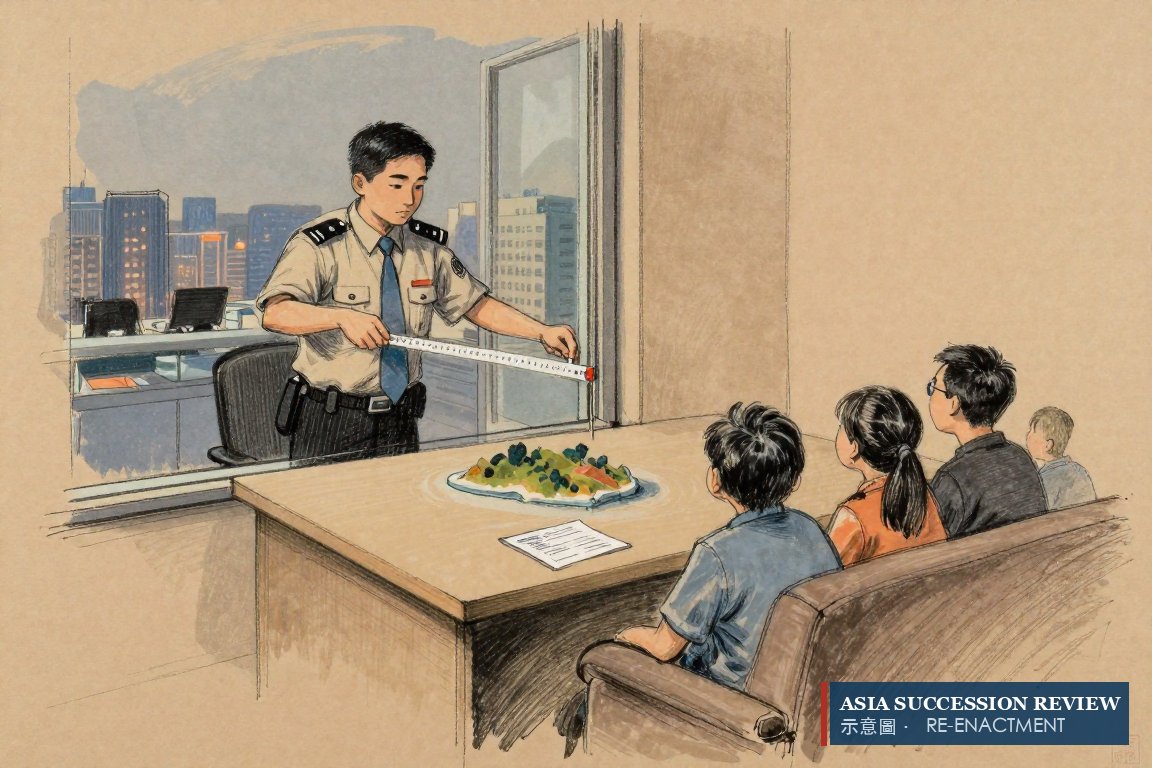
Section 90 shields the trust in a Singapore court but not a Taipei one, and the attack that won in 2022 was excess of power, not forced heirship
The honest limits, because the family that skips them buys litigation. Trustees Act 1967 section 90 provides that no rule of inheritance or succession affects the validity of a Singapore-law trust with Singapore-resident trustees, where the settlor was neither a Singapore citizen nor Singapore-domiciled at creation; that binds a Singapore court, not a Taipei one, and it says nothing about Taiwan-situs land or about tax. And section 90 would not have saved this family, because the attack that succeeded was not a forced-heirship claim at all — it was that the trustee exceeded its powers, which can be run in Singapore too. The cure is the deed, not the jurisdiction.
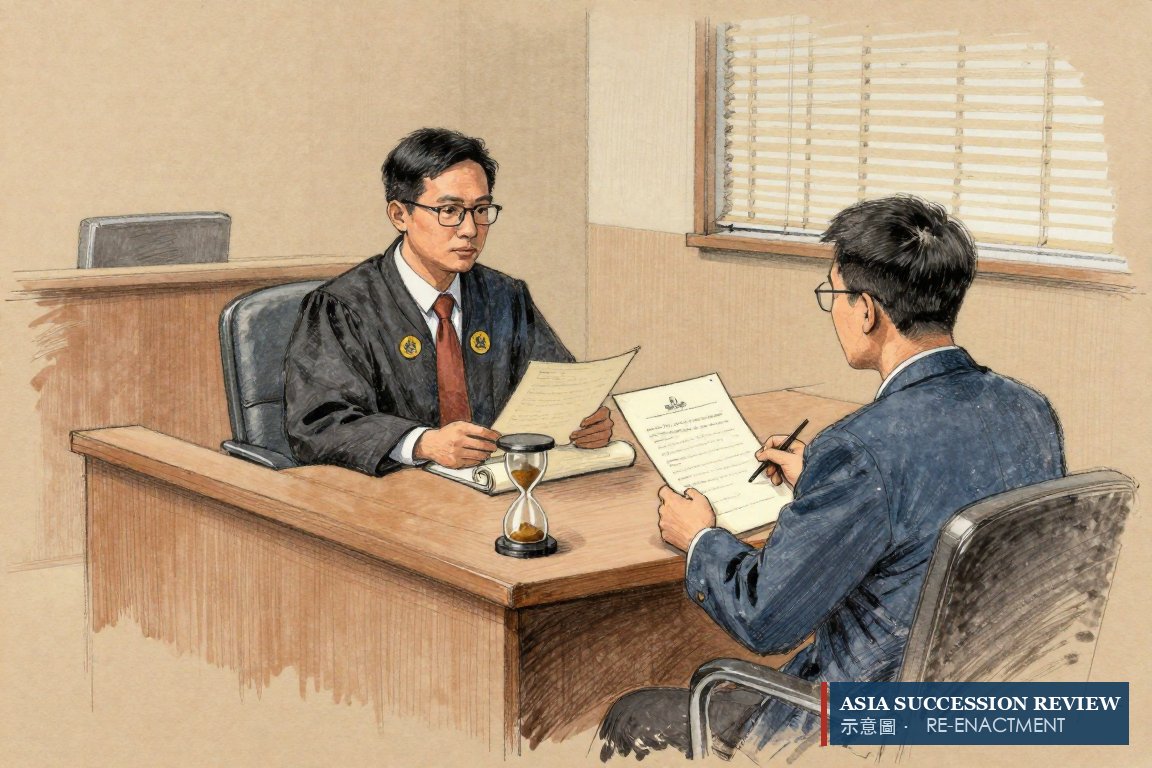
The founder — control for life, and his actual intentions binding after it — recorded in a deed, not reconstructed by five courts from an affidavit
Each branch — a named entitlement from the day the deed is signed; no branch has to sue to discover whether it is still a beneficiary
The trustee — a power to add and exclude that is written to a stated purpose, so it cannot be exercised against the class it exists to serve
The Taiwan tax office — the same worldwide charge either way — but assessed against a documented, dated, gift-taxed settlement rather than against a decade of contested transfers
The family name — no eighteen years of judgments in four jurisdictions, each one a public account of who was written out and when
A counterfactual, not advice: real structures need licensed hands and your family's facts.
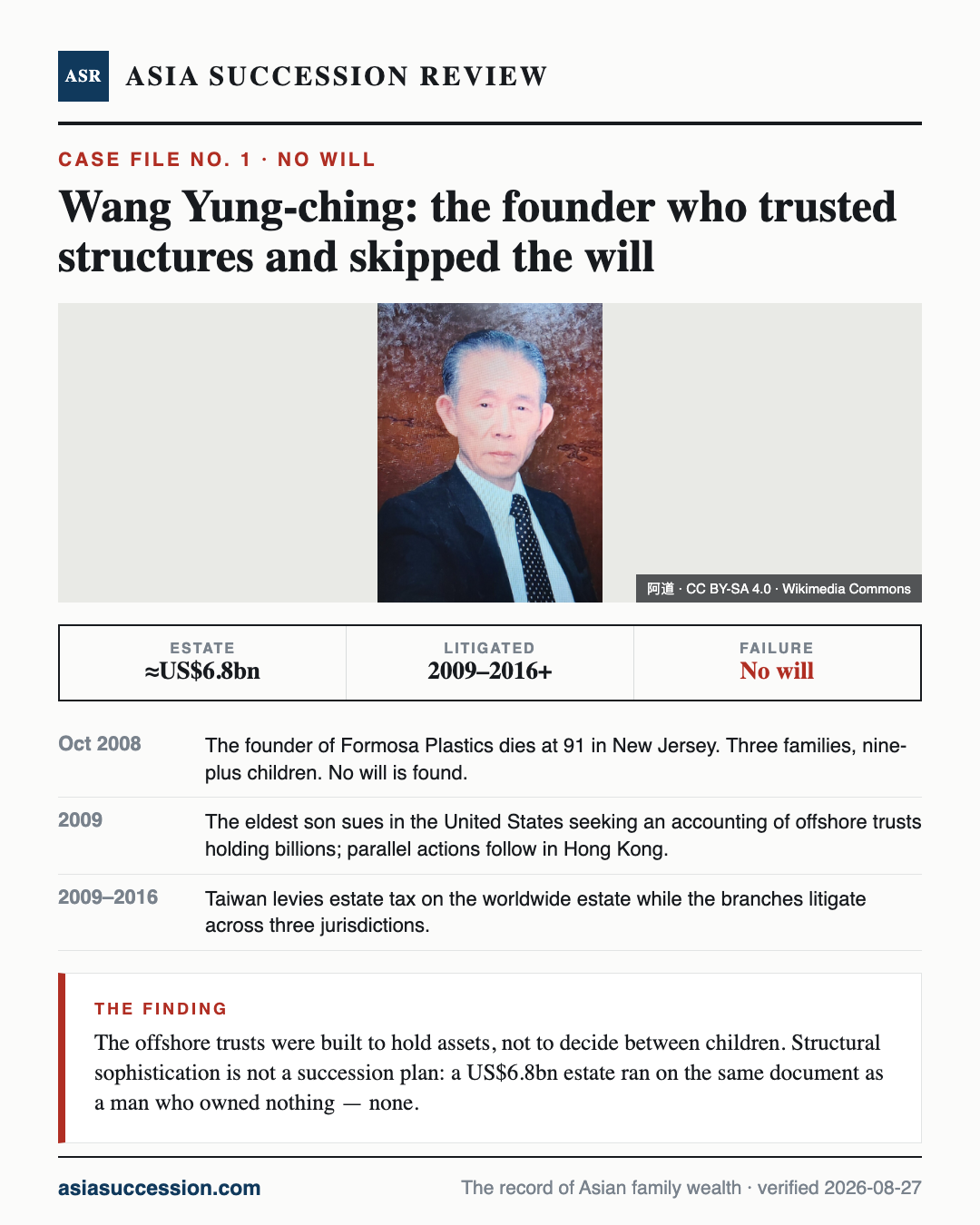
The case in one card — press and hold to save, or forward it as it is.
If your father holds Taiwan assets
Taiwan taxes the worldwide estate of a national who habitually resides there, and an intestate estate distributes by statute — which may not include you the way you assume. If the family holds shares through an offshore trust, the question is not whether the trust exists but whether the deed names you and whether anyone can remove you from it. What you can ask about while everyone is alive, and what a will, a fixed beneficiary class or a Singapore trust would each change about your position:
王永慶 遺產 多少?
Taiwan assessed the domestic estate at NT$52.6bn and the estate tax at NT$11.9bn, on the old schedule rising to 50 per cent (風傳媒, 28 November 2014); the tax was reported settled in September 2010, partly in kind. The heirs divided about NT$52.8bn by agreement signed on 29 July 2021. The offshore trusts are separate and still undivided.
王永慶 海外信託 官司 結果?
One clear win, no final distribution. On 8 December 2022 the Privy Council held in Grand View Private Trust Co Ltd v Wen-Young Wong [2022] UKPC 47 that the 2005 decision excluding every family member from the Global Resource Trust was made for an improper purpose and was void. Related proceedings over the American trust were still live before the D.C. district court on 26 May 2026.
特留分 海外資產 — does the compulsory portion reach a foreign trust?
Not directly. Civil Code article 1225 lets a short-changed heir abate a 遺贈, a testamentary gift; it does not by its terms reach property transferred while the deceased was alive. A lifetime settlement offshore is therefore outside 扣減 on the orthodox reading. What it is not outside is Taiwan's tax net, or a claim that the trustee exceeded its powers.
Does Taiwan tax overseas trusts?
Yes, on both legs. Article 1 of the Estate and Gift Tax Act charges the whole estate, inside and outside the territory, of a national habitually residing in the ROC. Article 5-1 taxes a lifetime trust for someone other than the settlor as a gift when made; article 3-2 charges a testamentary trust at death; article 15 adds back gifts to a spouse or heir within two years of death.
What did the Privy Council decide in 2022?
That a trustee's power to add and exclude beneficiaries is a fiduciary power exercisable only for the purpose for which it was conferred. Adding a purpose trust as an object while removing the founders' children and issue, then appointing the whole fund away, was an improper purpose; the parties agreed the consequence was that the decision was void. The Board allowed the appeal on 8 December 2022.
Can a Singapore trust avoid 特留分?
Over Taiwan-situs assets, no. Trustees Act 1967 section 90 stops a rule of inheritance or succession affecting the validity of a Singapore-law trust with Singapore-resident trustees, where the settlor was neither a Singapore citizen nor Singapore-domiciled at creation. That binds a Singapore court. A Taipei court still applies the deceased's national law to the succession, and Taiwanese land does not move.
My father has set up offshore trusts. How do I find out if I am still a beneficiary?
Ask for the class, not the balance. Two questions are legitimate family business and forwardable to anyone: who are the named beneficiaries under the current deed, and does anyone hold a power to add or exclude them. The Wang family learned the answer to the second question seventeen years after it had been exercised, from a judgment.
A question of your own that these don't answer — put it to the desk.
- 1Judicial Committee of the Privy Council — case page, Grand View Private Trust Co Ltd v Wen-Young Wong, JCPC 2020/0064 and 0065 (parties, hearing 8–10 Mar 2022, judgment 8 Dec 2022)
- 2Grand View Private Trust Co Ltd v Wen-Young Wong [2022] UKPC 47, full judgment (Lord Richards; GRT and Wang Family Trust declared 10 May 2001; Grid worth c. US$90m in 2001 and c. US$560m at the Bermuda appeal; WFT c. US$567m in 2001 and over US$3.5bn; 100-year trust period; 17 children; September 2005 decision improper and void, paras 122 and 128)
- 3Wang v New Mighty United States Trust, No 21-cv-3111, memorandum opinion of Boasberg CJ, US District Court for the District of Columbia, 26 May 2026 (New Mighty U.S. Trust declared 3 May 2005 in Washington DC; Universal Link 5 May 2005 and Vantura 9 May 2005 in Bermuda; China Trust 2002; Ocean View 2013; motion to dismiss granted in part, denied in part)
- 4Supreme Court of the United States — New Mighty U.S. Trust v Robert Shi, as executor of the will of Yueh-Lan Wang, No 19-232, certiorari denied 21 Oct 2019 (140 S. Ct. 435)
- 5United States Court of Appeals for the District of Columbia Circuit — Robert Shi v New Mighty U.S. Trust, 918 F.3d 944, decided 15 Mar 2019, No 18-7066
- 6United States Court of Appeals for the District of Columbia Circuit — Wang ex rel. Wong v New Mighty U.S. Trust, 843 F.3d 487, decided 9 Dec 2016, No 12-7038
- 7Estate and Gift Tax Act — amendment history, Laws and Regulations Database, Ministry of Justice (item 11: promulgated by the President on 21 January 2009, amending articles 7, 10, 13, 18, 19, 22, 30, 44 and 45 — the amendment that replaced the progressive schedule with a flat rate)
- 8Estate and Gift Tax Act (English text: article 1 worldwide charge on a habitual resident; article 4 habitual residence; article 3-2 testamentary trusts; article 5-1 trusts treated as gifts; article 15 two-year add-back)
- 9Civil Code article 1144 (the spouse's 應繼分: equal per capita with the first-order heirs of article 1138, who are the lineal descendants) — Laws and Regulations Database, read 12 Sep 2026
- 10Civil Code article 1223 (compulsory portions; article view as at 12 Sep 2026 renders the amended four-item text, with the banner recording that the amendment promulgated 17 Aug 2026 takes effect six months after promulgation)
- 11Civil Code article 1225 (an heir short of his compulsory portion abates the 遺贈 by the shortfall, apportioned among recipients by the value each received)
- 12Trustees Act 1967 (Singapore) section 90, validity of certain trusts — Singapore Statutes Online, current version as at 12 Sep 2026
- 13Office of the President, Republic of China — statement of condolence on the death of Formosa Plastics founder Wang Yung-ching, 16 October 2008
- 14風傳媒, 28 Nov 2014 — assessed estate NT$52.6bn, estate tax NT$11.9bn at the pre-2009 top rate of 50 per cent, and the January 2009 cut to 10 per cent that came after the death
- 15Public Television Service, 2 Aug 2011 — Taipei District Court finds the three Lo siblings to be children of Wang Yung-ching, on witness and recording evidence
- 16CTWANT, 21 Oct 2025 — Wang Kuo Yueh-lan died in 2012 childless leaving a will giving an estate estimated above NT$2.2bn to Wang Wen-yang; her sister claimed the sibling compulsory portion of one third against it
- 17鏡週刊, 5 Sep 2021 — the domestic estate settlement signed 29 July 2021 and filed 30 July: estate over NT$52.8bn, estate tax NT$12.0bn described as the largest on record, about NT$40.8bn actually distributed, offshore assets still unresolved