A trust fed Anita Mui's mother for 22 years. She sued it for seven
Three weeks before she died in 2003, Anita Mui put her estate into a trust rather than leave it to her mother — because, she told the trust officer, her mother could not manage money and would outlive her. She was right on both counts. Her mother sued, lost at every level, and died on Sunday aged 102. What if it had been written in Singapore?
Read this in: EN · 简体 · 繁體 · ไทย · ID
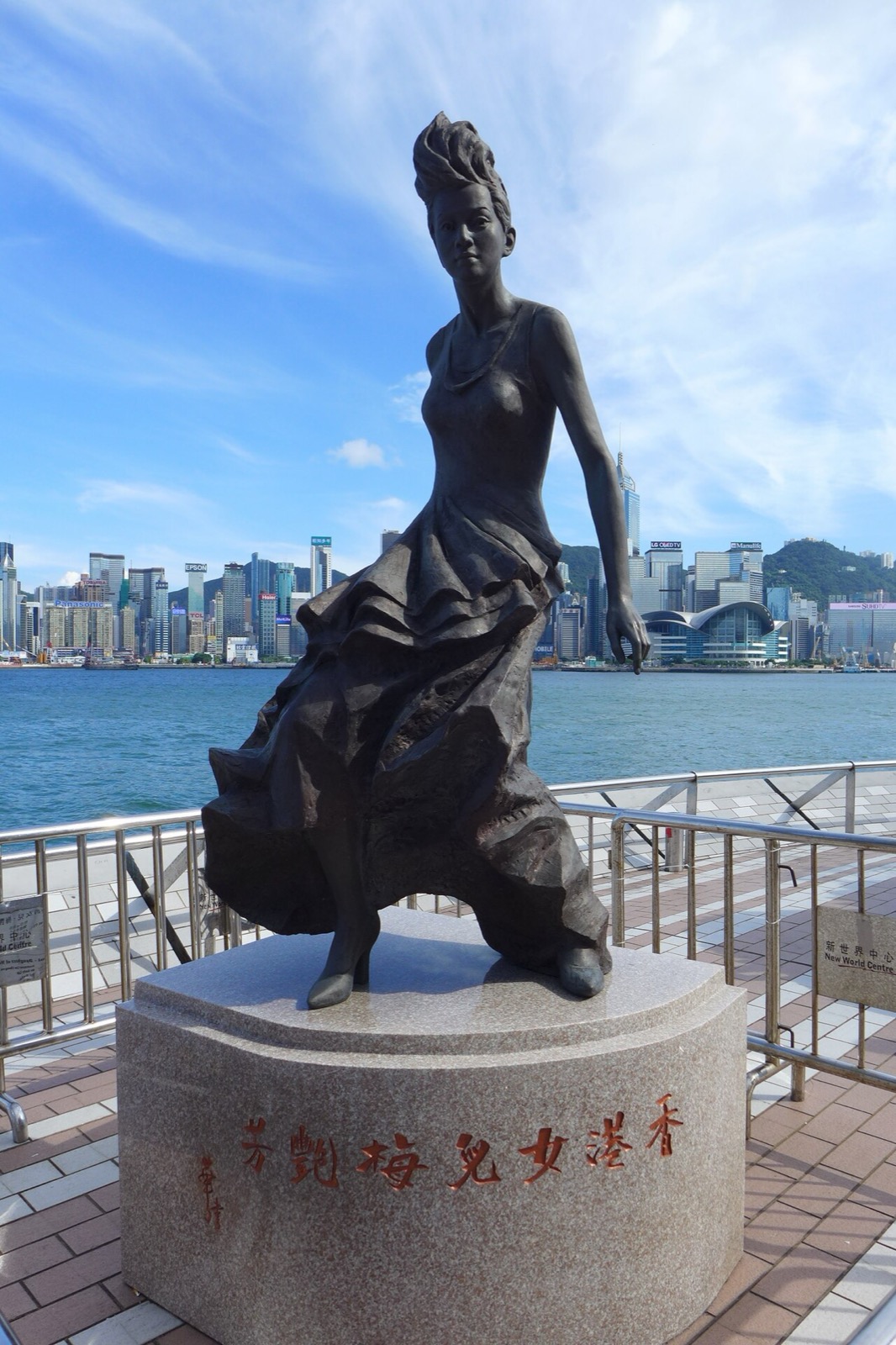
Anita Mui signs a Cayman trust 27 days before she dies at 40, and her mother lives to 102
RTHK reported on 30 August 2026 that a 102-year-old woman, understood to be Tam Mei-kam, the mother of the late Cantopop singer Anita Mui, died on Sunday morning after collapsing at a flat on Leighton Road, Causeway Bay. Her death closes the estate her daughter settled 22 years and eight months earlier. Mui Yim-fong died on 30 December 2003, aged 40, of cervical cancer. On 3 December 2003 she had executed a Cayman-law discretionary settlement, the Karen Trust, with HSBC International Trustee Limited as trustee, and on the same day a will leaving her residuary estate to that trust.
Mui leaves her mother HK$70,000 a month and the rest to charity, so the mother sues 5 months later
The accompanying memorandum of wishes recorded three things: the shares in two private companies, each holding a landed property, to her friend Eddie Lau; HK$1,700,000 set aside for her nephews' and nieces' education; and the balance held to pay her mother HK$70,000 a month for life, with the entire remaining fund to pass on her death to New Horizon Buddhist Association Limited. Her mother began proceedings on 4 May 2004 to have the will and the trust set aside and herself appointed administratrix.
Tam Mei-kam fights through an 18-day trial and 2 appeals, and 3 courts uphold her daughter's will against her
After an 18-day trial Andrew Cheung J pronounced for the will; the Court of Appeal dismissed her appeal on 2 July 2010; the Court of Final Appeal dismissed the final appeal on 9 May 2011, with reasons handed down on 26 May 2011.
Mui tells her trust officer her mother will end penniless with a lump sum, so she leaves an allowance
This is the rarest case in the archive: the one where the parent got the planning right. Anita Mui named the risk out loud. The file note her trust officer wrote after their meeting, quoted in the Court of Appeal judgment, records that she wanted her mother maintained at exactly her existing standard — one chauffeur, two domestic helpers, about HK$70,000 a month — and that she would not leave the estate to her outright, for fear she would be incapable of managing wealth and end up penniless.
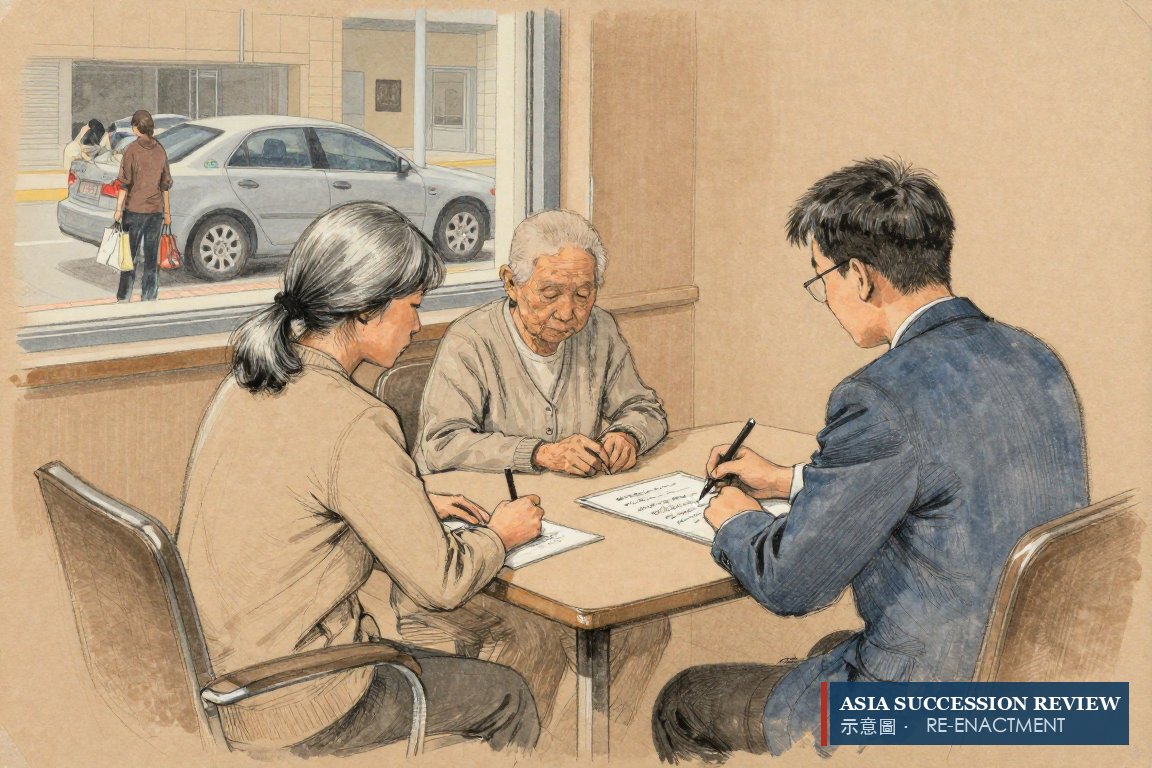
Mui predicts at 40 her mother will outlive her, and the blank in the deed costs the estate 7 years
The same note records her saying, rather sadly, that her mother would live a much longer life than she would. She was 40. Her mother lived to 102. And still the estate spent seven years in court, because a trust can decide where the money goes and cannot decide whether the person receiving it will accept the arrangement. Two features of the drafting made that gap wider than it needed to be. The Buddhist association was not named in the trust deed at all — the Final Repository was left blank there, and the gift appears in the memorandum of wishes, which is a wish, not an obligation.
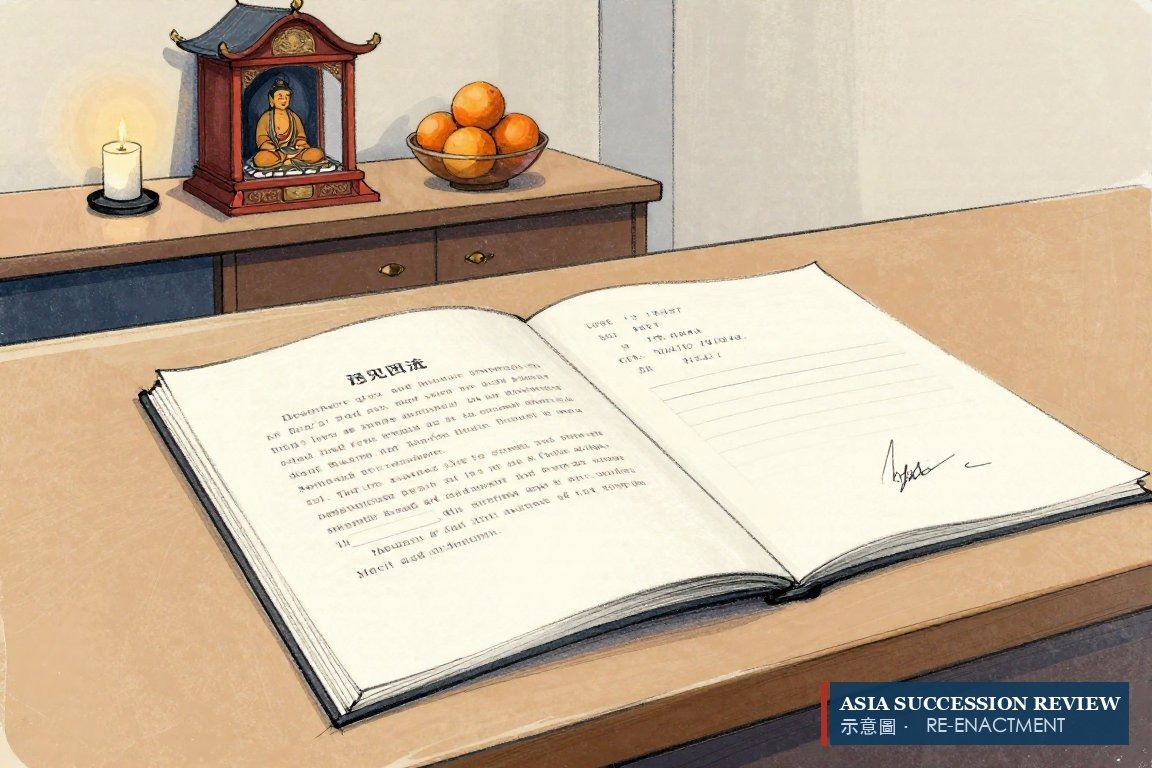
A clause lets the trustee never tell the mother it exists, so she first hears her daughter's reasons in court
And clause 33 relieved the trustee of any duty to tell a beneficiary that the trust existed. A structure built entirely around one woman's future was one her mother had no right to be told about. She learned what her daughter had decided, and why, as an exhibit in a courtroom.
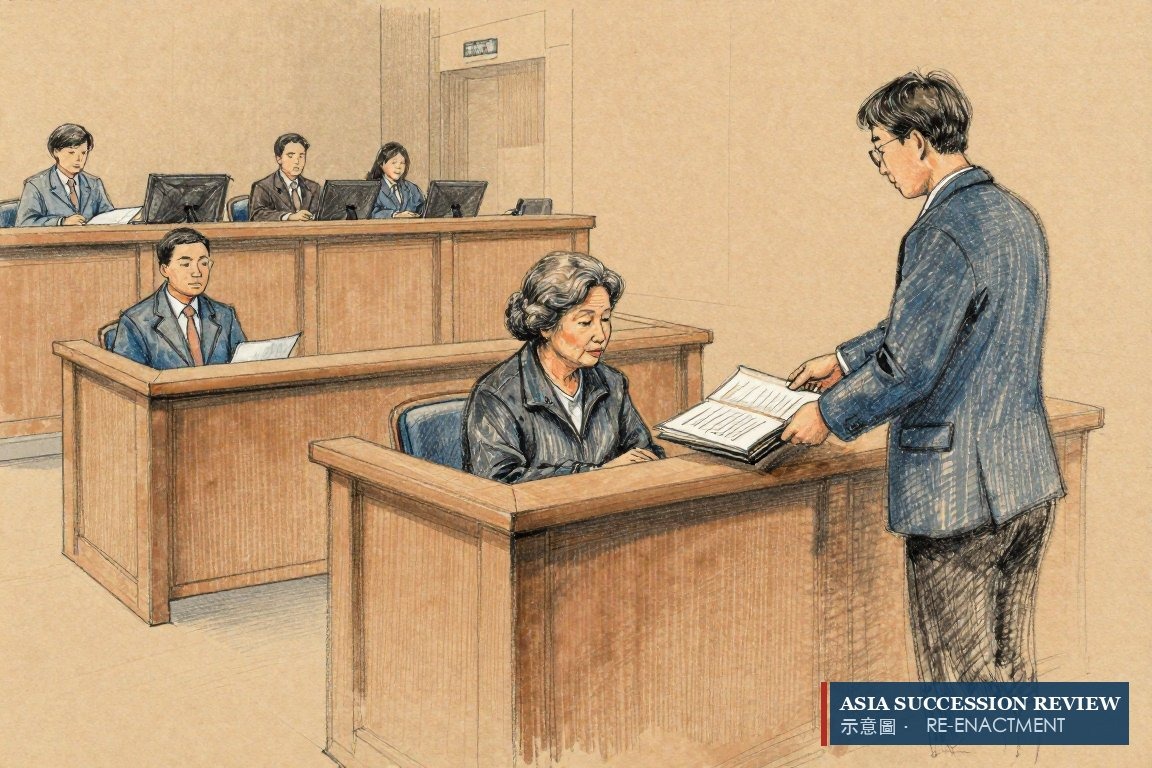
Provision arranged for someone who has never been told about it is not provision — it is a settlement offer nobody accepted, and Singapore's answer is to make the maintenance an entitlement the deed itself owes her, and to say so while everyone is alive.
Singapore lets only spouses and children ask for maintenance, so a mother in Tam Mei-kam's place has no claim
Run it as a Singapore structure, and start with the honest half. Singapore would have taken one of the mother's doors away entirely. The Inheritance (Family Provision) Act 1966 s3(1) lets only a narrow class ask the court for maintenance out of an estate — a surviving spouse, an unmarried or disabled daughter, an infant son, or a son unable to maintain himself — and only where the deceased died domiciled in Singapore. A parent is not on that list.
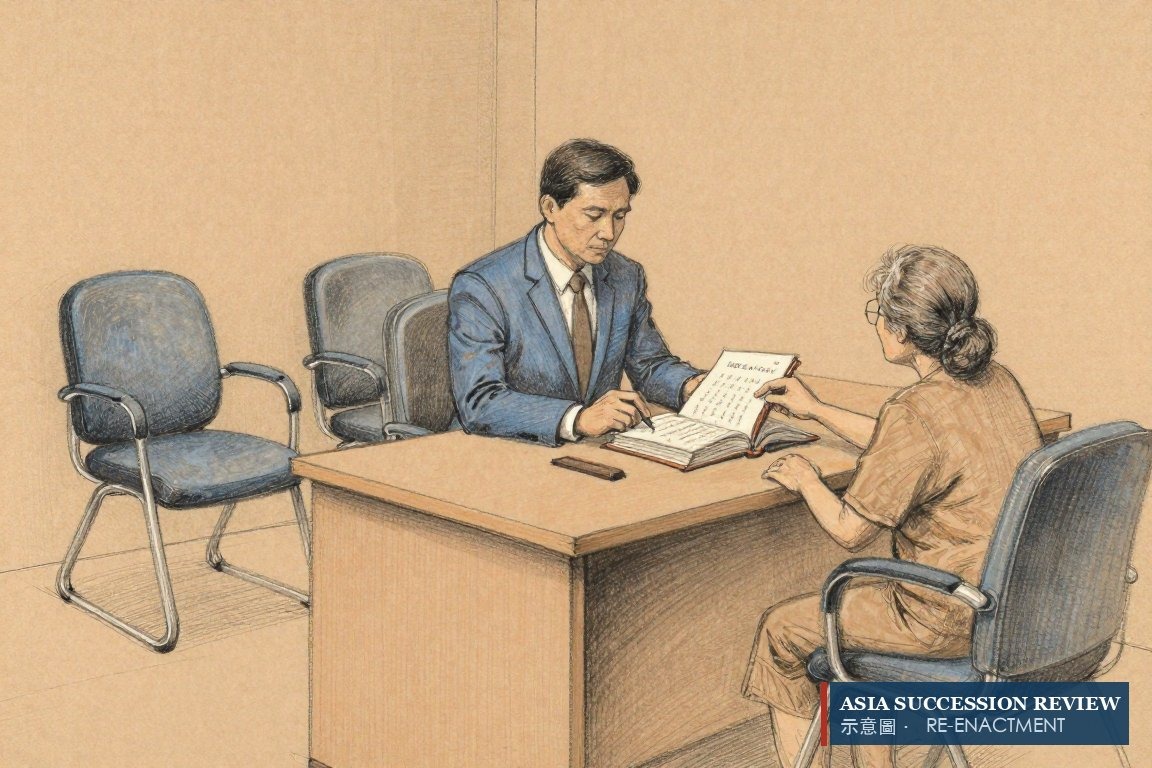
Her only route is attacking the will itself, so Singapore takes 1 door away and none of the 7 years
So a mother in this position in Singapore has no family-provision claim at all; her only route is the one Tam Mei-kam actually took, an attack on the validity of the will and the trust, which is the longest and least winnable route there is. Singapore removes a claim here. It does not remove the fight.
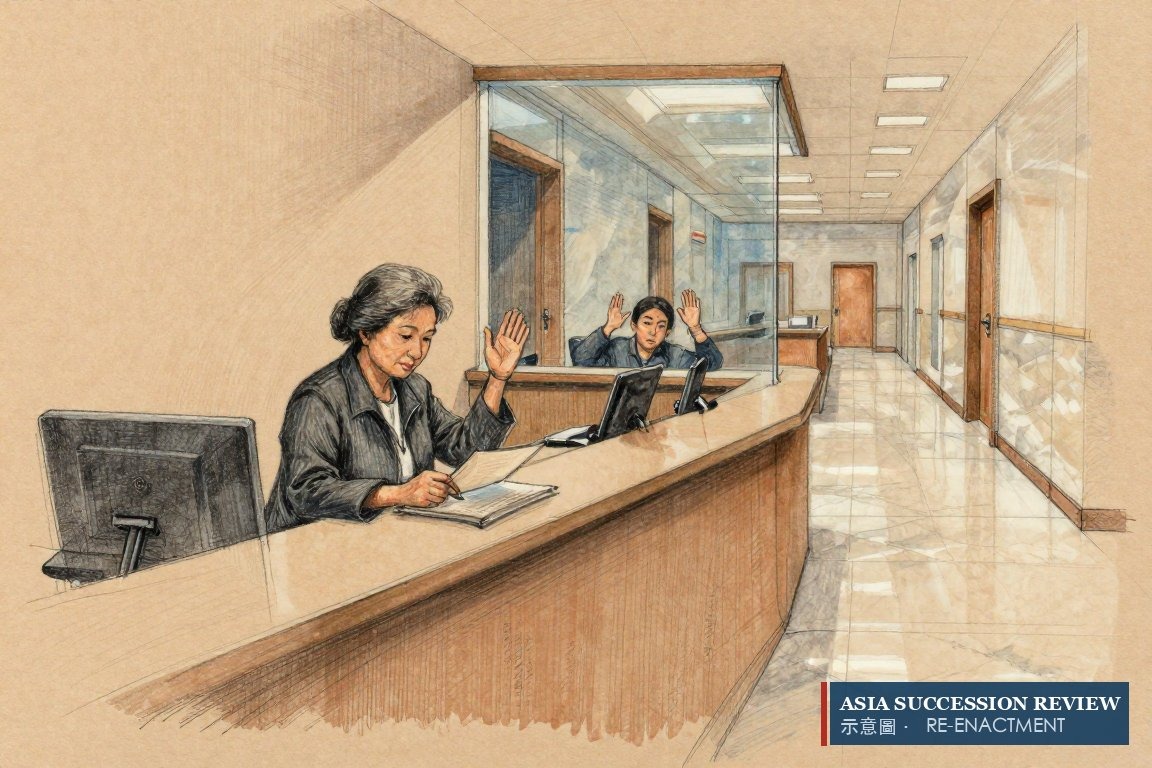
A Singapore deed turns the allowance into a right she can enforce, and names the charity the letter left blank
What a Singapore deed changes is the shape of what she is given. Her daughter's intention — a fixed monthly sum for life, no lump sum, the remainder to charity — can be written as an entitlement rather than a discretion: a life interest in the trust fund at a stated figure, indexed if the settlor wants it indexed, which the trustee owes her and she can enforce, instead of a payment the trustee may make if it chooses. The remainder beneficiary goes in the deed, named, not left blank in the deed and supplied by a letter that can always be revisited.
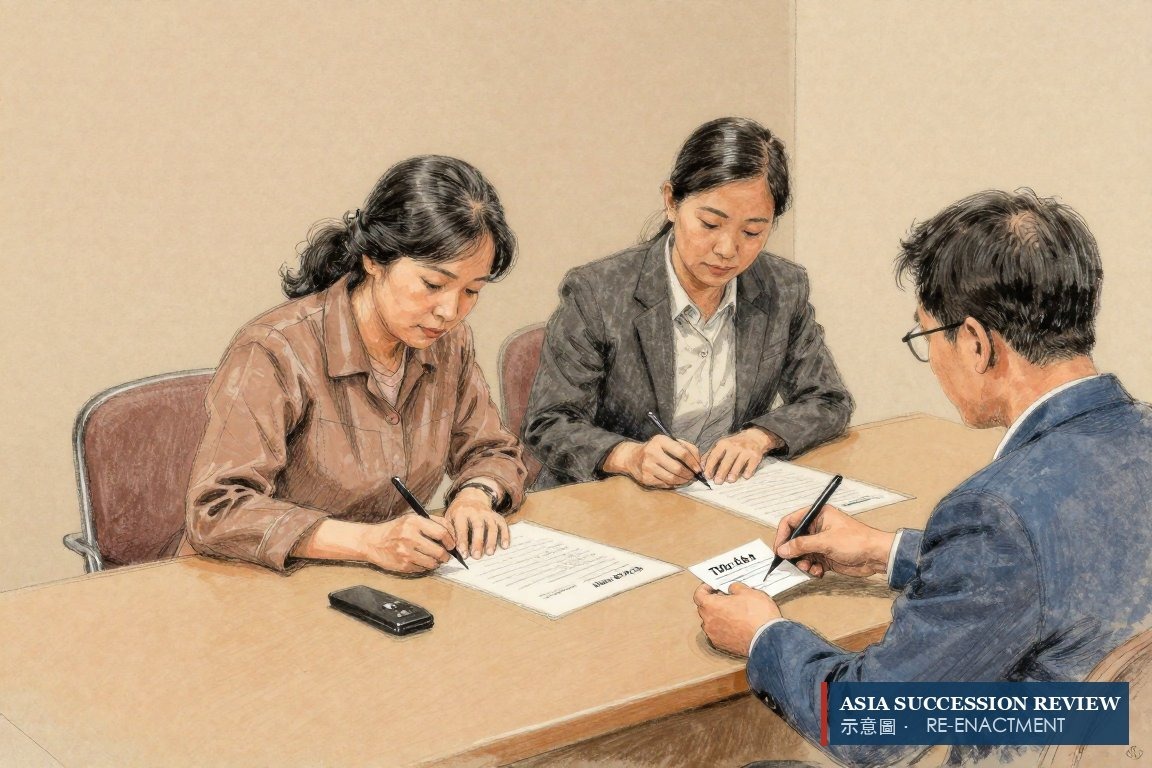
The deed appoints a protector she can question, so the arrangements never reach a docket the press can read
And a protector is appointed with one plain job: to be the person she can ask. In Singapore the settlement can run 100 years, the Trustees Act 1967 s90 shields it from foreign forced-heirship claims — not the issue in Hong Kong, which has none, but very much the issue for our readers in Jakarta and Taipei — and there is no public trust register, so the family's arrangements do not become a docket the press reads for seven years.
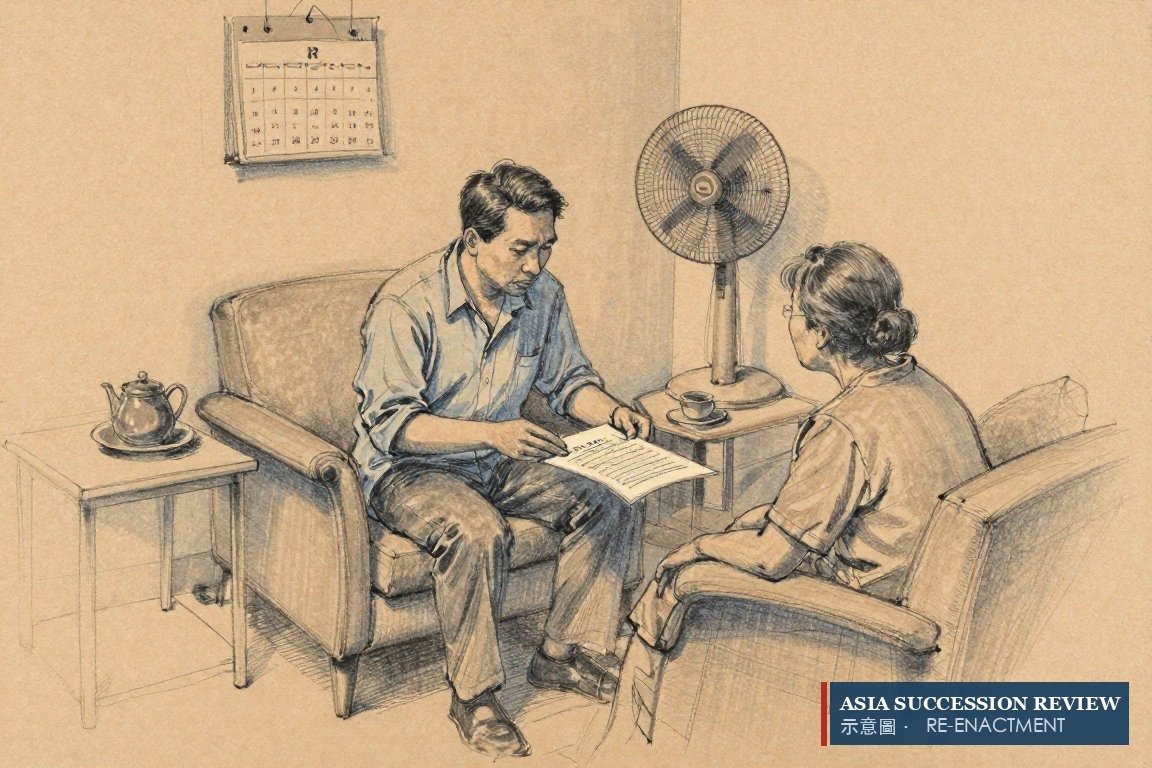
5 judges uphold the trust, and Mui's mother collects about HK$19 million over 22 years exactly as intended
One honest footnote, and it cuts our way. The Karen Trust worked. It was upheld at first instance, on appeal, and by five judges of the Court of Final Appeal including Lord Millett; the will was found duly executed, made with capacity, and with knowledge and approval of its contents. Anita Mui's mother was maintained for 22 years and eight months — roughly 272 monthly payments, about HK$19 million at the rate her daughter named, on our arithmetic — precisely as her daughter intended, and outlived that daughter by more than two decades. No deed on earth compels an heir to accept it.
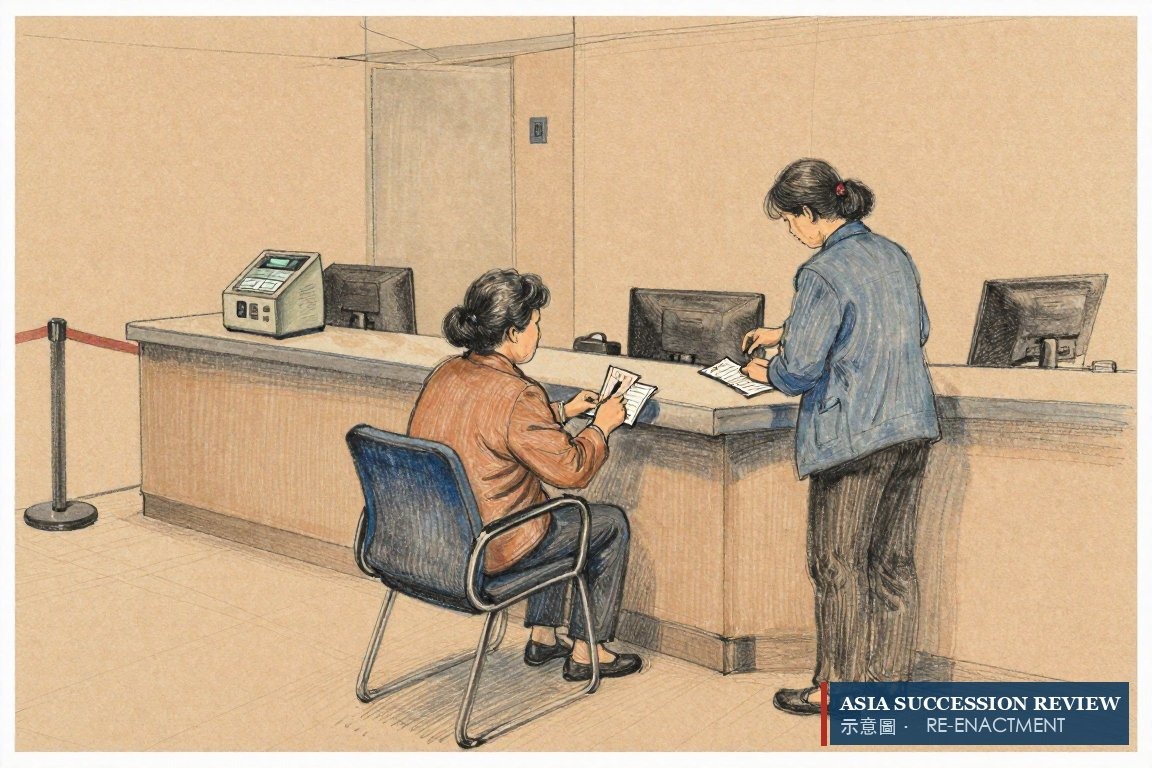
Mui writes her reasons into a trust officer's file note, so her mother never hears them in her daughter's voice
What the deed could not do, and what nobody did instead, was hold the conversation: tell her, in the daughter's own voice and while the daughter was alive, that the monthly sum was not a slight but a plan, and that the plan existed because she was loved and because her daughter had done the arithmetic on how long she would live. That reason was put in a file note for a trust officer. It should have been put in a letter to her mother.
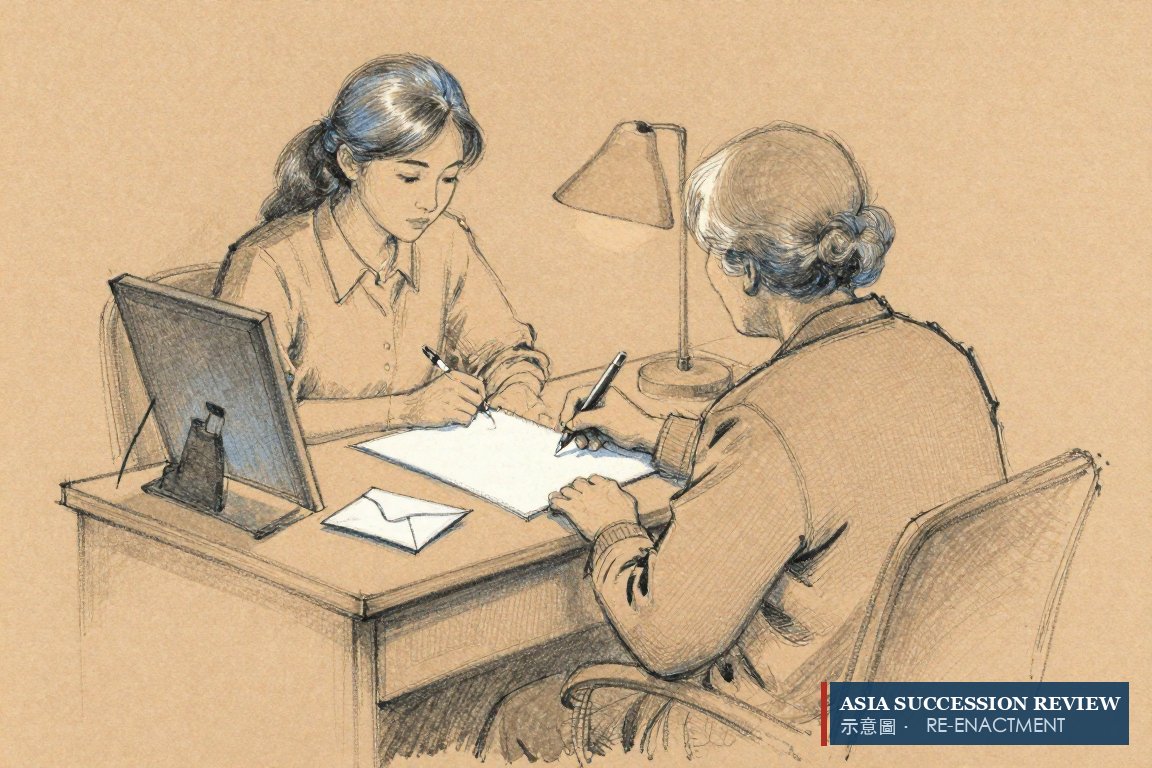
The mother — the same HK$70,000 a month for life — but as a fixed entitlement in the deed she can enforce, not a discretion she must litigate to test
The charity — the remainder, named in the trust deed itself rather than in a memorandum of wishes
The estate — no seven-year probate action, and no costs order paid out of it
The family — the reason, in the daughter's own words, delivered while she was alive to give it
A counterfactual, not advice. The verified machinery is on the Singapore page; where your family stands is the briefing.

From the case files: What a beneficiary is entitled to be told: what you can know about a will