Chow Tai Fook's heirs share one purse, and New World just drew on it
New World Development reported a HK$26.8 billion loss on 30 September 2026 and agreed to pay HK$2.3 billion to hand its airport mall back. The Cheng family's private company, Chow Tai Fook Enterprises, told the board it is prepared to fund the developer, with no amount stated. The same evening it gave the Airport Authority an option over 750 million of its own New World shares, for HK$1. The family companies above it also control the jewellery chain. What if it had been Singapore?
Read this in: EN · 简体 · 繁體 · ไทย · ID
A Hong Kong developer reports a HK$26.8 billion loss for the year, and its shareholders get no dividend
New World Development, the Hong Kong developer behind K11 and Victoria Dockside, announced on 30 September 2026 a loss of HK$26,818 million for the year to 30 June 2026. The loss attributable to shareholders was HK$28,149 million, or HK$7.72 a share. Revenue fell 28% to HK$19,992 million, and the board declared no dividend for the year. Leaving out impairments and provisions, the company reported a profit from recurring operations of HK$2,228 million, which it called its first in several years.
The developer hands its airport mall back in April 2027, and pays HK$2.3 billion for the right to leave
Most of the loss is one project. In May 2018 the Airport Authority awarded New World the contract to build and run 11 SKIES, a shopping and entertainment complex at Hong Kong International Airport, on a lease running to 2066. On 30 September 2026 the two sides signed a termination deed. New World will hand the site back on 1 April 2027, pay an early termination fee of HK$2,300 million, and carry out works costing up to HK$1,049.5 million. It booked a net loss of HK$18,321.5 million on the project.

The group owes HK$148.6 billion, and mortgages its harbourfront mall and hotel for HK$4.9 billion
The debt is the background. At 30 June 2026 the group had total borrowings of HK$148,587 million. Of that, HK$24,509 million of bank loans, bonds and notes falls due within twelve months (our addition of the two figures in the accounts), against cash and bank balances of HK$16,960 million. The group is deferring distributions on perpetual securities. In September a loan secured on Victoria Dockside, which includes K11 MUSEA and the Rosewood hotel, was raised from HK$3,950 million to HK$4,900 million.
The family's private company promises to fund the developer, and names no amount and no limit
Then comes the family. The accounts list nine measures that let the directors treat the group as a going concern. The seventh is Chow Tai Fook Enterprises Limited, called CTFE. It 'has indicated to the Board that it is in its interest that the Group operates as a going concern' and 'is prepared to provide financial support', subject to suitable terms and to the law, as and when the group has funding needs. The note gives no amount and no form.
The family company sells the airport an option over 750 million shares for HK$1, at half the market price
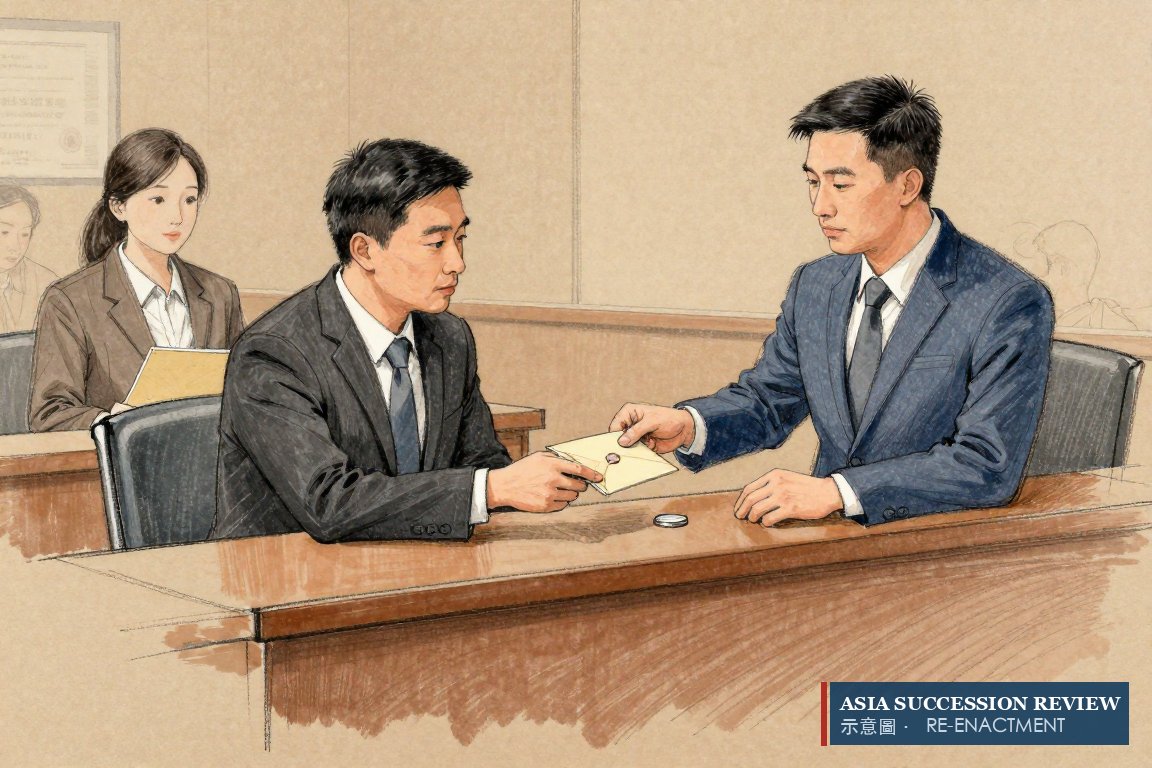
The family company also paid in kind. On the same evening CTFE granted the Airport Authority an option to buy 750,000,000 New World shares from CTFE. The price of the grant was HK$1. The termination announcement fixes the exercise price at HK$2,250 million, which is HK$3.00 a share on our arithmetic; the shares closed at HK$6.05 that day. The results note describes the exercise price as equal to the termination fee, HK$2,300 million. We use the defined figure and record the difference.
A valuer prices the option at HK$250 million, and the developer books it as part of its loss
The option can be used once, for all the shares, within three years. Any shares transferred are locked up until 30 September 2032. An independent valuer put the option's fair value at HK$250 million, and New World booked that sum as part of its loss. CTFE told the company it intends to keep control, remain the single largest shareholder, and would welcome the Airport Authority as an investor.
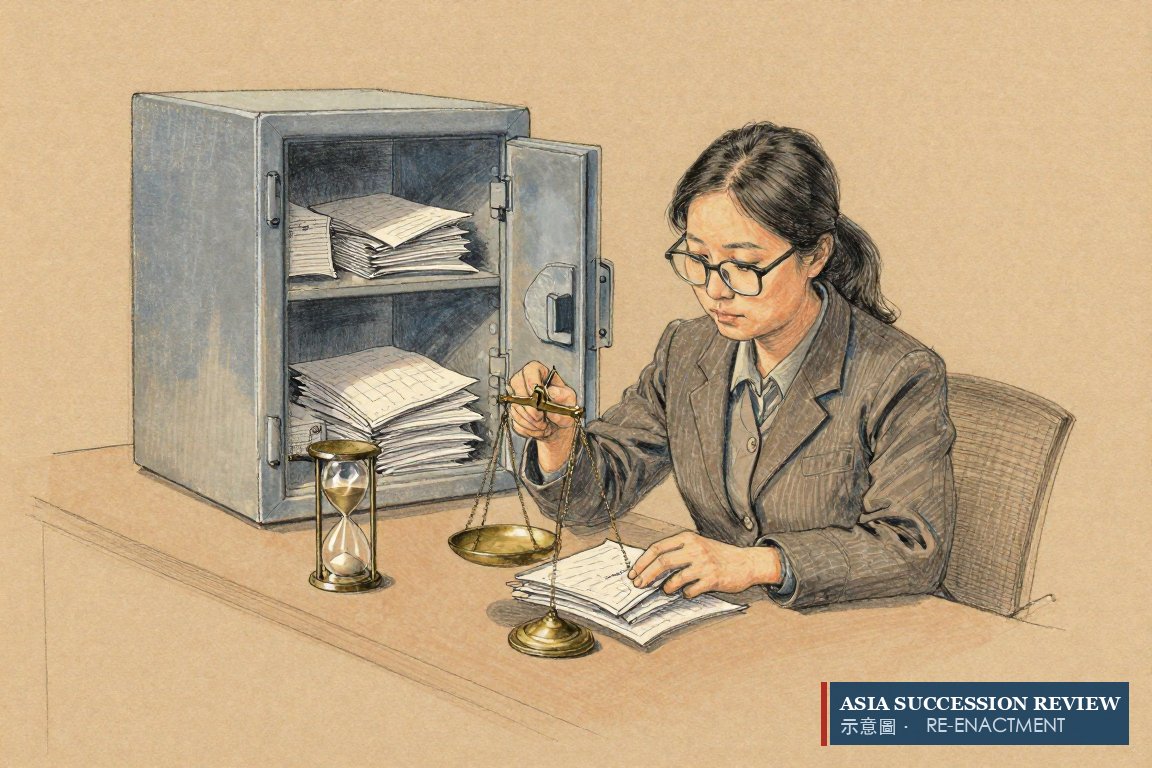
Two family holding companies sit above both the jeweller and the developer, with 73.39% of one and 45.24% of the other
Who is CTFE? New World's 2025 annual report shows it held, with its subsidiaries, 1,138,428,609 shares at 30 June 2025, or 45.24%. Chow Tai Fook Jewellery's 2026 annual report shows the chain above it at 31 March 2026. Two companies, Cheng Yu Tung Family (Holdings) Limited and Cheng Yu Tung Family (Holdings II) Limited, hold 48.98% and 46.65% of Chow Tai Fook Capital Limited. That company holds about 90.52% of Chow Tai Fook (Holding) Limited, which owns all of CTFE. The same chain is interested in 73.39% of the jewellery group.
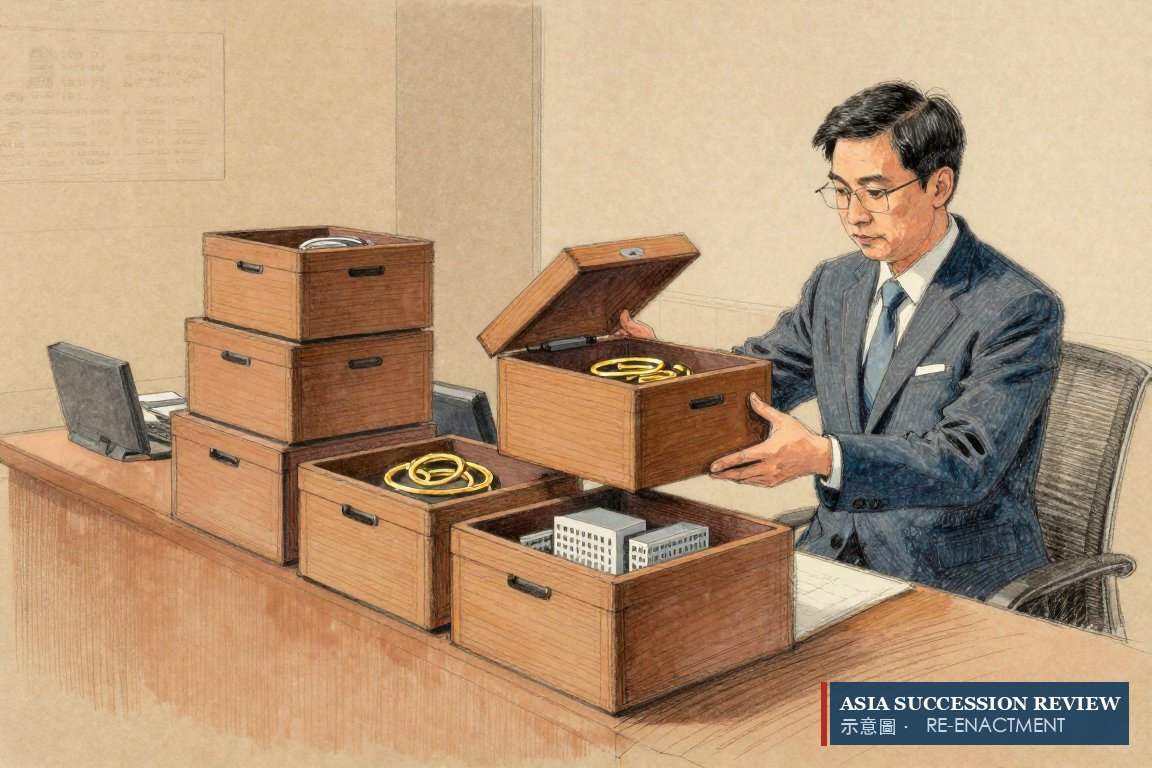
The chairman sits on the board with a daughter, a son and a brother, and another son left in 2025
The filings do not say who owns the two family holding companies. They do show the family in the boardroom. New World's chairman is Dr Henry Cheng Kar-shun, a director since 1972 and chairman since March 2012; he is also a director of all five companies in the chain. His daughter Sonia, his son Brian, his brother Peter, a nephew and a brother-in-law sit on the board of eighteen. Another son, Adrian, resigned as chief executive on 26 September 2024 and left the board on 1 July 2025.
- 1New World Development, Annual Results Announcement 2025/2026 (HKEX, 30 Sep 2026): loss HK$26,818.3m; attributable loss HK$28,148.8m, HK$7.72 a share; no dividend; borrowings HK$148,587.2m; going-concern note 1(c)(vii) on CTFE's support; note 8 on 11 SKIES and the option
- 2New World Development, Discloseable Transaction: Early Termination of Agreement for Sub-Lease (HKEX, 30 Sep 2026): termination date 1 April 2027; fee HK$2,300,000,000; option over 750,000,000 shares for HK$1; exercise price HK$2,250,000,000; lock-up to 30 September 2032
- 3New World Development, Voluntary Announcement (HKEX, 30 Sep 2026): Victoria Dockside facility with Deutsche Bank raised from HK$3.95 billion to HK$4.9 billion
- 4New World Development, 2025 Annual Report (HKEX, 26 Sep 2025): substantial shareholders at 30 June 2025 (CTFE with subsidiaries 1,138,428,609 shares, 45.24%); directors' family relationships; Adrian Cheng's resignations of 26 Sep 2024 and 1 Jul 2025
- 5Chow Tai Fook Jewellery Group, Annual Report 2026 (HKEX, 18 Jun 2026): substantial shareholders at 31 March 2026; the two Cheng Yu Tung Family holding companies hold 48.98% and 46.65% of Chow Tai Fook Capital, which holds about 90.52% of Chow Tai Fook (Holding); 73.39% of the jewellery group
- 6Bloomberg, 30 Sep 2026: New World posts US$3.6 billion loss, wins Cheng family support
- 7Trustees Act 1967 s3A (statutory duty of care; may be excluded by the trust instrument), s4 (general power of investment), s5 (standard investment criteria; review from time to time), s6 (proper advice), read on Singapore Statutes Online 1 Oct 2026
- 8Trustees Act 1967 s90(5) (a trust is not invalid only because the settlor reserves powers of investment or asset management), read on SSO 1 Oct 2026
- 9Companies Act 1967 s216 (a member may apply where the company's affairs are conducted in disregard of his interests; the court may regulate its affairs, order a purchase of shares or wind it up), read on SSO 1 Oct 2026
The family's 45% stake is worth about HK$6.9 billion, and it stands behind HK$148.6 billion of borrowings
A family that keeps everything under one holding company has one purse. That is a strength. Jewellery money can stand behind a developer when lenders hesitate, and an owner of 45% has every reason to keep its company alive. At the closing price of HK$6.05 on 30 September, CTFE's 1,138,428,609 shares were worth about HK$6.9 billion (our arithmetic, on the 2025 share count). The group's borrowings are HK$148.6 billion.
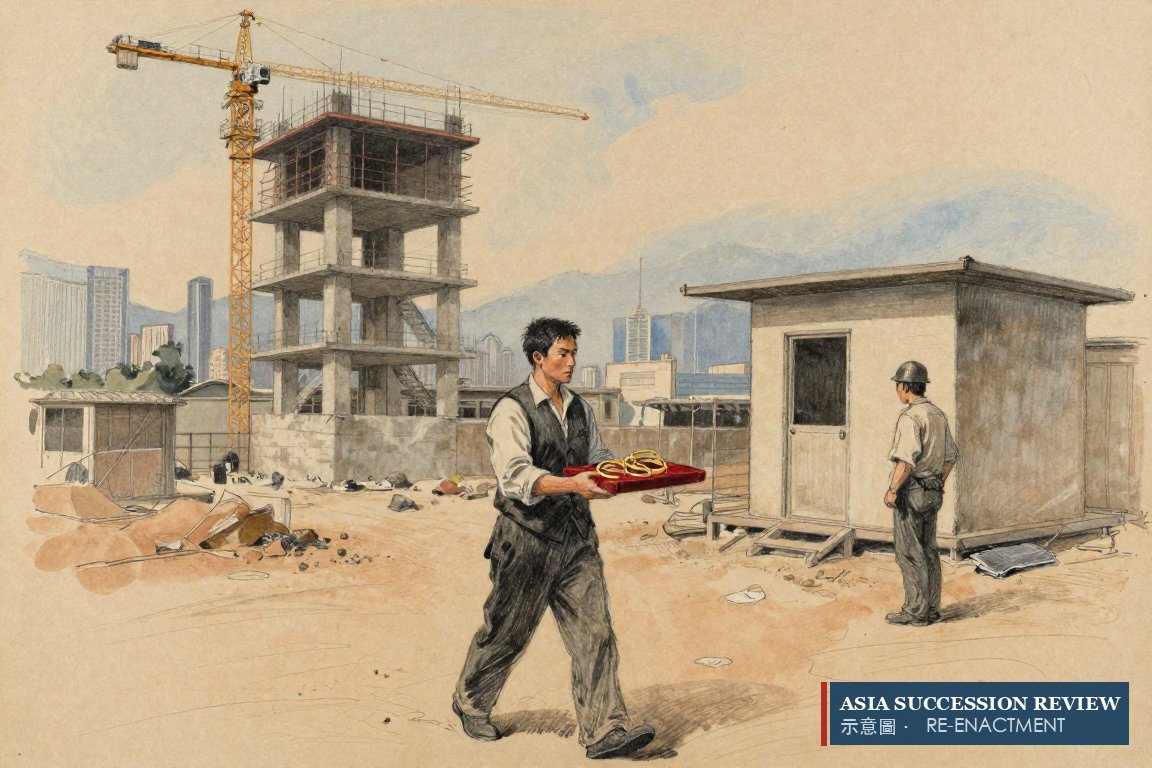
One board commits every branch of the family at once, and the option covers 65.9% of the family's shares
But one purse also means that a decision to back one business is made for every branch of the family at once. The pledge of support has no stated ceiling. The option gives an outside body the right to buy 750 million shares at about half the market price. That is 65.9% of what CTFE held in June 2025 and 29.8% of the company (our arithmetic).
The option works only if the family keeps 30%, and handing over 750 million shares would leave it 15.4%
The results note says the option may be exercised only if CTFE would still hold at least 30% afterwards. On the 2025 figures, giving up 750 million shares would leave it with about 15.4%. So on our reading the option cannot be used unless the family's holding grows first. That is inference; the option deed is not published.
Relatives who do not run the business carry its risk, and the filings do not say who agreed for them
Nothing public says any member of the Cheng family objects, and backing the company may well be the right call. The question for a reader is narrower. When the family purse is asked to rescue one business, who is entitled to say yes, up to how much, and what do the relatives who do not run that business receive for carrying the risk? In these filings the answer is the board of a private company whose owners are not named.
Singapore would not make the rescue cheaper; a trust deed or a holding company's constitution written there would say who may commit the family purse to one business, up to what limit, and on what record.
A Singapore structure refinances nothing of the HK$148.6 billion, and changes only how the family's own vehicle decides
Start with what Singapore would not change. New World is a Hong Kong company listed in Hong Kong. Its lenders, the Airport Authority and the property market are where they are, and no Singapore statute refinances HK$148.6 billion. Nor is support a mistake by definition. A controlling shareholder that lets its company fail loses the stake and the name with it. What Singapore law reaches is the level above the listed company: how the family's own vehicle decides.
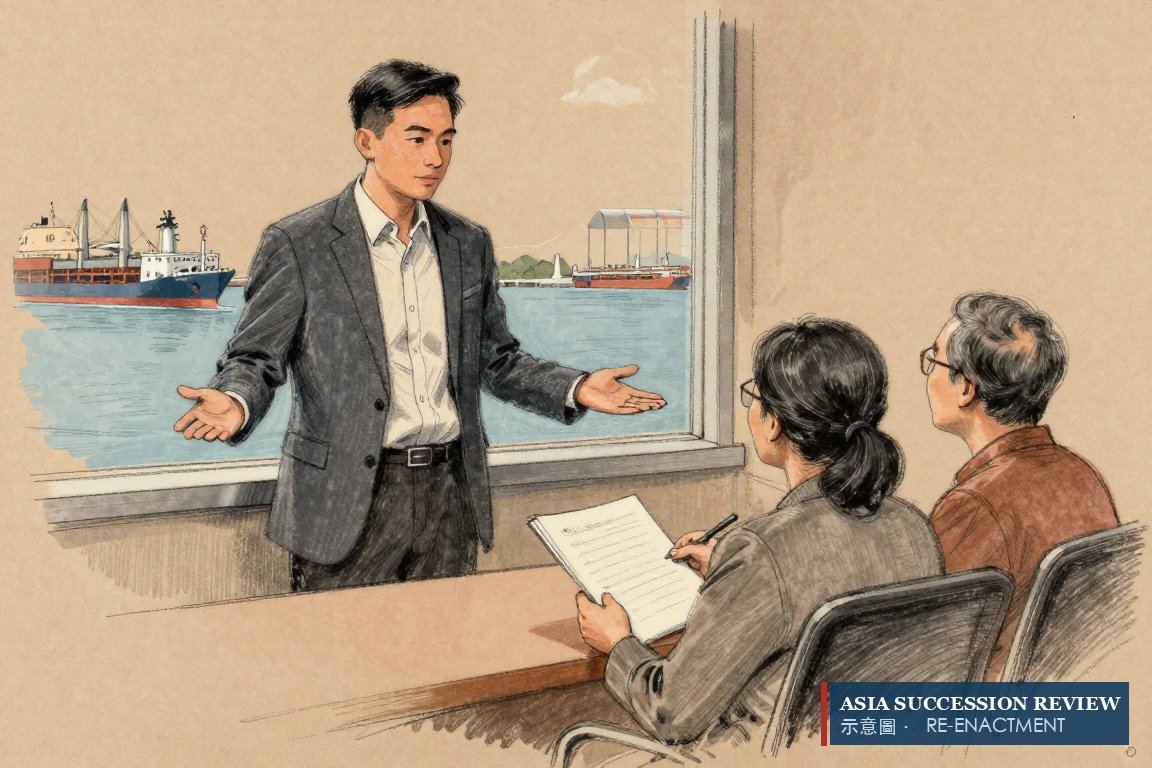
A Singapore trustee asked to fund one company must weigh suitability and diversification, and take advice first
Suppose the top of the chain were a Singapore trust. Section 4 of the Trustees Act 1967 lets a trustee make any kind of investment it could make if it owned the assets outright. Section 5 then requires the trustee to have regard to two things: whether the investment suits the trust, and the need to diversify so far as is appropriate. It must also review the investments from time to time. Section 6 requires proper advice first, unless the trustee reasonably concludes that advice is unnecessary. All read on Singapore Statutes Online on 1 October 2026.
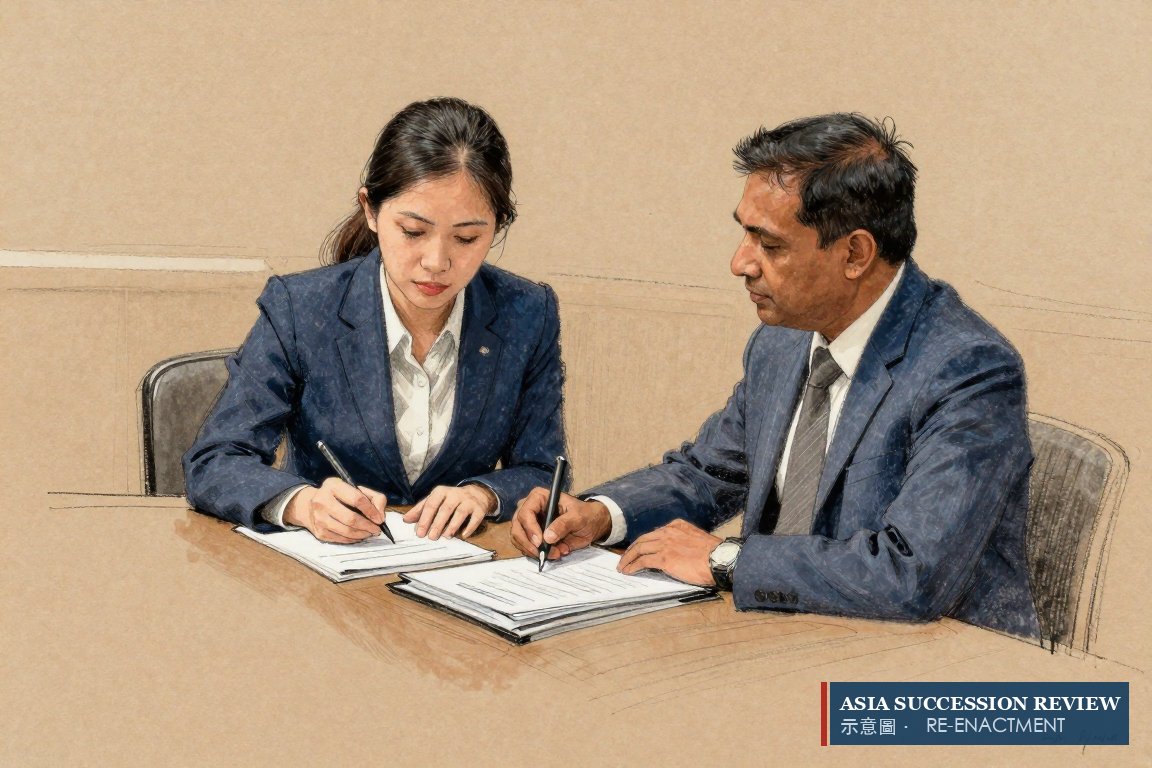
The trustee may still fund the rescue, but must be able to show a relative outside the room why
None of that forbids a rescue. Putting more money into a company the trust already controls can be the suitable choice, because the alternative may be losing the holding. What the sections add is a process. The trustee has to ask the question, take advice from someone qualified, and be able to show why a larger bet on one company was right for all the beneficiaries. A relative who was never in the room at least has a trustee who must have reasons.
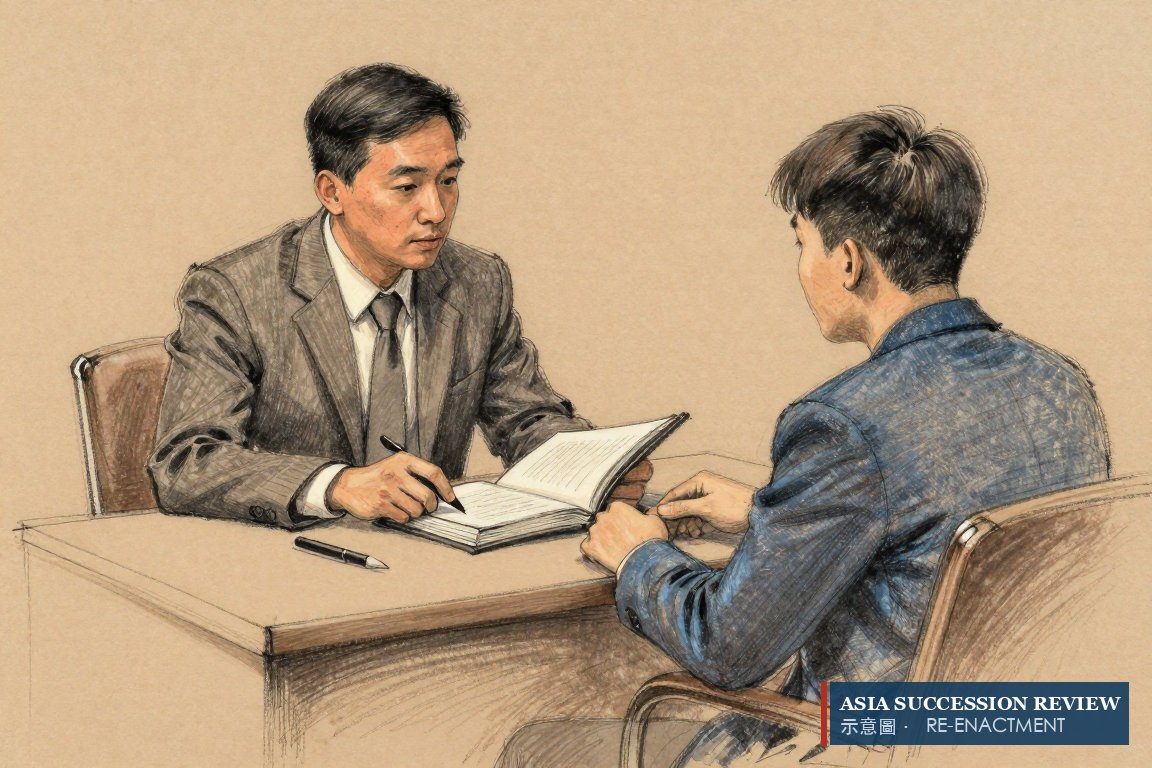
A founder who keeps the investment powers keeps the rescue decision, and the deed must name who holds them after him
Two provisions can switch that process off, and Asian founders often use both. Section 3A sets the trustee's duty of care, and section 3A(2) lets the trust deed exclude it. Section 90(5) says a trust is not invalid merely because the settlor keeps all the powers of investment. Where the founder keeps those powers, the rescue decision sits with the founder, or with whoever the deed names after him, and not with the trustee. So the deed has to say who that is, and whether supporting a family company counts as investment. The second point is our inference.
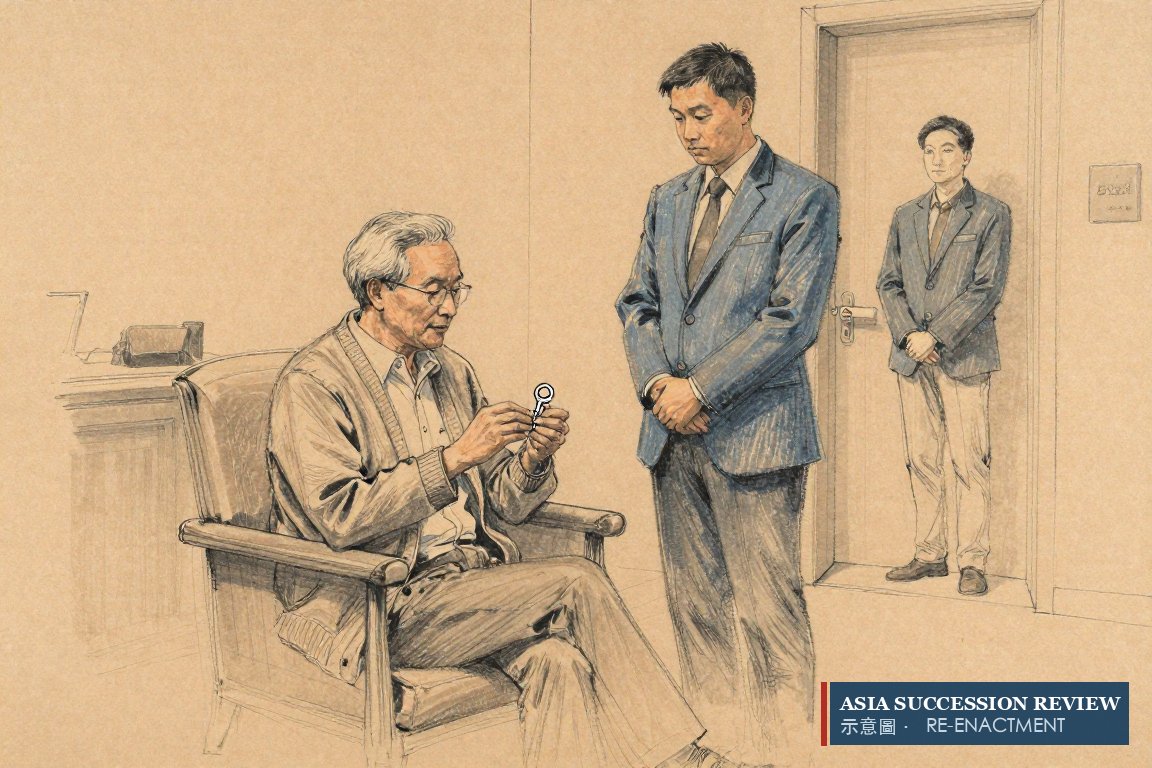
A relative with shares in a Singapore holding company can ask a court to order a buy-out, as a last resort
Suppose instead the family used a Singapore holding company. The directors decide, as they do in Hong Kong. A relative who holds shares in it and believes its affairs are being run in disregard of his interests can apply to court under section 216 of the Companies Act 1967. The court can regulate the company's affairs, order that his shares be bought, or wind the company up. A decision made in good faith to protect the company's largest asset is unlikely to be oppression by that fact alone. That is our reading, not a ruling. Section 216 is a last resort.
A written rule caps what the family company may put into one business, and sends anything above it to a vote
What a family can write down is a support rule. Set a ceiling on what the holding vehicle may put into any one business without a wider vote, stated as a share of its net assets. Say who votes above the ceiling: each branch, or a named committee. Say what form the money takes, whether loan, new shares or guarantee, and require an independent adviser to sign off the terms. Require written reasons. Then keep the jewellery business and the property business in separate boxes, so that one funds the other only by a decision and never by default.
Branches that fund a rescue without a say can be given a first return or a priced exit in writing
The rule should also say what the other branches receive. If the common purse takes a risk for one business, the relatives who do not run it can be given a prior return on the rescue money, or a right to be bought out at a formula. Without that, the quiet branches fund the rescue and learn of it from a stock exchange announcement.
We read three filings and no family agreement, and the family's holding at 30 September 2026 is not published
Now the honest limits. We have read New World's filings and the jewellery group's annual report. We have not seen CTFE's constitution, any agreement among the Chengs, or the option deed, and the family may have exactly these rules. CTFE's holding at 30 September 2026 is not published; our percentages use 30 June 2025. No rule written in Singapore would have stopped Hong Kong property prices falling or made an airport mall pay.
A family with several businesses in one company answers four questions on one page, before a rescue is needed
For the reader whose family owns more than one business through one company, the questions fit on a page. Who can commit the holding company's money to a business in trouble? Is there a ceiling? Do the branches that do not run that business get a vote, a return or an exit? Is any of it in writing? If the answers are 'the chairman', 'no', 'no' and 'no', the family has Chow Tai Fook's structure without Chow Tai Fook's jewellery cash.
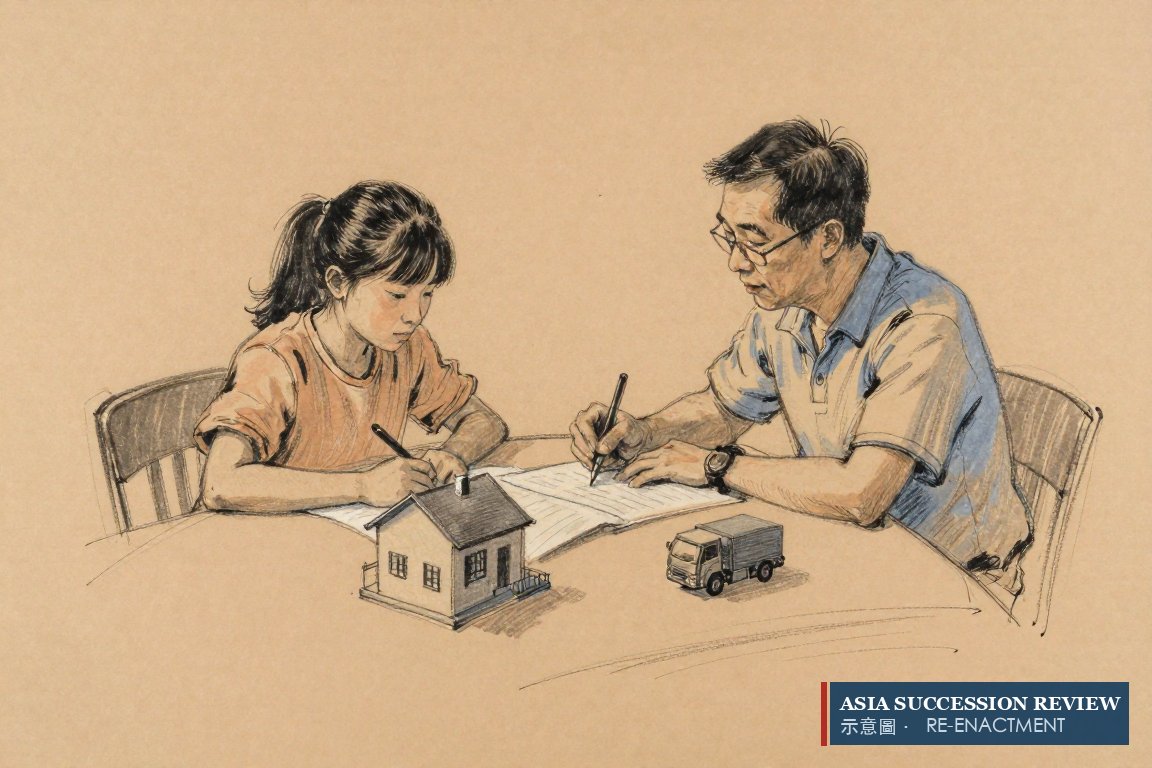
New World Development — a pledge of support from its 45% shareholder with no amount stated, and release from 11 SKIES on 1 April 2027 for HK$2,300 million plus works of up to HK$1,049.5 million
Chow Tai Fook Enterprises, the Cheng family's company — an open commitment and an option given away for HK$1; it says it will keep control. In Singapore the people deciding would be a trustee answerable under sections 4 to 6, the holder of reserved powers, or directors answerable under section 216
The Airport Authority — its site back, HK$2,300 million, and three years to buy 750 million New World shares for HK$2,250 million, locked up until 30 September 2032 if it does
New World's other shareholders — no dividend for the year and a loss of HK$7.72 a share
Cheng family members outside the boardroom — nothing on the public record. A Singapore deed or constitution could give them a ceiling, a vote above it and a price to leave
The reader whose family holds several businesses through one company — four questions: who commits the purse, is there a ceiling, what do the other branches receive, and is it written down
A counterfactual, not advice. The verified machinery is on the Singapore page; where your family stands is the briefing.
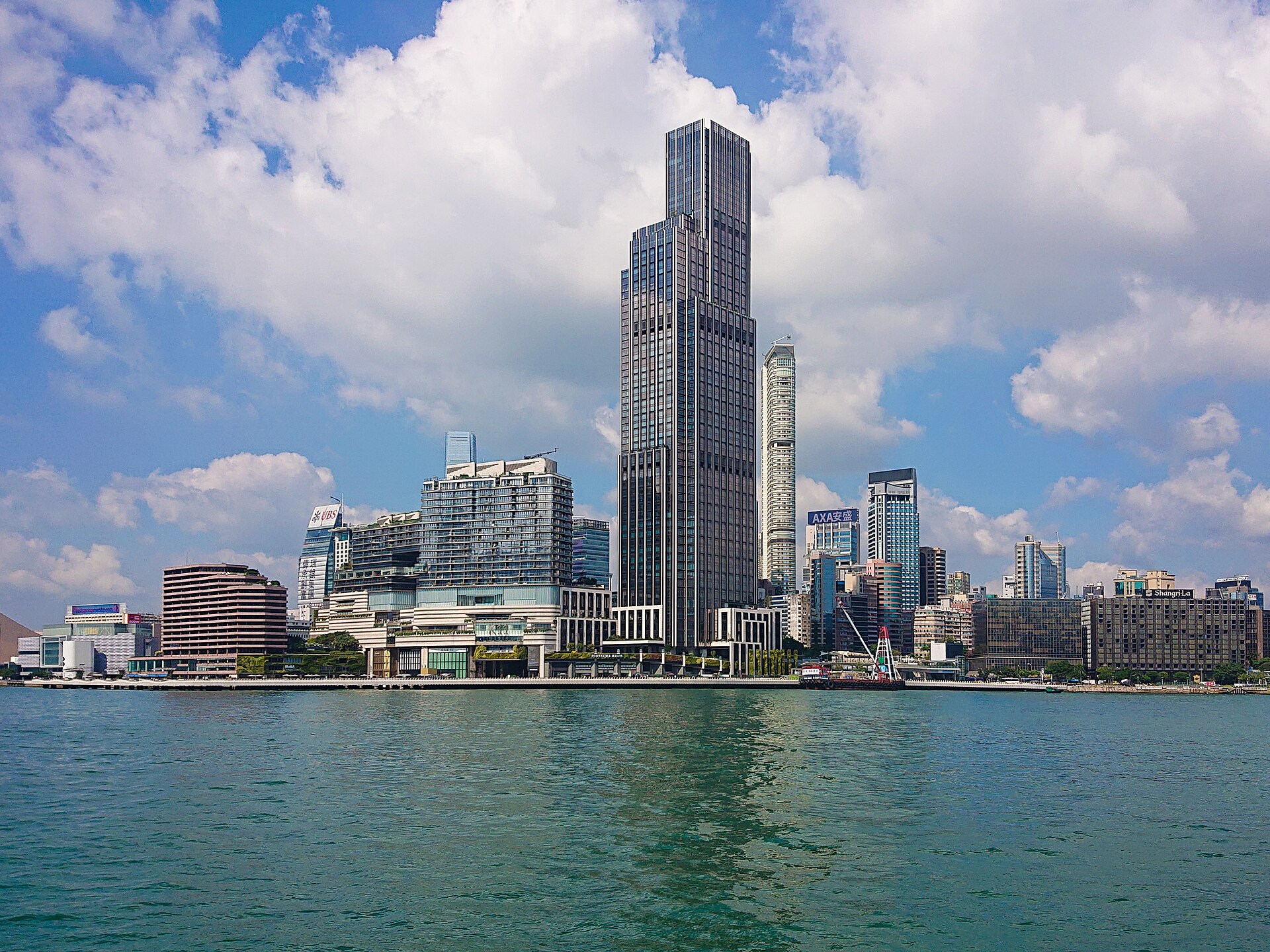
From the case files: Sun Hung Kai: the trust held the company; it could not hold the brothers