Haidilao's HK$2.75 billion: the founder's wife sells 259 million shares through a BVI trust, 46 days into Beijing's 90-day window for taxing offshore trusts
On 8 September 2026 SP NP Ltd, the holding company of Shu Ping's Rose Trust, sold 259,000,000 Haidilao shares at HK$10.62 in a pre-market block trade. The company says the trust needed the money for its own funding and financial arrangements. Seven weeks earlier China's Ministry of Finance and State Taxation Administration had published Announcement 21 of 2026, which taxes a resident's offshore trust at 20 per cent and gives 90 days, to 22 October, to settle the back years without surcharge. Her husband is a naturalised Singapore citizen. What if it had been Singapore? It already was, and that is the story.
Read this in: EN · 简体 · 繁體 · ไทย · ID
The hot-pot chain announces that a shareholder sold 259,000,000 shares at HK$10.62 the day before, and the block is worth HK$2.75 billion
On 9 September 2026 Haidilao International Holding Ltd, the Cayman-incorporated hot-pot chain listed in Hong Kong, announced that SP NP Ltd had sold 259,000,000 of its shares the previous day by block trade at HK$10.62 a share. That is 4.65 per cent of the company and about HK$2.75 billion, or roughly US$353 million.
The founder's wife settles her shares into a BVI discretionary trust on 22 August 2018 and names herself protector, so the trustee holds and she still steers
SP NP Ltd is wholly owned by UBS Trustees (B.V.I.) Limited as trustee of the Rose Trust, a discretionary trust that Shu Ping, the co-founder and wife of chairman Zhang Yong, set up on 22 August 2018 as settlor and protector for herself, her husband and their families.
The company relays the trust's one-line reason, its own funding needs, and reports the family still controls 45.49 per cent
The company said the trust told it the disposal was made purely for its own funding needs and financial arrangements, a private matter at shareholder level unrelated to the business. After the sale the controlling shareholders, Mr Zhang, Ms Shu, ZY NP Ltd and SP NP Ltd together, hold 2,535,384,370 shares, 45.49 per cent, and remain in control.
Bloomberg leaks the terms before the bell, the stock drops 12 per cent to a four-year low, and it closes down 9.14 per cent as the worst blue chip
The market had not been warned. Bloomberg reported the terms before the open, at a discount of about 6 per cent to the last close; the stock fell as much as 12 per cent to HK$10.00, its lowest since March 2022, and closed at HK$10.34, down 9.14 per cent, the worst performer among the blue chips. It closed below HK$10 the next day. Morgan Stanley's analysts wrote that the news surprised them, because the chairman had been buying.
The chairman spends HK$152 million of his own money on 11,350,000 shares in May at HK$13.39, and four months later his wife's trust sells at HK$10.62
He had. On 21 and 22 May 2026 Zhang Yong bought 11,350,000 shares on the open market at an average of about HK$13.39 with his own money, about HK$152 million, and told the market he did not rule out buying more. After that purchase he held 2,093,773,681 shares, 37.56 per cent, directly and through ZY NP Ltd, the vehicle of his own Apple Trust, settled on the same day in August 2018 on the same terms as his wife's.
An accountant nets the wife's September sale against the husband's May purchase, and the ledgers match the company's 2,535,384,370 shares exactly
The annual report for 2025 shows what the two trusts held at 31 December: ZY NP Ltd 2,081,763,204 shares, 37.35 per cent; SP NP Ltd 700,610,689 shares, 12.57 per cent. Subtracting the September sale from the wife's vehicle and adding the May purchase to the husband's gives exactly the 2,535,384,370 shares the company now reports. The Rose Trust is left with 441,610,689 shares, about 7.9 per cent.
The trust sells one day after the shares go ex-dividend and keeps HK$264 million of dividend on 700,610,689 shares that the buyers never see
The timing has a second layer. Haidilao's interim dividend of HK$0.377 a share went ex on 7 September, with the record date on 11 September and payment on 23 September. The trust sold on 8 September, one day after the ex-date, so it keeps the dividend on all 700,610,689 shares, about HK$264 million, and the buyers of the block do not.
Two ministries publish a rule on 24 July 2026 taxing a resident's offshore trust at 20 per cent yearly, on exit and on death, paid out or not
Seven weeks before the sale, on 24 July 2026, the Ministry of Finance and the State Taxation Administration published Announcement 21 of 2026 on offshore trusts, in force from that day. It taxes a Chinese resident who puts property into an offshore trust at 20 per cent on the gain at settlement; taxes the resident every year at 20 per cent on the trust's gains and dividends whether or not anything is distributed; and taxes the trust's whole appreciation at 20 per cent when the resident ceases to be resident, and again on the resident's death if a non-resident succeeds, the trustee filing within a month.
An inspector weighs a foreign passport against where the money is made, and article 11 gives him 90 days to 22 October to collect
Article 11 is the sentence that reaches this family. A person who has taken foreign nationality or foreign long-term or permanent residence, but whose main economic interests are in China, may be determined to be a domiciled resident. Article 17 gives 90 days from 24 July, to 22 October 2026, to declare and pay tax on settlements made from 2023 to 2025 and on trust income earned before 2026, without a late-payment surcharge; after that, surcharges and, for evasion, penalties.
The founder holds a Singapore passport since before 2019 while 1,383 restaurants and RMB43.2 billion of revenue sit in mainland China, and only 23 same stores stand outside it
Zhang Yong is a naturalised citizen and resident of Singapore, as Forbes recorded when it put him at the top of its Singapore rich list in August 2019. Haidilao's filings do not state his wife's nationality. The company's 1,383 Haidilao restaurants at the end of 2025 earned revenue of RMB43.2 billion; of its 1,135 same-store restaurants, 23 are in Hong Kong, Macau and Taiwan and the rest in mainland China. The overseas restaurants were spun off into a separate company in 2022.
The company gives one reason and warns against rumour, the Chinese press asks the tax question in a headline, and Barclays calls the rule a first step
No one has said the sale was for tax. The company's announcement gives a different reason and warns shareholders against rumour. Chinese financial press put the question in a headline the next day, Bloomberg placed the July rule next to the trade, and on 11 September CNBC reported Barclays' view that the offshore-trust rule is potentially the first step toward taxing the overseas wealth of Chinese families more broadly, with more than half of China's super-rich, on KPMG's count, holding wealth in offshore family trusts.

- 1Haidilao International Holding Ltd — Voluntary announcement: decrease in shareholding by a controlling shareholder, HKEX, 9 Sep 2026 (259,000,000 shares, about 4.65 per cent, by block trade on 8 Sep 2026 at HK$10.62; SP NP Ltd wholly owned by UBS Trustees (B.V.I.) Limited as trustee of the Rose Trust via UBS Nominees Limited; Rose Trust a discretionary trust set up by Ms Shu Ping as settlor and protector for herself, Mr Zhang Yong and their families; disposal 'purely for its own funding needs and financial arrangements'; controlling shareholders 2,535,384,370 shares, 45.49 per cent, after the sale)
- 2Haidilao — Voluntary announcement: increase in shareholding by the controlling shareholder, executive director, chairman and chief executive officer, HKEX, 22 May 2026 (11,350,000 shares bought on the open market on 21–22 May 2026 at an average of about HK$13.39 with personal funds; 2,093,773,681 shares, 37.56 per cent, after the purchase)
- 3Haidilao — Annual Report 2025, HKEX, 24 Apr 2026 (Directors' Report: ZY NP Ltd 2,081,763,204 shares, 37.35 per cent; SP NP Ltd 700,610,689 shares, 12.57 per cent; Apple Trust and Rose Trust each a discretionary trust set up on 22 Aug 2018 with the settlor as protector, UBS Trustees (B.V.I.) Limited as trustee; 1,383 Haidilao restaurants at 31 Dec 2025; same-store count 1,135 of which 23 in Hong Kong, Macau and Taiwan; revenue RMB43,225.4 million; final dividend HK$0.384; 2025 interim dividend HK$0.338)
- 4Haidilao — Interim dividend for the six months ended 30 June 2026, HKEX, 25 Aug 2026 (HK$0.377 a share; ex-dividend 7 Sep 2026; book close 9–11 Sep; record date 11 Sep; payment 23 Sep 2026)
- 5Ministry of Finance and State Taxation Administration of the People's Republic of China — Announcement on matters concerning individual income tax on offshore trusts (财政部 税务总局关于离岸信托个人所得税有关事项的公告), Announcement No. 21 of 2026, 24 Jul 2026, in force on publication (art 18): arts 1–2 (scope; property transferred through others but funded and controlled by the individual is the individual's); art 3 (a resident's settlement taxed as a transfer of property, 20 per cent on market value less cost); art 4 (the trust's and its entities' gains and dividends taxed to the resident every year whether or not distributed; trustee fees not deductible); art 5 (termination); art 6 (the resident becoming non-resident: market value less cost, taxed); art 7 (death of the resident settlor with a non-resident successor: the trustee or its designated onshore agent files and pays within the following month); art 8 (non-resident settlors); art 10 (credit for foreign tax of the same nature); art 11 (foreign nationality or foreign permanent residence with main economic interests in China may be determined to be domiciled resident); art 15 (filing 1 Mar–30 Jun; five-year instalments on hardship); art 17 (90-day window from the date of implementation, no late-payment surcharge, for 2023–2025 settlements and pre-2026 trust income)
- 6The Standard (Hong Kong), 9 Sep 2026 — 'Haidilao tumbles 12pc as chairman's wife reportedly sells about 260 million shares': as much as 12 per cent to HK$10, lowest since March 2022; closed down 9.2 per cent, worst-performing blue chip; Morgan Stanley: the sale will weigh on sentiment until investors are assured of no further reductions; the chairman's May purchase at HK$13.39
- 7Bloomberg via The Edge Malaysia, 9 Sep 2026 — 'Haidilao billionaire's US$350 mil surprise sale sinks shares': up to US$353 million; 259 million shares through a family trust holding vehicle at a discount of about 6 per cent or more; 12.2 per cent of the free float and about 9 per cent of the couple's combined holdings; 'the move comes shortly after China said in July that it will officially begin taxing offshore trusts'; Morgan Stanley: 'the news surprised us'; Shu Ping's net worth US$3.2 billion on the Bloomberg Billionaires Index
- 8Sina Finance (密探财经), 10 Sep 2026 — 海底捞遭老板娘大额减持:套现27亿港元,为离岸信托缴税?: HK$10.62 against a previous close of HK$11.28; about HK$2.751 billion; 9 Sep close HK$10.34, down 9.14 per cent; 10 Sep close below HK$10, down 4.11 per cent, two-day fall 13.25 per cent; the Apple Trust and Rose Trust structure through BVI companies and a Singapore holding company; the founders' Singapore nationality at listing; the 24 July rule and its three-month grace period; the tax question raised, not answered
- 9CNBC, 11 Sep 2026 — 'China's wealthy brace for a widening tax net as Beijing closes in': Barclays (Yingke Zhou) sees the measures as potentially the first steps toward tighter oversight of cross-border wealth, with estate or inheritance taxation possible over the longer term; in July China imposed a 20 per cent income tax on offshore trusts; more than half of China's super-rich use offshore family trusts (KPMG); net outflows of nearly US$780 billion in 2025
- 10Inside Retail Asia, 30 Aug 2019, reporting the Forbes Singapore Rich List of 28 Aug 2019 — Zhang Yong, net worth US$13.8 billion, tops the list; 'a native of China, has become a naturalised Singaporean citizen and resident'
- 11Mothership, 20 Aug 2020 — Zhang Yong tops the Forbes Singapore list for the second year (US$19 billion), listed with Shu Ping; 'Zhang is a naturalised citizen and resident of Singapore'
- 12IRAS — Income received from overseas: 'Generally, overseas income received in Singapore, including overseas income deposited into a Singapore bank account is not taxable', with the exceptions (partnerships, incidental employment and trade, foreign employers, government service)
- 13IRAS — Gains from sale of property, shares and financial instruments: profits from buying and selling shares are generally viewed as personal investments and not taxable
- 14IRAS — Estate Duty: removed for deaths occurring on and after 15 February 2008
- 15Trustees Act 1967, s90 (Singapore Statutes Online, current as at 13 Sep 2026) — s90(2): no rule of inheritance or succession affects the validity of a lifetime trust by a settlor with capacity; s90(3)(a): the section does not apply if the settlor was a citizen of Singapore or domiciled in Singapore when the trust was created; s90(3)(b): applies only to a trust governed by Singapore law with Singapore-resident trustees; s90(5): a settlor may reserve investment and asset-management powers
The couple builds the textbook structure in 2018, a passport, a Cayman parent and two BVI trusts, and every piece of it leaves China except the restaurants
In 2018 this family did everything the manual says. The founder became a Singapore citizen and resident. The company was incorporated in the Cayman Islands and listed in Hong Kong. The shares went into two discretionary trusts in the British Virgin Islands, one for each spouse, with a licensed trustee, the settlor as protector and the family as beneficiaries. Nothing in that structure touches China except the thing that matters: the restaurants.
Beijing's rule looks straight through the trust and taxes the settlor 20 per cent every year, on leaving and on dying, fees disallowed
Beijing's Announcement 21 is written for exactly that structure. It does not attack the trust; it looks through it. A resident who settles property pays 20 per cent on the gain that day. The trust's dividends and gains are taxed to the resident every year whether or not a cent is paid out, and the trustee's fees are not deductible. Leaving China is a 20 per cent event on the trust's whole appreciation. Dying is another, filed by the trustee.
The passport was meant to remove the word resident, and article 11 puts it back because 1,112 of 1,135 same stores are on the mainland
The passport was meant to take the settlor out of the word 'resident'. Article 11 puts it back. A person with foreign nationality or foreign permanent residence whose main economic interests are in China may be treated as a Chinese resident with a domicile. Of Haidilao's 1,135 same-store restaurants, 23 are outside the mainland. A naturalised Singaporean whose fortune is a Chinese hot-pot chain has a Singapore passport and, on that test, a Chinese economic life.
The trust raises HK$2.75 billion on day 46 of a 90-day window, and the family's centre of gravity stays where the tax office can see it
The company says the trust sold for its own funding needs, and no one has shown otherwise. But the shape is visible without the motive. A trust built in 2018 so that a death, a distribution or a move would never be a taxable event now sits inside a regime in which each of them is, with a filing deadline on 22 October 2026 and HK$2.75 billion of cash raised on day 46 of 90. Whatever the money is for, the knot is the same: the family moved its citizenship and its holding companies offshore, and left its economic centre of gravity where the tax authority can see it.
Singapore's side of this structure holds — overseas income received by an individual is not taxed, gains on shares are not taxed, there is no estate duty on a death after 15 February 2008 and no gift tax — so Singapore would have changed nothing on 8 September 2026, and that is the lesson: a passport and a trust move the person and the paper, but Beijing's article 11 follows the restaurants, and a Singapore plan only works when the economic centre of gravity moves too.
The founder chose Singapore years ago and put the group under a Singapore holding company, so the daily question has a clean answer that is not the point
Start with the unusual fact. This is the first family in this series that had already chosen Singapore before the news broke. Zhang Yong is a naturalised Singapore citizen and resident; the group's operating companies sit under a Singapore holding company; the shares sit in BVI trusts with a licensed trustee. So the question this newspaper asks every day has, for once, a clean answer: Singapore's law did what it promises, and it was not the point.
IRAS taxes neither overseas income an individual receives nor gains on shares, so HK$2.75 billion can land in Singapore with nothing to assess
On Singapore's side, nothing about 8 September is taxable. IRAS states that overseas income received in Singapore by an individual, including money deposited into a Singapore bank account, is generally not taxable. Profits from selling shares are treated as personal investment and not taxed. A distribution from the Rose Trust to a Singapore-resident beneficiary is foreign-sourced income received by an individual. HK$2.75 billion could arrive in Singapore and IRAS would have nothing to assess.
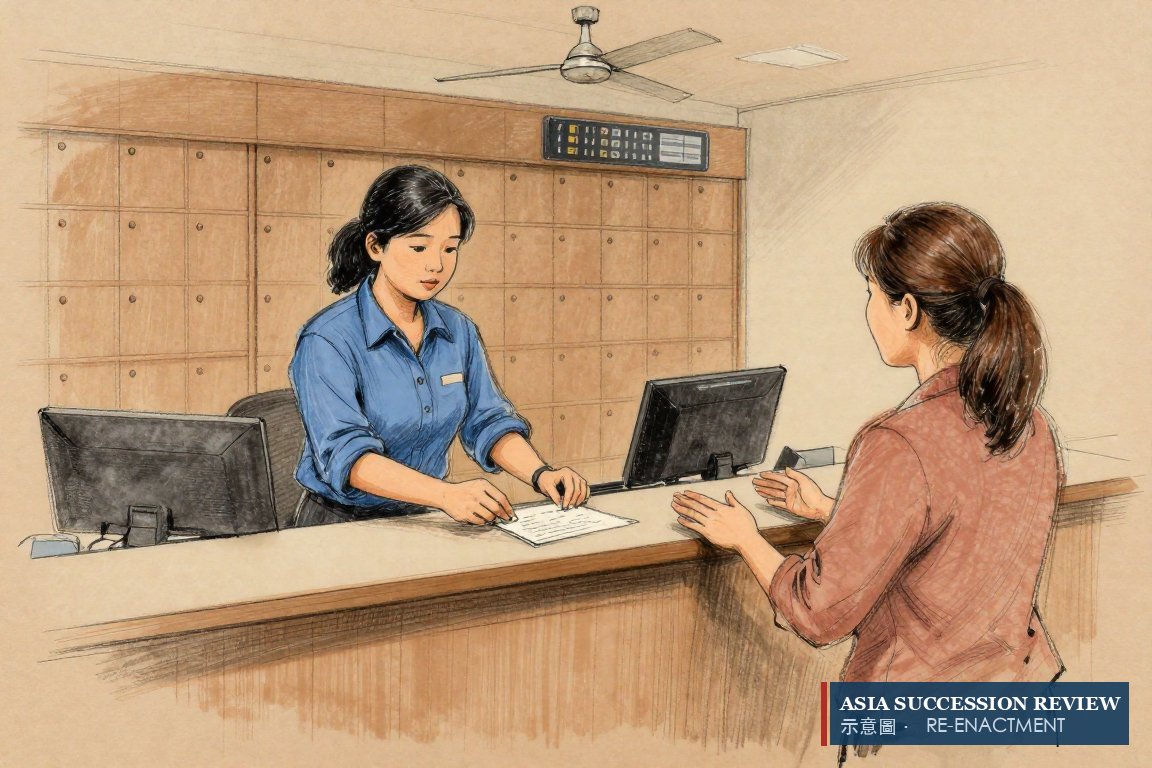
A settlor who dies in Singapore after 15 February 2008 leaves no estate duty and a trust that simply carries on, which is what the 2018 structure was for
Death is not an event either. Estate duty was removed for deaths on or after 15 February 2008, and there is no gift, inheritance or net-wealth tax. A settlor who dies in Singapore leaves a trust that carries on. That is what the 2018 structure was for, and in Singapore law it still works.
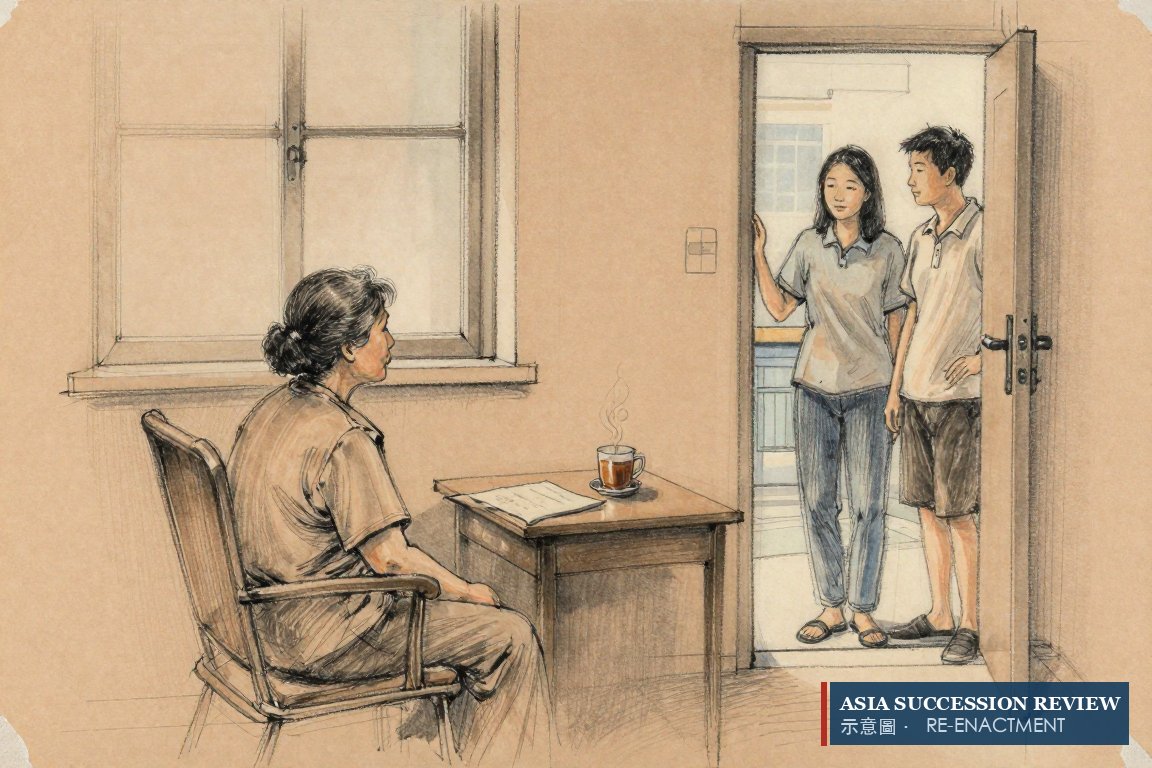
The rule asks where her main economic interests are, not where she lives, and if the answer is China articles 3 to 7 apply as if she never left
Now the honest limit, which in this case is the whole answer. Announcement 21 does not ask where the settlor lives or what passport she carries. Article 11 asks where her main economic interests are, and if the answer is China, she may be determined to be a domiciled Chinese resident, and articles 3 to 7 apply as if she had never left. The Singapore side of the structure is not defeated; it is simply not consulted.
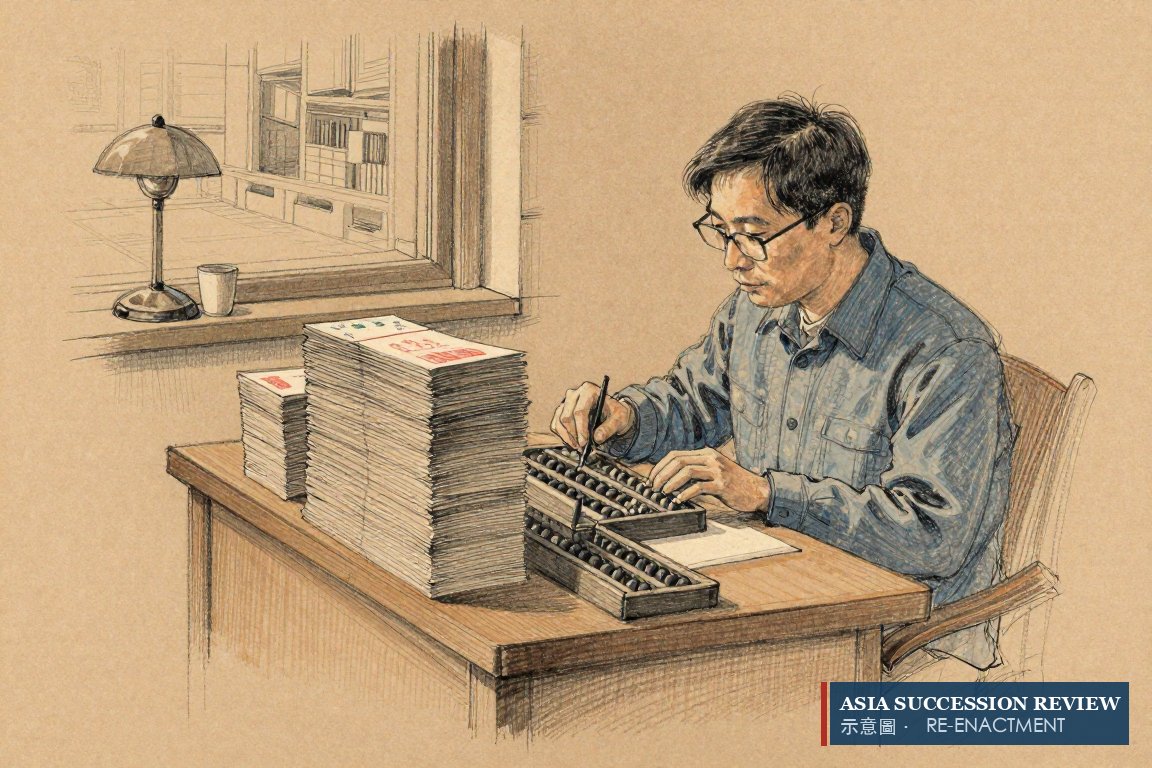
A bookkeeper sets aside a fifth of HK$506 million of one year's dividends, HK$101 million, that article 4 takes whether or not the trust paid a cent out
If article 11 catches a settlor, the arithmetic on the public numbers is plain. The Rose Trust's 700,610,689 shares received HK$0.338 and HK$0.384 a share for 2025, about HK$506 million; article 4 taxes that to the resident at 20 per cent, about HK$101 million for one year, whether or not the trust paid anything out. On the gain in the 259,000,000 shares sold, the trust's cost is not public and this newspaper will not guess. On death, article 7 takes 20 per cent of the trust's entire appreciation since it was settled, and the trustee files.
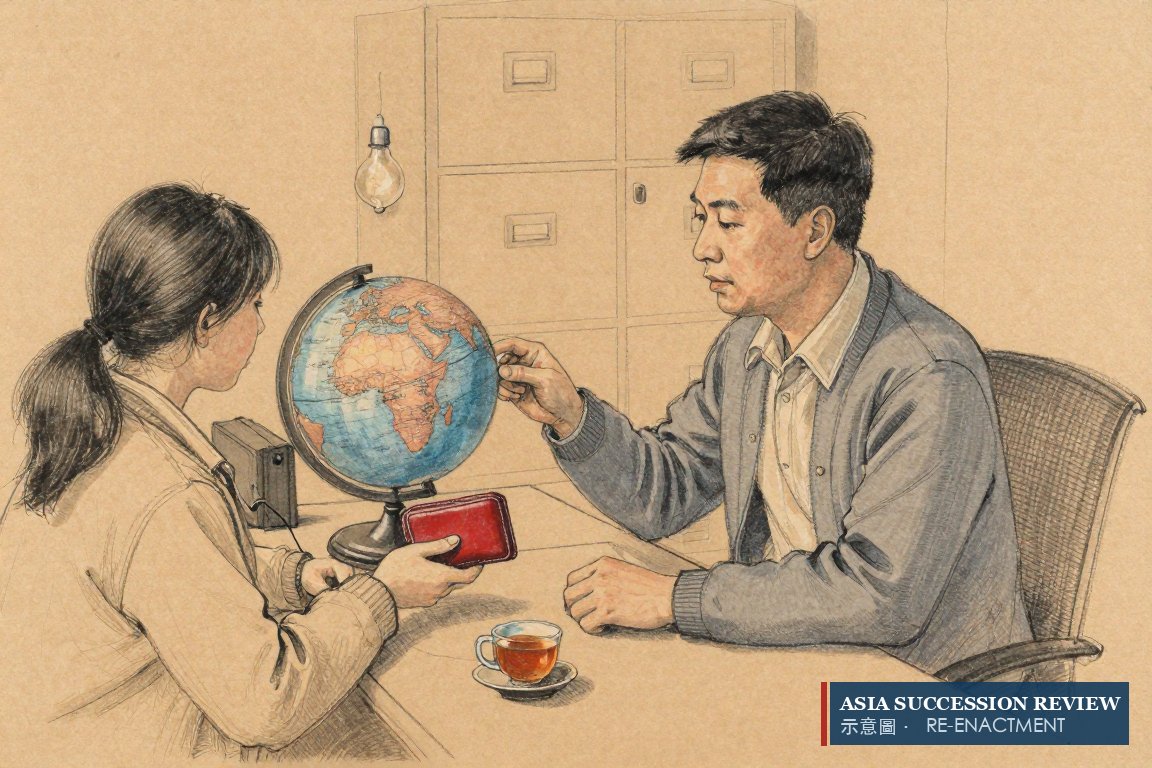
Beijing credits tax already paid abroad, Singapore charges none, and so a family that pays nowhere pays China's 20 per cent whole
Singapore cannot help with any of that, and a zero-tax home makes it worse in one precise way. Article 10 gives a credit for foreign tax of the same nature already paid on the trust. Singapore charges none, so there is nothing to credit, and the 20 per cent is a full 20 per cent. A family that pays tax nowhere pays China's rate whole.
A passport moves in an afternoon and a centre of gravity over years, and the family's 2022 spin-off of its overseas restaurants left the listed parent more Chinese, not less
There are two things a Singapore plan would have done differently, and neither is a tax trick. The first is sequence. A passport can be changed in an afternoon; an economic centre of gravity moves over years, by selling down, by reinvesting outside, by the founder actually running something from Singapore. This family spun off its overseas restaurants into a separate company in 2022, which left the listed parent more Chinese, not less. Under article 11 that is the wrong direction.
The Trustees Act's section 90 shields a foreign settlor from inheritance claims, not a citizen and never from tax, and any adviser who says otherwise is selling
The second is the deed. Under Singapore law the settlor may reserve investment powers, and a discretionary trust for the settlor's own benefit is valid. But the Trustees Act's shield against foreign inheritance rules, section 90, does not apply if the settlor was a Singapore citizen or domiciled in Singapore when the trust was created; it is a shield for foreign settlors, and in any case it is about succession claims, not about tax. Nothing in Singapore law protects a Singapore trust from Beijing's article 11. A Singapore adviser who said otherwise would be selling.
Section 10L since 1 January 2024 taxes a Singapore shell on its foreign gains, so a paper holding company moves nothing and substance cuts both ways
One caveat goes on the Singapore side too. Section 10L, in force since 1 January 2024, can tax gains on foreign assets sold by a Singapore entity that lacks economic substance in Singapore. A family that moves its holding company to Singapore on paper, with no office, no staff and no decisions taken there, has moved nothing IRAS respects. The substance test cuts both ways: it is what makes article 11 bite in China and what makes section 10L bite in Singapore.
A Thai, Indonesian, Taiwanese or Malaysian founder learns every home country has its own article 11, and a Singapore plan works only as far as it allows
What this means for a Thai, Indonesian, Taiwanese or Malaysian founder reading in Singapore is the general rule this case proves. Every home country in this region has, or is drafting, its own article 11: Korea deems a departing major shareholder to have sold, as this newspaper wrote yesterday; Taiwan taxes overseas income under a minimum-tax regime and has just signed an exchange-of-information treaty with Singapore. A Singapore structure works exactly as far as the home country's residence test lets it, and the residence test is decided by where the money is made.

A family that wants its trust to work at death settles the residence question first, while everyone is alive, in China's terms rather than Singapore's
The succession point is the one to keep. The Rose Trust is a discretionary trust for the settlor, her husband and their families, built so that the day she dies is a non-event. Announcement 21 has made it a filing, at 20 per cent of everything the shares have gained since August 2018, unless the settlor is not a Chinese resident on China's own test on that day. A family that wants its Singapore trust to do at death what it was built to do has to settle the residence question first, while everyone is alive, and settle it in China's terms rather than in Singapore's.
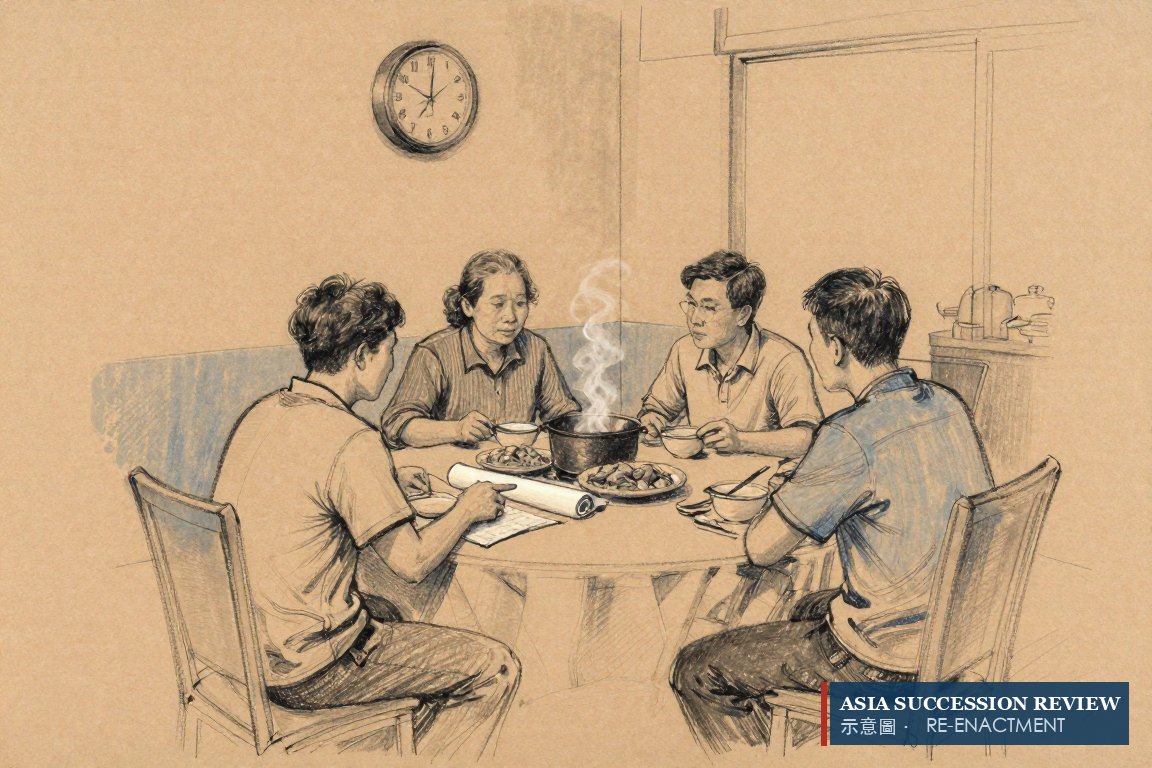
The trust leaves with HK$2.75 billion, 441,610,689 shares and a dividend due 23 September, and the country it thought it had left rewrote the 2018 plan
And the last honest word. Haidilao says the trust sold for its own funding needs, and that is the only reason on the record. The Rose Trust now holds about HK$2.75 billion in cash, 441,610,689 shares and a dividend of about HK$264 million due on 23 September, and the 90-day window closes on 22 October. Whether the two facts are connected is for the family and the tax office. What every other family can take from the week is that the plan they were sold in 2018 has been rewritten by the country they thought they had left.
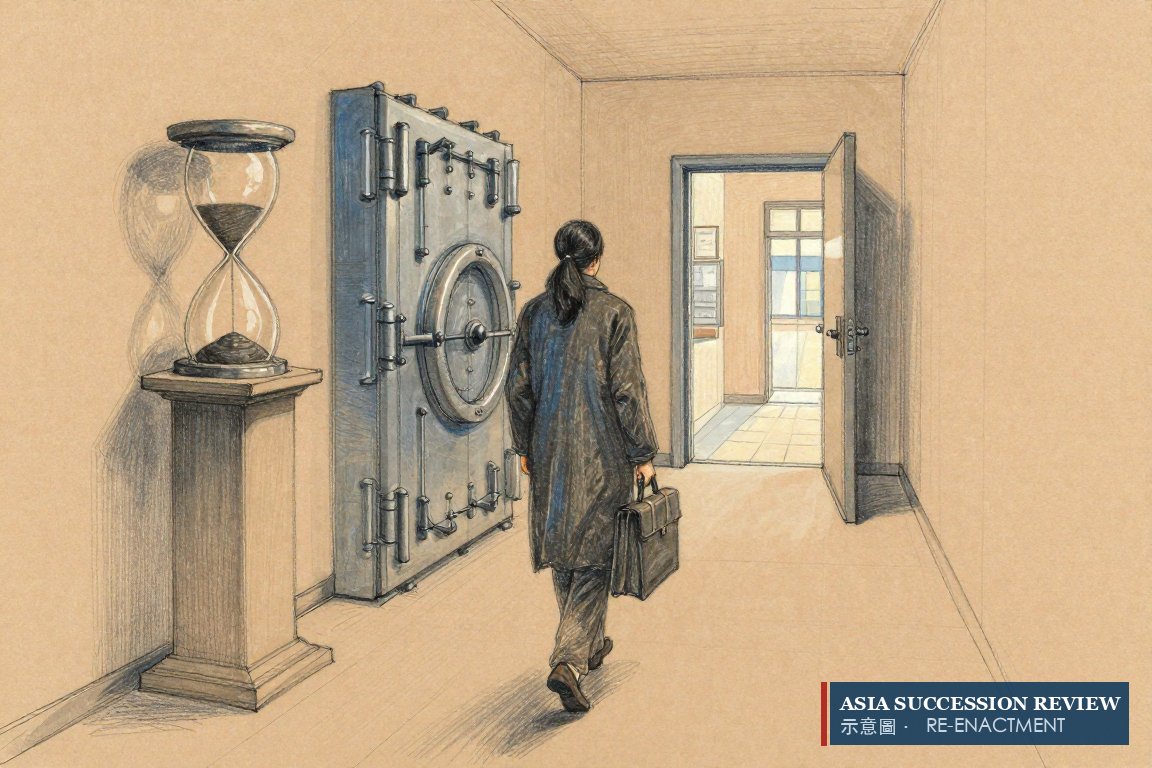
The Rose Trust — about HK$2.75 billion of cash before fees, 441,610,689 Haidilao shares (about 7.9 per cent), and the HK$0.377 interim dividend on all 700,610,689 shares, about HK$264 million, because it sold one day after the ex-date
Zhang Yong, the chairman — 2,093,773,681 shares, 37.56 per cent, unchanged — including the 11,350,000 bought at about HK$13.39 in May, worth HK$10.34 each at the 9 September close, a paper loss of about HK$35 million on that lot
The buyers of the block — 259,000,000 shares at HK$10.62 without the interim dividend; the stock closed at HK$10.34 that day and below HK$10 the next
Beijing — 20 per cent under Announcement 21 on the trust's settlement gains, its annual income, its exit and the settlor's death — if, and only if, article 11 makes a Singapore citizen a Chinese resident; the 90-day window closes on 22 October 2026, and nobody has said whether the family is inside it
Singapore — nothing on the sale and nothing on the money if it comes home: IRAS does not tax an individual's overseas income received or gains on shares — which also means there is nothing to credit under article 10
The family's next generation — a discretionary trust whose settlor's death is, in Chinese law, a 20 per cent event filed by the trustee — unless the residence question is settled first, in China's terms, while everyone is alive
Every family that copied the 2018 template — notice that a passport moves the person, a Cayman company moves the paper, and article 11 follows the restaurants
A counterfactual, not advice. The verified machinery is on the Singapore page; where your family stands is the briefing.
From the case files: The residence rule, the other way round: Samsung's family paid ₩12 trillion because the founder lived in Seoul and the shares were Korean