Powerchip's founder ran it on 4.75%. His grip was not in the estate
Huang Chung-jen built the Powerchip group and steered it while his family held 4.75% of the unlisted holding company at its top. He died in his sleep on 31 July. Three months later an outside buyer is offering NT$50 a share, more than NT$13.6 billion, for 20% of the holding company, the company has gone to the prosecutors, and all seven board seats are up for election on 25 November. His shares passed to his heirs. His authority passed to no one. What Singapore law would change, and what only the founder could have.
Read this in: EN · 简体 · 繁體 · ไทย · ID
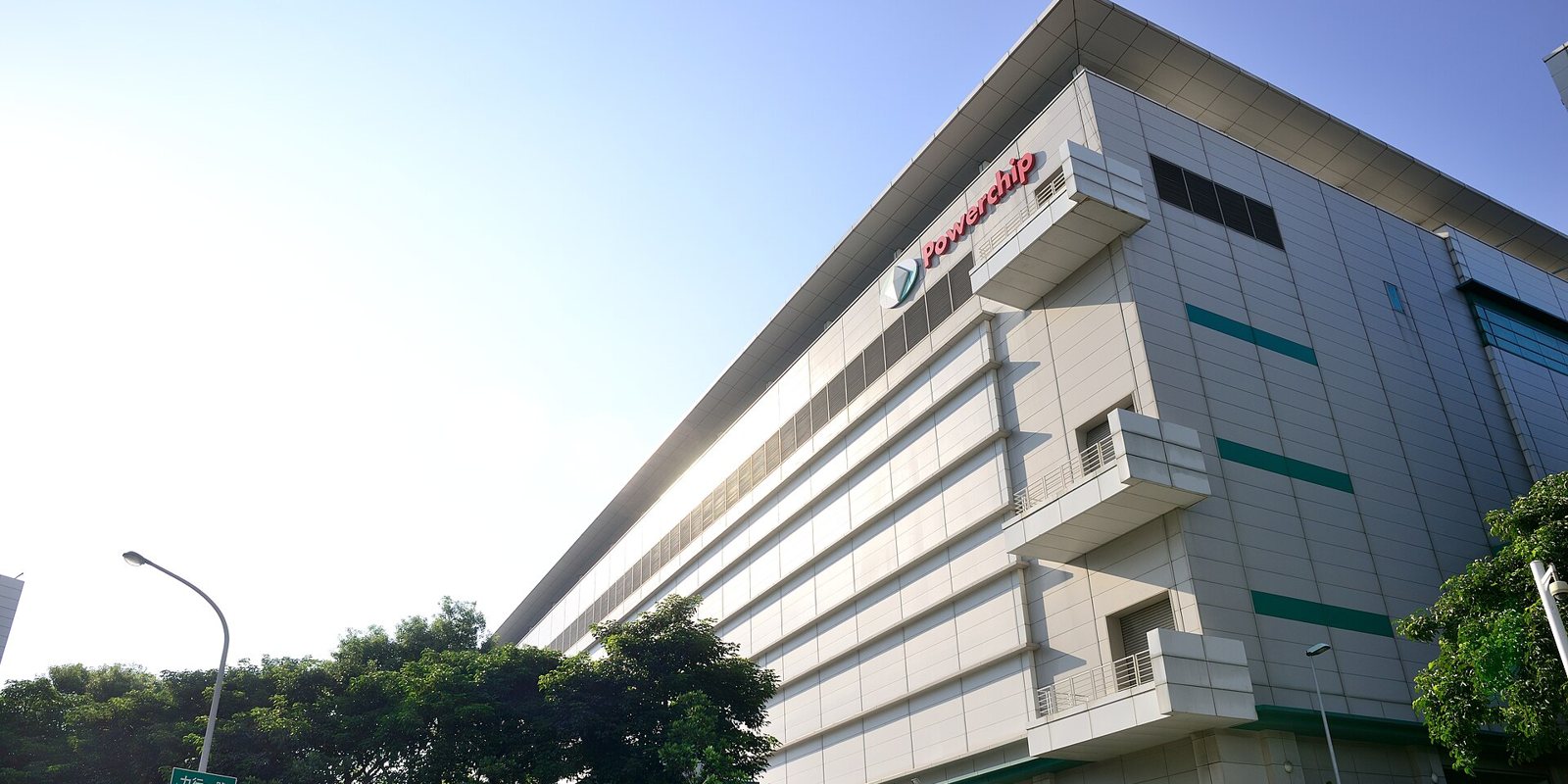
The Powerchip founder dies in his sleep on 31 July 2026, and the company says no heir plans to join management
Huang Chung-jen, founder of the Powerchip group, died in his sleep at home on 31 July 2026; Economic Daily News reported the death the next day, and vice-chairman Hsieh Tsai-chu took over as acting chairman of Powerchip Semiconductor Manufacturing (PSMC). On 4 August the family's lawyer, Chen Chin-lung, said the family fully backs the professional managers and that the shares are a civil matter for the heirs under the law. The company said no one from the next generation plans to join management.
The Huang family keeps just 4.75% of the holding company, and no other holder owns more than 2.88%
The prize sits one level up. Powerchip Investment Holding, an unlisted company with about 1.366 billion shares, is the largest shareholder of PSMC: 19.57% at the end of 2025, or 17.55% as the company described it in late October. It also holds shares in Nexchip, listed in Shanghai. At the end of January 2026, Economic Daily News reported, the Huang family held 4.75% of the holding company. No other holder had more than 2.88%.
The holding company puts all seven seats to a vote on 25 November, and two rival slates run
On 30 and 31 October the press reported that the holding company's extraordinary general meeting on 25 November, the first since Huang's death, will elect all seven directors and three supervisors, and that two slates are running. The company's slate adds Hsieh. Its letter to shareholders promises independent directors and an audit committee as groundwork for a return to the market. On 27 and 28 October it bought back shares at NT$42.
A shareholder offers NT$50 a share through LINE groups, chasing 20% in 50 days against unlisted bids of NT$37
The other side is buying. According to the company and to Mirror Media and Economic Daily News (2 and 3 November), a shareholder, Lin Wei-cheng, is collecting shares through LINE groups, Google Forms and pre-stamped sale contracts at NT$50 a share, for more than NT$13.6 billion, aiming at 20% or more within 50 days for an unnamed buyer. Unlisted bids had stood at NT$37 to NT$38.
The company takes the buyer to Taipei prosecutors on 2 November, saying 20% in 50 days needs a tender offer
On 2 November the company filed a complaint with the Taipei District Prosecutors Office, saying that buying 20% within 50 days requires a registered tender offer, and asked the authorities to trace the money. The buying side had not answered publicly when we went to press.
- 1Economic Daily News (udn), 1 Aug 2026: Powerchip founder Huang Chung-jen dies; died in his sleep at home on 31 July; Hsieh Tsai-chu acting
- 2Nextapple, 4 Aug 2026: family lawyer Chen Chin-lung says the family backs the managers and the shares pass to the heirs under the law; no next-generation plan to join management
- 3Knews, 31 Oct 2026: two full slates for the 25 Nov EGM (7 directors, 3 supervisors); company letter to shareholders; buyback at NT$42 on 27-28 Oct; 2026 dividend NT$3.3 a share
- 4Mirror Media, 2 Nov 2026: Powerchip holding company sues over the 'group share sale' (NT$50 a share, over NT$13.6bn, 20% in 50 days; complaint to the Taipei District Prosecutors Office under Securities and Exchange Act art. 43-1 and Tender Offer Regulations art. 11)
- 5Economic Daily News (udn), 3 Nov 2026: control fight at Powerchip holding company (unlisted bids NT$37-38; EGM 25 Nov; first election since Huang's death)
- 6Economic Daily News (udn money), 3 Nov 2026: what the fight puts in play (19.57% of PSMC at end-2025; 1.366bn shares; Huang family 4.75%, next holder 2.88% at end-Jan 2026)
- 7Taiwan Civil Code arts. 1151-1152 (an undivided estate is held in common by all heirs; they may choose one to manage it), read on law.moj.gov.tw 3 Nov 2026
- 8Taiwan Company Act art. 160 (co-owners of shares must designate one person to exercise the shareholder's rights), read on law.moj.gov.tw 3 Nov 2026
- 9Taiwan Company Act art. 198 (cumulative voting for directors) and art. 165(3) (a public company's share register closes 30 days before an extraordinary meeting), read on law.moj.gov.tw 3 Nov 2026
- 10Taiwan Regulations Governing Public Tender Offers for Securities of Public Companies art. 11 (acquiring 20% within 50 days must be by tender offer), read on law.moj.gov.tw 3 Nov 2026
- 11Companies Act 1967 (Singapore) s150 (directors of a public company voted on individually) and s152 (removal by ordinary resolution), read on Singapore Statutes Online 3 Nov 2026
- 12Companies (Model Constitutions) Regulations 2015 (Singapore), First Schedule regs 28 and 31 (the personal representative alone is recognised and votes the deceased's shares once the evidence is produced), read on SSO 3 Nov 2026
- 13Singapore Code on Take-overs and Mergers (version of 16 June 2026): Introduction (unlisted public companies with more than 50 shareholders and net tangible assets of $5 million or more) and Rule 14.1 (mandatory offer at 30%), read 3 Nov 2026
The founder's shares pass to heirs on 31 July, but the loyalty that let 4.75% rule passes to no one
Huang Chung-jen did not control the Powerchip group through shares. On the reported figures his family held 4.75% of the holding company at the top. He controlled it through what 4.75% cannot buy: his standing as the founder, a board that was his, and shareholders who kept re-electing it. None of that is property, so none of it is in an estate. His shares went to his heirs on 31 July. His authority went nowhere.
Until the Huang heirs agree on one person to vote it, the family's 4.75% stays silent at the meeting
The shares themselves are now harder to use. Under Taiwan's Civil Code (article 1151), until the heirs divide the estate they hold all of it together, and under the Company Act (article 160) shares held together are voted by one person the co-owners agree on. Whether the Huang heirs have named that person has not been reported. If they have not, the family's 4.75% is silent.
Seven votes per share make 20% a guaranteed board seat, while the family's 4.75% voted alone guarantees it none
The buyer's number is not random. Taiwan elects directors by cumulative voting (article 198): each share carries seven votes for seven seats, and they can all go to one candidate. Anyone with more than one-eighth of the votes cast, 12.5%, is sure of a seat; 20% guarantees one and can reach two. The family's 4.75%, voted, guarantees none. Shares bought now cannot be registered for 25 November, because a public company's register closes 30 days before the meeting (article 165), so the collection is aimed at this board through proxies and at the next one through ownership. That is our reading of the arithmetic, not a statement by either side.
Singapore would let one executor vote the founder's whole block as soon as the grant issues, and would elect every director by simple majority, so 20% on its own wins no seat; but no law hands down a founder's authority, and a founder who controls with 5% has to leave a voting arrangement and a successor in office while he can still sign.
We move the same family, 4.75% and offer into Singapore, and ask what a founder could arrange instead
Limits first. Powerchip's holding company is a Taiwanese company and Huang's estate is Taiwanese, so Taiwan's Civil Code, Company Act and securities rules decide everything here. We have not seen his will, the company's articles or its register; the figures come from the press, and the allegations about the buyer are the company's. The useful question is what the same family, the same 4.75% and the same offer would meet in a Singapore holding company, and what a founder could set up differently.
In Singapore one executor votes the founder's whole block once probate issues, and no heir has to agree first
The first difference is who votes the dead founder's shares. Under the model constitution in Singapore's Companies (Model Constitutions) Regulations 2015, read on Singapore Statutes Online on 3 November 2026, the company recognises only the personal representative (regulation 28), and once the directors have the evidence they require, normally the grant of probate, that person has the same voting rights the founder had (regulation 31). One executor named in the will votes the whole block. No heir has to agree first. Until the grant issues, though, the block is as silent as it would be in Taipei.
Singapore votes each director alone, so a lone 20% wins no seat, but 20% plus old allies takes all seven
The second difference is the arithmetic of the board. Singapore law does not impose cumulative voting. At a public company each director is voted on in a separate resolution unless the meeting agrees otherwise without a single vote against (Companies Act 1967, section 150), and any director can be removed by ordinary resolution (section 152). Whoever carries a majority of the votes cast carries every seat. A 20% buyer standing alone wins nothing; the same 20% joined to the founder's old allies could win all seven.
Singapore's takeover code forces a full offer only at 30%, so a buyer collecting 20% there faces no mandatory bid
The third difference is when the buyer must make a formal offer. Taiwan draws the line at 20% within 50 days, which must go through a registered tender offer; that is the rule the company says was broken. The Singapore Code on Take-overs and Mergers covers an unlisted public company with more than 50 shareholders and net tangible assets of $5 million or more, and its mandatory offer comes at 30% (Rule 14.1). A buyer collecting 20% in Singapore would face no mandatory offer for the whole company, though the Code's general principles would still apply.
A founder who runs a group on 4.75% holds borrowed power, and his death recalls the loan
So Singapore would make the family's block easier to vote and a minority raid less useful, but it would not solve the real problem. A founder who runs a group on 4.75% holds power on loan from the people who vote with him. When he dies, the loan is recalled. Only the founder can arrange, while alive, who carries that support next.
A trust and voting pact signed in life let one trustee vote from day one, with no heirs to align
The tools exist. The family's shares can sit in a trust or a single family holding company, so that one trustee or one board votes them from the first day, with no grant to wait for and no heirs to align. The founder can sign a voting agreement with his largest allies that outlives him, with a right of first refusal if any of them sells. And he can put the successor into the chair while he is still there to vouch for him. Powerchip's managers are now asking shareholders for that trust after the fact.
Three questions a small-stake family should ask while the founder can still sign, before a funeral answers them instead
For the reader whose family controls a company with a small stake, three questions are worth asking while everyone can still sign. Who votes our shares the week after the funeral, and does anyone else have to agree? Who else votes with us today, and is that written down anywhere? And who would the board follow tomorrow, if the person it follows now were not in the room? Asking how influence passes is not doubting the founder. It is protecting what he built.
Huang Chung-jen's heirs — the family's 4.75% of the holding company, held together until the estate is divided, voted only through one person they agree on, and an offer of NT$50 a share on the table
The buyer behind Lin Wei-cheng — an offer of more than NT$13.6 billion for 20% within 50 days, enough under cumulative voting to be sure of one board seat in seven, and a criminal complaint filed by the company on 2 November
The company's slate — a 25 November election for all seven directors and three supervisors, a buyback at NT$42 and a promise of independent directors
Small shareholders — a choice between NT$50 now, against bids of NT$37 to NT$38 before the fight, and a vote on 25 November
The same holding company in Singapore — one executor voting the block after the grant (model constitution regs 28, 31), every director by simple majority (s150), and no mandatory offer below 30% (Code Rule 14.1)
The reader whose family controls with a small stake — three questions: who votes our shares after the funeral, who votes with us and is it written down, and who would the board follow tomorrow
A counterfactual, not advice. The verified machinery is on the Singapore page; where your family stands is the briefing.
From the case files: A founding family fights through the boardroom: City Developments