Two wills at Chevalier, and the chairman can't say who owns the company
Chow Yei-ching built Chevalier from a lift-engineering firm in 1970 into a Hong Kong group of hotels, car dealerships, cold stores and the building that carries his name. He signed four wills. The third, in 2009, told his family to wait 80 years. The fourth, signed three days after a cancer diagnosis in October 2015, gave 189,490,248 shares, 62.9 per cent of the company, to his fifth daughter and nothing to his only son. He died in 2018. Closing submissions ended on 8 September 2026 and the judge has reserved judgment. What if it had been Singapore?
Read this in: EN · 简体 · 繁體 · ไทย · ID

The eldest daughter asks the court to void the 2015 will and admit a 2009 will that exists only unsigned
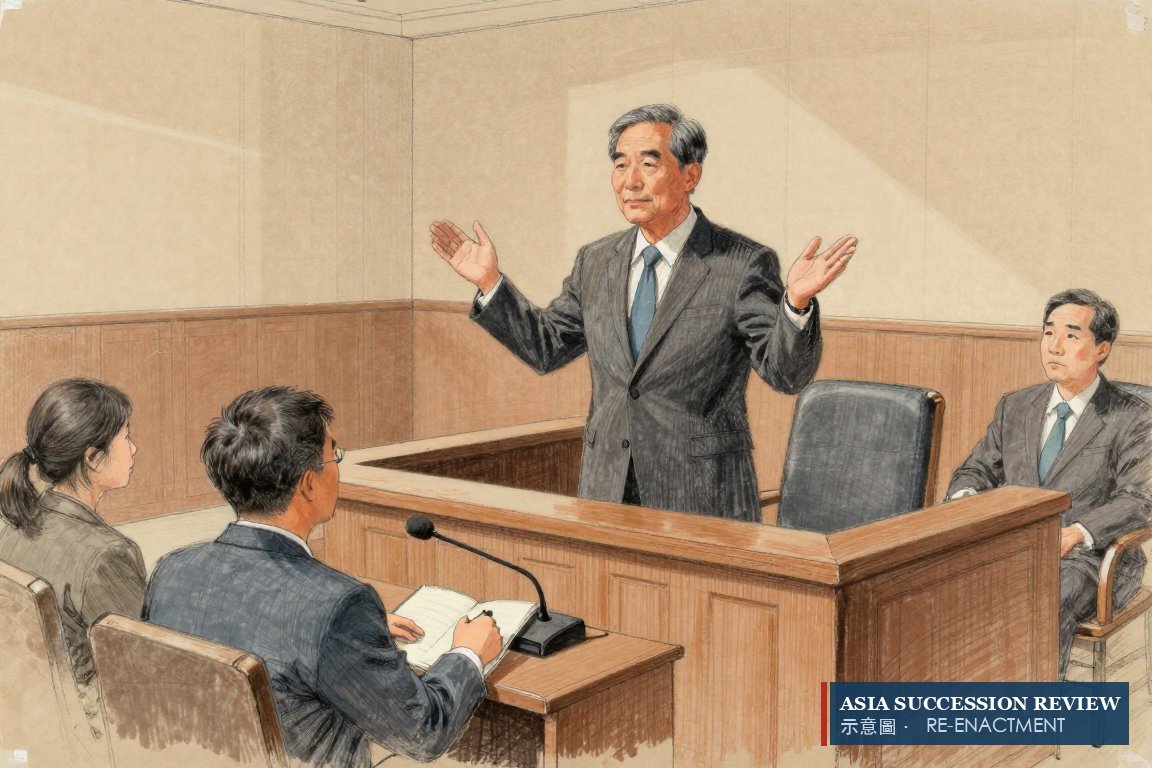
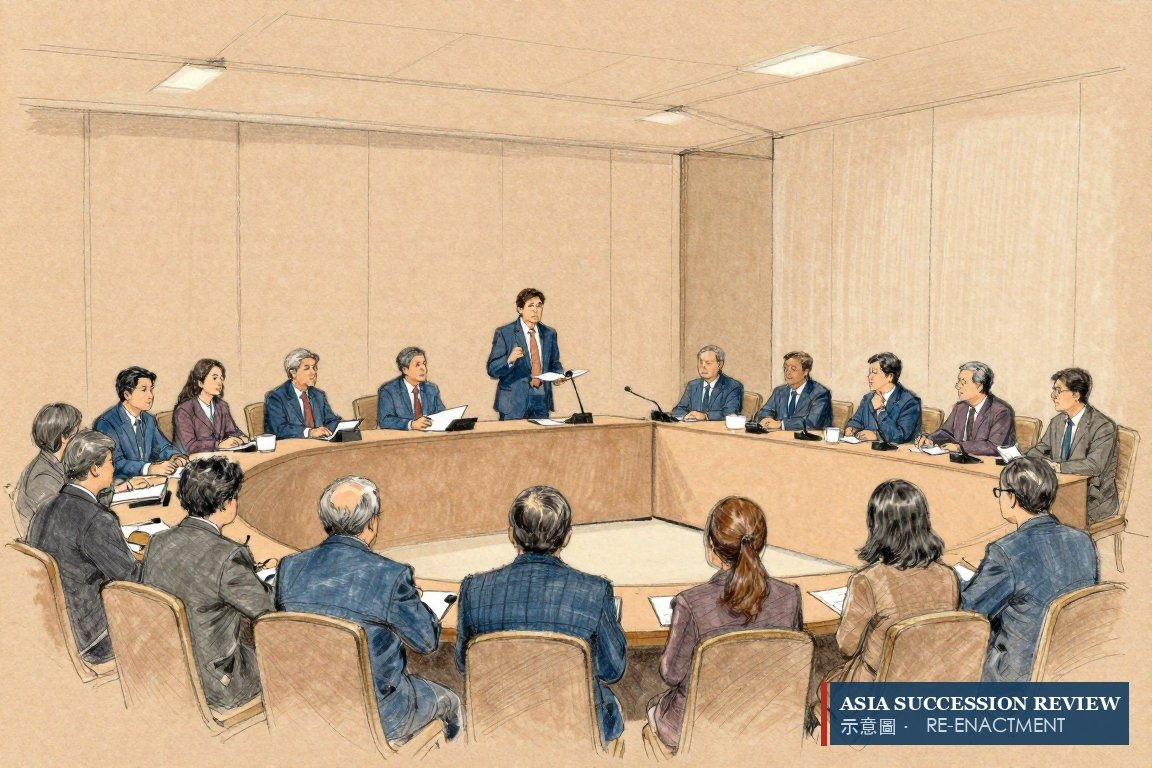
On 8 September 2026 counsel for Chow Wai-wai Violet and Chow Vi Vi, the fifth and sixth daughters of Chevalier Group founder Chow Yei-ching and the executrices of his last will, made their closing submissions in the High Court of Hong Kong, and the trial judge reserved his decision to writing. The action, HCAP 22/2019, was brought in 2019 by the eldest daughter, Lily Chow, an executive director of the listed company. She asks the court to set aside the will her father signed on 29 October 2015 and to admit instead a will dated 27 April 2009, of which only an unsigned copy exists.
8 years on, 62.9 percent still stands in a dead man's name and 3 daughters claim to speak for it
The numbers are in the company's own Annual Report 2026, published on 15 July 2026. As at 31 March 2026, 189,490,248 shares of Chevalier International Holdings, 62.90 per cent of the company, were still registered to the late Dr Chow, who died on 29 July 2018 aged 82; his widow, Miyakawa Michiko, is deemed interested in the same parcel, and each of the three daughters has filed a disclosure of interest as an executrix of one or both wills.
Chevalier's shares value the block at about HK$906 million, and the solicitor calls it the largest will she has drawn
Chevalier's shares closed at HK$4.78 on 10 September 2026, which values the block at about HK$906 million; the solicitor who drew the 2015 will told the court it was the largest she had handled, worth ten figures in Hong Kong dollars and up.
The 2009 will locks the estate for 80 years, because the founder asks his solicitor for as long as possible
The two wills say opposite things. The 2009 will named the widow, Lily and Violet as executors and trustees, made the wife and all seven children beneficiaries for their living, education and development, and provided that the estate could only be distributed 80 years after the founder's death to whichever descendants were then alive. The solicitor who drafted it, Ng Hon-ying, testified on 1 June 2026 that he had suggested the 80-year clause himself and that Chow's instruction was that the lock-up period should be as long as possible.
The 2015 will gives the whole block to one daughter and the only son nothing, splitting the rest 10 ways
The 2015 will, more than ten pages, named the widow, Violet and Vi Vi as executors, gave the whole block to Violet, and split the rest of the estate into ten parts: three to the widow, two to Violet, one to each of the other five daughters, and nothing to the son, Oscar Chow Vee-tsung, now the company's vice-chairman.
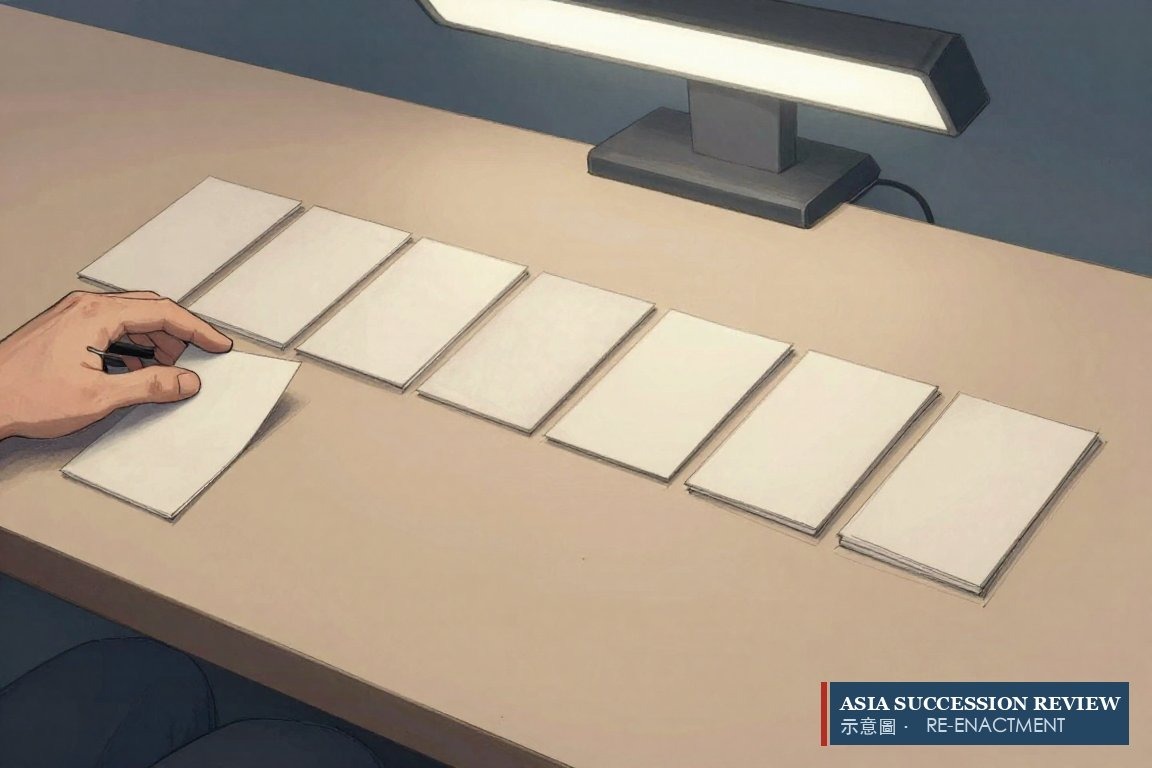
He learns he has cancer on the 26th, signs a new will on the 29th, and strokes 10 weeks later
The timeline around the 2015 will was the trial. Chow learned he had liver cancer on 26 October 2015, saw a liver surgeon on 27 and 28 October, signed the will on 29 October, suffered a stroke in January 2016, and never recovered his old command of the business.

One daughter relays the instructions by phone and email, and the solicitor drafts the will without ever seeing him alone
The solicitor, Cheuk Chiu-wah, said she took instructions largely by telephone and email from Vi Vi; an early email from Vi Vi proposed ten equal parts, three to the mother and one to each child; the founder's own handwritten note later read that all his Chevalier shares were to go to Violet, and if not Violet then Vi Vi, and if not Vi Vi then his third daughter Lina.
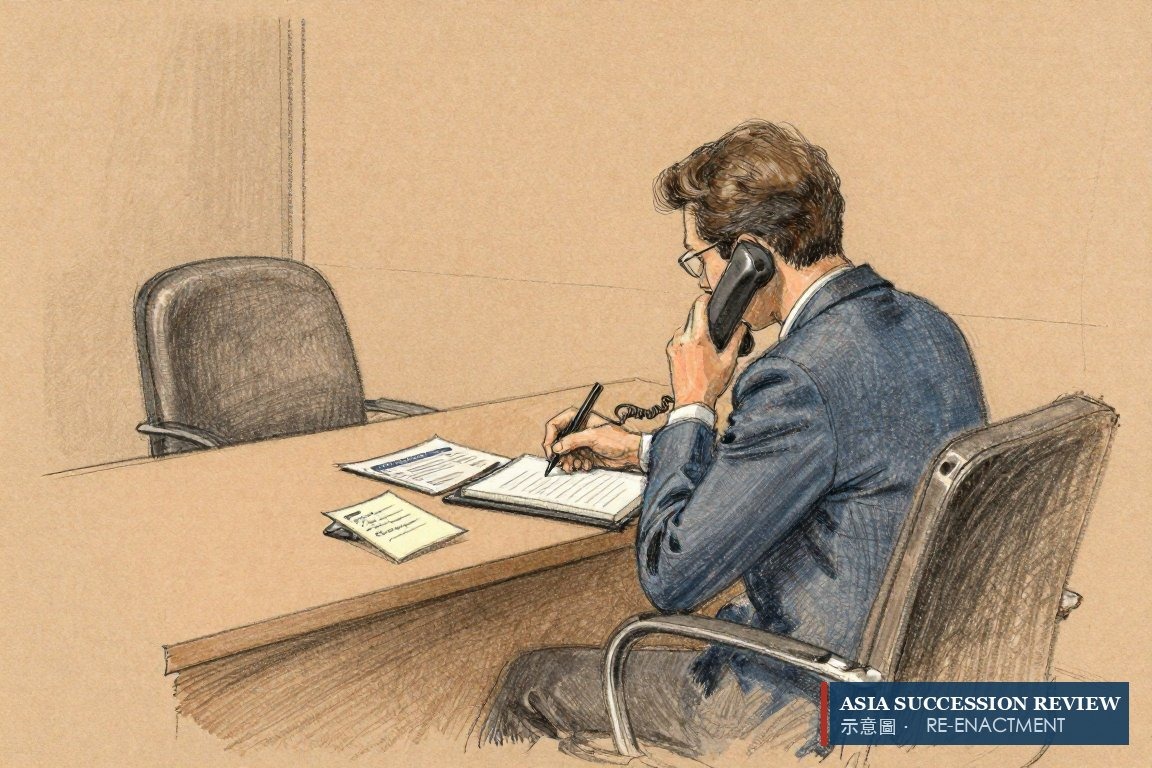
Two accounting firms talk about a trust, nothing reaches paper, and a partner suggests one trusted person instead
A trust to hold the shares had been discussed with two accounting firms but, in the solicitor's words, nothing had been put to paper; a partner in her firm had suggested that the testator could simply leave the block to one trusted person.
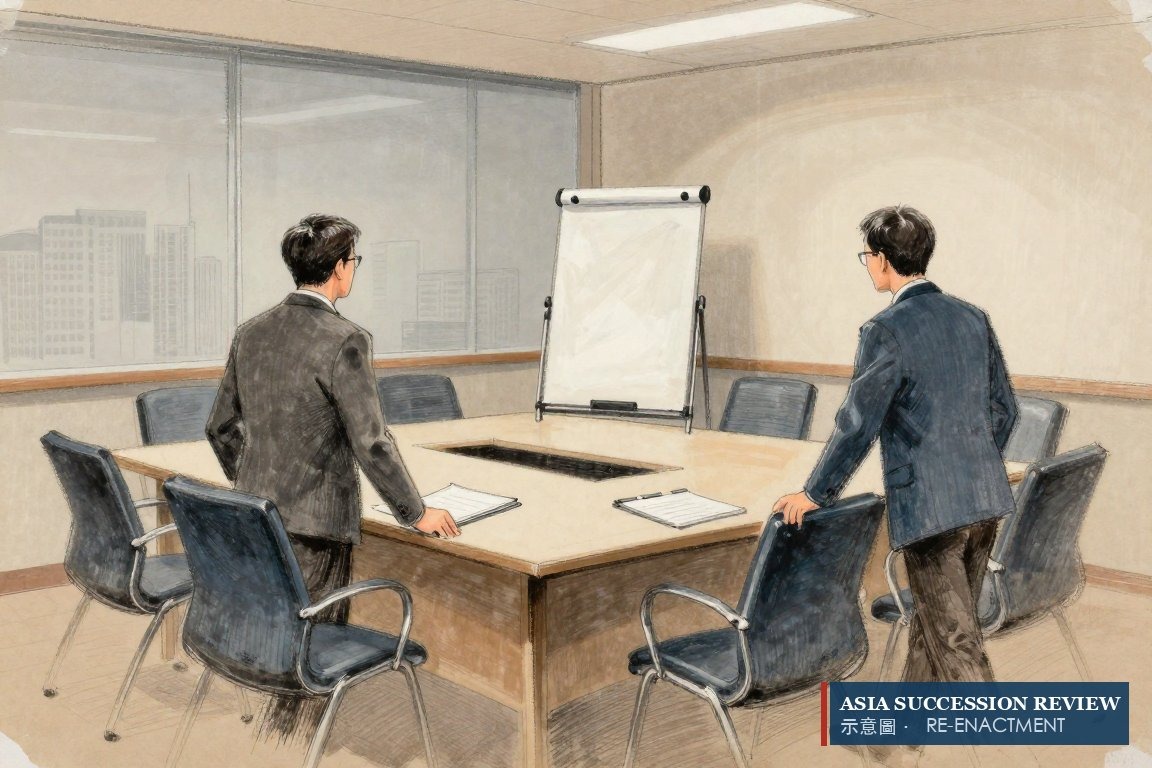
A daughter receives double her sisters' share and gives half of it back to the brother the will cut out
The daughters' evidence gave the family the rest. Violet, who had been her father's personal assistant since 1997, told the court on 15 June that her father said he would rather use the shares as wallpaper than sell them, that she believed he wanted her to hold the shares for Oscar, and that on learning she had received double her sisters' share and her brother nothing, she had voluntarily given half of her inheritance to him.
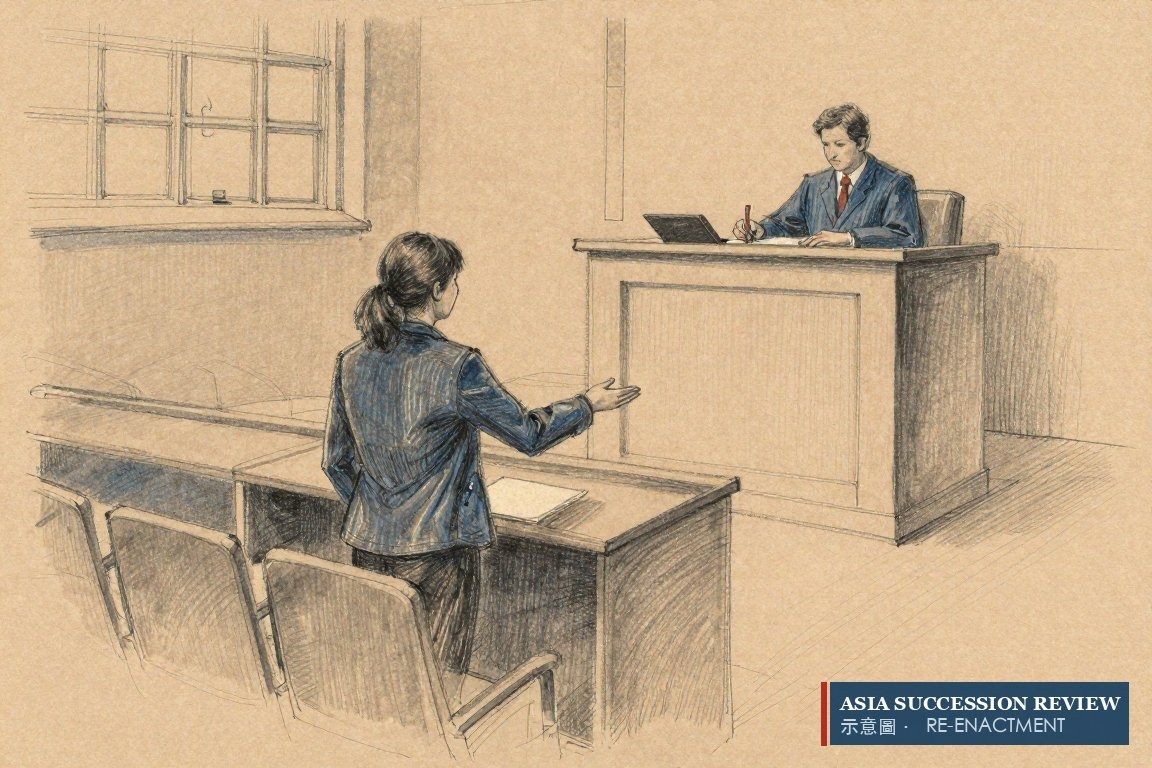
A listed company's chairman tells the court he does not know who owns it, 8 years after the founder died
The chairman, Kuok Hoi-sang, who has known the founder since 1967, was asked on 9 June who now owns Chevalier. His answer, in Cantonese, was that he does not know, and that this is the difficult part of his job.
- 1Sing Tao, 8 Sep 2026 — closing submissions: the block 'unconditionally' to Violet, no instruction to form a trust, the 2009 will's 80-year clause, the judge's questions, judgment reserved (HCAP 22/2019)
- 2HK01, 26 May 2026 — day one: four wills, the 2009 will's unsigned copy and 80-year distribution, 62 per cent and 1.89 億 shares, the cancer diagnosis of 26 Oct 2015 and the will of 29 Oct, the stroke, Violet's promise to move the shares into a family trust
- 3on.cc, 26 May 2026 — the will signed at the end of October 2015, the stroke two months later, death on 29 Jul 2018 aged 82; the 1.89 億 shares to the fifth daughter first, the residue to the widow and six daughters
- 4Sing Tao (singtao.ca), 1 Jun 2026 — the 2009 will: dated 27 Apr 2009, executors the widow, Lily and Violet, beneficiaries the widow and seven children, distribution 80 years after death; drafting solicitor Ng Hon-ying on 'the longer the better'; the earlier wills of 1987 and 1989
- 5Sing Tao USA, 2 Jun 2026 — solicitor Cheuk Chiu-wah: instructions through Vi Vi, the ten-part email, 62.76 per cent and 189 million shares, the will read to the family in August 2018, value 'from HK$1 billion up'
- 6HK01, 9 Jun 2026 — chairman Kuok Hoi-sang: 'I don't know' who the owner is; Oscar's Pacific Coffee sale; the founder's care for the company's reputation
- 7HK01, 15 Jun 2026 — Violet's evidence: personal assistant since 1997, 'wallpaper rather than sell', half of her inheritance to Oscar, holding the shares for him
- 8Sing Tao, 30 Oct 2024 — the fourth amendment of the claim (undue influence), trial fixed for late May 2026 for 27 days, the ten-page will and the 62.76 per cent block
- 9Chevalier International Holdings Limited, Annual Report 2026 (HKEX, 15 Jul 2026) — substantial shareholders as at 31 Mar 2026: 189,490,248 shares (62.90%) held by the late Dr Chow Yei Ching; the widow deemed interested; the executrices' disclosures; the Court of Appeal's remarks in CAMP 202/2021 [2023] HKCA 167 of 8 Feb 2023; net assets HK$10,301 million
- 10Sina Finance HK quote feed, stock 00025 — previous close HK$4.78 as at the 11 Sep 2026 pre-open (secondary source; HKEX's own daily quotation page was not retrievable)
- 11Wills Act 1838 (Singapore), s6 — no will is valid unless in writing, signed at the foot by the testator, and the signature made or acknowledged before two or more witnesses present at the same time, who subscribe in the testator's presence
- 12Civil Law Act 1909 (Singapore), s32 — the perpetuity period is 100 years, or such shorter period as the instrument specifies, for instruments taking effect on or after 15 Dec 2004
- 13Trustees Act 1967 (Singapore), ss89–90 — s89 applies Civil Law Act ss32–34 to trusts created on or after 15 Dec 2004; s90 the validity of lifetime trusts of movables against foreign succession rules, subject to s90(3)
- 14Mental Capacity Act 2008 (Singapore), s23 — the court's powers over the property and affairs of a person who lacks capacity include the settlement of property on trust (s23(1)(h)) and the execution of a will for that person (s23(1)(k))
The founder describes a trust for 30 years and never settles one, so the wish dies as a wish
Chow Yei-ching knew what he wanted for 30 years and never used the instrument that does it. He wanted the block kept whole and out of strangers' hands: the 2009 will said 80 years, his instruction was 'as long as possible', and his daughter's evidence was that he would rather paper a wall with the share certificates than sell them. That is a description of a trust. He discussed one with two accounting firms. He did not settle one.
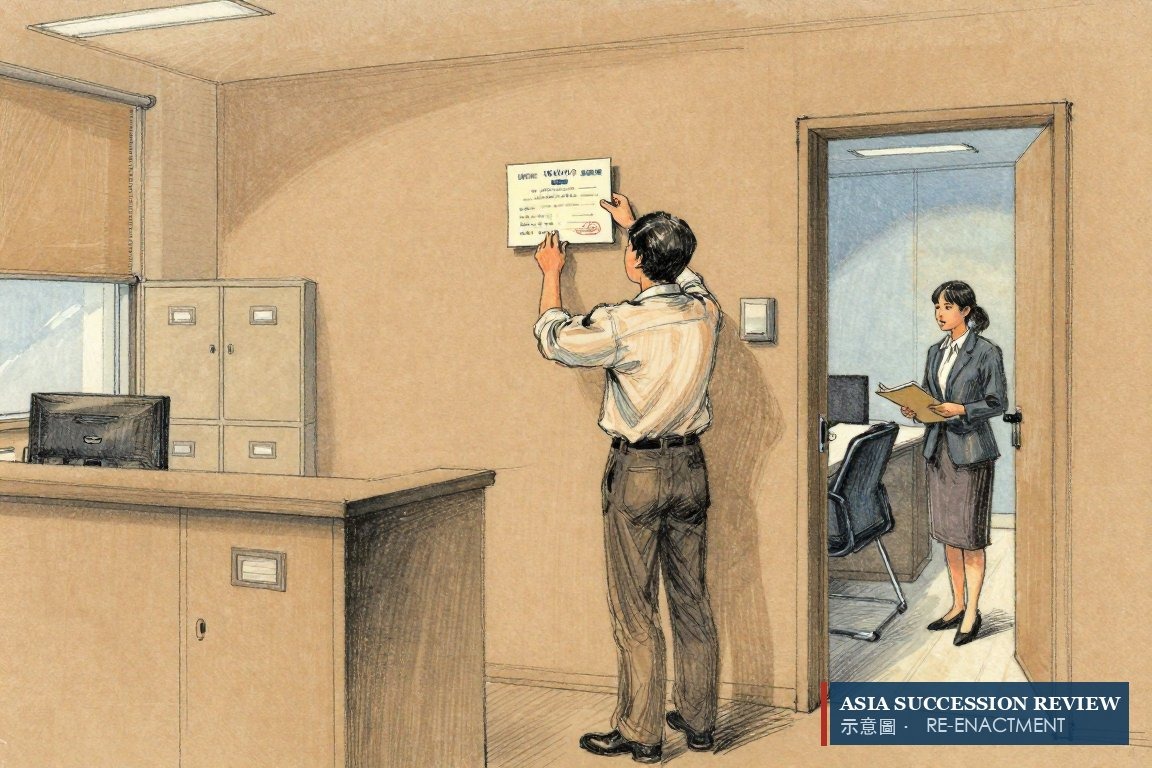
He puts the wish into wills instead, and a will holds nothing while its author lives and controls nothing after
Instead he put the wish into wills, and a will is the one document that cannot hold a company while its author is alive and cannot be relied on after he is gone. The 2009 will survives only as an unsigned copy, so as a legal instrument it may be nothing at all.
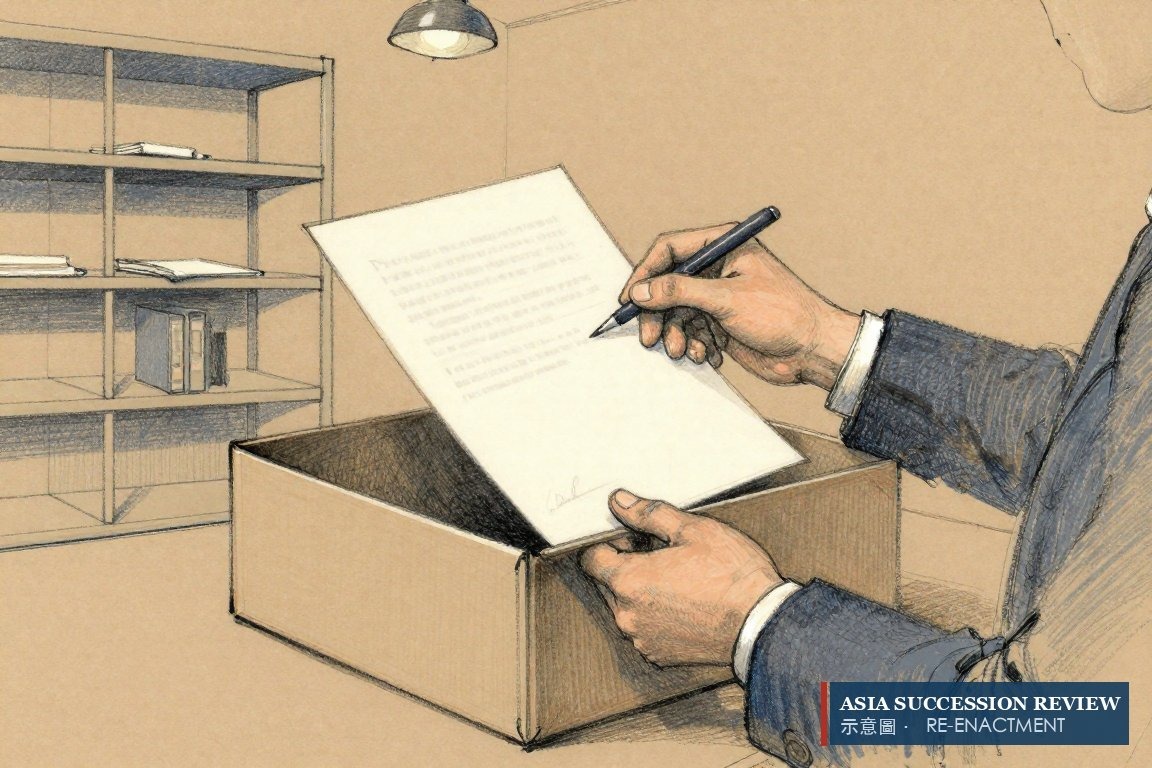
One signature at 80 moves a HK$900 million block from 7 beneficiaries to 1, three days after a cancer diagnosis
The 2015 will was signed at 80, three days after a cancer diagnosis and before surgery, on instructions relayed by one daughter, and it moved a HK$900 million block from seven beneficiaries to one. Every fact that makes a will vulnerable was present, and a solicitor's partner had told the family that giving everything to one trusted person was a reasonable substitute for the trust nobody had drafted.
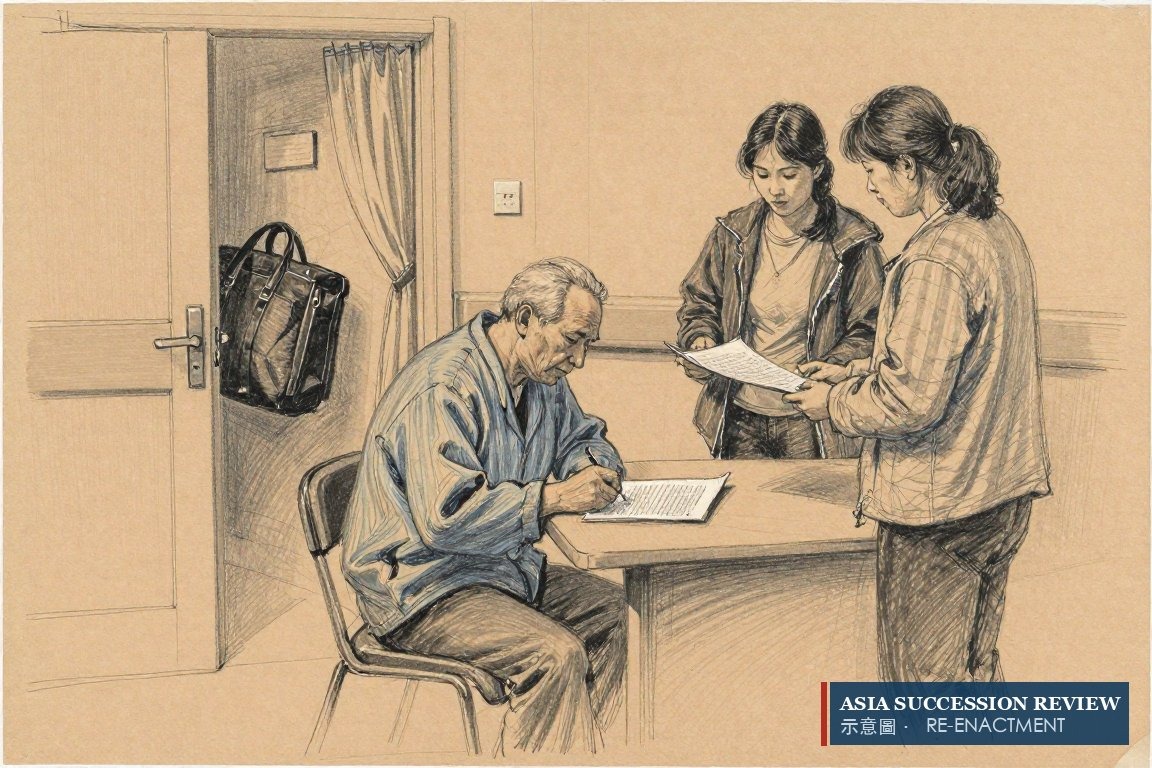
A stroke arrives 10 weeks later, so nobody can ever settle the trust and the plan freezes for 30 months
Then the window shut. Ten weeks after signing, the founder had a stroke; the trust that was 'not even a first stroke of the brush' could never be completed, because the only person who could settle it no longer could. For two and a half years the plan was frozen inside a living man, and since July 2018 it has been frozen inside a dead one. Eight years on, the 62.9 per cent block is still registered to a man who died in 2018, three daughters have each told the stock exchange they represent it, and the chairman told a court he does not know who his owner is.
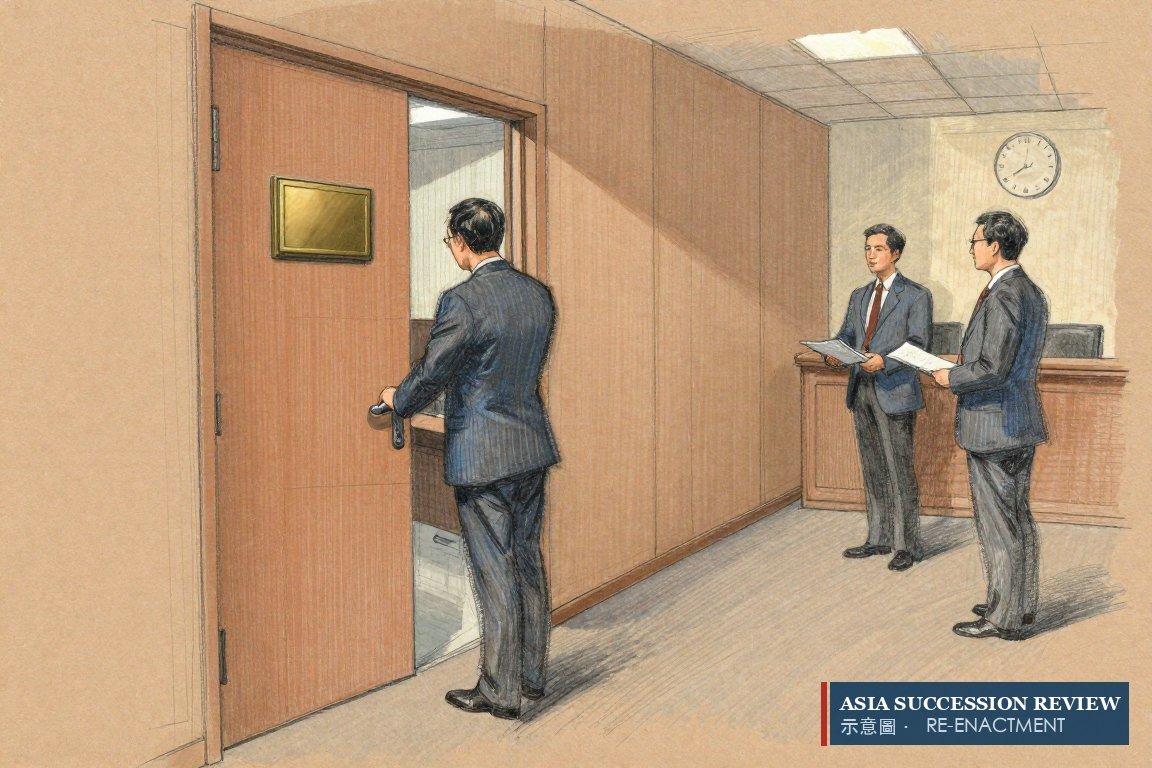
In Singapore the 80-year wish is a lifetime trust with a 100-year perpetuity period, the block never enters the estate, the will decides only the residue, and if the founder is struck down before the deed is signed, the court can settle the trust for him under the Mental Capacity Act — so the question the Chevalier family has spent eight years and 27 trial days on would have been answered on the day the deed was executed.
Singapore lets a founder lock his shares for 100 years, so the 80 years he wanted fits inside the law
Start with the wish, because Singapore law has a name for it. A founder who wants his shares locked for as long as possible is asking for a trust with a long perpetuity period, and section 32 of the Civil Law Act 1909, applied to trusts by section 89 of the Trustees Act 1967, gives a Singapore-law trust created on or after 15 December 2004 a perpetuity period of 100 years, or any shorter period the deed specifies. Eighty years is inside it.
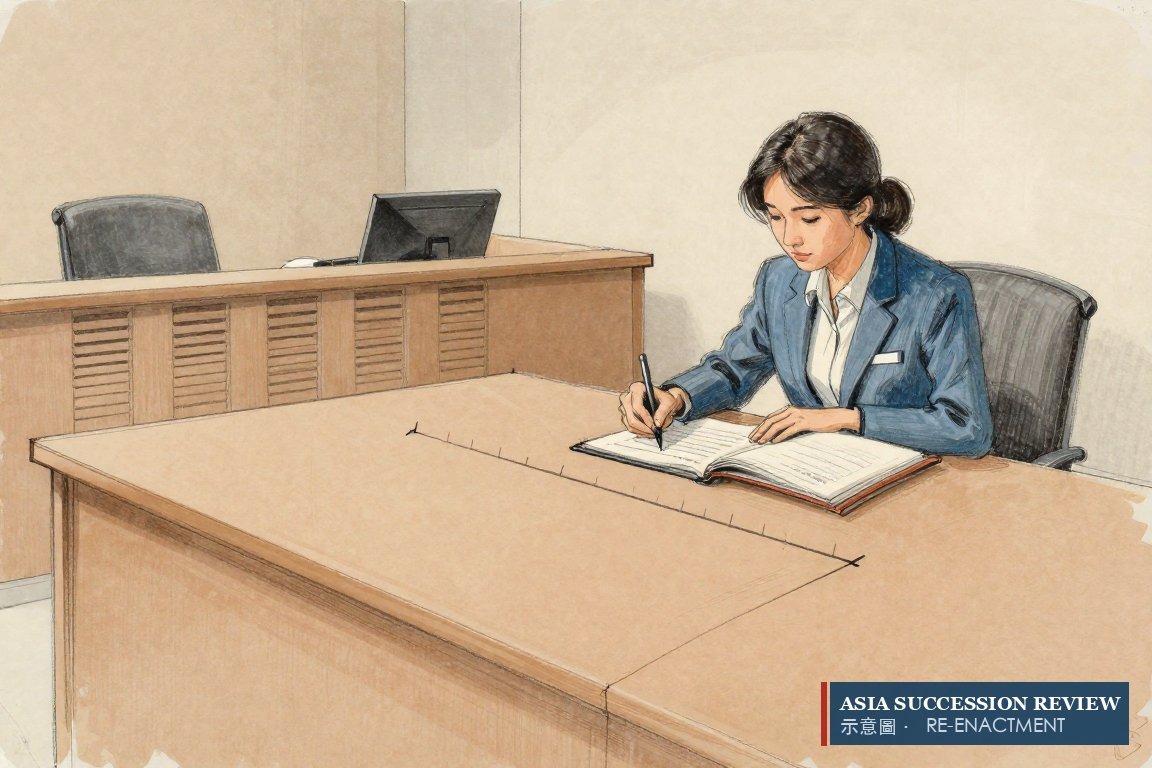
A 2009 deed hands 62.9 percent to a trustee while the founder runs the company, and probate never touches it
What the 2009 will tried to do at death, with the family waiting for probate and the shares in limbo, a deed could have done in 2009 with the founder still in the chair: a licensed trust company as registered holder of the 62.9 per cent, the founder and then a named successor directing the votes, income to the widow and children under written rules, capital locked for the period he chose.
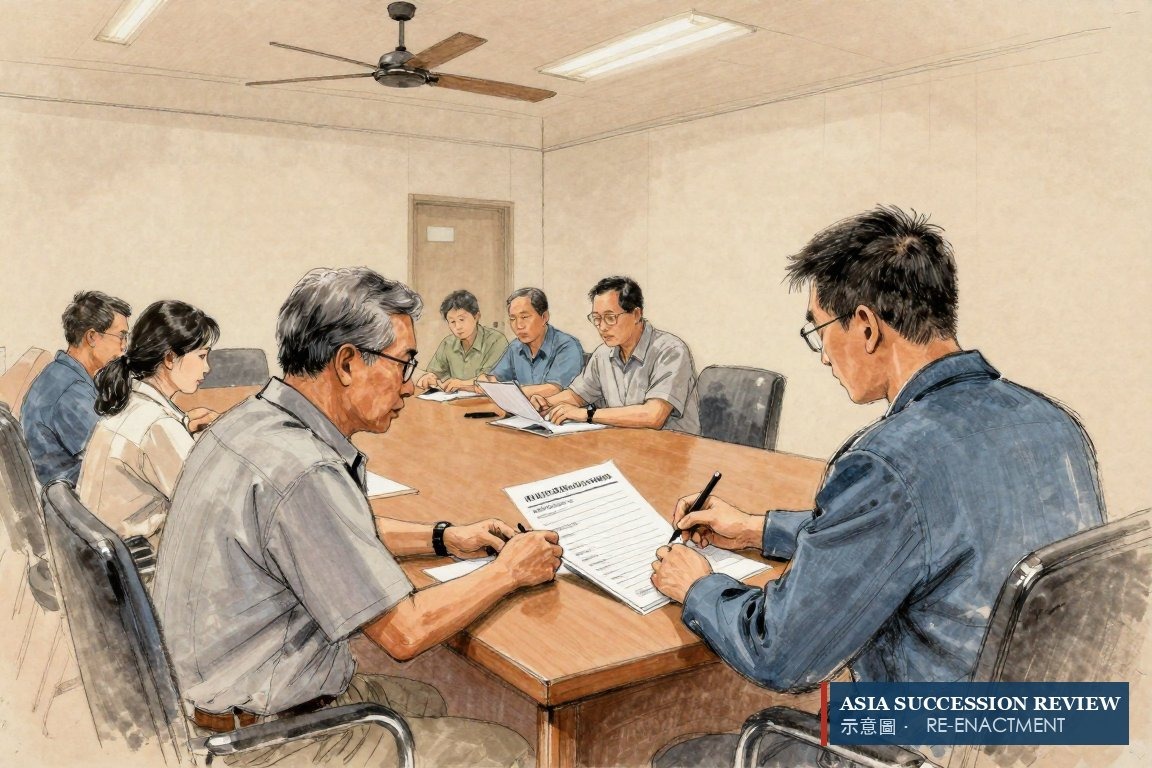
Shares given away in 2009 are not his in 2015, so a will signed after his diagnosis cannot move them
That single act would have removed the block from every question the court has spent 27 days on. A will governs what a person owns at death. Shares settled in 2009 are not owned by the founder in 2015, so a will signed three days after a cancer diagnosis could not have given them to anyone, whatever a solicitor's partner suggested.
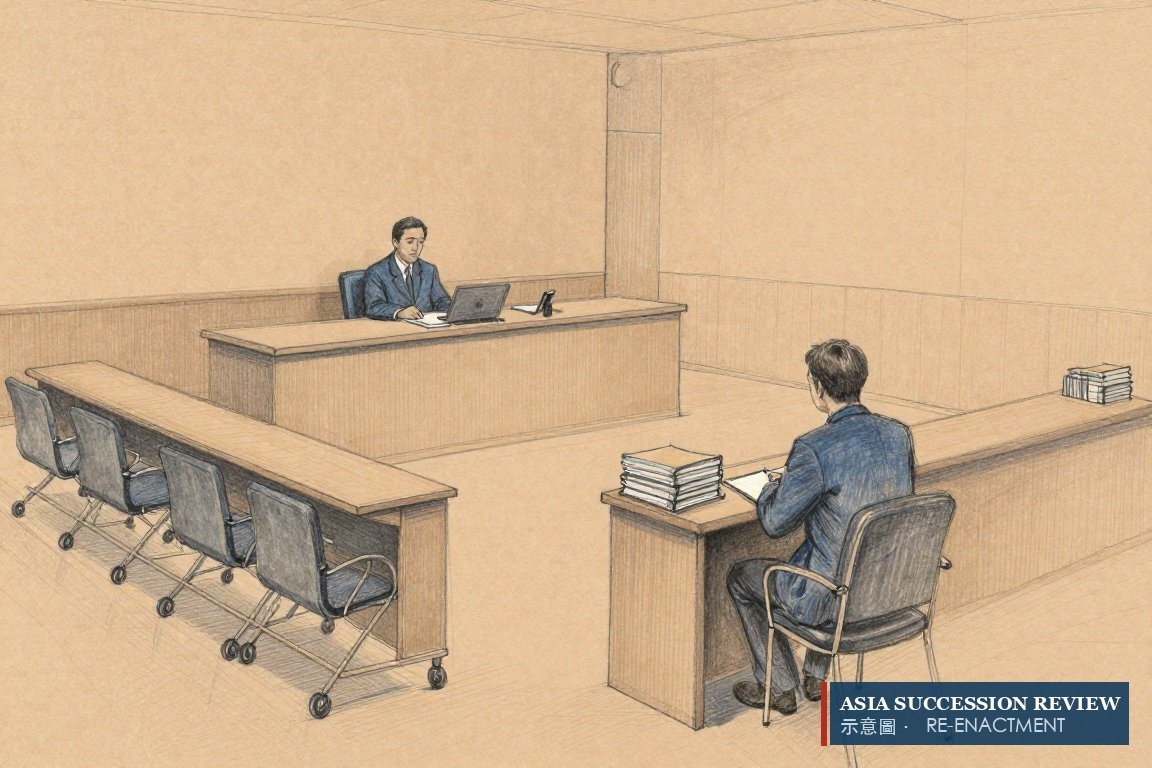
The sisters would fight over 10 parts of the residue, and the chairman would have known his owner since 2018
The residue would still pass by will, and a will over the residue could still be attacked, but the attack would be over the ten parts, not over the company. Chevalier's chairman would have known who the owner was for the last eight years, because the owner would be a trustee whose deed says who instructs it, and the stock exchange would have had one disclosure of interest instead of three competing ones.
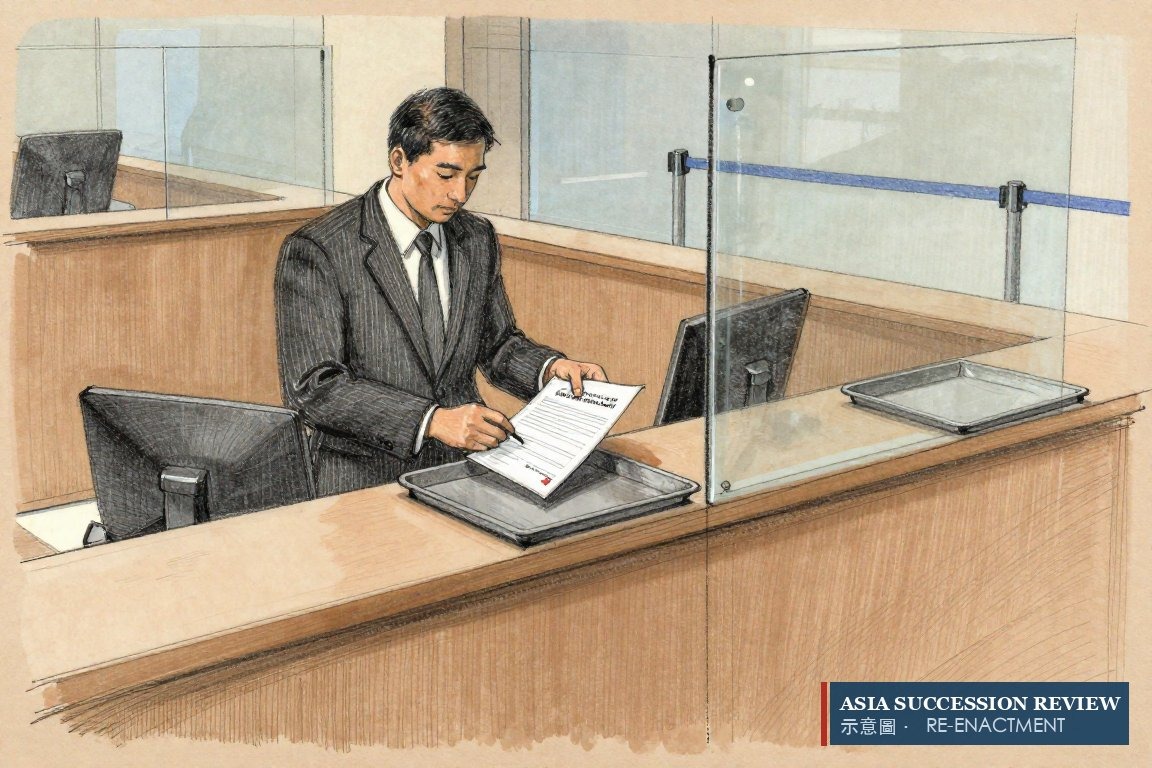
Two witnesses in the room turn a draft into a will, and the 2009 plan never got them
Now the two documents. The 2009 will exists only as an unsigned copy, and Singapore's rule is the same as Hong Kong's: section 6 of the Wills Act 1838 makes no will valid unless it is in writing, signed at its foot by the testator, with that signature made or acknowledged in the presence of two or more witnesses present at the same time, who then subscribe in his presence. A plan that lives in an unsigned draft is a plan that does not exist.
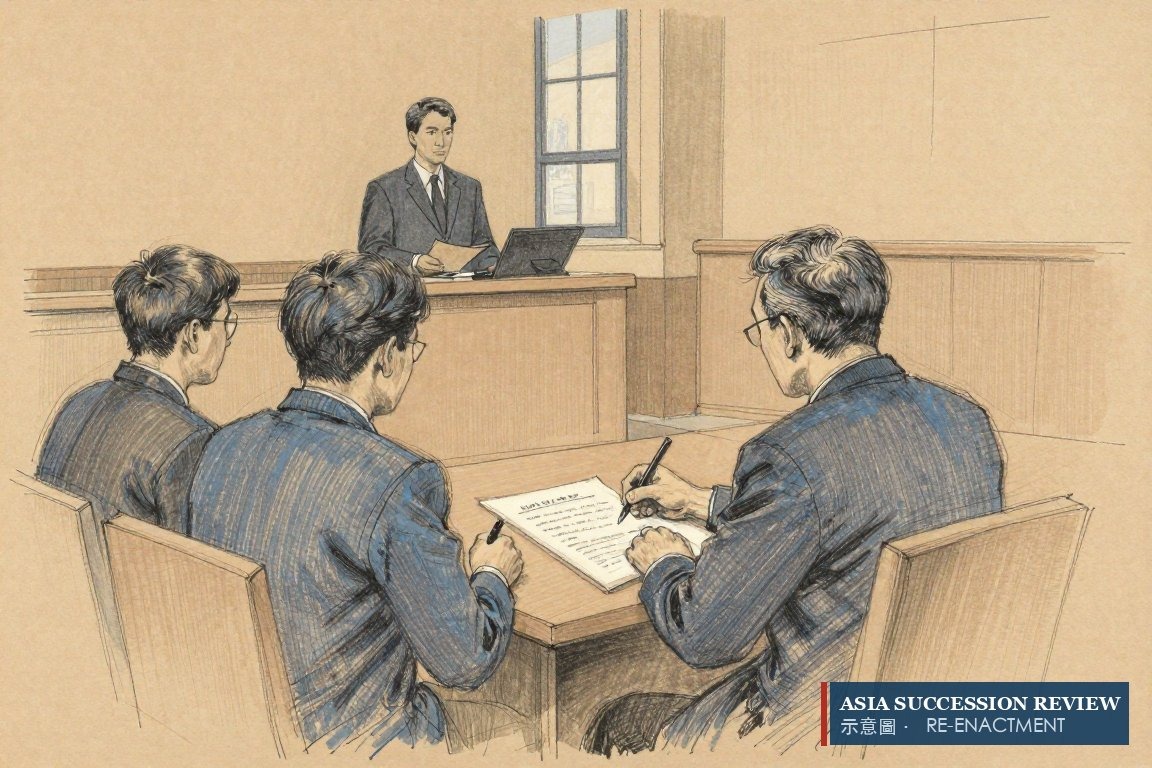
A solicitor who sees the father alone and writes down his reasons decides who wins the 27 day trial
The 2015 will exists, and its weakness is the process: instructions by telephone and email through one daughter, a diagnosis on 26 October, a will on 29 October, surgery to follow. Singapore has no statute that cures that. It has a practice: the solicitor takes instructions from the testator alone, writes a contemporaneous note of his reasons in his own words, including why the only son is excluded, and has a doctor record capacity the same day. None of that stops a sibling suing. All of it decides who wins.
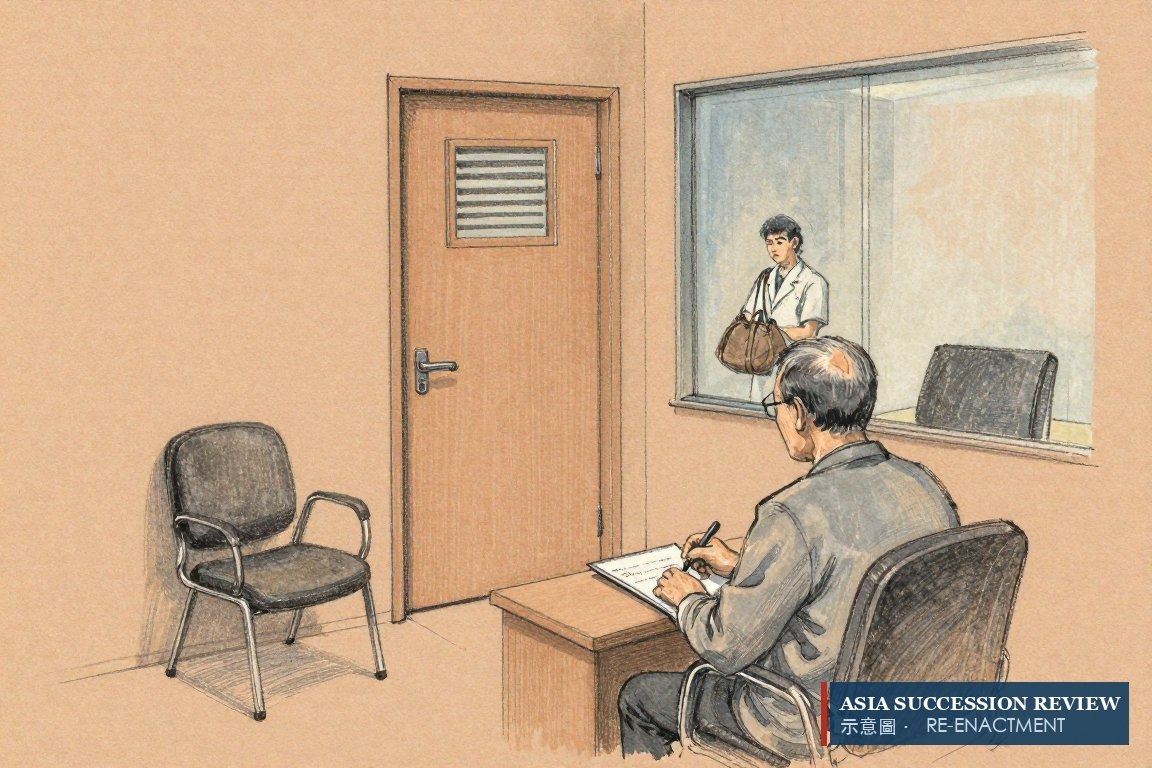
The family discusses the trust and never settles it, and after January 2016 the only man who could sign cannot
Then the window, which is where Singapore's answer is not practice but statute. The trust was discussed and never settled; in January 2016 the founder had a stroke; from that day no one could settle it for him, and the half-built plan stood for thirty months until his death.
A Singapore court can settle the trust for a founder who has lost capacity, so the plan outlives his stroke
Section 23 of the Mental Capacity Act 2008 gives the Singapore court, for a person who has lost capacity, the power to make decisions over his property and affairs that include the settlement of any of his property by way of trust, whether for his benefit or for the benefit of others (section 23(1)(h)), and the execution of a will for him (section 23(1)(k)). A family holding a drafted but unsigned deed, correspondence with two accounting firms and a 2009 will that says 80 years could have asked the court to complete what the founder had begun, on the evidence of what he wanted. The plan would not have died with his capacity.
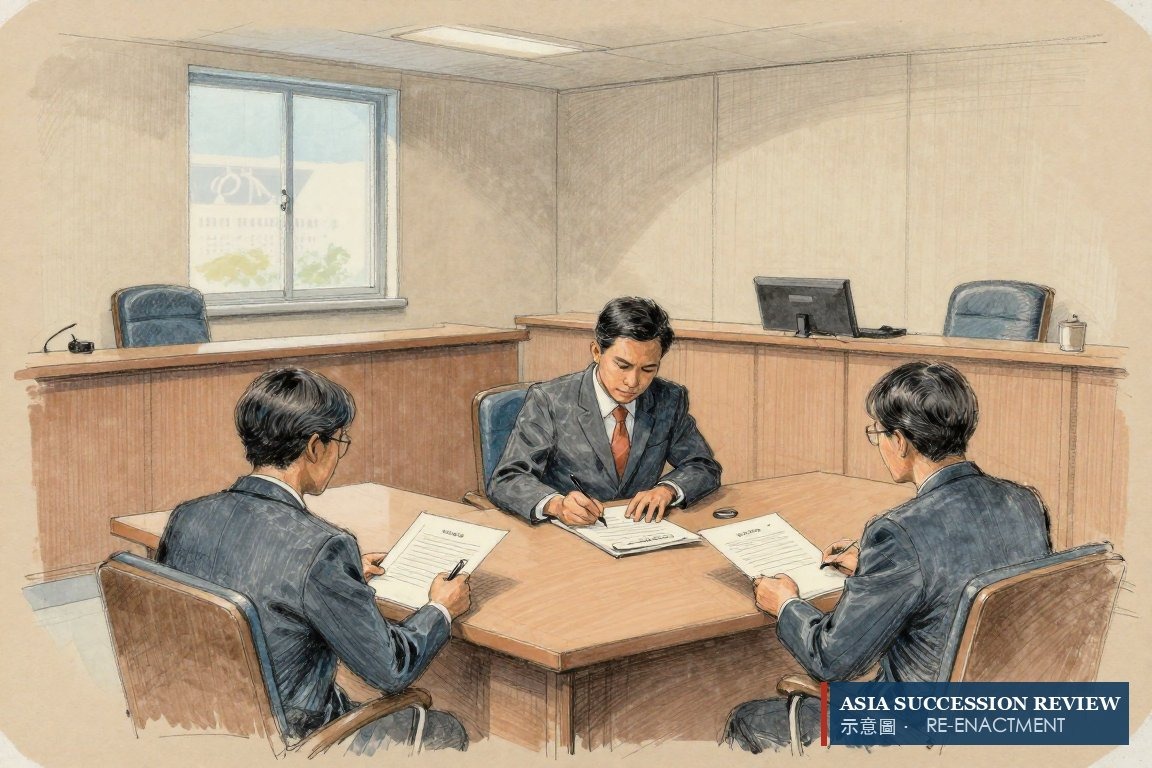
A Hong Kong founder may settle listed shares into a Singapore trust, and no foreign inheritance rule unsettles it
Two more Singapore details fit this family precisely. Section 90 of the Trustees Act 1967 provides that where a person who was neither a Singapore citizen nor domiciled in Singapore creates a lifetime trust of movables governed by Singapore law with Singapore-resident trustees, no rule of inheritance or succession affects its validity; Hong Kong has no forced heirship, so the shield is not the point, but the same section confirms that a Hong Kong founder settling Hong Kong-listed shares into a Singapore trust is doing something the statute contemplates.
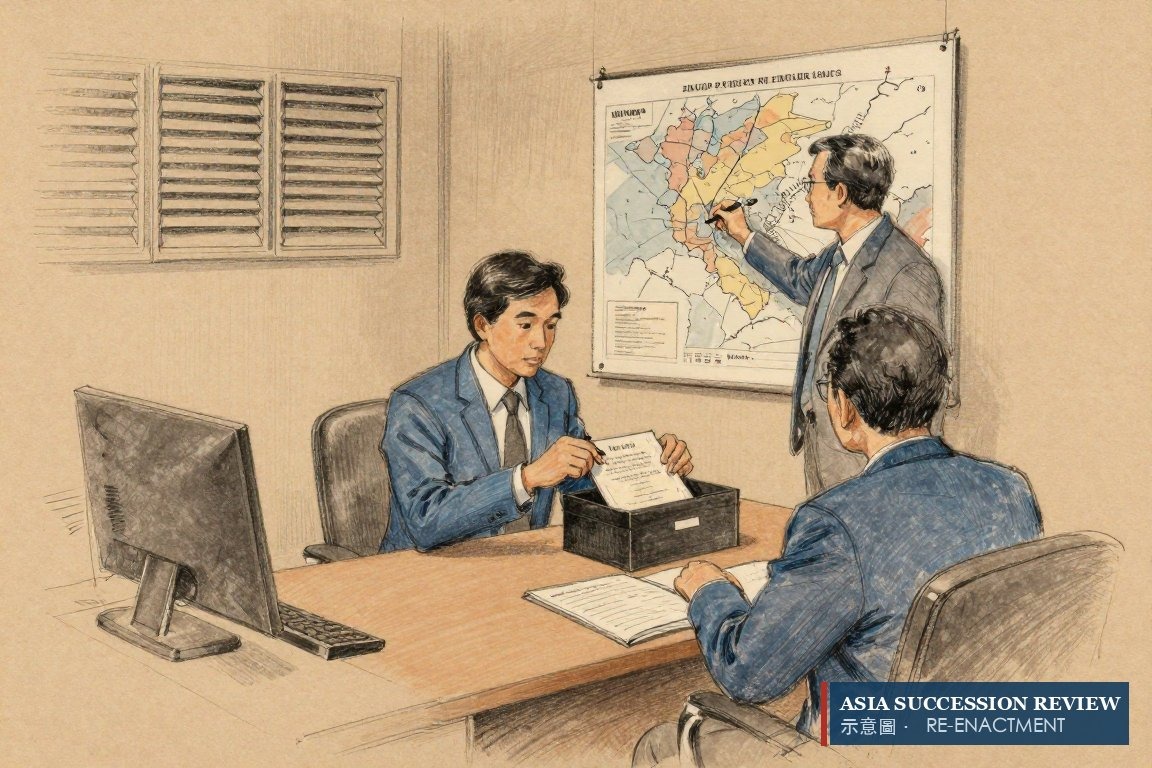
A clause would say whether she holds the block for her brother, instead of leaving her to pay him herself
And the trust would have answered the question Violet answered with her own money: whether the daughter who received everything was meant to hold it for her brother. A deed says so, or says not, in a clause; a will that gives one child the whole block and leaves the son to his sister's conscience is not a plan, it is a hope with a signature.
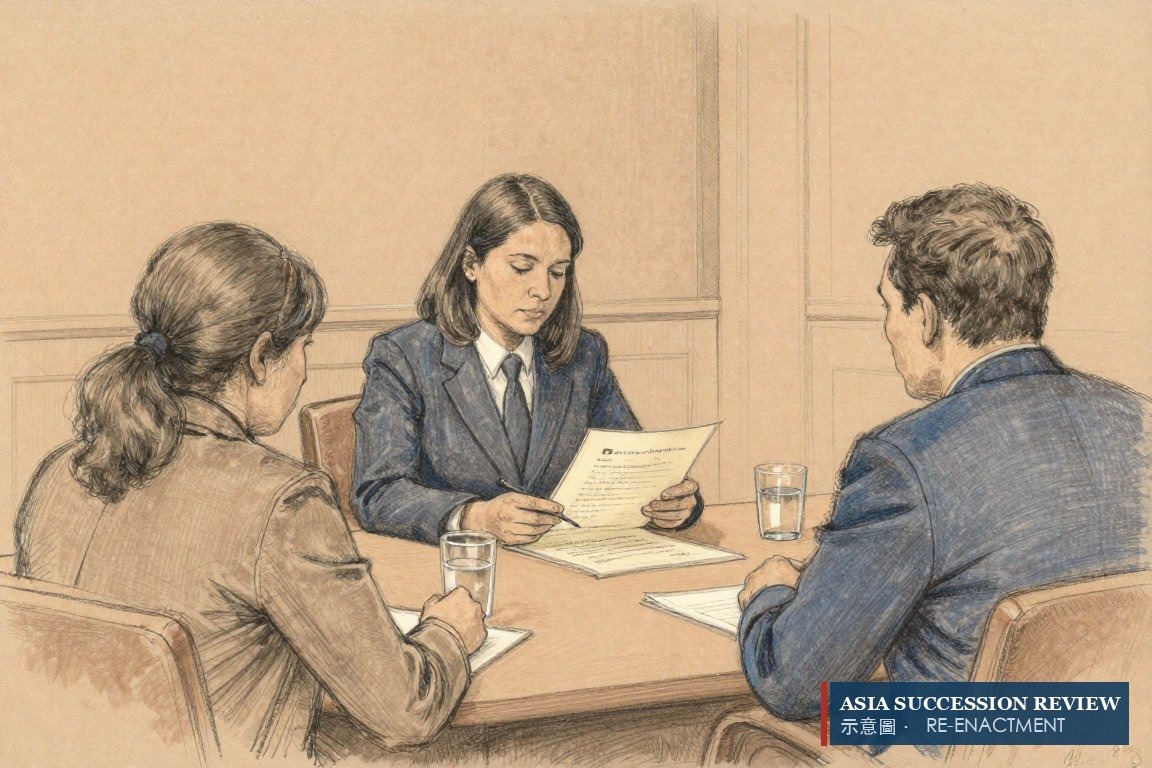
A deed signed at 73 while he runs the company beats a will signed at 80 after a diagnosis
The honest limits. Singapore does not stop an eldest daughter litigating, and a lifetime trust can be attacked on the same grounds as a will, capacity and undue influence, if it was settled in the same three-day window; the answer is that a deed settled in 2009, when the founder was 73 and running the company, is not the same document as a will signed in 2015.
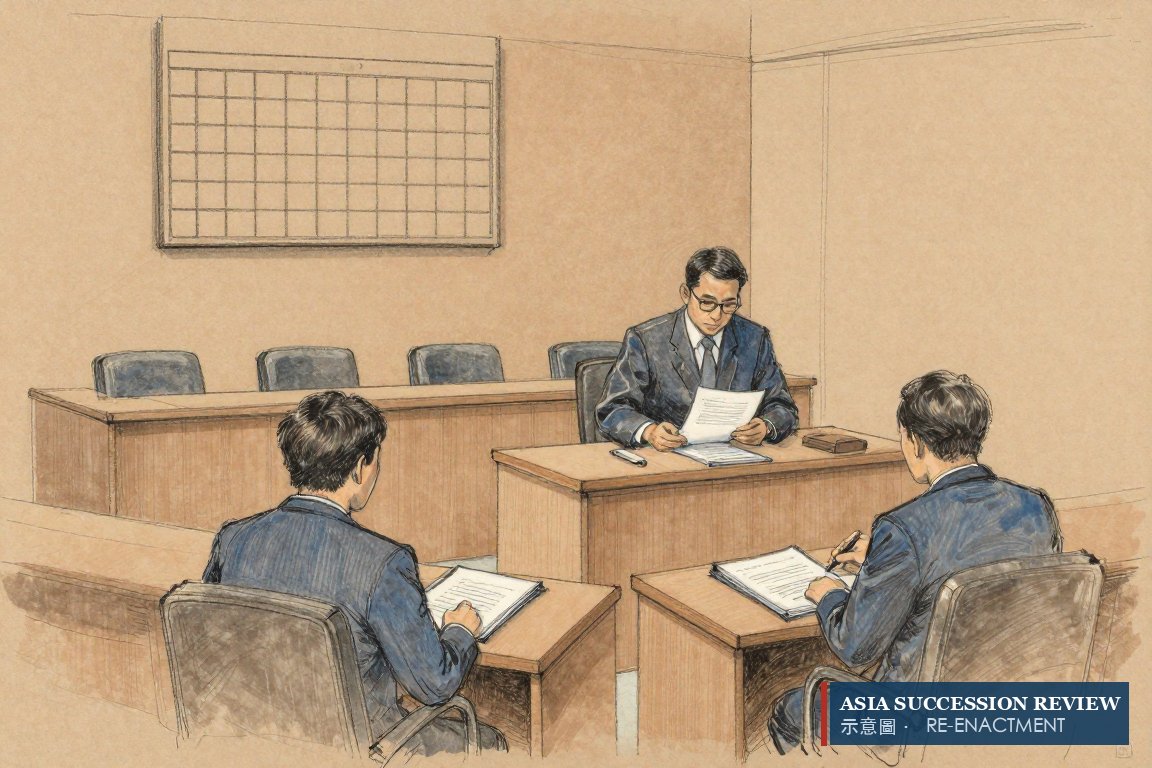
A trustee would vote the 62.9 percent that nobody has voted since 2018, and no chairman would have to guess
Singapore does not make a listed company's board obey a family deed; it makes the shareholder of record a trustee that can vote, which is what has been missing since 2018. And Singapore does not resolve which of two daughters' accounts of their father is true. It removes the need to decide, because the founder would have said it himself, in a deed, while everyone was alive and nobody was asking who the boss was.
The 62.9 per cent block — settled into a Singapore-law trust in 2009, held by a licensed trustee for up to 100 years under Civil Law Act s32 — outside the 2015 will, outside the estate, outside HCAP 22/2019
Violet, the fifth daughter — the role her father evidently wanted her to have, written into the deed as a protector or family-council chair, with the voting instruction and the succession to it stated — rather than 62.9 per cent in her own name and a trial about why
Oscar, the only son — a beneficial interest and a path to the chair fixed in a clause, not 'nothing' in a will and half of his sister's share by her own decision
Lily, the eldest daughter — a copy of the deed to read in 2009, a seat on the family council, and no writ to issue in 2019
The widow, Miyakawa Michiko — a defined life interest in the trust income from 2018, rather than three-tenths of a residue that is still not distributed
Chevalier's chairman — an owner with a name — the trustee — from the day the founder died, instead of eight years of not knowing
The 2016 stroke — an application under Mental Capacity Act s23(1)(h) to settle the trust the founder had begun, rather than thirty months of a frozen plan
A counterfactual, not advice. The verified machinery is on the Singapore page; where your family stands is the briefing.

From the case files: The same city, the same instrument, the opposite outcome: the Kwok family's trust above Sun Hung Kai Properties, and what it held together when the brothers fell out