A will can win in court and divide nothing: Evergreen, ten years on
Chang Yung-fa built EVA Air and Evergreen Marine, then sealed a will in 2014 leaving everything to one son. Taiwan's Supreme Court upheld it in 2024. Then NT$16.1 billion of dividends landed in the executors' account and his own foundation sued them, citing a line in his autobiography. What if it had been Singapore?
Read this in: EN · 简体 · 繁體 · ไทย · ID
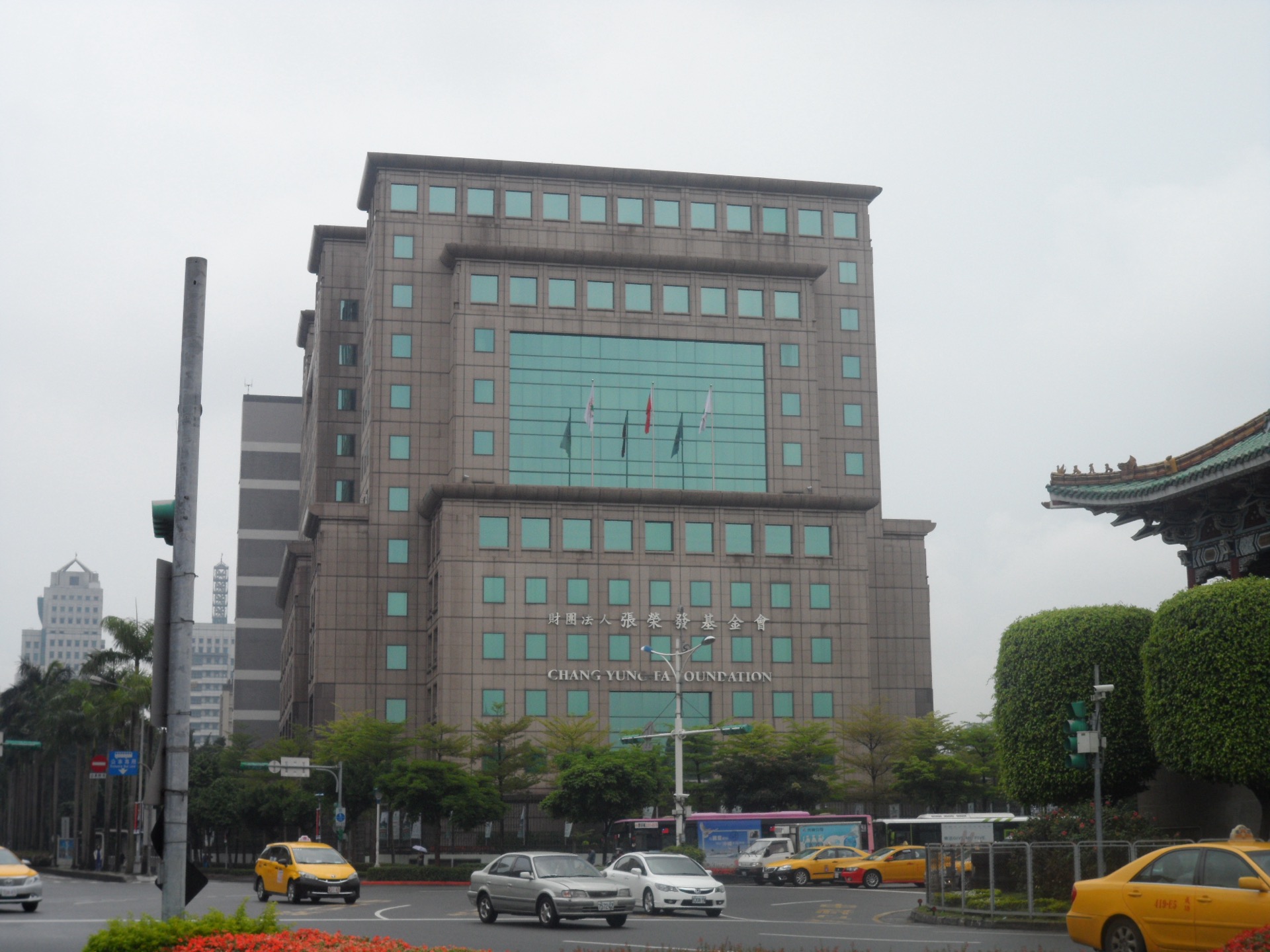
Chang's own foundation sues his 4 executors for NT$1 billion on a line in his 2012 memoir
Taipei District Court held the third hearing on 27 August 2026 in the Chang Yung-fa Foundation's civil suit against the four executors of the Evergreen Group founder's estate — Ko Li-ching, Liu Meng-fen, Wu Chieh-yuan and Tai Chin-chuan — for delivery of a gift, with the claim pleaded at NT$1 billion. The foundation's case rests on Chang's own words: his 2012 memoir records the line that all the money he had left was to go to the foundation, and its counsel told the court the last of those statements was a public interview on 7 February 2012, together constituting a gift upon death.
Chang Kuo-wei says the 2014 sealed will revokes the gift, and the foundation demands his father's medical records
Chang's son Chang Kuo-wei, through counsel, argued that the sealed will was made on 17 December 2014 and upheld by the Supreme Court in 2024, so any earlier gift upon death was revoked. The foundation applied to obtain the case files from the will-validity litigation and the estate-division proceedings, and Chang Yung-fa's medical records; counsel for Chang Kuo-wei and for his mother Lee Yu-mei objected on privacy and relevance. The court directed further evidence by 30 September and listed the case for argument on 22 October 2026.
NT$16.1 billion of dividends lands in the executors' joint account, and 10 years after Chang dies nothing is divided
The suit was triggered when roughly NT$16.1 billion of EVA Air and Evergreen Marine cash dividends was paid into the executors' joint account. Chang died in 2016; his third son by the first household, Chang Kuo-cheng, challenged the sealed will, and the litigation ran to the Supreme Court, which dismissed the appeal in August 2024. The estate has still not been divided.
- 1經濟日報 / UDN, 27 Aug 2026 — third hearing, records application, 22 Oct listing
- 2三立新聞 SETN, 27 Aug 2026 — the 2012 memoir line, the 7 Feb 2012 interview, the 17 Dec 2014 sealed will
- 3自由時報 LTN, 5 Aug 2026 — NT$16.1bn of dividends into the executors' account; what a gift upon death requires
- 4民報 Peoplenews, 31 Aug 2026 — why a will upheld in 2024 has still distributed nothing
Chang seals a will and names 4 executors, and 10 years later it survives every challenge and distributes nothing
A will can be completely valid and still distribute nothing. That is the whole lesson of this estate, and it is the one Asian founders least expect. Chang Yung-fa did what the advice columns tell a founder to do: he made a will, he used the most formal instrument available, he sealed it, and he named four executors. Ten years after his death the document has survived every attack — the Supreme Court dismissed the challenge in August 2024 — and the shares still sit where they sat. Validity was only the first gate.
5 separate claims queue behind the valid will, from the excluded heirs to Chang's second wife to his foundation
Behind it stand the reserved portion, which lets the heirs a will excludes claw back a fraction of what the statute would have given them; the estate-division proceedings, which have to allocate specific assets once those claims are quantified; a fight over whether the four executors should be removed for failing to distribute; a separate estate-division suit by the founder's second wife; and now the founder's own charitable foundation, suing those executors on the strength of a sentence in his memoir. Each of these is a reasonable claim.
Every claim is reasonable, so together they turn NT$16.1 billion into a docket that grows each time a dividend arrives
Together they are a machine that converts a fortune into a docket. And the money keeps arriving — NT$16.1 billion of EVA Air and Evergreen Marine dividends into a joint account nobody can draw on — which does not resolve the fight but enlarges it.
A will decides who should get it; only a lifetime settlement decides that anyone actually does — and in Singapore there is no reserved portion waiting behind the will to reopen the question.
Taiwan guarantees the excluded children a fraction of the estate, so they can sue to claw back a valid will
Start with the structural difference, because for a Taiwanese family it is the largest one. Taiwan gives statutory heirs a reserved portion under Civil Code article 1223: even a valid will that leaves everything to one son cannot displace the fraction the law guarantees the others, and they can sue to reduce the gift until it is restored. Singapore has no forced heirship for non-Muslims.
Singapore guarantees the siblings nothing, so the fight that has run since 2024 would largely not start here
A Singapore will that leaves the group to one child is not vulnerable to a claw-back claim by the siblings; the Inheritance (Family Provision) Act 1966 allows a limited claim, but it is confined to maintenance for a narrow class of dependants and is nothing like a guaranteed share of the estate. In Singapore, the fight that has occupied this family since 2024 — the one that starts after the will is upheld — would largely not exist. That is the single biggest reason Taiwanese founders look at Singapore, and it is worth stating plainly rather than in a brochure.
The foundation sues on a memoir and a 2012 interview, so it must prove a promise where only generosity exists
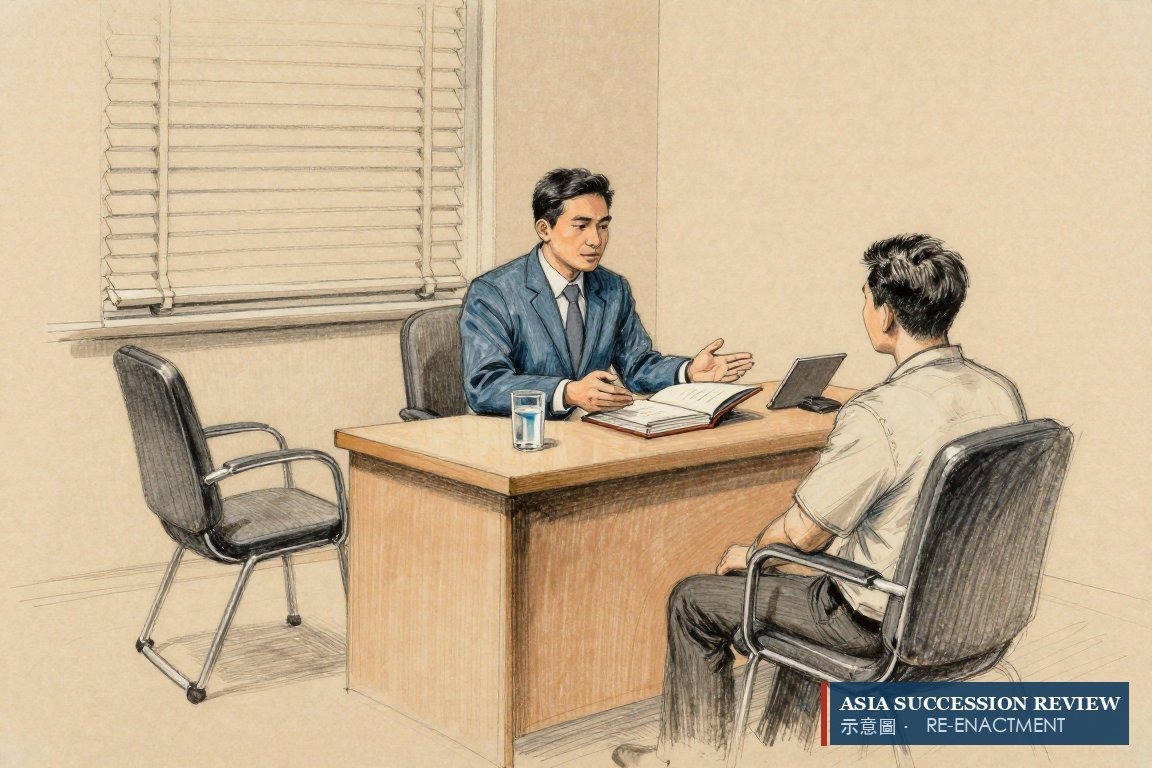
Then the instrument problem, which is universal. The foundation is not suing on a deed of gift. It is suing on a book, and on an interview given on 7 February 2012. Whether that amounts to a gift upon death now turns on whether the foundation can prove it accepted a definite offer — a contract, not a wish — and the honest answer is that public generosity is very hard to convert into an enforceable promise years later. Singapore would not make that easier; it would make it unnecessary.
A founder funds his charitable trust while he can still sign, so the money is the foundation's that day
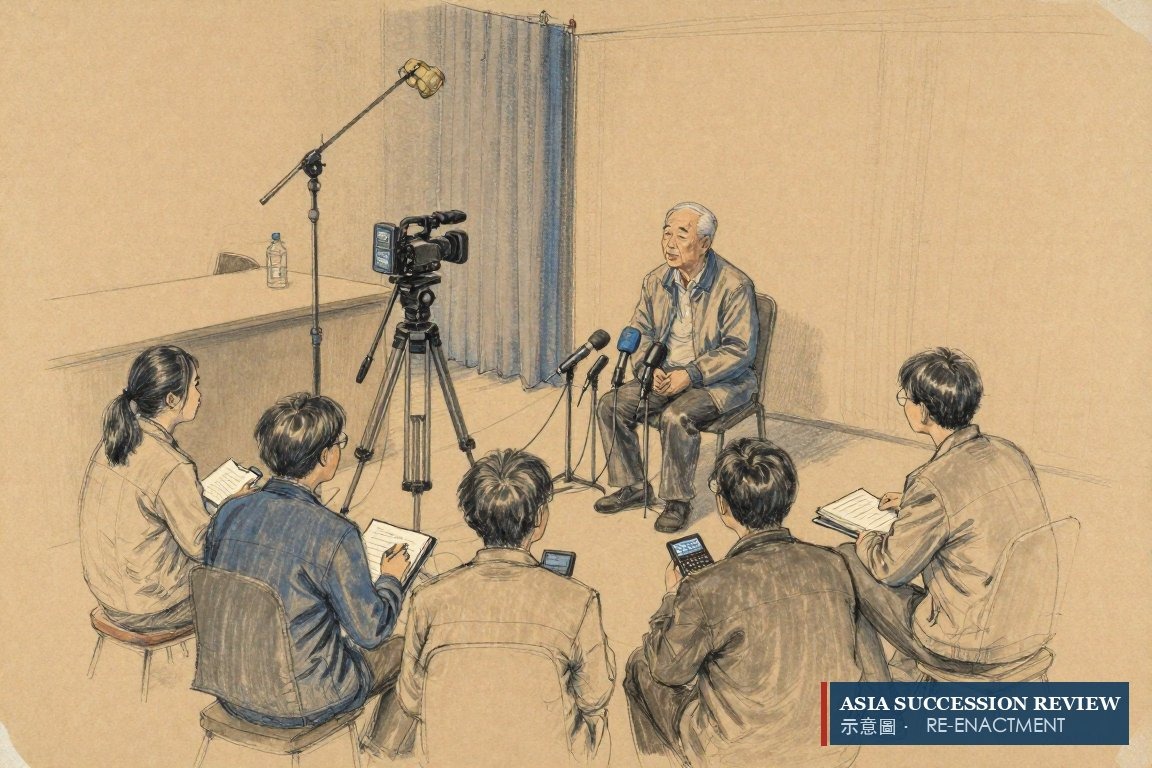
A founder who wants his residue to go to his foundation settles a charitable purpose trust in his lifetime, funds it while he can sign, and the money is the foundation's on the day the deed is executed. It is not a claim to be litigated against his children; it is an asset already outside the estate. Saying it in a memoir is the most expensive way to make a gift, because it produces the intention without the transfer, and the intention then has to be proved in court against the people who inherited instead.
Taiwan's estate tax falls due 6 months after death, so 4 executors owe money from an account they cannot touch
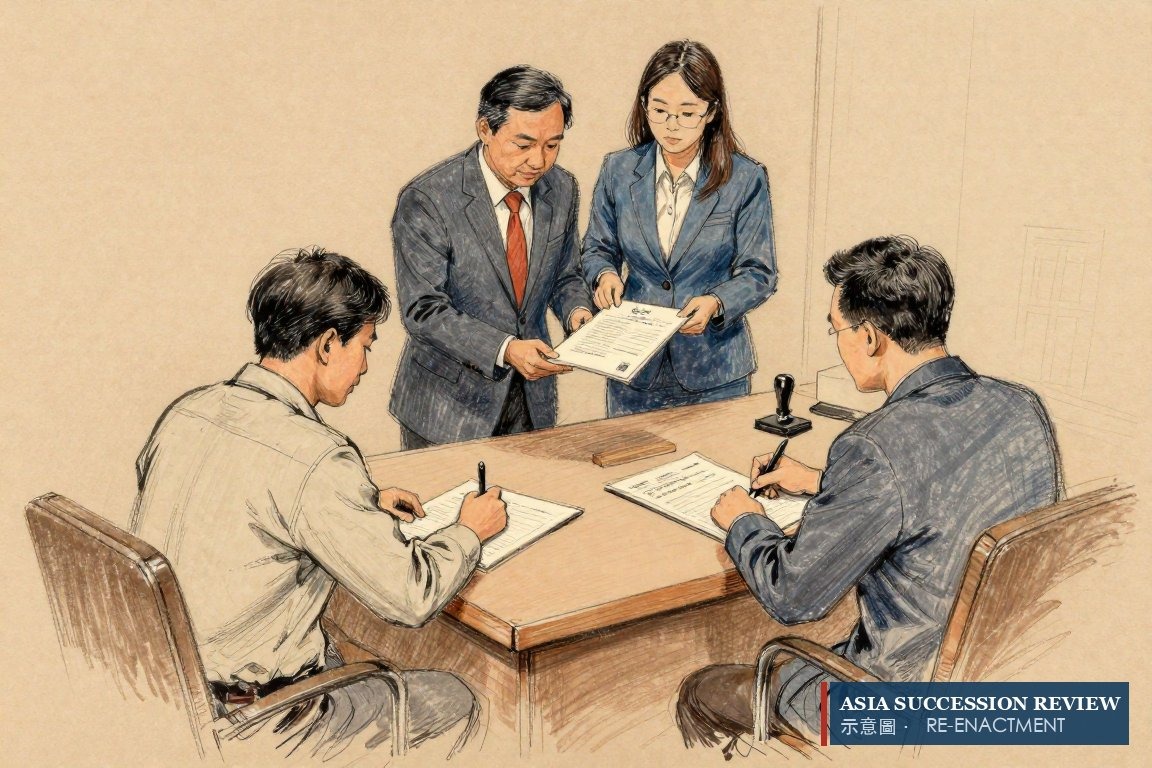
Now the executors and the clock, which is where a Singapore structure earns its keep in practice. Four executors hold NT$16.1 billion in a joint account they cannot distribute while the reserved-portion claims, the division suit, the removal application and now the foundation's claim are all live — and Taiwan's estate tax does not wait for any of them. The return is due within six months of death and payment within two months of assessment, and payment in kind is limited to taxed property inside Taiwan, so overseas holding-company shares cannot settle the bill.
An asset settled in Singapore never joins that queue, so the trustee can pay on the day a deadline falls
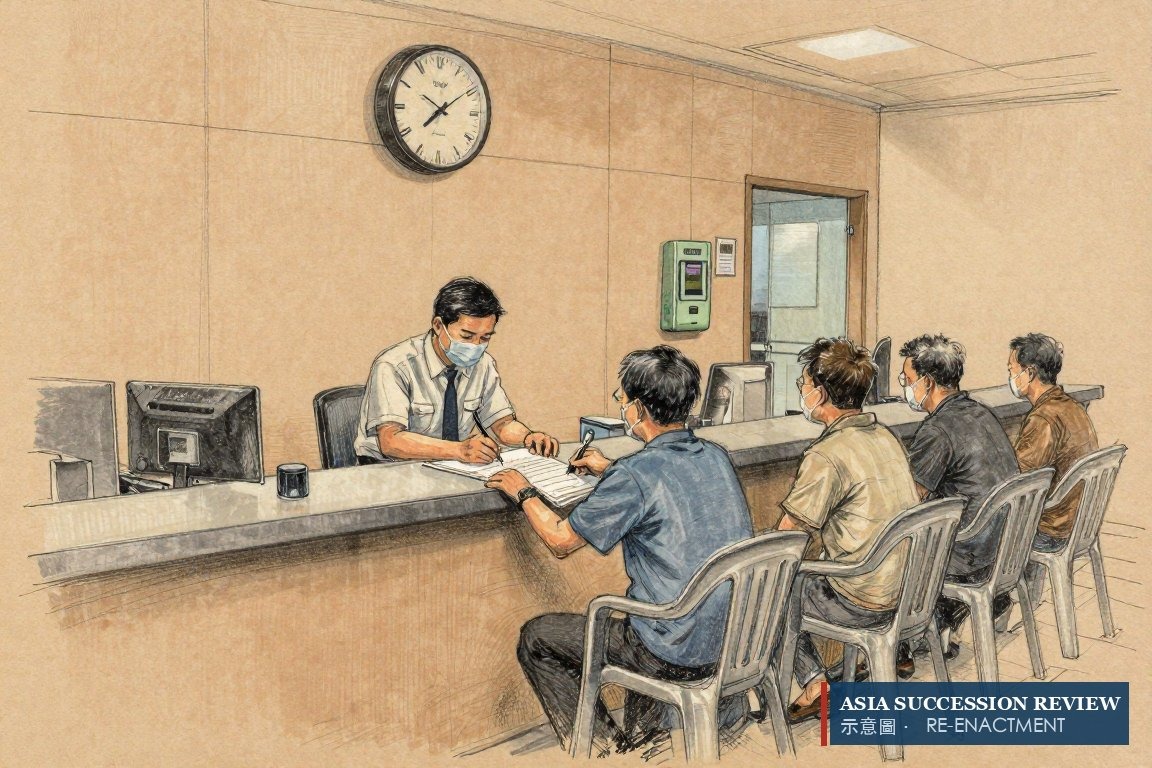
An asset settled into a Singapore trust during the founder's lifetime is not in that queue at all: it is not in the estate, there is nothing to divide, no grant is needed, and the trustee can distribute or lend on the day a deadline falls. Singapore supports the architecture directly — a trust term of up to 100 years, no public trust register, and section 90 of the Trustees Act 1967 shielding a Singapore-law trust with Singapore-resident trustees from foreign forced-heirship claims where the settlor was neither a Singapore citizen nor Singapore-domiciled when the trust was created, which a Taiwanese founder ordinarily satisfies.
A Singapore shield binds Singapore judges only, so a claim over Chang's Taiwan assets is still decided in Taipei
Three honest limits, because this is a counterfactual and not a sales page. First, section 90 binds a Singapore court and not a Taipei one: a reserved-portion claim over Taiwan-situs assets is still decided in Taipei under article 1223, and Chang Kuo-wei's argument that the overseas estate should escape the reserved portion is precisely the point Taiwanese courts have not settled.
Singapore charges no estate duty, so Taiwan taxes everything and a trust settled in 2014 fails like the will
Second, Singapore changes nothing about the tax: Taiwan taxes the worldwide estate of a founder habitually resident there, and because Singapore charges no estate duty on deaths on or after 15 February 2008, there is no foreign tax to credit — the Taiwanese bill is the whole bill. Third, and most important, none of this is available at the end. A settlement made in 2014, at the same moment as the sealed will, would have been attacked on the same grounds by the same son. The window is the decade when nobody would think to ask — which is to say, the years a founder spends assuming there is still time.
The son named in the will — the group on the day of the settlement — not a judgment in 2024 that still hands him nothing in 2026
The other households — their share fixed and funded in the founder's lifetime, instead of a reserved-portion claim they must sue to enforce
The foundation — a funded charitable trust the founder signed — rather than a lawsuit resting on a line in his memoir
The executors — no joint account to freeze, no removal application, and no NT$16.1 billion they are not allowed to touch
A counterfactual, not advice. The verified machinery is on the Singapore page; where your family stands is the briefing.
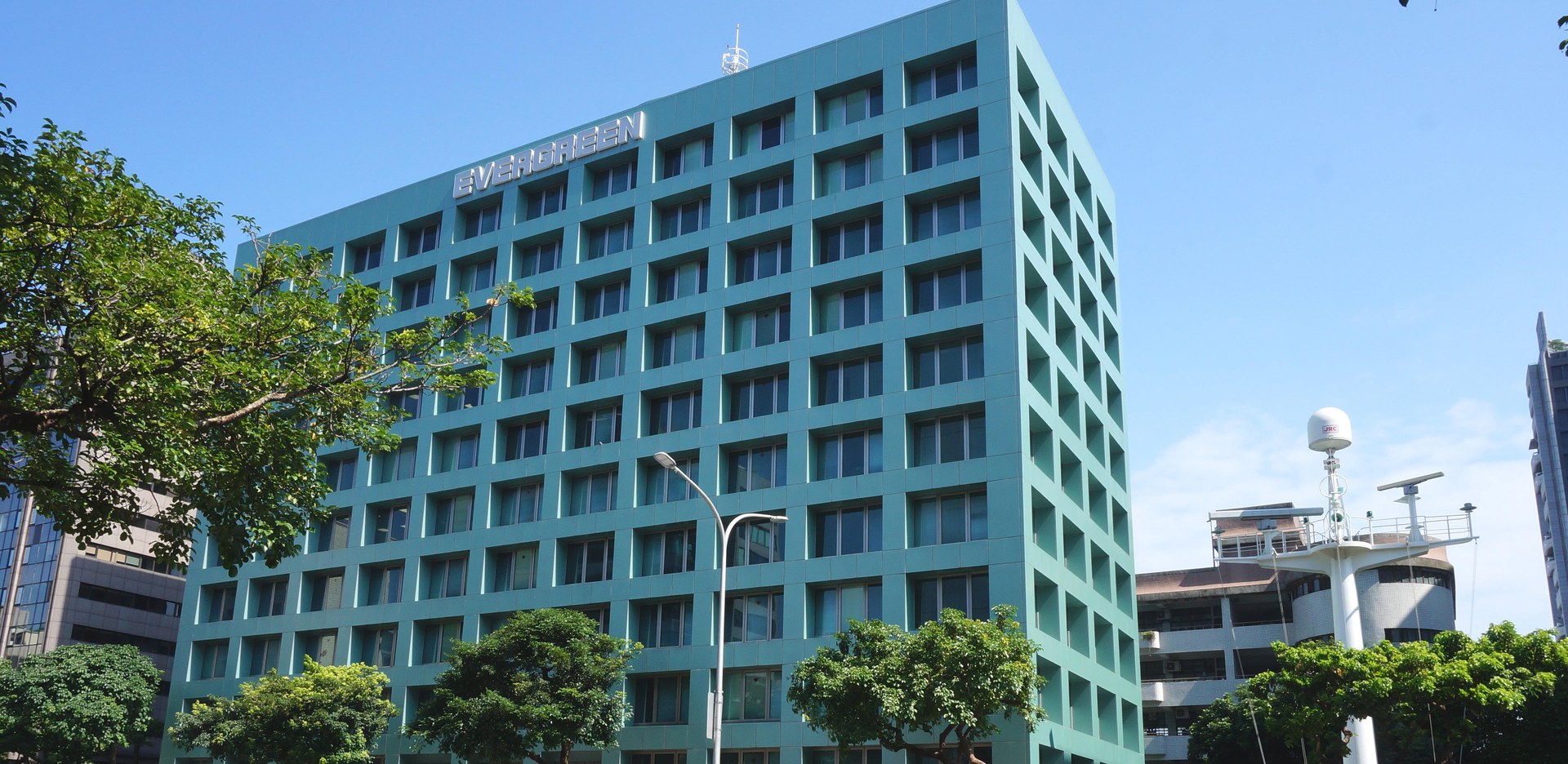
From the case files: The other Taiwanese founder who trusted structures and skipped the instrument: Wang Yung-ching