Only a court can settle what your trust deed means. Ask Julius Baer
Fereydoon Mossanen's Moss Trust holds more than US$50 million, including a listed London mansion, and its deed was amended three times. When his wife died in late 2024, its Singapore trustee, Julius Baer's trust arm, doubted the deed and paid nothing out. The High Court ruled against the trustee, but struck down the clause that gave the protectors the final word. What a Singapore trust deed should say now.
Read this in: EN · 简体 · 繁體 · ไทย · ID
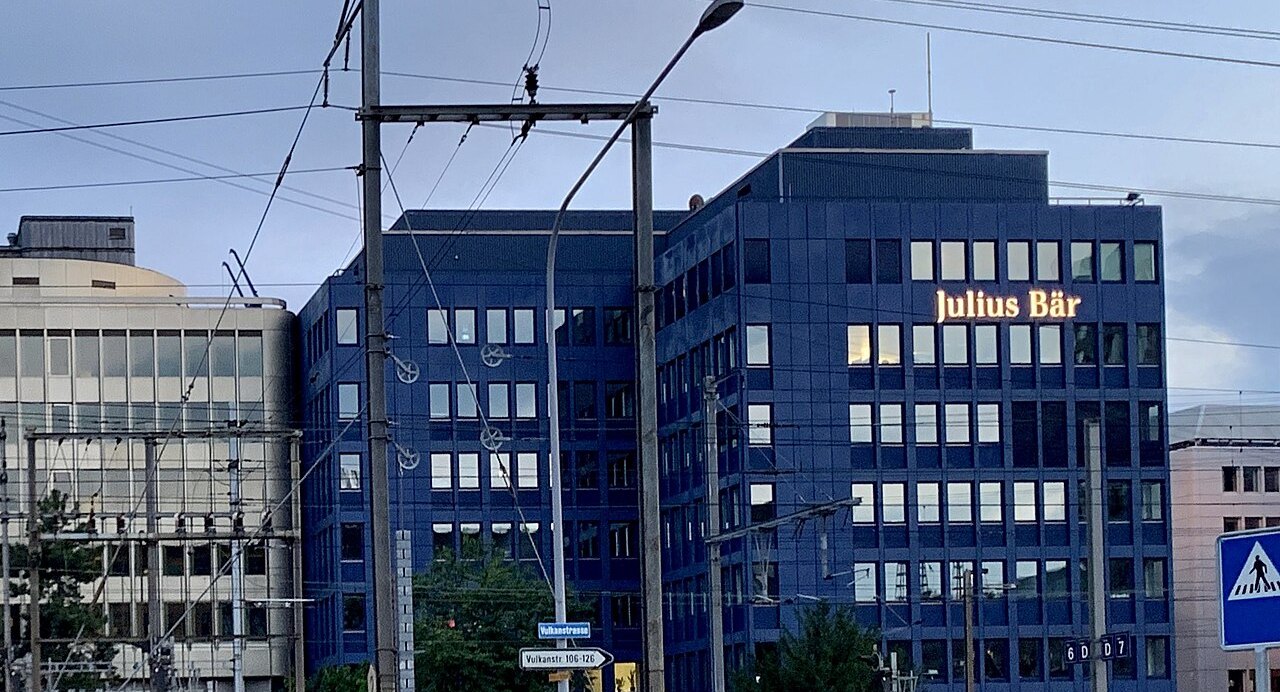
A family sues its Singapore trustee over a US$50 million trust, and the High Court rules against the trustee
On 16 October 2026 The Business Times reported that Singapore's High Court had ruled against Julius Baer Trust Company (Singapore), the trust arm of the Swiss private bank, in a dispute over a family trust holding more than US$50 million. The Moss Trust was set up in 2016 by Fereydoon Mossanen. Its assets include properties in the United States and Britain, among them 25 Kensington Gore, a 19th-century Grade II listed mansion in London. The settlor, the beneficiaries and the protectors had sued the trustee for breach of trust and fiduciary duty.
A wife dies in late 2024, and the deed that promised her children everything at once pays them nothing
The deed was amended several times between 2016 and 2024, including in 2017, 2019 and 2024. The settlor's wife was the main beneficiary, and the latest version told the trustee to distribute everything left to the settlor's children immediately on her death. She died in late 2024. According to the claimants' lawyers, Drew & Napier, the trustee had not questioned the latest deed before then. Afterwards a dispute arose over whether the children should receive the shares of the holding companies or the properties those companies own, which carry different tax consequences. Nothing was distributed.
The trustee calls every amendment after 2019 invalid and falls back on the 2017 deed, so nothing moves
The trustee then argued that every amendment after 2019 was "highly likely" invalid, that it had no power to amend the trust, and that the "most likely position" was the 2017 deed; it also said it was unsure how the assets should be distributed. The claimants said there was no uncertainty and the latest deed governed. The trustee also attacked a clause in the latest deed giving the protector "absolute authorisation" to resolve any conflict or ambiguity in the trust and its amendments, in the protector's "sole and absolute discretion". It said the clause ousted the court's jurisdiction. On that point the court agreed with the trustee.
A Singapore court strikes down the protectors' final say, a first lawyers say reaches the whole trust industry
Drew & Napier told the paper that, to its knowledge, no reported Singapore case had ruled on such a clause, or on protectors' powers generally; that such clauses are common in offshore trusts; and that the ruling would have significant ramifications for the trust industry. The case also involved the doctrine of the imputed exercise of powers, which the firm said Singapore case law had not considered before. Julius Baer Trust Company (Singapore) declined to comment on ongoing legal proceedings. The written judgment was not on eLitigation when we checked on 17 October 2026, so the court's reasons and orders are known only as reported.
- 1The Business Times (Chloe Lim), 16 Oct 2026: High Court rules against Julius Baer Trust Company (Singapore) over the Moss Trust (settlor Fereydoon Mossanen, 2016; assets over US$50m incl. 25 Kensington Gore); amendments 2017, 2019, 2024; wife's death late 2024; trustee's 2017-deed position; the protector resolution clause struck down as ousting the court; imputed exercise of powers; Julius Baer declines comment
- 2Trustees Act 1967 s83(1) (Part 7, Transparency and Effective Control: "protector" means a person who, under the instrument creating the express trust, has any control over how a trustee administers the trust; a protector is a "relevant trust party"), whole Act, current version as at 17 Oct 2026, read on Singapore Statutes Online 17 Oct 2026; the only place the Act uses the word
- 3Trustees Act 1967 s2(2) (statutory powers subject to the trust instrument), s56 (court may confer a power the instrument lacks, on application by the trustees or any beneficiary) and s60 (relief for a trustee who acted honestly and reasonably, including for omitting to obtain the court's directions), current version as at 17 Oct 2026, read on SSO 17 Oct 2026
- 4Trustees Act 1967 s90(5) (no trust is invalid only because the settlor reserves powers of investment or asset management), current version as at 17 Oct 2026, read on SSO 17 Oct 2026
- 5eLitigation, Supreme Court written judgments: no Moss Trust judgment published as at 17 Oct 2026 (High Court judgments checked through [2026] SGHC 216)
A family pays for a trustee, protectors and three amendments, and gets a lawsuit when the deed must work
This family did the expensive things right. It chose a professional trustee in Singapore, appointed protectors to watch the trustee, and kept the deed up to date as life changed, amending it in 2017, 2019 and 2024. Then the deed had to work, on the day the settlor's wife died, and the trustee doubted it. Nothing was paid. The children who were meant to receive everything at once received a lawsuit instead.
A deed gives its protector the last word on meaning, and the Singapore court takes it back
Two weaknesses surfaced together. The first is the amendments. Each is only as good as the power it used and the person who signed it, and nobody tested that until the day of distribution. The second is the clause meant to stop exactly this kind of argument: a protector with the final word on any conflict or ambiguity. The court, as reported, struck it down, because the final word on what a trust means belongs to the court.
A cautious trustee refuses to pay on a doubtful deed, and the doubt costs the children nearly two years
None of this needs bad faith from anyone. A trustee answers personally for paying the wrong person, so it is most cautious at the moment of distribution, which is when a doubtful deed costs the most. The planning lesson is to make the deed impossible to doubt before that day comes, and to know in advance where a genuine doubt will be decided.
A Singapore deed can give a protector real powers, to consent, veto, appoint and remove, but not the court's job of deciding what the deed means; so every amendment should name the power it uses and be confirmed by the trustee in writing, and the deed should say in what form the assets pass.
A Singapore family checks its own trust deed in 2026, before a Singapore court has to read it for them
This one already happened in Singapore: a Singapore trustee, a Singapore court, and what the claimants' lawyers call the first reported Singapore ruling on such a clause. So the useful question is not what Singapore would change, but what a family with a Singapore trust should check now. Two honest limits come first. The written judgment is not yet published, so the reasons are known only through one newspaper report and one side's lawyers. And proceedings are described as ongoing, so the ruling may yet be appealed.
Singapore's 1967 trust statute names the protector only once, and grants it no power the deed does not
Start with the statute. The Trustees Act 1967, read on Singapore Statutes Online on 17 October 2026, uses the word "protector" in one place only: the definitions in section 83(1) for Part 7, which deals with transparency and effective control. There a protector is a person who, under the trust instrument, has any control over how a trustee administers the trust, and is listed among the "relevant trust parties" that Part covers. The Act gives a protector no powers at all. Whatever a protector can do comes from the deed, and from nowhere else.
A trustee in doubt asks a Singapore judge for directions, and the statute shields the one who acts honestly
That is why the clause failed, as reported. A protector's powers come from the deed, and what the deed means is a question of law. A clause that hands the final answer on any conflict or ambiguity to a private person tries to take that question away from the court, and the trustee argued, successfully, that this ousted the court's jurisdiction. The Act assumes the court is there. Section 60 lets the court excuse a trustee who acted honestly and reasonably, including for failing to obtain the court's directions. Section 56 lets the court give trustees a power their deed lacks, on application by a trustee or any beneficiary.
Protectors keep their power to consent, veto and replace the trustee; only the final word on meaning falls
What the ruling does not say, on the reported facts, matters as much. It struck down a final word on conflicts and ambiguities. Nothing reported touches the ordinary powers families give protectors: to consent to a distribution or a sale, to veto an investment, to appoint or remove the trustee. Parliament has shown it can protect a reserved power when it wants to. Section 90(5) says no trust is invalid only because the settlor keeps powers of investment or asset management. There is no matching section for a protector who interprets the deed. Until the judgment is published, a prudent deed treats that power as unreliable.
A settlor amends the deed with the power named and the trustee's signature, and no one can doubt it later
Next, the amendments, which the trustee treated as the real problem. Section 2(2) of the Act makes its powers subject to the trust instrument, so the deed is the rulebook, and the rulebook decides who may amend it, how, and with whose consent. The practical fix is to make every amendment recite the clause and the power it uses, have it signed by exactly the person that clause names, and get the trustee to confirm in writing, at the time, that it accepts the amended deed as the trust's terms. Here, according to the claimants, the trustee raised no doubt until the day it had to pay.
The court can rescue an amendment made under the wrong label, but a careful family never needs the rescue
The doctrine the court considered points in the same direction. In general terms, the imputed exercise of powers lets an act stand as the use of a power even when the document never mentions that power, if the person doing it held the power and the act fits it. It can rescue an amendment made under the wrong label. A family should not have to rely on a rescue. A deed whose amendments each name their power, and carry the trustee's confirmation, never needs the doctrine.
Heirs are promised everything but not whether it means the companies or the houses, and the gap stalls the payout
Then the form of distribution, which is where this dispute began. The children were to receive everything, but the deed did not settle whether "everything" meant the shares of the holding companies or the properties inside them. The two carry different tax consequences. The deed, or a letter of wishes the trustee is told to follow, can say which, or can give the trustee a power to choose by stated criteria after tax advice. That advice is best taken while the life tenant is alive and the family can still agree, rather than after the death, when the trustee is at its most cautious.
A family takes one narrow question to a Singapore court while still talking, and keeps the fight small
Last, where a genuine doubt gets decided. Families add final-word clauses because they fear court. The answer this ruling points to is not to avoid the court, but to make its job small: name the governing law and the forum, and let the trustee or any beneficiary ask the court for directions on a narrow question while the family is still talking. Here the life tenant died in late 2024, and nothing had been paid out when the ruling was reported in October 2026.
An heir asks three questions about the trust at the table in 2026, while everyone still agrees on the answers
For the reader whose family holds assets in a trust, the questions can be asked at the table while everyone still agrees. Does the deed say who may amend it, and has the trustee confirmed each amendment in writing? Does any clause give a protector or anyone else the final word on what the deed means? When the life interest ends, does the deed say whether the beneficiaries receive the companies or what the companies own? Wanting those answers is stewardship, not suspicion. The Moss Trust judgment, when it is published, will show how much of this the court decided.
The settlor's children — everything left in the trust, under the 2024 deed, on their mother's death in late 2024; nothing distributed by October 2026; a ruling reported in their favour, with the reasons unpublished
Julius Baer Trust Company (Singapore) — a ruling against it on the claim, as reported; a win on the protector clause it challenged; no comment while the proceedings continue
The protectors — a clause that would have made them the final judge of the deed, struck down; no report that their other powers were touched
Fereydoon Mossanen, the settlor — a trust he set up in 2016 and amended three times, defended in court as a claimant against his own trustee
Trust companies and families with offshore-style deeds — what the claimants' lawyers call the first reported Singapore ruling on a protector's final-word clause, which they say such deeds commonly carry
The reader with a family trust — three questions: who may amend the deed and whether the trustee confirmed it; whether anyone claims the final word on its meaning; and in what form the assets pass when a life interest ends
A counterfactual, not advice. The verified machinery is on the Singapore page; where your family stands is the briefing.

From the case files: When a trust meets the court: Wang Yung-ching's Bermuda trusts and the Privy Council