You can't leave one team to six children. Ask the Lakers
Jerry Buss left the Lakers to his six children in a trust — equal money, but the wheel held in place by an annual vote. Thirteen years on, his daughter has gone to court to stop her own family selling. What if the deed had answered the question first?
Read this in: EN · 简体 · 繁體 · ไทย · ID
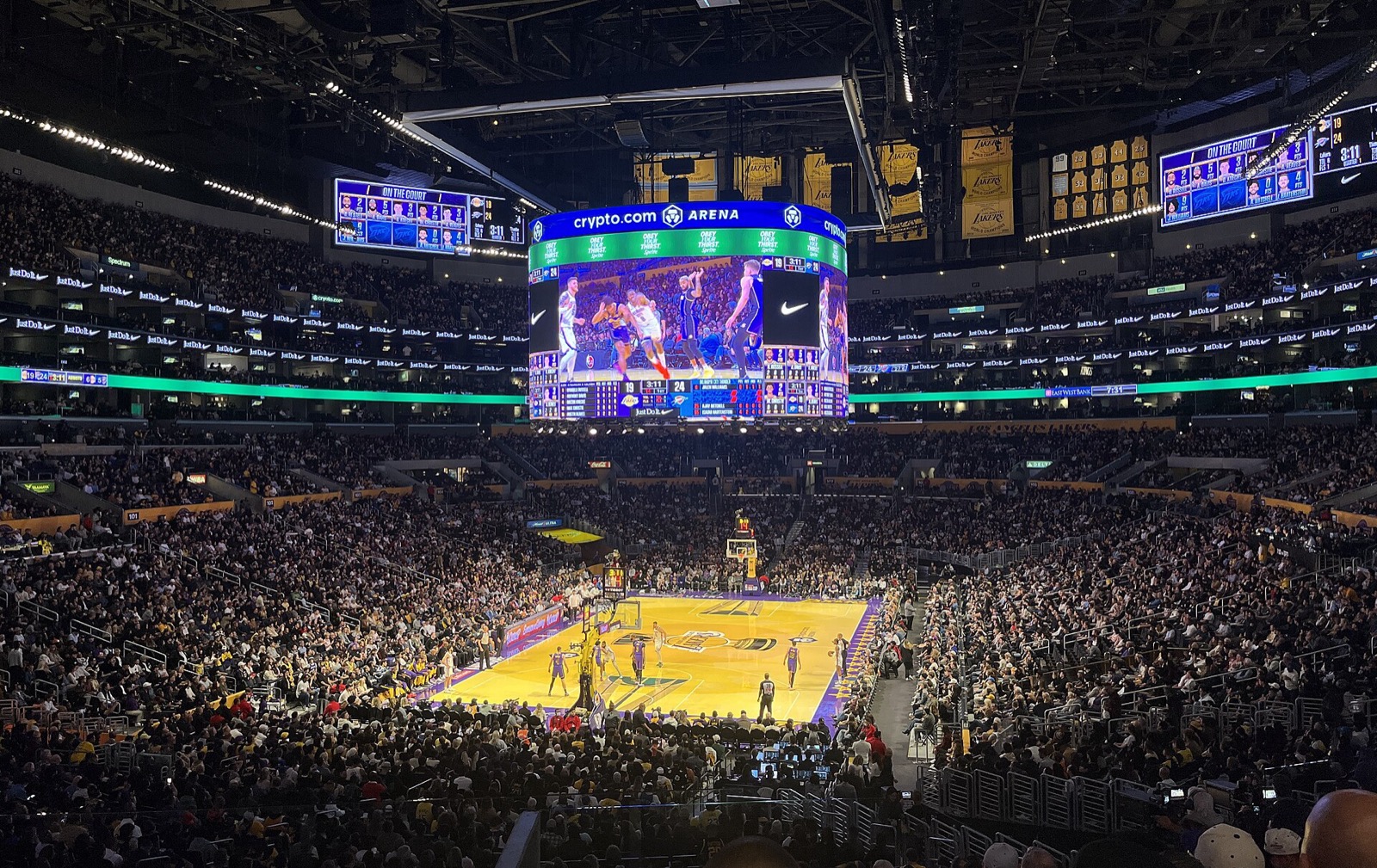
Jeanie Buss sues her own siblings to stop them selling 17.8% of a $12.5 billion franchise
On 26 August 2026, Jeanie Buss — the Lakers' controlling owner — filed a petition in Los Angeles Superior Court to block her siblings' vote to sell the family trust's remaining 17.8% of the team, and to remove her sister Janie and brother Joey as co-trustees. Five of Jerry Buss's six children reportedly favour selling to Josh Kushner and Bob Iger, whose August 2026 purchase of Mark Walter's majority stake valued the franchise at $12.5 billion. The father's trust has held the family's Lakers interest since his death in 2013.
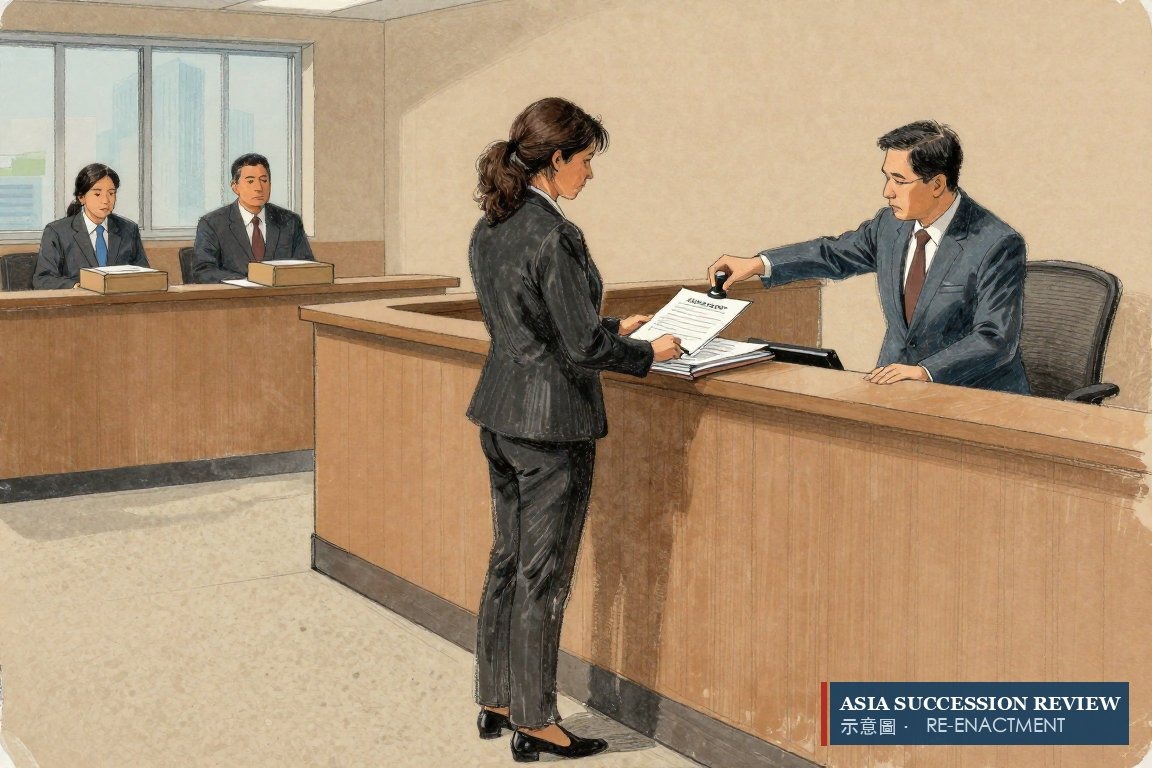
Jerry Buss puts the Lakers in a trust but leaves Jeanie's control to an annual vote her siblings cast
Jerry Buss did what the textbooks say. He put his 66% of the Lakers into a trust, gave each of his six children an equal slice of the value, and named which of them should run the team. And thirteen years later the structure is in court anyway — because the deed divided the money but borrowed the control. Jeanie's seat at the wheel rests on a 2017 court order requiring the trustees to re-elect her controlling owner every year of her life; her lawyers say the trust obliges two of her own siblings to vote her stake above the NBA's 15% governor floor.
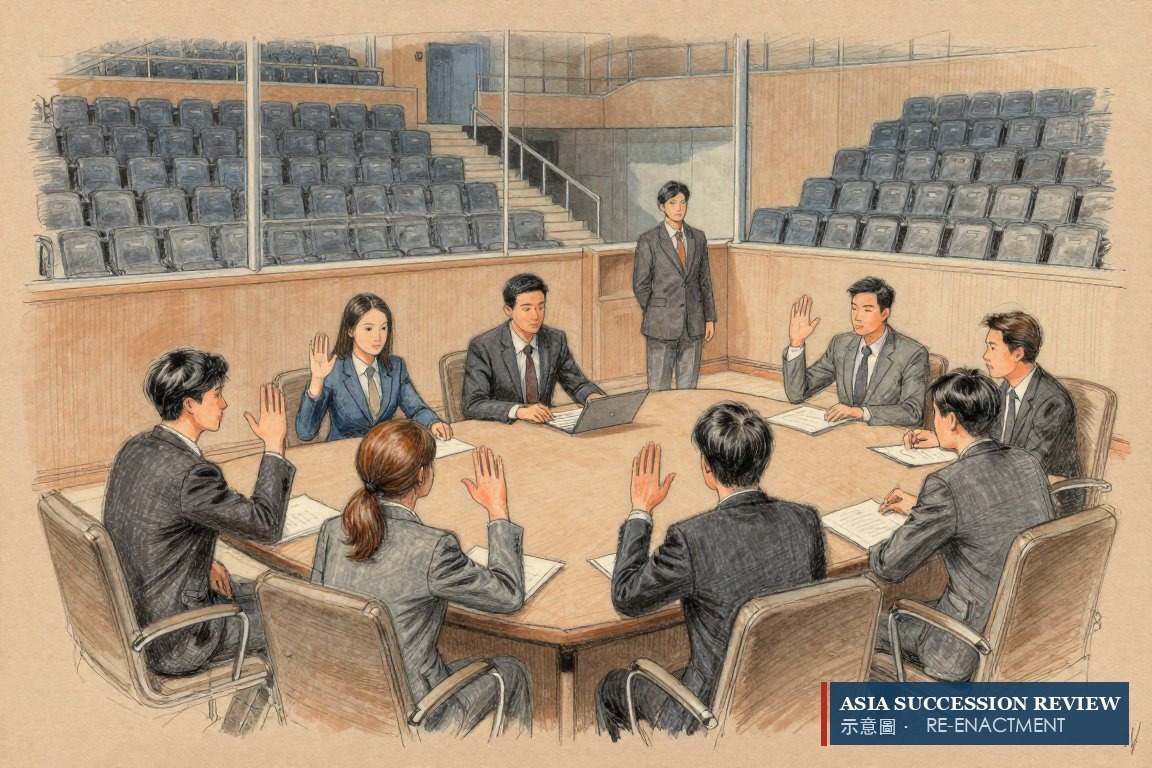
A clause routes a dead sibling's share to the survivors, so every Buss child is paid to sell while alive
A reported 'last man standing' clause routes a dead sibling's share to the surviving siblings, not to their children — which quietly pays every sibling to cash out while alive. And on the one question now worth $12.5 billion — can the trust sell the crown asset, and who decides? — the deed appears to be silent. A trust that leaves control to an annual vote and the sale question to the courts has not planned the succession. It has scheduled the fight.
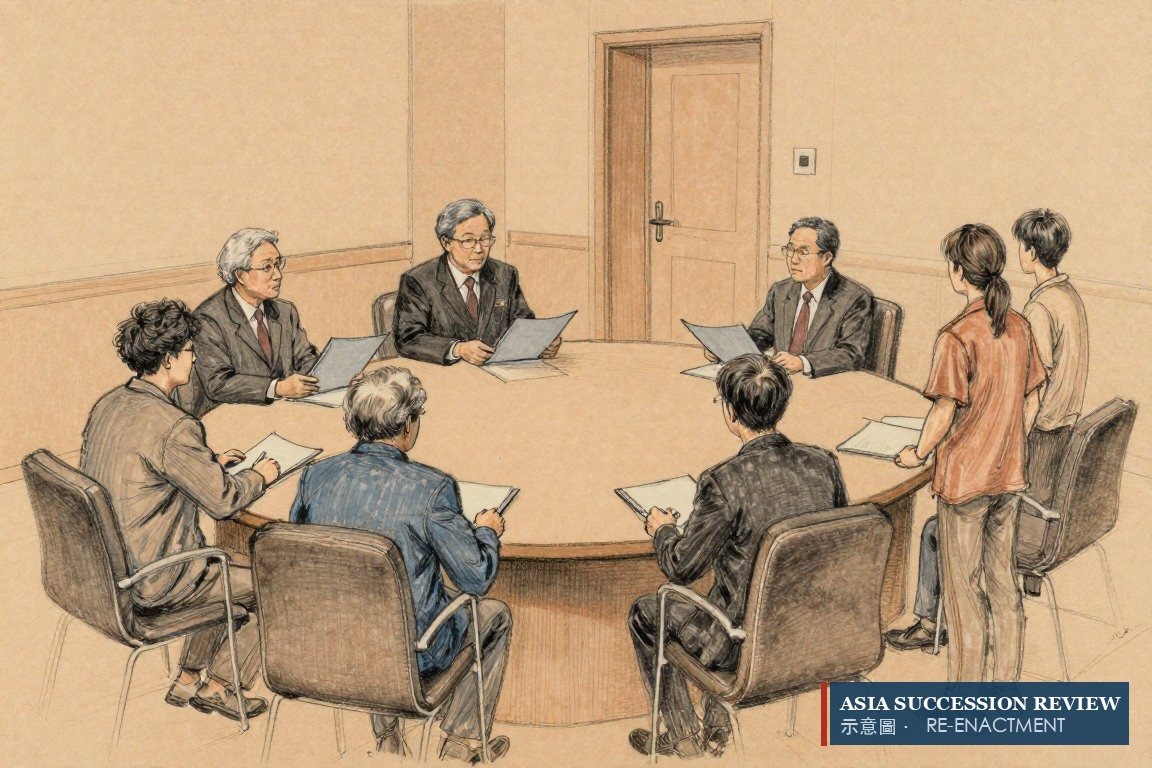
A deed that answers the sale question before anyone needs to ask it — who decides, at what price, and what happens to the one who disagrees — never meets a judge.
In Singapore the deed gives all 6 children equal money and names the controller, so no annual re-election exists
Run it as a Singapore structure. The founder settles the controlling stake in his lifetime; the deed gives all six children identical economic shares — the equality Jerry Buss plainly wanted — and writes control as its own chapter, not as a favour renewed annually. The designated successor holds the wheel because the deed says so: a private trust company with a named succession of leadership, and a letter of wishes explaining, in the founder's own words, why this child steers. No annual re-election for the siblings to threaten; no court order propping up what the drafting should have settled.
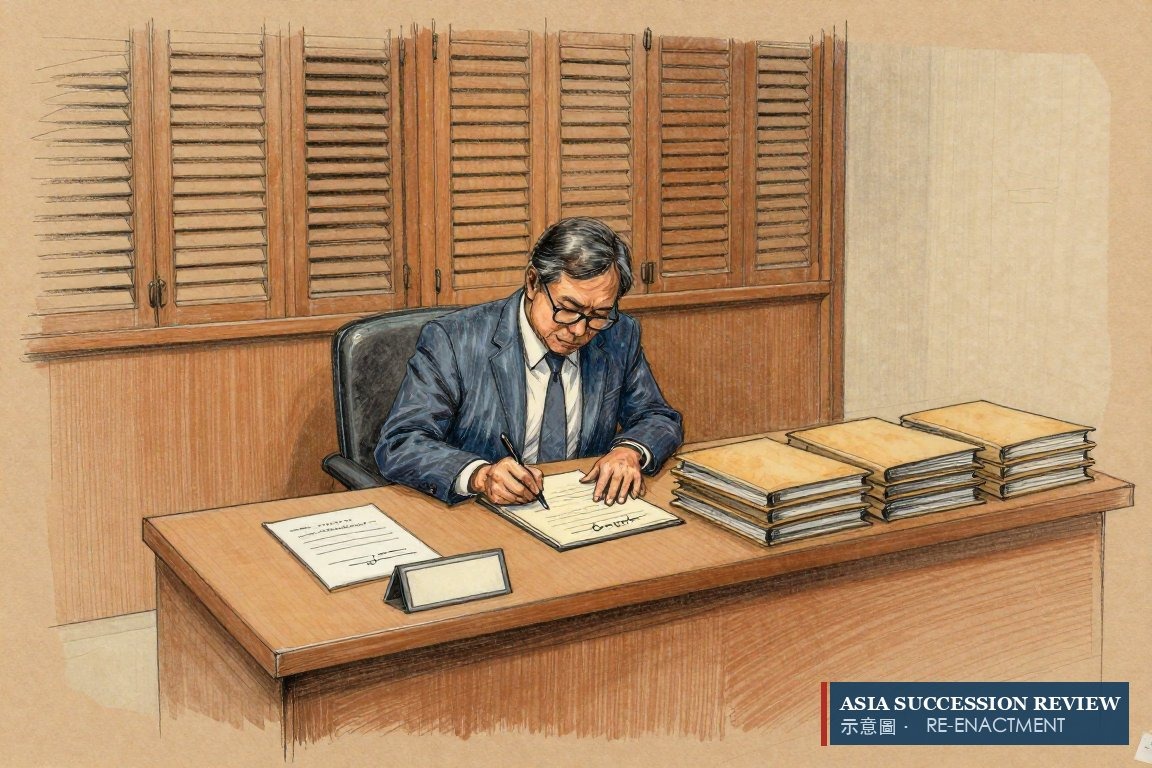
The deed states who may sell and funds the exit, so 5 siblings wanting cash never reach a courtroom
Then the deed answers the question this family is now litigating: under what conditions the trust may sell the asset that defines it. A written decision rule — a defined majority plus the named controller's consent, or an independent tiebreaker when they split — and, for the sibling who wants liquidity rather than legacy, an exit priced by formula and funded in advance, so that 'five want the money, one wants the wheel' resolves by mechanism instead of by petition. Disagreement goes to private arbitration in Singapore, not into a public docket beside the family name.
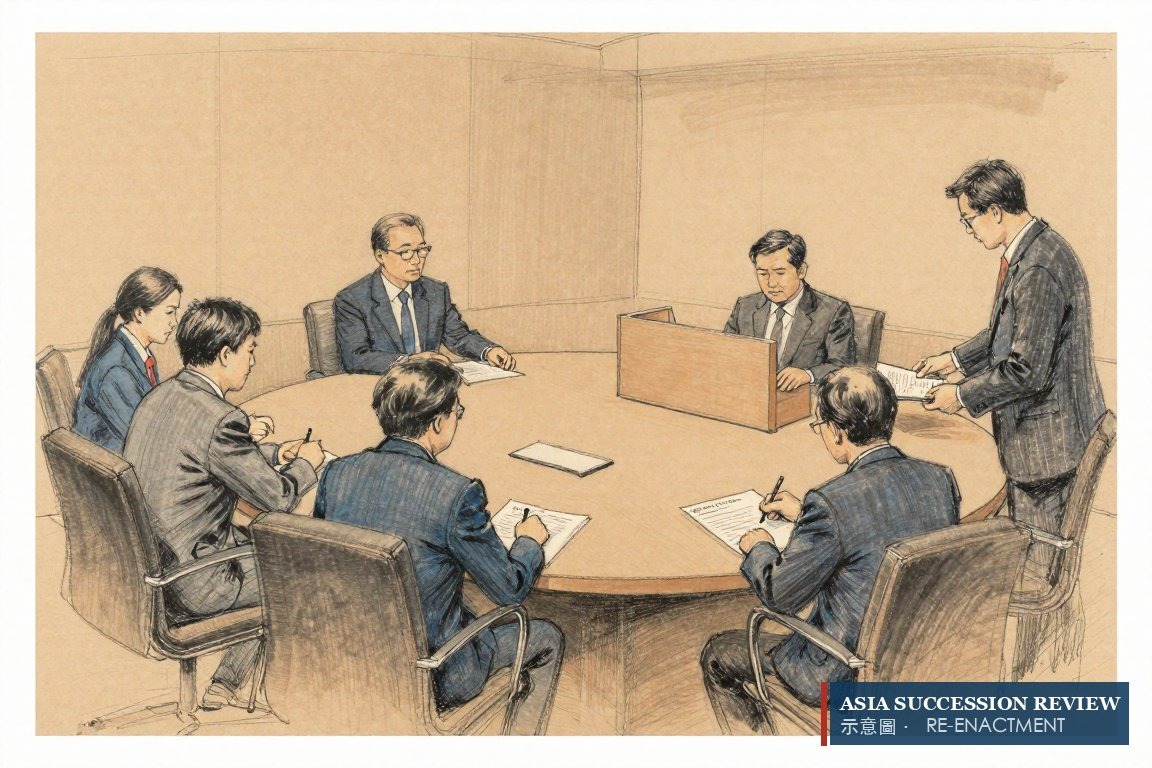
A Singapore drafter deletes the survivor clause, because paying siblings to outlive each other disinherits every grandchild
The one clause a Singapore drafter would strike entirely is 'last man standing': a deed that pays siblings to outlive each other — and disinherits grandchildren by default — is an incentive plan for exactly this week's news.
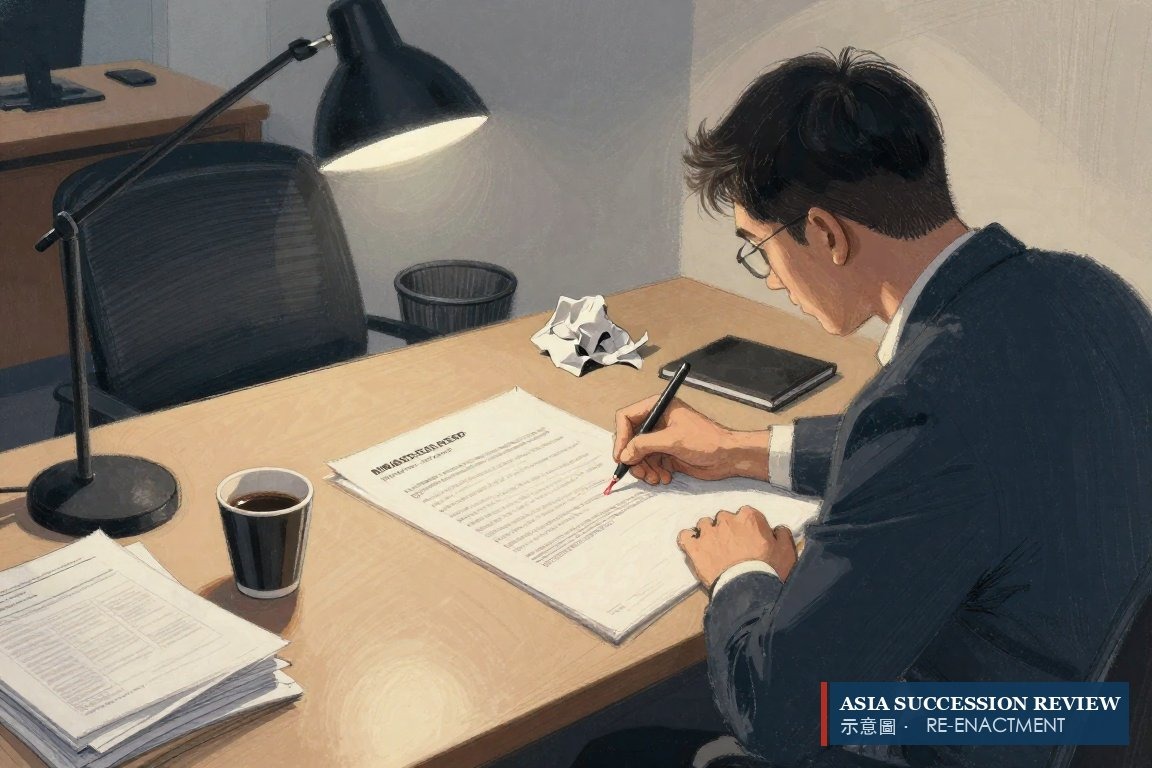
The NBA's 15% floor outranks every trust deed, so no Singapore structure could ever have housed the Lakers
One honest footnote. An NBA franchise is irreducibly American — the league's ownership rules, including the 15% floor now in dispute, sit above any trust deed on earth, and the California court supervising the Buss trust is doing precisely what it was asked to do in 2017. Singapore could not house the Lakers.
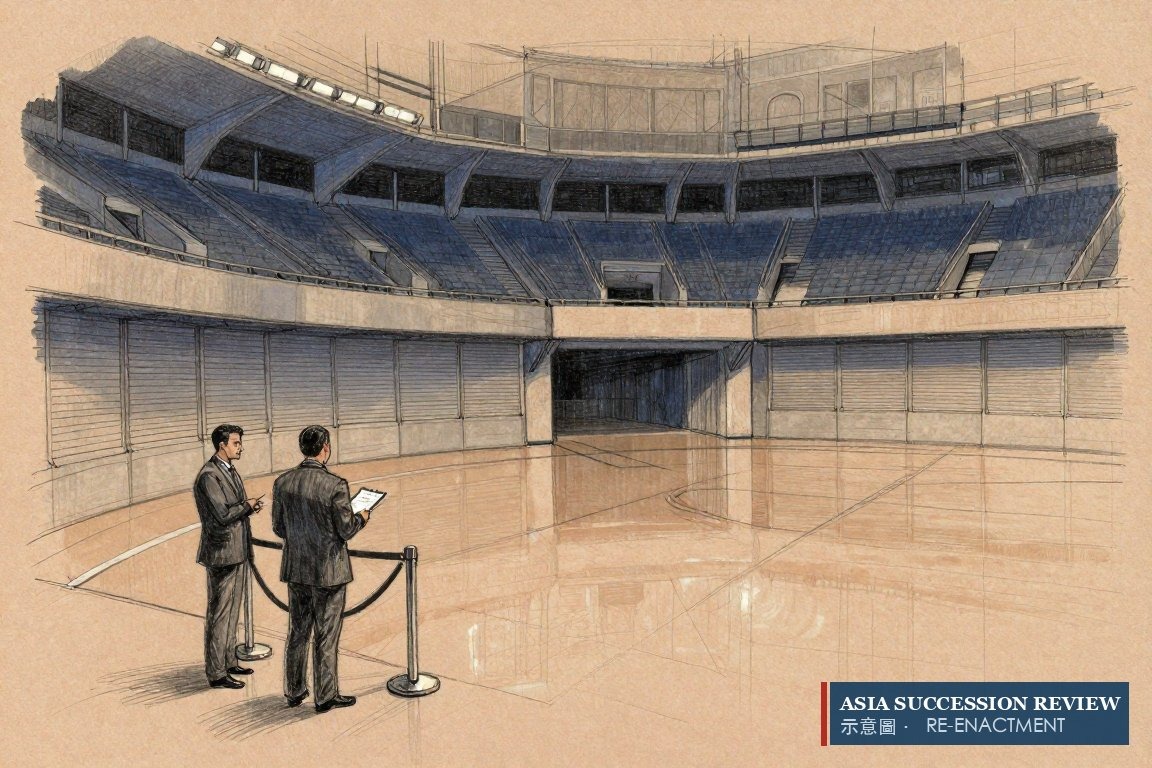
A trust that divides value but not decision leaves an Asian founder's heirs half an answer and a courtroom
The lesson travels the other way: for an Asian founder whose crown asset is an operating company, this is what 'I set up a trust' looks like when the trust divides value but not decision — and Singapore's trust law (settlements that can run 100 years, s90 of the Trustees Act shielding against foreign forced-heirship claims, no public register) exists precisely so a living founder can write the whole answer, not half of it.
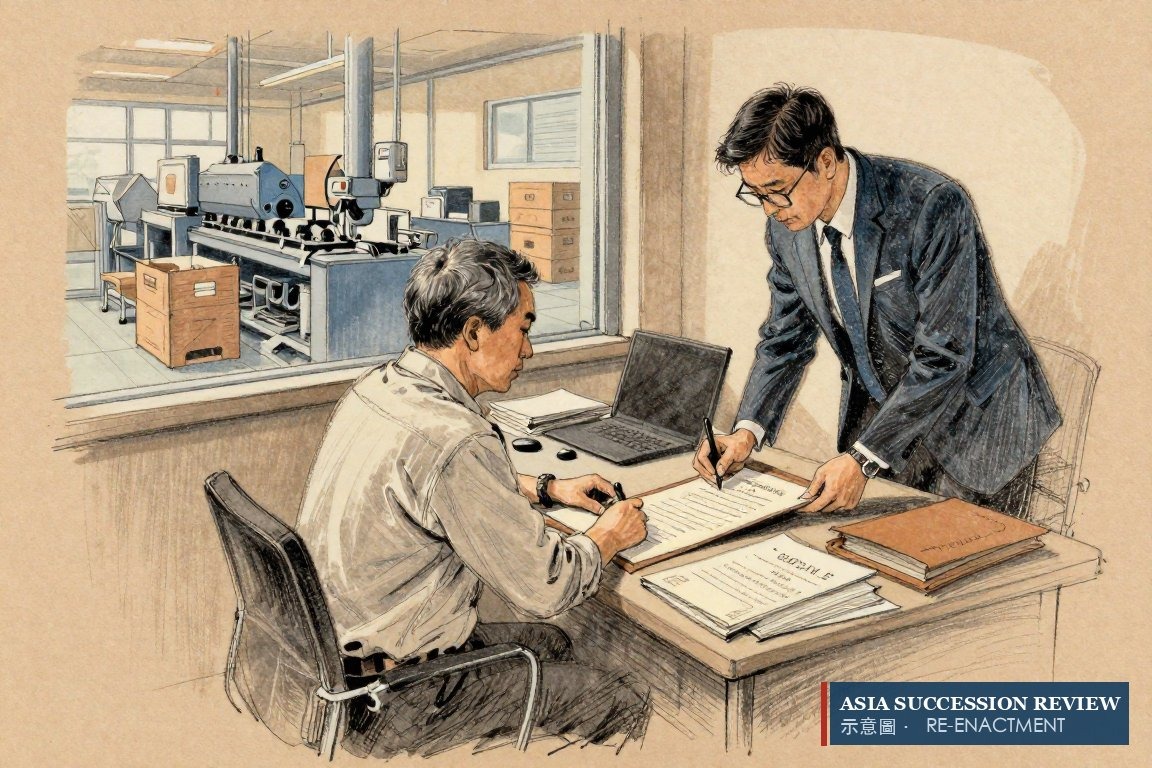
Each of the six children — an equal share of the value — the father's fairness, kept to the dollar
The designated successor — the wheel, held by the deed itself — not by an annual vote a sibling can withhold
The five who would rather have the money — a priced, funded exit — instead of a petition with their names in it
The grandchildren — their parent's share, by instruction — not surrendered to whoever survives longest
A counterfactual, not advice. The verified machinery is on the Singapore page; where your family stands is the briefing.
From the case files: When control is left to be fought over: Stanley Ho's four branches