Adopting the heir got LG's chairman the company, not the ₩2.3 trillion
LG's chairman was adopted in 2004 so that the group could pass to him. In the weeks after the 2018 funeral his adoptive mother and two sisters signed a partition agreement that gave him almost the exact inverse of the statutory shares. She has since tried to undo the signature, and then the adoption itself. Both failed. What if it had been Singapore?
Read this in: EN · 简体 · 繁體 · ไทย · ID

A Seoul judge refuses to dissolve the 2004 adoption, so the widow stays the chairman's legal mother
On 3 September 2026 the Seoul Family Court dismissed at first instance a petition by Kim Young-sik — widow of the late LG chairman Koo Bon-moo and, since 2004, the adoptive mother of the present chairman Koo Kwang-mo — for judicial dissolution of that adoption. She had filed it in November 2024, while the family's inheritance litigation was already running. The court did not disclose its reasoning in open court, and the ruling leaves Koo Kwang-mo's legal status as his adoptive father's son unchanged.
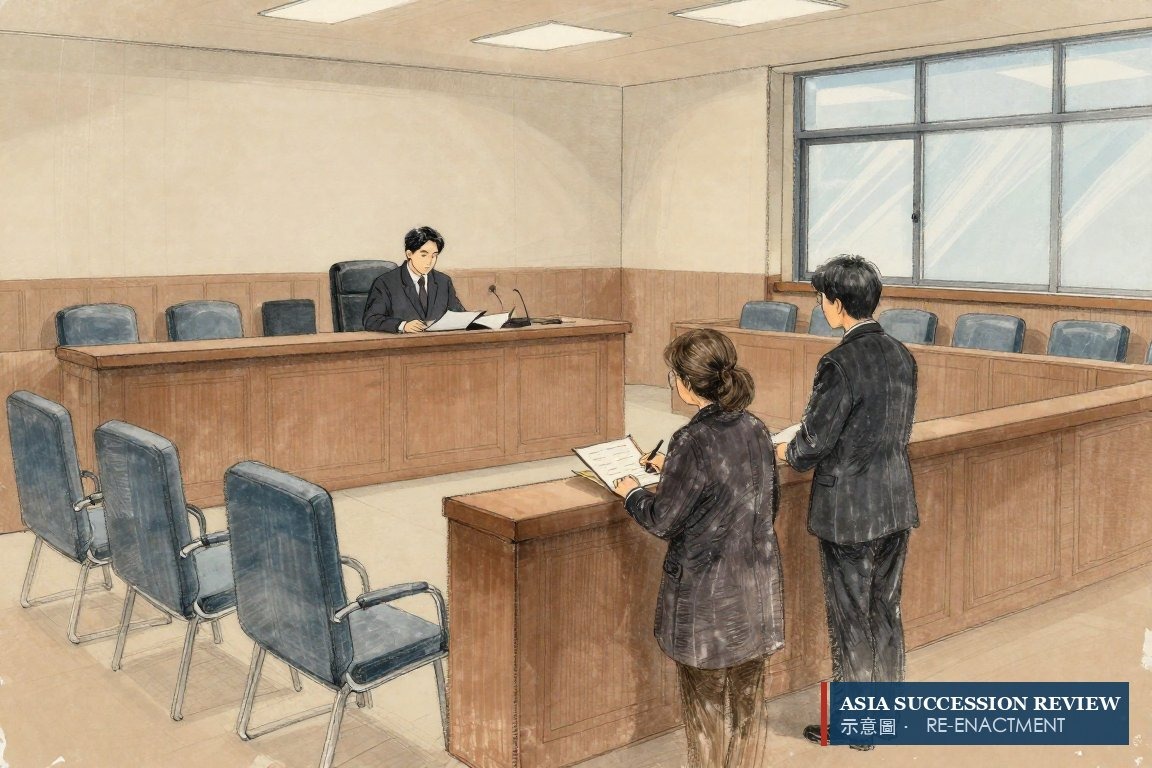
The widow signs the 2018 split and gets no LG shares, so 8 years later she is still in court
One day later, on 4 September 2026, the Seoul High Court's Civil Division 8-3 opened the appeal in the separate suit that Kim and her two daughters, Koo Yeon-kyung and Koo Yeon-su, brought in February 2023 to reopen the 2018 division of the estate. Koo Bon-moo died in May 2018 leaving 19,458,169 shares in LG Corp, 11.28 per cent of the holding company. Under the partition agreement the family signed, Koo Kwang-mo took 15,122,169 of them, 8.76 per cent; Koo Yeon-kyung took 2.01 per cent, Koo Yeon-su 0.51 per cent, and the widow took no LG Corp shares at all.
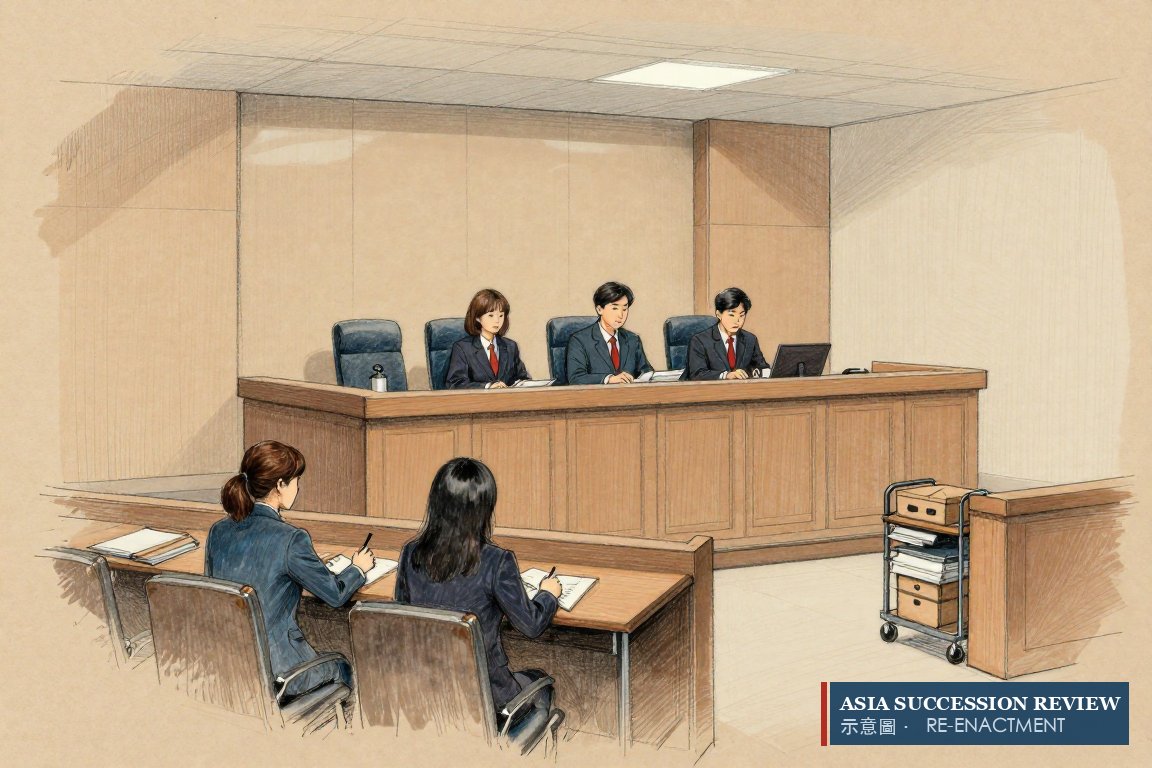
Three women sign away 2.3 trillion won believing a will exists, and the court says none was written
On LG Corp's closing price of ₩118,300 on 3 September 2026, the block the founder left is worth about ₩2.3 trillion. The three women say they signed believing a will existed, learned afterwards that there was none, and are entitled to have the estate redivided on the statutory formula. The Seoul Western District Court rejected that on 12 February 2026, holding the agreement validly made and finding neither mistake nor fraud; it did, however, refuse Koo Kwang-mo's argument that the claim was time-barred. The plaintiffs appealed on 4 March 2026.
- 1The Korea Times, 3 Sep 2026 — Seoul Family Court dismisses the petition; petition filed Nov 2024; adoption in 2004
- 2Seoul Economic Daily, 3 Sep 2026 — first-instance loss for the widow
- 3비즈한국 Bizhankook, 4 Sep 2026 — the share counts, the 12 Feb 2026 judgment, the 4 Mar 2026 appeal, the ₩118,300 close and the 4 Sep hearing
- 4연합뉴스 Yonhap, 30 Nov 2018 — ₩921.5bn of inheritance tax declared, first instalment paid 29 Nov 2018, LG Corp shares pledged as security
- 5Korean Civil Act (민법), Act No. 21454, in force 17 Mar 2026 — arts 905, 999, 1009, 1013, 1112, 1114, 1115, 1117
- 6Korean Inheritance and Gift Tax Act (상속세 및 증여세법), Act No. 21065 — s26 rates, s63(3) largest-shareholder premium, s71 instalments
A chairman with two daughters adopts his brother's son in 2004, because the statute would otherwise split LG three ways
Korean law gave this family exactly two instruments for moving a company between generations, and both of them are the wrong kind of thing. The first is a status. Article 1009 of the Civil Act gives every child an equal share and adds half again for the surviving spouse, so a chairman with two daughters and no son could not hand anyone the holding company by default arithmetic — he had to manufacture an heir. In 2004, fourteen years before there was an estate, Koo Bon-moo adopted his brother's son.
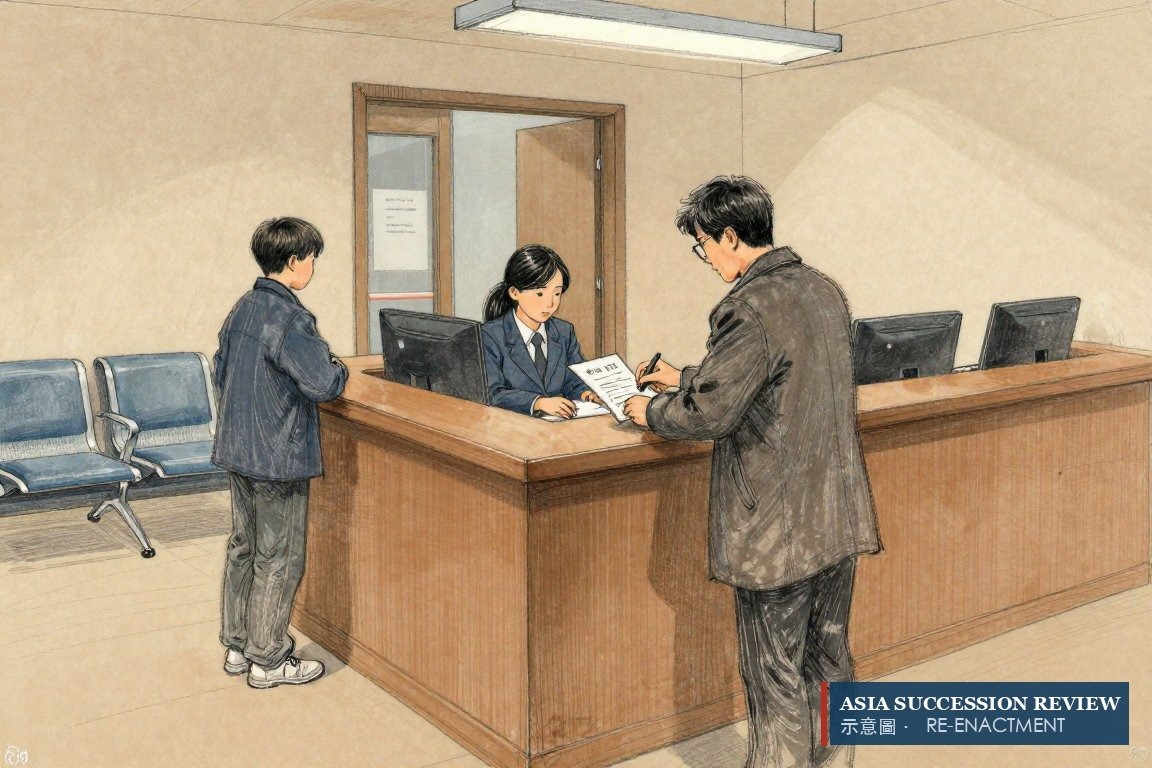
The adoption names an heir but moves no shares, so the estate still has to be divided 14 years later
That fixed who would receive the group, but it did it by changing a person's civil status rather than by moving an asset, and a status can be attacked as a status: article 905 lets an adoptive parent petition for judicial dissolution where the adoption has become impossible to continue. That is the petition the Seoul Family Court dismissed on 3 September 2026. The second instrument is a signature.
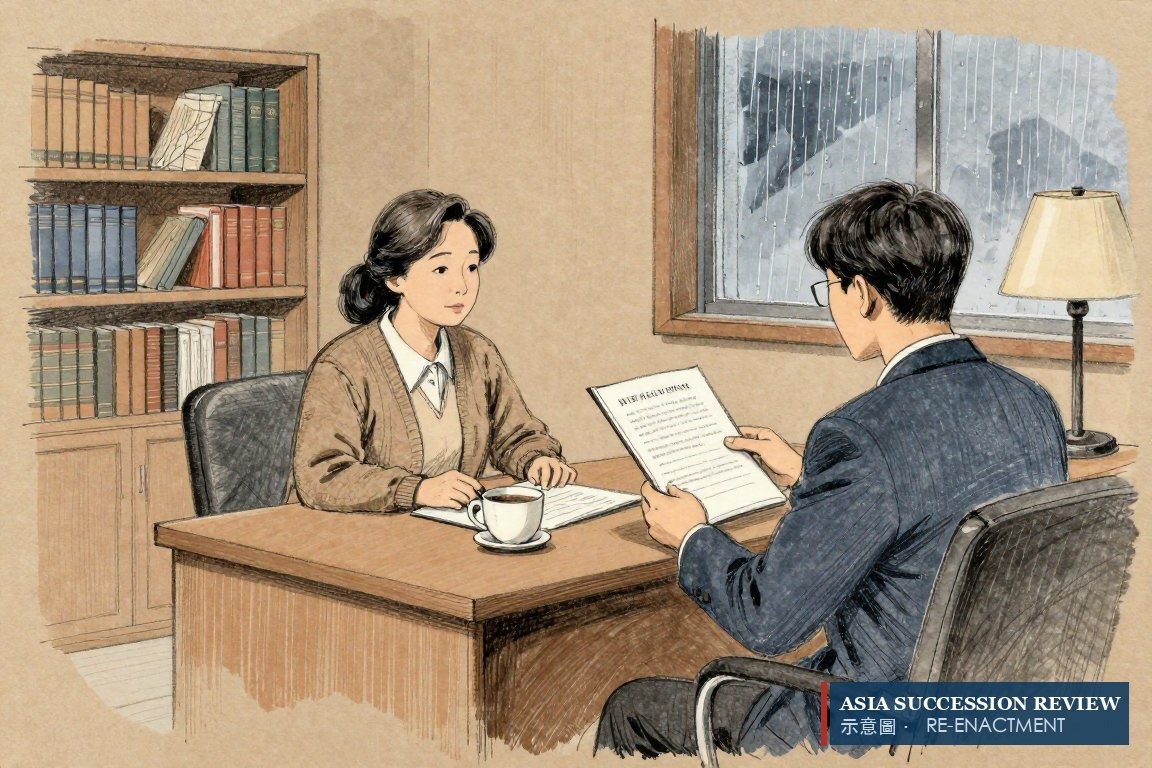
Three mourners sign one page weeks after the funeral and hand the son 8.76 percent, reversing their own entitlement
Article 1013 lets co-heirs divide an estate by agreement, at any time, in any proportion — it is the one document that overrides the statute, and it is signed in the weeks after a funeral, by people who have just buried someone, in a room where the family office is doing the arithmetic. The agreement gave the adopted son 8.76 of the 11.28 points and the three women the rest. Once signed, the only way back is to attack consent itself, for mistake or fraud under articles 109 and 110, which is what failed on 12 February 2026.
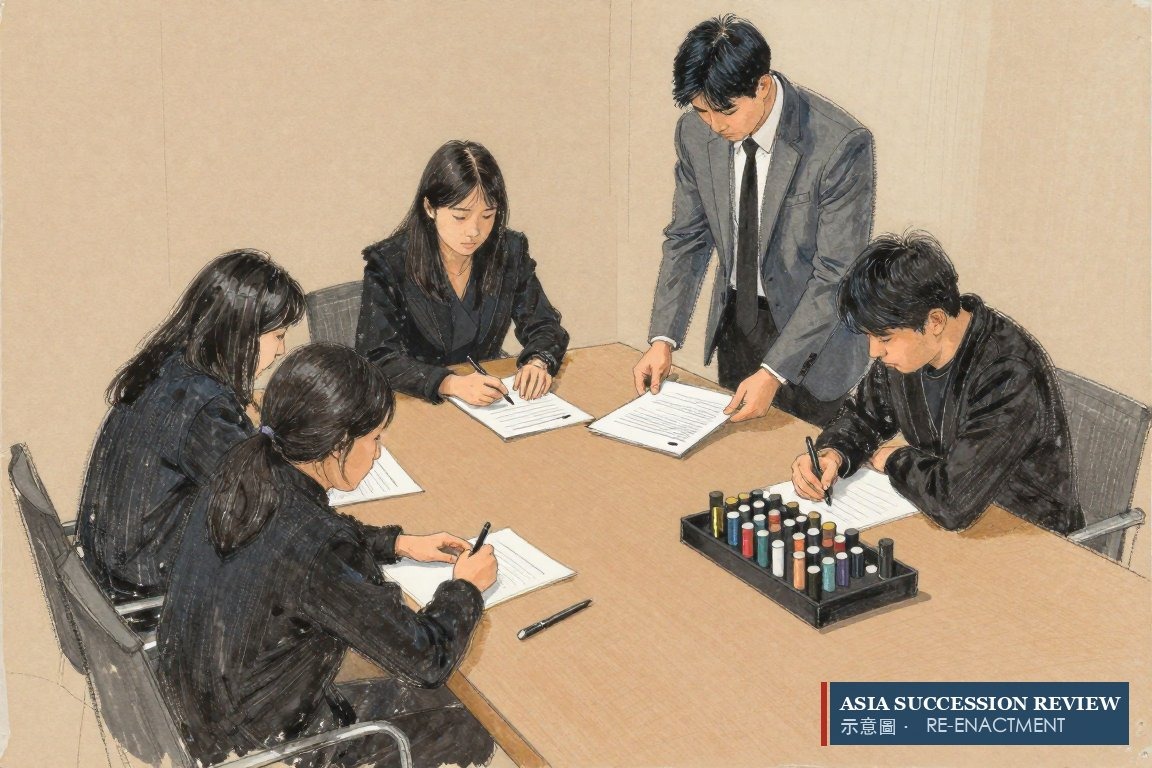
The heir pledges the shares he just inherited to pay a 921.5 billion won tax bill in 6 instalments
Everything this family has done since 2018 has been an attempt to reopen a signature it gave in the month after a death. And the tax ran on its own timetable regardless: ₩921.5 billion declared on 30 November 2018, the first sixth paid the day before, and the inherited shares themselves pledged to the Yongsan tax office, Hana Bank and Korea Securities Finance as security for the rest. The heir had to mortgage the company to pay for receiving it.
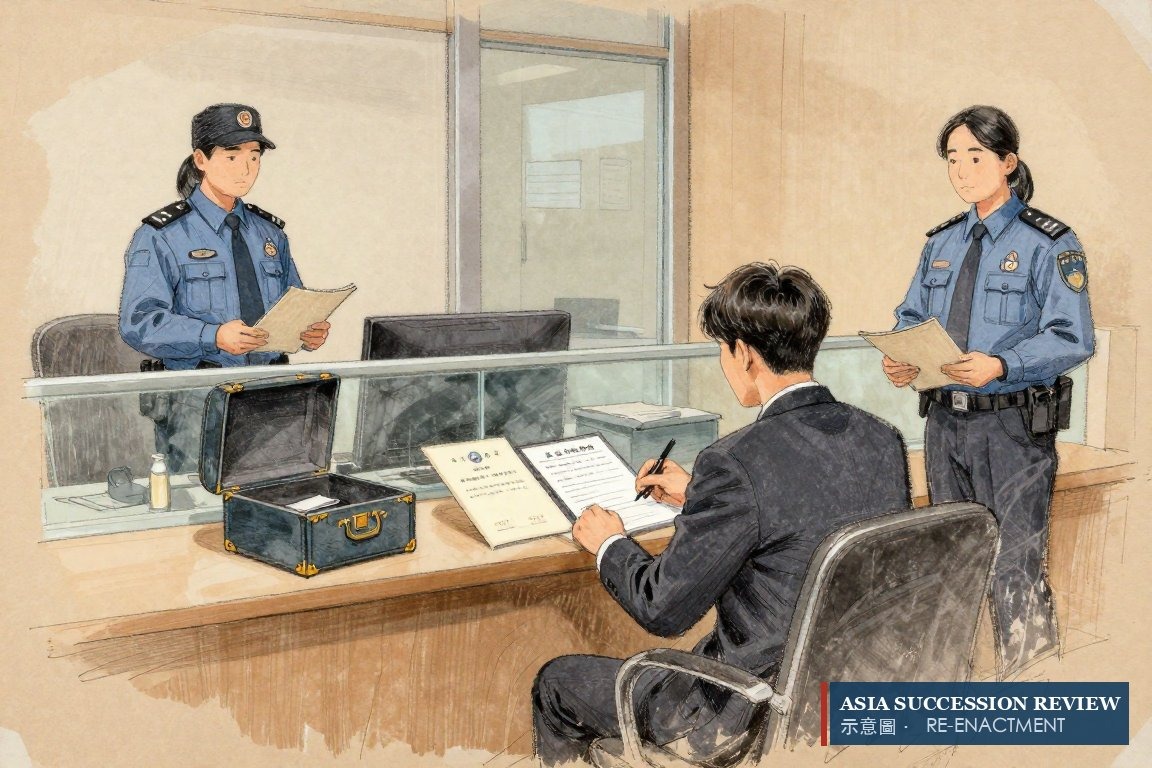
Singapore lets a founder move the company by instrument while he is alive, so there is no estate to divide, no partition agreement to sign in the month after the funeral, and no reserved share waiting behind the will — but it does not move a Korean company out of a Korean court.
Korea guarantees every child half a share, so a Korean will can never hand the company to one son
Start with the thing Singapore actually removes, because it is large and it is often overstated. Korea has forced heirship. Article 1112 of the Civil Act gives descendants and the spouse half of their statutory share and ascendants a third, and it is not waivable by will; article 1114 pulls back gifts made in the year before death, and gifts made at any time where both sides knew the gift would injure a reserved-share holder. Singapore has no forced heirship for non-Muslims.
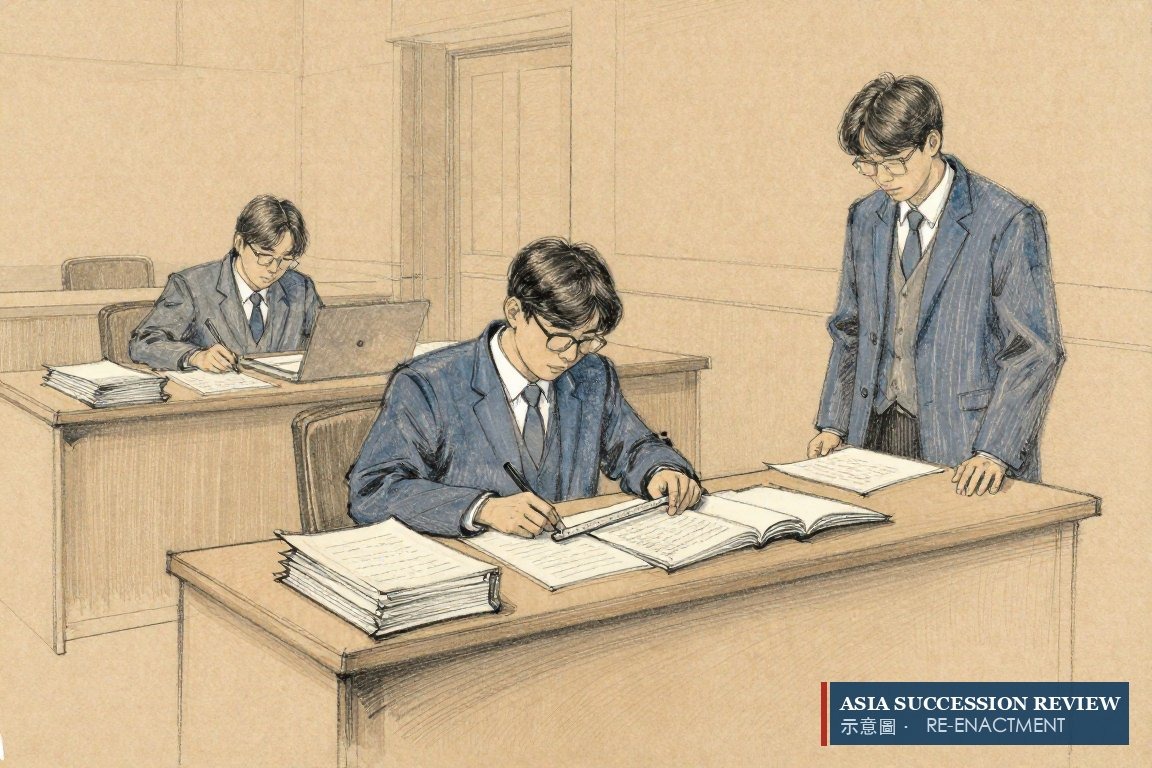
A Singapore will hands the company to one child, and the disappointed siblings can claim only maintenance, not shares
A Singapore will that leaves a holding company to one child cannot be clawed back by the others; the Inheritance (Family Provision) Act 1966 permits only a narrow maintenance claim by a defined class of dependants, which is a different thing entirely. That is the structural gap, and it is why a Korean founder looks at Singapore at all.
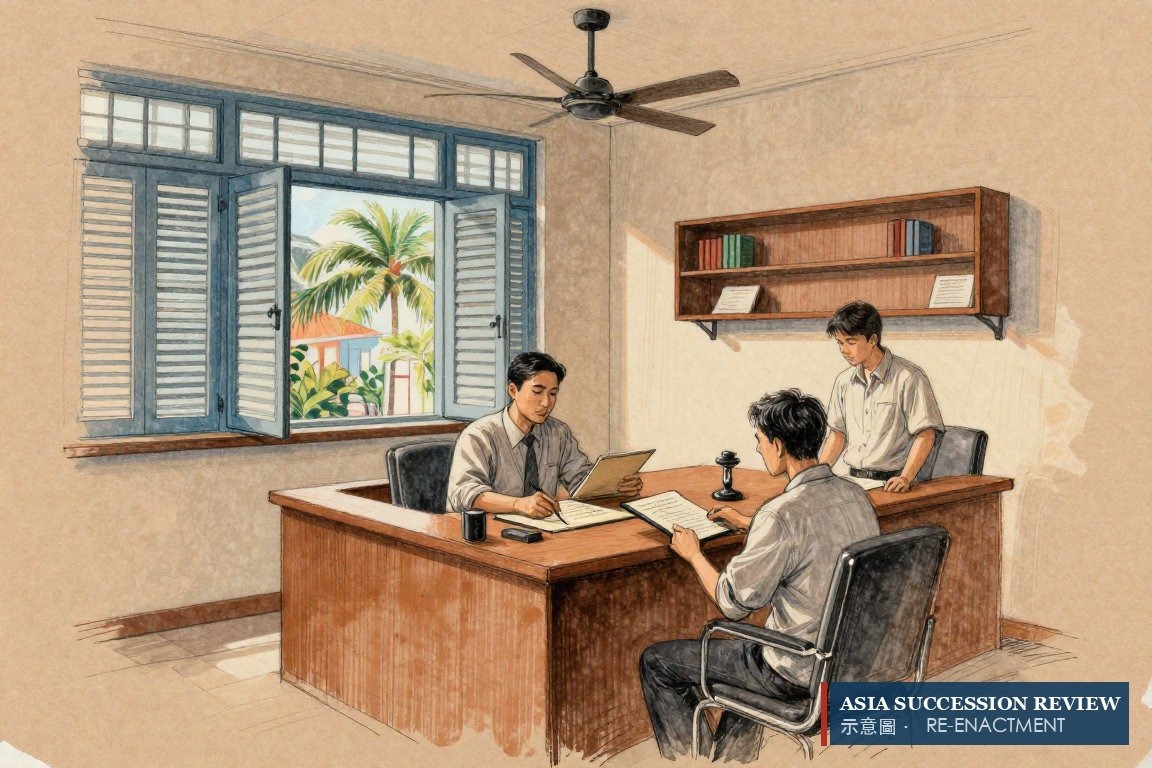
From March 2026 a Korean heir wins money instead of shares, so a control block now survives the fight
Worth noting for anyone reading the Korean law as settled: article 1115 was amended with effect from 17 March 2026 so that a reserved-share claim is now a claim for the value, with interest from the date of demand, rather than a claim to have the property itself returned. A reserved-share fight in Korea is now a money fight, not a share fight — which matters enormously to whether a control block survives one.
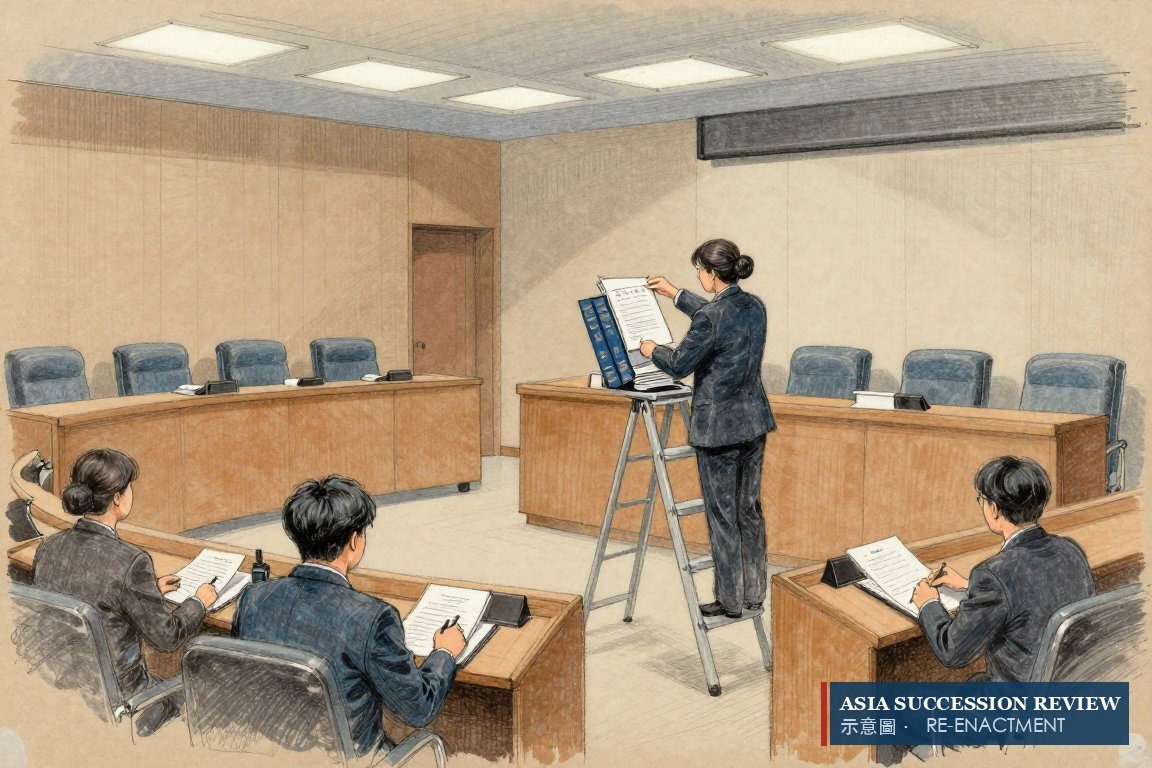
In 2004 the family picks its heir, and in 2018 the estate can only catch up with three grieving signatures
Then the instrument problem, which is the real lesson and travels everywhere. An adoption is a durable way to designate an heir and a terrible way to transfer an asset, because it transfers nothing. In 2004 the family decided who would run LG; in 2018 the estate still had to catch up to that decision, and catching up required a document signed by three grieving people whose statutory entitlement it reversed. A trust deed or a share transfer does the opposite: it moves the asset now and settles the status question by making it irrelevant.
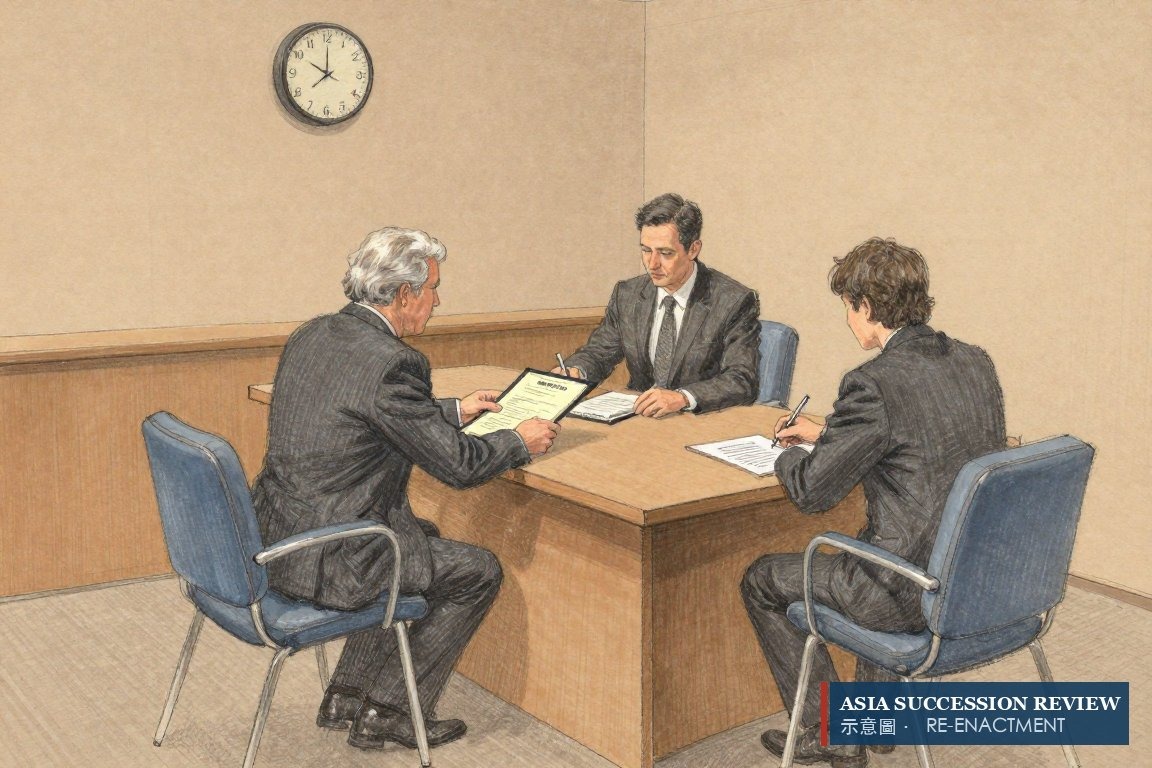
The founder signs a deed in his own lifetime, and 8 years later no family court can un-sign it
Nobody can petition a family court to un-sign a deed of settlement executed eight years earlier and acted on ever since. In Singapore the architecture is ordinary rather than exotic — the operating stake held through a private trust company owned by a purpose trust, a trust term of up to 100 years under Civil Law Act 1909 s32 as applied by Trustees Act 1967 s89, no public trust register, and the founder retaining the powers he genuinely needs while he is alive. The point is not secrecy. The point is that the transfer happens on a day the founder chooses, with his own signature on it, rather than on a day chosen by his death.
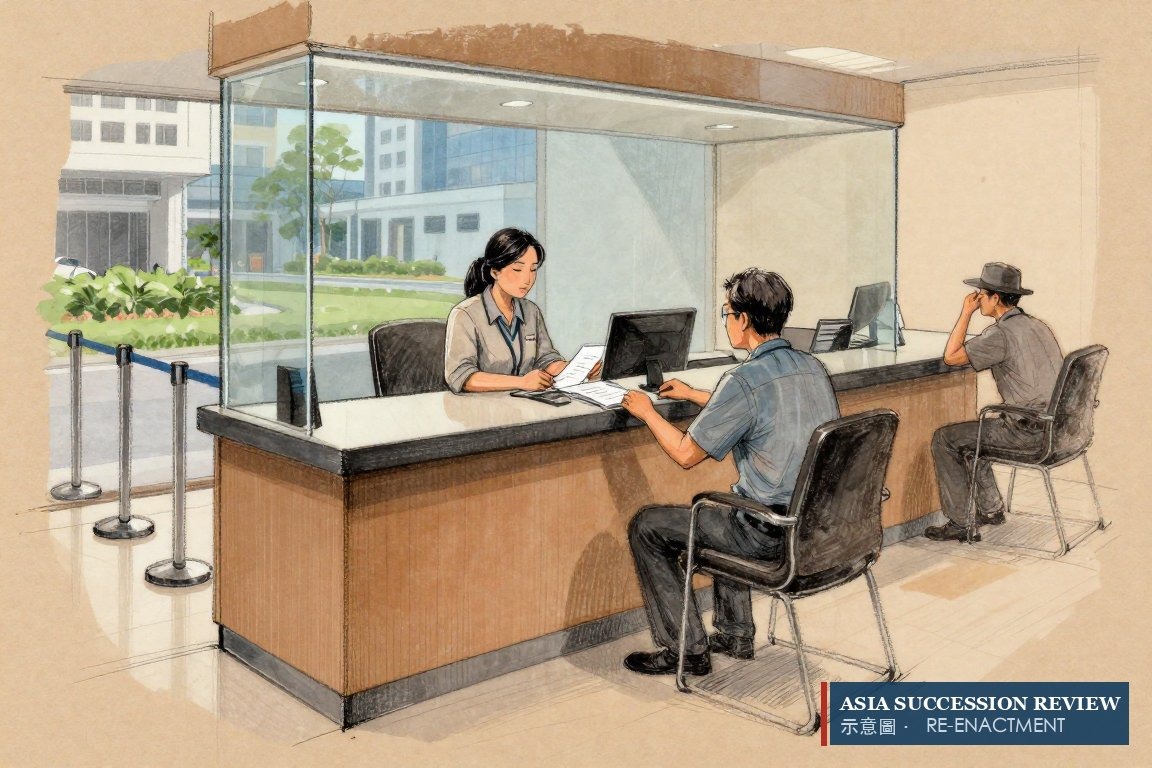
Korea taxes the estate 50 percent and adds 20 percent for control, making the control block the costliest asset
Now the timetable, which is where the cost actually falls. Korea taxes the estate at up to 50 per cent above a taxable base of ₩3 billion under section 26 of the Inheritance and Gift Tax Act, and section 63(3) adds 20 per cent to the valuation of a largest shareholder's shares — so the controlling block is the most expensive asset in the estate precisely because it is controlling. Section 71 lets the bill be paid in instalments against security, which is how ₩921.5 billion became six payments and a pledge over the shares.
Singapore has charged no estate duty since 2008, but Seoul still taxes the founder's shares at the Korean rate
Singapore charges no estate duty at all on deaths on or after 15 February 2008, and has no inheritance, gift or net-wealth tax; a Singapore-resident holding structure funded in the founder's lifetime is simply not in that queue. Be precise about what this does and does not mean for a Korean family, though: Singapore's zero rate is not a shelter from Korea's rate. Korea taxes a Korean decedent's estate, and the assets that matter here are shares in a Korean listed company. The honest saving is not the tax. It is that the transfer, the valuation and the family conversation all happen while the founder is in the room to settle them.
A Singapore trust shield binds a Singapore judge only, so a Seoul court ignores it and reaches the shares anyway
So the limits, stated plainly, because a counterfactual that promises too much is how families buy litigation. Section 90 of the Trustees Act 1967 shields a Singapore-law trust with Singapore-resident trustees from foreign forced-heirship claims, but it binds a Singapore court, not a Seoul one, and it applies only where the settlor was neither a Singapore citizen nor Singapore-domiciled when the trust was created.
LG shares sit on a Korean register, so a late transfer of control lands the founder back in Korean law
LG Corp shares are Korean-situs property held through a Korean register; a Korean court applying Korean succession law reaches them whatever a Singapore deed says, and a Korean settlor who transfers a controlling block late in life with the reserved share in mind is squarely inside article 1114.
Three women litigate 8 years over a conversation nobody had in 2004, and no statute can supply it now
What a Singapore structure genuinely buys a family in this position is narrower and more useful than the brochures suggest: a place to hold the international assets under one law with no forced share and no estate duty, a trustee who can pay a Korean tax instalment on the day it falls due without anyone's consent, and — most of all — a reason to have the whole conversation ten years early, in writing, while everyone is alive. Kim Young-sik and her daughters are not litigating about arithmetic. They are litigating about a conversation nobody had in 2004 and nobody could have in 2018.
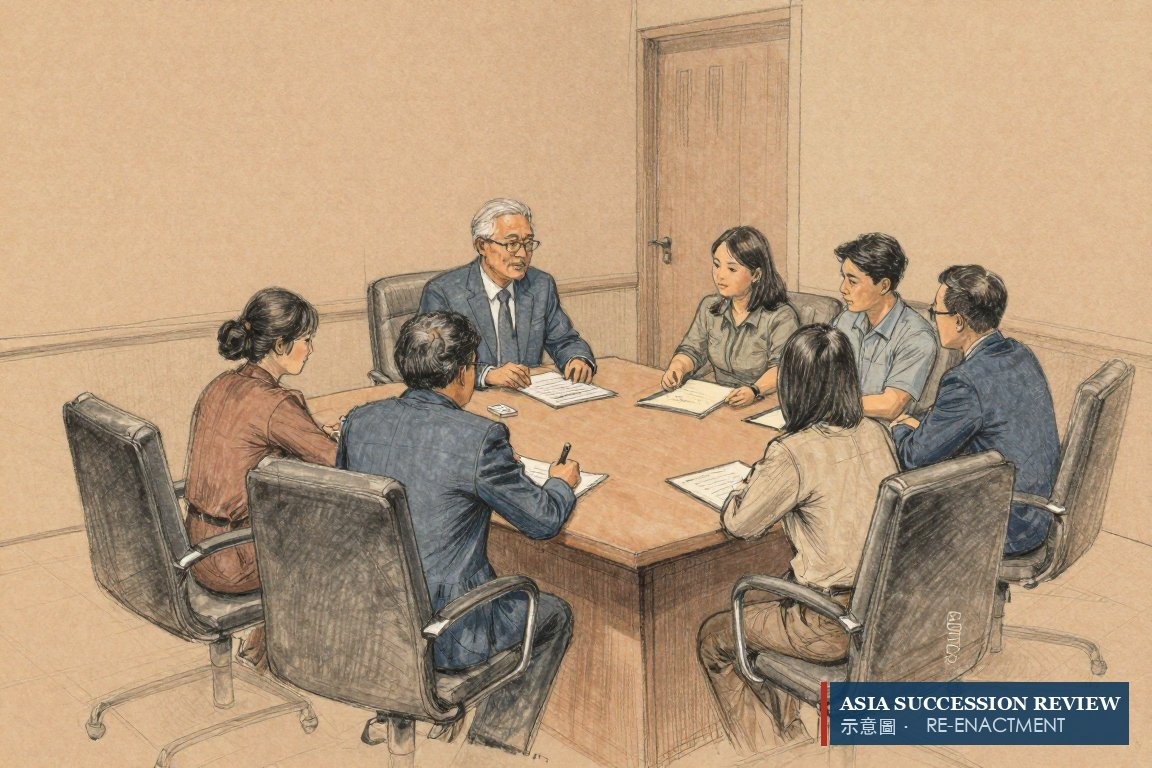
The chosen heir — the holding company on the day the founder signs — not an 8.76 per cent block he must defend in two courts eight years later
The widow — her provision fixed, funded and explained in the founder's lifetime, instead of a partition agreement she signed in the weeks after the funeral
The daughters — a stated share and a stated reason for it, rather than a mistake-and-fraud claim that turns on what a finance team told them in 2018
The tax — paid out of a funded structure on the day it falls due — not by pledging the inherited shares back to the tax office and two lenders
A counterfactual, not advice. The verified machinery is on the Singapore page; where your family stands is the briefing.
From the case files: The other family that fixed the succession with a structure and still ended up in court: Sun Hung Kai