Murdoch couldn't rewrite his own trust, so he paid his children to go
In 1999 Rupert Murdoch locked control of Fox and News Corp into a trust his four eldest children would one day share equally. In 2023 he tried to break it; a Nevada court said no; in 2025 three of them left with about $1.1 billion each. This week the unsealed files show what the deed never decided. What if it had been written in Singapore?
Read this in: EN · 简体 · 繁體 · ไทย · ID
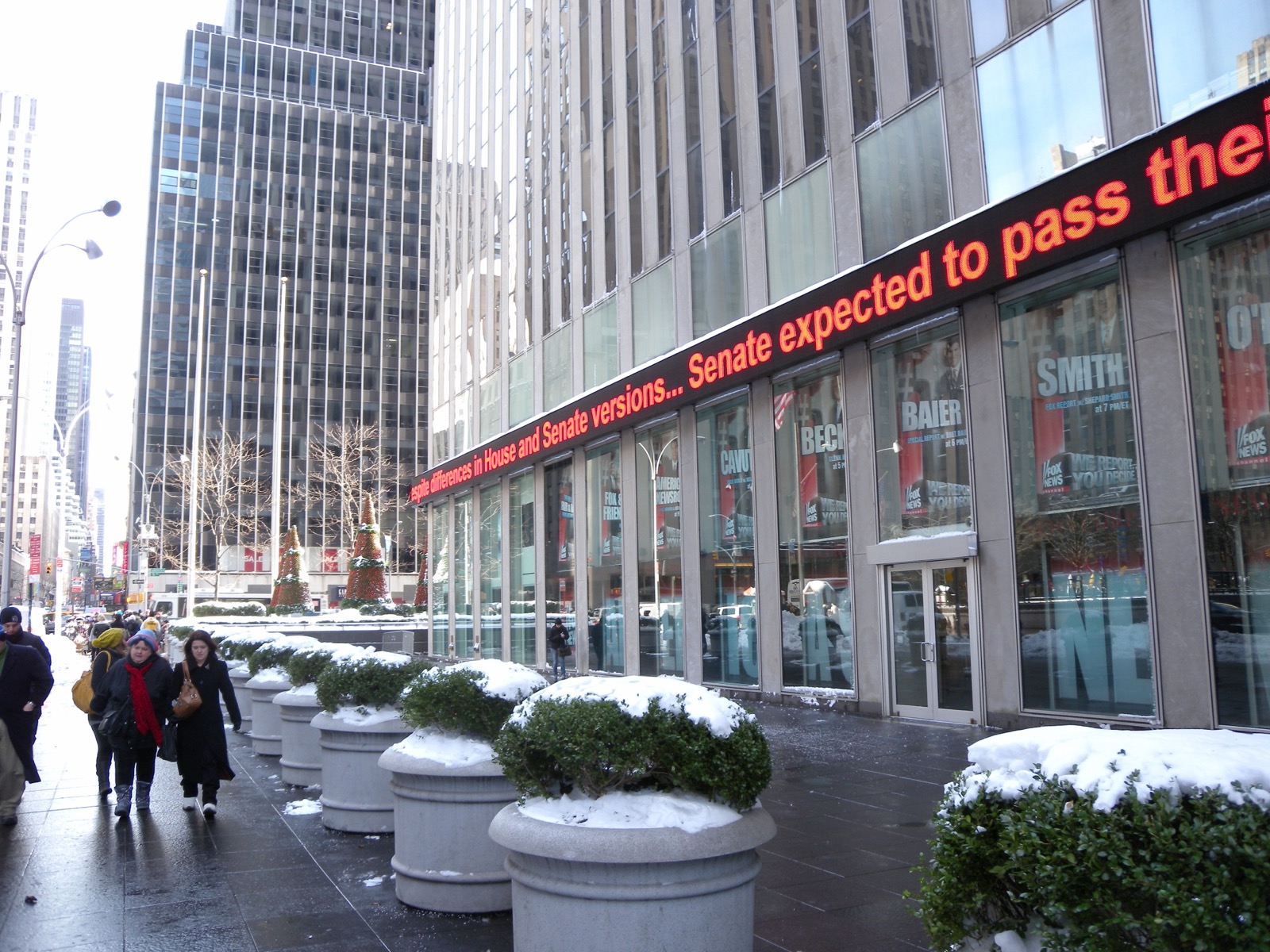
Lachlan's lawyer argues to keep the video sealed, and the phrase that escapes says the merger could still happen
On 27 August 2026 Reuters reported, from unsealed Nevada court documents and video, that Rupert Murdoch's wish to re-merge Fox Corp and News Corp 'could happen in the future' — the phrase a lawyer for Lachlan Murdoch used in arguing that the material should stay sealed; Fox responded that there have been no merger discussions since 2022.
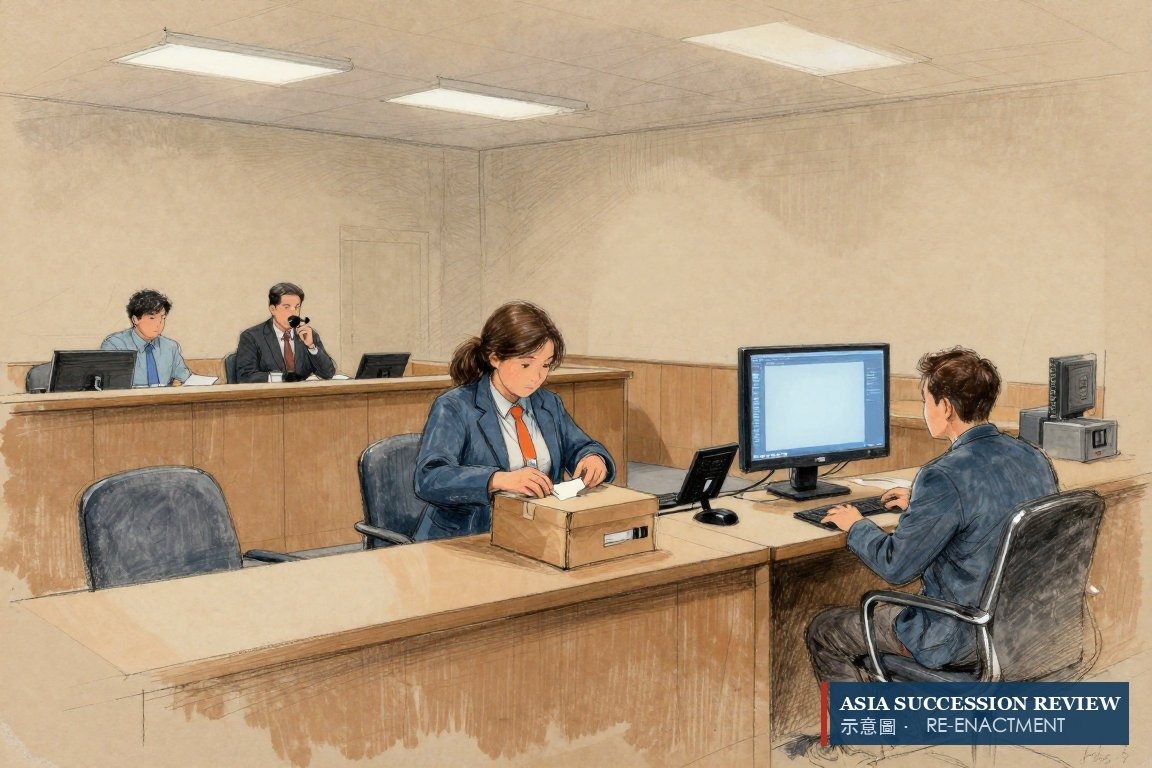
Lachlan falsely tells his father that James is briefing a biographer, so a Nevada commissioner refuses to rewrite the trust
Two days earlier The Guardian reported on the unsealed 96-page decision of Nevada probate commissioner Edmund Gorman, who in late 2024 refused Rupert's attempt to amend the Murdoch Family Trust in Lachlan's favour and found that Lachlan had 'falsely told his father, without proof' that his brother James was briefing a biographer. The trust, established after Murdoch's 1999 divorce, gave Prudence, Elisabeth, Lachlan and James equal votes after his death.
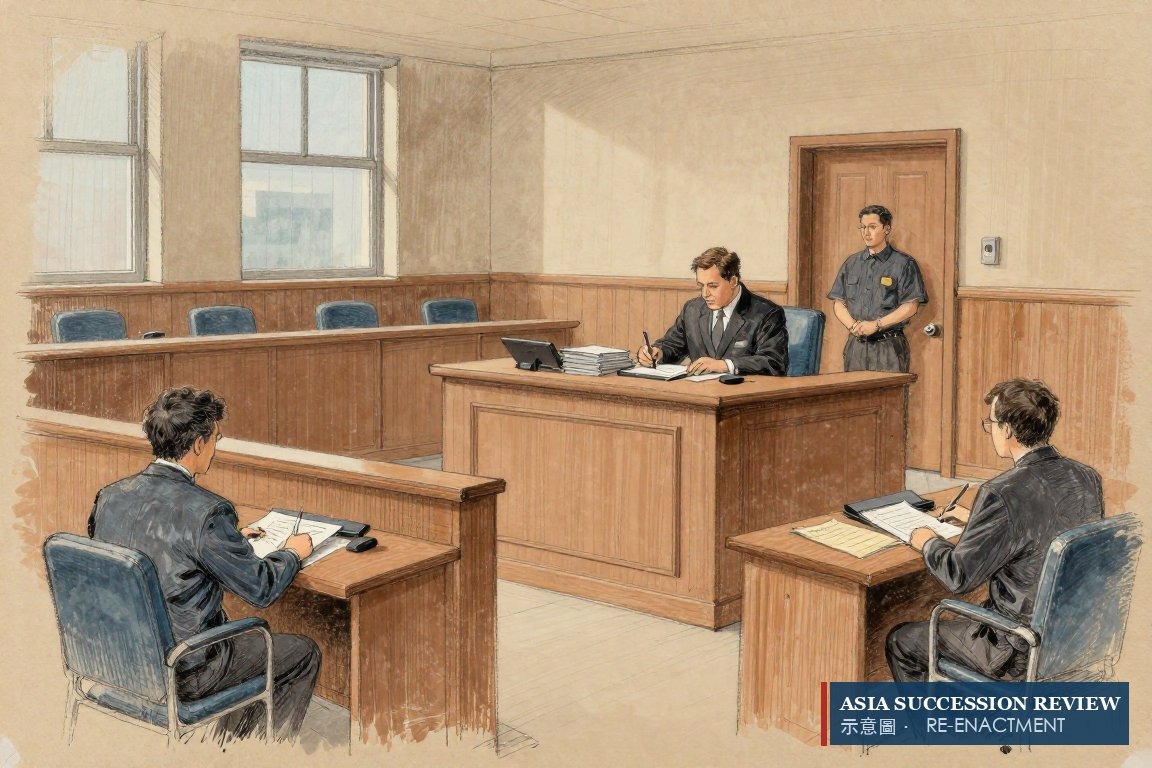
3 elder Murdoch children take about $1.1 billion each and walk away, leaving Lachlan holding 36.2% of Fox's votes
The fight ended on 8 September 2025: the three elder siblings received about US$1.1 billion each and ceased to be beneficiaries of any trust holding Fox or News Corp shares; a new trust for Lachlan, Grace and Chloe Murdoch, controlled by Lachlan, holds about 33% of News Corp's and 36.2% of Fox's Class B voting shares (Reuters and SEC filings, 8 September 2025).
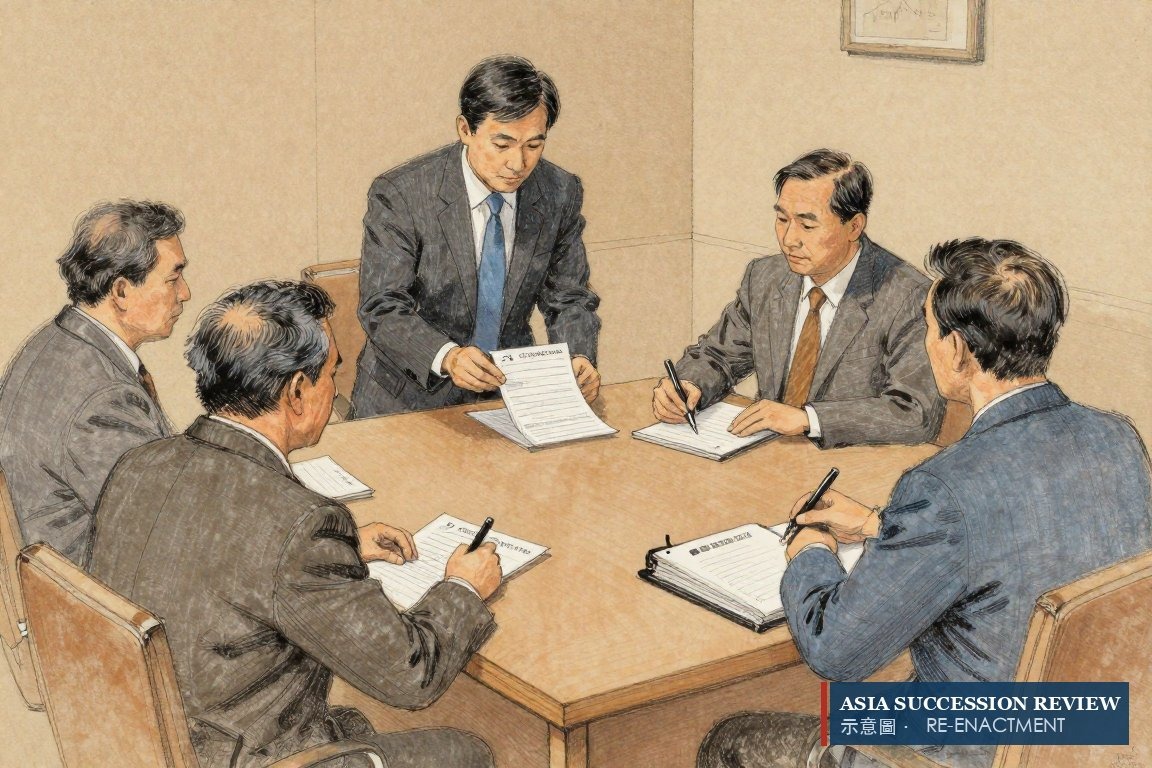
Rupert trades control to his 4 eldest children as the price of a 1999 divorce, and the deed locks irrevocably
Rupert Murdoch did not leave control to a vote among equals by accident, the way Jerry Buss and Leonardo Del Vecchio did. He agreed to it, in 1999, as the price of a divorce: the Murdoch Family Trust gave him the votes while he lived and his four eldest children one vote each when he died — a control structure written by negotiation, not by design, and locked as irrevocable. For twenty-four years it worked, because he was alive. Then the founder changed his mind about which child should steer, and discovered the deed had no lawful door.
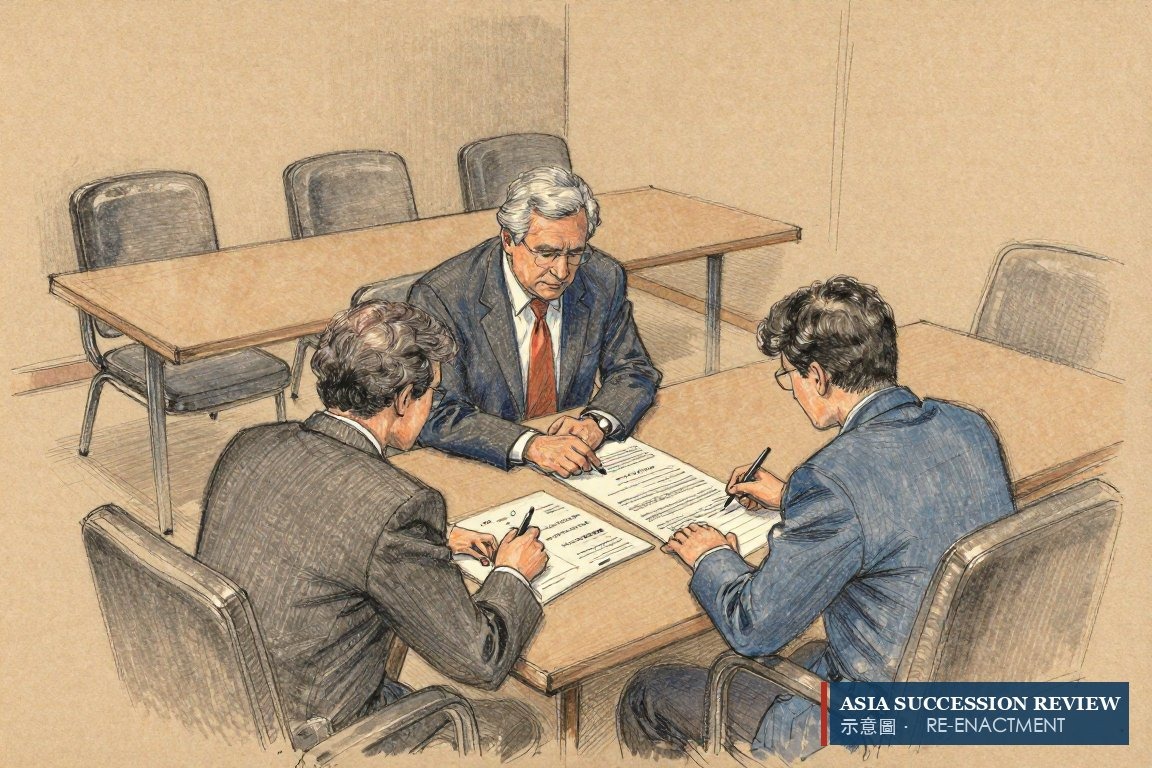
A commissioner rejects his claim that stripping 3 children's votes helps them, and changing his mind costs $3.3 billion
The only route left was to argue that stripping three of his children of their votes was done 'in good faith' for the benefit of all of them; a Nevada probate commissioner read the evidence and refused. The way out cost about US$3.3 billion in cash, a re-cut register of voting shares, and — this week — the unsealing of a family's private correspondence. The knot is not that a founder wanted control to pass to one heir; founders often should.
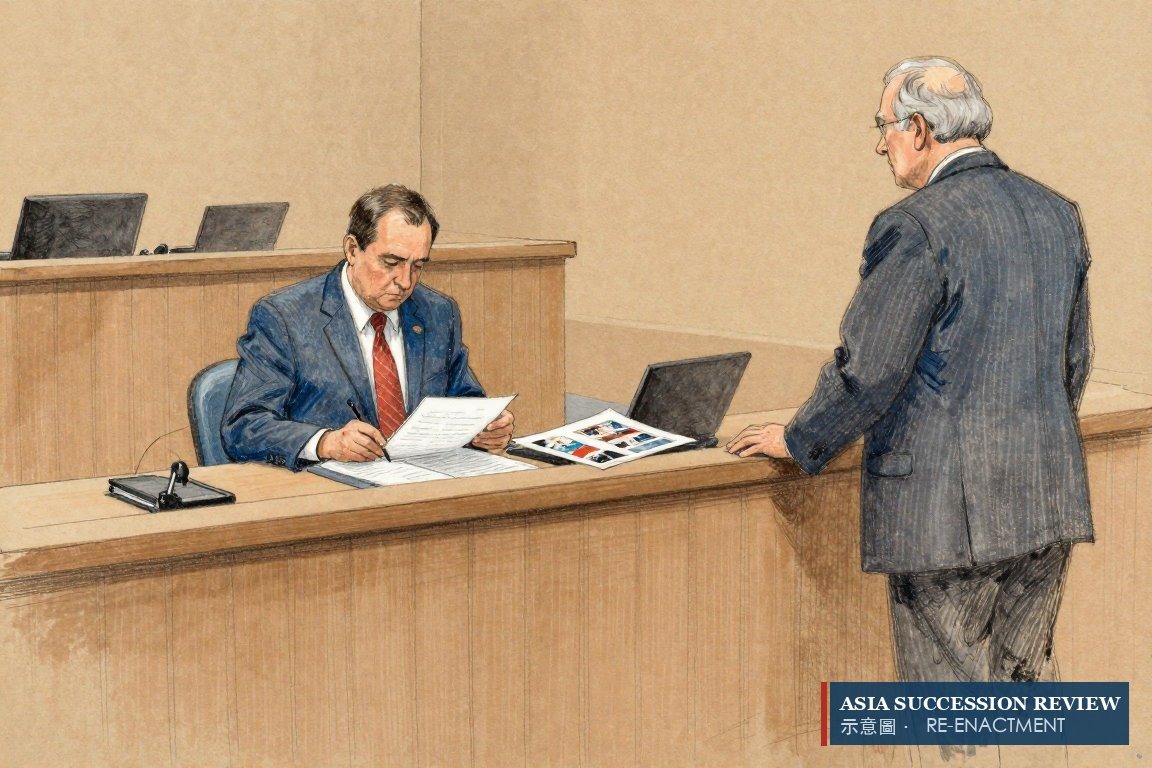
The deed fixes control before Rupert knows his successor, so his only door out is suing his own children
It is that the deed governing the family's crown asset was fixed before the founder knew who his successor would be, and gave him no mechanism, short of litigation against his own children, to say so later.
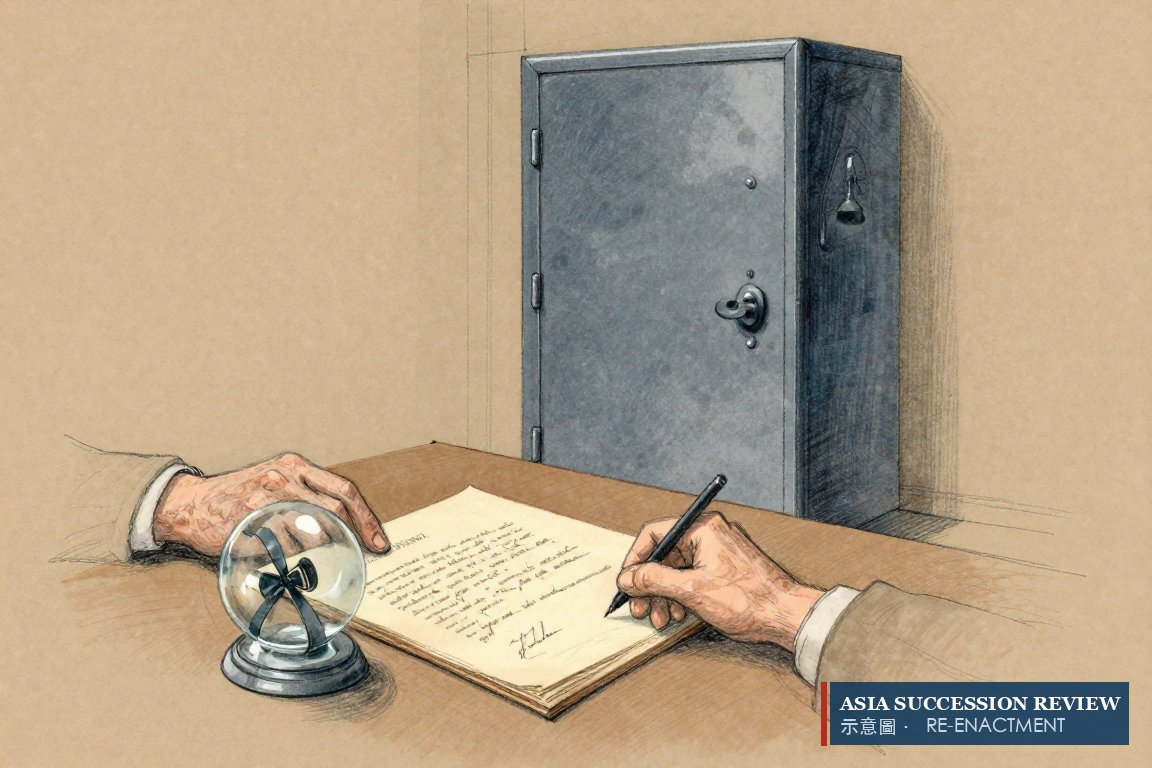
A control deed the founder can amend by a written mechanism costs a signature; the one he could not has cost $3.3 billion and a public trial.
In Singapore the founder reserves a power to amend and a protector follows him, so the named controller can change
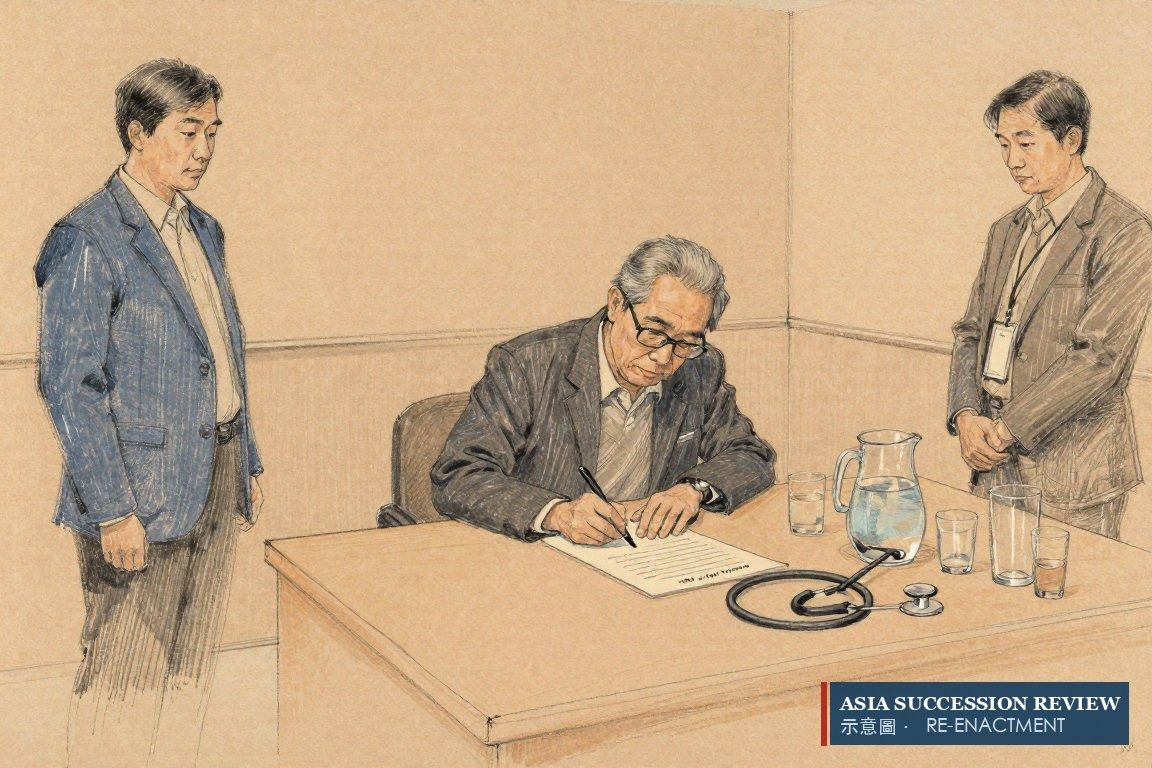
Run it as a Singapore structure. The founder settles the controlling shares in his lifetime — but the deed is drafted as a living document, not a monument. The economic shares of all six children are fixed, identical if that is what he wants; control is its own chapter, with a named successor and a letter of wishes explaining why; and — the clause the 1999 deed lacked — a written amendment mechanism. A power reserved to the founder while he has capacity, and after him a protector or a family council acting by a defined majority, to change the named controller as the family changes.
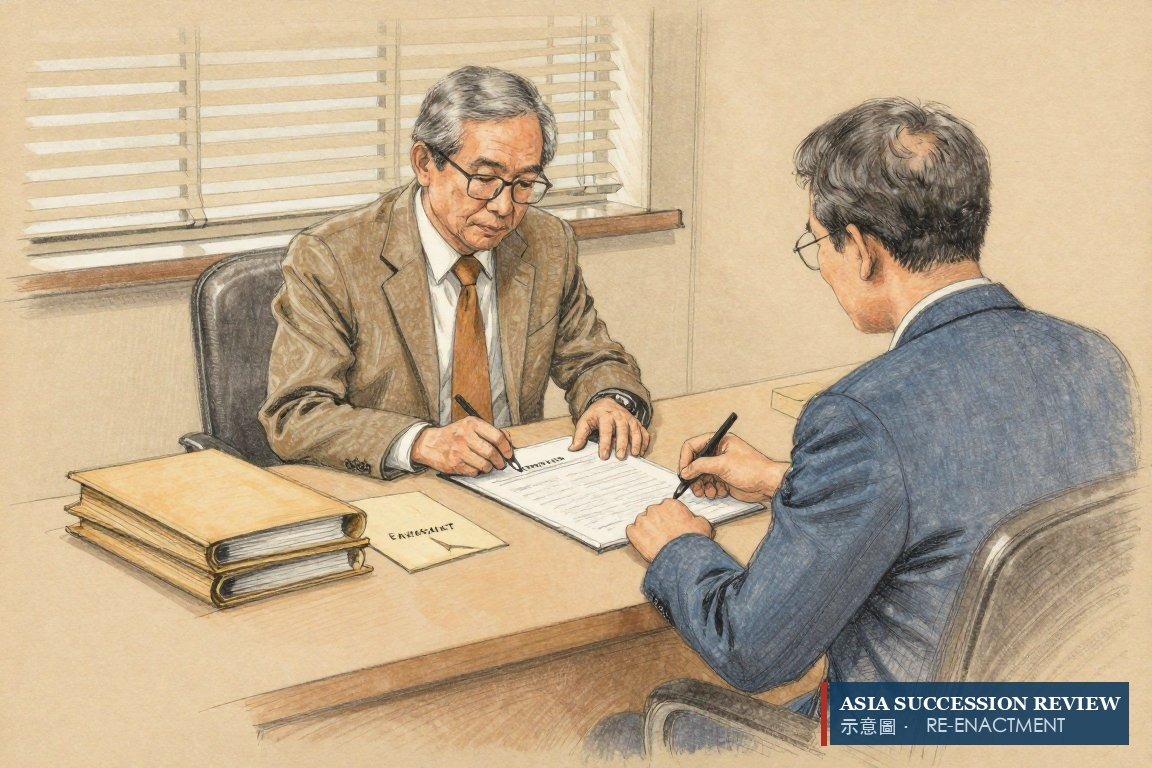
Singapore law preserves a settlor's reserved powers, so a founder who changes his mind signs an amendment, not a writ
Singapore's Trustees Act expressly preserves a trust in which the settlor reserves powers over investment and asset management, and Singapore drafting practice routinely writes further reserved and protector powers into the deed itself. The founder who changes his mind in 2023 signs a deed of amendment. He does not sue his own children.
The deed prices the buyout in advance, so 3 heirs exit in private instead of after 3 years of discovery
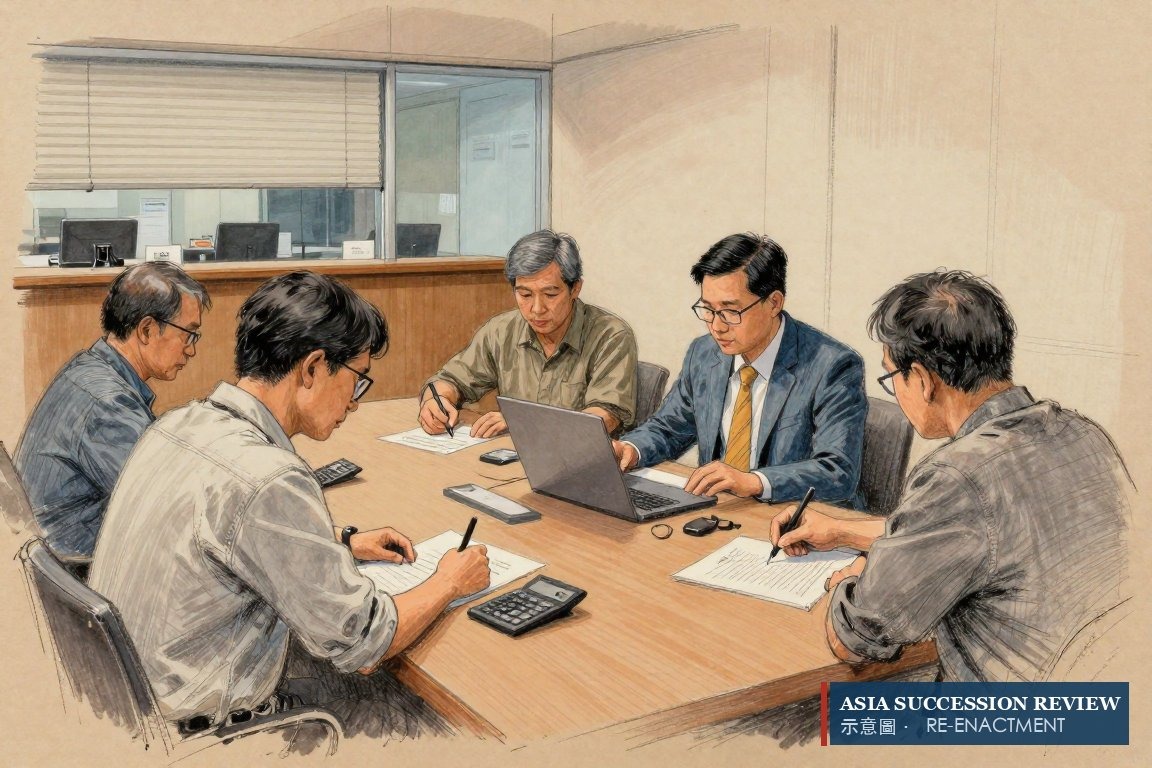
Then the structure prices the decision the Murdochs eventually reached anyway. If one heir is to hold the wheel, the others' economic interest converts by formula — a valuation method fixed in the deed, funding arranged in advance — and the exit happens by mechanism, not after three years of discovery. The bought-out heirs sign the same release the 2025 deal contains, but in private: a Singapore trust sits on no public register, and its disputes go to confidential arbitration, not to a Reno courtroom whose files can be unsealed a year after the settlement.
The 1999 lock guards Anna Murdoch's children for 25 years, so the founder must name whom it locks out
Two honest footnotes. First, the Murdoch trust was not badly drafted; it was drafted for a different purpose — to protect the position of Anna Murdoch's children against a second family — and it did exactly that for a quarter of a century. A settlor who wants his children protected from his own later changes of heart should want an irrevocable deed with no back door, and the Murdoch children of 1999 did. The Singapore answer does not dissolve that trade-off; it forces the founder to name it on day one: whom does the lock protect, and from whom?
The stake still sits in a Jakarta founder's own name, so his change of mind has nowhere to go
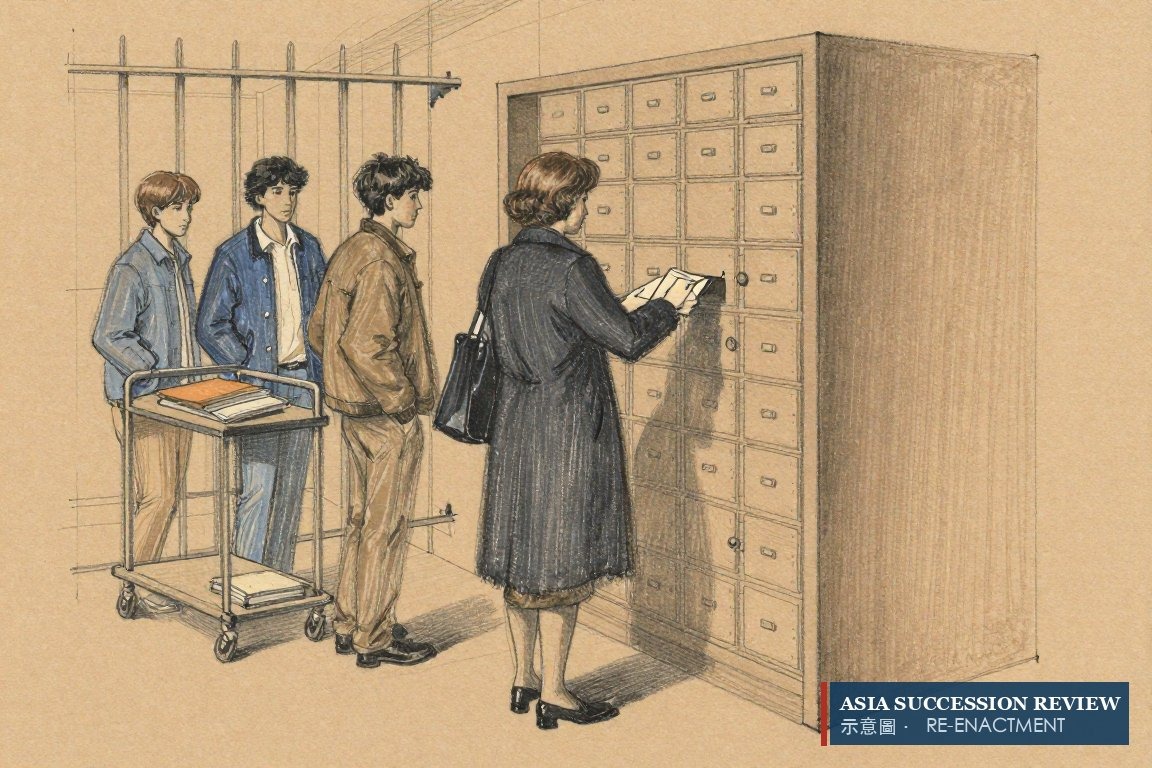
Second, a Nevada trust holding US-listed voting shares is a US matter — a Singapore deed would have changed neither the SEC disclosures nor the Class B economics. What it changes is what our readers face in Jakarta, Bangkok and Taipei, where the operating stake still sits in the founder's own name, 'equal votes among the children' is the default nobody negotiated, and the founder's later change of mind arrives, as it did in 2023, in a form the deed cannot honour.
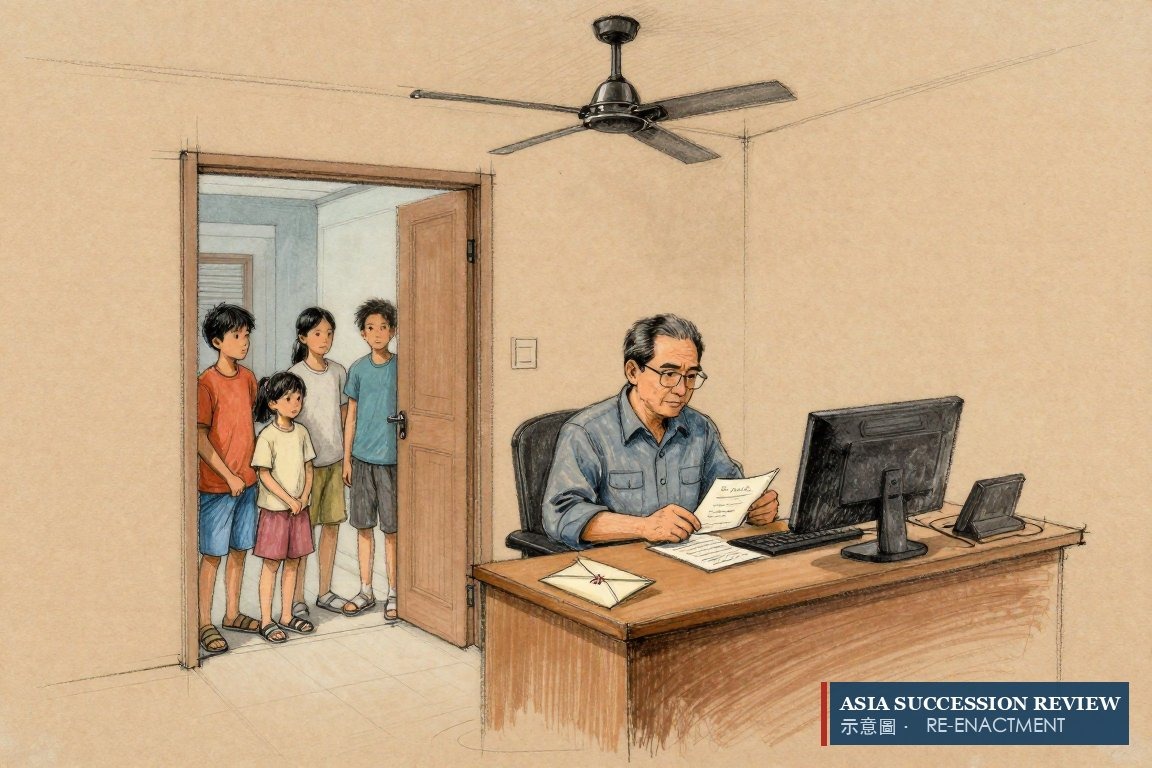
The designated successor — the wheel — by a deed of amendment the founder signs, not a trial the founder loses
The three who leave — the same US$1.1 billion each — priced by formula, paid in private, without three years of litigation
The founder — the right to change his mind while he has capacity, written into the deed on day one
The family — its correspondence unpublished — no register, no docket, nothing to unseal
A counterfactual, not advice. The verified machinery is on the Singapore page; where your family stands is the briefing.
From the case files: When a father and son fight over the wheel in public: Kwek Leng Beng and CDL