Land he got at twelve, fourteen years of lawsuits after he died: NOVA
Chung Chiung-ming, co-founder of Taiwan's NOVA computer malls, died suddenly in Beijing in March 2012 at 55. He left three floors on Guanqian Road opposite Taipei Main Station, a Starbucks paying up to NT$470,000 a month, a mainland-born widow the cross-strait statute would not let inherit land, a mother who wanted NT$190 million back, and two sons by two marriages. Fourteen years and at least eight lawsuits later, the widow is a fugitive until 2048 and two hearings are set for October. What if it had been Singapore?
Read this in: EN · 简体 · 繁體 · ไทย · ID
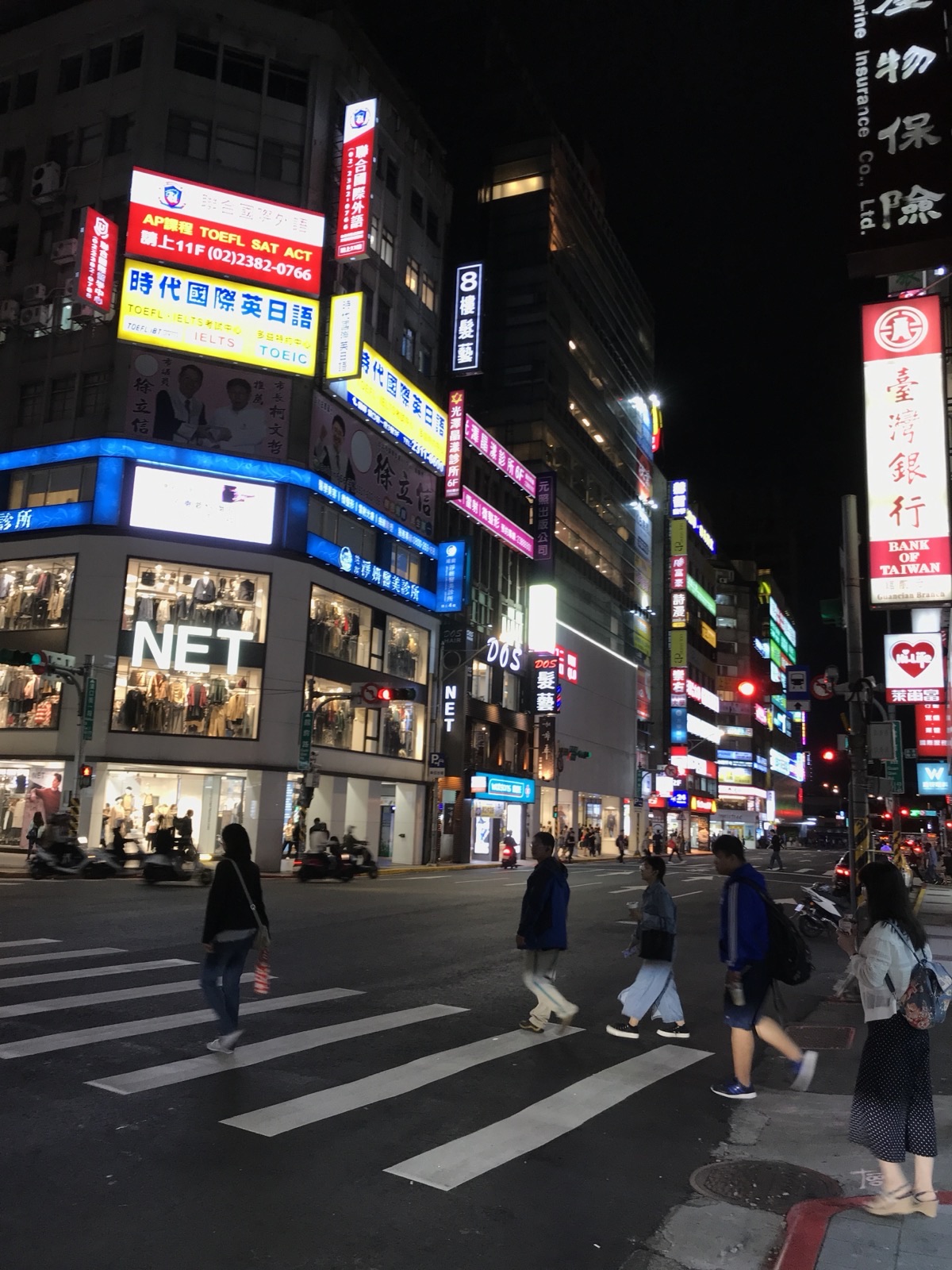
A founder dies at 55 in Beijing, leaving NT$259.66 million of Taipei shopfronts and no document saying who owns them
On 9 September 2026 CTWANT published a three-part investigation, carried the same evening by Mirror News, into the estate of Chung Chiung-ming, who founded the NOVA computer-mall chain with his brother Chung Chiung-liang in 1996 and died suddenly in Beijing on 19 March 2012, aged 55. The estate's core is real property on Guanqian Road opposite Taipei Main Station: the first to third floors of No. 26 and a share of the ground floor of No. 2, registered in his name since his mother, Chung Wang Shan-chin, bought the land and split it among her three sons when he was twelve; a recent valuation reported by CTWANT put it at about NT$259.66 million.
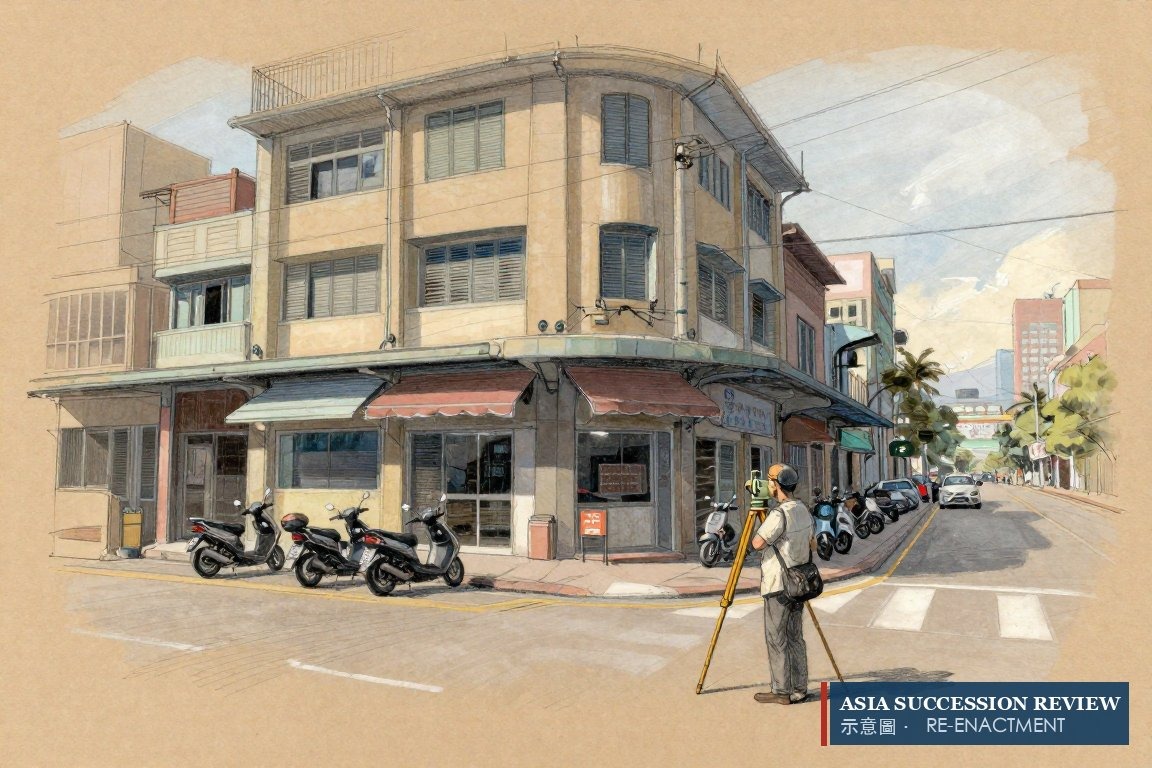
Starbucks pays up to NT$470,000 a month downstairs, and 3 heirs from 2 marriages line up behind the rent
Starbucks has rented the ground floor of No. 26 since 2008 at between NT$360,000 and NT$470,000 a month. His heirs were his second wife Liu Yi, born in Jiangsu and resident in the United States for more than twenty years on a green card, their son Chung Lin-yu, born in October 2004, and an elder son, Chung Lin-peng, from a marriage dissolved in January 2004. Two documents set the family against itself.
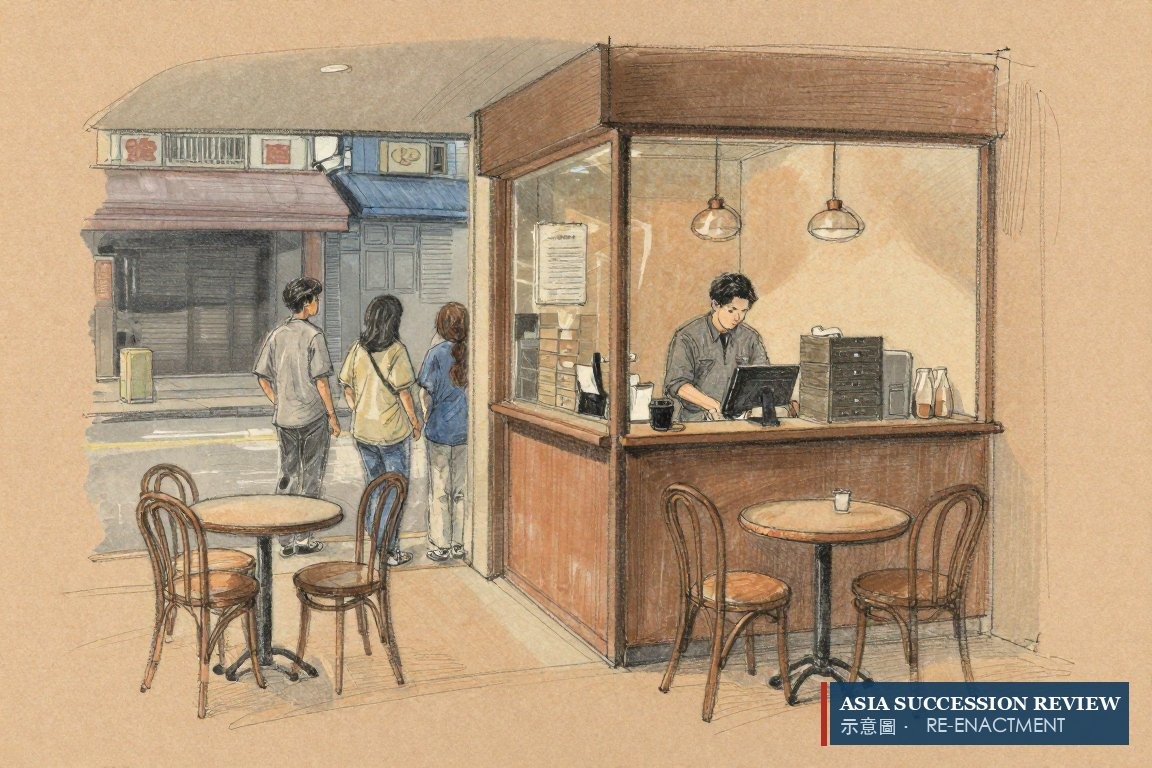
A mother wires her son NT$190 million in 2007, then wills it all to another son and sues the widow
In 2007 the subprime crisis broke his Los Angeles property business and his mother wired him NT$190 million; in December 2011 he signed a letter promising to repay it, and died less than three months later. In August 2012, from a hospital bed, his mother made a will leaving everything to her second son and, in terms, nothing to the widow or either grandson, and sued the three for the return of the Guanqian Road property as land she had merely registered in her son's name. She died on 29 April 2014; Chung Chiung-liang, as her executor, has carried both claims since.
The widow becomes American 10 months after her husband dies, and that gap alone bars her from the Taipei land
The widow's problem was Article 67 of the Act Governing Relations between the People of the Taiwan Area and the Mainland Area: a mainland spouse may inherit Taiwan real estate only if approved for long-term residence, and, as CTWANT explains the rule, a person who has lived abroad for four years and taken a foreign nationality ceases to count as a mainland person. Liu Yi was naturalised in the United States on 23 January 2013 and received her passport on 31 January 2013, ten months after her husband's death.
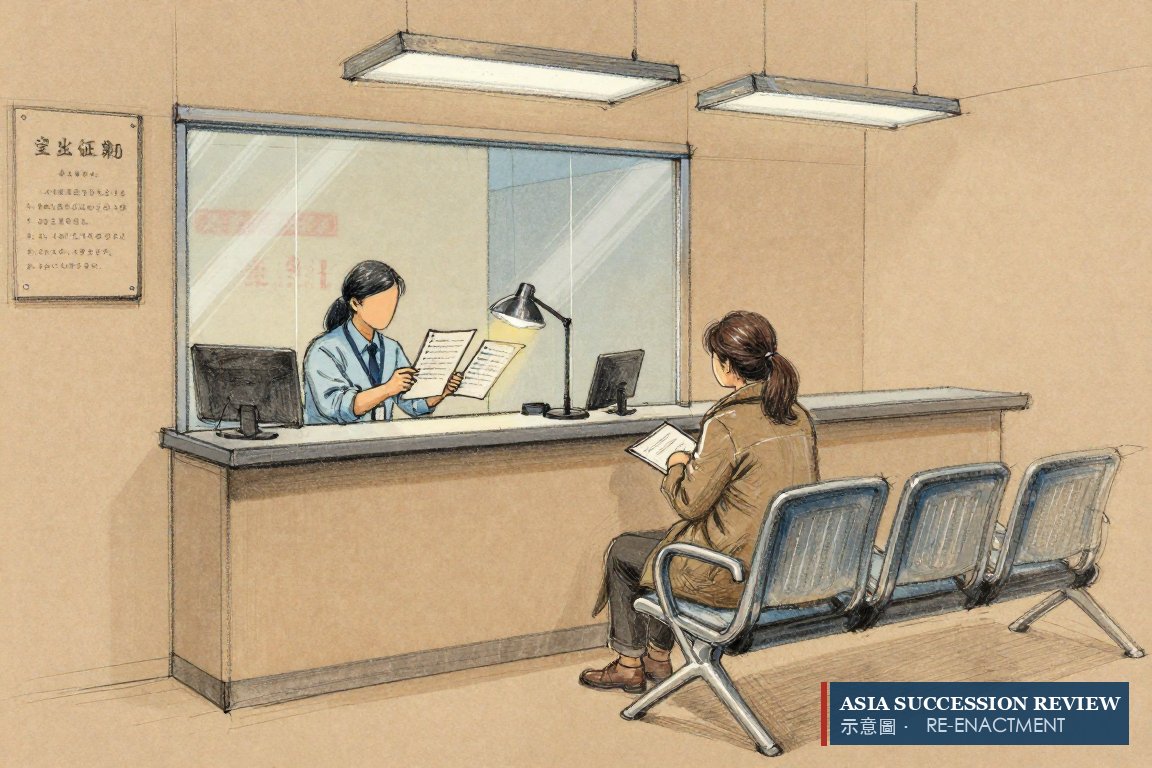
The widow moves 3 dates on her American papers to inherit, and prosecutors read the line she never touched
She altered the naturalisation certificate to 23 January 2010 and the passport's issue and expiry dates to 31 January 2010 and 30 January 2020, and in June 2021 the land office registered her as an heir; from July 2021 Starbucks paid its rent to her and her son. Taipei prosecutors noticed that a certificate dated 2010 recorded her as widowed two years before she was, and that the passport's machine-readable line ended in 230130, an expiry of 30 January 2023.
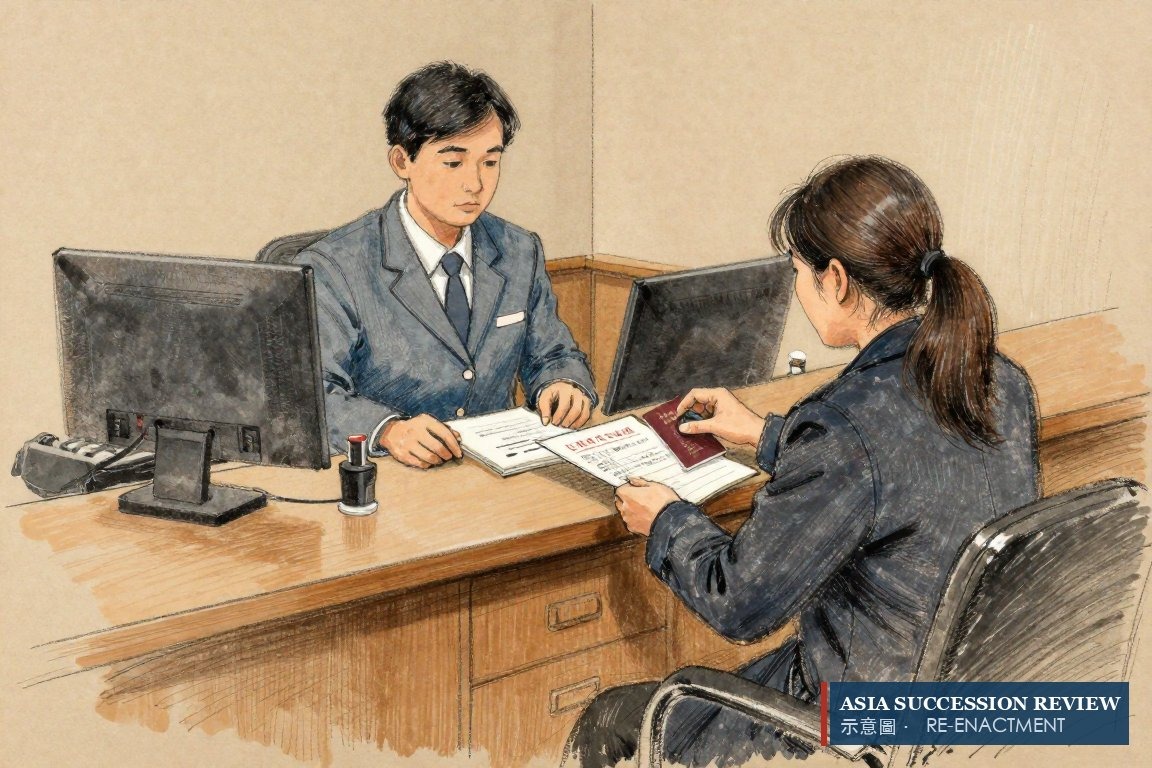
Washington confirms the forgery, and a Taipei court issues a warrant good until 2048 while she never appears
The United States Department of Justice confirmed the alteration through mutual legal assistance in June 2022; she was indicted for altering a special document and causing a false official entry, never appeared, and on 14 April 2023 the Taipei District Court issued a warrant that runs to 18 October 2048. Her registration undone, Starbucks has paid the two sons half each since 16 March 2024, and in April 2026 the District Court ordered her and her son to pay the elder son NT$3,205,324 of Starbucks rent and NT$98,874 of Cathay United Bank rent, a total of NT$3,304,198, now under appeal.
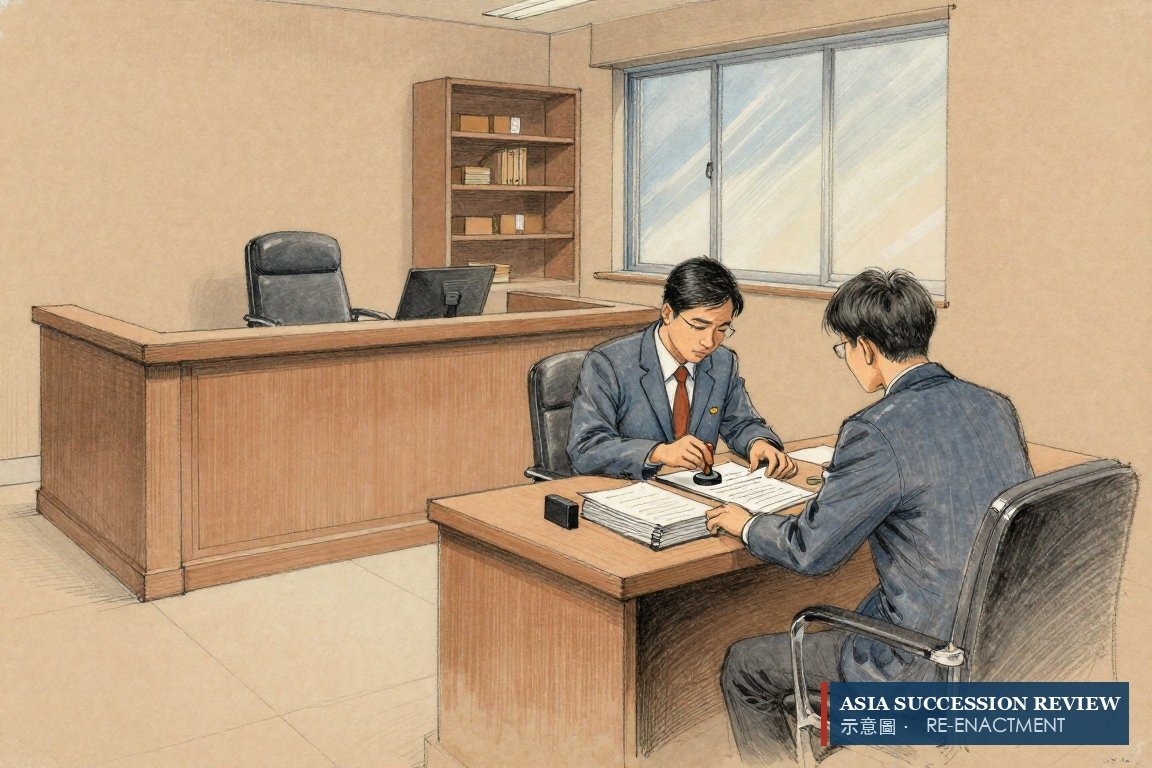
A laboratory finds the signature on the NT$190 million letter is not his, and 2 claims return this October
The NT$190 million claim was won at first instance and lost at the High Court after the Military Police forensic centre found that the English signature on the promise letter did not match nine specimens; the Supreme Court has remanded it for hearing on 27 October 2026. The borrowed-name claim was lost twice and has also been remanded, for hearing on 12 October 2026.
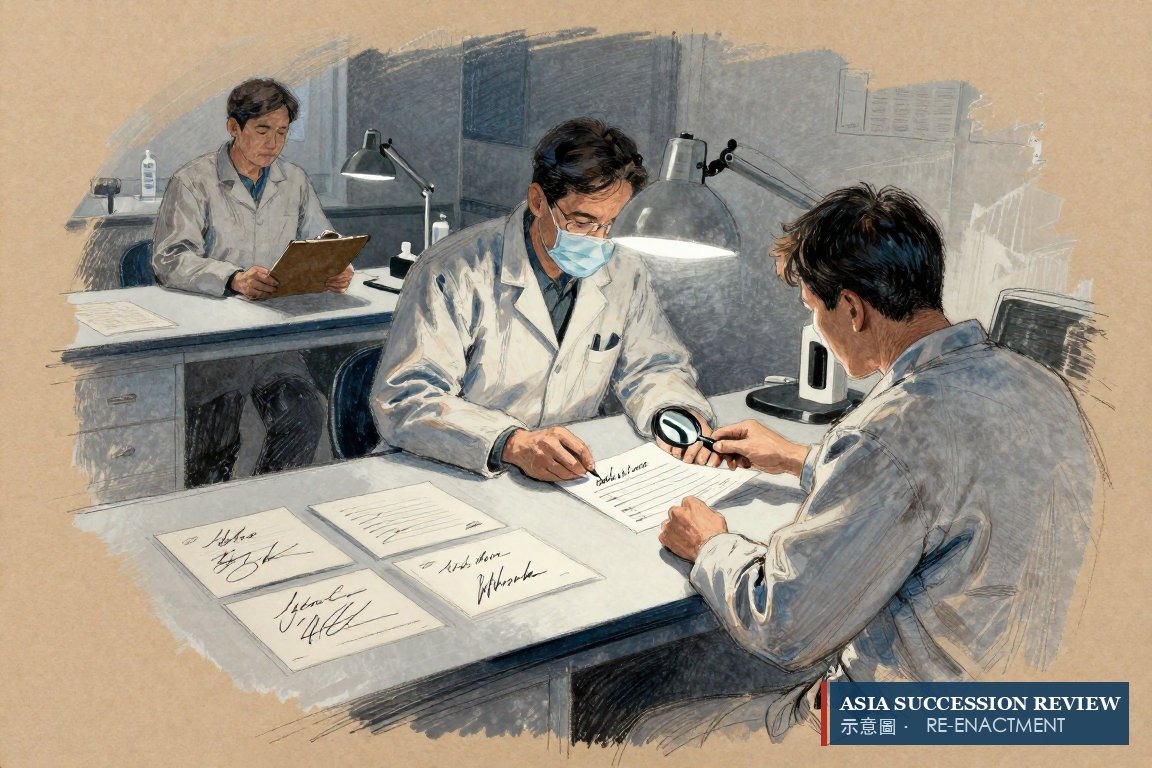
The widow proves the company pocketed NT$43 million of rent, then loses because her stepson refuses to sue beside her
A separate claim by the widow and her son that the family company Chien Heng had pocketed NT$43,173,712 of rent succeeded on the merits and failed on procedure, because the co-heirs must sue together and the elder son sided with his uncle.
- 1CTWANT, 9 Sep 2026 (part 1) — the NT$259.66m Guanqian Road property; the widow's altered naturalisation certificate and passport; the 230130 machine-readable line; US DoJ reply June 2022; warrant of 14 Apr 2023 to 18 Oct 2048
- 2CTWANT, 9 Sep 2026 (part 2) — Starbucks at No. 26 since 2008, NT$360,000–470,000 a month; rent to the widow from July 2021; one-third to the elder son from Dec 2022; half each from 16 Mar 2024; the April 2026 judgment for NT$3,304,198; the NT$43,173,712 Chien Heng claim
- 3CTWANT via PChome, 9 Sep 2026 (part 3) — the NT$190m loan and the promise letter; the handwriting findings; Supreme Court remands with hearings on 27 Oct and 12 Oct 2026; the paternity tests; at least eight lawsuits over fourteen years
- 4Mirror News (鏡新聞), 9 Sep 2026 — the cross-strait rule as reported; 'from heir to fugitive'
- 5Mirror News (鏡新聞), 9 Sep 2026 — the rent sequence and the April 2026 judgment
- 6Act Governing Relations between the People of the Taiwan Area and the Mainland Area, Article 67 — NT$2,000,000 cap on a mainland heir; the spouse exemption; real estate only with approved long-term residence (Laws and Regulations Database, read 10 Sep 2026)
- 7Act Governing Relations between the People of the Taiwan Area and the Mainland Area, Article 66 — a mainland heir must declare the inheritance to the court within three years
- 8Residential Property Act 1976 (Singapore), s3 — no foreign person takes residential property by succession (s3(3)); the personal representatives must sell within five years and pay the proceeds (s3(4)); read on Singapore Statutes Online 10 Sep 2026
- 9Residential Property Act 1976 (Singapore), s4 — flats and condominium units outside the prohibition
- 10Land Titles Act 1993 (Singapore), s46 — a registered title is paramount, except that it may be defeated for fraud or forgery to which the proprietor was party (s46(2)(a))
- 11Intestate Succession Act 1967 (Singapore), s7 — spouse one-half, children the rest per stirpes, with no nationality condition
- 12Lau Siew Kim v Yeo Guan Chye Terence [2007] SGCA 54 — the presumption of resulting trust where one person pays for property in another's name, and the presumption of advancement between parent and child
A mother puts Taipei's busiest corner in her 12 year old's name and says nothing, so 3 courts must guess
Strip away the passport and this is a story about a gift that was never written down. A mother bought land in the busiest block in Taipei and put it in her twelve-year-old son's name, and for forty years nobody wrote whether that was a gift to him or a convenience for her. When he died with a mainland-born wife, a debt to his mother and two sons by two marriages, every unanswered question came due at once, and each one found a court. Was the land his? His mother said it was hers in his name, and that claim is on its third hearing. Was the NT$190 million a loan?
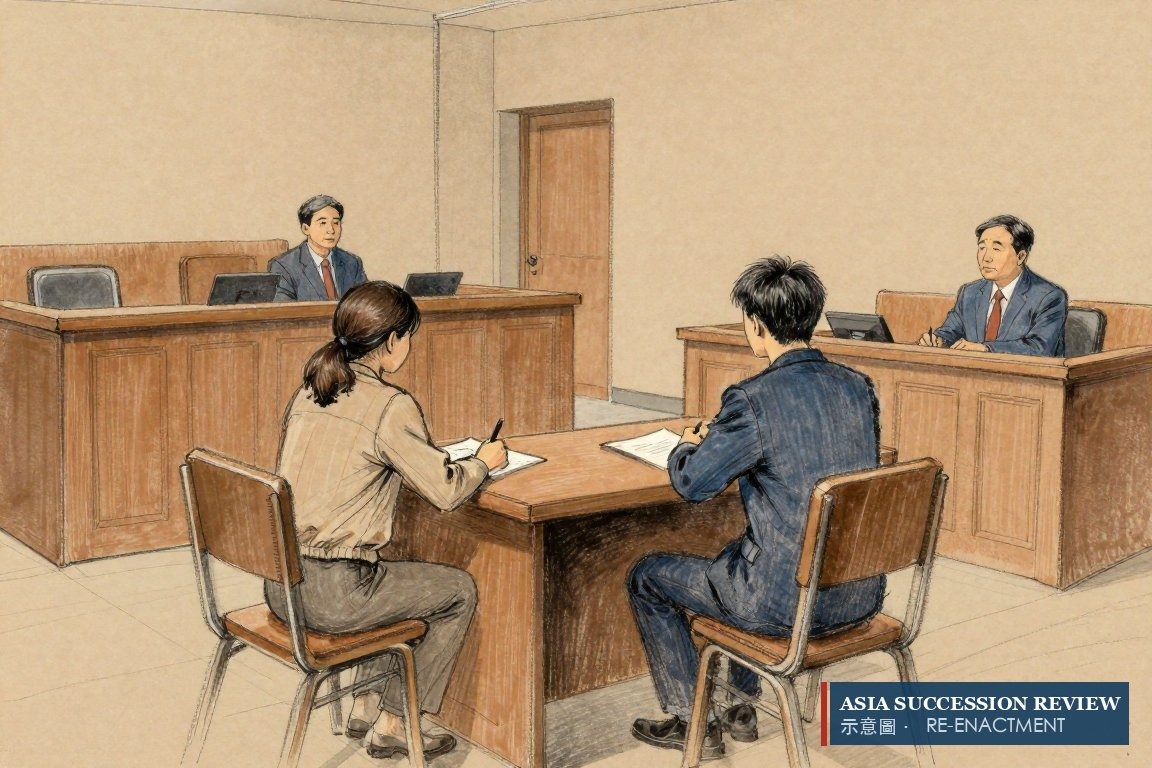
Everything turns on which passport she holds the day he dies, and she holds the wrong one by 10 months
A letter says so; a forensic laboratory says the signature is not his; the Supreme Court has sent it back. Could his widow inherit the land at all? Article 67 of the cross-strait Act says a mainland spouse takes Taiwan real estate only with approved long-term residence, so the answer turned on which passport she held on 19 March 2012, and she held the wrong one by ten months. Her answer was to move three dates on two American documents, and the machine-readable line at the foot of the passport, which she did not alter, gave her away.
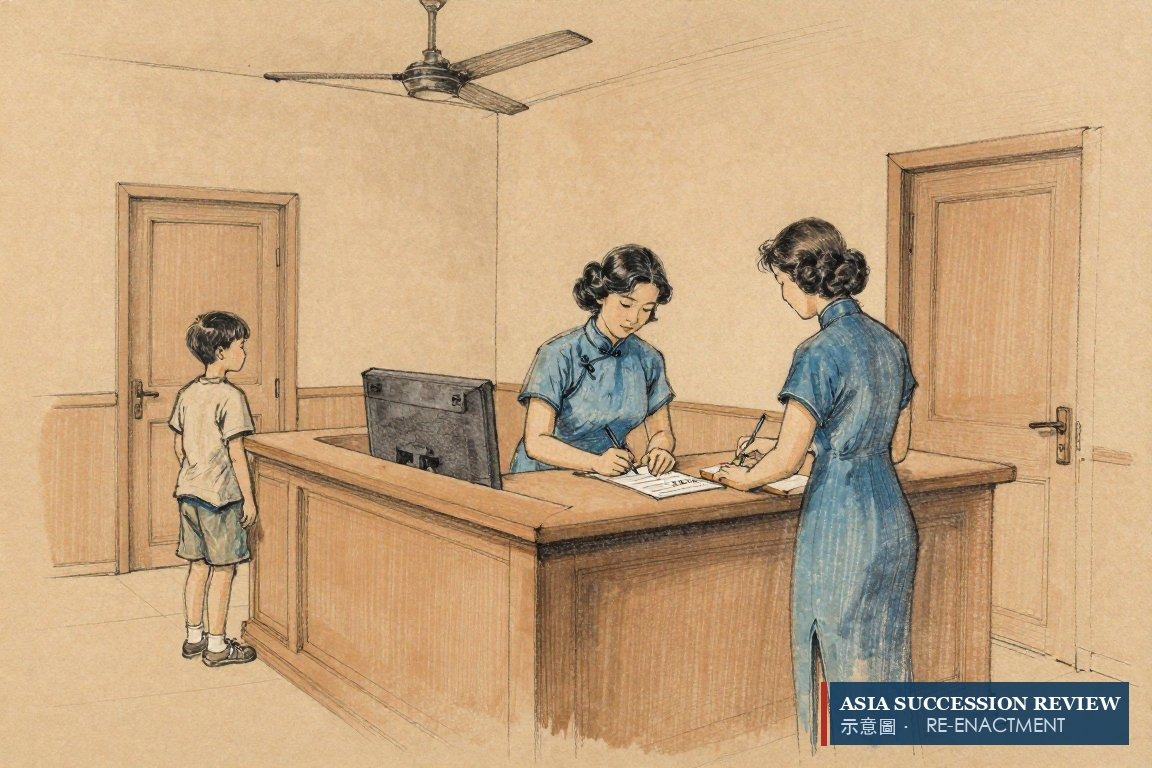
Doctors run paternity tests on a dead man's tumour, and 14 years on the family still has 3 hearings left
The rest follows mechanically: a land office entry undone, a Starbucks paying three landlords and then two, a son suing his stepmother for rent, a stepmother suing the family company for rent and winning nothing because her stepson would not join the suit, a grandmother's will that names one son and disinherits two grandchildren in the same sentence, and paternity tests run on a dead man's tumour. Fourteen years, at least eight actions, three court dates this autumn. The cross-strait rule did not cause this. It gave a family that had never written anything down its first hard deadline, and the deadline was the day he died.
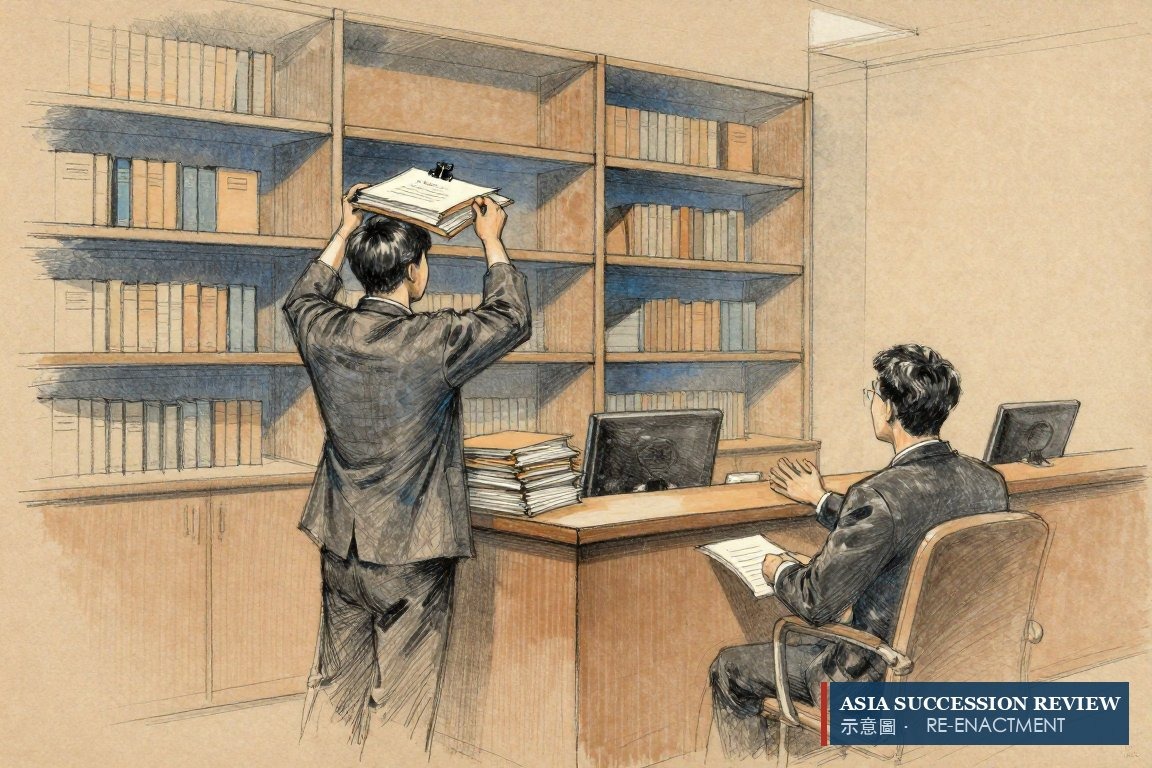
In Singapore the widow's nationality would decide nothing about a shop, a forged registration would fall the same way, and the only question that matters, whose land was it, would have been answered the day the mother chose a structure instead of her son's name.
Singapore also bars a foreigner from inheriting a home, but what happens next is nothing like Taiwan's answer
Begin with the rule that broke this family, because Singapore has a cousin of it and the comparison is instructive. Section 3(3) of the Residential Property Act 1976 provides that no estate or interest in residential property belonging to a person who dies on or after 11 September 1973 passes by bequest, succession or inheritance to a foreign person. That is as blunt as Article 67. The difference is in what happens next.
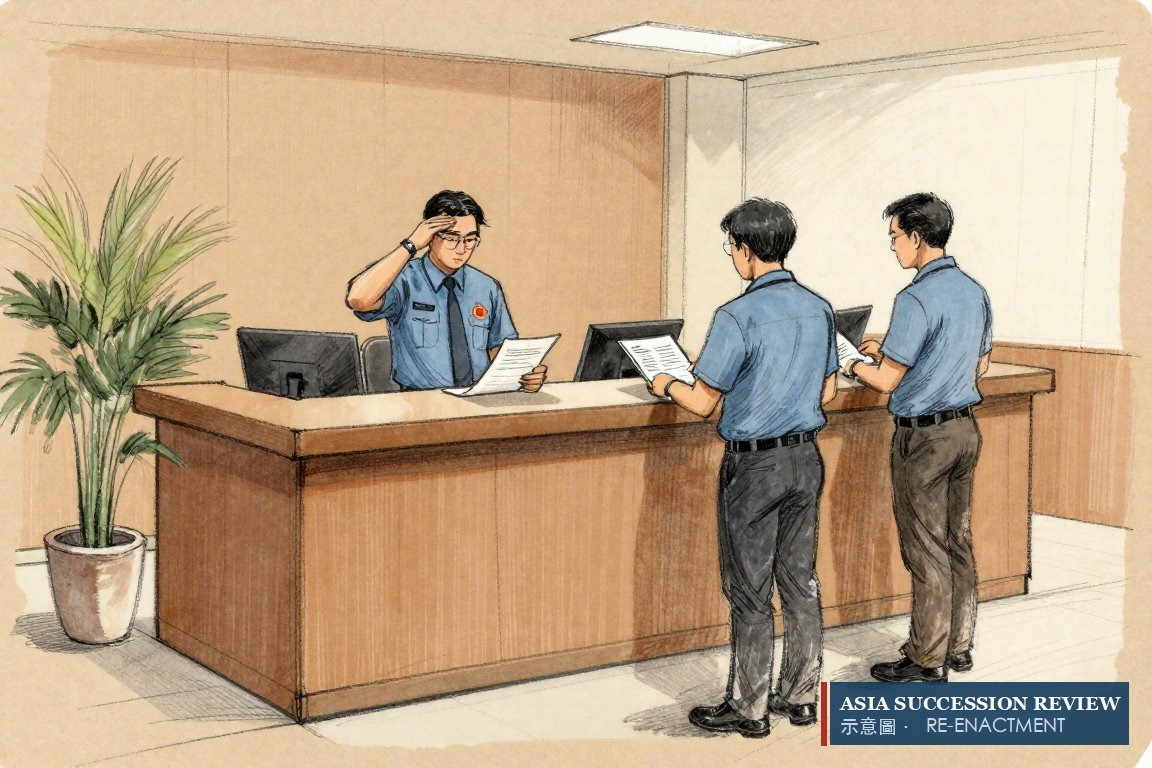
Singapore makes the executors sell within 5 years and pay the foreign widow, so forging a date buys nothing
Section 3(4) does not send the foreigner's share to the local heirs or to the Treasury; it obliges the personal representatives to sell the property to a citizen or an approved purchaser within five years of the death and to pay the foreign heir the proceeds, less expenses, in the shares the will or the Intestate Succession Act gives. A foreign widow in Singapore therefore has no reason to doctor a passport, because the law converts her land into money rather than into nothing.
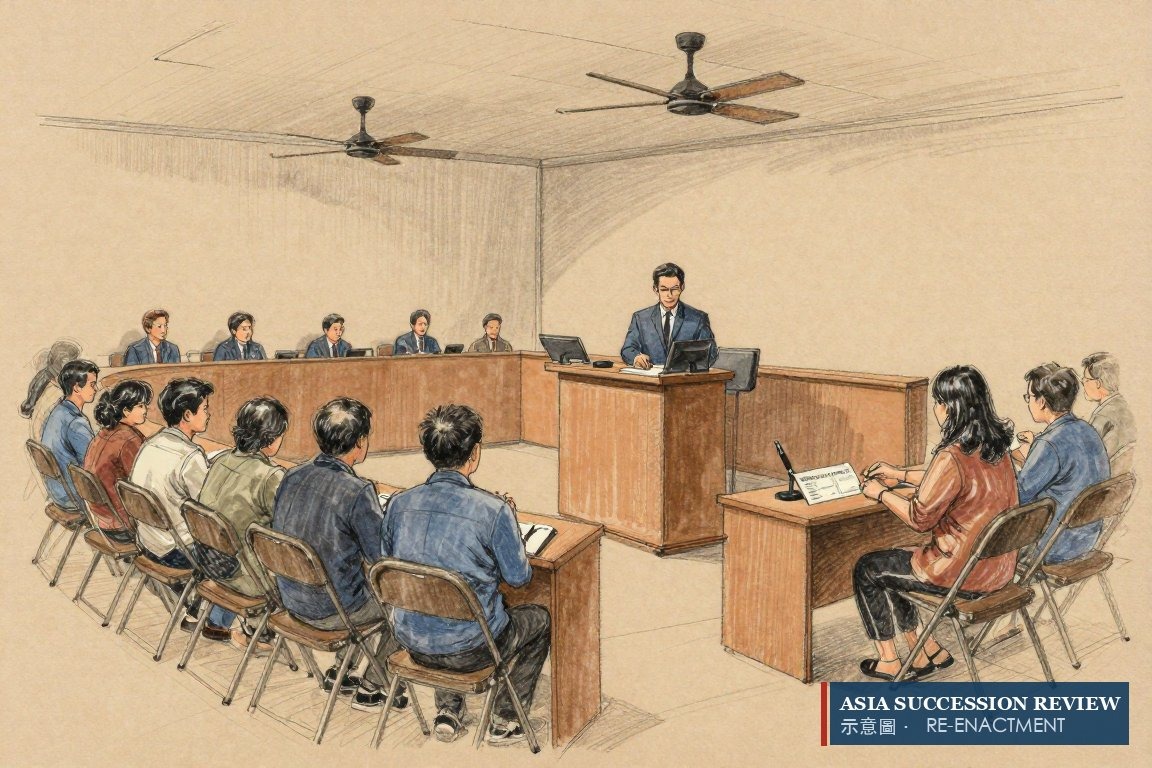
3 floors of shops are not a home, so a widow of any nationality inherits them and collects the rent
And the Act reaches only residential property: land, landed houses and the categories the Act names, with flats and condominium units carved out by section 4. Three floors of shops opposite a railway station are not residential property. A widow of any nationality inherits a Singapore shophouse outright, is registered as its proprietor, and collects its rent. The question that consumed this family's first decade, what passport she held on the day he died, would not have been asked.
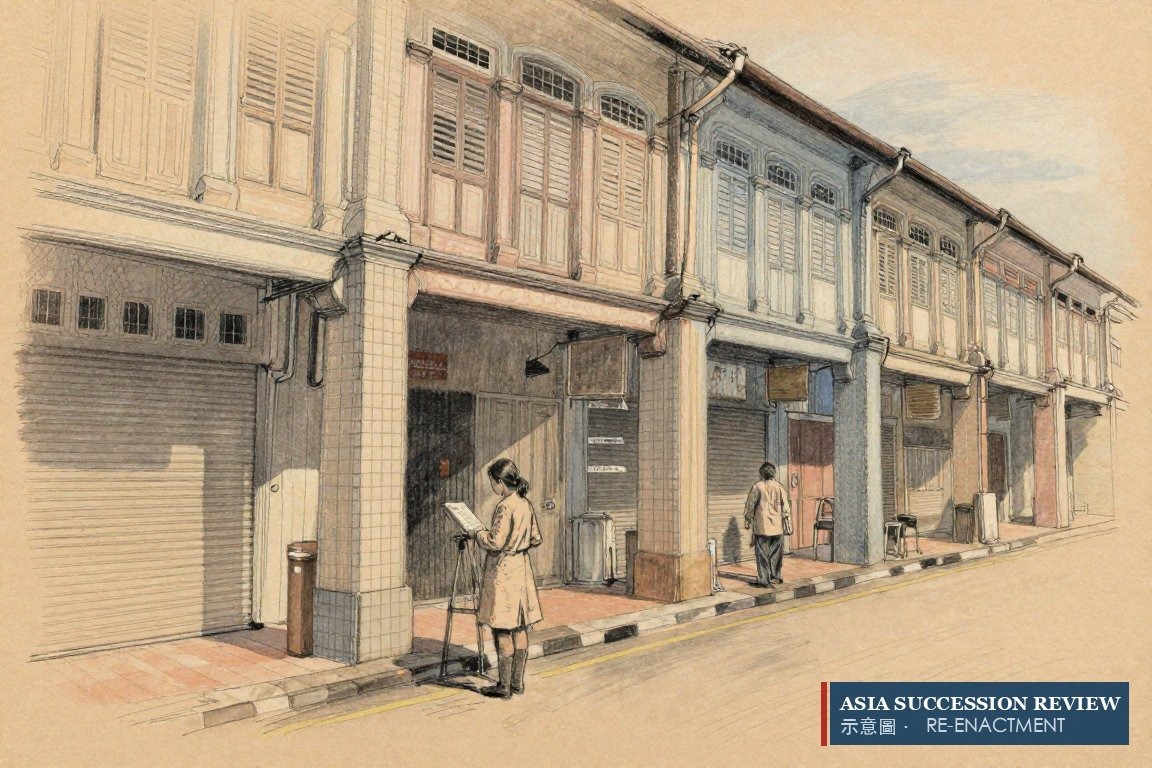
Singapore's register is stronger, but a title won with a forged certificate falls exactly as it fell in Taipei
Then the forgery, because a page that pretends Singapore's register is immune to a false document is not worth reading. Singapore's Torrens register is stronger than Taiwan's: section 46(1) of the Land Titles Act 1993 makes a registered proprietor's title paramount against unregistered interests. But section 46(2)(a) preserves the right to have that title defeated on the ground of fraud or forgery to which the proprietor was a party, and a registration procured with an altered naturalisation certificate is exactly that.
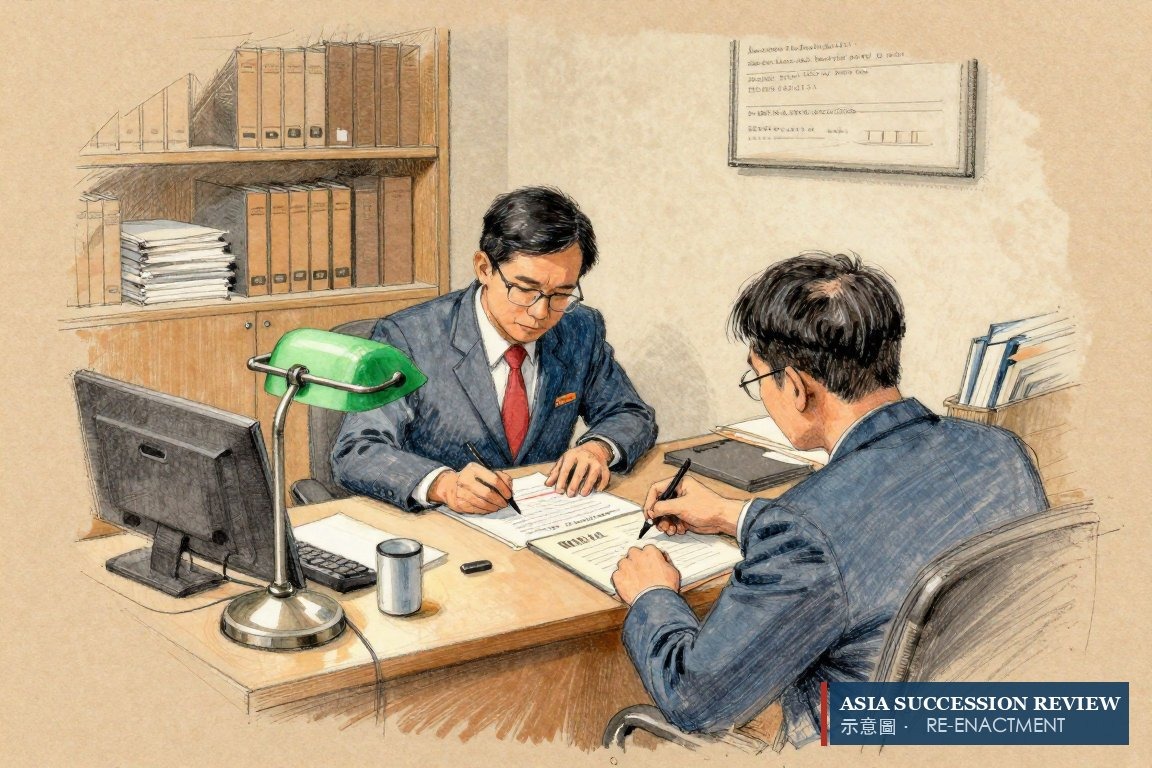
Starbucks pays its rent to a forged heir for 2 years, and in Singapore one administrator holds the keys
The outcome would match Taiwan's: her entry undone, the rent she collected repayable to the co-owners, and a criminal file. What Singapore would have spared the family is the two years in which a tenant paid the wrong landlord, because the personal representative, not the heirs, holds the estate's land from the grant until distribution, and Starbucks pays one administrator, not whichever relative last visited the land office.
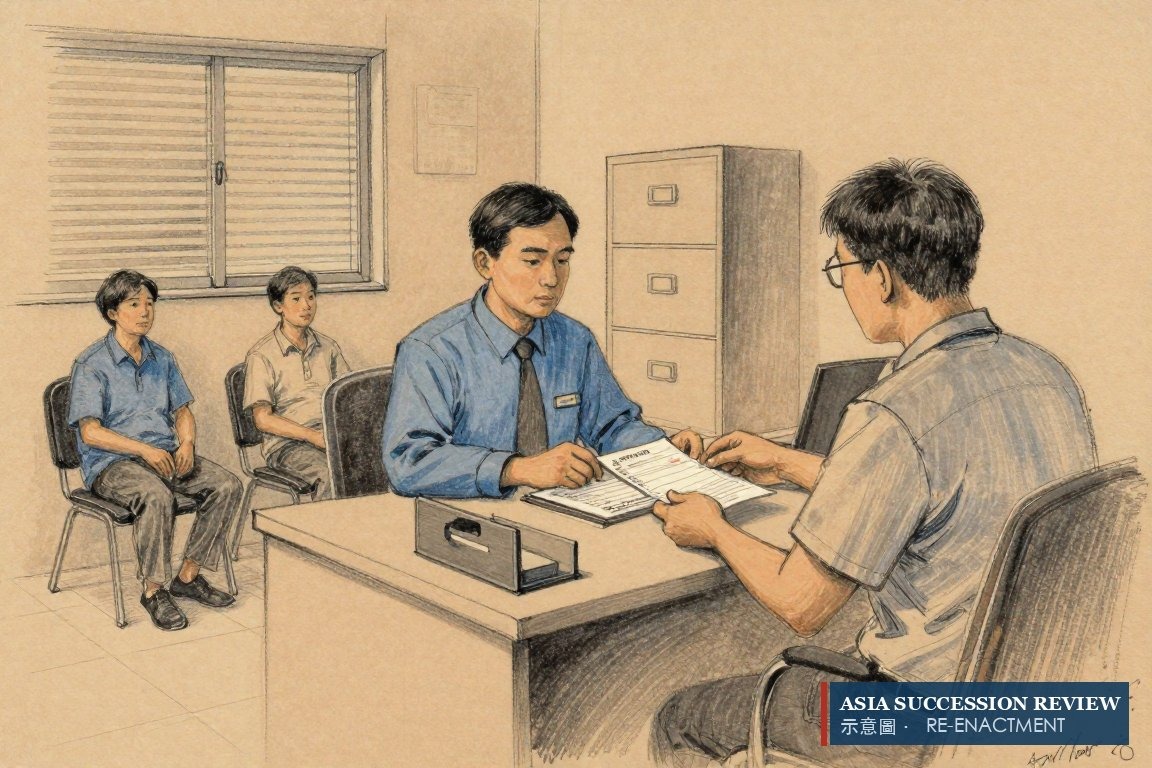
Singapore presumes a parent who buys land for a child is giving it, so the mother's claim starts behind
The mother's borrowed-name claim would also have been fought in Singapore, on the same evidence and with the same difficulty: where one person pays for property registered in another's name the law presumes a resulting trust for the payer, but between a parent and a child it presumes the opposite, a gift, and the Court of Appeal in Lau Siew Kim in 2007 made both presumptions turn on the real relationship and the real intention.
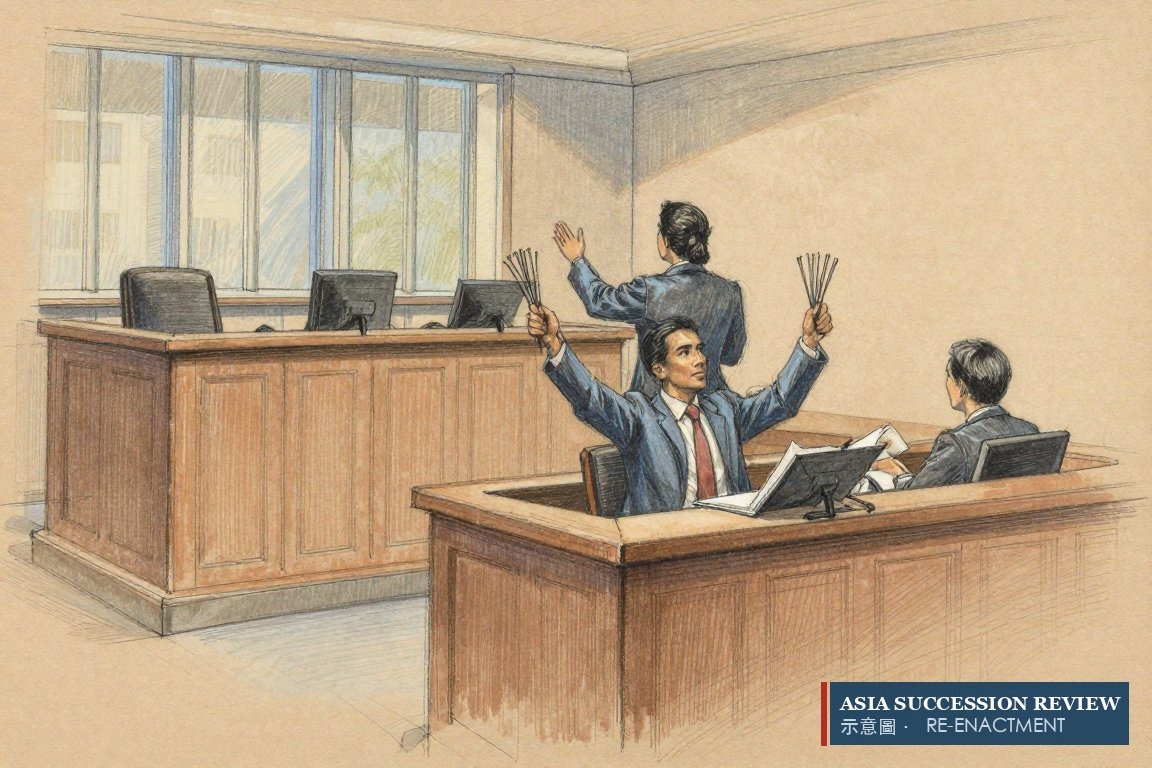
A mother who paid in 1969 must prove her real intention, and this family still hunts that evidence in 2026
A mother who paid for land in 1969 and put it in her twelve-year-old son's name would start behind, and would win only with the kind of evidence this family is still searching for in its third hearing.
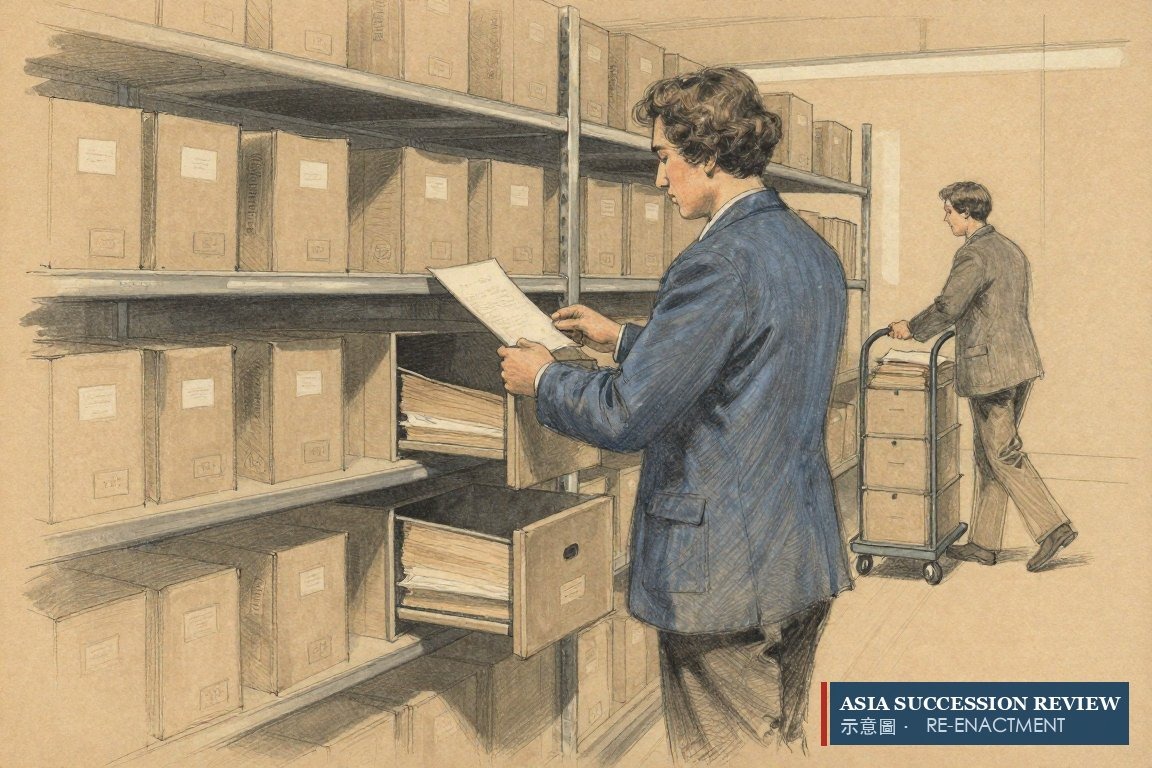
A deed written when the land is bought gives the widow a share of income, and her passport stops mattering
Which brings the question to where a Singapore planner would have put it: not in 2012, not in 2021, but in the year the land was bought. The mother had a choice she may not have known she had. She could hold the shops through a family company or a trust settled in her lifetime, with the trustee as registered proprietor, her three sons as beneficiaries in whatever shares she chose, and the deed saying what happens when a son dies: income to his widow for life, capital to his children at an age, the widow's nationality irrelevant because she inherits a beneficial interest, not land.
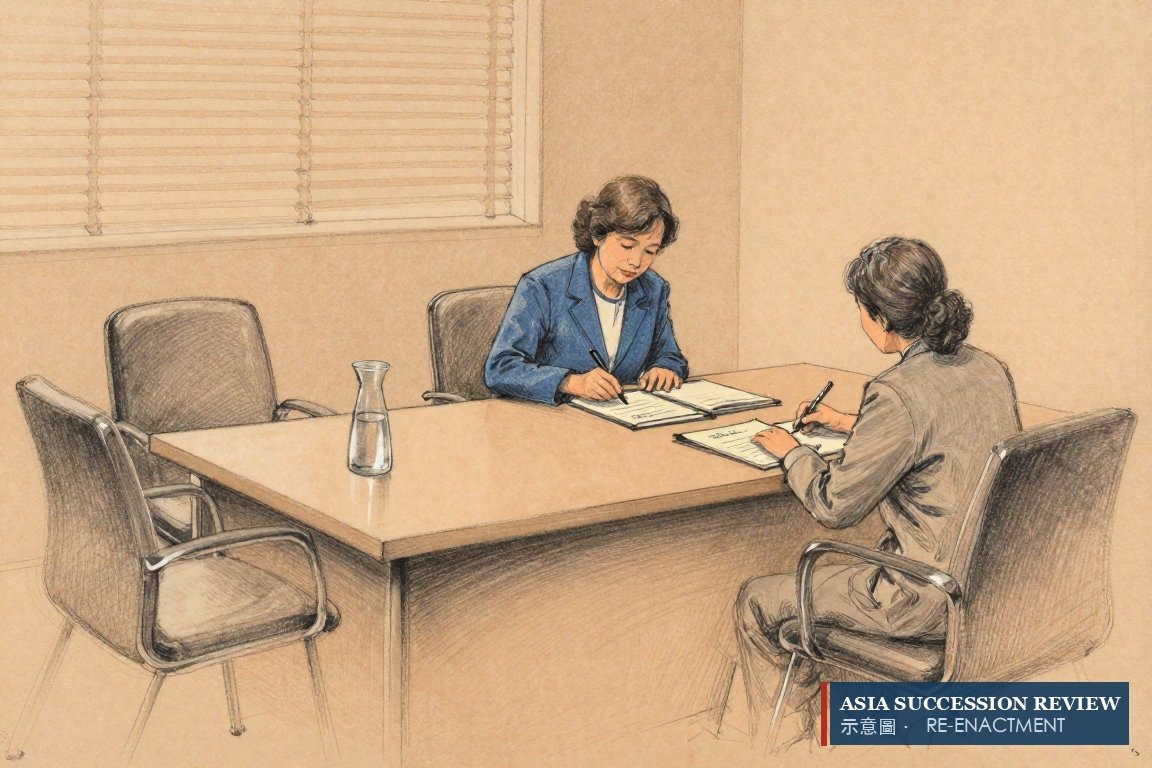
The NT$190 million becomes one line in the deed, so nobody needs a forensic laboratory to read a signature
The NT$190 million becomes a line in the same deed, a loan from the family fund to a beneficiary, set off against his branch's entitlement without a signature anyone needs a forensic laboratory to examine. The disinheriting will of August 2012 becomes unnecessary, because the deed already says who takes and the grandmother cannot be talked into a hospital-bed document at the worst moment of a family quarrel. The paternity tests become irrelevant to the land, because the deed defines a child of the marriage and a trustee, not a court, applies it.
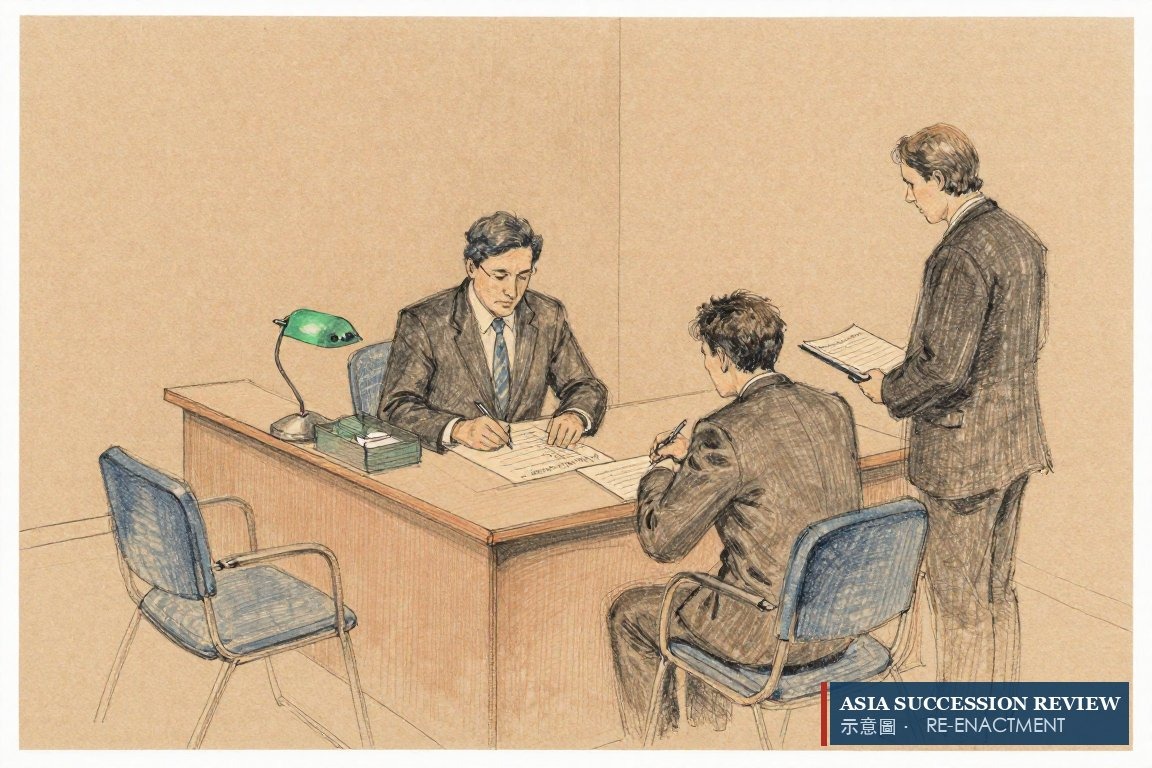
One trust can hold the building for 100 years, so who the family marries never changes who owns the shops
A Singapore trust can run for a century, and section 90 of the Trustees Act 1967 holds its validity against foreign inheritance rules where the settlor was neither a Singapore citizen nor Singapore-domiciled at creation. None of that is exotic. It is the ordinary way a family separates the question of who owns a building from the question of who the family has married.
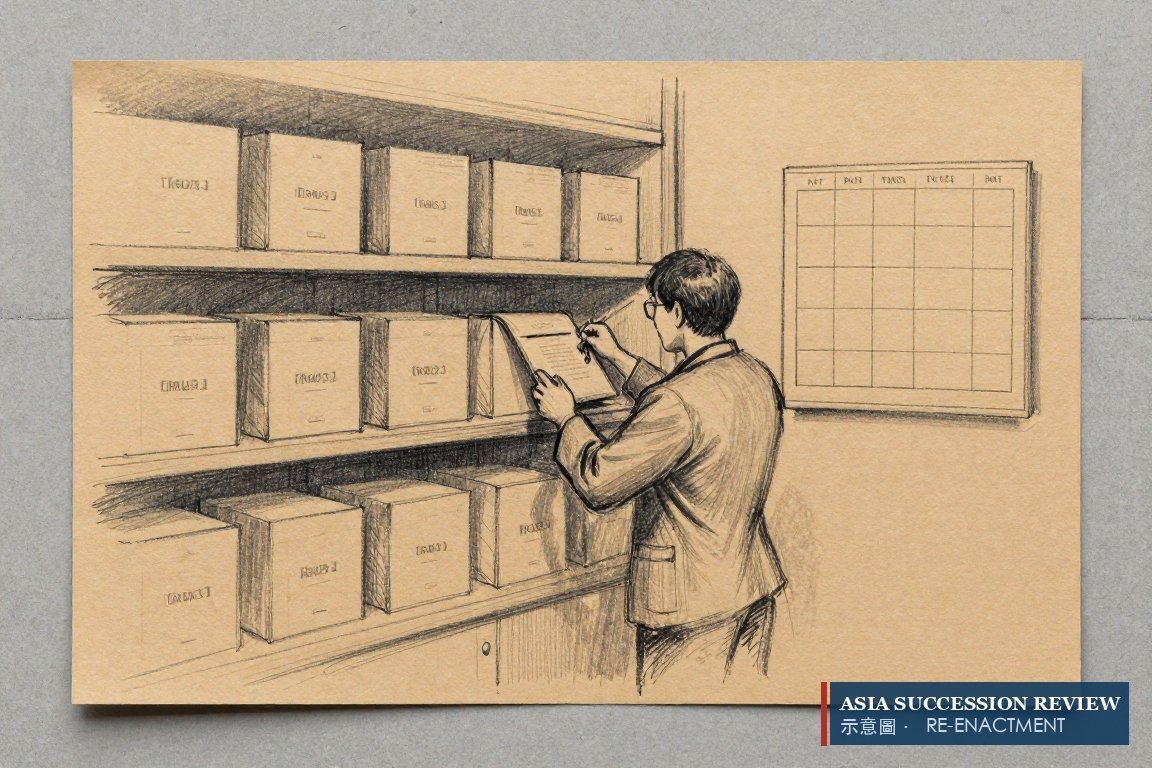
No Singapore deed takes title to Guanqian Road, so this family still needs a Taiwan holding and a Taiwan trustee
The honest limits, which in this case are real. Taiwan land stays Taiwan land: a Singapore trust does not take title to three floors on Guanqian Road, and the same result there needs a Taiwan-law holding, a trust under the Trust Act with a Taiwan trustee, or a company whose shares the family fund owns, with Article 67 still applying to whatever a mainland heir takes by succession in Taiwan.
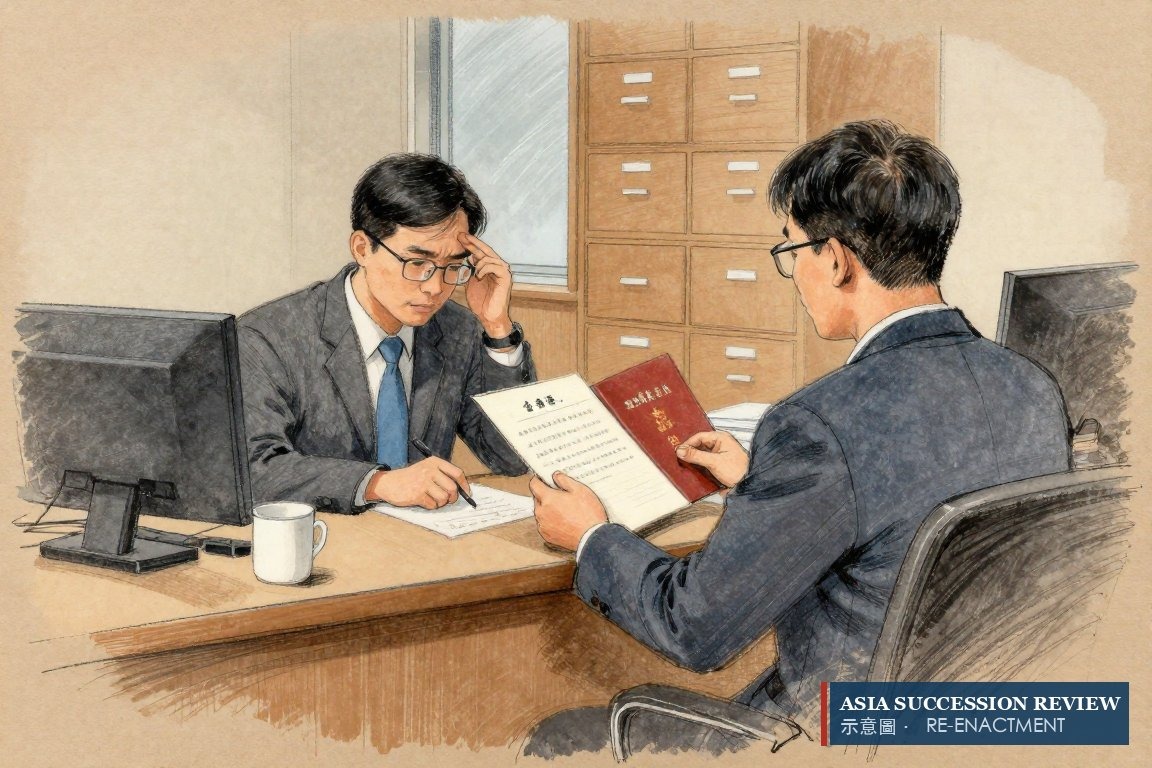
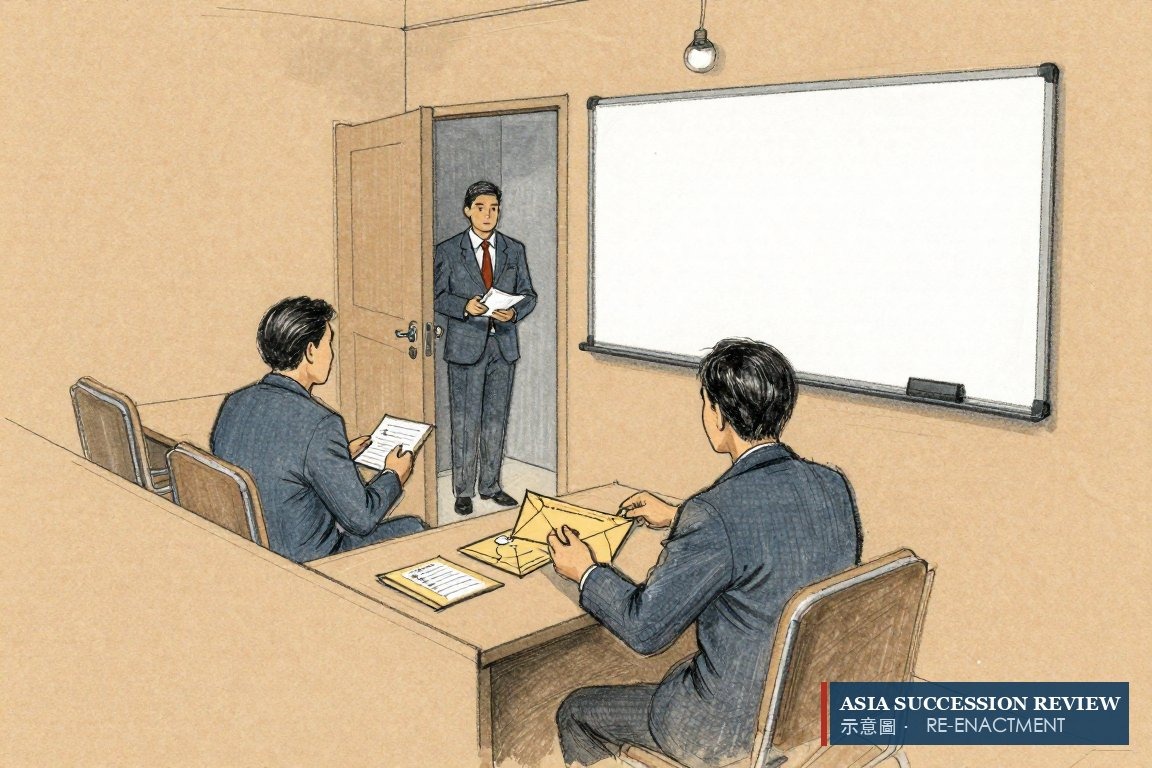
This family leaves 4 questions open at the father's death, and each one finds a court of its own
Taiwan's compulsory portion protects the widow and both sons against a deed that cuts a branch out, and Taiwan's estate tax is charged on the worldwide estate of a resident regardless of where the structure sits. Singapore does not stop a mother from lending her son NT$190 million on a handshake, does not stop a family suing for fourteen years, and does not stop a widow altering a document. What it changes is the number of open questions on the day of death. This family had four: whose land, whose debt, whose child, and which passport.
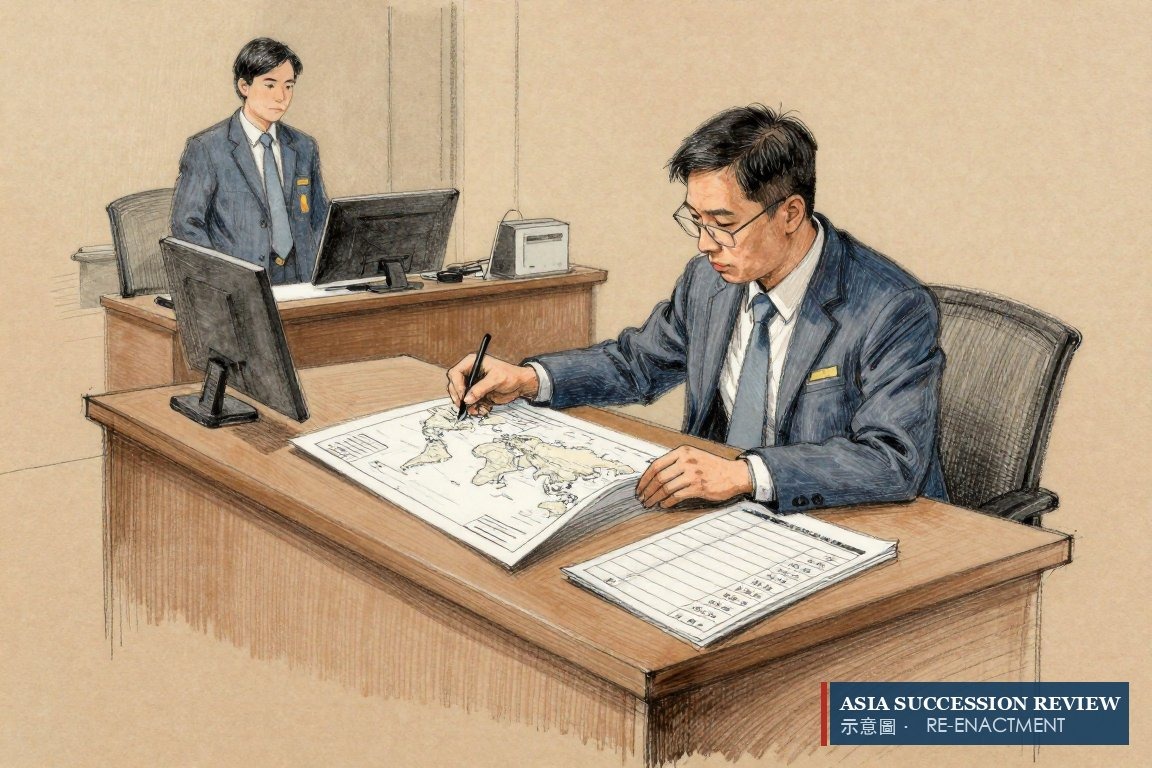
A deed in the mother's lifetime answers 3 of them, and every October hearing is the price of answering none
A structure written in the mother's lifetime answers the first three in a deed and makes the fourth unnecessary. Every October hearing this family now attends is the price of having answered none of them while she was alive to answer.
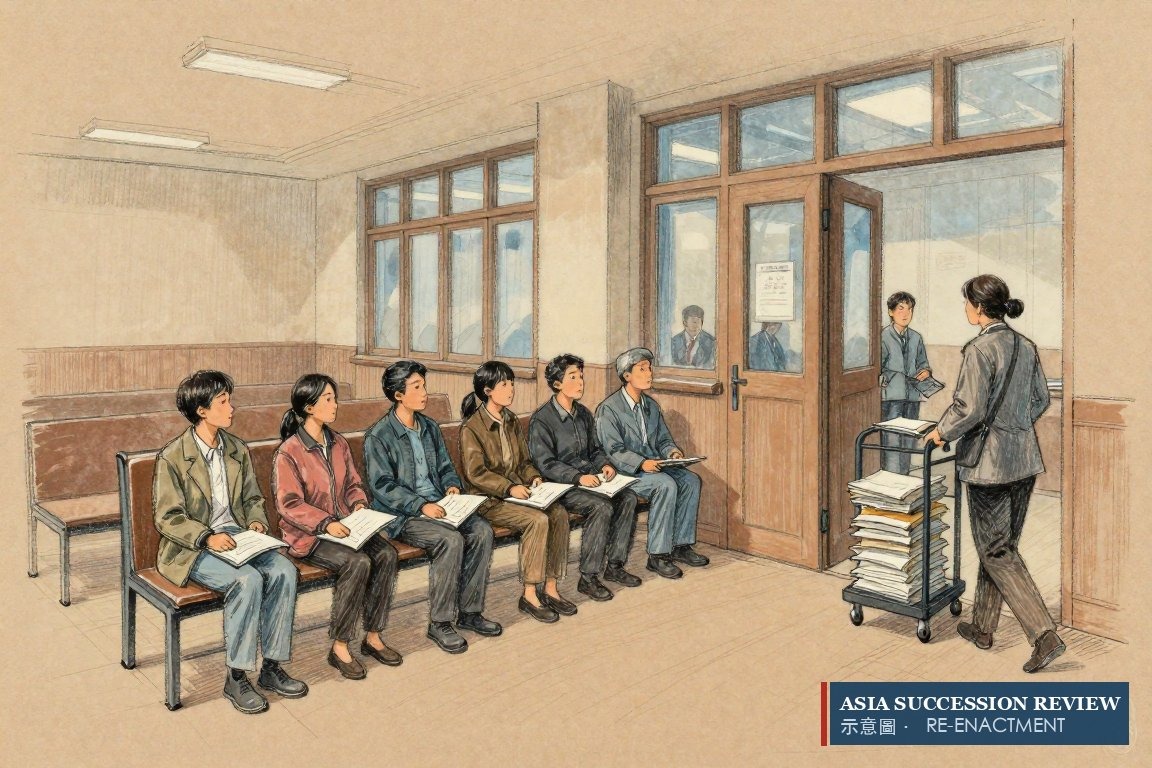
The widow — in Singapore, a shop of any nationality, or, if the property were residential, the sale proceeds within five years under Residential Property Act s3(4); under a lifetime deed, an income for life without inheriting land at all
The two sons — capital shares fixed by the deed, a trustee who collects the rent, and no reason to sue each other or their stepmother for what a tenant paid
The grandmother's estate — the NT$190m as a documented loan set off inside the family fund, instead of a promise letter whose signature is on its third court
Starbucks — one landlord for the whole tenancy, the personal representative or the trustee, and never a letter from a co-heir saying the rent went to the wrong person
A counterfactual, not advice. The verified machinery is on the Singapore page; where your family stands is the briefing.

From the case files: The same island, the larger version: Wang Yung-ching's estate, the borrowed-name shares and the overseas trusts his heirs are still tracing