Ray-Ban heir's €22 billion can't buy out siblings who won't sell
Leonardo Maria Del Vecchio lined up a non-binding Citi letter for up to €22 billion and offered his siblings about €3.7 billion each for their shares in Delfin, the family holding above Ray-Ban's parent. Within a day four of the eight holders said no. Four holders are half the company, and every step in his plan needs more than half, including the 75% vote that would let Delfin's dividends repay the loan. What Singapore would do with an heir's leveraged buyout, and the clause that makes a sibling answer.
Read this in: EN · 简体 · 繁體 · ไทย · ID
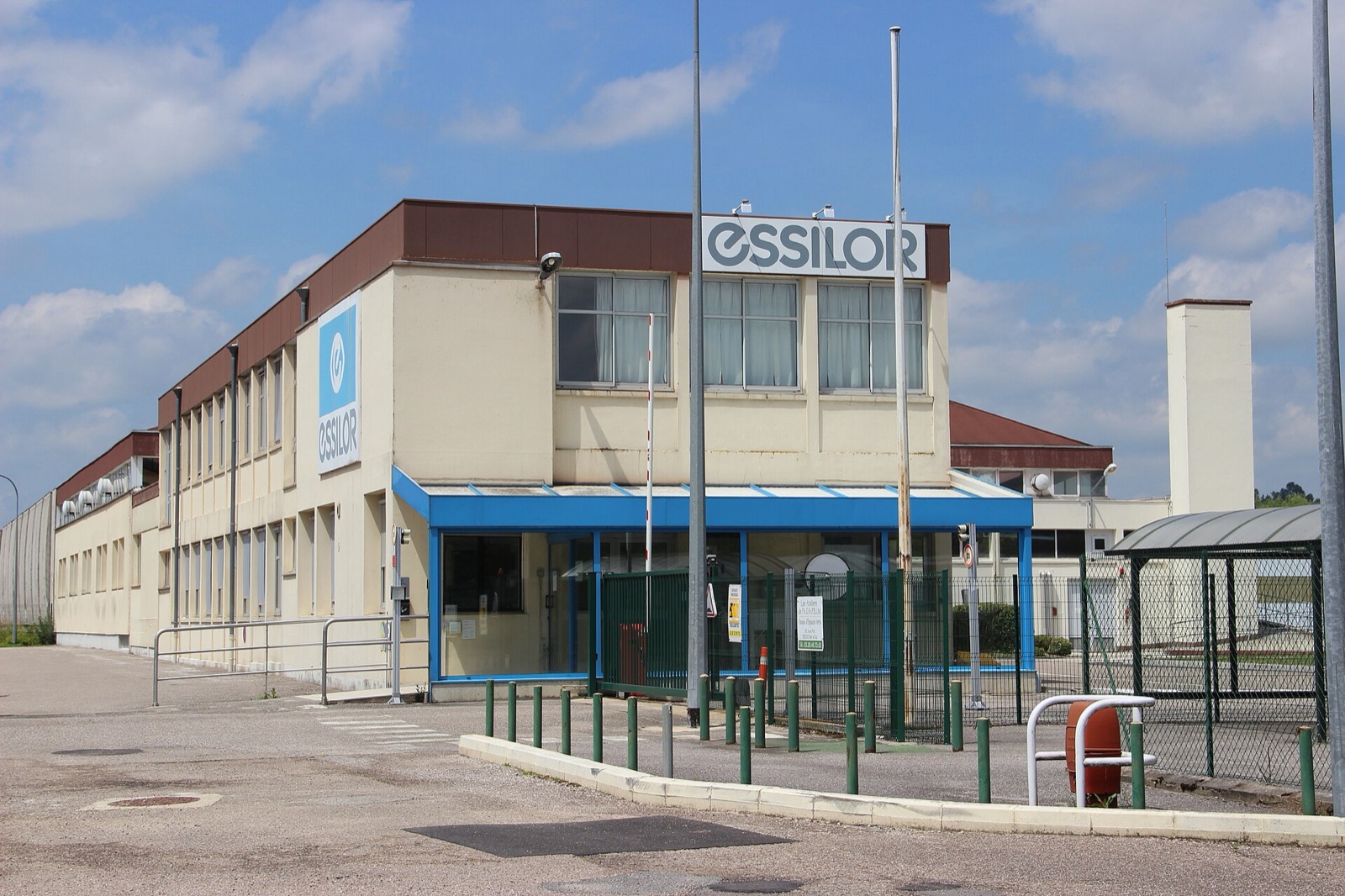
An heir offers siblings €3.7 billion a share, at the same 30% discount as the Czech bidder
On 2 November 2026 Leonardo Maria Del Vecchio, the fourth child of Luxottica's late founder, offered to buy out the other seven shareholders of Delfin and published a letter in QN, the newspaper he controls. Delfin is the Luxembourg holding that owns 32.4% of EssilorLuxottica, the owner of Ray-Ban. He offered about €3.7 billion for each 12.5% share. That values Delfin at about €30 billion, its net asset value less 30%, the same formula as the bid from Michal Strnad reported days earlier. "It is the most serious proposal I have ever made," he wrote.
Citi is highly confident of €22 billion, but the loan rests on Delfin's own shares and dividends
Citi gave a "highly confident" letter for financing of up to €22 billion to a Luxembourg vehicle formed in July; Milano Finanza stresses that this is not a binding commitment. Corriere della Sera reports a rate of 1.75%, with Delfin's own shares as security. QN reports that repayment rests on Delfin's payouts, from reserves of about €7 billion and a profit estimated at €1.5 billion. He wants six shares, to reach 87.5%, leaving out his mother, Nicoletta Zampillo. He needs at least five to reach 75%, the vote reported as necessary to change dividend policy.
Sellers can take all cash, or €1.23 billion now and an unguaranteed option paid in shares 14 months later
Sellers could take all cash, or sell 30% now for about €1.23 billion with an option on the rest between months 12 and 14, paid in EssilorLuxottica shares at a future value with no capital guarantee. He asked to meet by 7 November, allowed 30 days to accept and 60 of exclusivity, and offered to drop his legal actions against relatives.
Four of the eight holders refuse within a day, and their letter will not even discuss the offer
It lasted a day. That evening, Milano Finanza reported, Paola, Luca and Clemente Del Vecchio and Rocco Basilico said they would not sell. Reuters, citing the AGI newswire, reported that their letter declined even to consider or discuss the proposal. Corriere wrote that the refusal in effect makes the plan unworkable. Delfin gave no comment.
Two siblings claim €500 million over June's failed deal, while Delfin lines up five banks for a buyback
Two older matters sit behind the refusal. Paola and Luca are claiming €500 million from Leonardo Maria's vehicle over a June deal at €5 billion each that collapsed, Milano Finanza reported. And Delfin is studying its own buyback of up to 25%, with letters of interest from five banks, Citi among them, according to Corriere. The heirs have until the end of March 2027, when the period set by a Luxembourg court runs out.
- 1Reuters via Global Banking & Finance, 3 Nov 2026: Four Delfin shareholders rebuff Leonardo Maria Del Vecchio's buyout offer (letter declining to consider or discuss, per AGI; the four named; up to €22bn from Citi; goal of five or six shareholdings; portfolio about €43bn at market value)
- 2Milano Finanza, 2 Nov 2026: Delfin, quattro eredi Del Vecchio respingono anche l'offerta di Leonardo Maria (24 hours; six shares sought, at least five needed for the 75% that changes dividend policy; Citi 'highly confident', not binding; Paola and Luca's €500m penalty claim over the June deal at €5bn each; 30 days plus 60 of exclusivity)
- 3Quotidiano Nazionale, 2 Nov 2026: Delfin, come è costruita l'offerta di Leonardo Maria Del Vecchio ai fratelli (€3.7bn a share, NAV less 30%; LmdvFin2; reserves about €7bn, profit about €1.5bn; 30% for about €1.23bn plus option in months 12-14, no capital guarantee; thresholds: over two-thirds for a transfer to a shareholder, over 88% for an outsider, 75% for dividend policy; legal actions dropped)
- 4Corriere della Sera, 3 Nov 2026: Delfin, quattro soci respingono l'offerta di Leonardo Maria Del Vecchio. La holding al lavoro con le banche (refusal makes the plan unworkable; rate of 1.75%, secured on Delfin shares; Essilux stake up 30% in a month to over €28bn; buyback of up to 25% with five banks; end-March deadline; the letter's quotations)
- 5Il Gazzettino, 3 Nov 2026: Eredità Del Vecchio, Leonardo Maria offre 22,5 miliardi per rilevare Delfin ma quattro soci gli sbarrano la strada (the letter in QN; 62.5% to 75%; Zampillo's share excluded; Delfin 'no comment', per ANSA; earlier €10bn plan failed for want of a patronage letter)
- 6Business People, 3 Nov 2026: Delfin, nuova offerta di Leonardo Maria Del Vecchio per la holding (meeting by 7 November; La Stampa's report that a change of control could trigger a bid for EssilorLuxottica of about €60bn; going below 30% by paying in shares)
- 7The Edge Malaysia, 21 Jan 2026: Sapura brothers call truce, end Sapura Holdings winding-up fight (petition of 23 Sep 2024 on just and equitable grounds; settled and withdrawn on confidential terms)
- 8Companies Act 1967 (Singapore) s216(1), (2)(d), (2)(f) (relief for oppression, disregard of interests or unfair discrimination; orders for purchase of shares or winding up) and s403(1) (dividends only out of profits), current version as at 4 Nov 2026, read on Singapore Statutes Online 4 Nov 2026
- 9Insolvency, Restructuring and Dissolution Act 2018 (Singapore) s125(1)(i) (winding up where the Court is of the opinion that it is just and equitable), read on SSO 4 Nov 2026
- 10Companies (Model Constitutions) Regulations 2015 (Singapore), First Schedule regs 103-104 (the company in general meeting declares dividends up to the amount the directors recommend; directors may pay interim dividends), read on SSO 4 Nov 2026
- 11The Singapore Code on Take-overs and Mergers (16 June 2026 version), Rule 14.1 and Note 7 on Rule 14.1, the chain principle (MAS / Securities Industry Council), read 4 Nov 2026
Four holders own exactly half, so they can stop every step of the buyout by staying where they are
Four shareholders at 12.5% each hold exactly half of Delfin, and every door in this plan opens above half. QN reports that a transfer to an existing shareholder takes more than two-thirds, changing dividend policy takes 75%, and admitting an outsider takes more than 88%. So the four who said no do not need to win a vote. They only need to stay where they are.
Buy five shares and dividends repay the loan; buy four and the heir owns debt without cash
More money would not change that, because this money depends on the same vote. The loan is reported to be secured on Delfin shares and repaid from Delfin's payouts. Buy five shares and the buyer reaches 75% and can point the dividends at the debt. Buy fewer and he holds a costly minority stake, a large loan and no way to reach the cash. The plan works only if it almost entirely succeeds.
A share agreed at €5 billion in June returns at €3.7 billion in November, and sellers refuse
The price makes refusal easy. An eighth of about €40 billion of net assets is about €5 billion, and €5 billion is what Paola and Luca had agreed in June. In November they were offered €3.7 billion, about a quarter less, by the brother who would keep the difference. Waiting has also paid: Corriere says Delfin's EssilorLuxottica stake rose 30% in a month, past €28 billion.
Win control of the holding and the new owner may owe the market a €60 billion bid
There is one more turn. La Stampa, as relayed by Business People, says a change of control at Delfin could oblige the new controller to bid for the rest of EssilorLuxottica, about €60 billion. One idea floated is to pay heirs in EssilorLuxottica shares and take Delfin below 30%. Whoever wins the family may also have to answer to the market.
Singapore would give Leonardo Maria no way to make his siblings sell, because a private offer binds no one and the courts' buy-out powers protect shareholders treated unfairly, not buyers who are refused; its Take-over Code would add a chain-principle question for an heir buying control of a holding with 30% of a listed company, so the real work is to write the exit, the dividend rule and the deadlock clock while the founder can still sign.
Luxembourg and French rules decide this fight, and we read the press, not the articles or letters
Limits first. Delfin is a Luxembourg company and EssilorLuxottica is a French company listed in Paris, so Luxembourg and French rules decide every step here. We have not seen Delfin's articles, the offer or Citi's letter; their terms come from the press. What-If No. 45 dealt with the lock itself and the squeeze-out. This piece asks a narrower question: what would a Singapore family company do with an heir's buyout funded by debt?
In Singapore a sibling can ignore a fair offer below 90%, and a refused buyer has no case in court
Nobody has to answer him. Short of the 90% squeeze-out in section 215 of the Companies Act 1967, an offer for shares in a private company is simply an offer. A sibling who ignores it has done nothing wrong, and we know of no Singapore route that turns an unwilling seller into a willing one because the price is fair. Section 216, read on Singapore Statutes Online on 4 November 2026, protects a member treated oppressively or unfairly. It offers nothing to a buyer who has been refused.
An heir who wants out can ask a court for a buyout, but Sapura's brothers needed 16 months
The courthouse door opens the other way, for an heir who wants out. Under section 216(2)(d) a court that finds oppression can order the others, or the company, to buy that heir's shares. Section 125(1)(i) of the Insolvency, Restructuring and Dissolution Act 2018 allows a winding up where the court finds it just and equitable. Both need grounds and take time. Malaysia's Sapura brothers show the cost: a petition of 23 September 2024 on similar grounds ended only on 21 January 2026, on confidential terms.
By default a Singapore board sets the dividend, so a family that wants a 75% vote must write it in
Dividends would be the next argument. Under the model constitution, the company in general meeting declares dividends up to the amount the directors recommend, and directors may pay interim dividends (regulations 103 and 104). Section 403(1) allows them only out of profits. So by default, whoever controls the board controls the flow of cash. Delfin's reported 75% vote is a stronger protection for the minority, and a Singapore family could write the same rule into its constitution.
A lender relying on dividends depends on a vote the borrower lacks, and may meet the same lock
That is why an heir's loan is a family matter. If the debt can be repaid only from dividends, the lender is relying on a vote the borrower does not yet hold, and every sibling can read that arithmetic. Security over the shares may not help much either. Section 18 requires a private company to restrict share transfers, and in our reading a lender who enforces meets the same restrictions as the borrower. That is our inference from the statute, not a ruling on the point.
Buy a holding with 30% of a listed company and Singapore's chain principle may demand a full offer
A listed holding brings a further test. Rule 14.1 of the Singapore Take-over Code requires a general offer from anyone who reaches 30% of a company's votes. Note 7 on that rule, the chain principle, reaches upward: a person who takes control of a first company, listed or not, can acquire effective control of a second company it holds. The Securities Industry Council normally requires no offer unless the second company is significant to the first in assets, market value, sales or earnings. A holding whose main asset is a 32% block would need to consult the Council before the deal, not after it.
A shotgun clause makes the bidder name a price he would also accept, and it forces the sibling to answer
So the remedy is written while the founder can still sign. A family company can carry a shotgun clause: one holder names a price, and the other must either sell at that price or buy at it. It makes a sibling answer, and it makes the bidder name a price he would accept himself. It also favours whoever can raise money faster, so it works best with a long notice period and an independent valuation as a floor.
A dividend floor and a deadlock clock give an heir income or a fair exit without a court
Two more clauses do quieter work. A dividend floor, a stated share of profits paid every year unless a set majority votes otherwise, means an heir who needs income does not have to sell to get it. A deadlock clock sets the path when a family cannot agree: mediation by a fixed date, then an independent valuation, then a right to leave at that value, with the funding named. Each of these needs the signatures of people who are still on speaking terms.
Three questions on votes, loans and control let a family settle its answers before a bidder asks them
For the reader whose family holds a company together, three questions are worth asking now. If one of us wants to buy the others out, what vote does each step need, and can a minority stop it? If a relative borrows to buy in, what repays the loan, and does that depend on our dividends? And if we hold 30% or more of a listed company, what happens to that holding when control of the family company changes? Writing these answers down is ordinary stewardship.
Leonardo Maria Del Vecchio — a non-binding letter from Citi for up to €22 billion, an offer of about €3.7 billion a share, and four refusals within a day; he holds 12.5% and sought 87.5%
Paola, Luca and Clemente Del Vecchio and Rocco Basilico — half of Delfin between them, enough to block every reported threshold; Paola and Luca also claim €500 million over the June deal at €5 billion each
Michal Strnad — the same price formula as the heir, net assets less 30%, and the same four refusals
Delfin — letters of interest from five banks for a buyback of up to 25%, and until the end of March 2027 to settle it
The same holding in Singapore — no power to force a sale short of 90% (s215), buy-out orders only for unfair treatment (s216), dividends only from profits (s403), and a chain-principle question under Note 7 on Rule 14.1
The reader whose family holds a company together — three questions: what vote each buyout step needs, what repays a relative's loan, and what a change of control does to any listed stake
A counterfactual, not advice. The verified machinery is on the Singapore page; where your family stands is the briefing.

From the case files: A family holding came apart and an outside buyer was waiting: Yeo Hiap Seng